Materials Lab at Interihotel 2024
Matter curated the Materials Lab at Interihotel MAD24: sustainable materials in a 3D-printed hotel room designed by External Reference.
Events4 min read
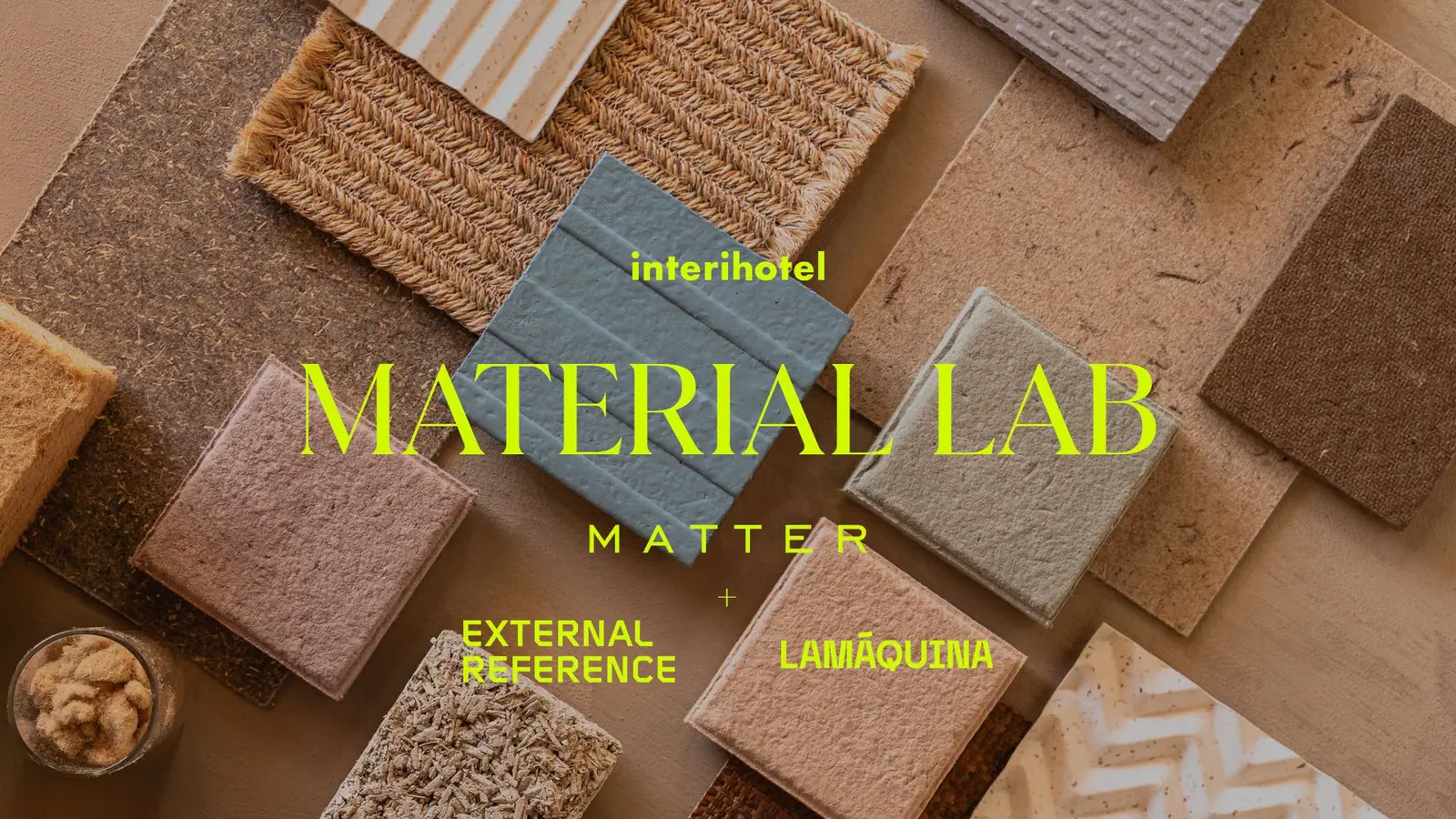
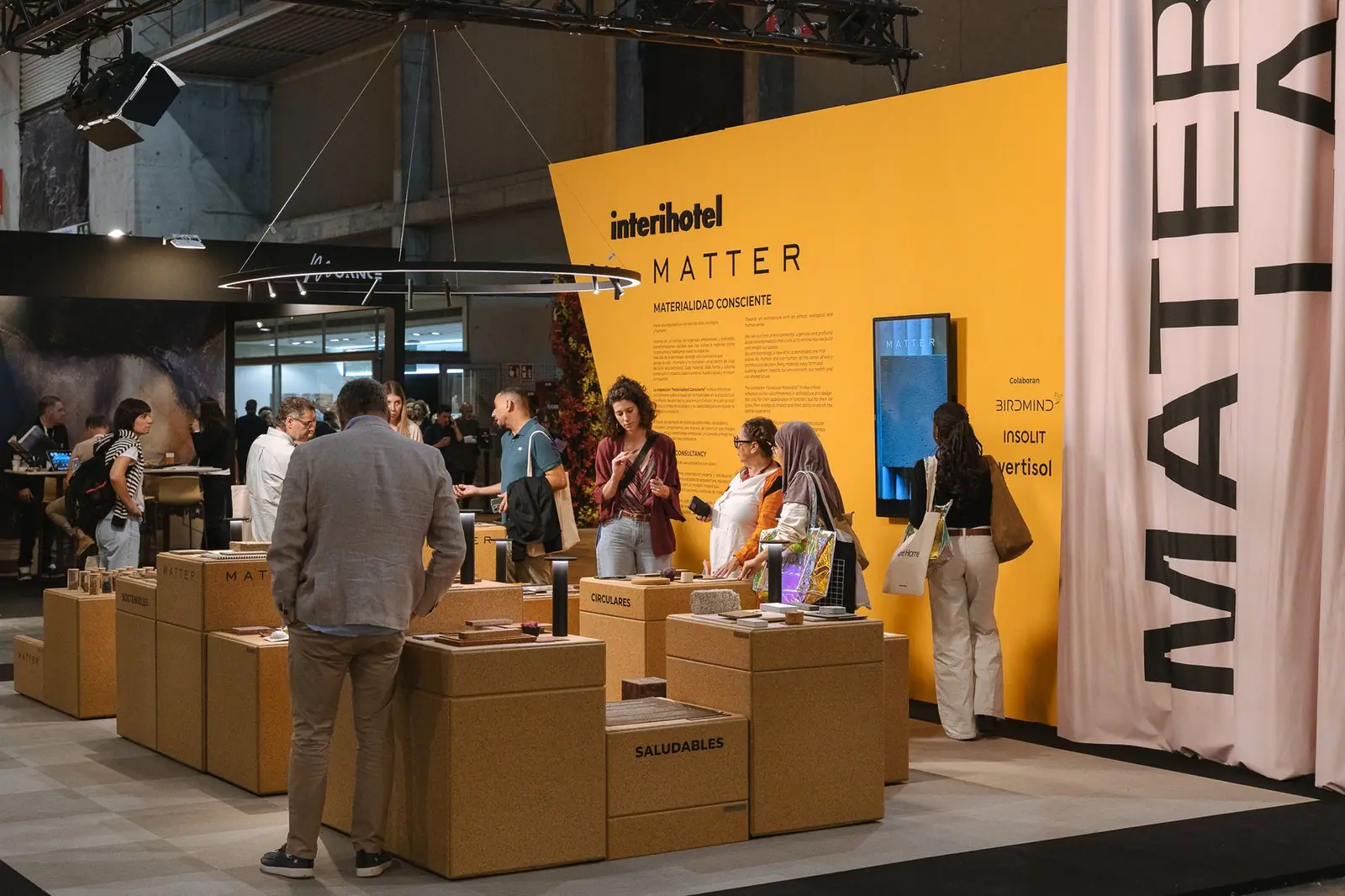
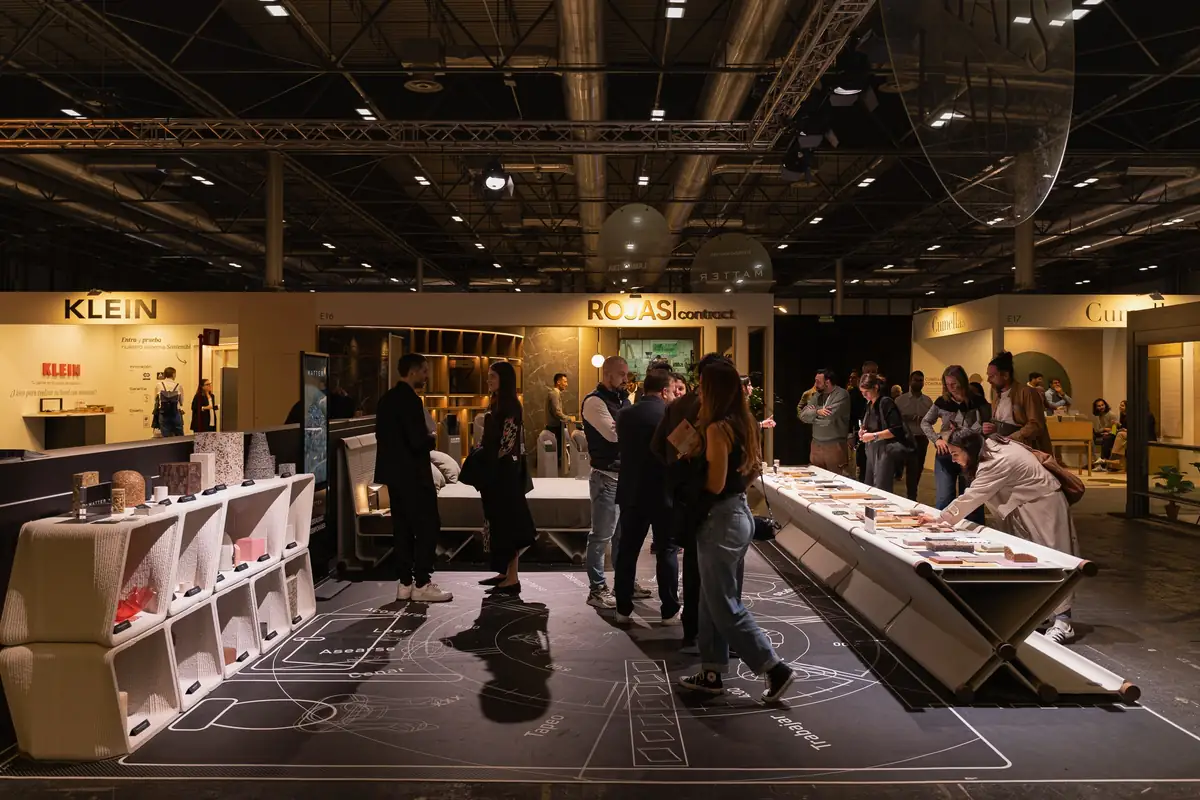
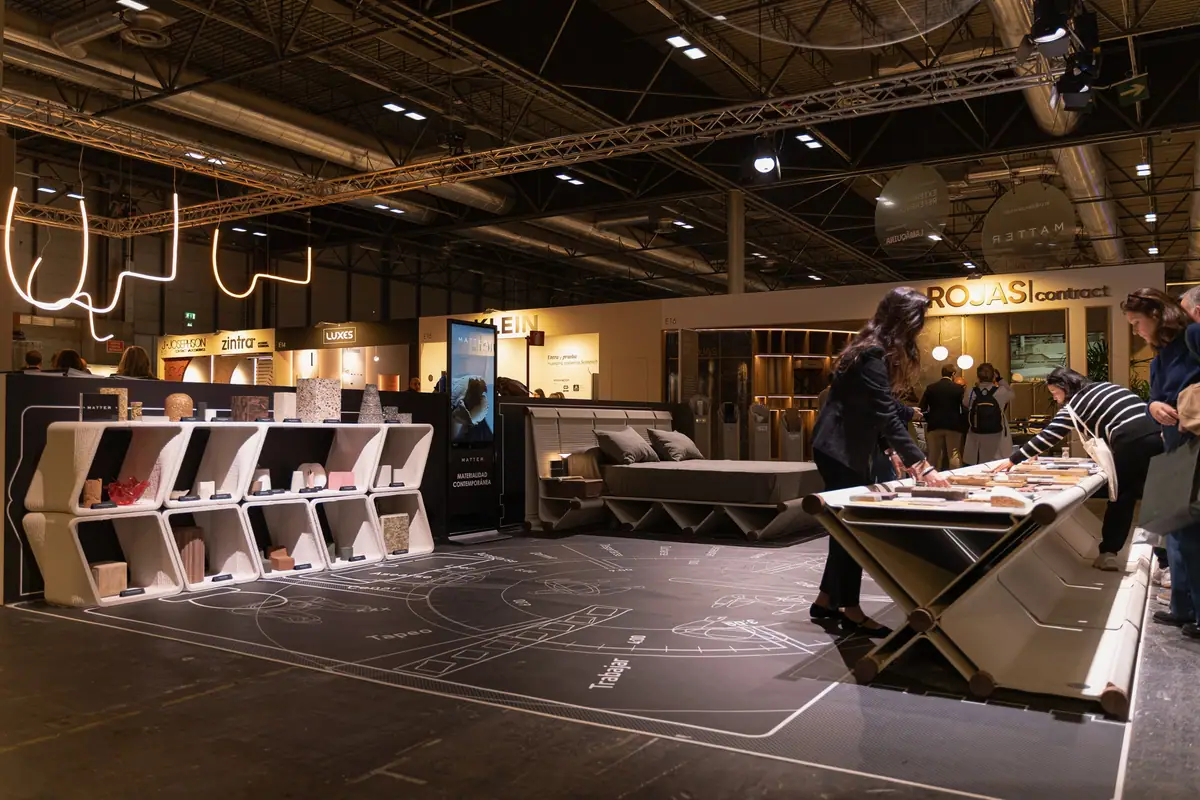
From 19 to 21 November 2024 we took part in Interihotel MAD24, at IFEMA Madrid, with the Materials Lab: an exhibition of innovative and sustainable materials curated by Matter's consultancy team. The exhibition was installed in a hotel room designed by the studio External Reference and 3D-printed by LAMÁQUINA, within the fair's Interiors Living Lab.
In this article we look at which materials were exhibited and on what criteria, how the room was built —modular furniture printed in recycled plastic and concrete, with mechanical wooden joints—, the round table Matter organised in the Lounge and the brands that took part.
Interihotel MAD24 and the Interiors Living Lab
Interihotel is the design event for hotels and restaurants organised by AMBIT Living Spaces Cluster. Its fourteenth edition, under the theme ‘Supernova’, brought together 262 exhibiting brands and more than 10,000 professionals from the sector at IFEMA Madrid, according to the organisers, with a programme of talks, workshops and round tables spread across the Agora, the Atelier and the Lounge.
The Interiors Living Lab is the fair's experiential area. In 2024 it comprised three spaces: the Concept Rooms Lab, the Xperience Lab, devoted to digital technologies applied to interior design, and the Materials Lab, which the organisers defined as an exhibition of innovative materials selected for their sustainable attributes. Each day, the programme's Sustainability Tour included a guided visit to the Materials Lab.
Materials for more conscious hotel projects
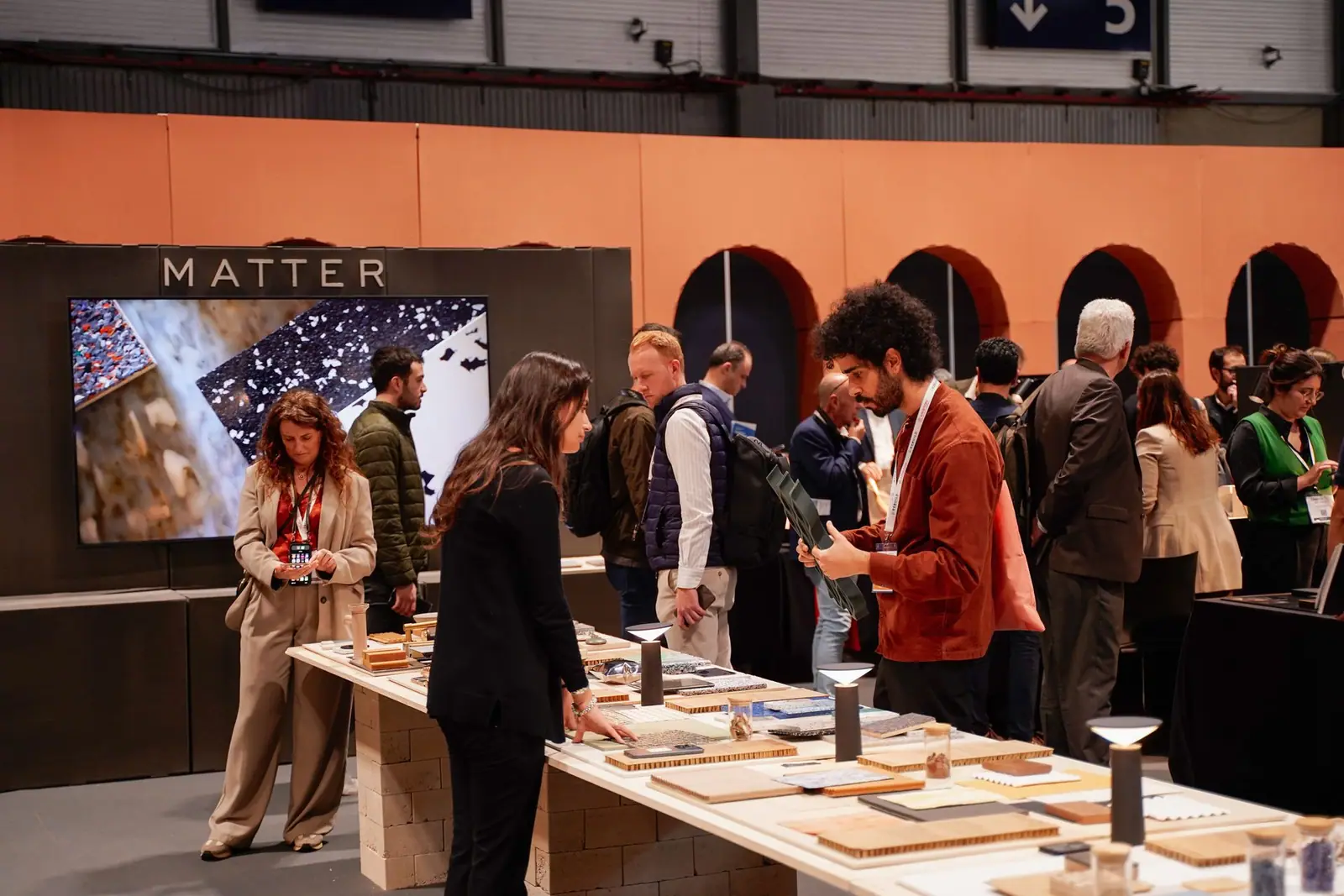
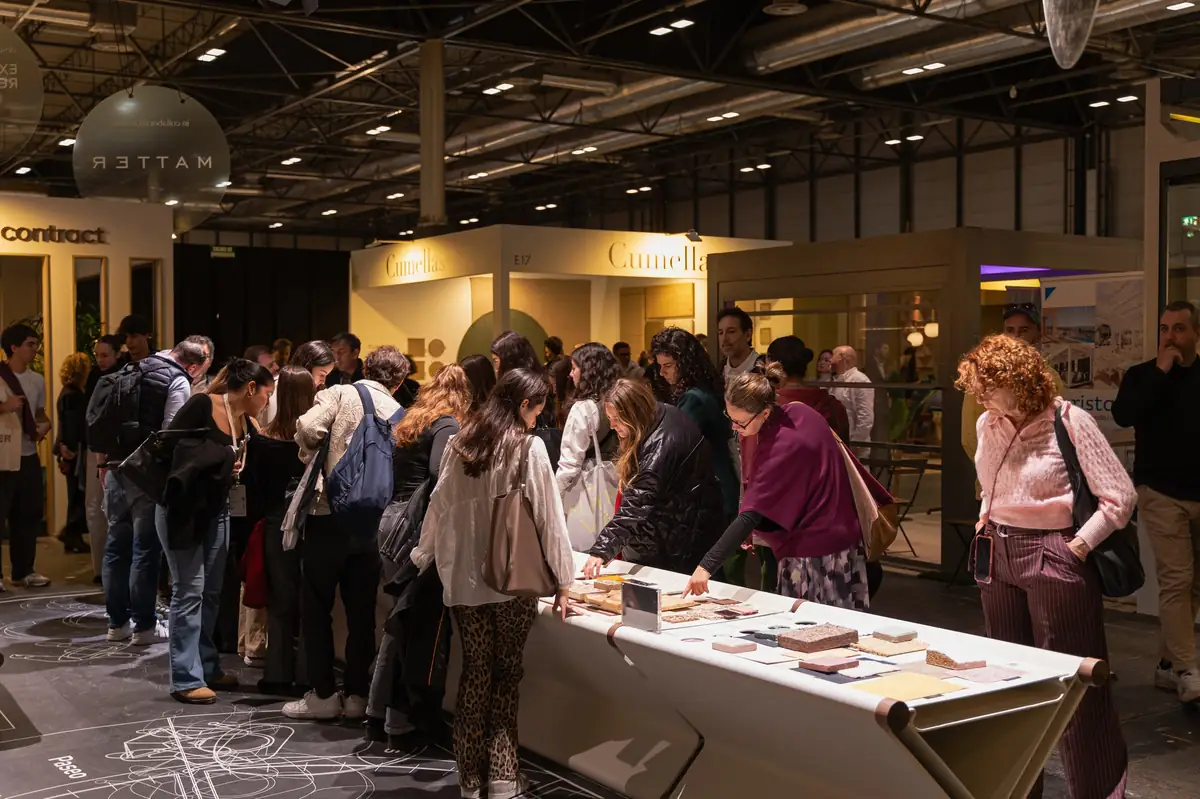
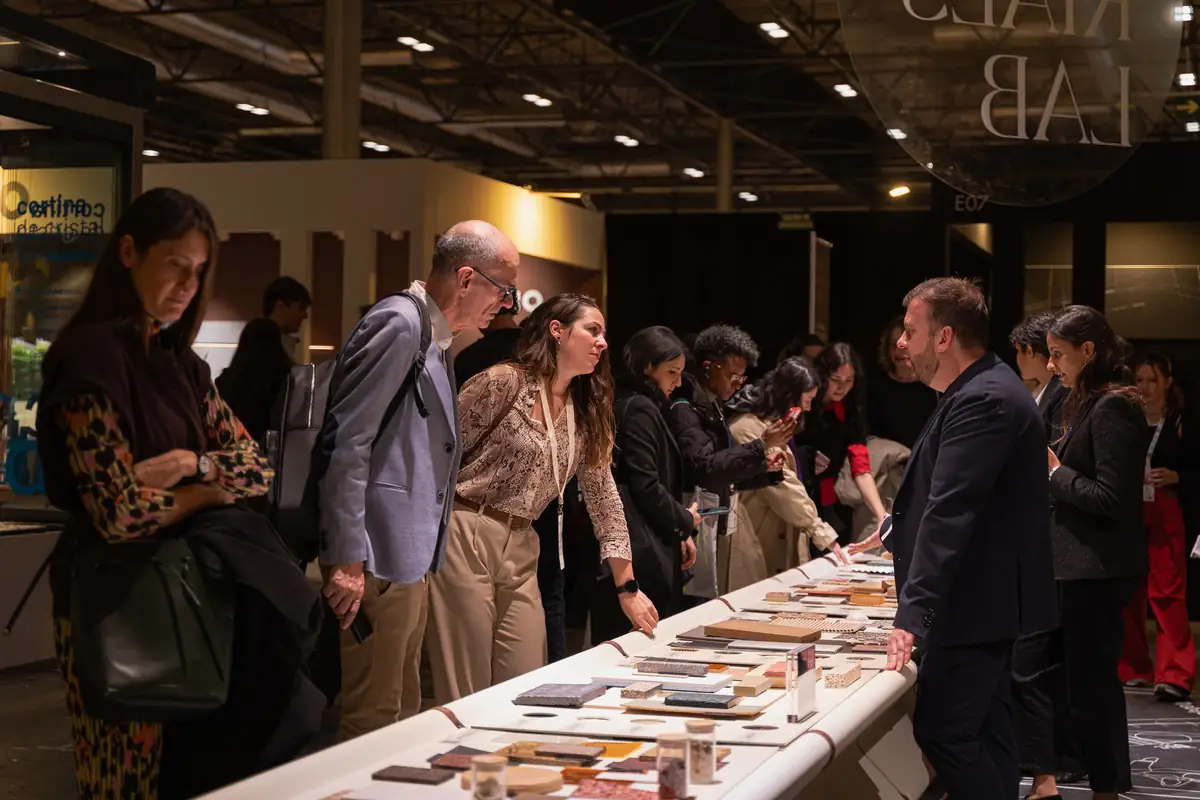
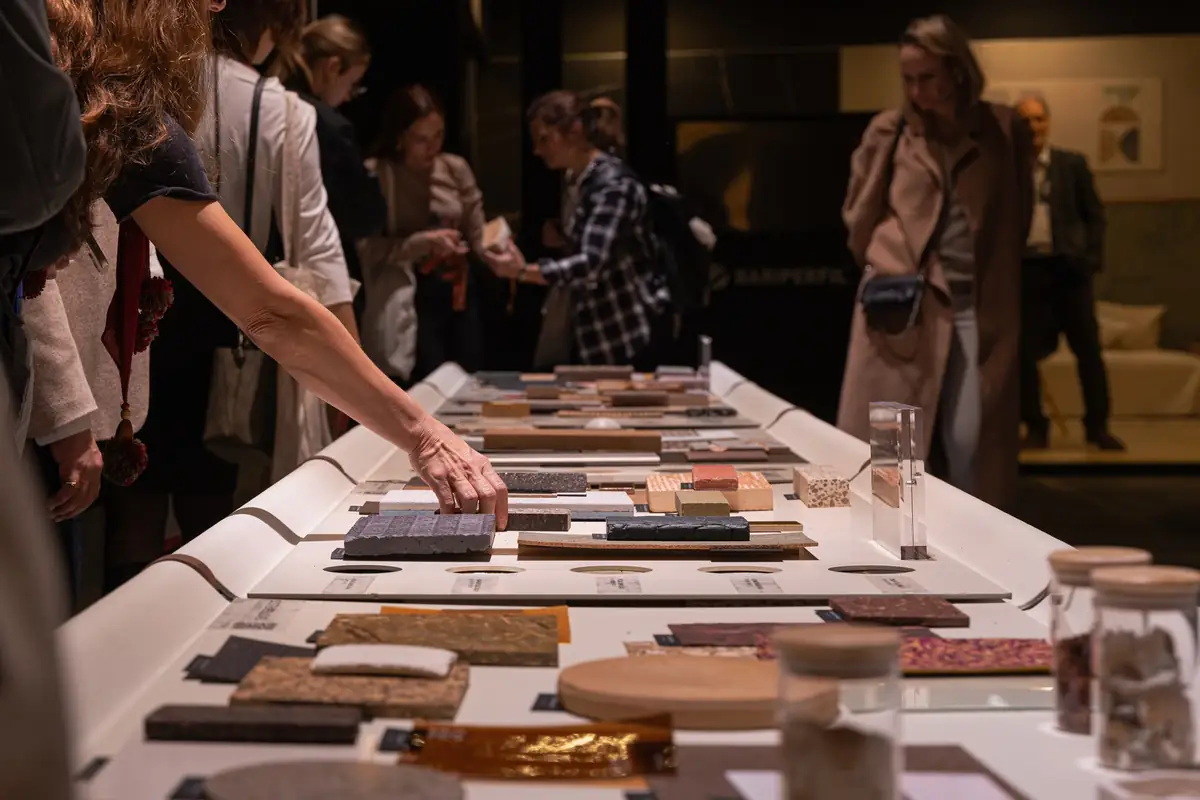
We presented a selection of innovative and sustainable materials designed for hotel projects, with a practical aim: to let architects, interior designers and operators see and touch alternatives for their projects up close. The selection responded to the aesthetic, functional and environmental needs of the hospitality sector.
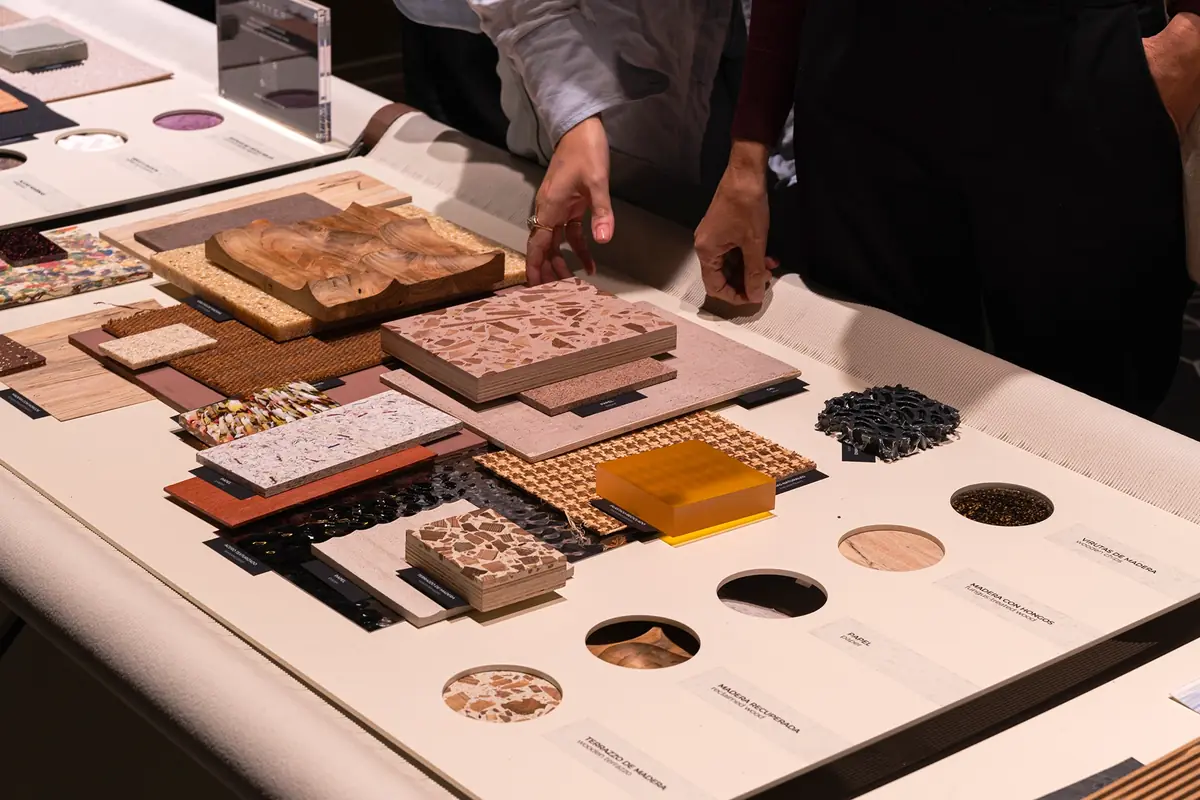
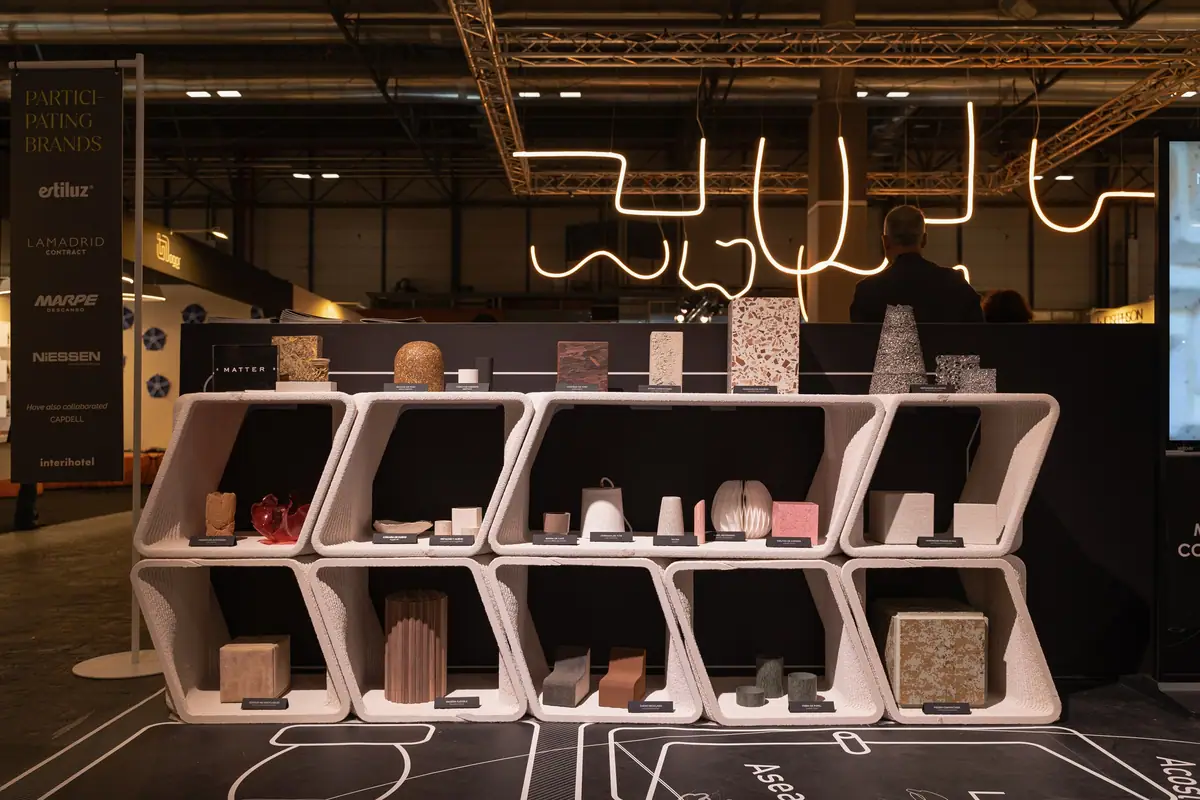
Among the materials on display were mycelium, cladding made from food waste, recycled plastic, seaweed-based acoustic panels and plant-based leather, among others. Grouped by origin, the exhibition included:
- Of biological origin: mycelium, cork, cotton, rattan, seaweed-based acoustic panels and plant-based leather made from pineapple and apple.
- From waste: food-waste cladding, recycled plastic and cement-bonded wood shavings.
- Minerals: mineral fibres, laminated stone and translucent concrete.
- Advanced processes and resins: CNC-machined wood panels and biobased resins.
The exhibition was structured around five essential concepts in hospitality design: comfort, identity, flexibility, durability and sustainability. Through this narrative, the materials showed how combining new technologies with the reuse of waste can provide innovative and responsible solutions for the sector.
A 3D-printed hotel room
The exhibition space itself worked as a prototype room.
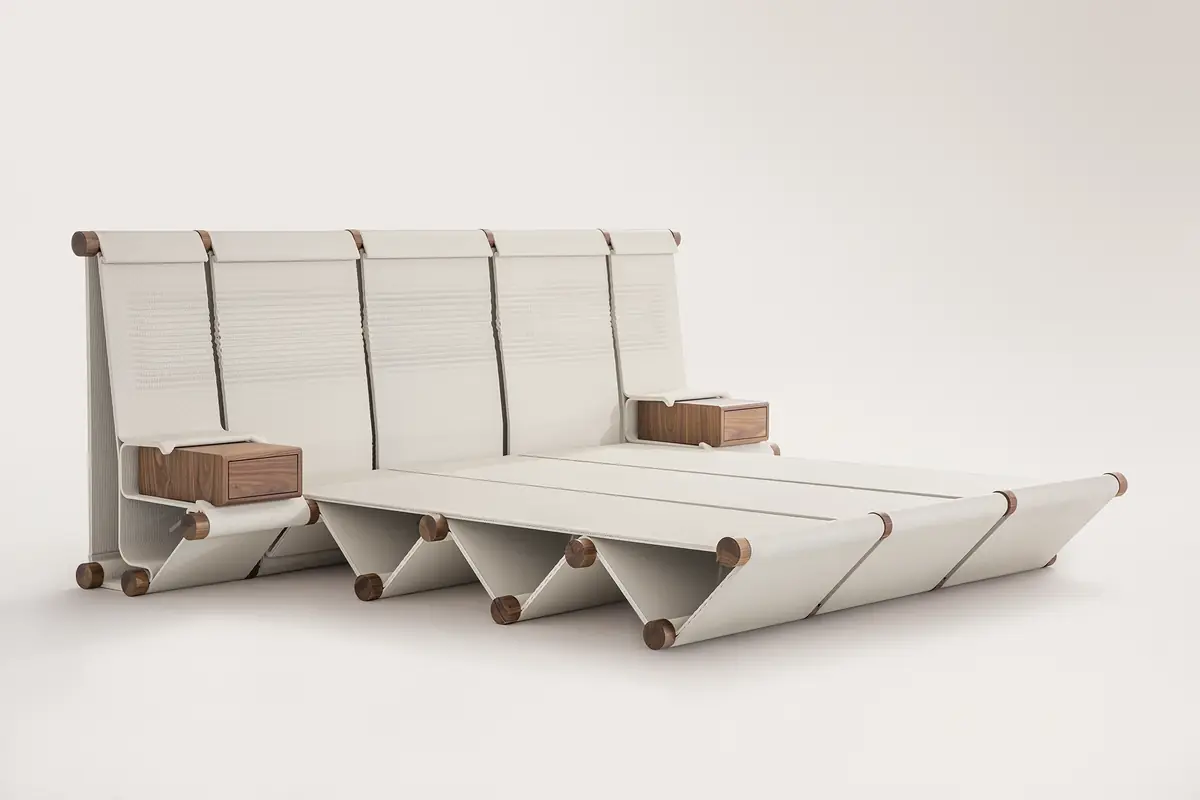
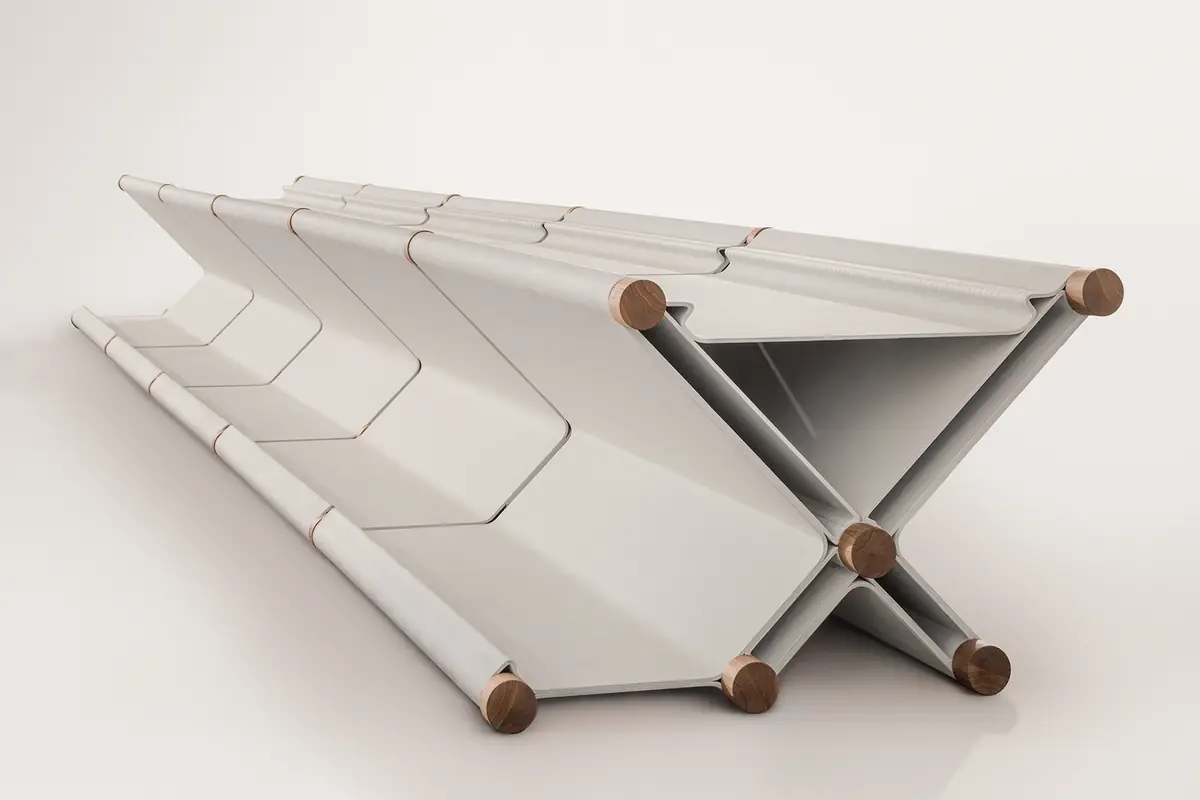
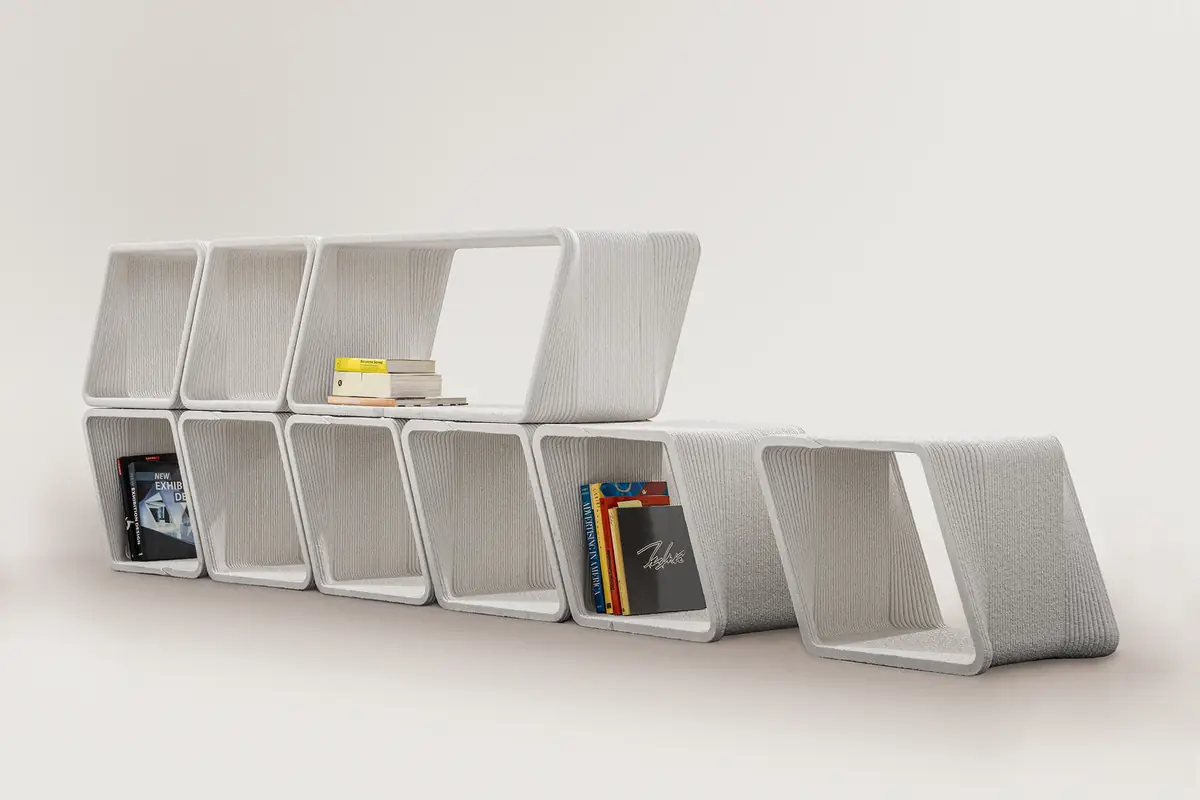
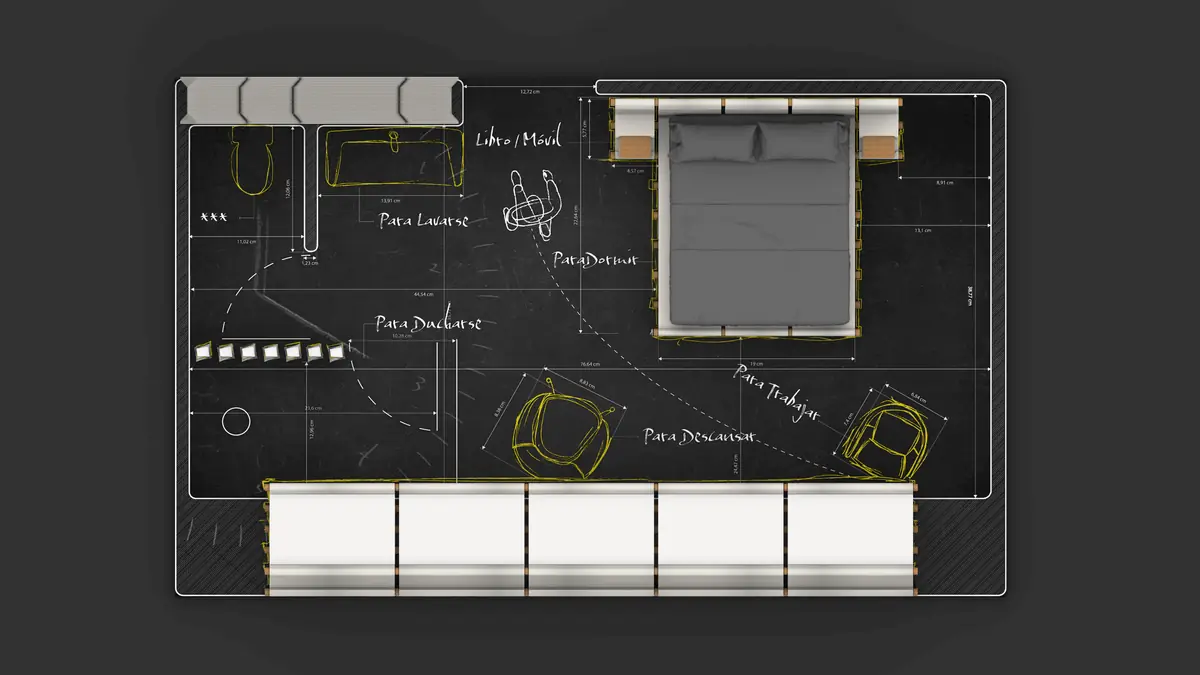
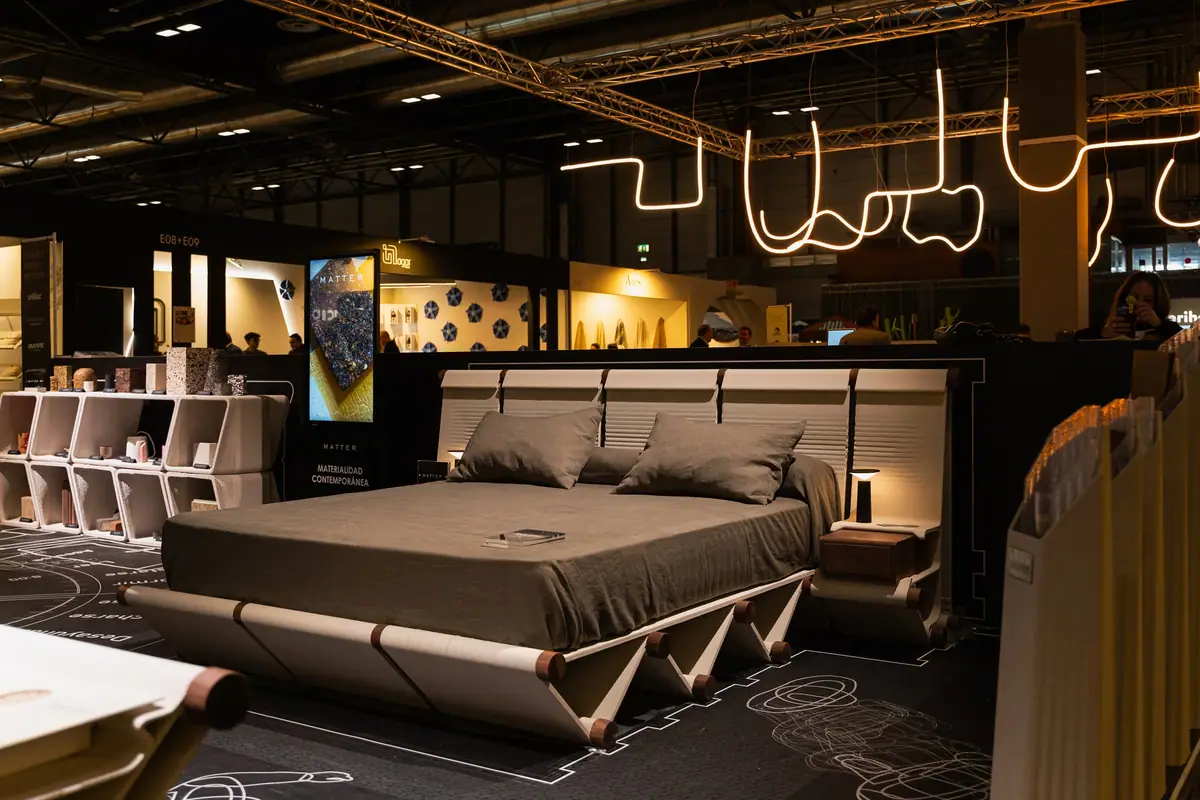
The exhibition was framed within a hotel room designed by the architecture and interior design studio External Reference, led by the architect Carmelo Zappulla. LAMÁQUINA, a large-format 3D printing centre based in Barcelona, fabricated the elements of the space: a bed and a table printed in recycled plastic and a shelving unit printed in concrete.
Adaptable modules and mechanical joints
Each element was designed from adaptable modules, intended to adjust to different project needs and sizes. The joints between modules, in walnut, are mechanical: a decision that makes it easier to assemble, dismantle and reuse the components. The fair's organisers described the system as a combination of serial 3D-printed elements and wooden connecting pieces.
The floor plan as a starting point
On the floor, the plan of the room drawn in 2D indicated the uses —sleeping, washing, showering, resting, working— and visitors could relate it to the 3D-printed pieces. According to Interihotel, the installation thus proposed a reflection on the temporality of design and made the user a co-creator of the space.
The furniture also incorporated materials with catalytic and photocatalytic properties which, according to the fair's organisers, help to reduce greenhouse gases.
Key points for hotel projects
Beyond the fair, the installation offers some ideas applicable to guest rooms and common areas:
- Modularity: pieces designed to adapt to different room sizes and changes of use.
- Demountability: mechanical joints that allow components to be assembled, reconfigured and reused.
- Bespoke fabrication: large-format 3D printing makes it possible to produce furniture in recycled plastic or concrete.
- The real sample: a material's texture, finish and scale are better judged on the piece than in a catalogue.
Round table: Materiality and innovation
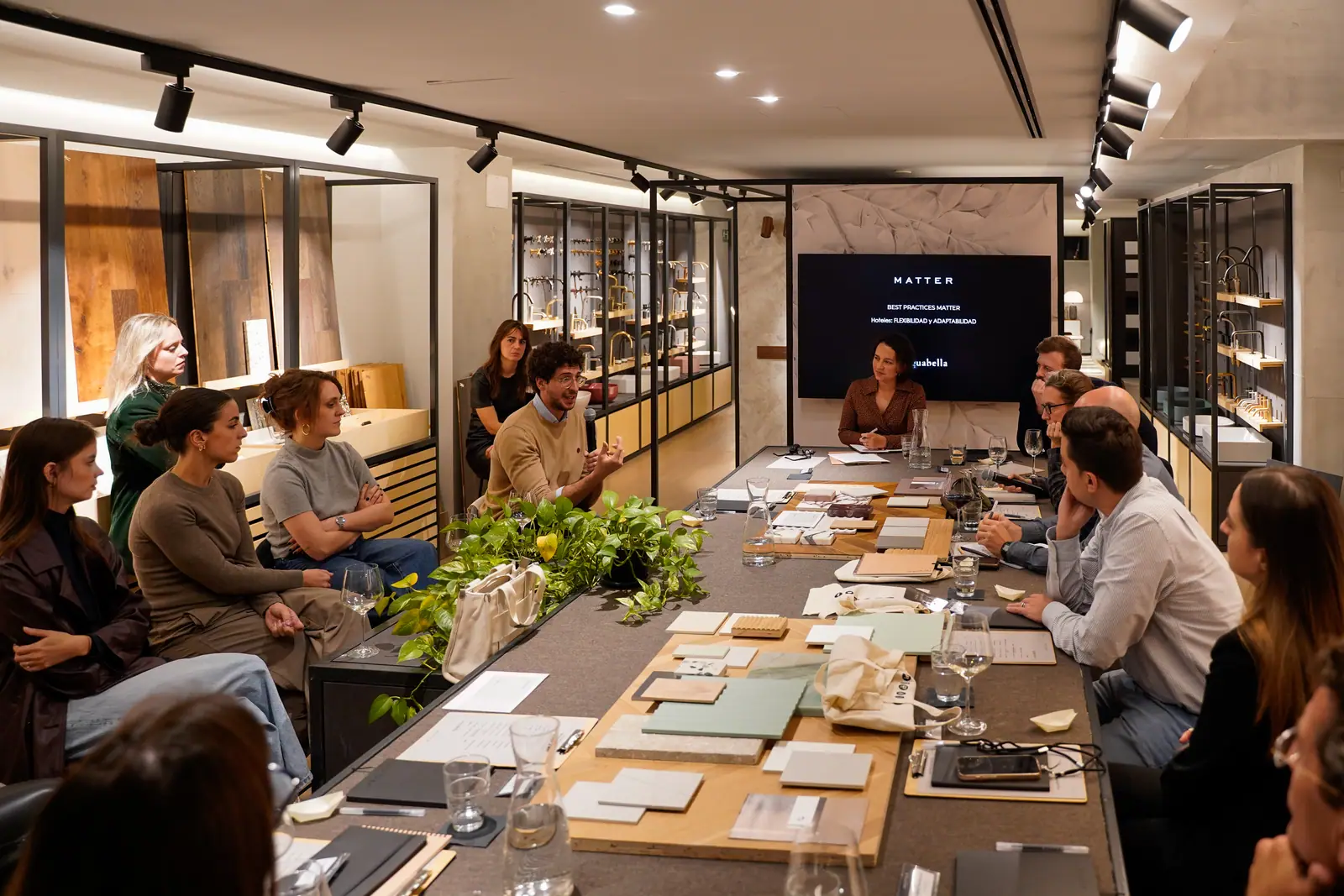
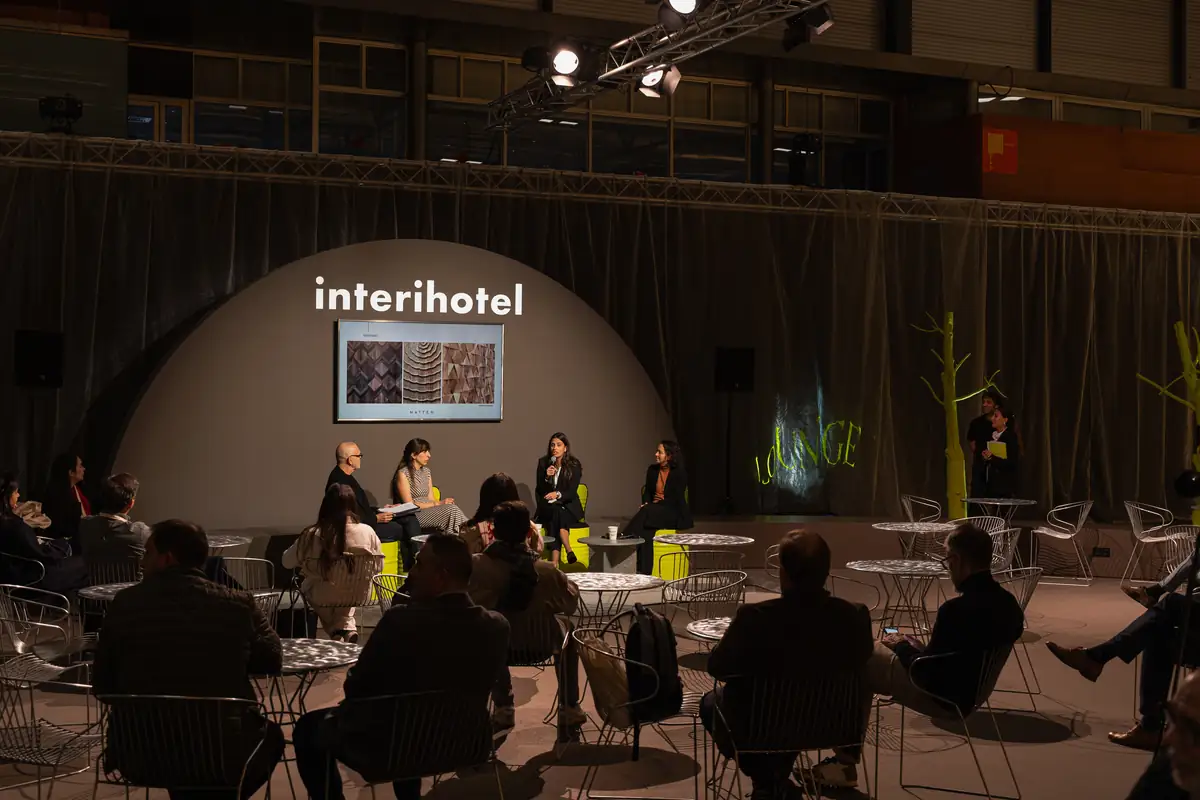
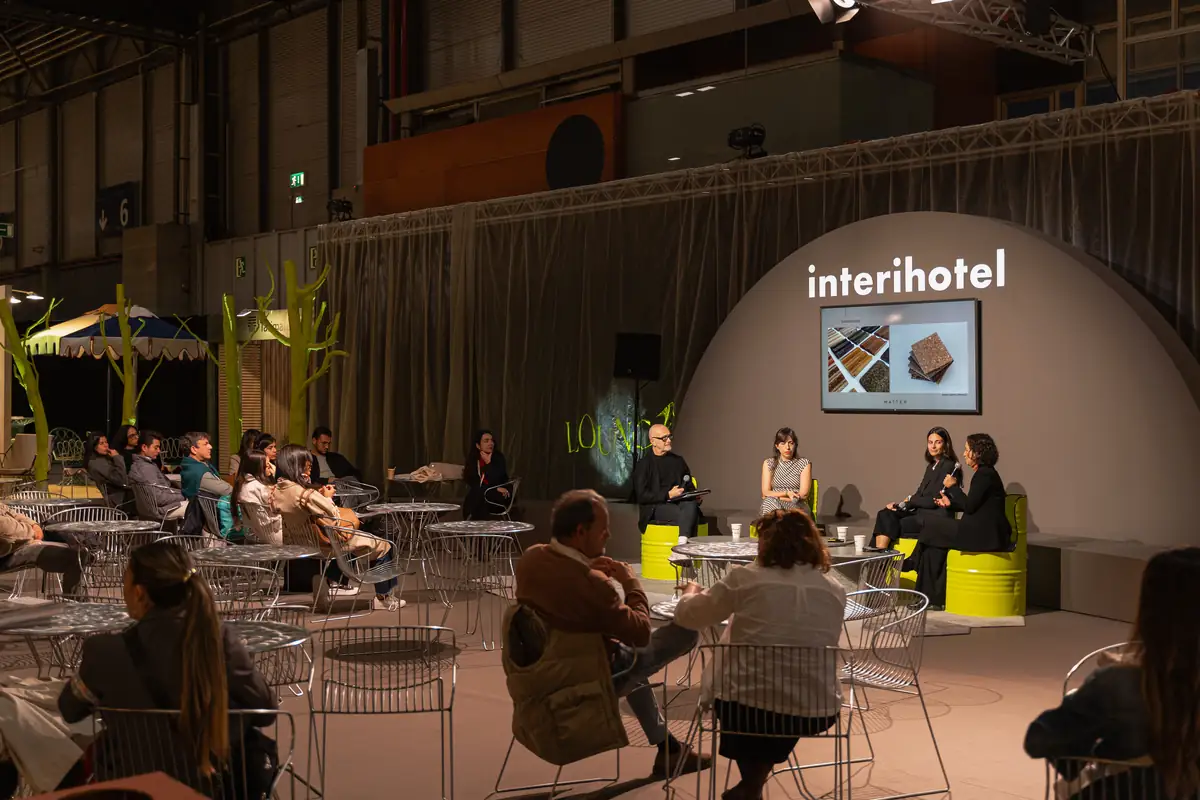
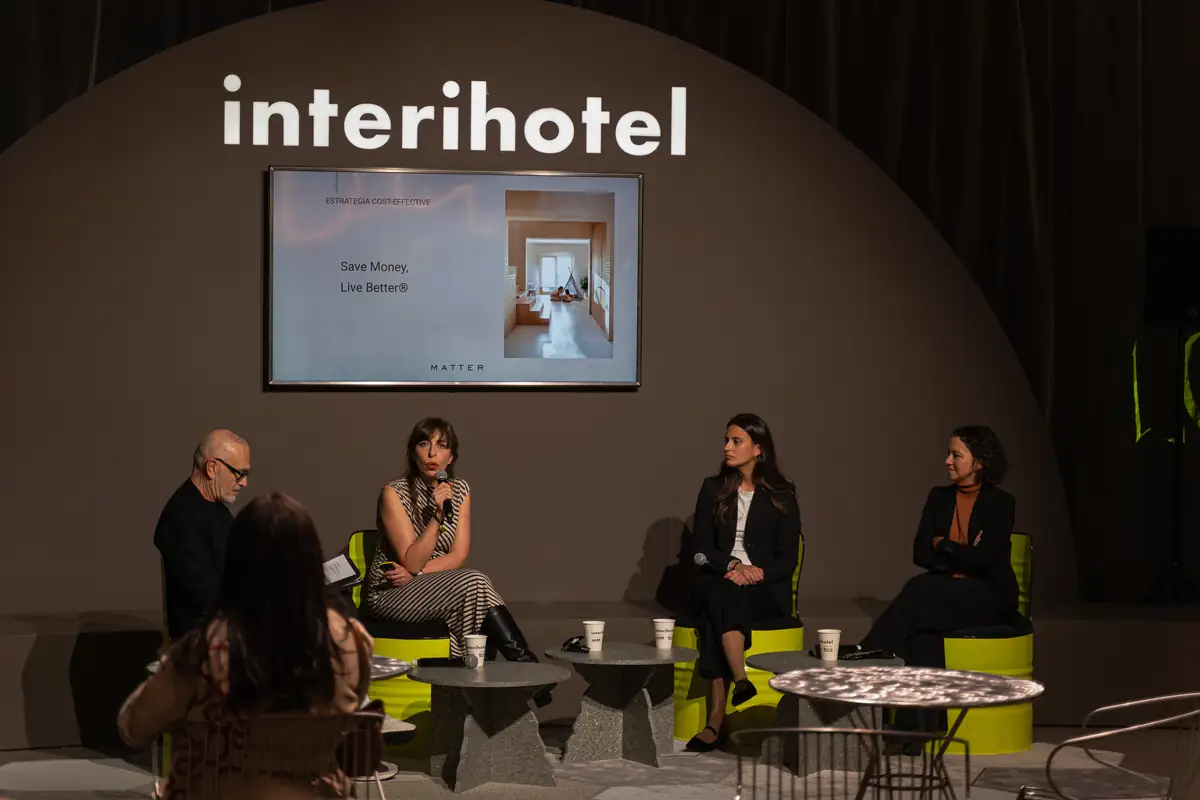
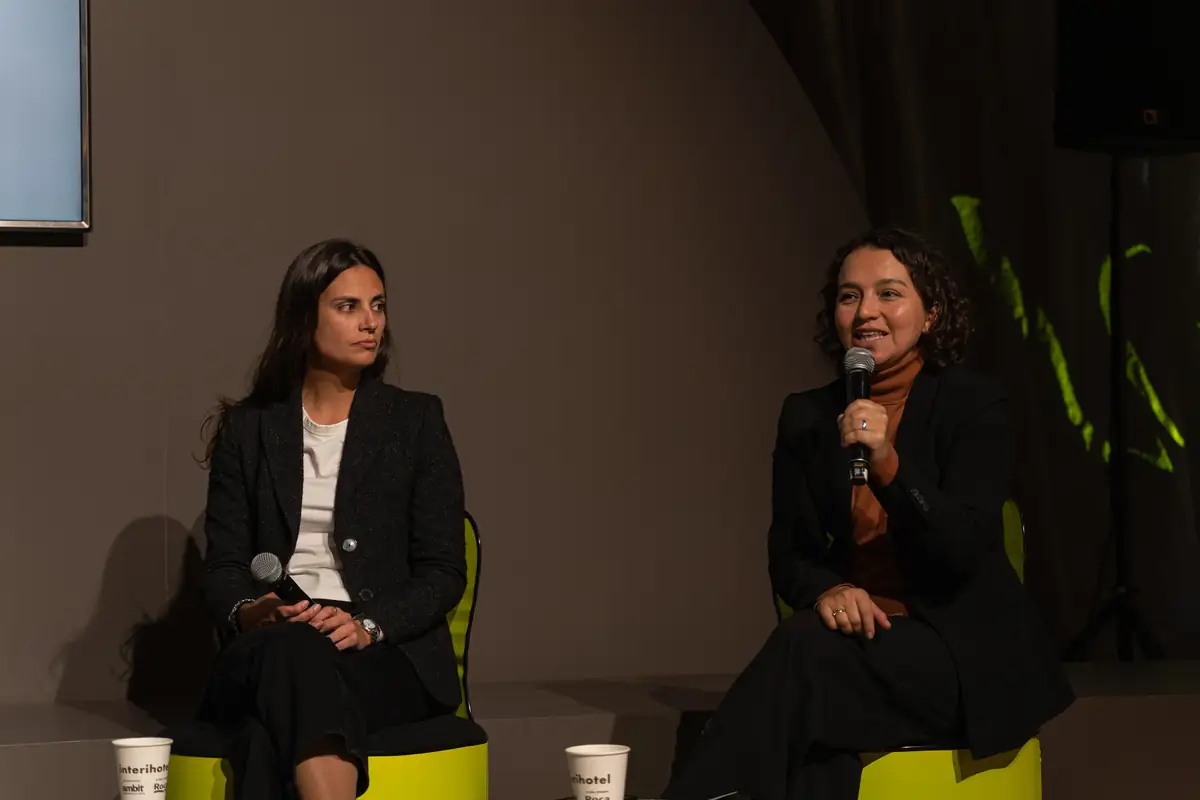
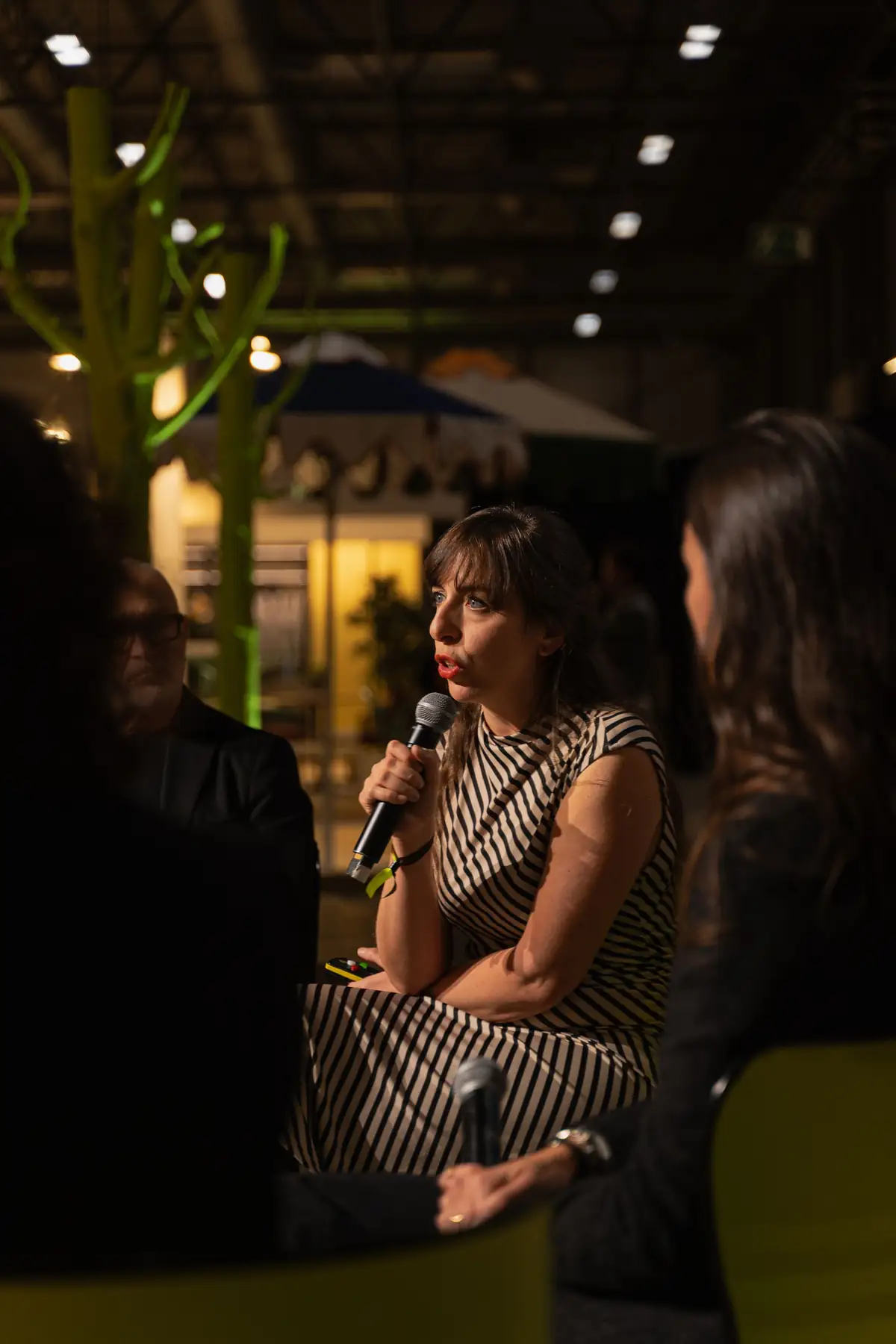
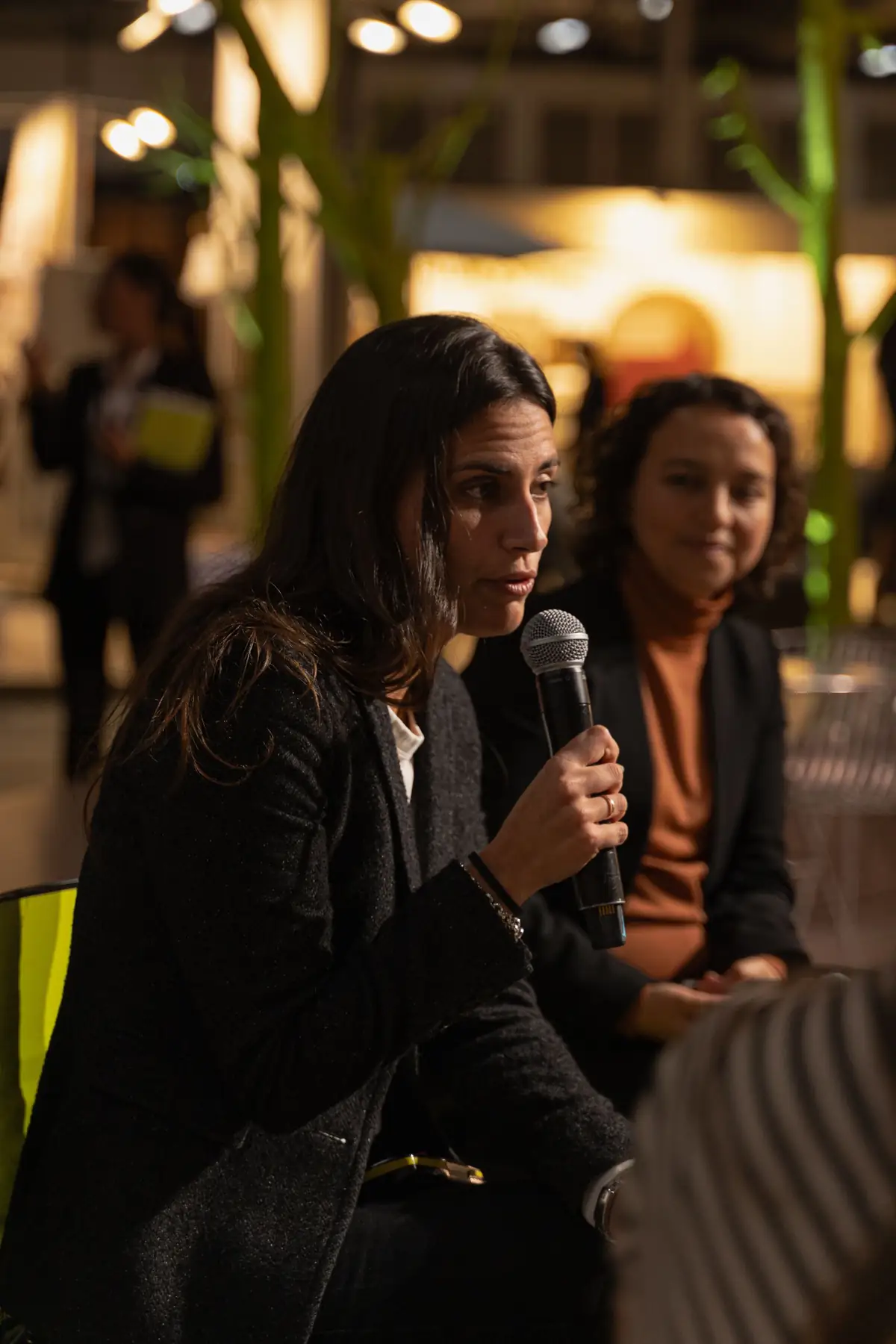
On Wednesday 20 November, at 16.30, the Interihotel Lounge hosted the round table Materiality and innovation, organised by Matter Group. According to the fair's programme, it was introduced by Marcel Benedito, editorial director of Distrito Oficina, moderated by Natalia Ojeda, architect and communications director of Matter Group, and featured Laura Sunyer and Chus Sastre, of Matter Group.
Team and participating brands
The Materials Lab was a joint effort:
- Matter Group: curation of the exhibition and selection of materials.
- External Reference: design of the room and the exhibition space.
- LAMÁQUINA: large-format 3D printing of the furniture and the elements of the space.
- Participating brands: Estiluz, Lamadrid Contract, Marpe Descanso and Niessen, with the collaboration of Capdell, according to the panel in the space itself.
Thank you for joining us
Thank you to everyone who joined us, especially the professionals and brands committed to innovation and sustainability to create more conscious, environmentally respectful projects.
A year later we curated the Materials Lab again, this time at Interihotel BCN25, with the Conscious Materiality exhibition.
At the Matter Materioteca you can discover innovative and sustainable materials and compare them with your technical team.
Book your visit to Matter and we will help you choose the materials for your next hotel project.
Book a visit