LIMECOAT
Lime Paint, Lime Dolomite and Lime Stucco: Formma's line of air-lime paints and stuccoes, with its textures, colours and design considerations.
Products6 min read
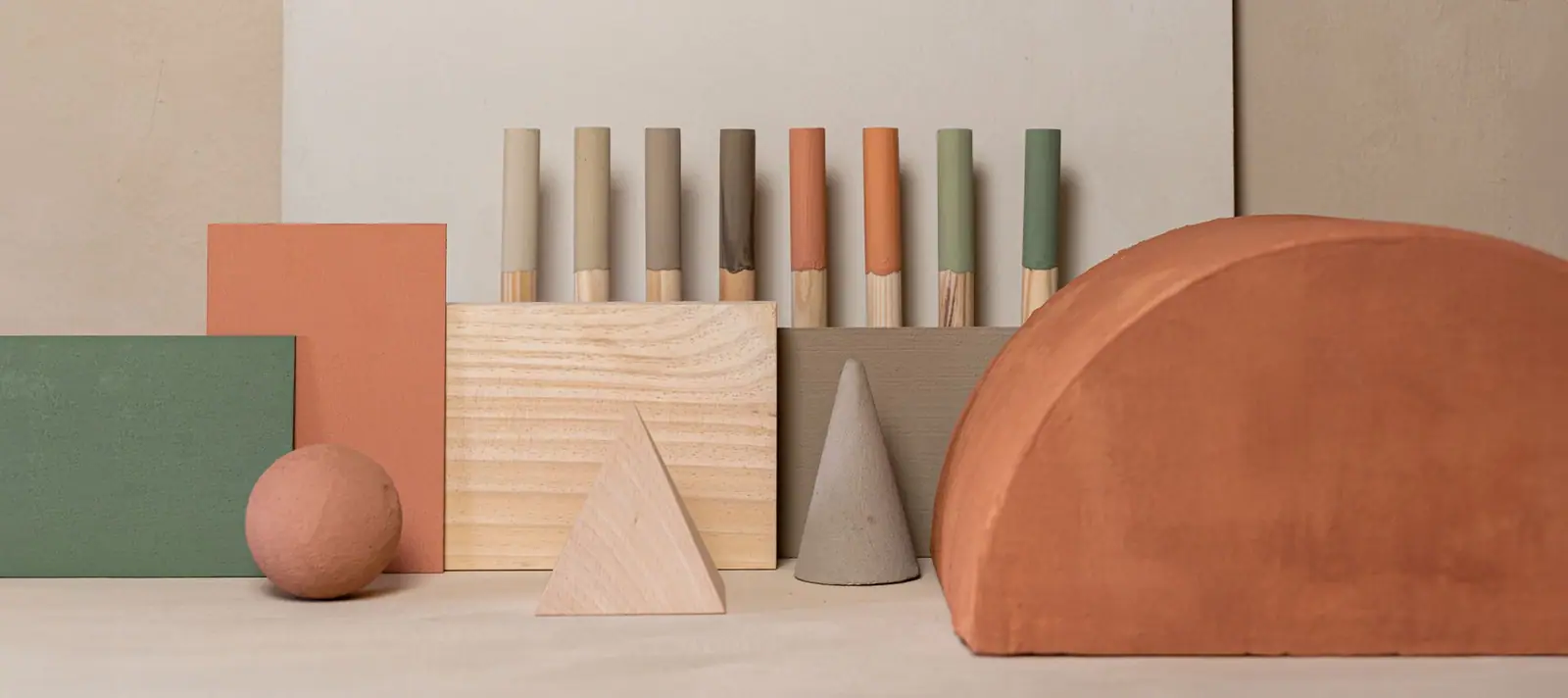
Limecoat is the line of eco-friendly lime-based coatings offered by the Formma brand. They are coatings with finishes and textures that evoke the earth and craftsmanship, while also caring for the environment. Limecoat consists of three different products: Lime Paint, a lime paint; Lime Dolomite, a lime paint with aggregate; and Lime Stucco, a decorative stucco.
In this article we explain what air-lime coatings have in common, how the three products in the line differ in aggregate and texture, how their colour palette is organised and what to bear in mind when specifying them. The technical data are those published when the line was presented in 2023.
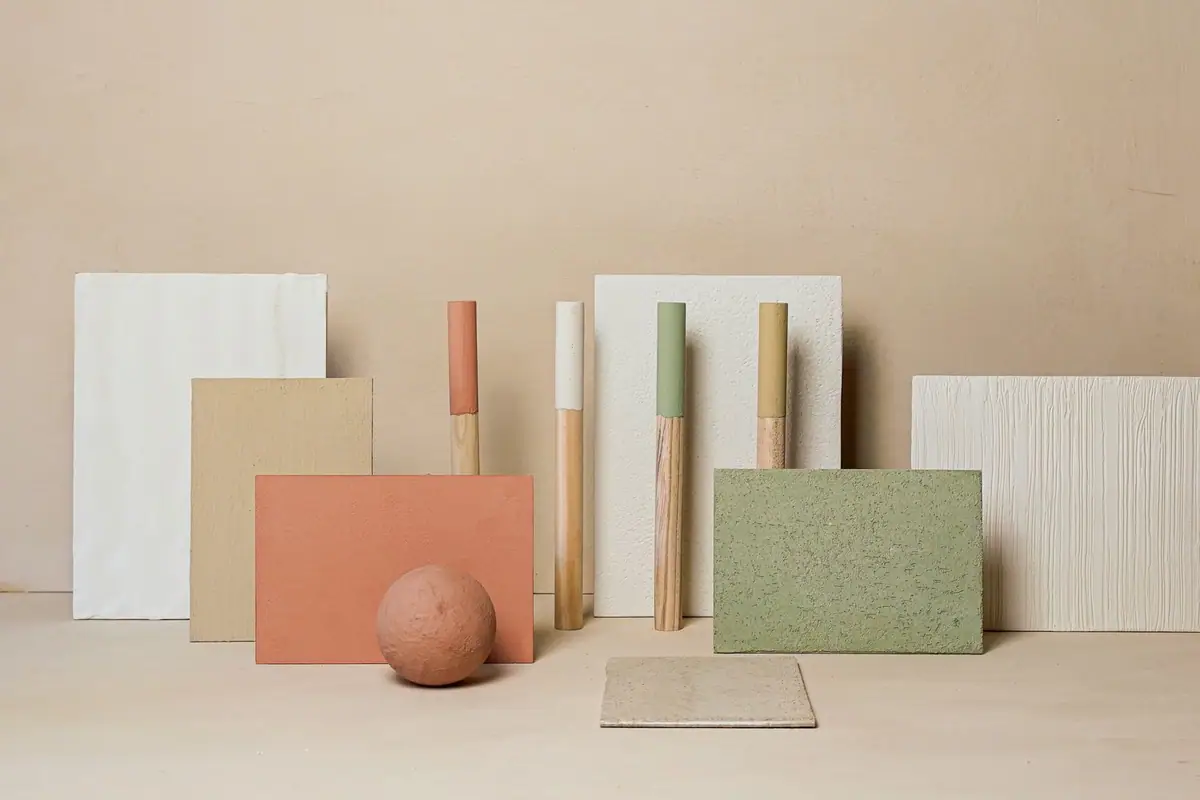
Air-lime coatings: what they offer
The three Limecoat products share the same binder: air lime. According to the classification in the UNE-EN 459-1 standard, air lime consists mainly of calcium oxide and hydroxide and hardens slowly in air through the action of atmospheric carbon dioxide. The CL 90 designation cited by Formma corresponds to a calcium lime with a minimum calcium and magnesium oxide content of 90%.
From this mineral base come the properties the manufacturer attributes to the whole line: breathable coatings that let water vapour through and help regulate indoor humidity, free of volatile organic compounds (VOCs) and formulated with natural minerals and mineral pigments. What changes from one product to another is the aggregate that accompanies the lime and, with it, the texture, the application tool and the coverage.
A palette inspired by vernacular architecture
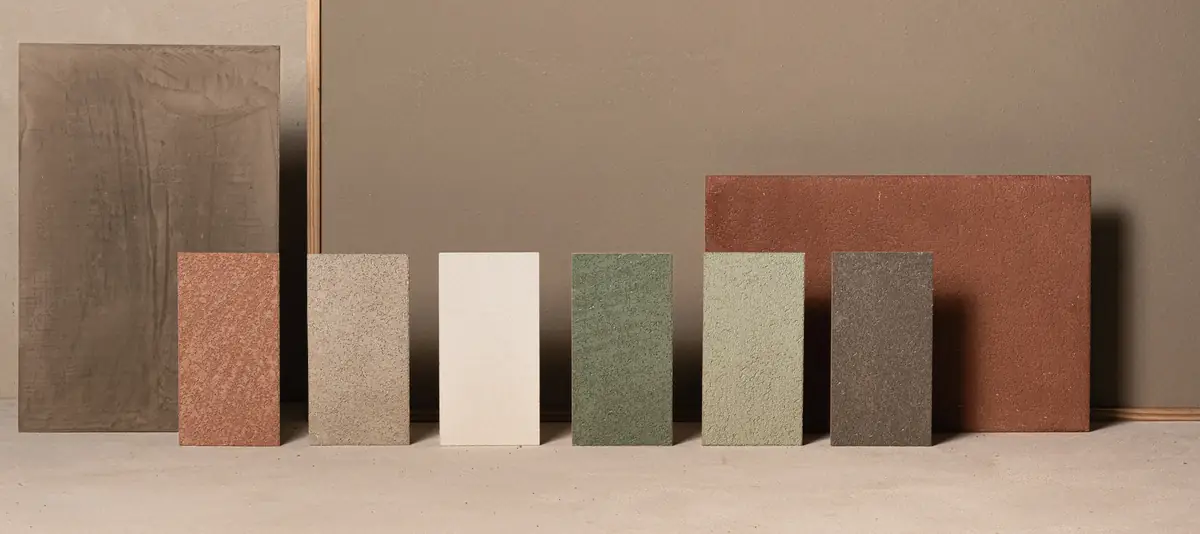
Formma organises the Limecoat colours into six families, each inspired by a traditional architecture of the Iberian Peninsula or by a specific landscape. Each family comes in several numbered variants:
- Arena (100, 80, 60, 30 and 10): soft, warm tones inspired by Mediterranean vernacular architecture.
- Tierra (100, 80, 60, 30 and 10): earthy shades that recall the traditional architecture of the Iberian Peninsula.
- Piedra (100, 80, 60, 30 and 10): greys and earth tones that evoke the stone buildings of the Cantabrian coast.
- Cal (01 to 05): luminous whites and creams, inspired by the whitewashed buildings of the Balearic Islands.
- Terracota (01, 02 and 03) and Abeto (01 and 02): muted reds from the Andalusian coast and deep greens from the forests of the Pyrenees.
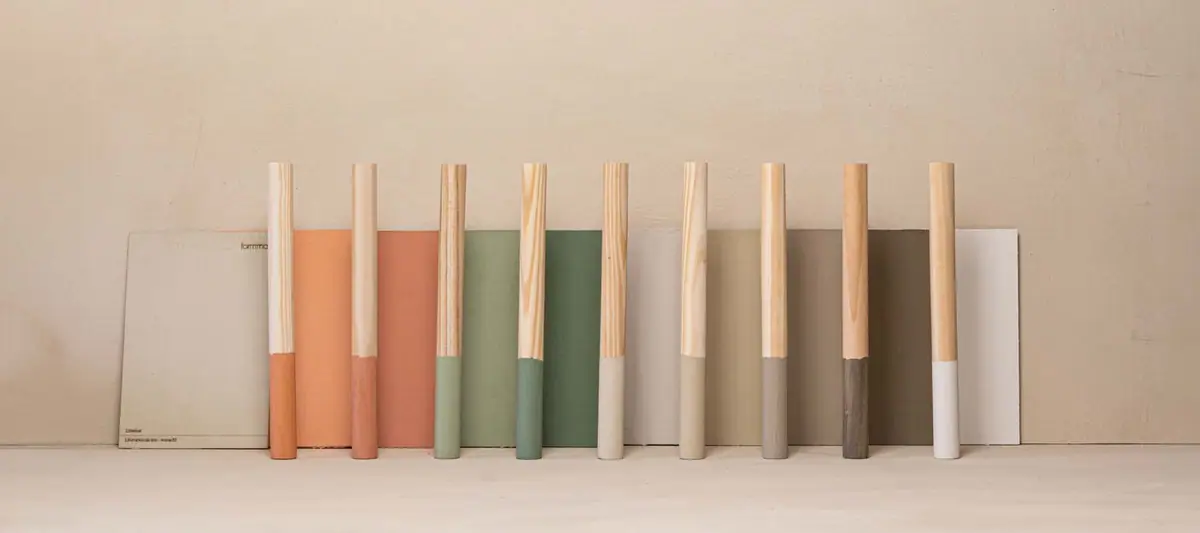
Lime Paint: lime-based paint
Lime Paint is Limecoat's lime-based paint. It is formulated with mineral ingredients —a CL90 air-lime putty, inert fillers, mineral pigments, selected additives and water as the vehicle— and, according to the manufacturer, offers excellent coverage. It contains no volatile organic compounds (VOCs), which makes it safe for both health and the environment.
It is the simplest product in the line: a paint, without the aggregate of Lime Dolomite or the thickness of the stucco. It is suitable for interiors and exteriors and covers 6 to 8 m² per litre, according to the data published at the launch of the line. Durable and versatile, it brings a timeless beauty that compromises neither quality nor health.
Lime Dolomite: mineral coating with marble aggregate
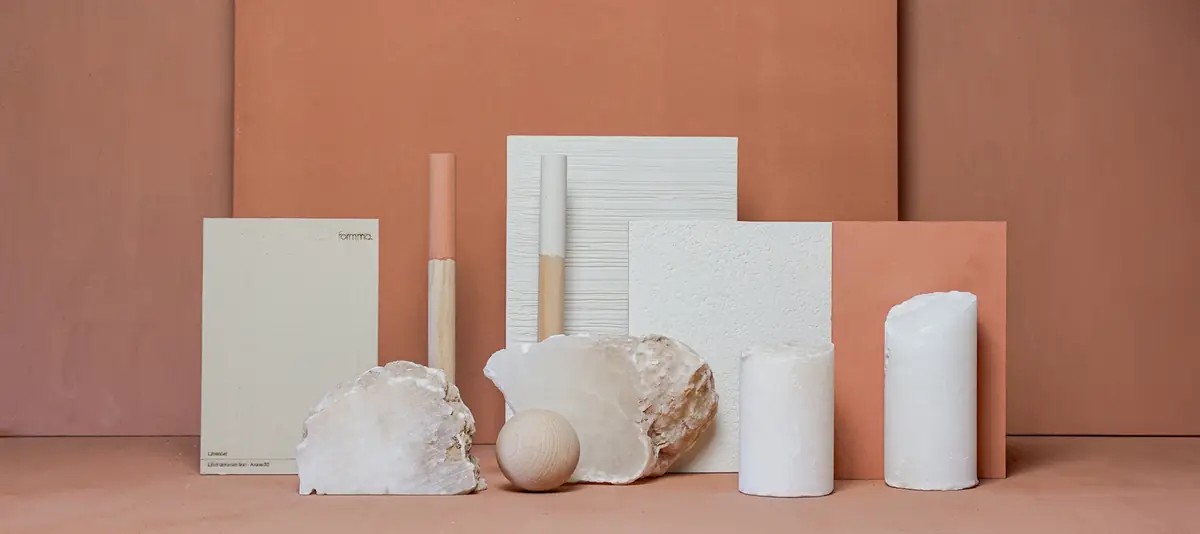
Lime Dolomite is a continuous mineral coating that Formma presents as an evolution of jabelga, traditional whitewashing with lime wash. Designed for interiors and exteriors, it combines lime paint with a marble mineral filler, bringing together the texture and depth of colour of stucco with the ease of application of a paint.
It comes in two finishes depending on the size of the aggregate: fine, at 65 microns, and structured, at 200 microns. Its versatility makes it possible to achieve a wide range of finishes with different tools —brushes, rollers or sponges, among others— and by varying the technique: short or long strokes, or strokes in different directions. The result is a matte, rough surface that is different with each application.
Both textures cover 4 to 5 m² per litre in one coat and 2 to 3 m² per litre in two coats, and are made in the same six colour families as the rest of the line. Like the other Limecoat products, it is breathable and contains no VOCs; according to the manufacturer, it prevents moisture from building up in the substrate and, with it, the associated defects.
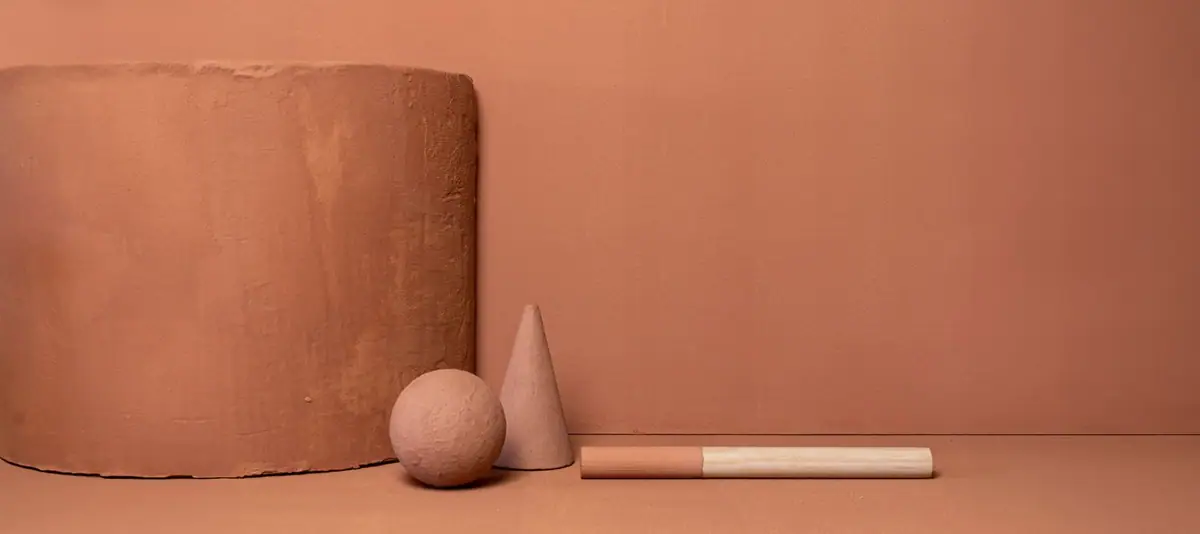
Lime Stucco: the decorative stucco
Lime Stucco is made from air lime, natural minerals and colour pigments, which gives it a low environmental impact. At its launch it was offered in four types according to the size of the aggregate: from a fine aggregate, which gives a smooth, delicate surface, to a coarse one, which creates a more robust, textured effect. It can be applied indoors and outdoors.
Formma explains that each Lime Stucco colour is obtained by mixing the natural materials by hand, so each batch may show slight variations in tone, inherent to the natural materials it is made from. Like the rest of the line, it lets the materials breathe, acts as a humidity regulator and contains no VOCs. Its coverage is 2.5 kg/m² per millimetre of thickness.
Key points for specifying Limecoat
The combination of quality, aesthetics and sustainability makes these products a suitable choice for projects that prioritise lasting texture and care for the environment. These are the points worth resolving at design stage:
- Texture: decide on the effect first. Lime Paint is a paint; Lime Dolomite adds fine or structured marble aggregate and is applied with painting tools; and Lime Stucco offers four grain sizes, from a smooth surface to a textured effect.
- Interior and exterior: all three products are suitable for both uses and share the six colour families, so the same shade can be kept inside and out.
- Consumption: the coverage figures in the table are indicative and vary with the number of coats, the aggregate and the technique. Confirm quantities against the manufacturer's current technical data sheet.
- Colour: the shades are mineral and, in the stucco, mixed by hand. It is advisable to approve the colour with a physical sample and to order all the material for a given wall from the same batch.
- Breathability: lime lets water vapour through; according to Formma, its coatings regulate humidity and prevent it from building up in the substrate.
Formma, the brand behind Limecoat
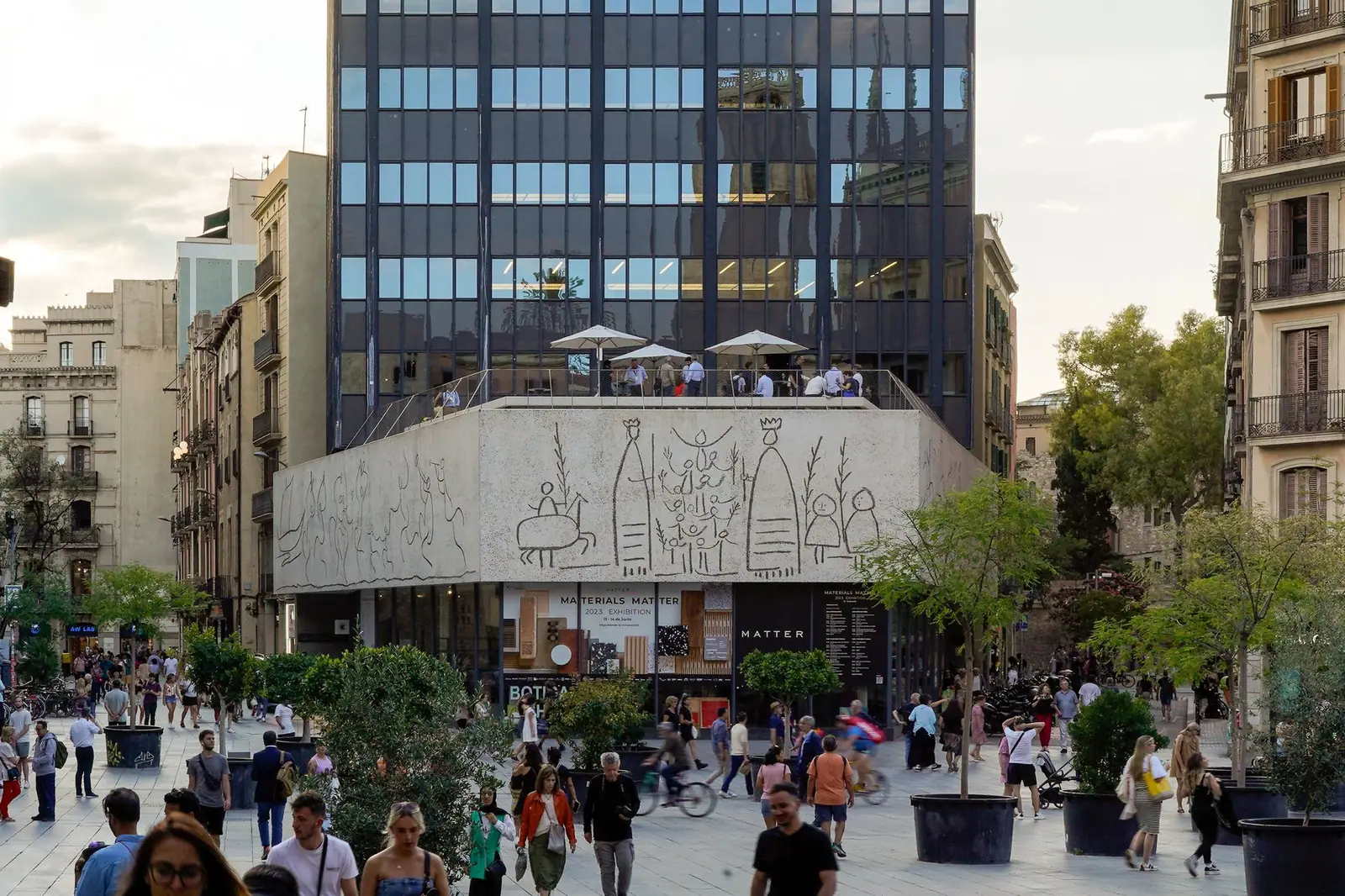
In 2024 Formma described itself as a firm that selects and edits designs and materials for architectural spaces, with an aesthetic of pure form and attention to resource management. Its catalogue was then organised into three lines —taps (GR.01), sanitaryware (BA.01) and Limecoat lime coatings (CT.01)— and it offered a price catalogue for architects, builders and interior designers. The brand took part in the 2023 Materials Matter exhibition.
Epilogue: Limecoat in 2025
Since this article was published, Formma has expanded and reorganised the line, now written LimeCoat. The range includes four systems: LimePaint, LimeDolomite, LimeStucco and LimeTech, a lime micro-mortar also suitable for floors. LimeStucco is now offered in two grain sizes, Fino (under 100 µm) and Estructurado (about 700 µm), and each product has a technical data sheet, installation manual and cleaning and maintenance guide on the manufacturer's website.
Frequently asked questions
- What is the difference between Lime Paint and Lime Dolomite?
- Both are lime paints, but Lime Dolomite incorporates a marble mineral filler, 65 microns in the fine finish and 200 in the structured one. This gives it a matte, rough appearance that brings the paint closer to the texture of stucco.
- Can they be used outdoors?
- Yes. According to Formma, Lime Paint, Lime Dolomite and Lime Stucco are suitable for both interiors and exteriors.
- Do they contain volatile organic compounds?
- No. The manufacturer states that all three products in the line are VOC-free and formulated with air lime, natural minerals and mineral pigments.
- How many colours does Limecoat have?
- They are organised into six families: Arena, Tierra and Piedra, each in five variants (100, 80, 60, 30 and 10); Cal, in five shades (01 to 05); Terracota, in three; and Abeto, in two.
- Why can the shade vary between batches?
- Because the pigments are mineral and, in the case of Lime Stucco, each colour is obtained by mixing the natural materials by hand. Formma notes that this produces slightly unique colour profiles.
The texture of a lime coating and the depth of its mineral colours are best appreciated with the sample in your hand and in natural light. At Matter we help you compare paint, paint-with-aggregate and stucco finishes, and choose the right solution for each wall with your technical team.
Book your visit to Matter.
Book a visit