Dolomite Plaster by St. Leo
Dolomite Plaster by St. Leo: a coloured mineral plaster made with dolomite and recycled ash, trowel and brush techniques, 19 colours and key points for specifying it.
Products6 min read
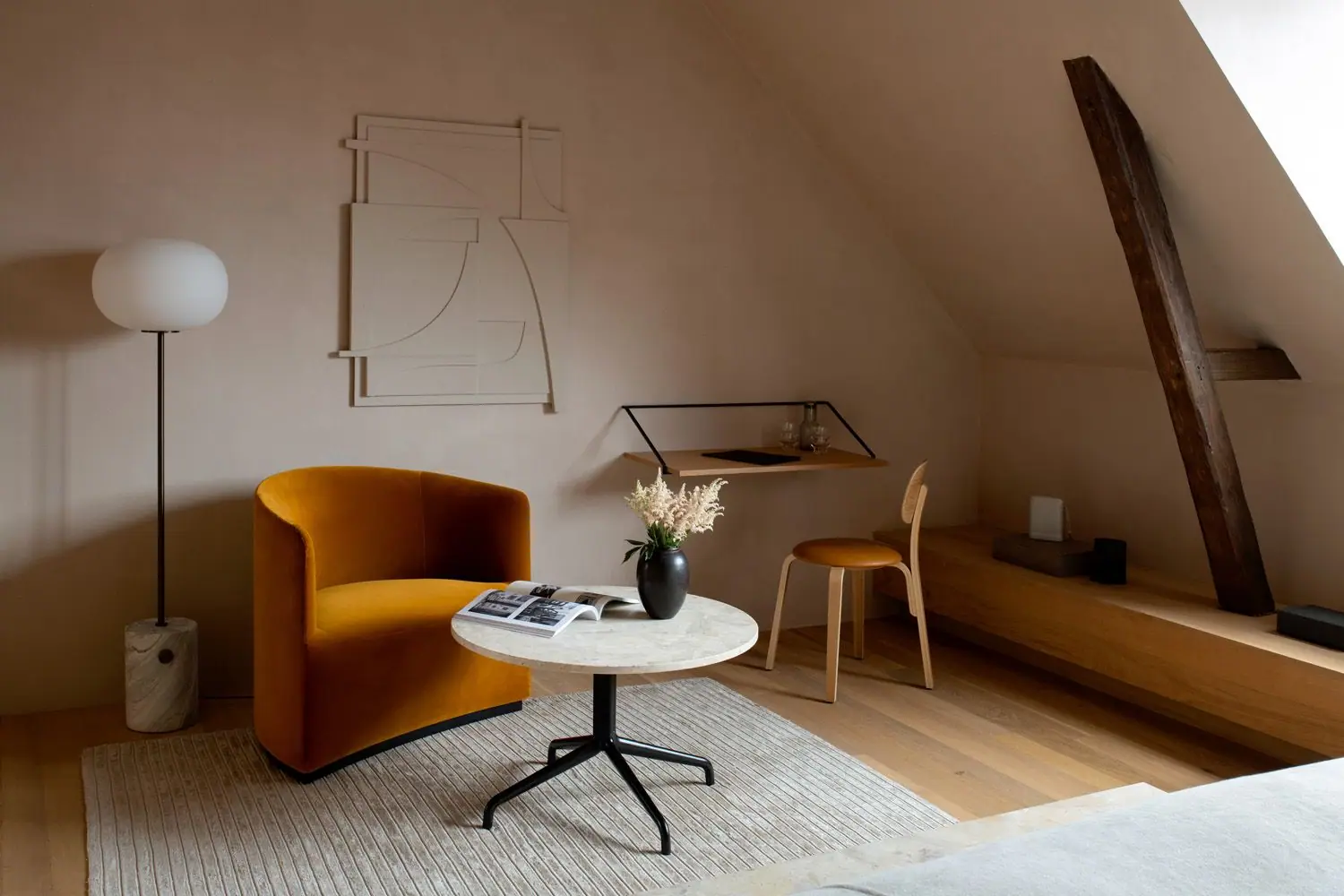
St. Leo is a Danish company known for producing high-quality ecological paint and plaster. All its materials are made from high-quality natural minerals, with the aim of being sustainable, sensitive to the touch and quietly elegant.
In this article we present Dolomite Plaster, the collection of coloured plasters with which the brand made its debut: what it is made of, how it is applied with a trowel or a brush, which colours it offered at launch, which projects it had been used in, and what to bear in mind when specifying it.
St. Leo: paint and plaster from natural minerals
St. Leo was founded in Denmark in 2019 and has its headquarters and studio in Copenhagen. The brand draws on the Scandinavian craft tradition to produce contemporary paints and plasters from natural minerals, guided by three ideas: sustainability, tactility and understated elegance.
It works collaboratively. Alongside its collections, St. Leo develops bespoke solutions for each project with interior designers, architects and creatives, drawing on an almost unlimited colour palette. Dolomite Plaster was its launch collection; the Original Pigments and Marble Paint paints followed.
What Dolomite Plaster is
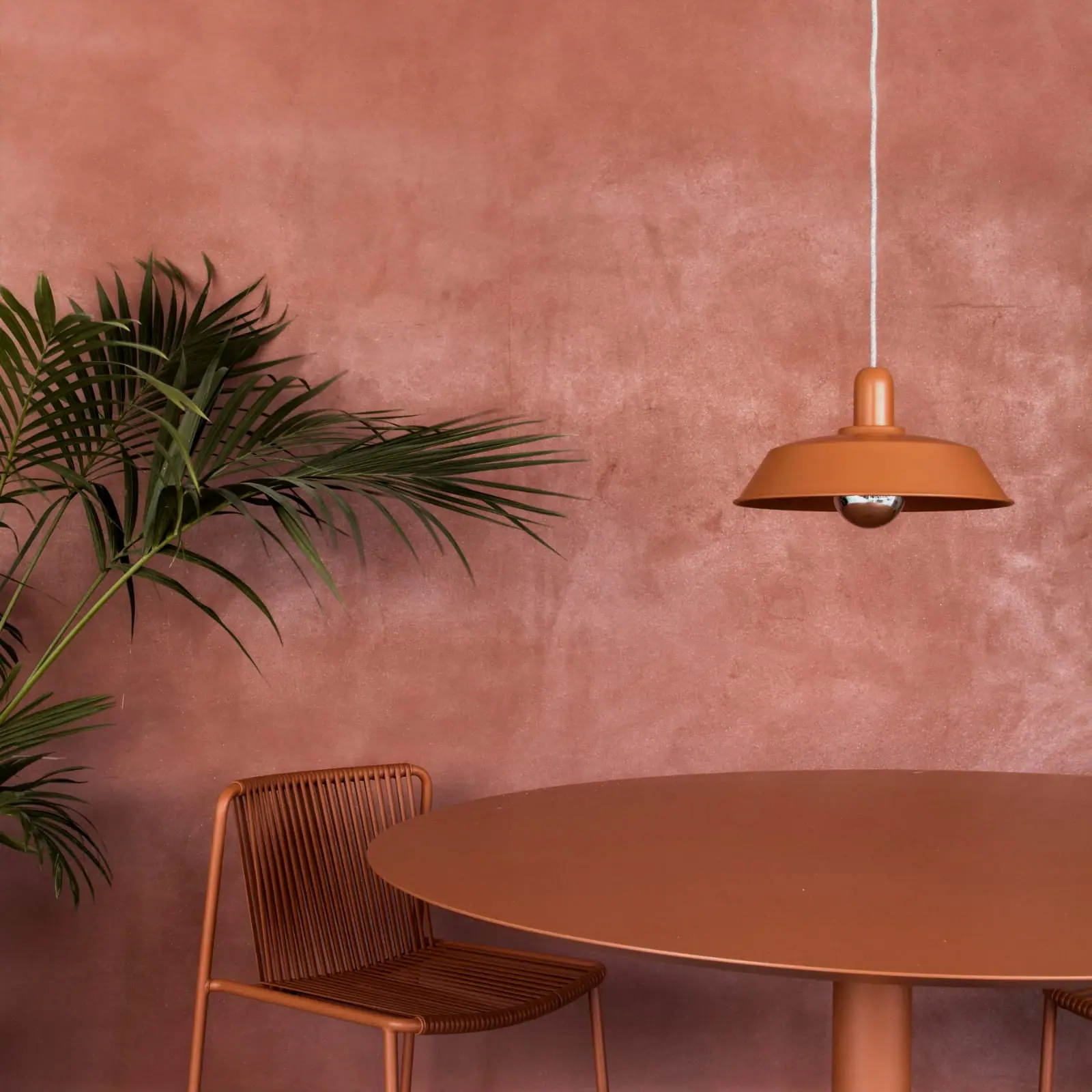
Dolomite Plaster is a coloured mineral plaster, pre-mixed and ready to apply with a roller to interior walls and ceilings. Each plaster is made of superfine dolomite stone and recycled ash, which gives it a deep colour and a long-lasting finish. According to the manufacturer, each batch has a slightly different colour profile, because it works with the natural variation of the raw materials.
As for its properties, the plaster has a completely matt finish and, according to St. Leo, is ecological, non-toxic and low in VOCs. The brand states that it was one of the first products of its kind to obtain the Nordic Swan ecolabel, one of the most demanding environmental certifications.
Two finishing techniques: trowel or brush
Dolomite Plaster is applied with a roller and finished with a trowel or brush to add a subtle, earthy texture, ‘perfectly imperfect’. In the application guides St. Leo published in 2020, the process begins the same way: a first coat of about 3 mm is rolled on, from floor to ceiling and from corner to corner, and left to set for 3 to 7 minutes.
Trowel technique: smoother surfaces
With the trowel, the plaster is smoothed with broad, curved movements, working from the wettest areas to the driest, and a small trowel is used for edges and corners. After about 12 hours of drying, any ridges are sanded down, a second coat of about 2 mm is applied and smoothed again: this pass defines the final texture.
Brush technique: textured surfaces
For a more expressive finish, the plaster is diluted slightly with water (one part to ten parts plaster) and, after the roller coat, worked with a wide brush in fine vertical strokes from floor to ceiling. As with the trowel, the process is repeated in a second coat, which determines the final appearance.
Topcoat Five: protection without losing texture
To improve resistance to knocks, scratches and moisture, St. Leo recommends two coats of its Topcoat Five, a water-based finish. According to the 2020 guide, it does not make the surface waterproof, but it does make it washable; it does not alter the texture of the plaster, although it slightly darkens the colour, gives it more depth and adds a faint sheen. It needs 5 to 7 days to dry completely before everyday use.
Nineteen colours named after places
Alongside the main collection of 19 Dolomite Plaster colours, St. Leo offers the possibility of working with clients and creatives to develop customised products from an almost unlimited colour palette. Custom colours are mixed from an NCS reference.
The palette combines neutral tones with more intense ones, inspired by façades and interiors in different cities. Each colour is named after the place that inspired it. This was the colour card the brand published in early 2021:
- Copenhagen streets: Herluf Trolles Gade, Sundkrogsgade, Krystalgade, Bredgade, Admiralgade, Gammel Strand, Århusgade, Prinsessegade, Magstræde and Langelinie.
- Italian streets: Via Dante, Via Aurelia, Via Cenami and Via Lovanio.
- French streets: Rue de la Perle, Rue Bottero, Rue Loubet and Rue Alézard.
- Ancoats: a muted mid green, created by the architecture practice Youth Studio from a colour common in the architecture of Manchester, its home city.
Dolomite Plaster in projects
Since its launch, the collection has been used in shops, homes and design installations. These are the two projects that illustrate the article, along with others St. Leo documented at the time.
Lagkagehuset Nørrebrogade, Copenhagen
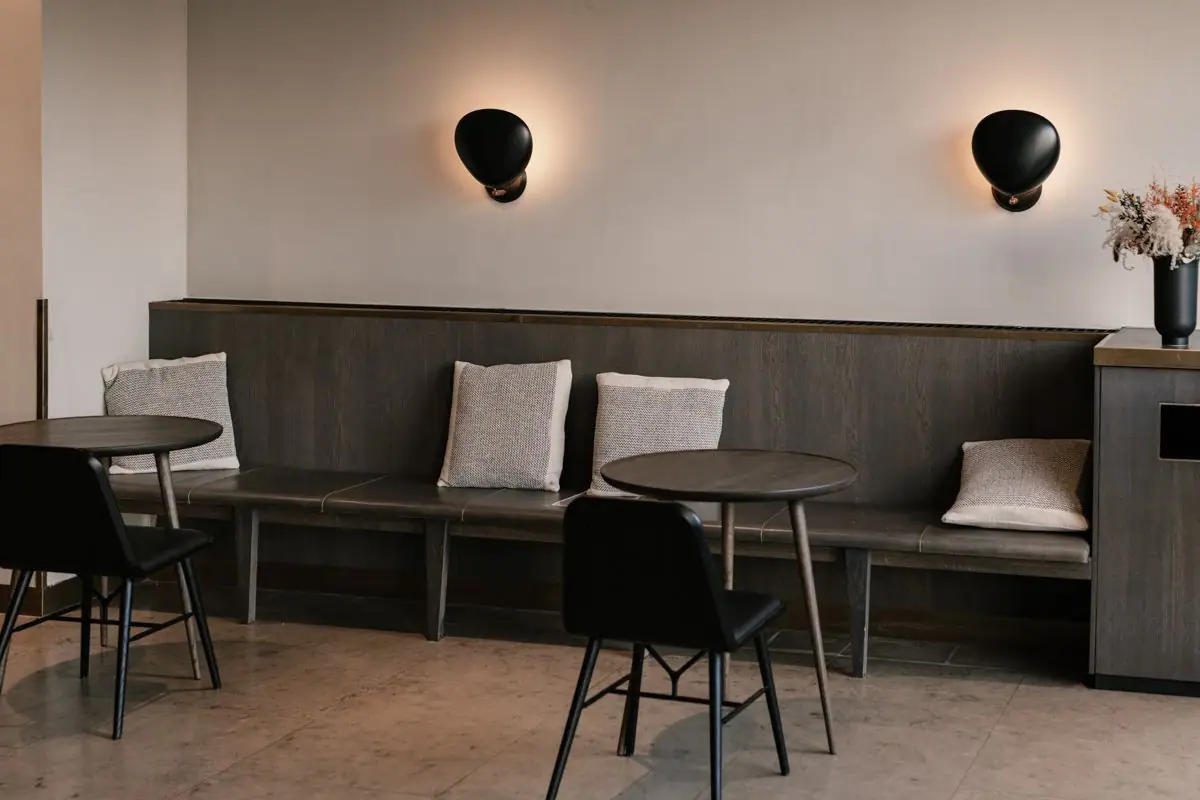
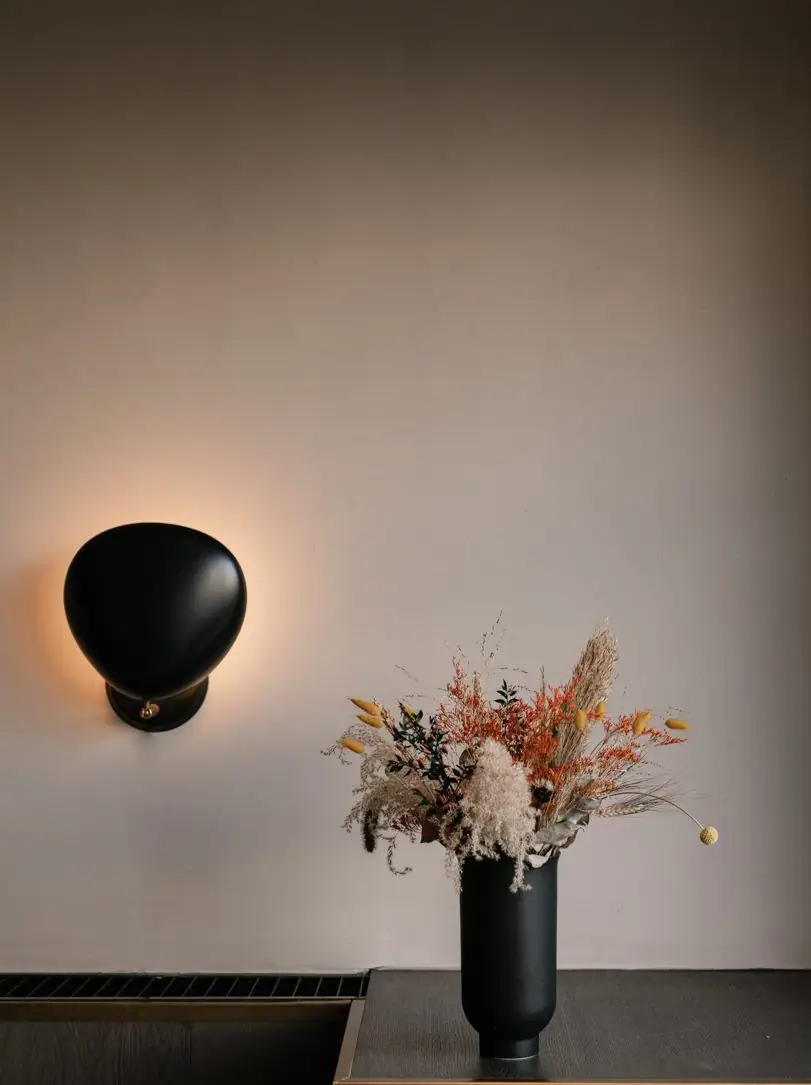
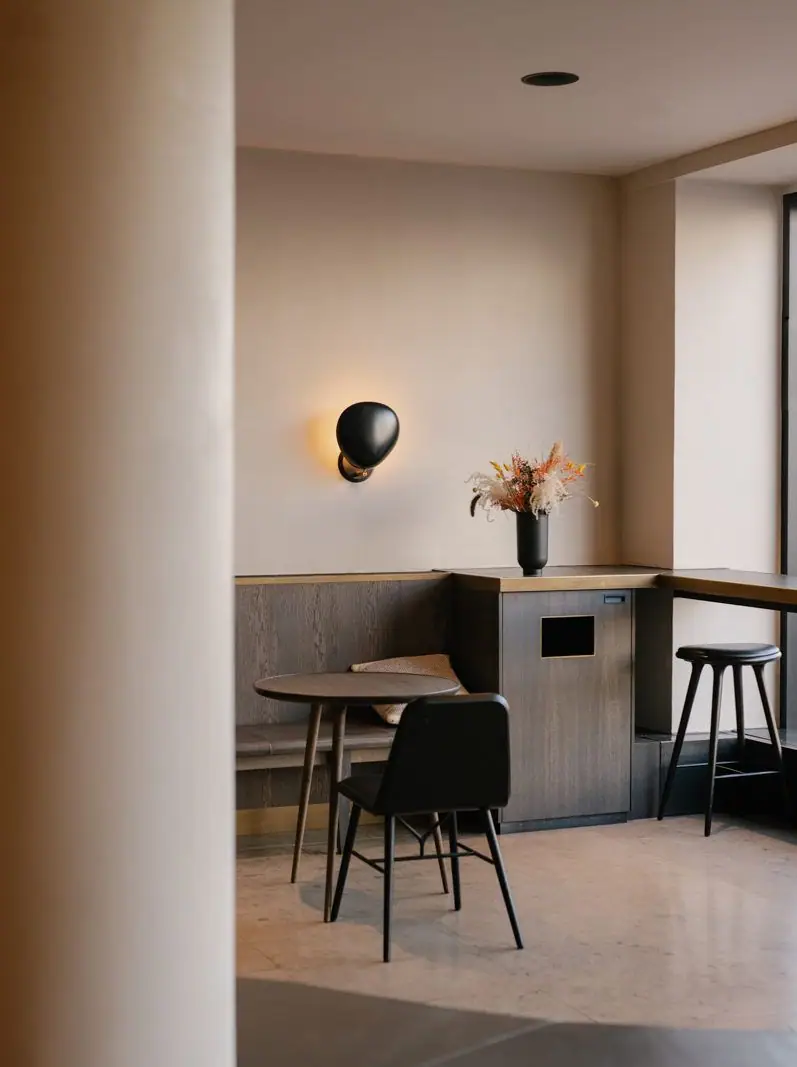
At the Lagkagehuset bakery on Nørrebrogade, Dolomite Plaster lines the walls of the seating area. According to St. Leo, the project combines two colours from the collection: Rue Bottero and Ancoats. The matt plaster accompanies the dark wood of the bench seat and the warm light of the wall lights.
Private Summer House, Sweden
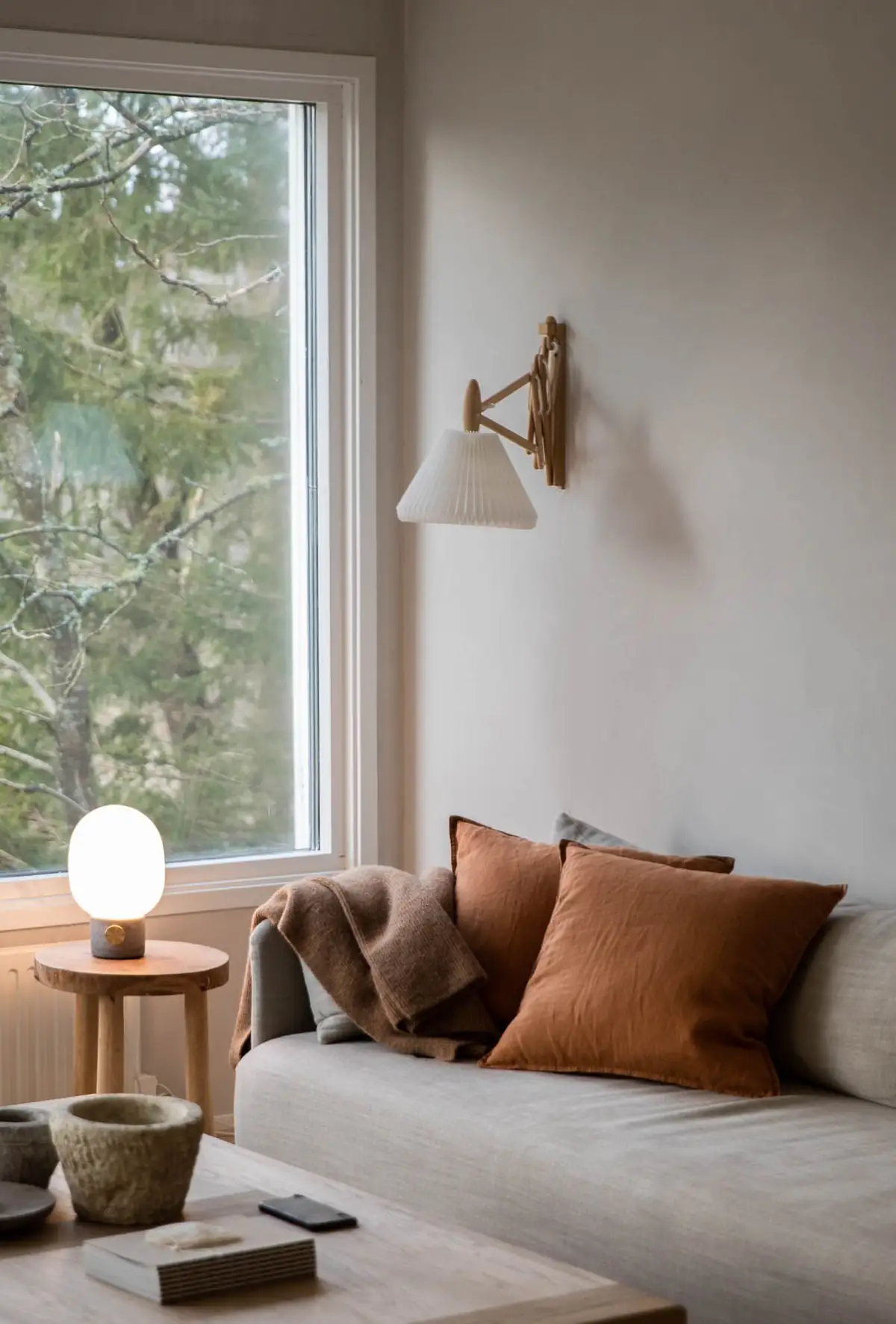
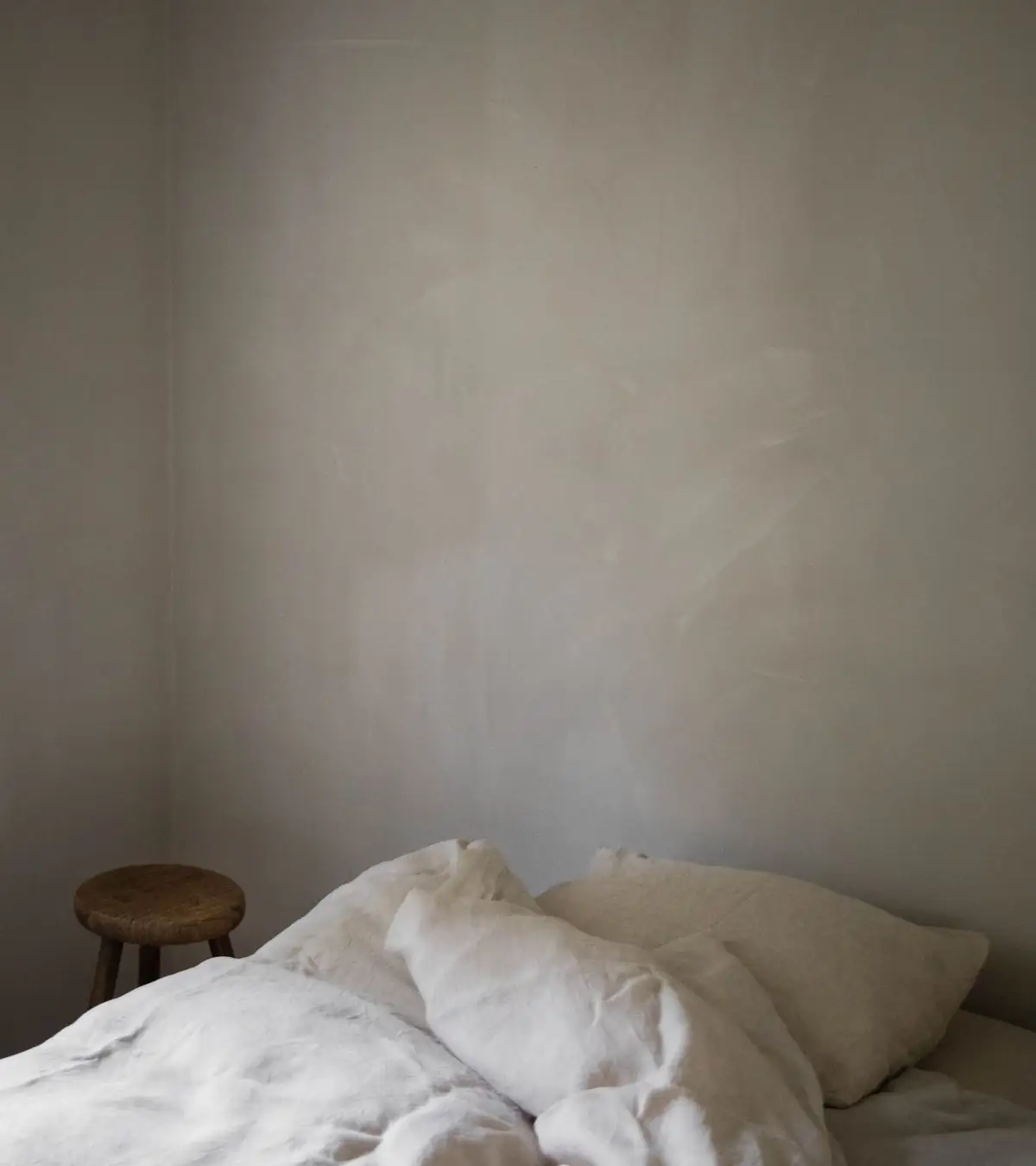
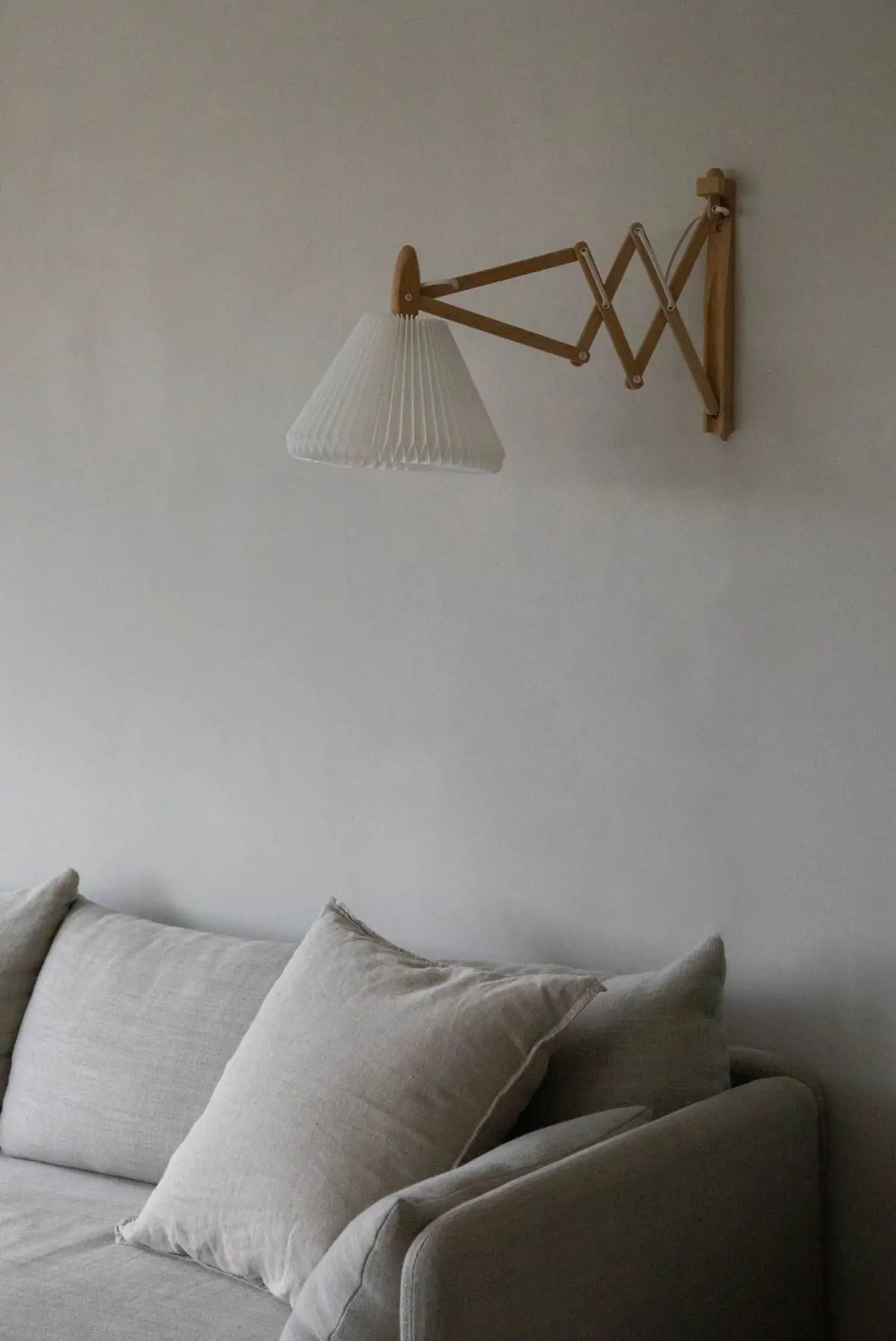
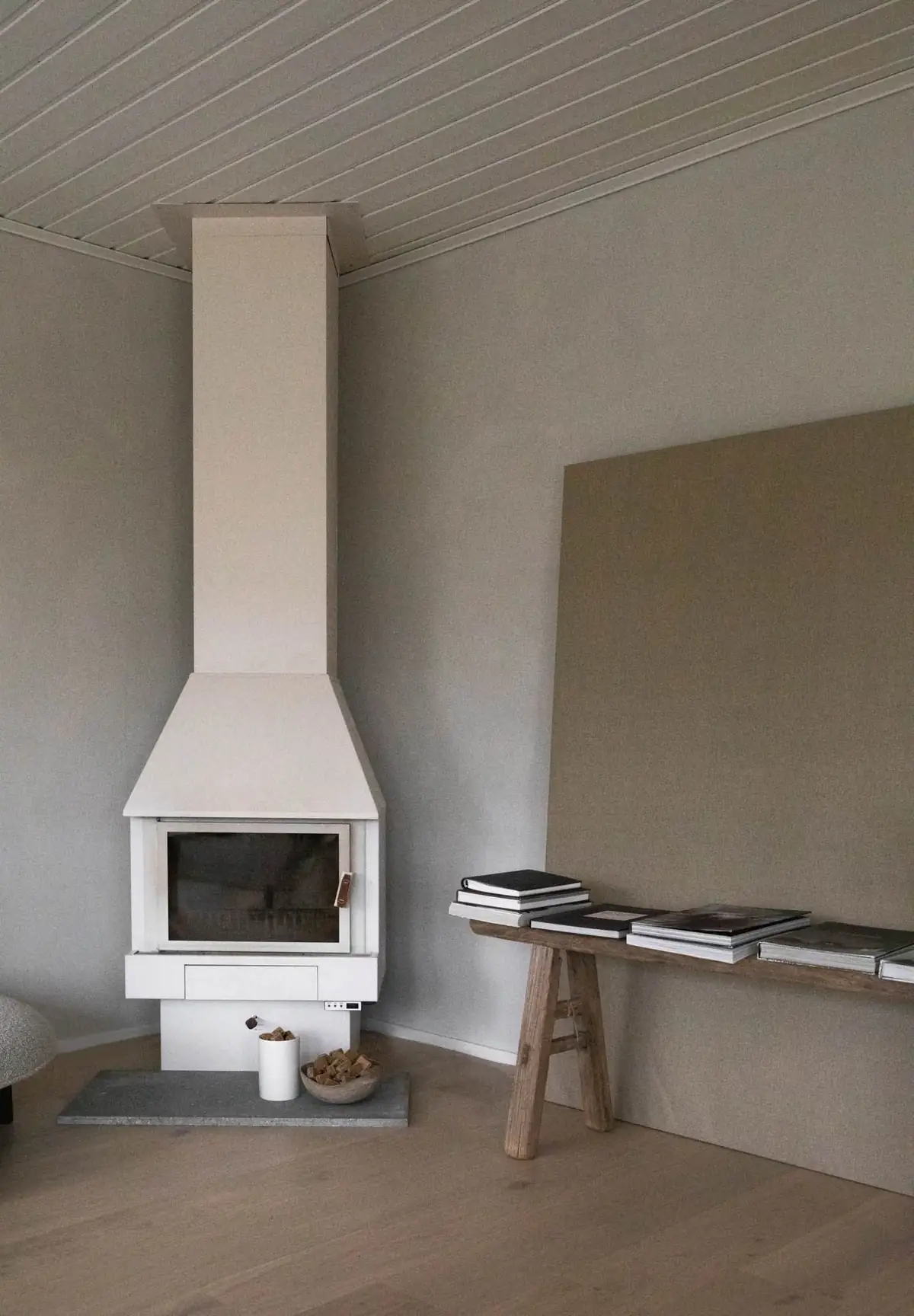
In this summer house in Sweden, Dolomite Plaster was applied to walls, ceiling and art columns. The photographs show how the matt finish and the slight tonal variations of the plaster respond to daylight and sit alongside wood, linen and ceramics.

Installations and other projects
At Stockholm Design Week 2020, Norm Architects, MENU and DUX presented The Sculptor's Residence, an installation recreating an artist's space; St. Leo made panels and plinths for it in various shades of Dolomite Plaster. That same year, Atelier Plateau presented Beyond The Surface at The Audo during 3 Days of Design, a series of reliefs coated in Dolomite Plaster.
Key points for specifying Dolomite Plaster
As a natural, hand-applied plaster, the result depends as much on preparation and application as on the product itself. These are the points St. Leo highlights in its guides:
- Substrate: it must be clean, dry and smooth. Rough surfaces are sanded and, like highly absorbent ones, treated with primer before the plaster is applied.
- Batches: to avoid colour differences, different batches are not mixed on the same wall. If several tubs are used, the 2020 guide recommends keeping back the last two litres of the first and mixing them with the next.
- Whole surfaces: each surface is finished in one go, without interruption. Above 10 m², two people are recommended to work at the same time.
- Trial sample: it is advisable to make a small sample before full application to confirm colour and texture.
- Heavy use: in areas exposed to rubbing or splashes, allow for two coats of Topcoat to obtain a washable surface.
Frequently asked questions
- How does Dolomite Plaster differ from a traditional plaster?
- It is supplied pre-mixed and tinted, ready to apply with a roller, and is finished with a trowel or brush. It requires no mixing on site and the colour is built into the mix, which is formulated with crushed dolomite stone, recycled ash and pigments.
- Which substrates can it be applied to?
- The 2020 guides list plasterboard, painted walls, wood, concrete and brick, always indoors. St. Leo's current data sheet (2026) restricts its use to interior walls and ceilings and advises against wood, metal and shower areas or areas in direct contact with water.
- Can it be cleaned?
- Without protection, the surface is cleaned dry with a soft brush or a microfibre cloth. With two coats of Topcoat it becomes washable: it can take a microfibre cloth dampened with water and neutral soap, without chemicals.
- Can custom colours be ordered?
- Yes. In addition to the 19-colour card, St. Leo developed custom colours from an NCS reference. Ancoats came about this way, in collaboration with Youth Studio.
- Is it still available?
- Yes. In 2026, St. Leo's website still lists Dolomite Plaster with a revised colour card: some of the 2020 shades no longer appear and new ones have been added. Check the current reference before specifying.
In short, Dolomite Plaster is the result of a carefully developed recipe that aims to have a minimal impact on the natural environment while transforming the built environment. At Matter we help you choose mineral finishes and coatings for your project: come to our material library to compare textures, colours and substrates with your technical team.
Book your visit to Matter.
Book a visit