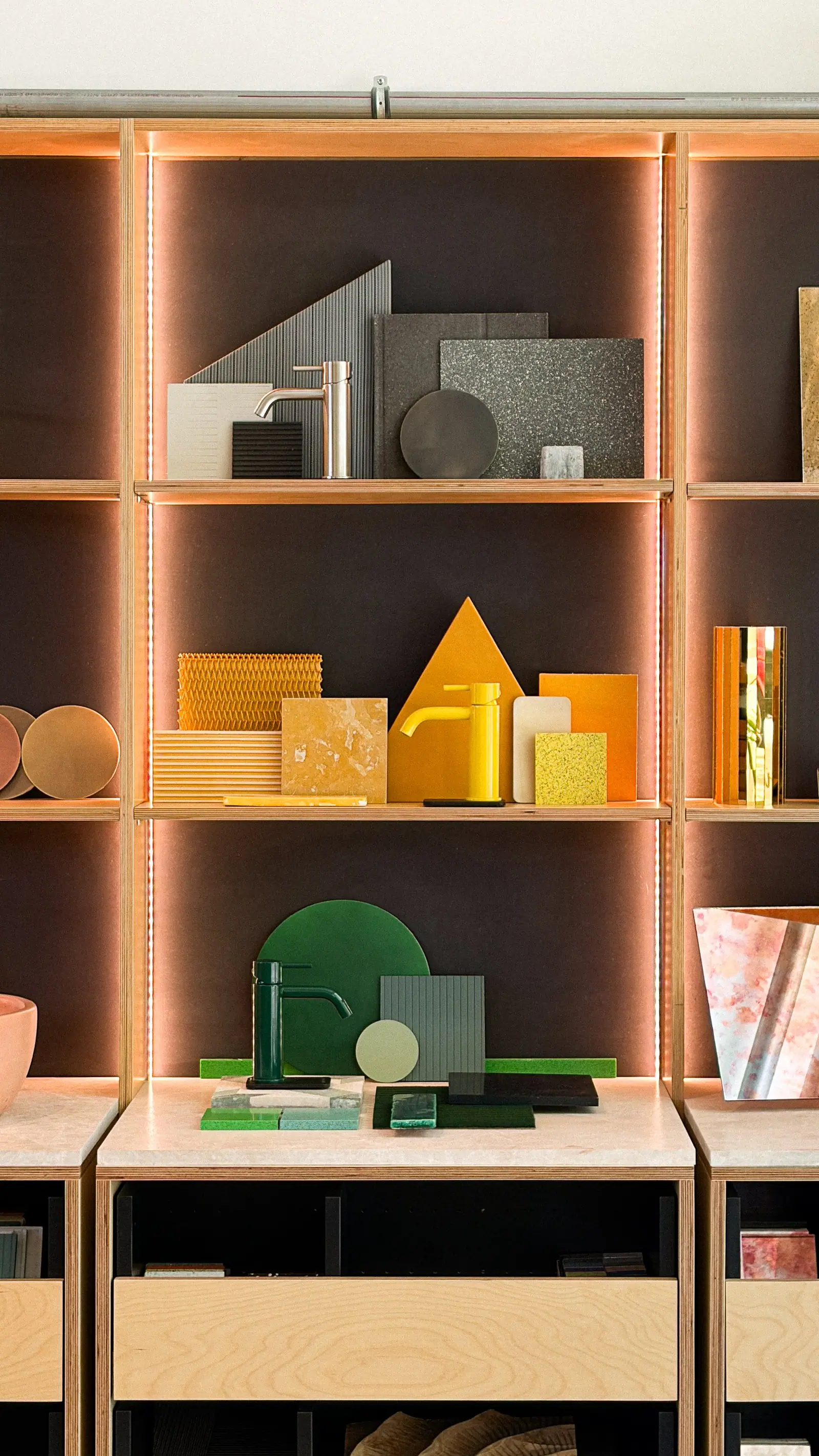
Maindrop: high-architecture taps and fittings where technology and materiality converge
Electronic taps in 316 stainless steel with a Wik control, ceramic disc valve and RW technology, which delivers hot water from the very start.
Products7 min read
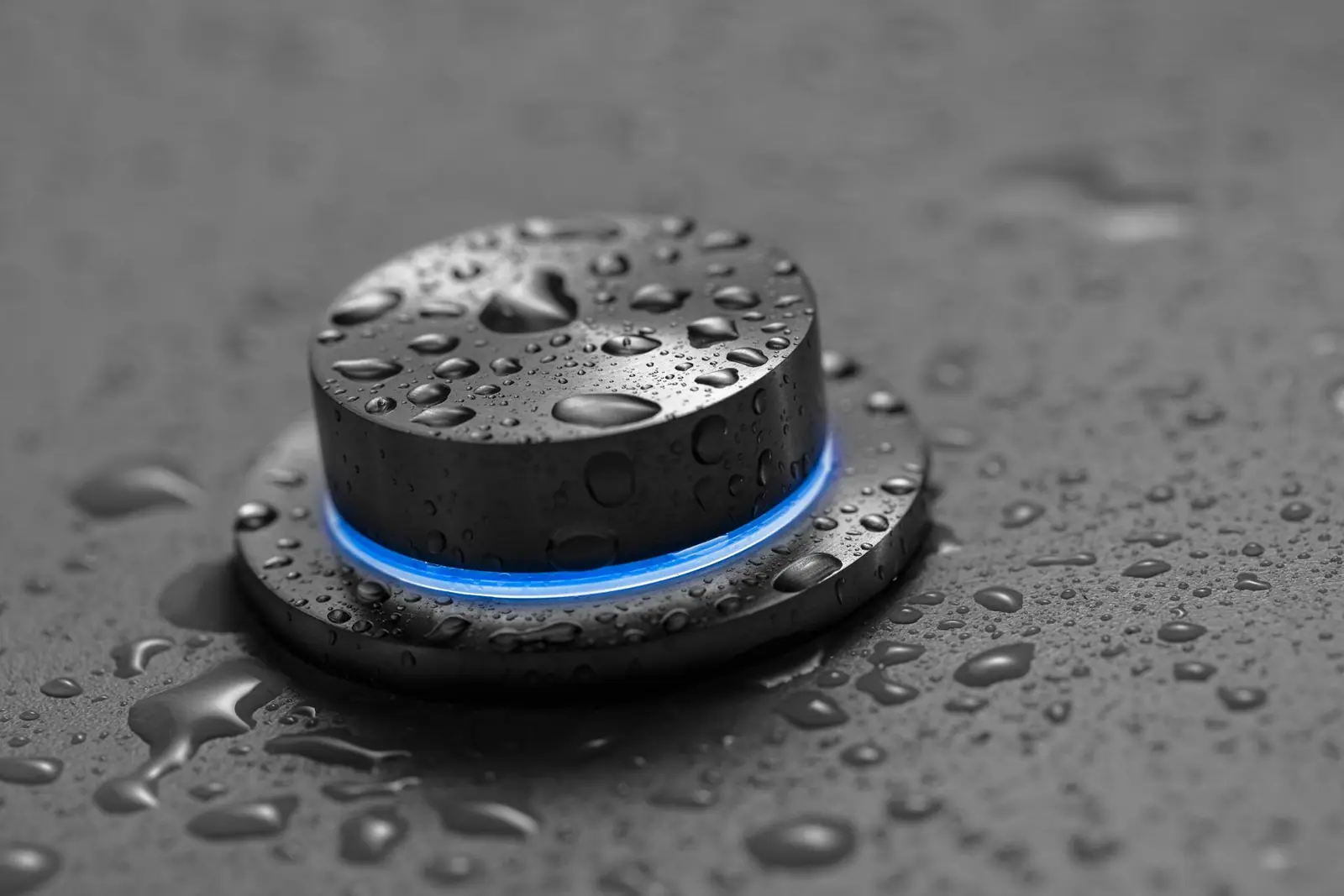
Maindrop offers a new way of understanding taps and fittings in architecture and interior design projects: not as an accessory, but as integrated technical infrastructure, capable of improving the user experience and optimising water and energy consumption from the very first gesture. Its approach is based on a precise balance between timeless design, advanced engineering and intelligent water control. The brand, based in Girona, makes electronic bathroom and kitchen taps in 316 stainless steel.
In this article we explain which pieces make up the range, how its components work —the Wik control, the MCU valve and the MI smart plug—, how RW technology delivers hot water from the very start and what should be planned in the building services design to specify it.
Formal language and material coherence
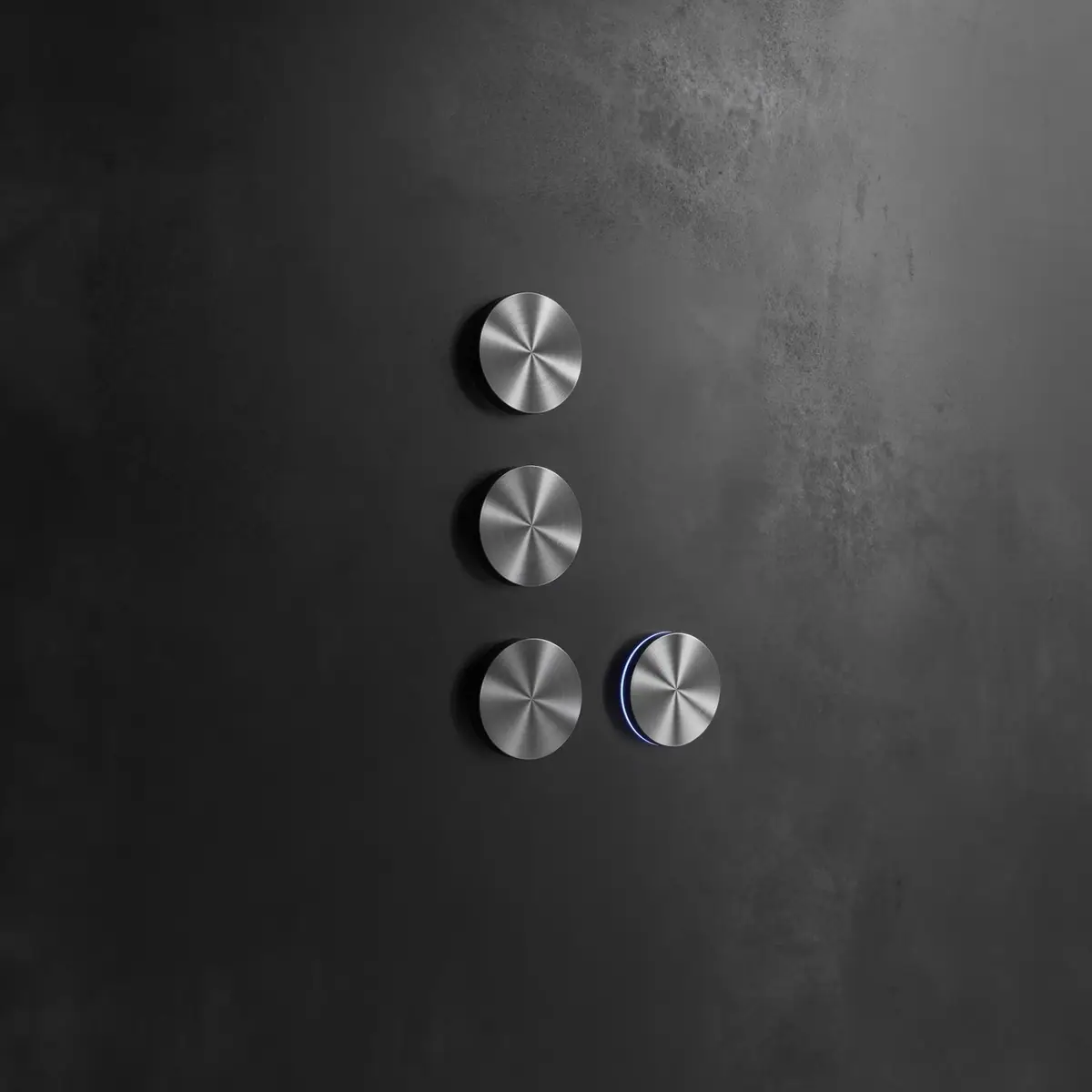
Designed to integrate into demanding architectural settings, Maindrop taps and fittings are characterised by pure, essential forms, understated finishes and a discreet presence that engages with the project’s materials without imposing itself. The solutions for basin, shower, bath and kitchen share the same formal language, supporting material and visual coherence in residential and contract spaces.
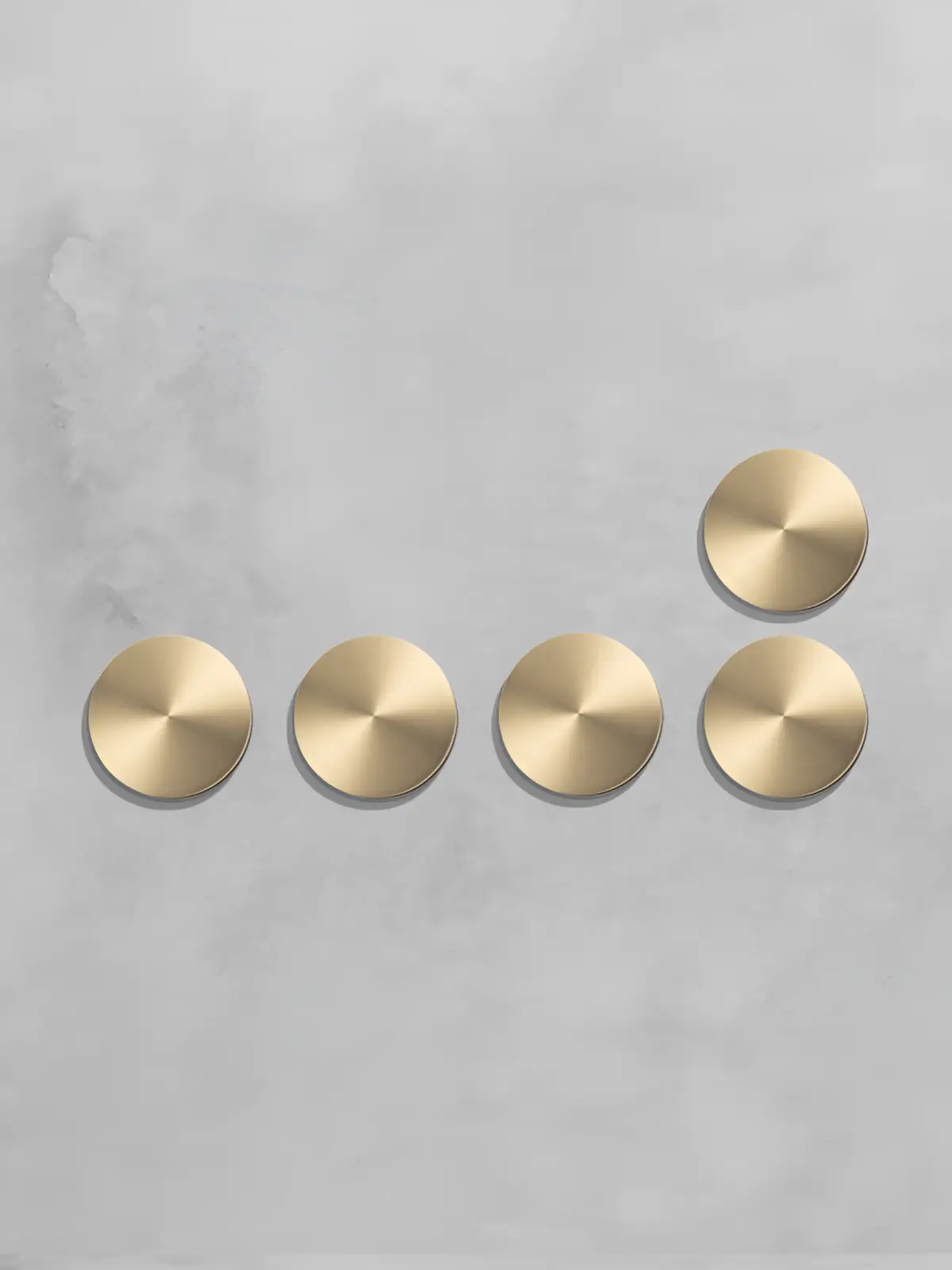
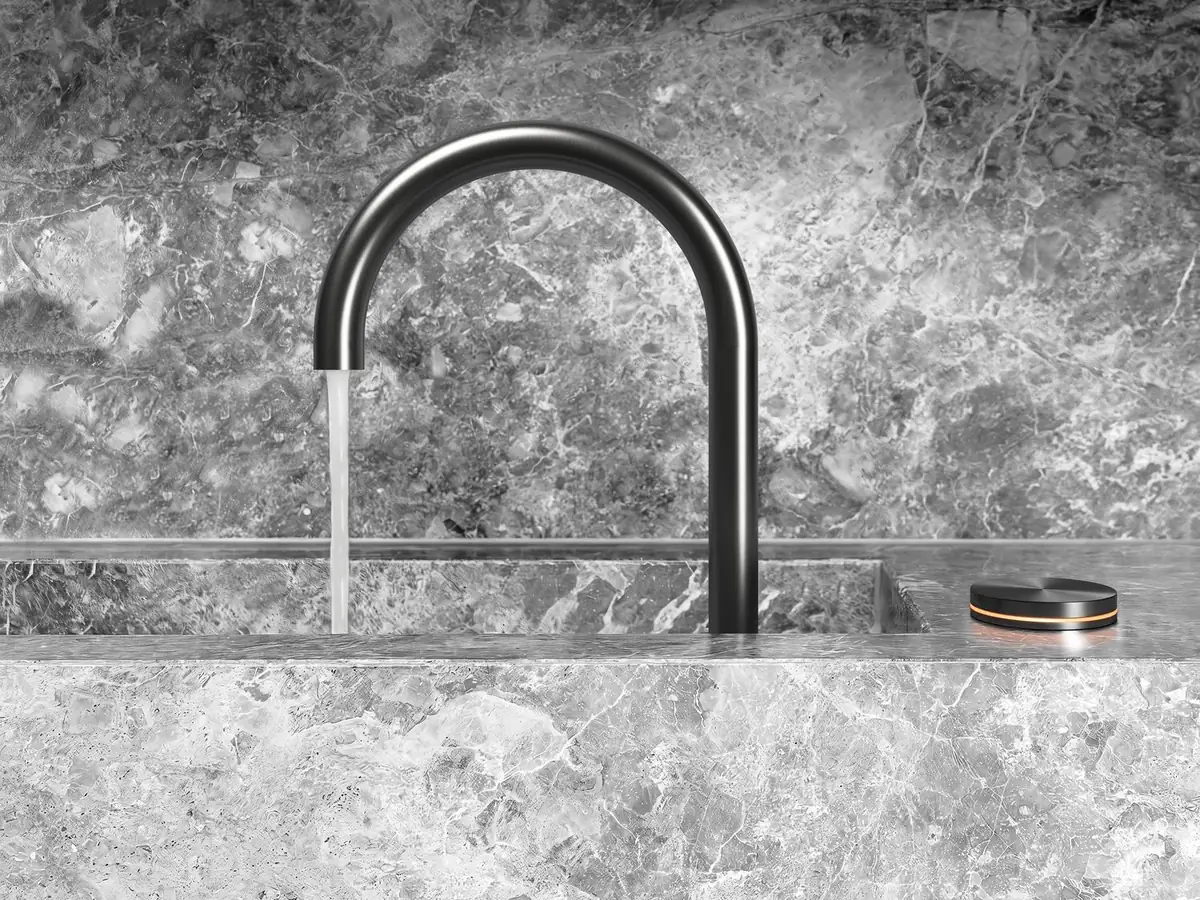
Every piece is made in 316 stainless steel and comes in six finishes: Acero (steel), Oro (gold), Bronce (bronze), Titanio (titanium), Negro (black) and Blanco (white); some kitchen taps are not offered in Bronce. The same Wik control is repeated at the basin, shower, bath and kitchen, so the gesture is the same throughout the home. The catalogue is organised as follows:
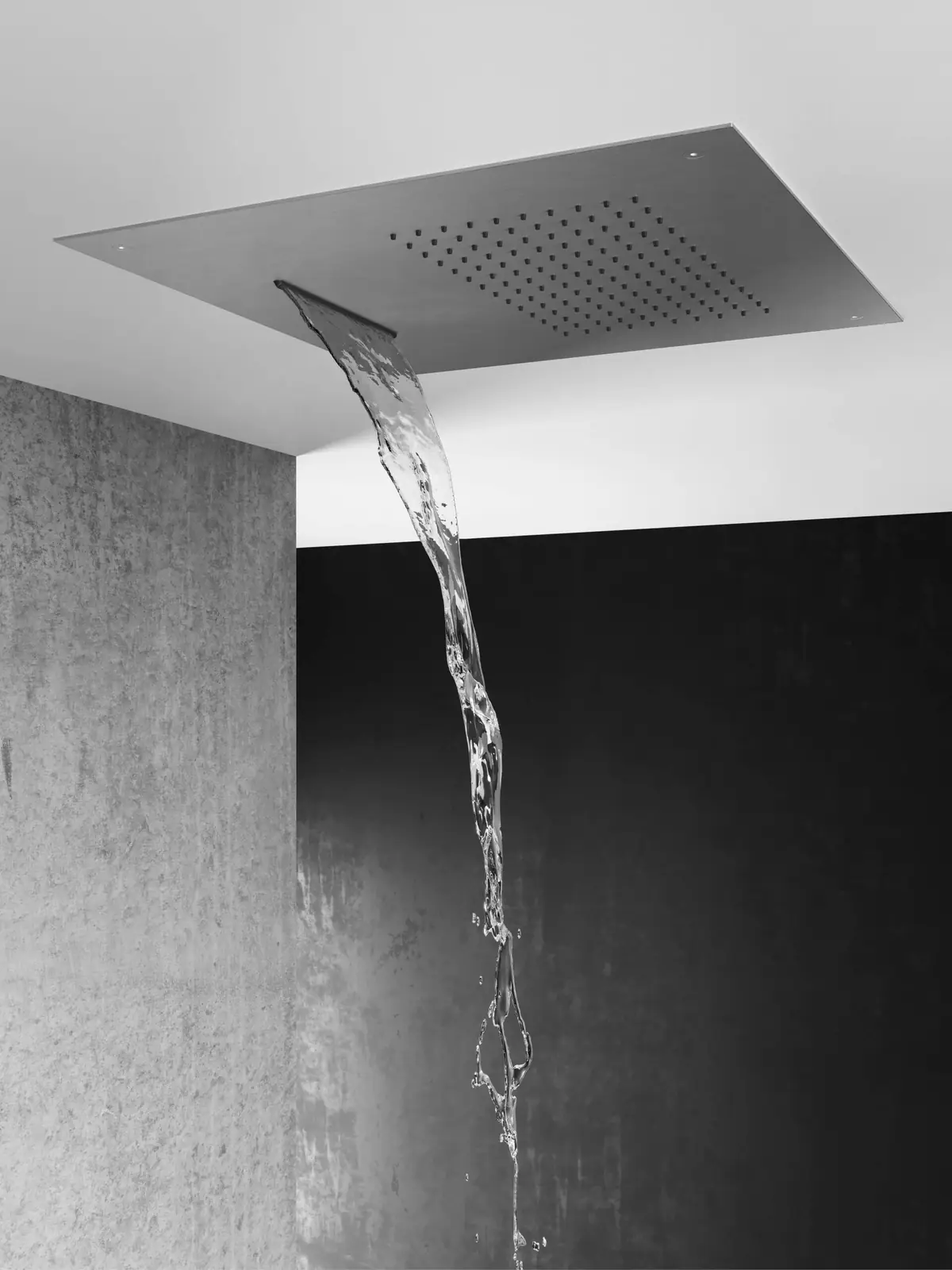
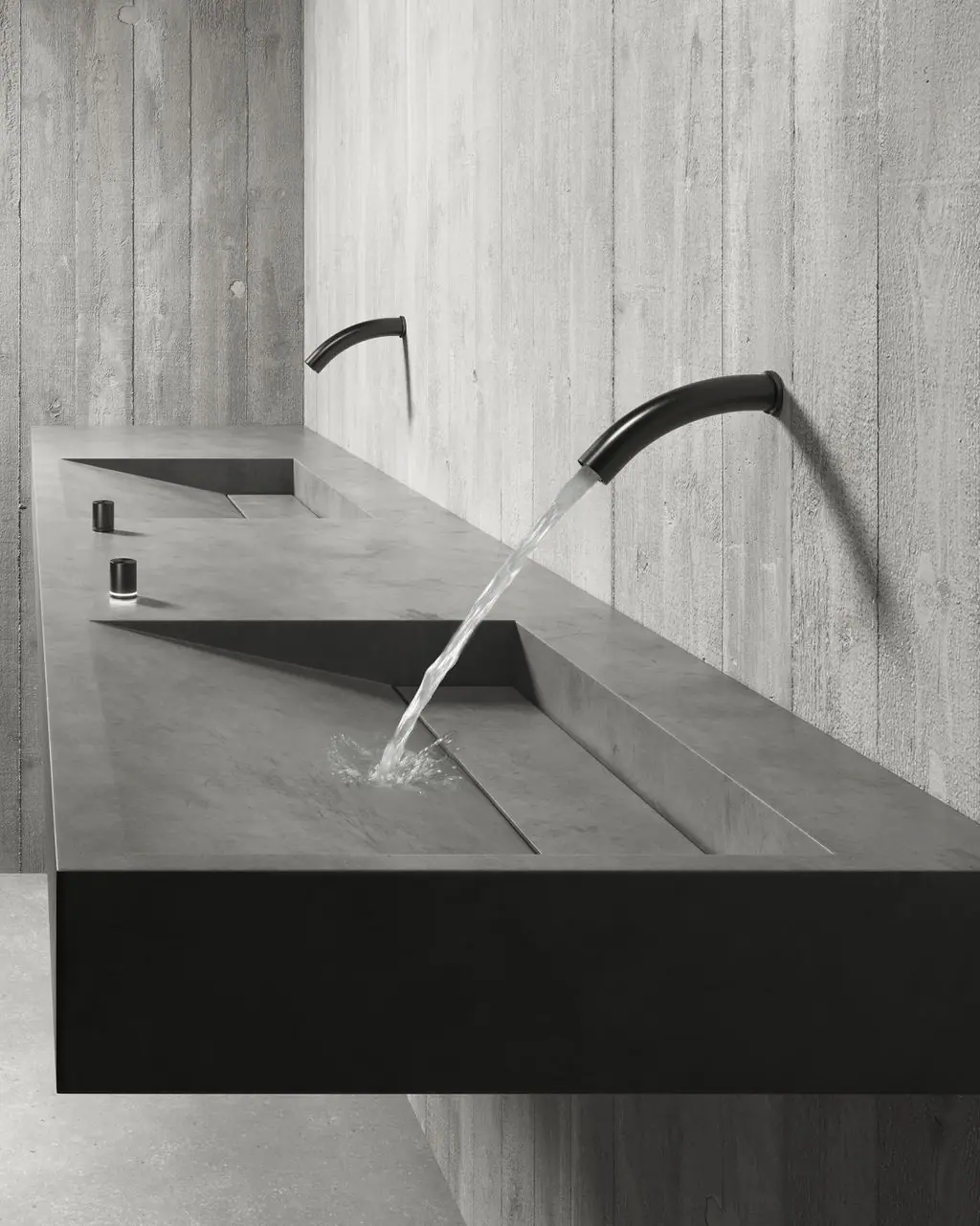
- Basin: wall-mounted spouts in four sizes (S, M, L and XL), deck-mounted taps and ceiling-mounted spouts.
- Shower: shower heads, arms, ceiling showers with chromotherapy or waterfall, body sprays, hand showers, rails, hoses and controls.
- Bath: the same shower elements, plus filler spouts.
- Kitchen: taps in several models, installed with the Wik control on the worktop next to the spout.
- Accessories: WC flush plates and bathroom accessories.
Technology applied to the user experience
Beyond aesthetics, Maindrop stands out for developing its own technology for managing and interacting with water and its surroundings, which extends what a tap can do. Among other features, it stands out for its ability to deliver hot water from the moment the flow begins, avoiding the waste of cold water while waiting for the hot water to arrive. This optimisation has a direct impact on both the water and energy efficiency of the building.
Each Maindrop tap combines four elements, plus the mobile app. The table summarises what each one does according to the manufacturer:
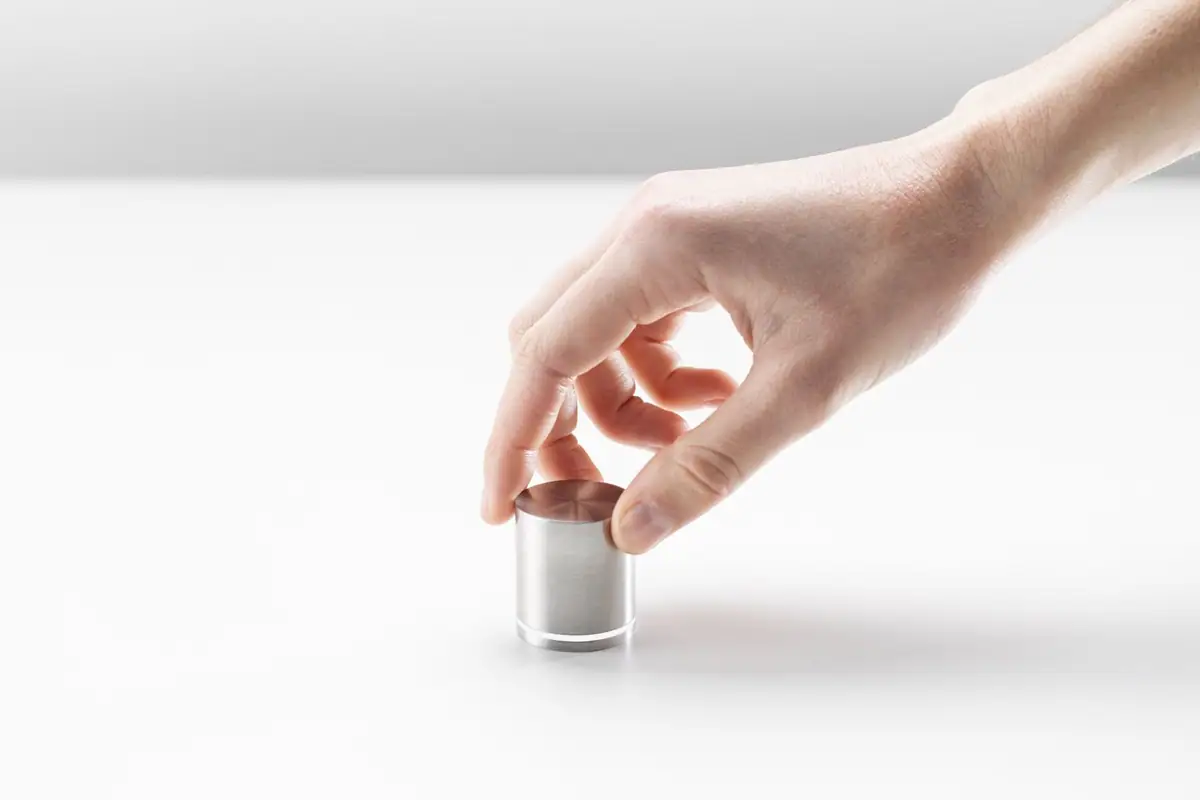
Wik: the control
The Wik is the piece through which the user communicates with the tap. Its mechanism uses Hall-effect sensors, which detect rotation without physical contact between the electronics and the other components: the microelectronics remain sealed inside the body of the control. According to the manufacturer, this gives it an IP69 protection rating, against high-pressure, high-temperature water. Interaction is tactile and visual, and remote Wiks can be installed anywhere to prepare a bath or shower from a distance.
From the control, users set preset temperatures and flow rates, open, pause and close the tap, and activate the warm-up function. Maindrop publishes short videos explaining each of these functions.
Precision, durability and low maintenance
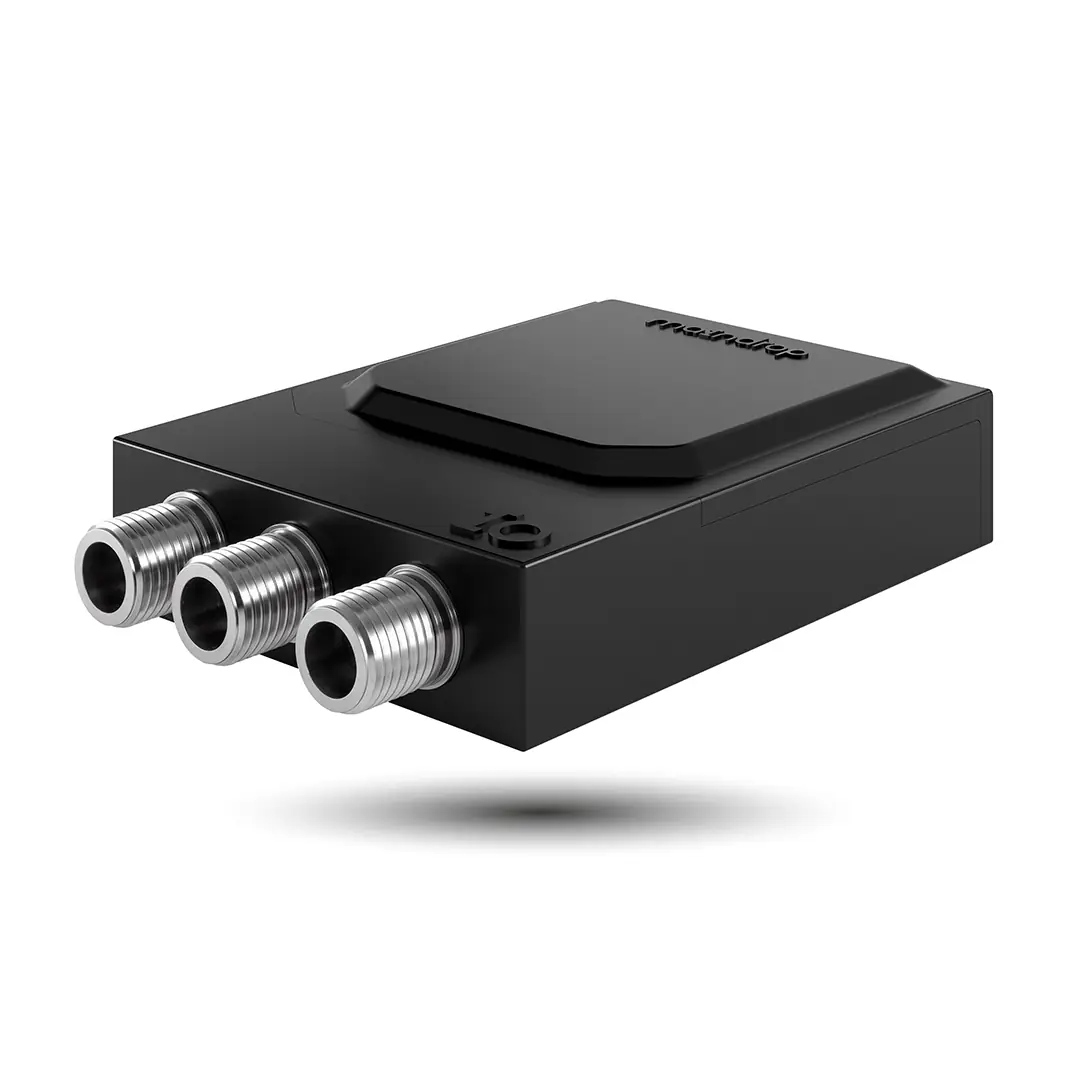
The technical core of the taps is the MCU, a smart valve that relies on ceramic disc technology, recognised for its reliability and durability even where water quality is inconsistent. This solution ensures precise operation, reduces maintenance requirements and extends the service life of the system, aspects that are especially relevant in hotel projects, high-end residential developments and public spaces.
The ceramic discs are combined with microelectronics that react in real time to fluctuations in mains pressure, flow and temperature. The MCU is universal: the same unit serves points of use with one to four water outlets, and every tap has WiFi connectivity. The data sheets specify G1/2" connections; the one for the MODEL J12-M wall-mounted basin tap, for example, includes the spout, MCU, Wik, power supply and flexible hoses.
For maintenance, Maindrop recommends flushing the pipework before connecting the tap, fitting a filter and water softener to extend the life of the equipment, and cleaning metal parts with a soft cloth, water and soap, drying them after each use. Products containing alcohol, hydrochloric or phosphoric acid, bleach, chlorine or abrasive powders should be avoided.
Hot water from the start: RW technology
The technology Maindrop has patented so that no cold water is wasted.
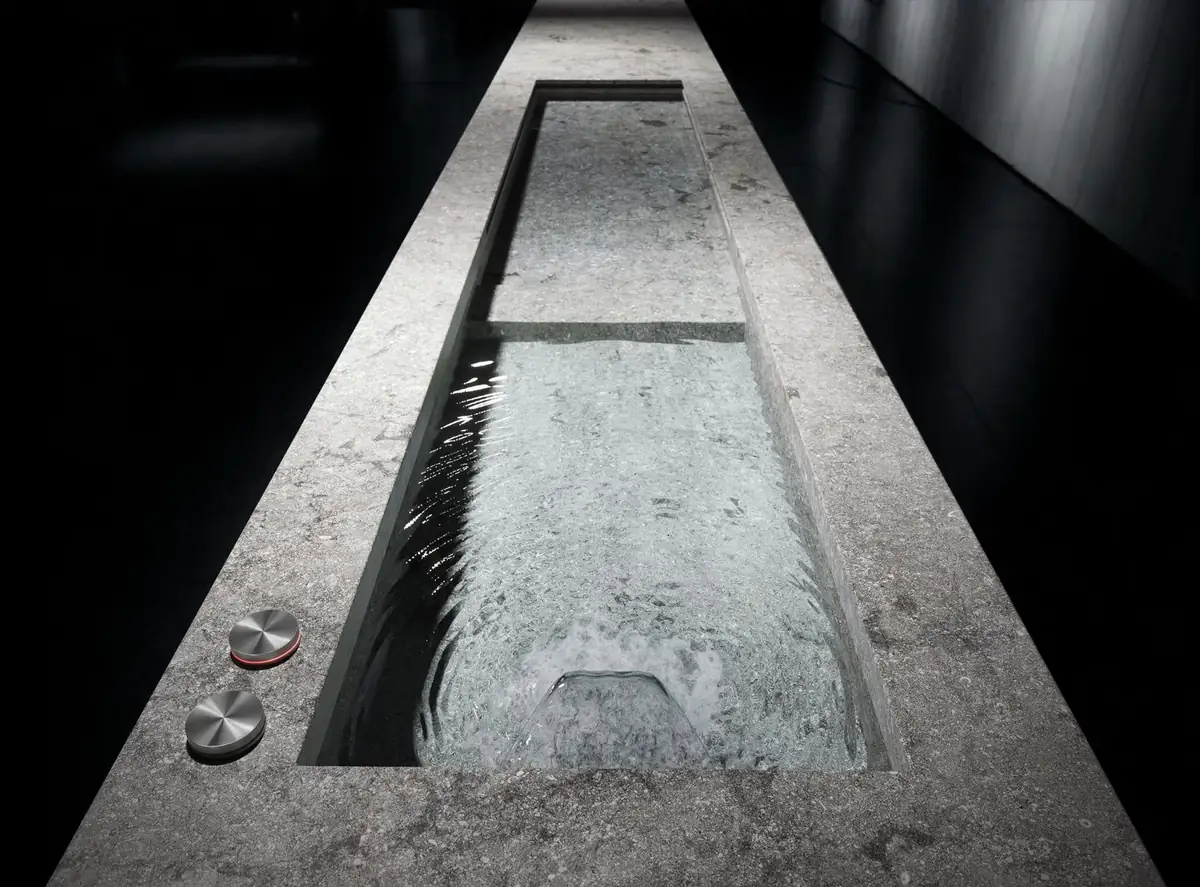
In a conventional installation, opening the hot tap first releases the cold water sitting in the pipe, which goes down the drain. RW technology, integrated across the range, makes the tap deliver water at the chosen temperature from the start. When a tap calls for hot water, a booster or circulating pump installed next to the DHW system pushes hot water towards that tap, and the cold water that filled the pipe returns to the heater through the cold-water pipe or the return pipe.
The manufacturer highlights these points about how it works:
- Two types of network: it works with the standard two-pipe domestic network (cold and hot) and with three-pipe networks with a return line.
- Only to the tap that asks: hot water travels only to the tap requesting it, not to other points on the network.
- Pump on demand: it starts when a tap calls for hot water and stops when it arrives; according to Maindrop, it runs for around 7 minutes a day on average in a detached house.
- More efficient recirculation: in homes with a return line, the manufacturer estimates a 96% reduction in the energy used for DHW recirculation.
The command comes from the MI, a WiFi smart plug: one per home is enough for every tap to control any pump model on the market. In a network with a return line, it is plugged into the power socket of the existing recirculation pump. If the home has a smart boiler with a built-in recirculation pump and WiFi connectivity, neither the MI nor an extra pump is needed: the taps communicate directly with the boiler.
Intelligent control of water consumption
Another of Maindrop’s key strengths is its capacity for control and communication. Each point of use is conceived as part of a smart network that makes it possible to monitor and manage water use, laying the foundations for more efficient and sustainable systems at building scale. This approach is particularly interesting in projects where water and energy efficiency forms part of the overall design strategy.
With the Maindrop app, for iOS and Android, users identify and register their taps, set them up together with the MI, connect them to the WiFi network and receive notifications and alerts. According to the manufacturer, the system is compatible with KNX, Loxone and Control4, and with the Alexa, Apple Home and Google Home voice assistants.
Key points for specifying Maindrop
As these are electronic taps connected to the DHW network, the following points should be resolved at design stage:
- Power at every point: each tap needs a power socket, which must be planned in the building services design.
- DHW pump and MI: the booster or circulating pump and the MI connection point must be defined; the manufacturer recommends that a professional chooses the pump model for each installation.
- Control position: the Wik can go on the worktop or the wall, wherever suits, and remote controls are available; it is worth fixing it on the drawings together with the spout.
- Water quality: the ceramic discs tolerate water with impurities, but Maindrop advises a filter and water softener; connections are G1/2".
- Warranty: on top of the statutory guarantee, Maindrop offers a 3-year extended commercial warranty depending on range and model, subject to installation by a qualified professional.
A solution conceived from architecture
In short, Maindrop offers taps and fittings conceived from an architectural standpoint: technologically advanced, materially honest and designed to integrate precisely into the project. A solution that transforms an everyday gesture into a controlled, efficient experience aligned with contemporary demands for sustainability and comfort.
Frequently asked questions
- Do Maindrop taps need electricity?
- Yes. They are electronic taps and each one needs a power socket; the power supply is part of the set. All of them also have WiFi connectivity.
- Is a return pipe needed to get hot water from the start?
- No. RW technology works with the standard two-pipe network and with networks with a return line. What it does need is a booster or circulating pump controlled by the MI, or a smart boiler with a built-in recirculation pump and WiFi.
- How much energy does it save?
- Maindrop does not publish water savings in litres. According to the manufacturer, the pump runs for around 7 minutes a day on average in a detached house and, in homes with a return line, the energy used for DHW recirculation falls by 96%.
- Can it be integrated into a home automation system?
- According to the manufacturer, yes: it is compatible with KNX, Loxone and Control4 and with Alexa, Apple Home and Google Home. Basic set-up is done from the Maindrop app.
- What materials and finishes are available?
- The pieces are made of 316 stainless steel, in Acero, Oro, Bronce, Titanio, Negro and Blanco finishes. Some kitchen taps are not offered in Bronce.
At Matter we help you plan taps together with the rest of the bathroom and kitchen: basins, worktops, wall and floor finishes and coordination with building services. If you would like to include Maindrop in your projects, we invite you to Matter to discover its products and work out with our team how to specify them.
Book your appointment at Matter.