Architecture and Materiality webinar
TGMA, Matter's agency, produced a webinar on healthy architecture, accessibility and technology with COMPAC and Arquitectes per l'Arquitectura.
Projects4 min read
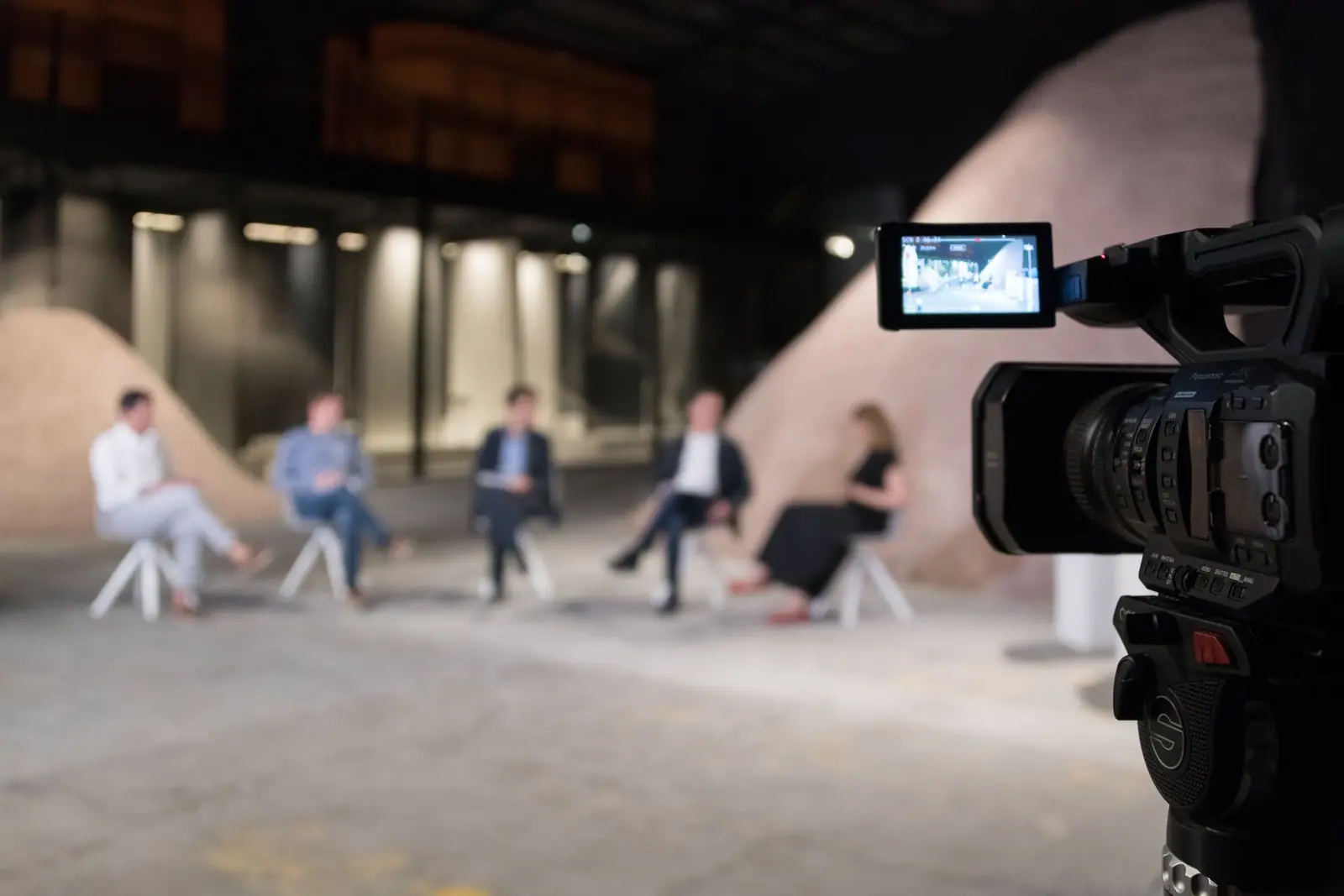
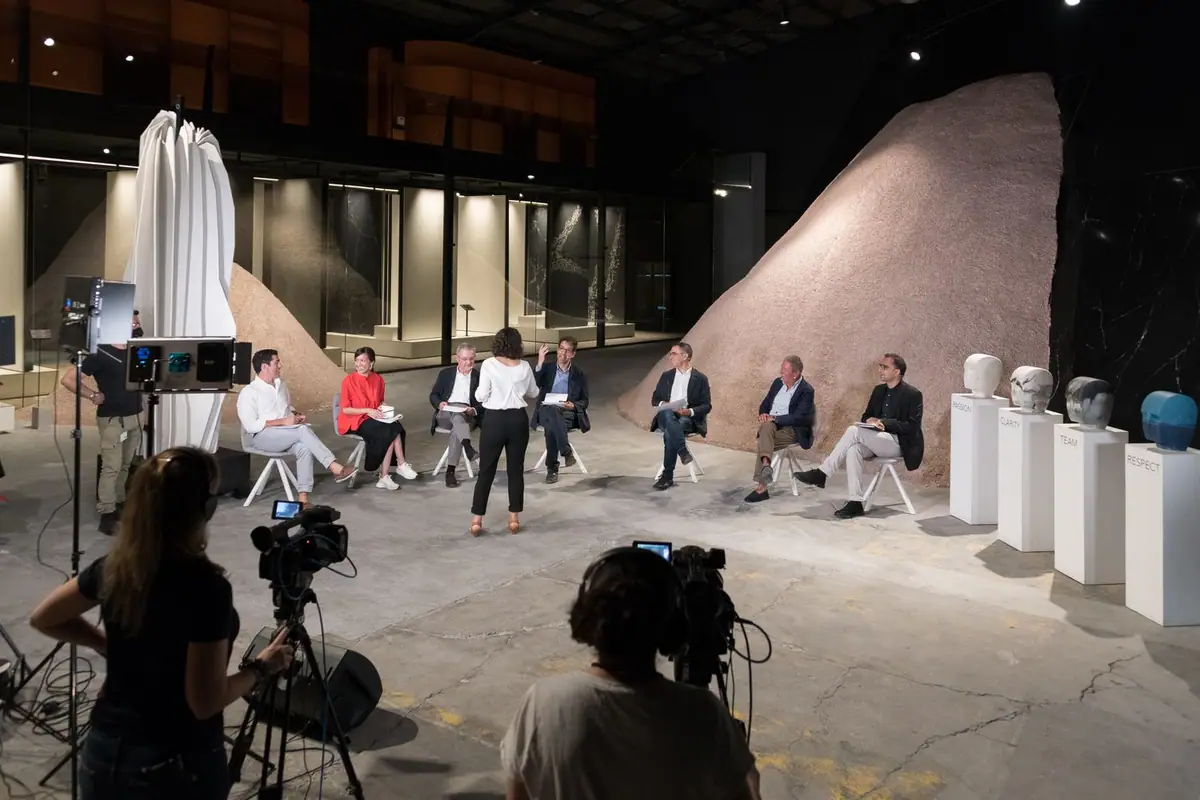
The Grey Matter Agency (TGMA), Matter's communications agency, worked with COMPAC and the association Arquitectes per l'Arquitectura (AxA) on the webinar Architecture and Materiality, the first the two organisations held together. The event took place in COMPAC's showroom in Gandia (Valencia), and the event website announced it as a live stream on 22 June 2021, from 18:00 to 19:00.
With the aim of creating a forum for the exchange of knowledge that would highlight the relationship between industry and architecture, TGMA provided key support in the organisation, production, direction and promotion of the webinar. In this article we look at what the agency did, who took part, what was discussed in the four sections of the discussion and what its conclusions were.
The brief: a forum between industry and architecture
The webinar was part of the collaboration agreement that COMPAC signed with Arquitectes per l'Arquitectura for 2021, with the aim of jointly promoting quality, sustainable and universal architecture. AxA, founded in 2011 and chaired by Ramón Sanabria, is a platform for opinion and action that brings together architects who see architecture as a matter of common interest. COMPAC, founded in 1975, was, according to the company itself, the first Spanish company specialising in the manufacture and distribution of marble and quartz surfaces.
TGMA took part in the design of the event and in much of its development:
- Content: defining the main themes and concepts discussed during the event.
- Production: coordinating the production team and directing the webinar.
- Supporting materials: the speakers' script and the webinar's graphic identity.
- Video and social media: editing the videos and the content used to communicate the event on the channels of COMPAC and Arquitectes per l'Arquitectura.
- Format and communication: Matter's communications department managed the format of the event and defined its communication guidelines.
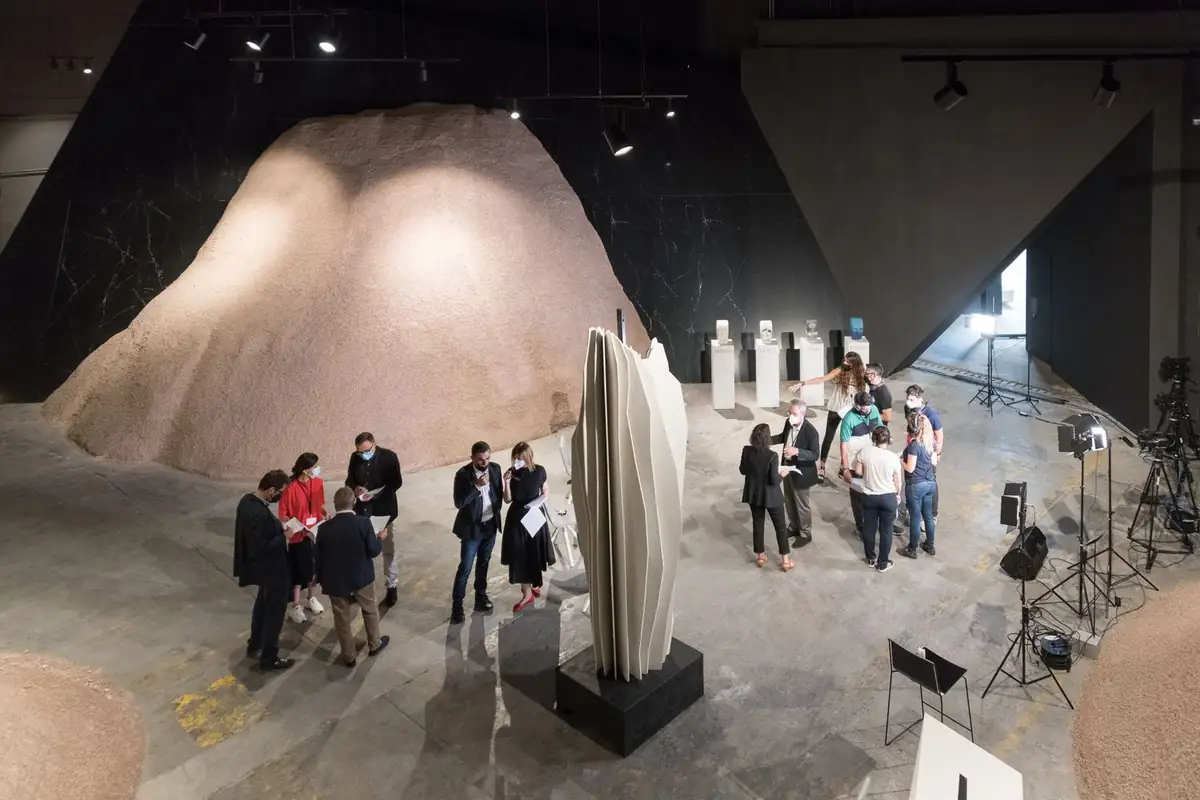
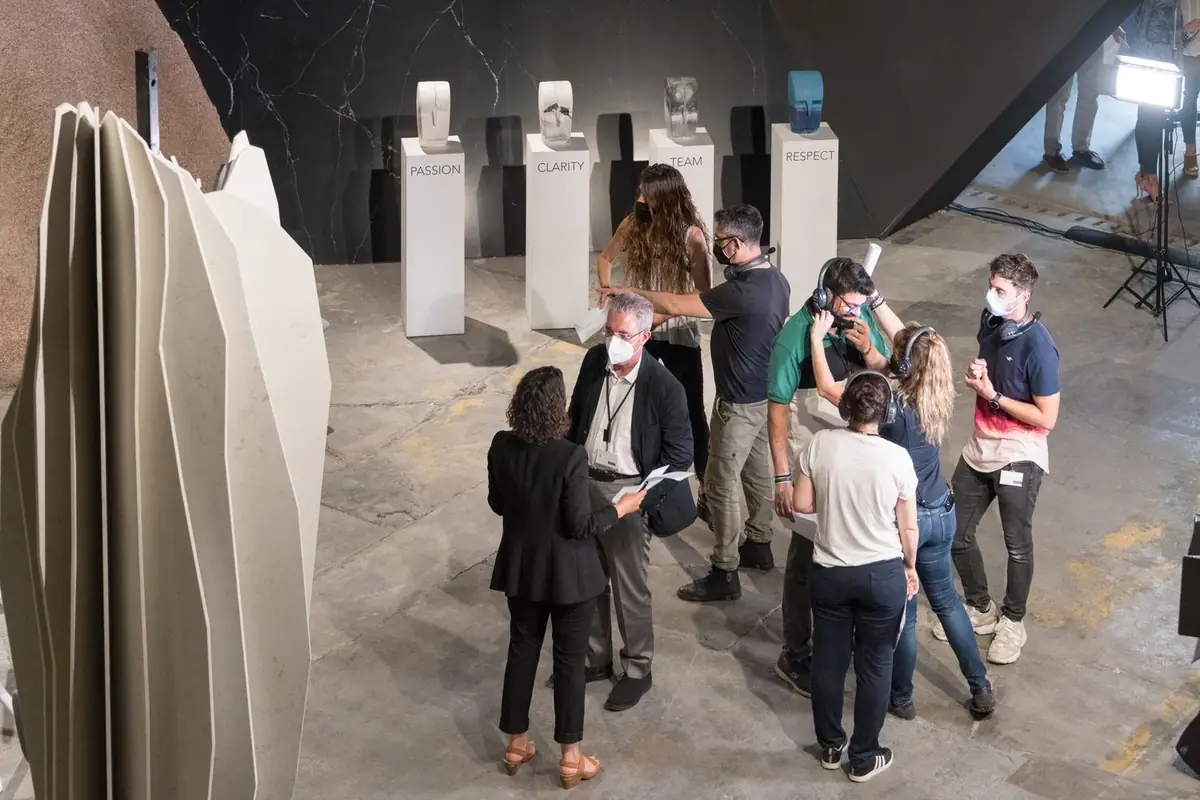
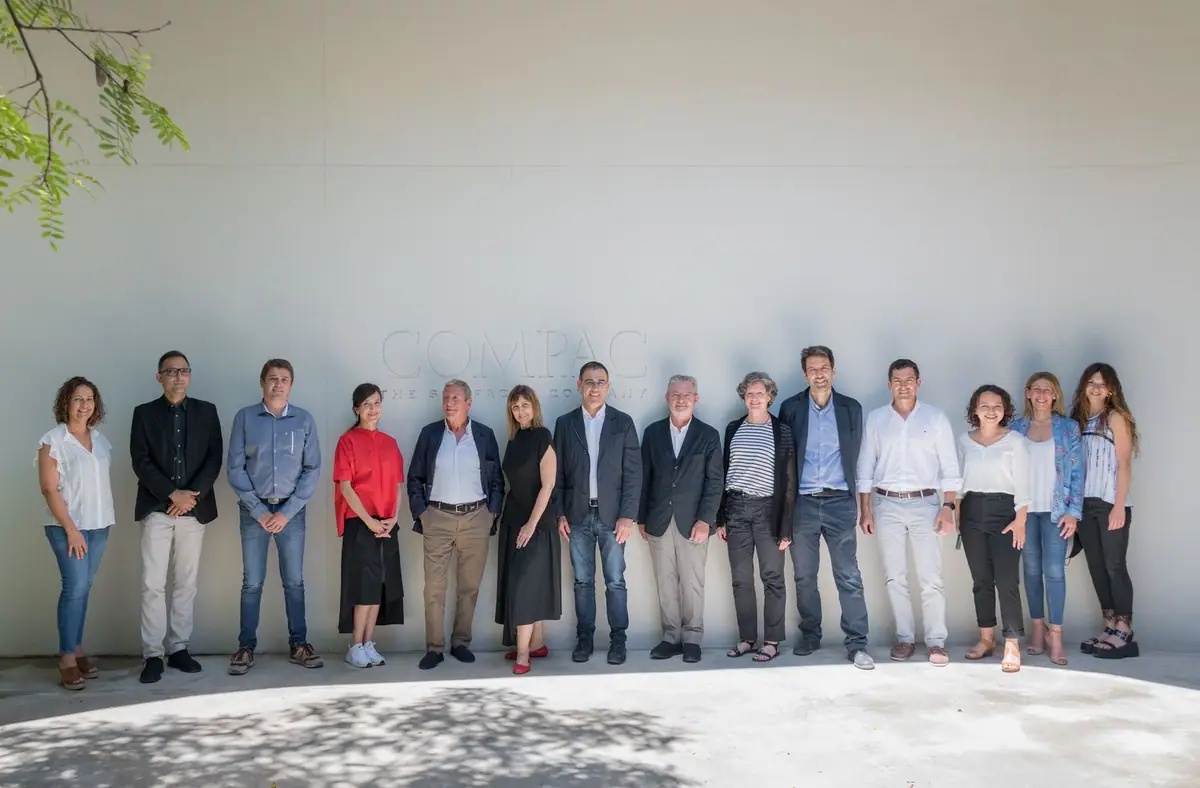
Speakers: the COMPAC team and five architects
The discussion brought together four representatives of COMPAC and a panel of four architects, moderated by the architect Alberto Peñín, professor at the Universitat Politècnica de Catalunya (UPC).
Four discussion sections
From healthy architecture to technology applied to materials.
According to the report published by COMPAC, the webinar opened with a presentation of the company: its origins, a customisation process at the service of studios and an R&D&I department that develops functional and aesthetic solutions. The discussion was then organised into four content sections: healthy architecture, the personalisation of spaces, accessibility, and technology in architecture and in the manufacture of materials. These are the main ideas of each, as set out in that report.
Healthy architecture: durability, comfort and hygiene
Ramón Sanabria, who specialises in the design of hospitals and medical centres, explained that this type of architecture requires robust construction and materials, because these are buildings with heavy footfall; comfortable materials that make the stay pleasant for staff, patients and visitors and that ensure quiet and rest; and, above all, aseptic materials that guarantee cleanliness. Lluís Vives added that the ideal would be a single material capable of solving the problems of the building, a challenge the industry is researching: making materials that avoid joints or areas where bacteria or dust accumulate.
Personalisation: understanding how the material is made
Personalisation requires research and resources, which is why architecture and industry must move forward together. Mara Partida stressed that solutions multiply when there is synergy between the two. Josep Camps highlighted the importance of understanding the manufacturing process: how the material is assembled, how it works and what possibilities it offers when it comes to manufacturing the product itself.
Accessibility: continuous, uniform surfaces
Lluís Vives noted that industry, through materiality, and architecture, through design, can turn spaces into places that anyone can access, whatever their circumstances. Ramón Sanabria spoke about people with low vision, for whom floors with changes of material, texture or level make daily life more difficult; in his view, horizontal surfaces should be resolved in a single piece, with hard, large-format materials that make it easier for people with disabilities to move around. Paco Sanchis highlighted COMPAC's solutions in this respect: uniform materials that accept different shapes and have a long life cycle.
Technology in architecture and in the manufacture of materials
The final section dealt with how technology is applied to techniques and processes, how architecture uses new tools to respond to new challenges and how it helps to manufacture materials that make projects and processes more sustainable. Josep Camps explained that advances have an impact on the life cycle of projects and that new materials make it possible to optimise resources and functions: technology offers the possibility of moving away from standardisation to provide tailored solutions. Mara Partida added that technology applied to the construction system saves energy and time in processes, resulting in more efficient and environmentally friendly buildings.
Conclusions: durable materials and an industry that stays close
The event concluded by setting out the challenges and opportunities offered by the synergy between architecture and materiality. These are the ideas with which the discussion closed:
- Simple maintenance: creating materials that are easy to maintain.
- Durability: materials that last over time, an aspect COMPAC identifies as a priority in the manufacture of its surfaces.
- Continuity: jointless or single-piece surfaces, a response that came up both in the healthy architecture section and in the accessibility section.
- Industry and architecture, in the same direction: strengthening the good relationship between industry and the sector to arrive at better solutions.
The making-of video
TGMA produced a summary video of the making of the webinar for COMPAC, published on Matter's YouTube channel. It covers the filming in the COMPAC showroom and the work of the production team during the event.
If your brand would like to organise an event with architects and interior designers, at Matter we can tell you how The Grey Matter Agency works. And if you are looking for materials for your next project, we look forward to seeing you at the Materioteca.