Eco-sustainable floors
BIHOMA, Mardegan Legno’s collection with a plant-based varnish: what makes it eco-sustainable, its colours and finish, and key points for specifying it.
Products5 min read
Mardegan Legno is committed to sustainable, ecological products: according to the manufacturer, all its wood comes from responsibly managed forests and is processed in a certified supply chain. With BIHOMA it goes a step further and applies the same principle to the final stage of the process: now the finish, too, is completely natural.
BIHOMA is Mardegan Legno’s new eco-sustainable collection, designed to furnish the home in an entirely natural way. Its distinguishing feature is a 100% ecological varnish, formulated exclusively from renewable, plant-based sources, with low CO2 emissions. In this article we look at what it means for a floor to be 100% eco-sustainable, what that varnish is like, which colours and finishes the collection offers and what to bear in mind when specifying it.
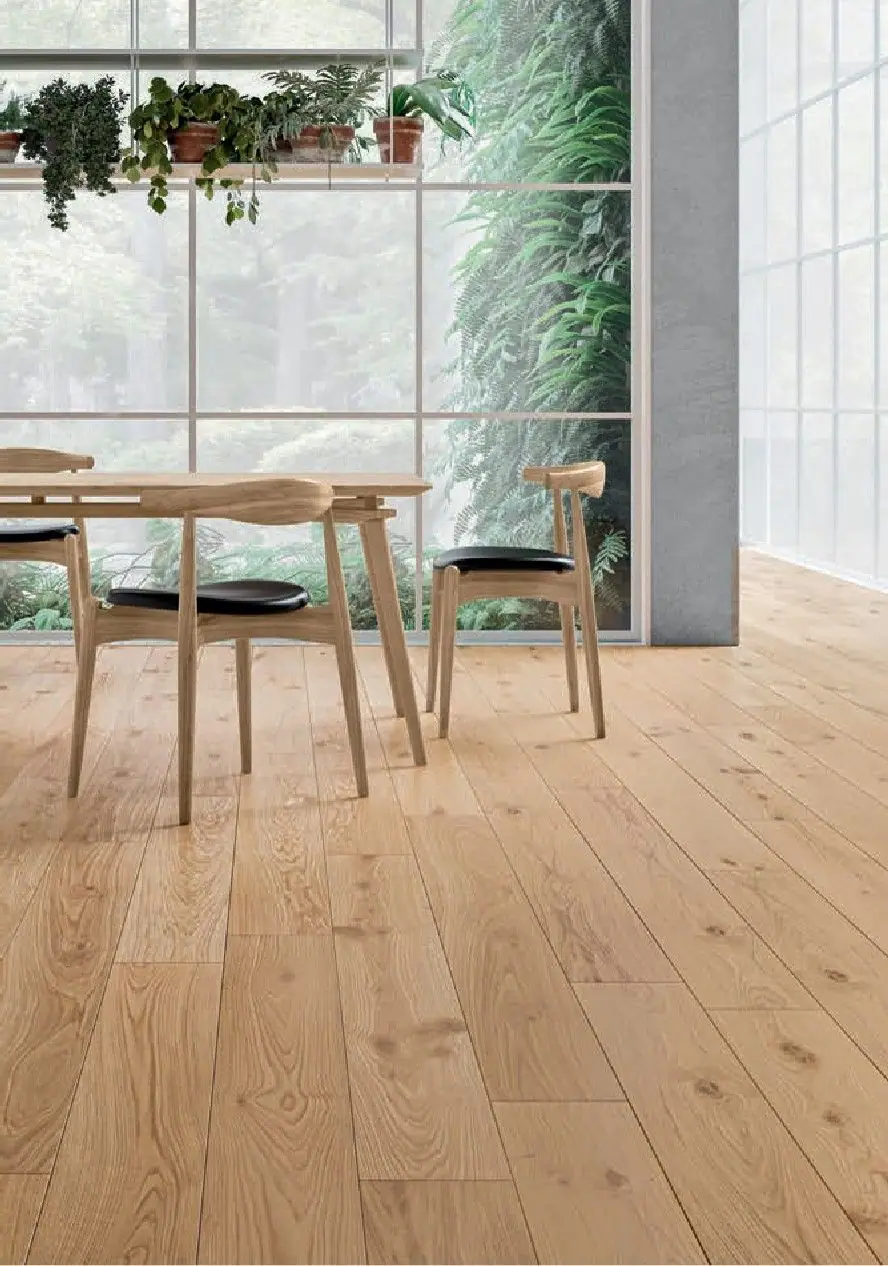
What a 100% eco-sustainable floor means
The BIHOMA catalogue sums up the idea as the combination of two conditions, one for the wood and one for the finish. Only when both are met does the manufacturer speak of a 100% eco-sustainable floor:
- Certified wood: the trees come from responsibly managed forests and the wood is processed in a certified supply chain.
- Eco-sustainable varnish: it is made from water and resins obtained from renewable plant-based sources, in a production cycle with low CO2 emissions.
The wood is the part Mardegan Legno controls from the source. The company is headquartered in Fanzolo di Vedelago (Treviso) and manufactures in Barcs, Hungary, close to the Slavonian oak forests that are its main raw material. According to its corporate information, it works in accordance with the EU Timber Regulation (EU 995/2010), its plant is certified to ISO 9001 and ISO 14001, and its finishes are free from formaldehyde and harmful substances.
The collection catalogue does not state which forestry scheme the wood is certified under. If the project needs it, for example for an environmental building certification, it is advisable to ask the manufacturer for the specific documentation.
The varnish: water and plant-based resins
BIHOMA’s ecological varnish is made from water and resins from renewable, plant-based sources. According to the manufacturer, the combination of these raw materials and a production cycle with low CO2 emissions makes it possible to create an ecological varnish that retains excellent performance and technical properties.
The product used on BIHOMA is a primer specifically for parquet, with technical characteristics that allow it to be used both as a base coat and as a top coat. In other words, the same product acts as base and finish, and ensures transparency, hardness and resistance to abrasion and chemicals.
Varnish or oil
In its other collections, Mardegan Legno finishes its floors with UV-cured water-based varnishes or with oil blends. The manufacturer explains the difference on its blog: varnish forms a layer that better protects the wood against knocks, liquids and stains and which, according to its data, lasts up to ten years or more without parquet maintenance. Its weak point is repair: if it is damaged, the whole room has to be sanded and revarnished, because it does not allow localised touch-ups.
Oil, by contrast, gives a more natural look but requires a coat of maintenance product every one or two years. BIHOMA sits on the varnish side. Mardegan Legno counts this kind of latest-generation bio-varnish among those that, in residential use, offer the same guarantees of durability as traditional varnishes.
Colours, surface treatment and formats
BIHOMA is a focused collection: four colours named after plants and a single surface treatment. The table summarises its characteristics with data from the catalogue and the collection page on the manufacturer’s website.
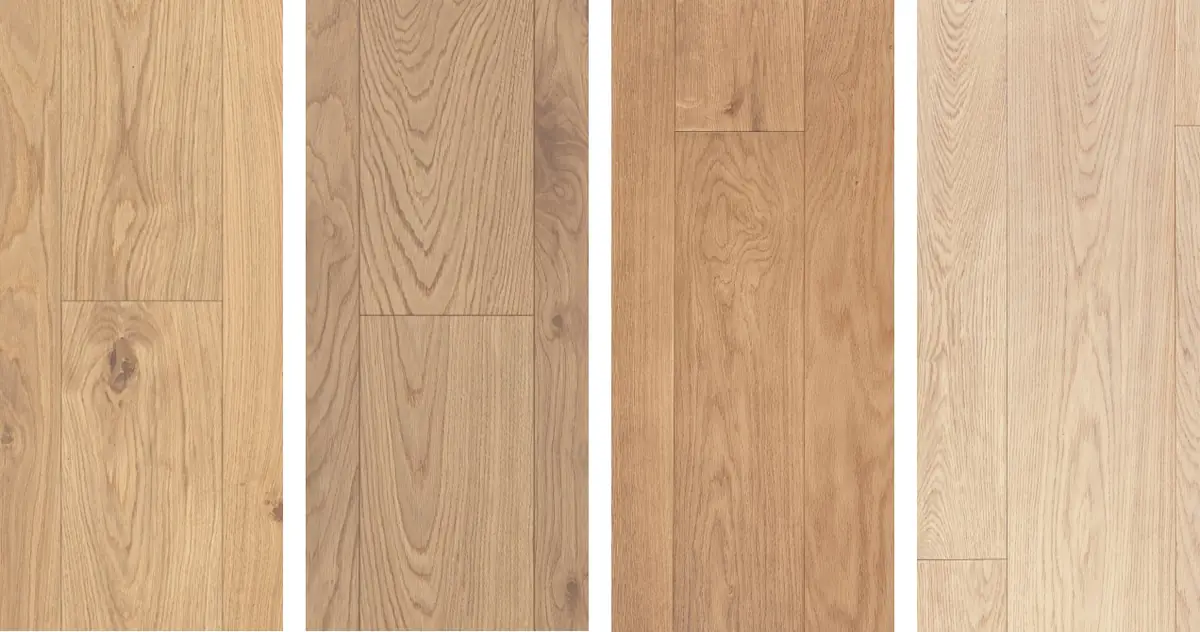
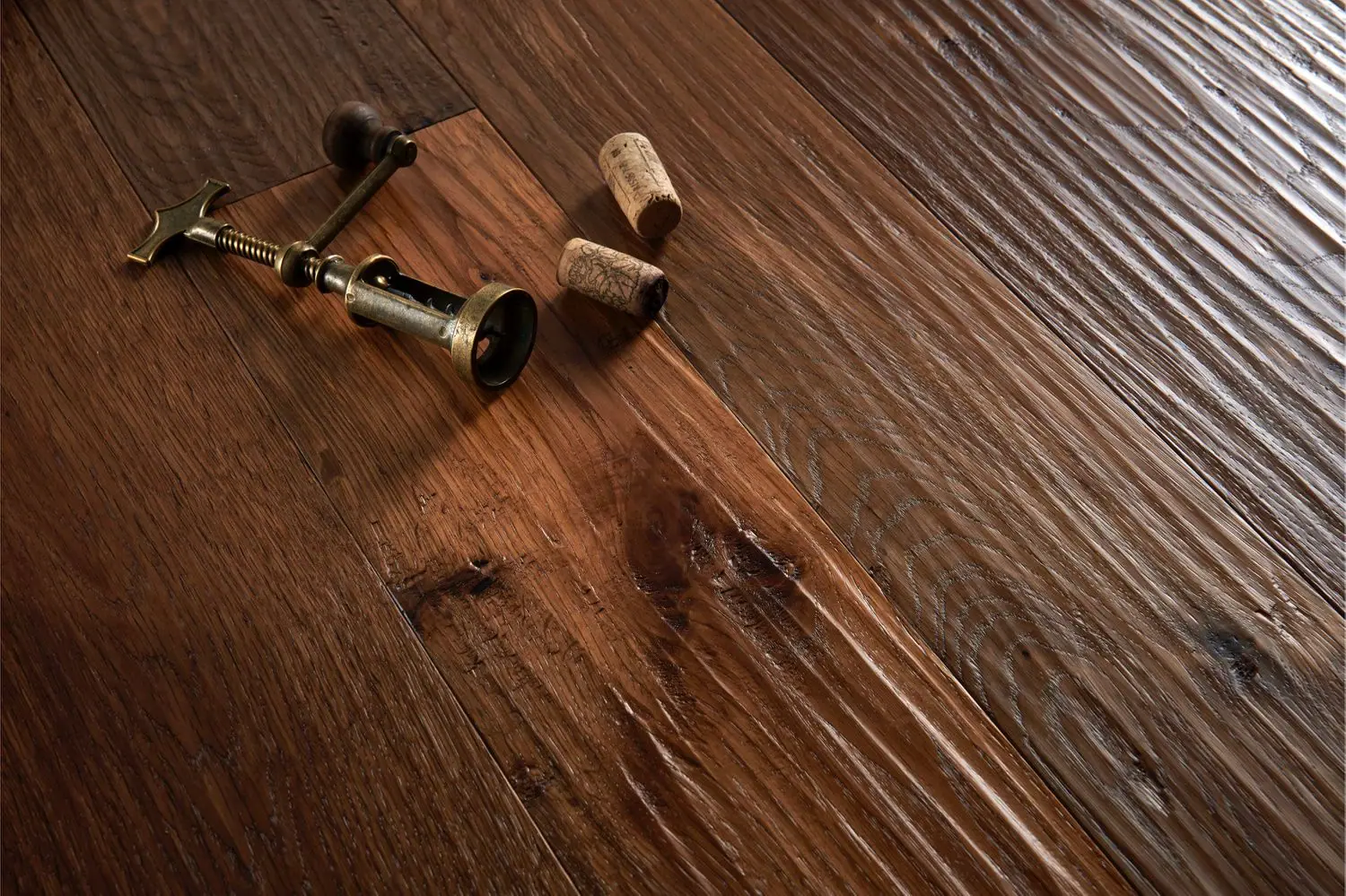
The surface treatment is Spazzolato: a series of brushes removes a small amount of the softer wood and brings out the grain, without altering the board’s natural figure. According to the manufacturer, the pieces have a micro-bevel on all four sides.
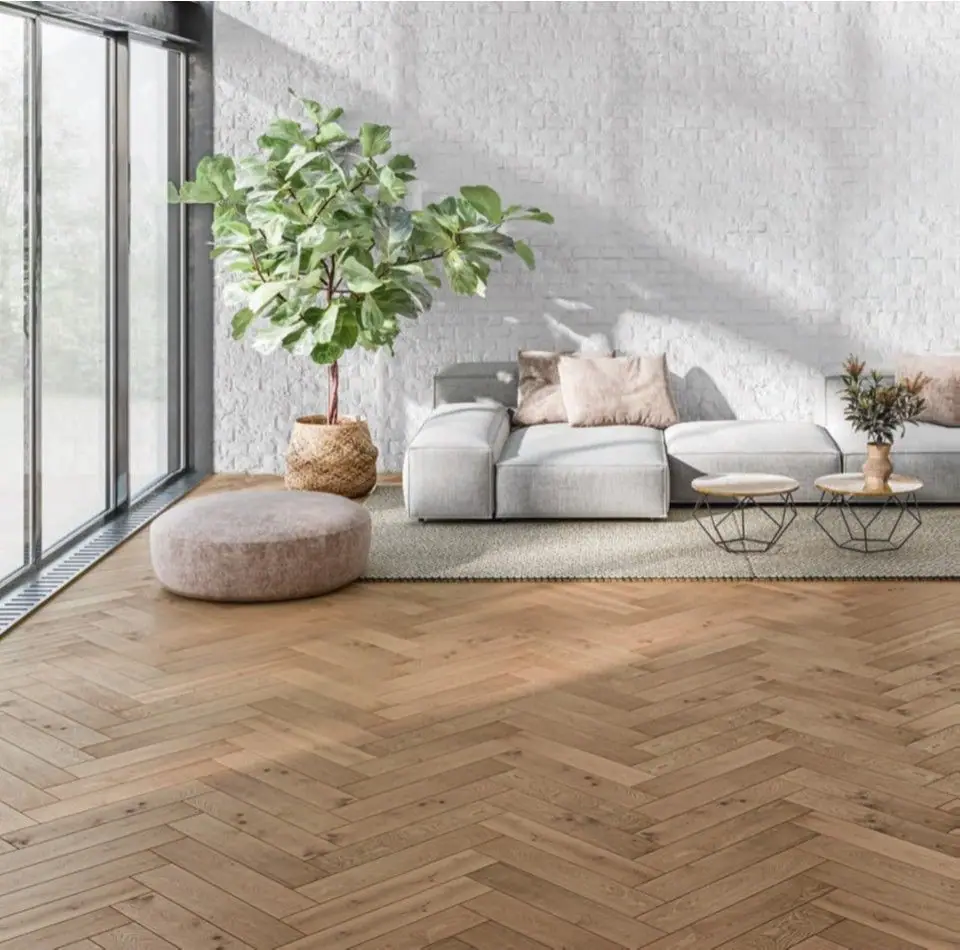
As for format, the BIHOMA page includes boards, the basic format of any floor; herringbone, in its Italian and Hungarian (chevron) versions; Damasco, a geometric surface based on hexagons; Quadrotte, hand-assembled square-based compositions; and Casablanca, a chequerboard of lines and volumes. The dimensions and availability of each format in the chosen colour should be confirmed with the manufacturer.
Key points for specifying BIHOMA
These are the points worth resolving at design stage:
- Fixed colour and finish: the collection comes in four colours and a single surface treatment, brushed. If the project calls for a saw-cut texture, an aged look or an oil finish, these must be sought in other Mardegan Legno collections.
- Format and laying pattern: the same wood can be laid as boards, in herringbone or in geometric compositions. It is best to choose the format early and confirm dimensions and lead times with the manufacturer.
- Environmental documentation: the claims about the wood and the varnish are the manufacturer’s. If the project is seeking a certification such as LEED or BREEAM, ask for the specific data sheets and certificates for the wood and the varnish.
- Maintenance: as with any varnished floor, the manufacturer recommends vacuuming or sweeping with soft bristles, wiping with a damp cloth and a neutral wood cleaner when needed, and applying wax according to wear.
Frequently asked questions
- What does it mean that BIHOMA is a 100% eco-sustainable floor?
- According to the manufacturer, that two conditions are met: the wood comes from responsibly managed forests and is processed in a certified supply chain, and the varnish is formulated with water and resins from renewable plant-based sources, in a production cycle with low CO2 emissions.
- Does a plant-based varnish protect less than a conventional one?
- Mardegan Legno says not: the product it uses serves as both base and top coat and ensures transparency, hardness and resistance to abrasion and chemicals. The manufacturer places these bio-varnishes on a par with traditional ones in residential use.
- What colours and finishes does the collection have?
- Four colours — Aloe, Eucalipto, Ginseng and Malva — and a single surface treatment, Spazzolato or brushed.
- How is a BIHOMA floor maintained?
- Like a varnished parquet: vacuuming or sweeping with soft bristles, a damp cloth with a neutral wood cleaner when needed and wax according to wear. If the varnish layer is damaged, repairing it requires sanding and revarnishing the whole room.
In short, it is an ecological, sustainable material with high performance: the logic of wood from managed forests now extends to the finish as well. If you are considering a wood floor with sustainability criteria, at Matter we help you compare collections, finishes and technical documentation, and see the wood in your hand before deciding.
Book your visit to Matter.
Book a visit