Wood: a material connected to nature
What wood brings to wellbeing, and how to choose, install and maintain a parquet floor: solid or engineered, species, oil or lacquer, and underfloor heating.
Products10 min read
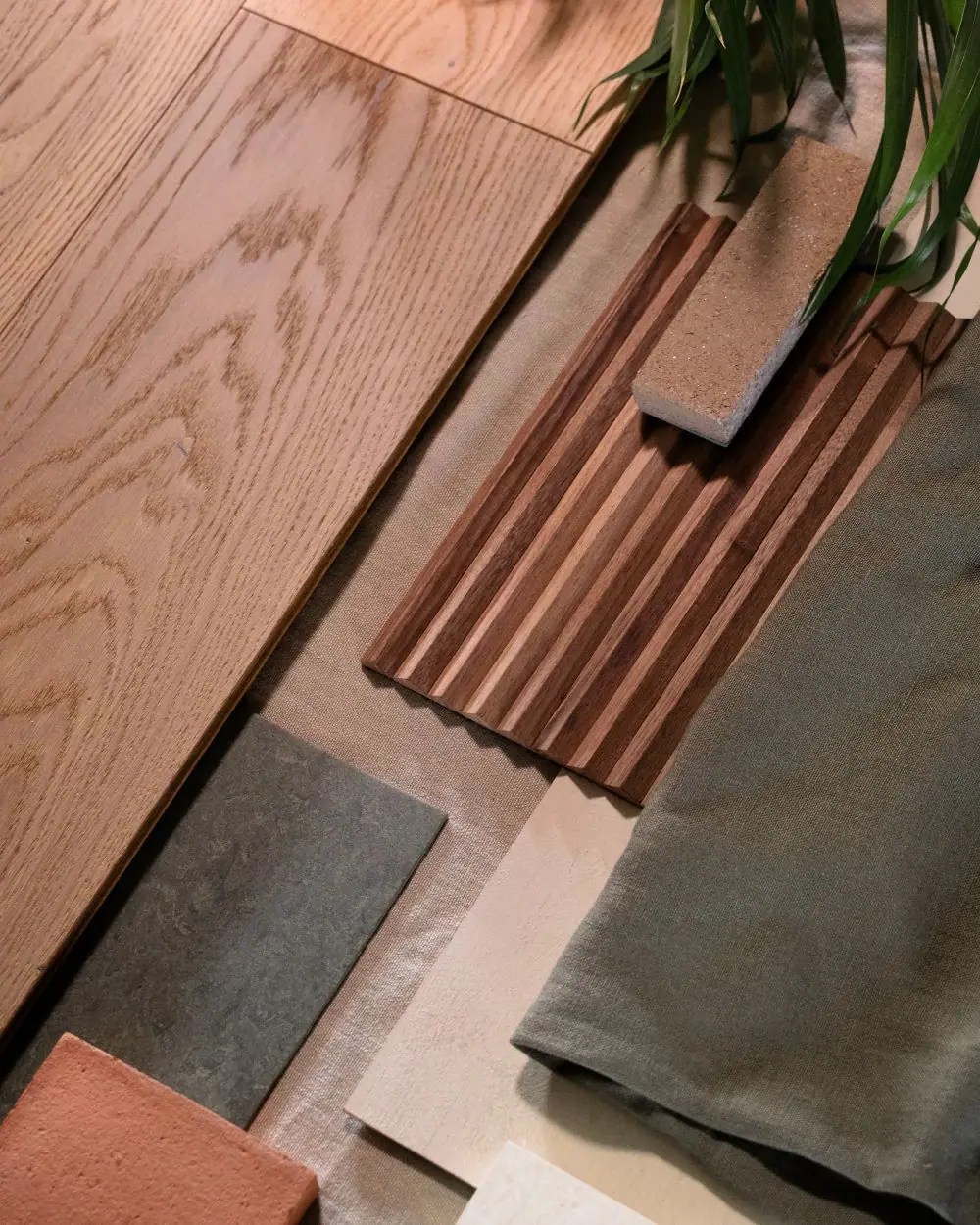
Wood has always played a leading role in interiors, not only for its timeless appearance but also for its technical qualities and what it contributes to wellbeing. Beyond its well-known versatility and durability, wood makes a significant contribution to indoor environmental quality, a key factor in people's comfort, productivity and health.
In this article we look at what research says about wood and wellbeing, what distinguishes solid parquet from engineered parquet, how the species and the finish —oil or lacquer— affect the way a floor performs, and what to plan for in installation, over underfloor heating and in maintenance so that it lasts for many years.
The benefits of wood for human wellbeing
A number of scientific studies support the positive effects of direct contact with natural materials, and wood stands out for its ability to induce feelings of calm and relaxation. In 2018, Harumi Ikei, Chorong Song and Yoshifumi Miyazaki compared what happened when 19 people rested their bare feet for 90 seconds on unvarnished hinoki (Japanese cypress) or on marble. With the wood, activity in the parasympathetic nervous system —associated with physical recovery and stress reduction— increased, sympathetic activity decreased and activity in the prefrontal cortex fell. Participants also described the wood as more comfortable, natural and warm.
The same group had obtained similar results when participants touched untreated white oak with the palm of their hand, compared with marble, ceramic tile and stainless steel. These are studies with small samples and are best read as indications rather than guarantees, but they point in the same direction: compared with cold, synthetic materials, wood produces a physiological relaxation response that improves comfort.
This phenomenon is associated with ‘biophilia’, a concept popularised by the biologist Edward O. Wilson in the 1980s and explained by humans' innate affinity for nature. Wood, with its living texture, its warmth and its organic variations, acts as a sensory bridge that restores that bond.
Thermal, acoustic and hygrothermal comfort
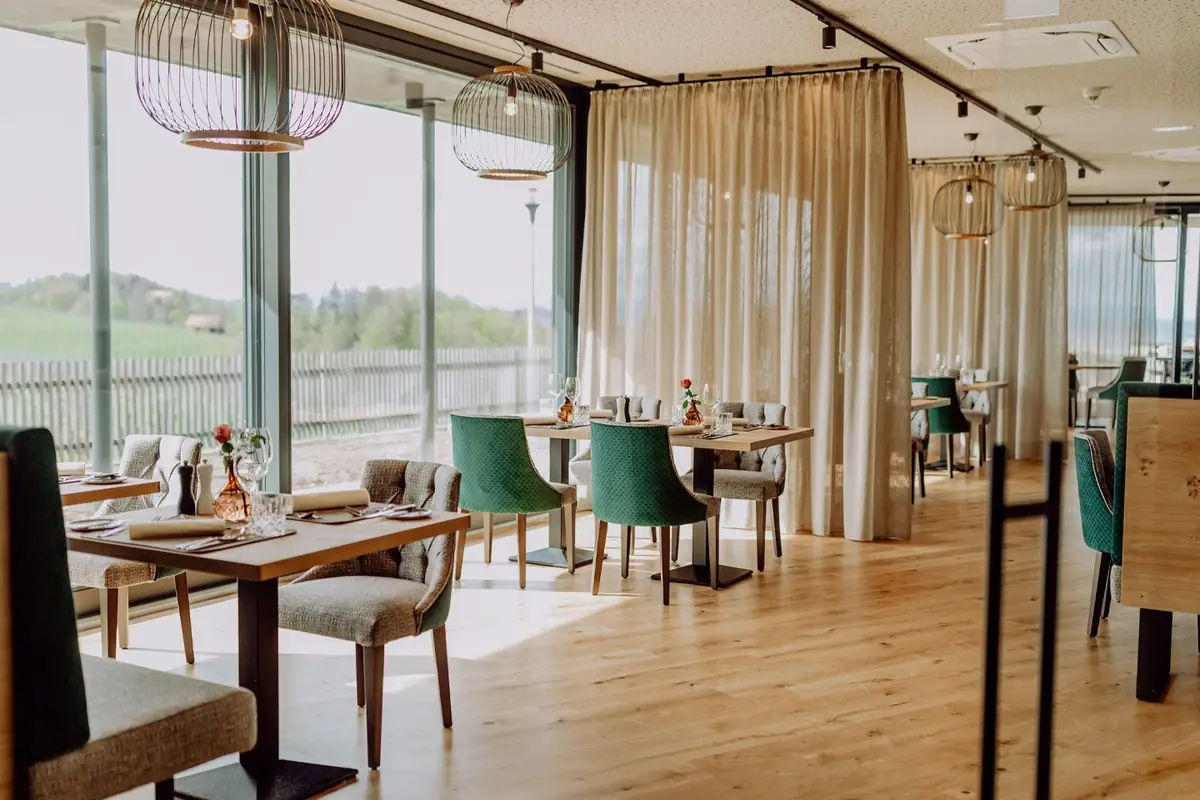
Another notable aspect is the role of wood in the thermal and acoustic comfort of interiors. Its cellular structure stores air, which is why it conducts heat far less than other building materials: between 0.13 and 0.29 W/m·K depending on its density, compared with 2.5 W/m·K for reinforced concrete, according to the Catálogo de Elementos Constructivos of the CTE (Spain's building code). This is why a wooden floor feels warm underfoot, although it is no substitute for thermal insulation. Acoustically, wooden surfaces help to control reverberation in a room, while insulation against impact noise depends on the system as a whole: the underlay beneath the parquet and the way it is laid.
Wood is also hygroscopic: it absorbs moisture from the air and releases it until it reaches equilibrium. This capacity buffers some of the variations in indoor relative humidity —more so with open-pore finishes such as oil— and contributes to a more stable and comfortable environment. The flip side is that wood moves: it swells with humidity and shrinks when dry, something to bear in mind when choosing the type of parquet and when installing it.
Parquet: aesthetics, comfort and natural technology
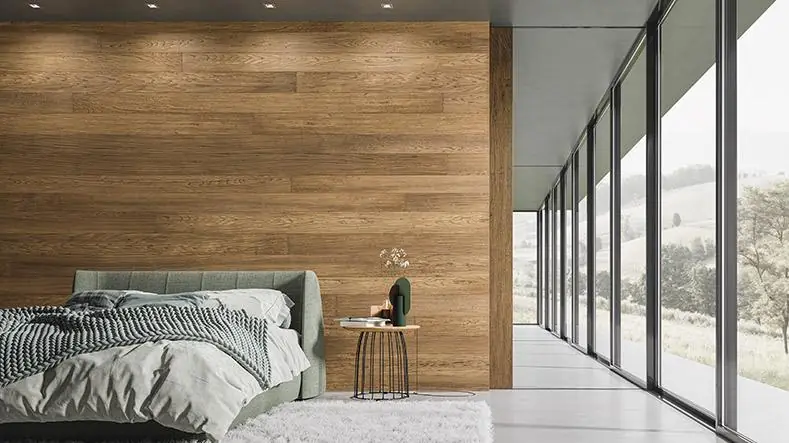
Among the many applications of wood, parquet is a solution that brings together design, comfort and natural technology. This type of flooring has a direct influence on the thermal and sensory perception of a space, and plays a part in the moisture balance of the indoor microclimate.
Choosing a parquet floor involves four linked decisions: the type of board (solid or engineered), the species, the finish and the installation method. Each one affects the others and, together, they determine how the floor will look, how it will age and how much maintenance it will need.
Solid or engineered: technical considerations for the right choice
Choosing the right parquet depends on several factors: the intended use, the environmental conditions and the look you are after. By construction, there are two types:
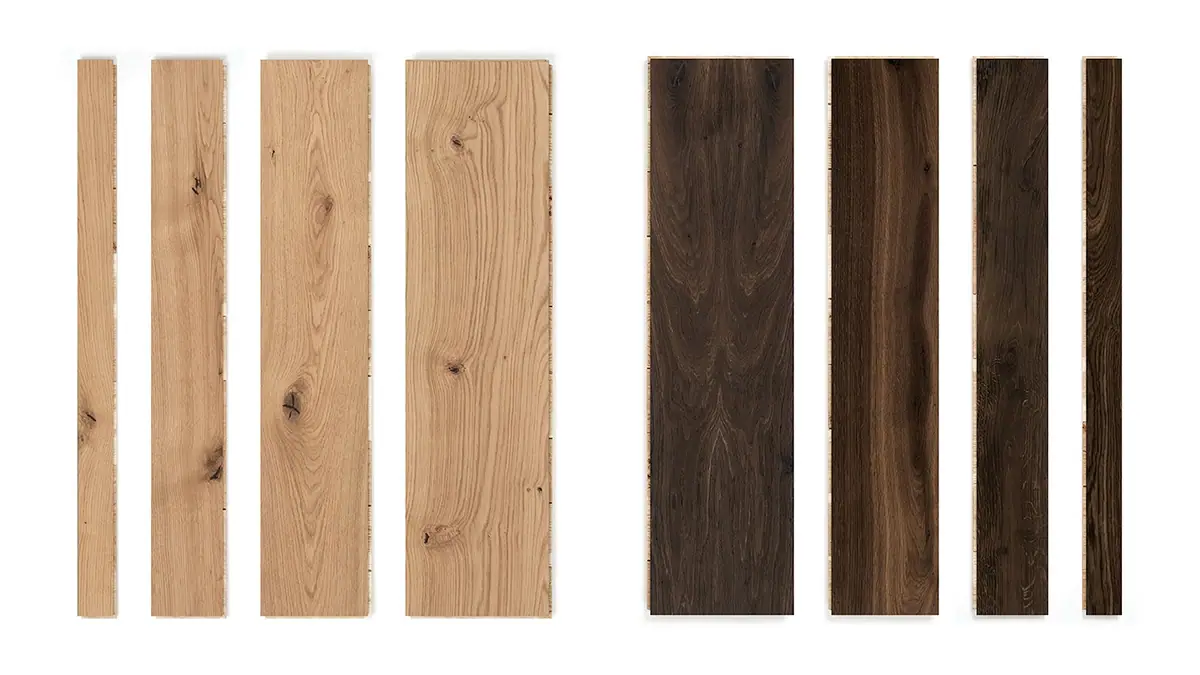
- Solid parquet: made entirely of natural wood (standard UNE-EN 13226), it offers high durability and resistance, and can be sanded several times over its life. It is ideal for those looking for a floor with character and a long service life, but it requires greater investment and maintenance, and it moves more with changes in humidity.
- Engineered parquet: made up of a top layer of hardwood —at least 2.5 mm thick according to standard UNE-EN 13489— over one or more backing layers of wood or board. This cross-layered construction gives it greater stability against changes in humidity and temperature, allows longer and wider boards, and makes it suitable for underfloor heating.
The conditions for solid parquet over underfloor heating come from the protocol of the Asociación Nacional de Fabricantes de Parquet (ANFP, the Spanish parquet manufacturers' association) and Uponor, which requires a minimum density of 600 kg/m³ for thicknesses up to 22 mm, or 700 kg/m³ up to 28 mm.
Species: hardness, tone and character
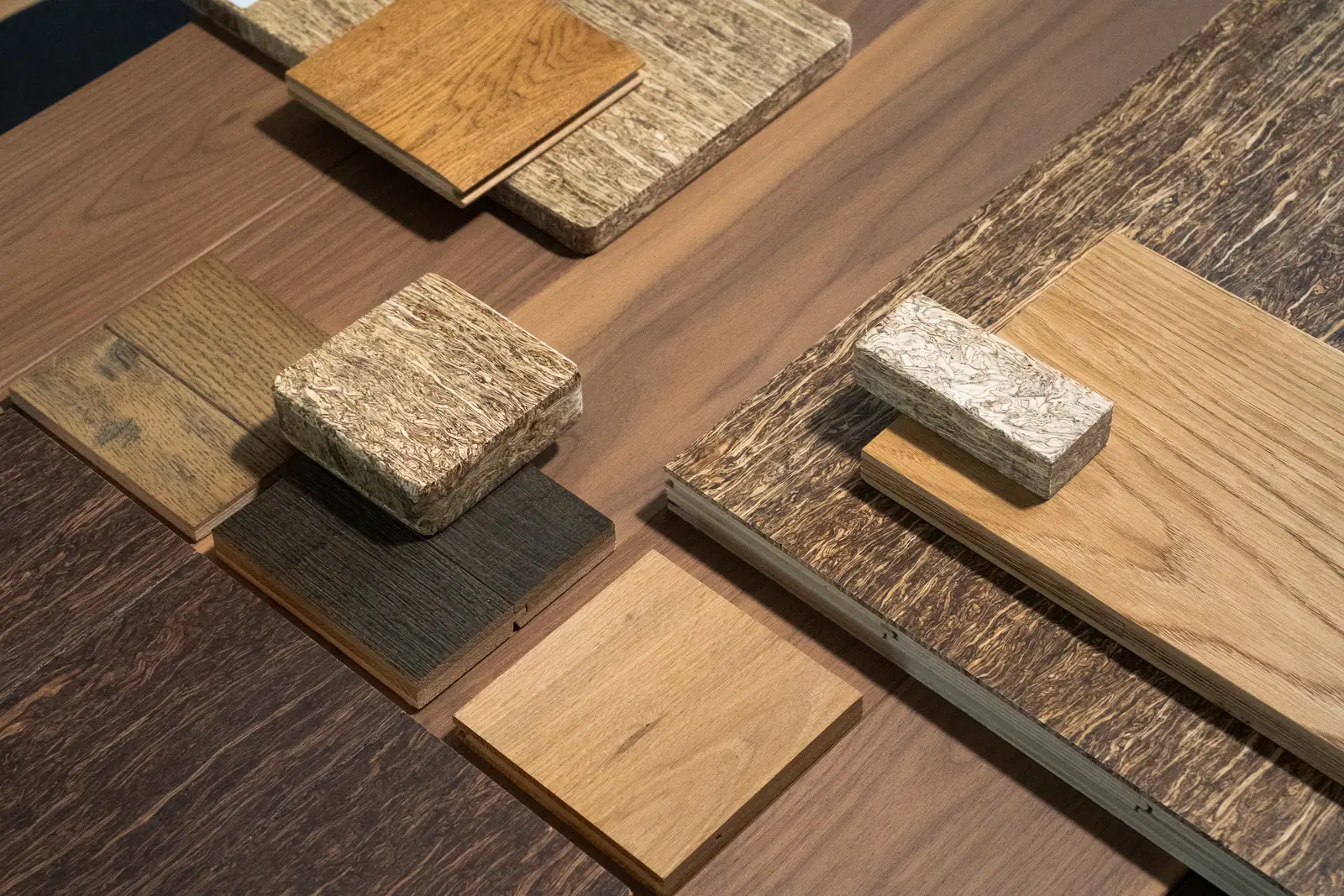
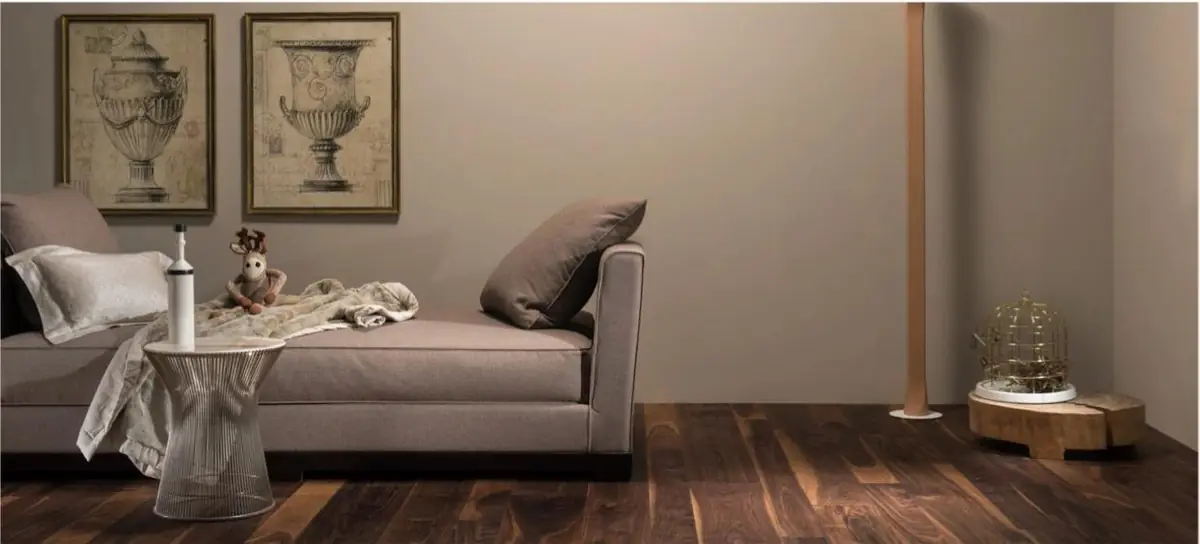
The species most widely used in parquet include oak, valued for its high resistance and durability; beech and ash, appreciated for their light tones, which bring warmth and brightness to a space; and walnut, distinguished by its dark colour and elegant grain. Hardness, measured on the Brinell scale, indicates how well the surface withstands foot traffic, impacts and rolling chairs: the higher the figure, the better suited the species is to high-traffic areas.
Hardness is not everything: beech —light, uniform and almost knot-free— is as hard as oak, but it reacts quickly to changes in humidity, and Scheucher advises against laying it over underfloor heating because of the risk of open joints and cupping. For this reason the manufacturer recommends more stable species, such as oak, where there is underfloor heating. Bamboo, although technically a grass rather than a wood, has become established as a sustainable option thanks to its rapid growth and good mechanical properties.
Finishes: oil or lacquer
The finish of a parquet floor not only determines its final appearance but also has a direct influence on its technical performance, its durability and its maintenance requirements. Choosing the most suitable finish is crucial to strike the right balance between aesthetics, functionality and ease of care over time.
Oiled finishes
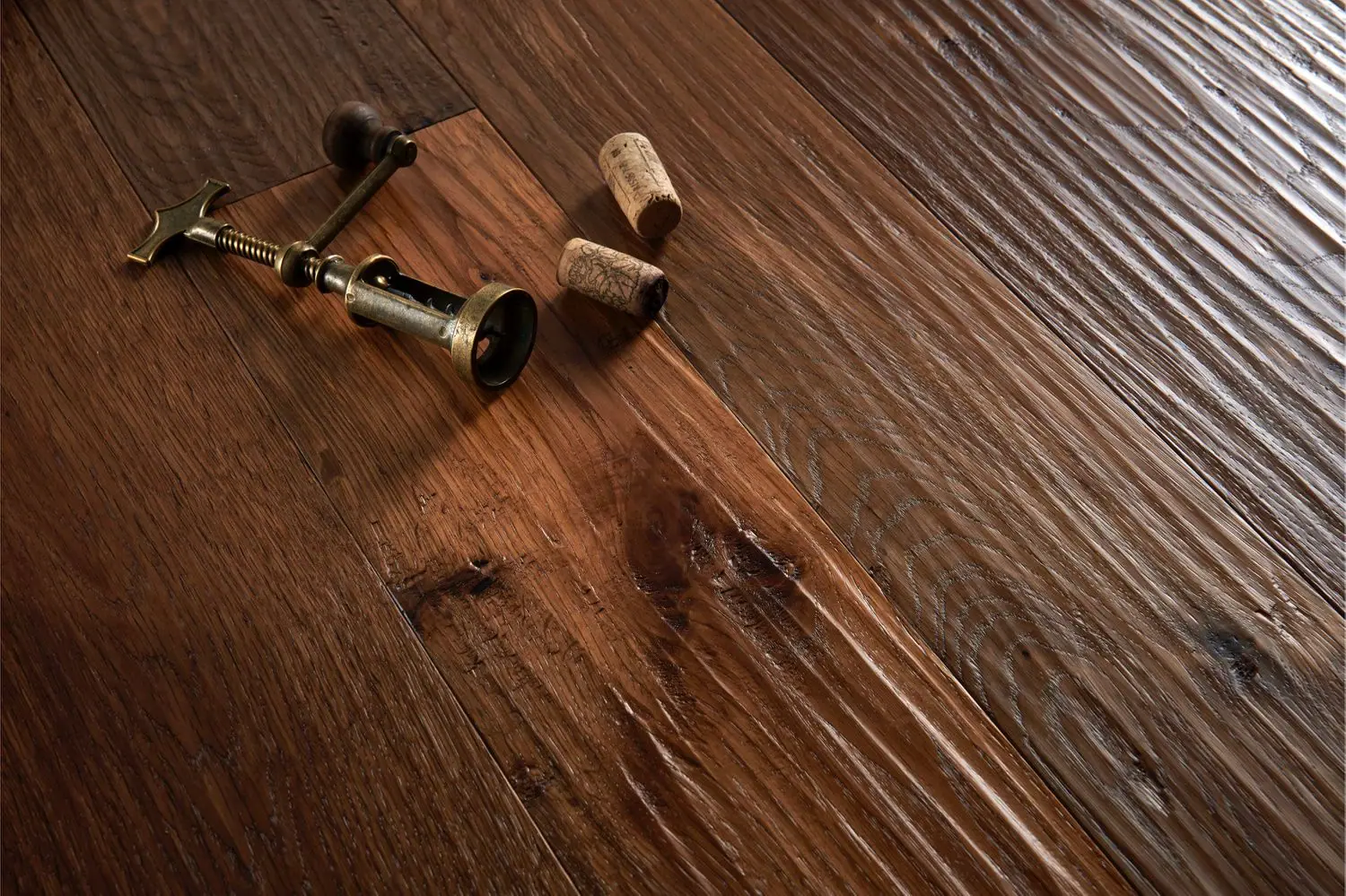
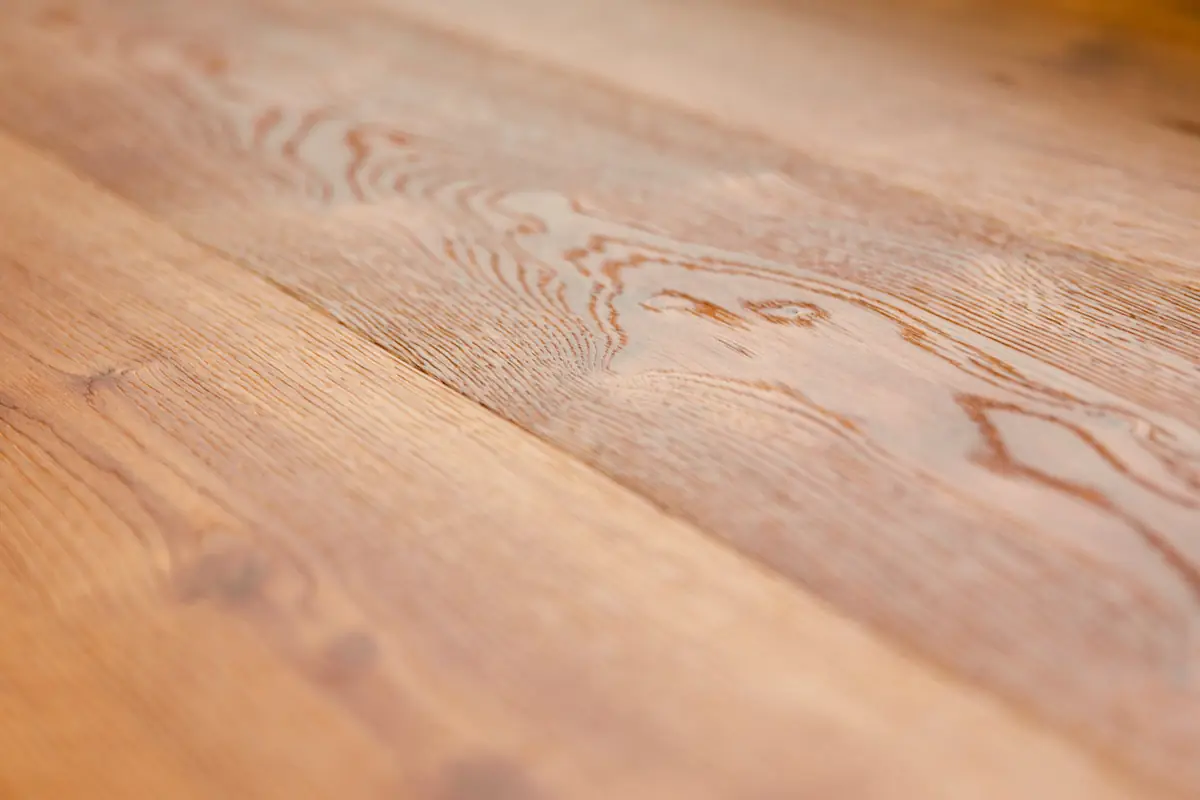
Oiled finishes preserve the natural character of the wood, bringing out its texture, grain and organic variations. This type of treatment penetrates the surface without forming a film, keeps the pores open and the material able to ‘breathe’, which supports hygroscopic regulation (the absorption and release of moisture) and contributes to the stability of the indoor microclimate. It also produces a surface that is warm and pleasant to the touch. However, it requires regular maintenance, including periodic reapplication of oil to preserve its protection and appearance; Scheucher also recommends a first coat of oil after installation, even if the parquet arrives factory-oiled.
Lacquered or varnished finishes
Lacquered finishes, on the other hand, create a protective layer on the surface of the wood that seals the pores, significantly improving resistance to stains, spills and everyday use. This solution makes daily cleaning easier —a well-wrung mop is enough— and reduces how often maintenance is needed; this is why Scheucher recommends it for open kitchens, entrances, homes with children or pets, and hospitality. However, because it is a surface film, signs of wear —such as scratches or dull patches— can become visible more quickly, especially in high-traffic areas.
Both types of finish can be repaired, but each has its particularities: whereas an oiled finish allows localised partial repairs and can be renewed without sanding the hardwood layer, a lacquered finish usually needs more extensive work —sanding and relacquering a large area or the whole room to achieve an even result— or, in prefinished parquet, replacing the damaged board.
Installation: keys to preserving quality and durability
Professional, meticulous installation is essential to ensure the durability and optimum performance of parquet. The process involves storing the material properly, rigorous moisture control and careful preparation of the subfloor. In Spain, the general installation conditions are set out in standard UNE 56810 (‘Suelos de madera. Colocación. Especificaciones’, on the installation of wood flooring), and each manufacturer details them in its own guide.
The dimensional stability of parquet depends on controlled environmental conditions. By way of reference, the Scheucher Parkett installation guide specifies:
- Room climate: install at 18 °C or above and with relative humidity no higher than 65%; in use, keep humidity between 30 and 65% and temperature between 18 and 24 °C to avoid shrinkage or swelling.
- Subfloor: maximum deviation from flatness of 3 mm per metre, clean, firm and dry. Residual moisture, measured with a calcium carbide (CM) hygrometer, must not exceed 2% in cement screeds or 0.5% in anhydrite screeds (1.8% and 0.3% with underfloor heating).
- Material: store it protected from moisture and do not open the packs until just before installation; mix boards from several packs to distribute natural variations in colour.
- Site: finish wet trades (plastering, painting, tiling) beforehand so as not to install in a humid environment, and leave an 8 to 10 mm perimeter gap along walls and fixed elements.
Over underfloor heating
Wood and underfloor heating are compatible as long as certain conditions are met. The ANFP and Uponor protocol requires the thermal resistance of the floor covering not to exceed 0.15 m²·K/W (0.10 if the system also cools), recommends gluing the floor down and is stricter about the cement screed: moisture below 1.5% (0.3% in anhydrite). At least 28 days must pass between installation and first switching on, and start-up must be gradual. In use, the surface temperature should not exceed 27 °C, according to UNE 56810, and never the 29 °C set by UNE-EN 1264. A 14 mm engineered oak floor, for example, has a thermal resistance of 0.101 m²·K/W, according to its manufacturer.
Maintenance: how to look after a wooden floor
Regular maintenance is essential to preserve both the physical properties and the appearance of wood. It is a hygienic, easy-to-clean floor covering, but it needs specific care to avoid mechanical damage. Oiling and varnishing treatments are effective ways of extending the life of the floor, restoring its appearance and providing effective protection against moisture and wear.
- Prevent: doormats at entrances, felt pads under furniture legs and parquet-friendly castors on office chairs.
- Clean: sweep or vacuum up sand, which scratches, and mop with a well-wrung mop; do not leave wet objects on the floor or use strongly alkaline or acidic cleaners, which can stain the wood irreversibly.
- Renew: oiled floors are re-oiled when they lose protection, even in specific areas; lacquered floors are revived with maintenance products and, at the end of their cycle, sanded and relacquered.
- Plan ahead: keep one or two unopened packs from the same batch for possible repairs, and expect the wood to change tone with light, especially in the first few weeks.
Frequently asked questions
- Solid or engineered parquet?
- Solid parquet is wood through its full thickness and can be sanded more times over its life. Engineered parquet, with a hardwood layer of at least 2.5 mm over a backing, is more stable against moisture, allows longer and wider boards, and can be glued down or floated. For underfloor heating, glued-down engineered parquet is the most common option.
- Can parquet be laid over underfloor heating?
- Yes, with a stable species such as oak, a floor-covering thermal resistance of up to 0.15 m²·K/W, a thoroughly dry screed and a gradual start-up of the system. The surface should not exceed 27 °C in use. Beech and maple, which react quickly to changes in humidity, are not the most advisable.
- Oil or lacquer?
- Lacquer offers more protection against stains and needs less maintenance, but if it is damaged a large area has to be treated. Oil gives a more natural look and feel, keeps the pores open and allows localised repairs, in exchange for periodic maintenance.
- Which species is best for high-traffic areas?
- The hardest ones: ash (39 N/mm² on the Brinell scale) and oak (34 N/mm²). American walnut, at 26 N/mm², is softer and marks sooner. The finish also counts: a hard-wearing lacquer or a well-maintained oil protects the surface.
Looking to bring warmth, comfort and authentic materiality to your projects? Natural wood is a key ally in creating spaces that not only look good but feel good. Our team supports you throughout the process: we help you select the most suitable species and finish, answer technical questions and provide support with installation and maintenance. We are here to offer you honest, durable and sustainable solutions that raise the quality of the built environment.
Book your visit to Matter to compare species, finishes and surface treatments with the wood in your hands.
Book a visit