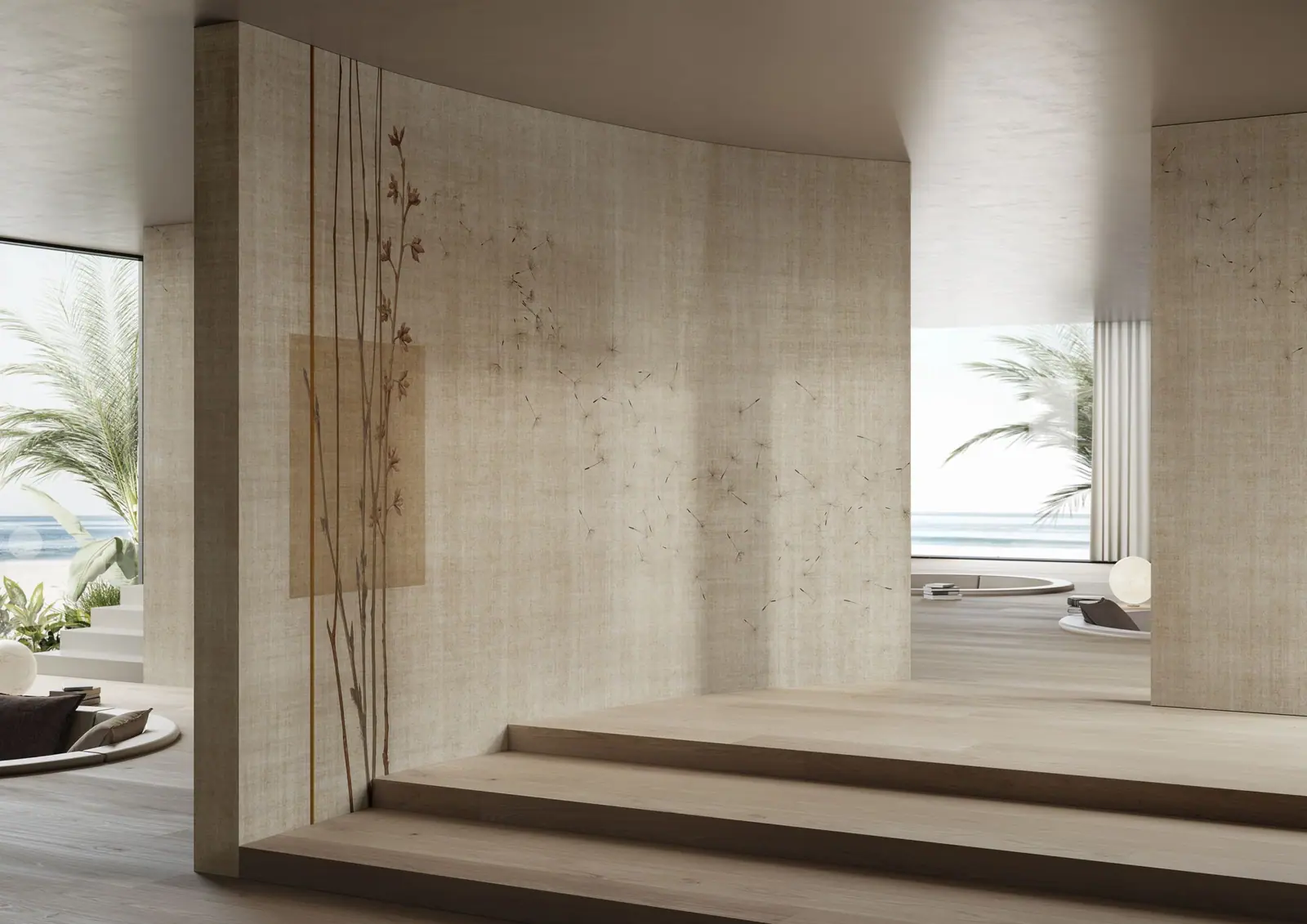
Sustainable, high-performance fabrics for the hotel sector
What a hotel textile has to deliver —fire safety, durability, maintenance and sustainability— and how the Lamadrid Group's contract brands respond.
Products7 min read

In the hotel sector it is increasingly necessary to choose textile solutions that are highly resistant, durable and sustainable, without losing their qualities or their capacity to provide comfort. To this end, the Lamadrid Group, through brands such as FR-One, Lamadrid Contract, UV Pro and FibreGuard, offers a selection of high-performance fabrics designed to meet the sector's most demanding standards.
In this article we look at what is required of a hotel textile, which fire performance standards apply in Spain, what each of the group's brands offers and what to resolve when specifying curtains, upholstery and decorative textiles, with examples of projects in Barcelona and Budapest.
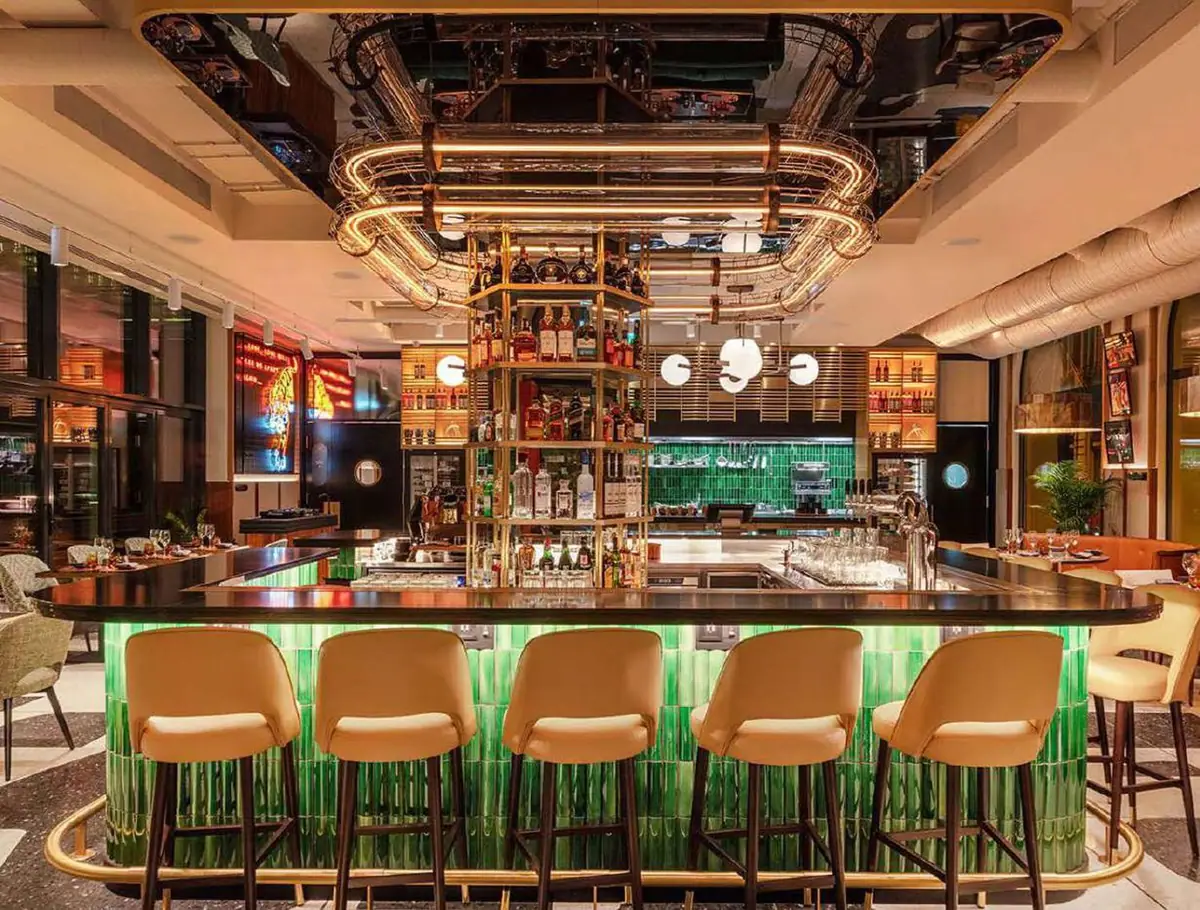
What is required of a hotel textile
A hotel textile works much harder than a domestic one: curtains that are opened and closed every day, restaurant chairs used across several services a day, headboards, cushions and bedspreads that are frequently laundered. On top of this come fire regulations and, increasingly, the environmental criteria of hotel owners and chains.
The choice rests on four criteria, which we discuss below:
- Durability: abrasion resistance and good wash performance in heavy-use areas.
- Fire safety: fabrics that do not contribute to flame spread and that have passed the tests required for each use.
- Sustainability: recycled or low-impact natural fibres, and documentation to prove it.
- Aesthetic versatility: a single family of fabrics for curtains, upholstery and accessories, consistent with the hotel's concept.
Durability and resistance to heavy use
Designed to withstand heavy use and the demanding conditions of the hotel environment, these fabrics are intended to keep their appearance and quality over time. According to Lamadrid Contract, all its fabrics perform excellently in the wash and have high abrasion resistance, making them a safe choice for a hotel's busiest areas, such as lobbies, common areas and rooms.
In upholstery, durability also depends on how easy the fabric is to clean. FibreGuard, which the Lamadrid Group distributes exclusively for contract projects, applies a stain-resistant technology to fabrics designed for homes and public spaces such as restaurants, hotels and offices. Its FibreGuard Pro range, designed for hospitality and public spaces, adds resistance to odours, moisture and mould, as well as antimicrobial protection.

Fire safety: inherently flame-retardant fabrics
Lamadrid Contract fabrics comply with strict fire safety standards and regulations. Their resistance to fire spread helps hotels meet the safety requirements needed to protect guests and staff.
The key lies in the fibre. Fabrics from the Lamadrid Contract brand are made with inherently FR polyester fibres, and those from FR-One —which the group distributes exclusively— start from fibres with inherent flame-retardant properties (IFR), built into the molecular structure of the fibre. According to FR-One, this quality is not diminished by use or washing, every production batch is tested and, to avoid altering it, the fabric must not receive additional treatments or finishes.
Which fire standards apply in Spain
In Spain, the Código Técnico de la Edificación (CTE, Spain's building code; DB-SI, section SI 1) sets conditions for decorative elements and furniture in premises classed as Pública Concurrencia (public assembly), such as restaurants, bars or function rooms. These are the standards worth knowing:
- UNE-EN 13773: classification of curtains and drapes into five classes. The CTE requires Class 1, the most demanding, for suspended textile elements such as stage curtains, curtains and drapes.
- UNE-EN 1101, UNE-EN 1102 and UNE-EN 13772: the ignitability and flame spread tests from which that class is obtained.
- UNE-EN 1021-1 and UNE-EN 1021-2: tests on upholstered furniture with a smouldering cigarette and with a match-equivalent flame, required for fixed upholstered armchairs and seats in cinemas, theatres, auditoriums and function rooms.
- IMO FTP Code: the tests for textiles and upholstered furniture on ships and cruise liners, which FR-One also covers.
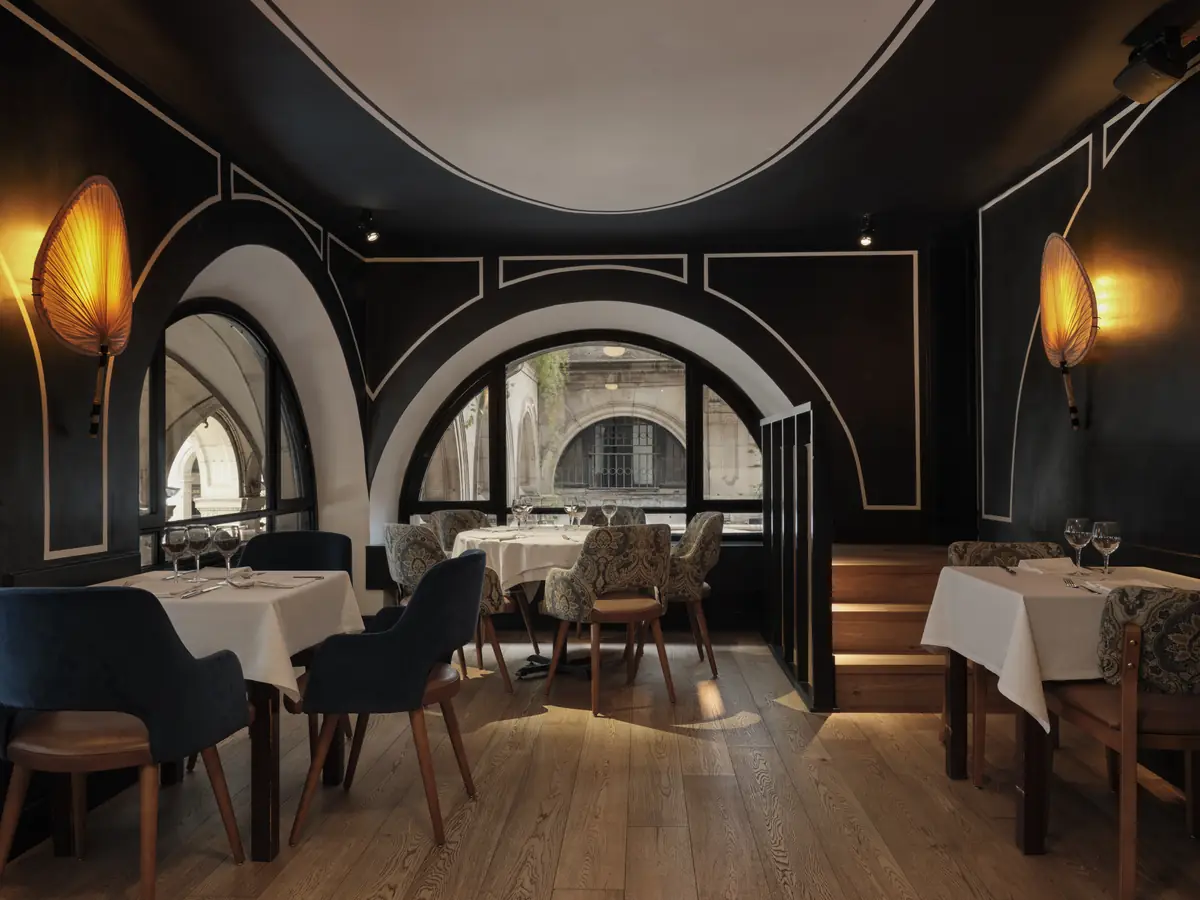
Under the CTE, a hotel is classed as Residencial Público (public residential), but it usually includes public assembly areas —restaurant, bar, event rooms— to which these conditions apply. For other rooms, it is advisable to confirm with the site management team and the hotel chain's standard which classification is required.
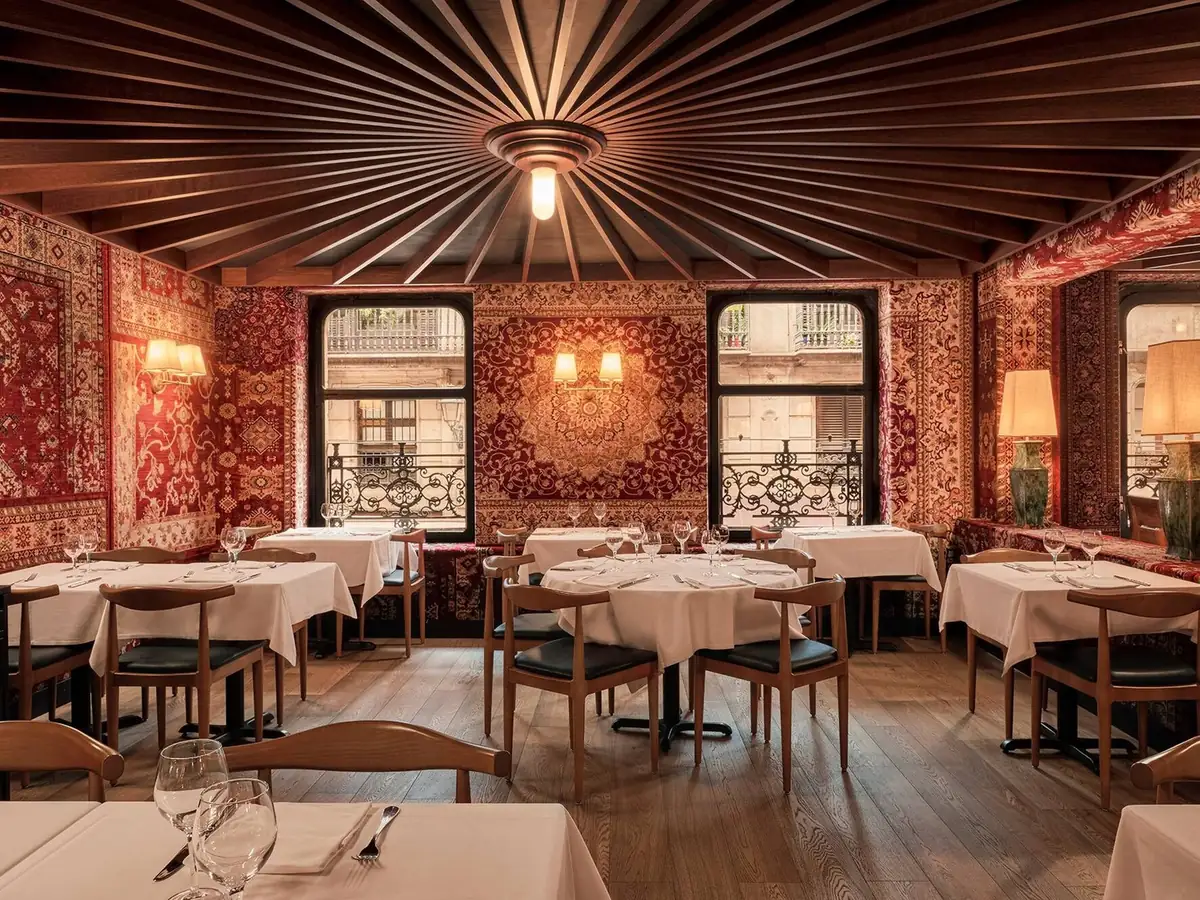
Sustainability: the Sustainable Fabrics label
The Lamadrid Group offers some of its fabrics under its own label, Sustainable Fabrics. According to the manufacturer, these are fabrics made with some type of recycled fibre or with natural fibres of low environmental impact, such as organic cotton, linen or hemp, and they help reduce the project's ecological footprint and promote more responsible practices in the textile industry.
Lamadrid Contract also states that it incorporates recycled fibres in most of its new collections, with recycled polyester from plastic bottles. In the case of FibreGuard, according to the Lamadrid Group, the brand holds OEKO-TEX® certification, a guarantee that its fabrics do not release residues of harmful chemicals.
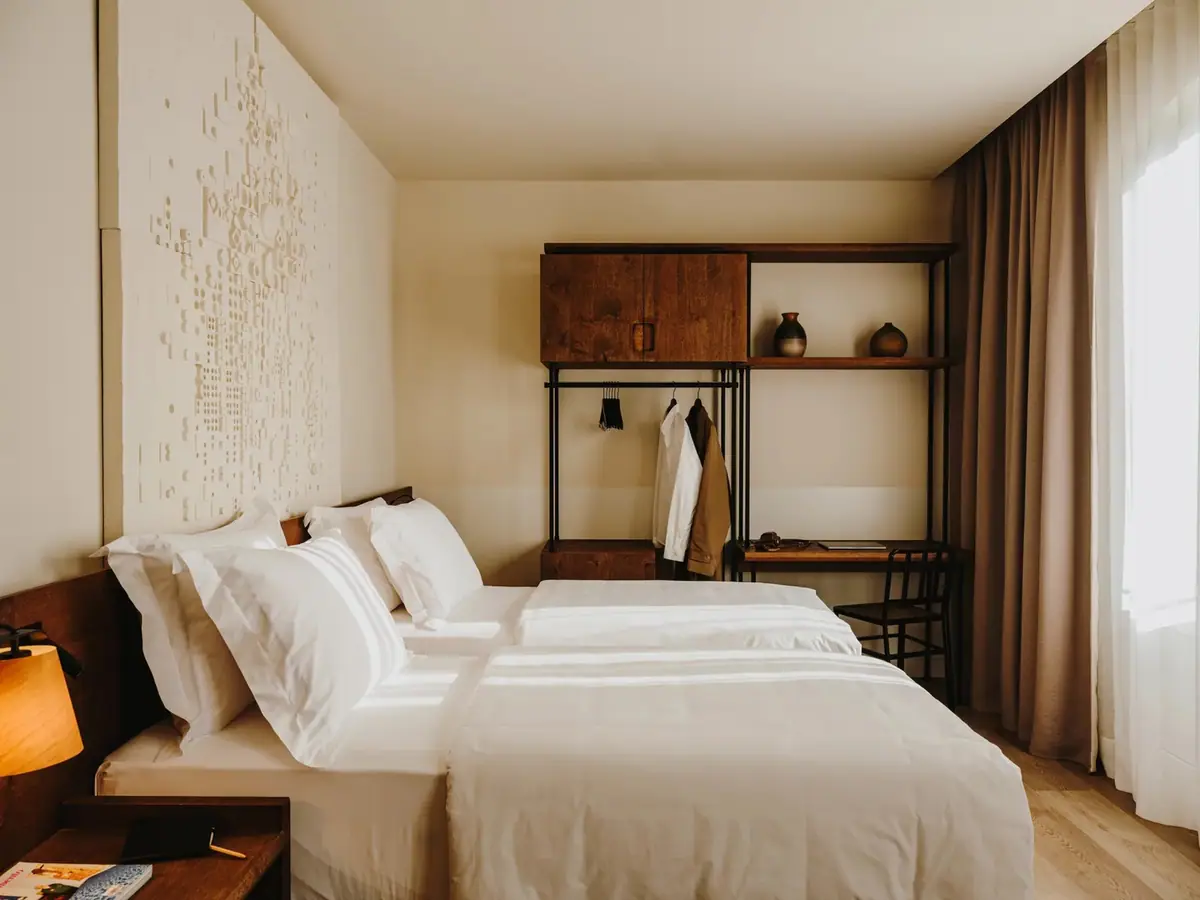
Versatility and style
Lamadrid Contract offers a wide range of design and style options, with an emphasis on natural-looking fabrics. From restrained, sophisticated fabrics to more contemporary proposals, they adapt to the aesthetic and concept of each hotel.
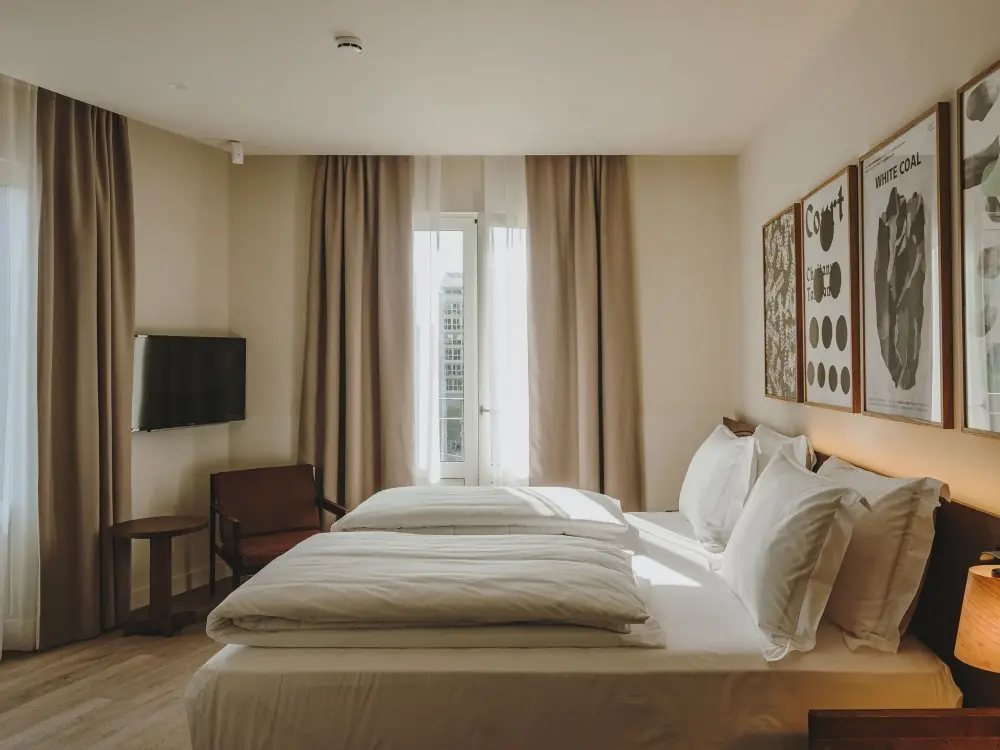
These are versatile fabrics that can be used for many elements: curtains, sheers, blinds, sofa covers, bedspreads, upholstery, headboards, wall lights and decorative accessories such as throws and cushions. Working with the same family of fabrics across all of them brings aesthetic consistency to the hotel's concept. For terraces and outdoor areas, the group has high-performance fabrics suitable for indoor and outdoor use, such as the FibreGuard Outdoor range, which repels water and protects against the sun.

The Lamadrid Group's brands for contract projects
The Lamadrid Group was born in 1973, when the textile engineer Javier López de Lamadrid and Claudio Güell founded Güell Lamadrid, a fabric editor for the Spanish high-end decoration market. In recent years the group has diversified into the contract market with FR-One, Lamadrid Contract, UV Pro and FibreGuard.
Lamadrid Contract is the division that advises interior designers, architects and hotel chains on their projects, as well as the group's own brand of technical flame-retardant fabrics; it also distributes FR-One and FibreGuard exclusively. The table summarises what each brand and range offers:
Key points for specifying textiles in a hotel
Beyond aesthetics, these are the points worth resolving at design stage:
- Use of each area: restaurants, bars and function rooms are subject to CTE requirements; for bedrooms and other rooms, check the chain's standard and the site management team's criteria.
- Tests on the actual fabric: ask for the classification of the specific fabric to be installed, not of a generic family, and check that it matches its use (curtain or upholstery).
- Inherently flame-retardant or flame-retardant treated: in inherent fabrics the protection lies in the fibre; avoid adding finishes that could alter it, as FR-One warns.
- Maintenance: for heavy-use upholstery, consider stain-resistant fabrics and check the abrasion resistance and washing instructions on the technical data sheet.
- Documented sustainability: if the project is aiming for an environmental certification, request the composition and documentation of each fabric.
Lamadrid Contract fabrics are an outstanding option for the hotel sector thanks to their durability, resistance, sustainability and quality: fabrics that help create a welcoming experience while meeting the sector's safety and sustainability requirements.
Frequently asked questions
- What is the difference between an inherently flame-retardant fabric and a flame-retardant treated one?
- In an inherent fabric, fire resistance lies in the fibre itself, as in Lamadrid Contract's FR polyester or FR-One's IFR fibres, and according to the manufacturer it is not lost with use or washing. In a treated fabric, the protection comes from a treatment applied to the fabric, and it is advisable to check its data sheet to see how it performs when washed.
- What reaction-to-fire class should curtains have?
- In premises classed as Pública Concurrencia (public assembly), the CTE DB-SI requires suspended textile elements, such as curtains and drapes, to be Class 1 under UNE-EN 13773. In areas of a hotel to which it does not apply, it is advisable to confirm the requirement with the site management team and the chain.
- How are stain-resistant fabrics cleaned?
- According to FibreGuard, most common stains in hospitality, such as wine, coffee or make-up, can be removed with cold water, a microfibre cloth and household soap, without harsh chemicals. For a full wash, follow the instructions on each fabric's data sheet.
- What does the Sustainable Fabrics label mean?
- It is the Lamadrid Group's own label for fabrics made with some type of recycled fibre or with natural fibres of low environmental impact, such as organic cotton, linen or hemp.
- Are there fabrics for terraces and outdoor areas?
- Yes. Lamadrid Contract includes high-performance fabrics suitable for indoor and outdoor use in its collections, and the FibreGuard Outdoor range is designed to withstand water and sun, with stain-resistant properties and resistance to mould.
Choosing the right textiles for a hotel means combining regulations, maintenance and design. At Matter we help you consider the project's materials as a whole: come to our material library to compare fabrics, finishes and surfaces with your technical team.
Book your visit to Matter.
Book a visit