Workshop - Retail Trends
A workshop at Matter Barcelona with RDI Spain and Andreu March: four store typologies and the key zones of visual merchandising in retail.
EventsAtelier Series1 of 75 min read
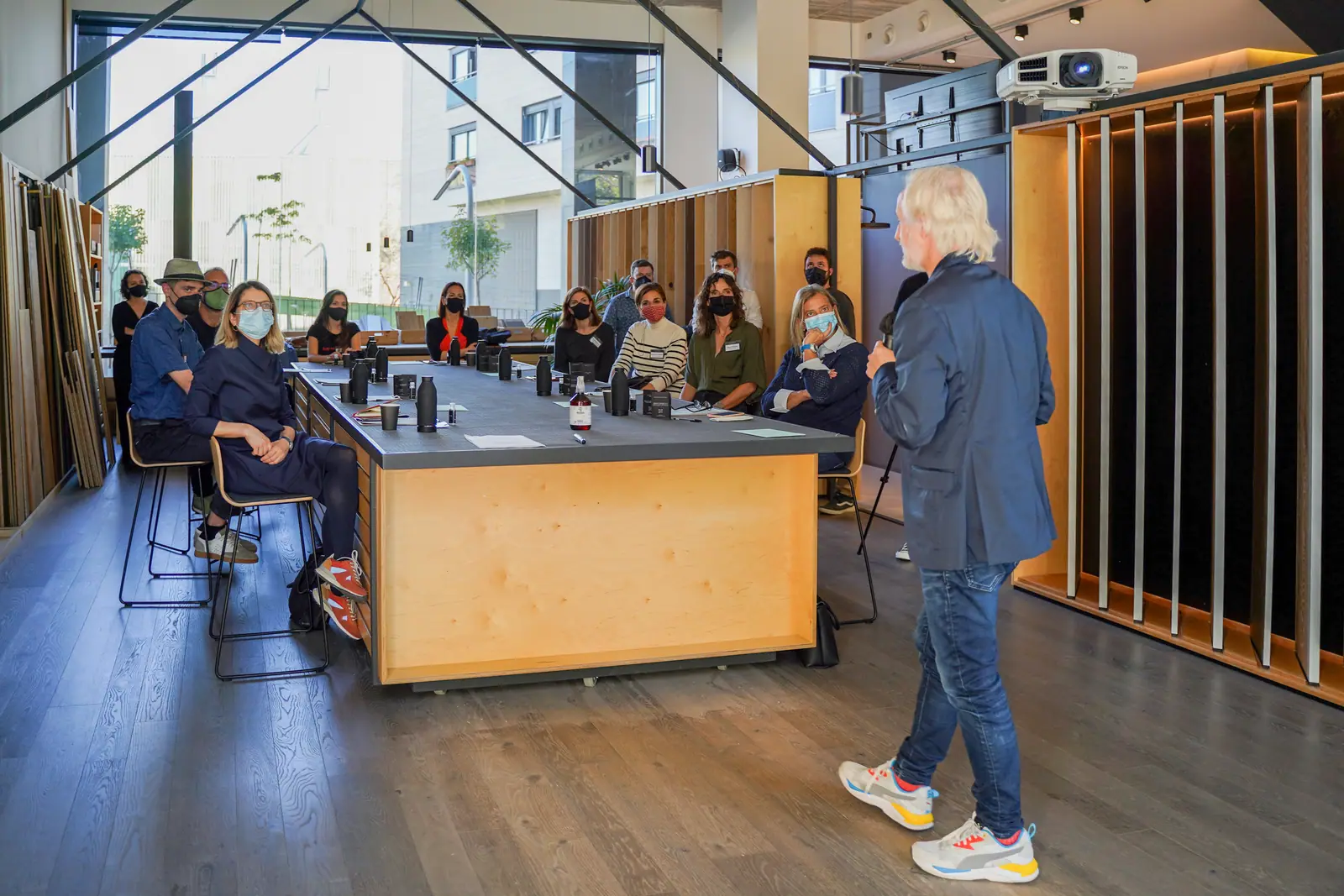
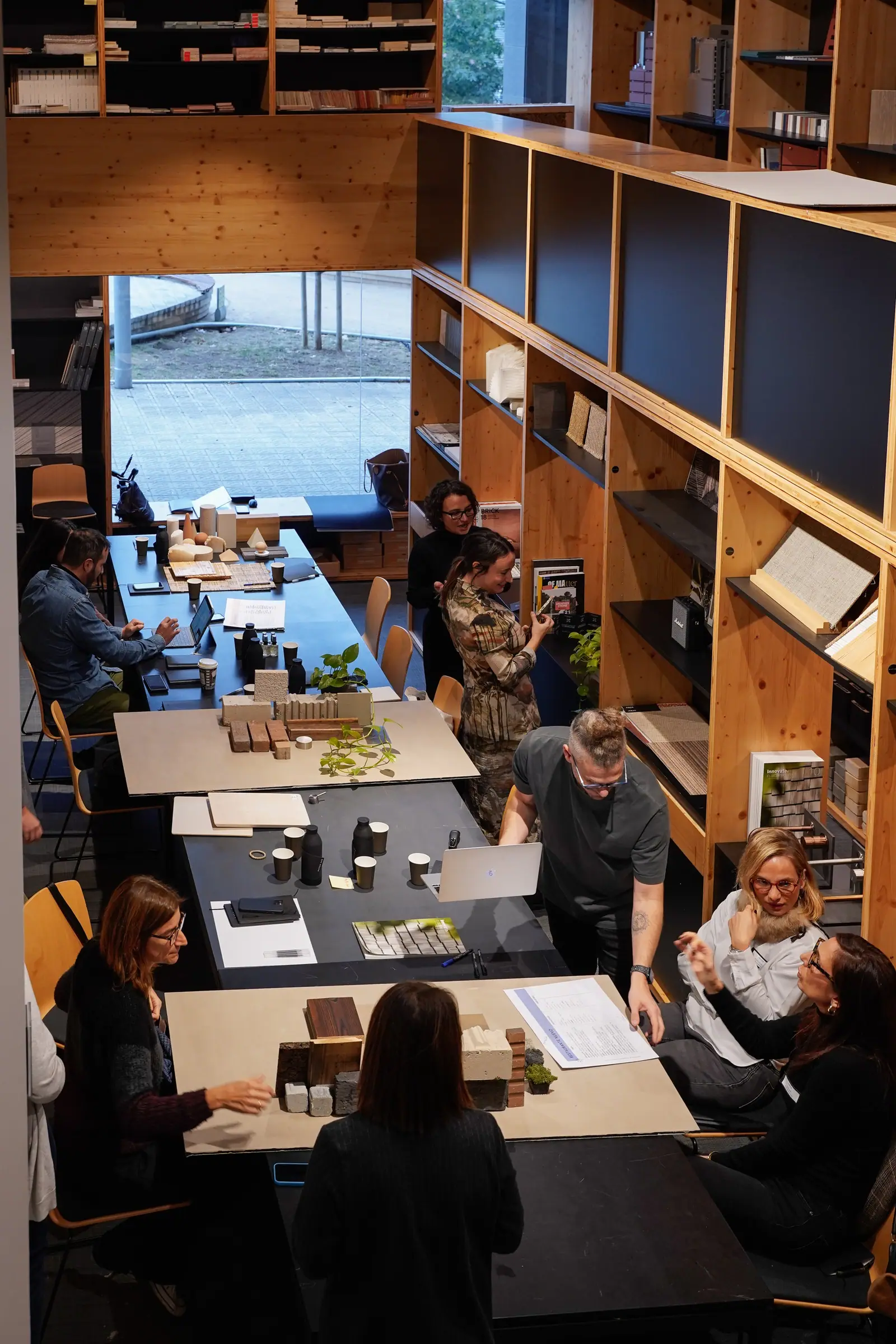
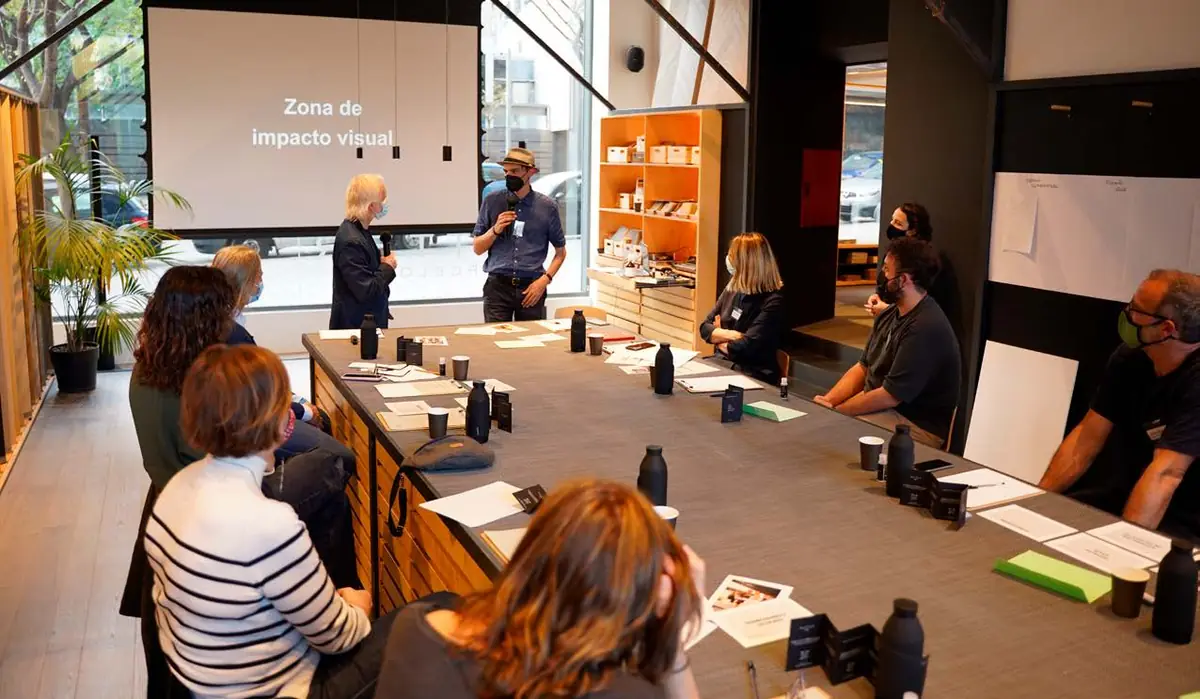
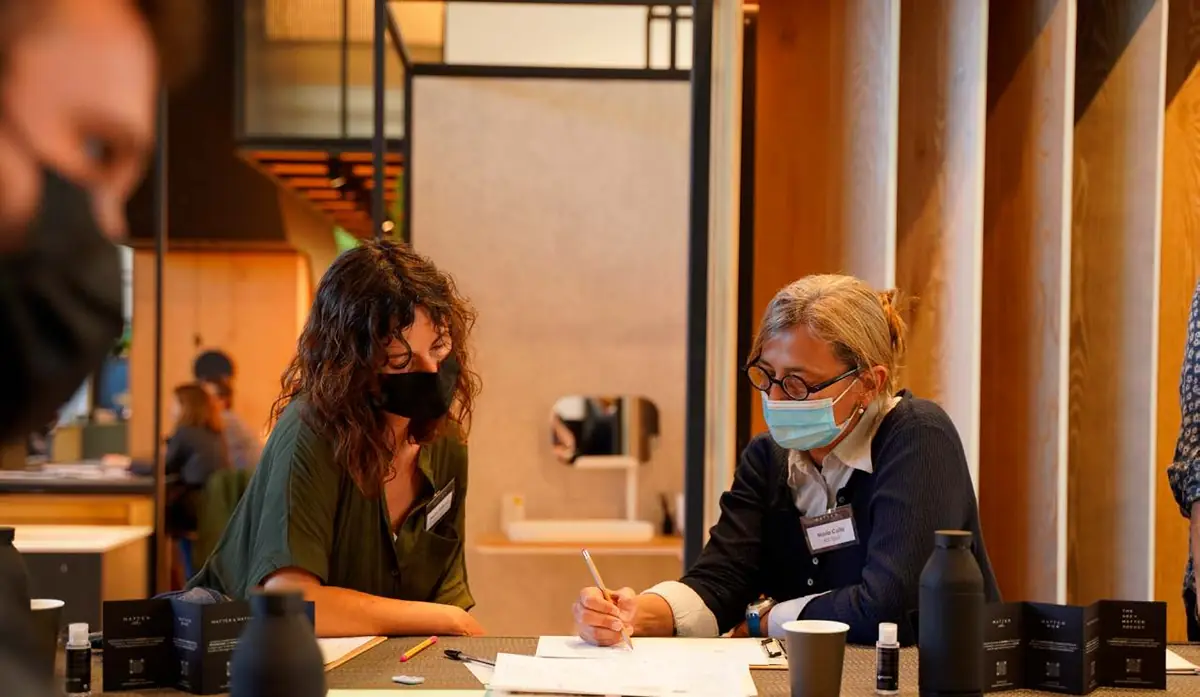
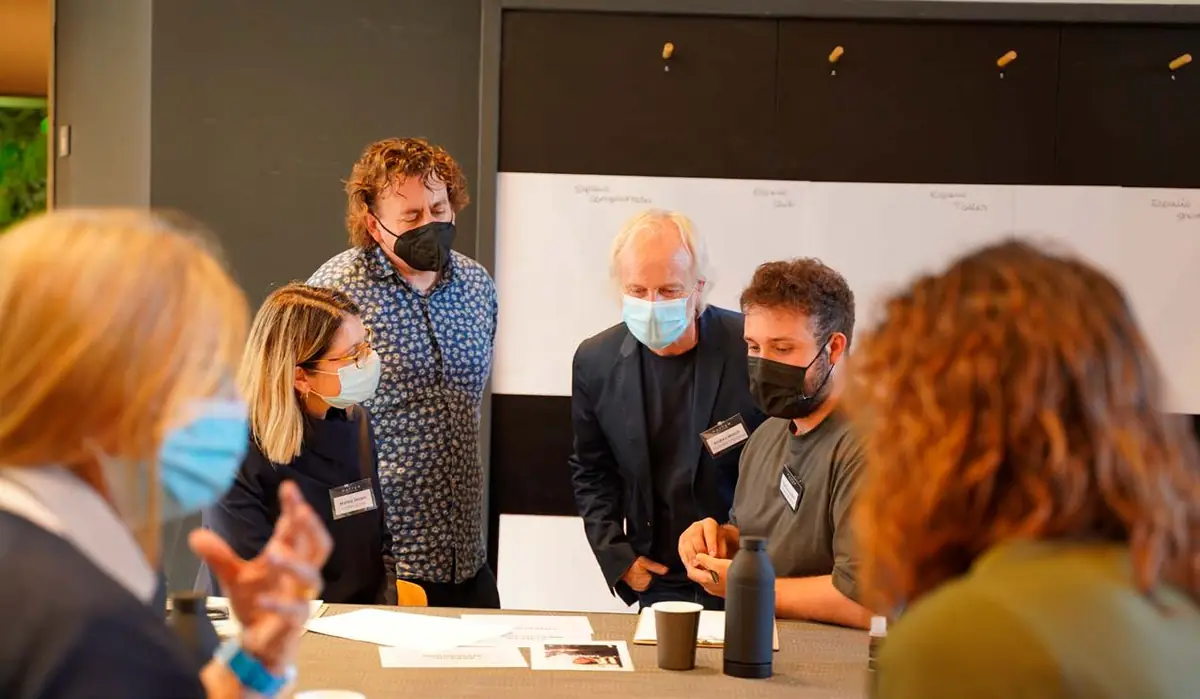
In May 2021 we held a workshop-format gathering at Matter Barcelona, in collaboration with the Retail Design Institute Spain (RDI Spain), on creativity and innovation in visual merchandising based on new retail trends. It was a hands-on, dynamic training experience to explore the sector’s new dynamics and consumer behaviour, with the aim of giving guests useful tools for creating distinctive, successful and innovative retail projects.
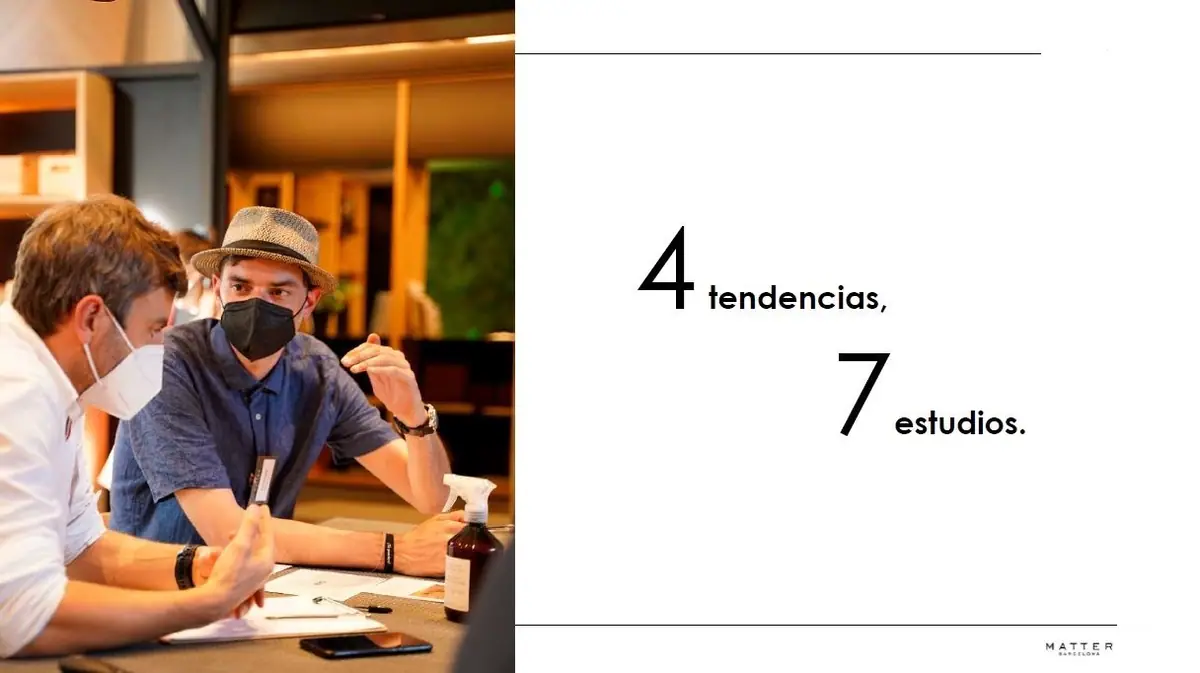
The session, part of our Atelier Series programme, was moderated by Andreu March, a visual merchandising specialist, and opened by María Callís, president of RDI Spain. Seven interior design studios took part: Mercè Rafecas, Mirror Studio, Molins, 05 Cristina Arnedo, Dear Design, Marina Sezam and Círculo Cuadrado. In this article we summarise the four types of space that were presented and the conclusions on the key zones of the store.
Why a workshop on retail
The physical store is no longer just a place to buy.
The workshops we run at Matter Barcelona aim to create a space for meeting and exchanging knowledge: a forum in which to learn, present and share ideas and experiences about projects, so as to discover new perspectives together and contribute to the development of the sector. In this edition, the aim was to reflect on current retail trends and propose tools and methodologies applicable to commercial space projects from a visual merchandising perspective.
María Callís opened the gathering with an overview of how retail has evolved in recent years. She highlighted the versatility of the discipline, which brings together communication, technology, innovation and design, and set out the starting point for the session: stores have lost their sole function as places of buying and selling and must reinvent themselves to remain attractive, something that, according to Callís, opens up new opportunities for those who design them.
Speaker and partner organisation
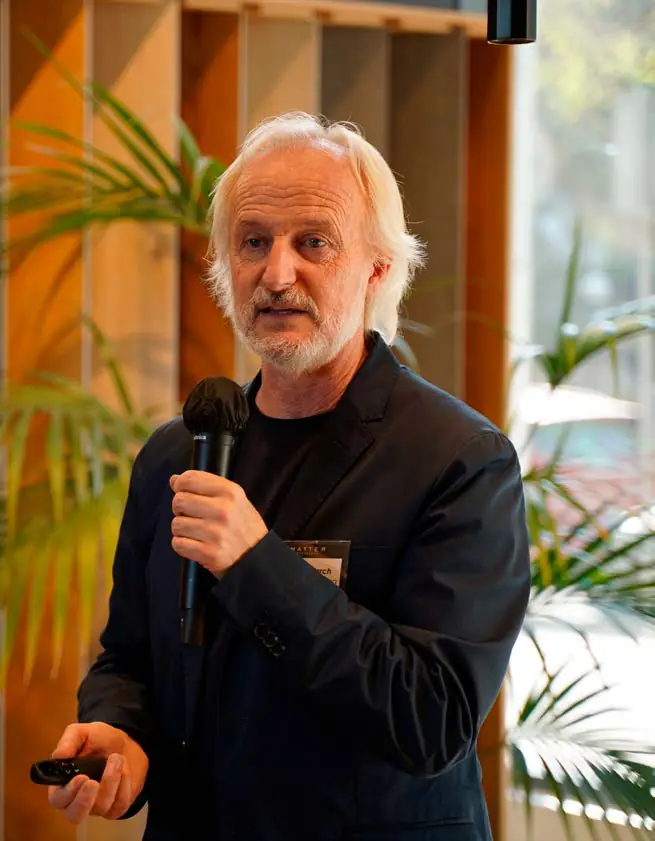
Andreu March
Andreu March is a visual merchandising specialist who advises retail businesses in Spain and internationally. He is the founder and CEO of AM Visual Merchandising, based in Girona. According to the workshop document, he also teaches at institutions such as ESCI-UPF, ESCODI (Escola Superior de Comerç i Distribució), IED Barcelona (Istituto Europeo di Design), the Cambra de Comerç de Barcelona and ISEM (Instituto Superior de Empresa y Moda).
Retail Design Institute Spain
The Retail Design Institute is a non-profit association of professionals specialising in the design of commercial spaces, founded in North America in 1961; its Spanish chapter, RDI Spain, was launched in 2011. Its aim is to foster collaboration and excellence in the design of commercial spaces, and it brings together architects, interior designers, graphic and lighting designers, brand strategists, visual merchandisers, consultants, educators and students, among others.
Four typologies of commercial space
Points of sale have become places in which to create meaningful experiences.
Andreu March presented the new trends in visual merchandising on that premise: the store is the place to strengthen the relationship with the customer and build a deep bond with the brand. From there, four types of space were identified, each with real examples:
- Commitment space: the relationship between brand and consumer is built on shared values, and the space can even take on a social function. Examples: Ecoalf, a Spanish fashion brand made from recycled materials, and MUD Jeans, a Dutch circular denim brand.
- Club space: connects with the public through identification with a lifestyle. Examples: Legoland and Banco Santander’s Work Cafés, which combine a café, a workspace and a bank branch.
- Workshop space: its aim is to create experiences with the product. Examples: the Pukas Surf shop and the Cocina Hermanos Torres restaurant in Barcelona, with the kitchen in the middle of the dining room.
- Showroom space: the store offers omnichannel interaction. This is showrooming: the shopping experience starts in the physical space and ends online, or the other way round, so the high-street store becomes something singular. Example: the Sony PlayStation space.
Conclusions: the key zones of the store
Where product display needs to be strategic.
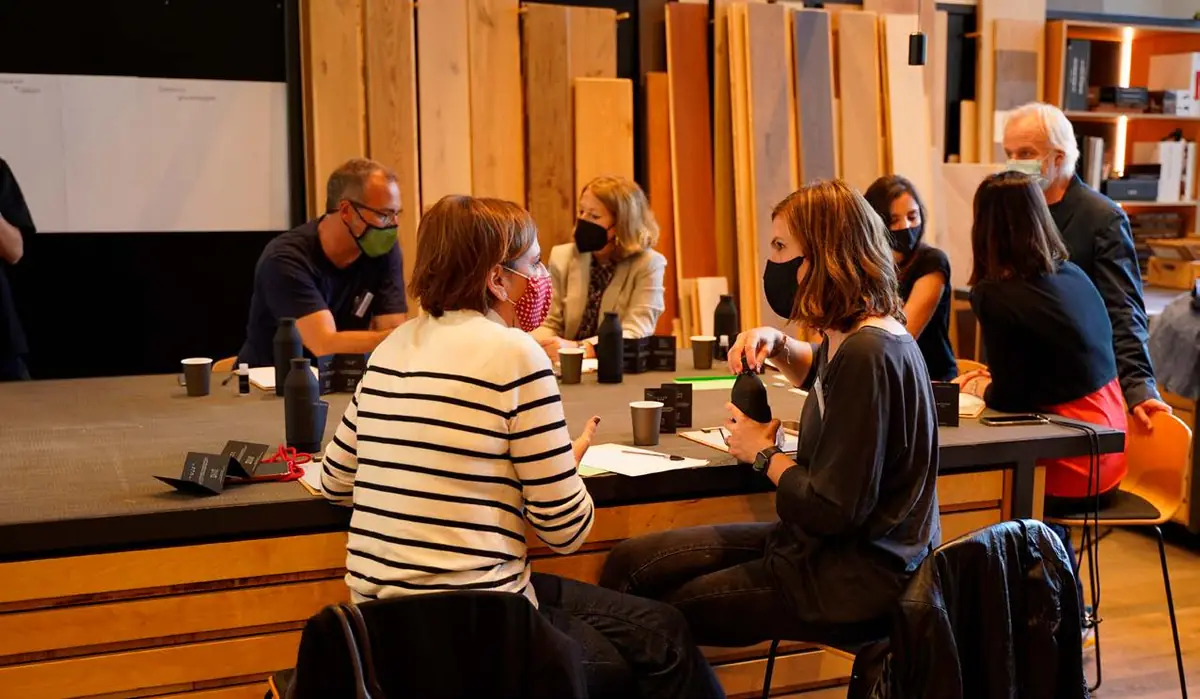
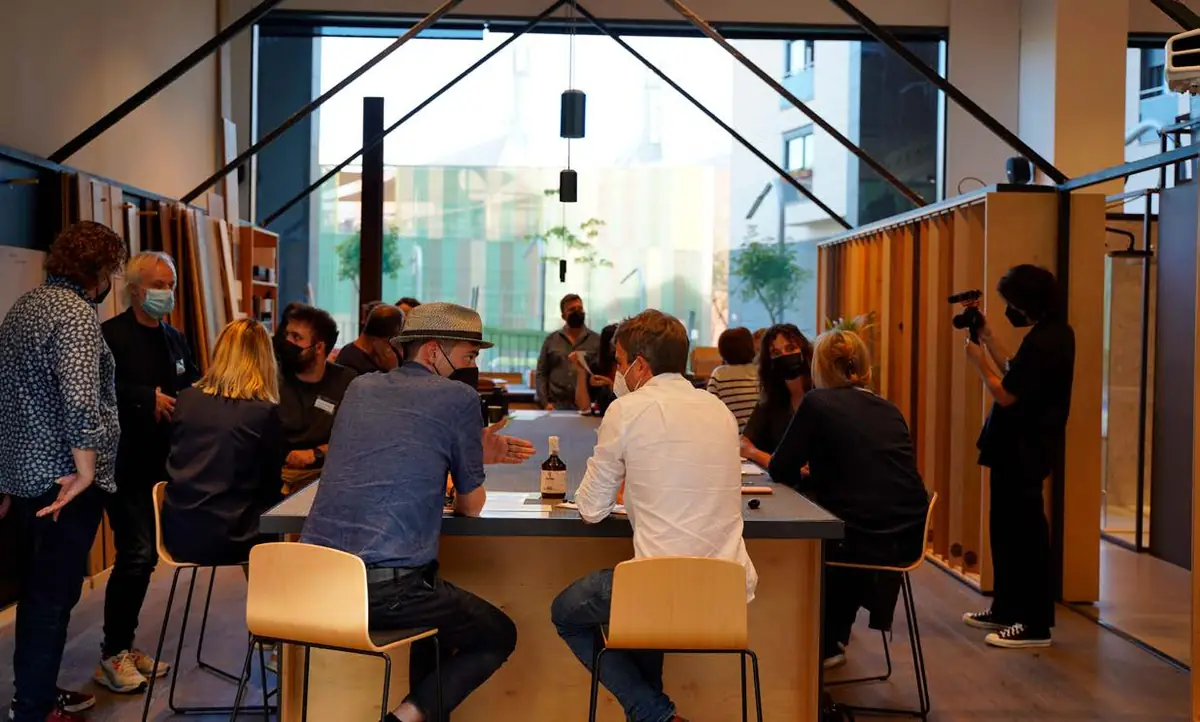
The working session and the exchange of views among the participants made it possible to identify five key zones within the store in which product display should be planned strategically:
- Welcome area: it should catch the eye and make people want to come in, but without ‘giving away’ what will happen inside. It is the opportunity to create curiosity and interest so that people want to live the full experience.
- Product display zone: geared towards experience and interaction rather than selling, with ideas around the space and the product that engage all the senses. The point of sale can also be a vehicle for social issues.
- Visual impact space: connects with social channels and raises the store’s profile online, thanks to attractive, interactive decoration that users amplify. The product remains fundamental, but more stimuli need to be created around it, such as the design of the space or sensory marketing.
- Hospitality zone: a meeting point for building loyalty and connecting with the brand’s values, with activities that add value, product information or shared experiences that build community. It is worth deciding how long we want visitors to stay there.
- The till: it is no longer the end point of the buying process and becomes a moment of transition. Customers build their own journey across the website, social media and pop-up stores, and the store and the till need to be reinterpreted as places of passage within that journey.
Summary video and full document
The workshop’s summary video brings together the future trends in the sector that were explored during the session, an invitation to spark creativity in the design of commercial spaces.
In the downloadable document you will find the retail trends and the conclusions drawn during the session, the result of the exchange of views among all the participants.
Sponsorship: Selected Brands that Matter
The gathering was made possible by the support of the Selected Brands that Matter: CEA, Living Ceramics, Ritmonio, Butó, Catalano, Cielo, Dornbracht, Florim, Laufen, Argenta, Waterevolution, Bauwerk, Mapini, Noesis, Museum, Peronda and Quadro. Their participation and their commitment to constantly improving their products make these spaces for meeting and exchanging ideas possible.
Book your visit to Matter to see our Materioteca and talk about the materials for your next retail project.
Book a visit