About domestic spaces
Six interior designers and architects and the Matter Atelier team discuss emotion, colour, multifunctional spaces, the client and healthy materials in the home.
EventsAtelier Series2 of 76 min read
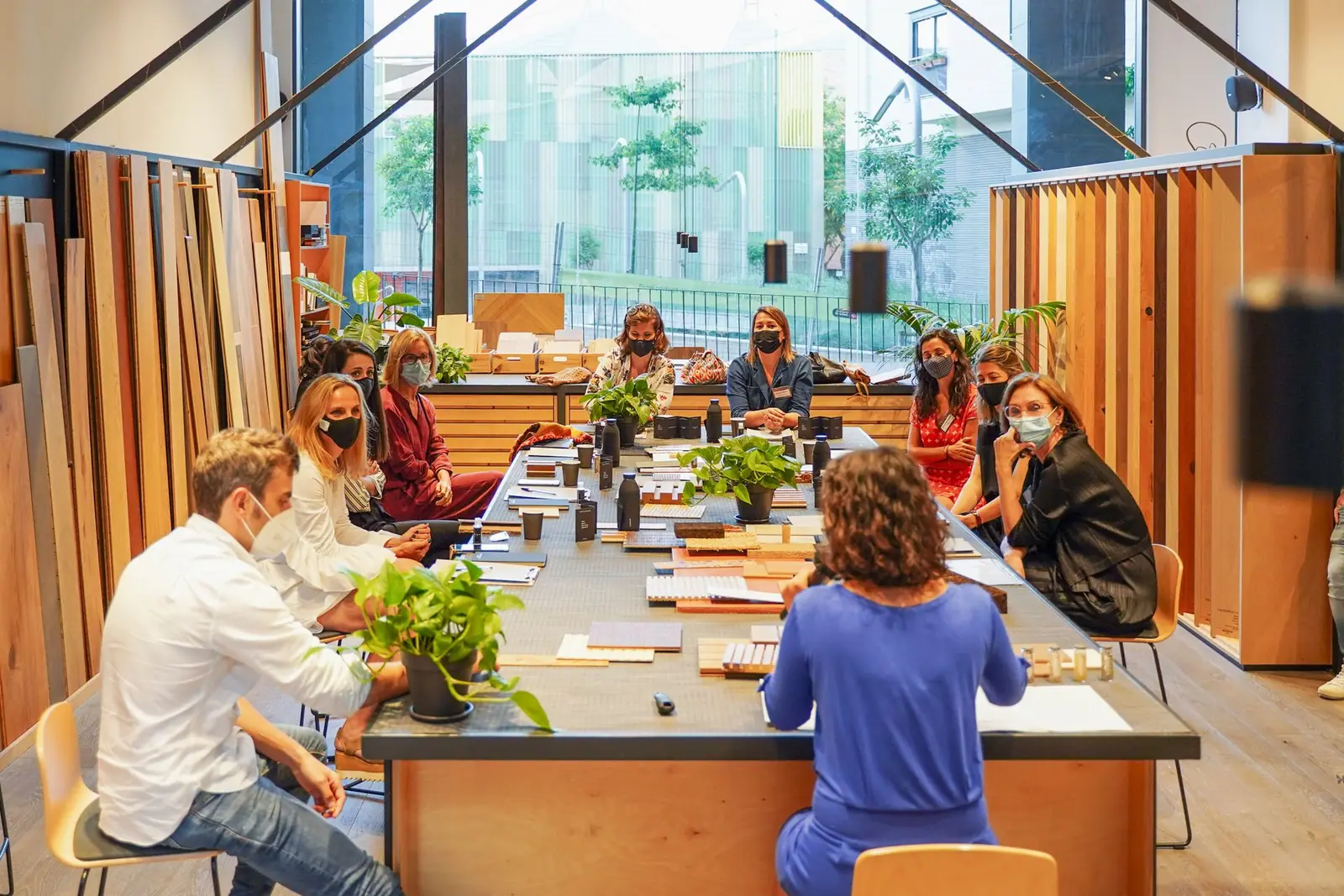
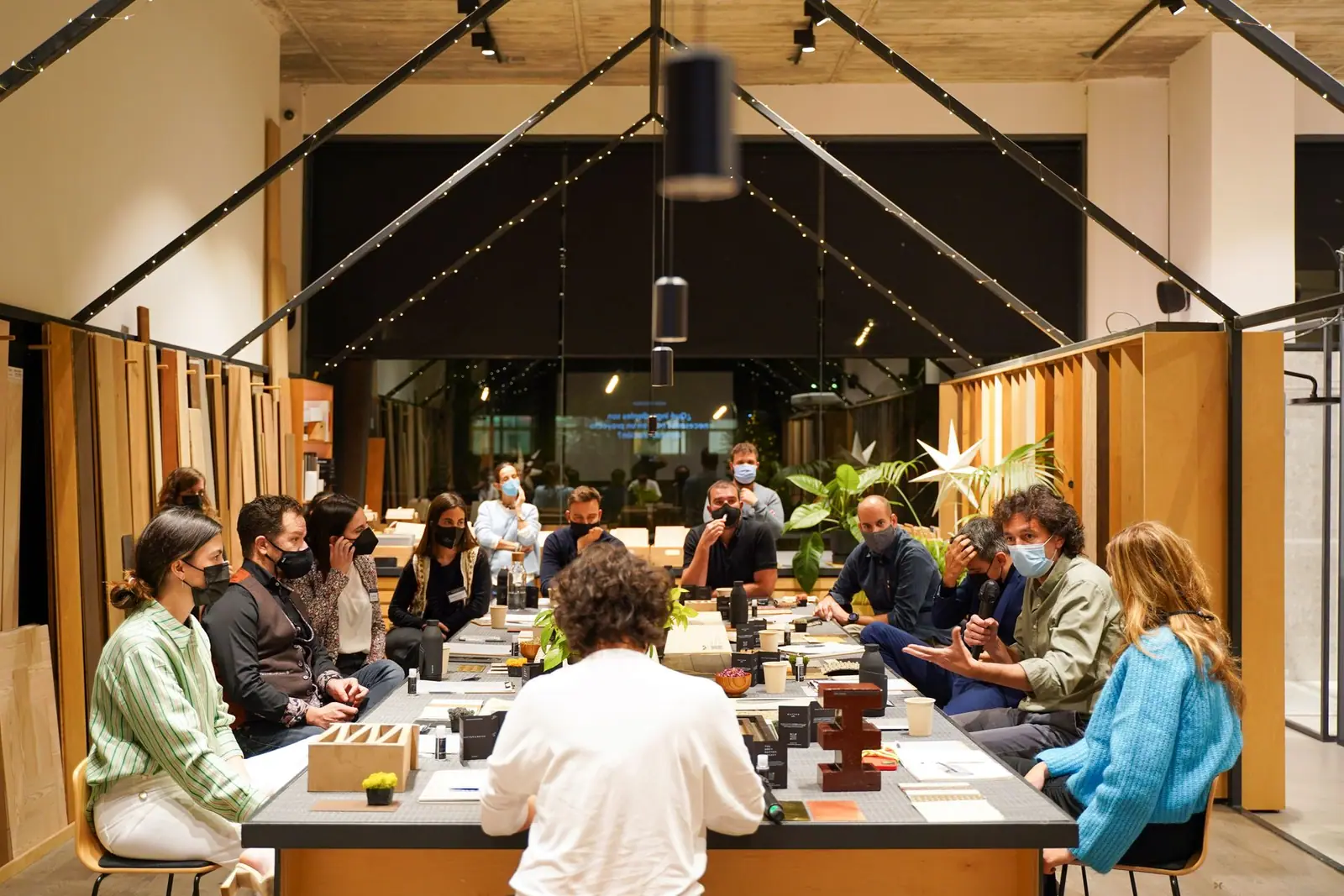
In July 2021 we brought together six interior designers and architects at Matter Barcelona to talk about the home from the perspective of those who design it. About Domestic Spaces was a new edition of Atelier Series, the programme of gatherings run by Matter Atelier, and featured Adela Cabré (Adela Cabré & Son), Cecilia Arias (Alonso-Arias Arquitectos), Isabel Balaguer (Vermell032), Helena Llorente (The Room & Co), Bea Bombí (Bombí + Gómez) and Elena Castells Poch, along with Júlia Anglí and Lucía Sanz of the Matter Atelier team.
Our homes had sheltered us more intensely than ever during the pandemic, but they have always been the place that holds and represents our private lives. In this article we gather the ideas shared at the gathering: emotion, order and colour; multifunctional spaces; the role of the client; healthy materials; and the home as a refuge. At the end you will find the summary video and the full document.
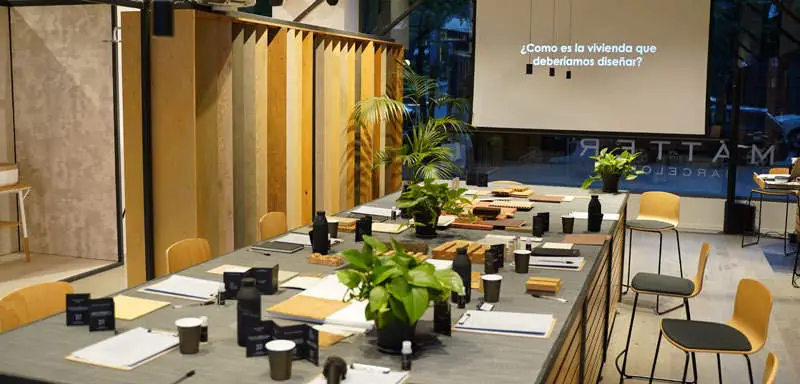
The home, a renewed challenge for architects and interior designers
A home stands for rest, functionality, personality, character and calm. During the months of the health crisis we felt more keenly the importance of the home and of all the details that create the right atmosphere for the people who live there.
The way we live in and interact with domestic spaces has changed, and new needs have emerged, such as the wish to bring outdoor spaces and natural elements into the home. What a few years ago were aesthetic or decorative choices has become an increasingly common demand: living in open spaces with greenery.
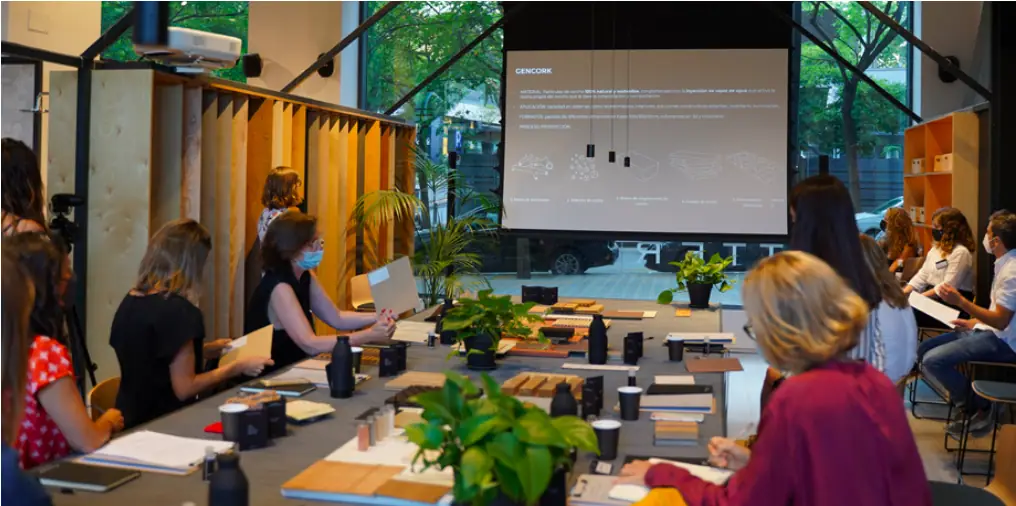
Atelier Series was created precisely to debate these changes: a space for professionals to meet and exchange knowledge, in which to learn, present and share projects and experiences. In this edition, each guest prepared a short lightning talk on a topic drawn from her own projects, and the session closed with a round table.
Speakers and participating studios
The six guests, in alphabetical order of studio:
- Adela Cabré & Son (Adela Cabré): Barcelona design and interior architecture studio, focused mainly on refurbishment projects.
- Alonso-Arias Arquitectos (Cecilia Arias): Barcelona architecture studio that she runs with Margarita Mª Alonso.
- Bombí + Gómez (Bea Bombí): studio of interior designer Bea Bombí and architect Elvira Gómez, combining architecture, interior design, graphic design and landscape design.
- Elena Castells Poch: independent interior designer working on residential projects in and around Barcelona.
- The Room & Co (Helena Llorente): Barcelona interior design studio founded by Helena Llorente and Cristina Batlles.
- Vermell032 (Isabel Balaguer): interior design studio that Isabel Balaguer founded in Barcelona in 2002.
Representing Matter were the architects Júlia Anglí and Lucía Sanz, project consultants specialising in residential projects in the Matter Atelier team, who presented a selection of materials for the home that are kind to health and the environment.
Spaces that move people, create comfort and work well
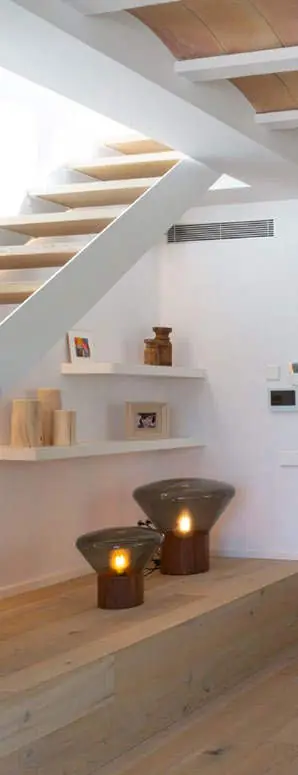
Adela Cabré of Adela Cabré & Son opened the gathering by stressing the importance of conveying emotion in domestic spaces through three factors: the order of the elements, the colour of the furniture and of the materials that make up the setting, and the light available in the space. The challenge for any interior designer, she explained, is to decide what atmosphere to create and what emotions to stir in the people who will live in the house. Establishing a hierarchy among the elements makes it possible to create settings that convey calm and work well at the same time.
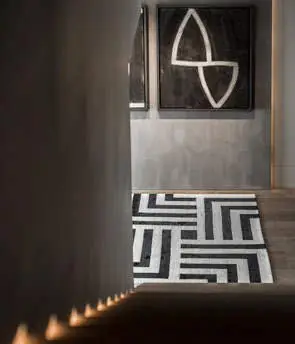
Isabel Balaguer of Vermell032 focused on circulation routes: a sound layout of elements brings functionality, just as colour brings aesthetic quality, and both are key to creating comfortable spaces. She suggested different ways of introducing colour into a project, from monochrome palettes to small accents, and argued that a variety of tones brings contrasts and textures that contribute to the unity of the space.
Along the same lines, Bea Bombí of Bombí + Gómez showed projects in which contrasts of tone or texture bring balance and harmony. She also called for personalisation: the design of a home is bound up with how its occupants change over time, so the biggest challenge is to meet not only present needs but also those that may arise in the future.
Multifunctional spaces and shared spaces
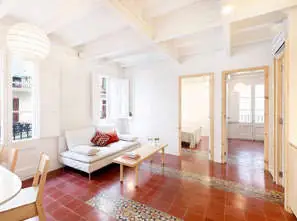
Another theme of the gathering was spaces for sharing, a concept the pandemic had brought to the fore. Cecilia Arias of Alonso-Arias Arquitectos explained that this context was giving rise to the need for multifunctional spaces, able to adapt to the varying needs of a population whose pace of life is changing very quickly, and spoke about how each person’s lifestyle shapes the design of their home.
Clients’ requests vary, but they have one thing in common: defining the degree of separation, integration or openness between spaces. Sliding doors, walls or arches help create corners in which to relax and withdraw, according to each person’s preferences; tables or fireplaces, by contrast, draw people around them and create spaces for sharing.
The client at the centre of the project
Personalisation is key to achieving a comfortable atmosphere. Colour and texture define the style of a room: colours stimulate the eye and create plays of light that affect how the size of a room is perceived. But it also matters that the interior designer’s own style is recognisable in the project. Helena Llorente of The Room & Co made this case: that signature is what makes the difference, what attracts the client and what the client expects to see reflected in their home.
The guests’ talks closed with Elena Castells Poch, who stressed the importance of reading and understanding the client: keeping a close relationship with the future occupants to understand their lifestyle, needs and expectations, and earning their trust through honesty and confidence in decision-making. They are the ones who will live in the house, she reminded the audience, so the project must offer flexible, comfortable, high-quality settings that can be used at different times and in different ways.
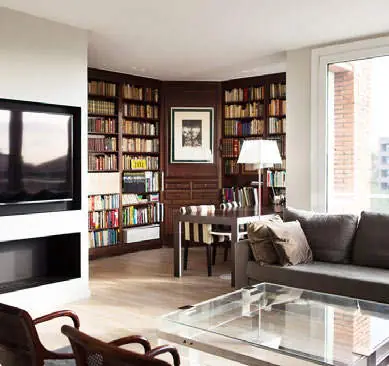
Healthy materials for the home
The final talk was given by Júlia Anglí and Lucía Sanz of Matter Atelier, who spoke about domestic materiality. They explained that interior materials can pollute the air more than the outdoor environment because of their volatile organic compound (VOC) content, which directly affects the health of the people who live in a space, and pointed out that we spend around 90% of our time indoors.
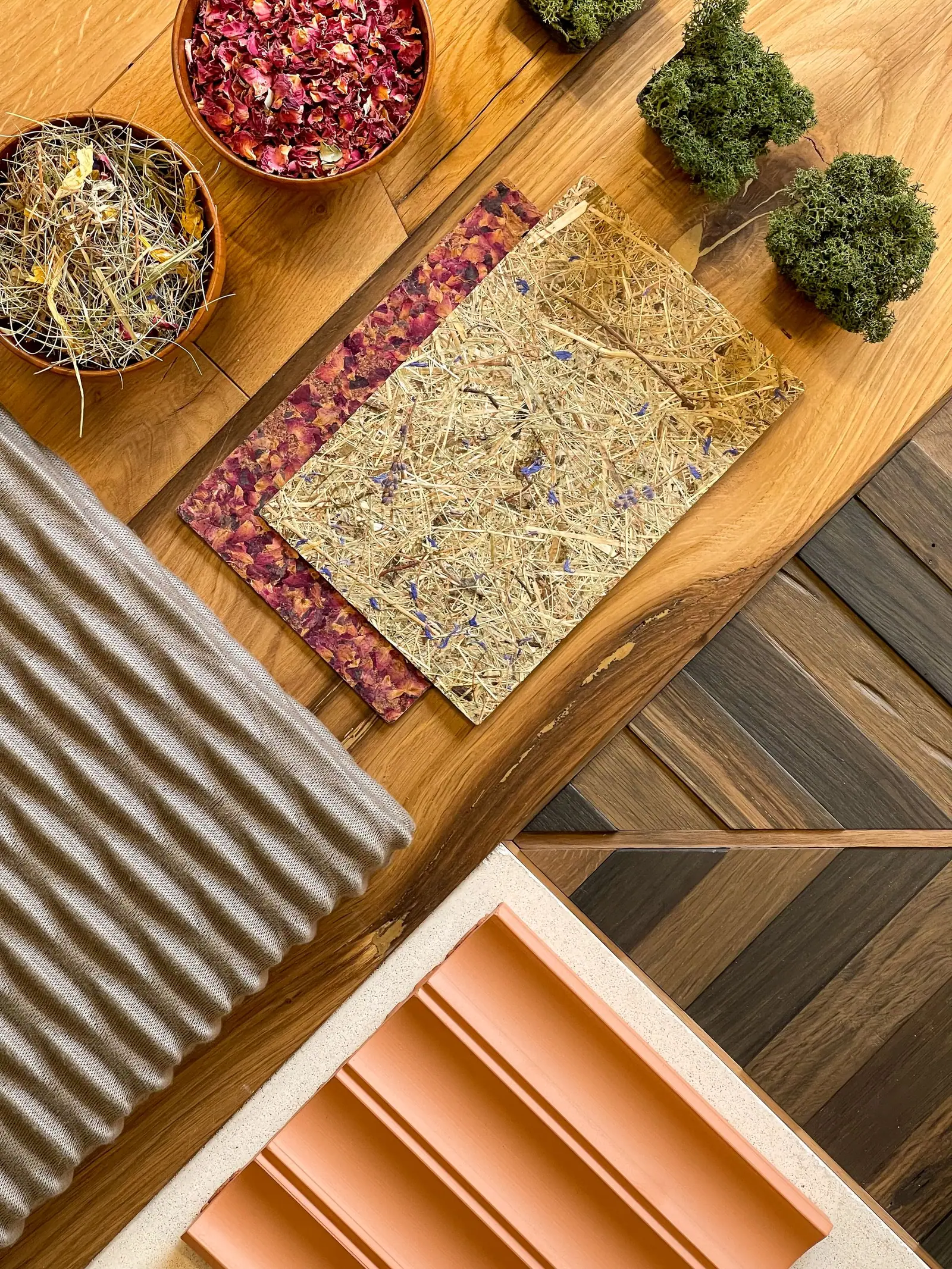
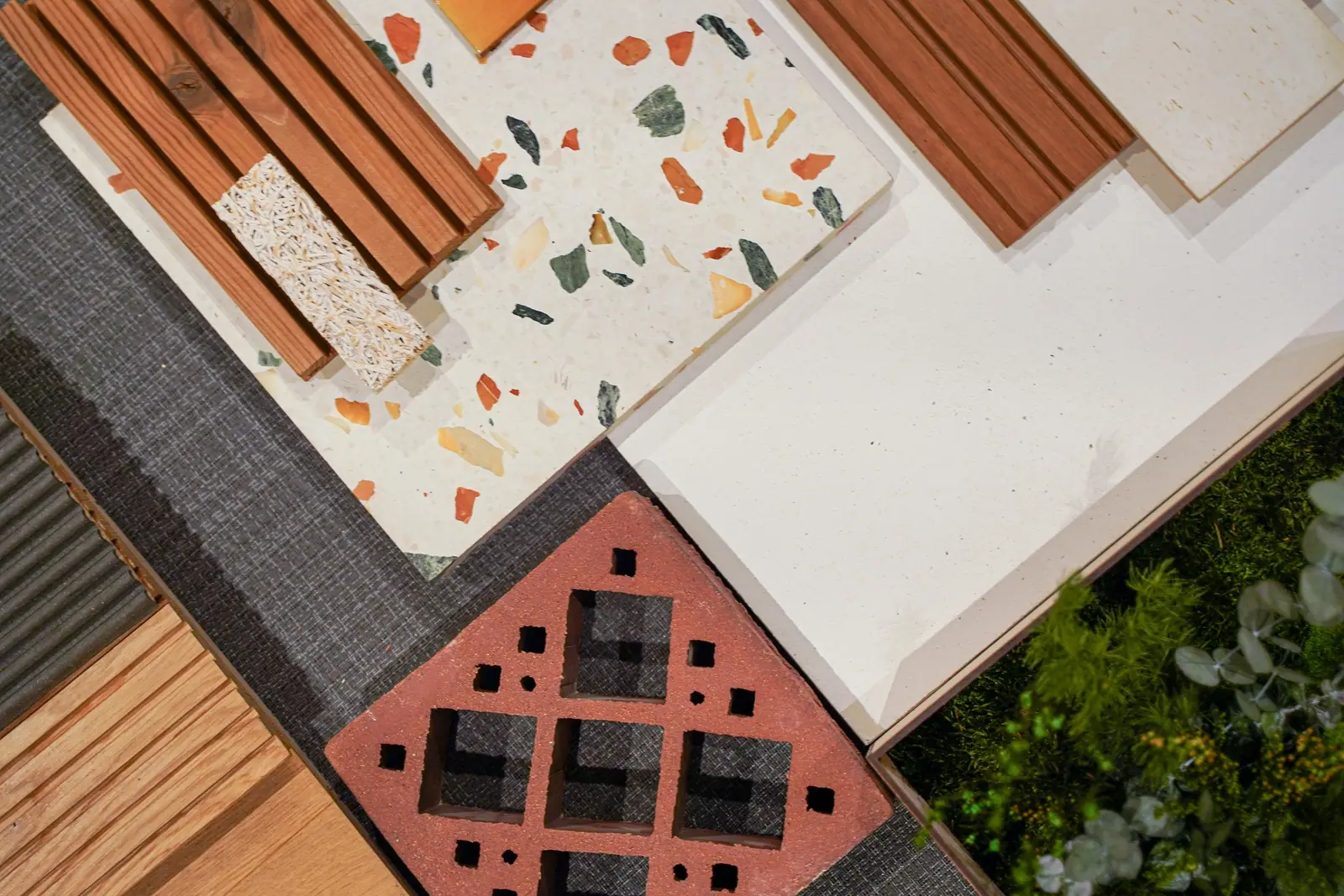
In response, they presented the natural, healthy alternatives available on the market today, such as clay plasters, gypsum paints, machined wood, natural fibres and cork: sustainable materials, free of VOCs and harmful components, which also allow domestic spaces to be personalised creatively. Their conclusion was that health and wellbeing in the home are indicators of sustainable architecture; some describe architecture as people’s third skin, hence the importance of the quality of the environments we live in.
Round table: the home as a refuge
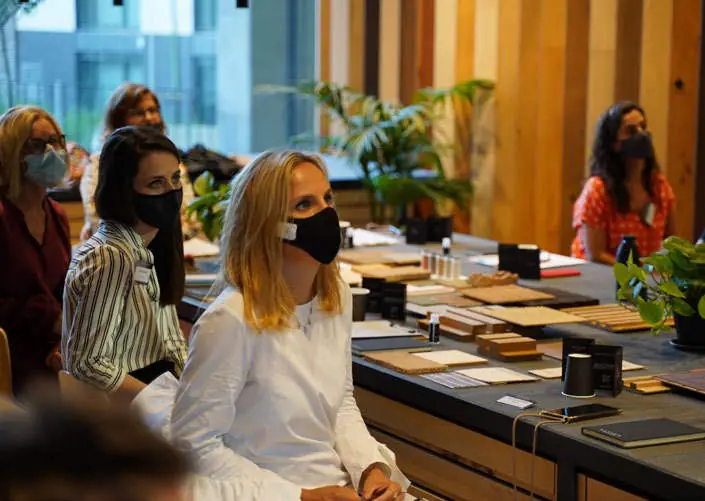
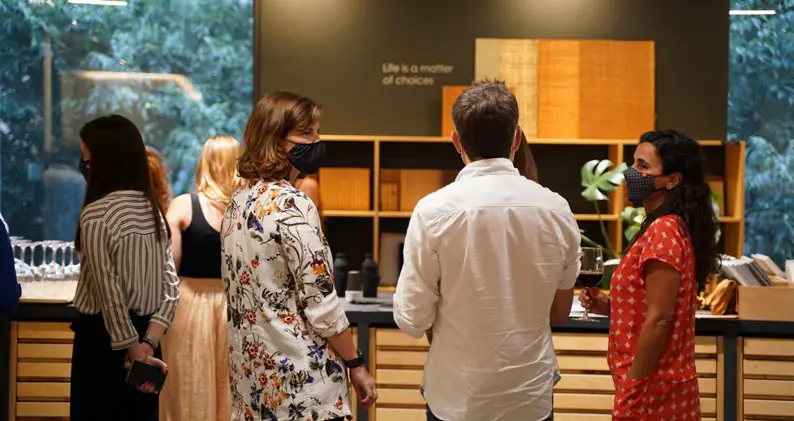
After the presentations, a round table brought together the ideas of the afternoon around the central theme of the gathering: domestic spaces as a refuge. These were its main conclusions:
- Welcoming settings: there is growing demand for spaces that convey a sense of refuge and calm.
- Emotion and order: settings and emotions are closely linked, and the order and arrangement of elements are what make a space work.
- Colour, harmony and contrast: these are the tools that balance the materials that make up a domestic space.
- The client: their needs and requests shape the design, because they are the ones who will live in the home.
Summary video and full document
In the summary video we share and reflect on the home from the perspective of those who design it. The full document covers the talks, with images of each studio’s projects.
Sponsoring brands
About Domestic Spaces was made possible by the support of the Selected Brands that Matter: Argenta, Bauwerk, Butó, Catalano, Cea, Cielo, Dornbracht, Florim, Laufen, Living Ceramics, Mapini, Museum, Noesis, Peronda, Quadro, Ritmonio and Waterevolution.

Our thanks to all of them for supporting these gatherings, which give value to the exchange of ideas between professionals and brands.
Book your visit to Matter to see our Materioteca and talk to the Matter Atelier team about the materials for your next residential project.
Book a visit