CERAMICS: trends redefining contemporary space
How ceramics are made and classified, and seven trends that define them today: conscious matter, texture, colour, large format, relief, digital and façade.
Products12 min read
In contemporary architecture and interior design, few materials have evolved as much as ceramics. It has moved beyond its original role as a covering to become a key part of the aesthetic and technical vocabulary of today's spaces, able to incorporate technological advances and respond to new design and sustainability demands. It is also a medium of expression: a surface that works with light, texture and colour.
In this article we look at how a ceramic tile is made and classified, and then at the trends that define its present: more conscious production, tactility, individual expression, large format, organic forms, digital customisation and ceramics as the skin of the building. We illustrate them with collections by Florim, Mutina, Quintessenza and Harmony, and close with a summary table and the questions specifiers ask most often.
Technique and materiality: how ceramics are made
Ceramics is the result of a technical and industrial process that transforms natural raw materials into products with high mechanical strength, dimensional stability and broad functional and aesthetic versatility. The process begins with the selection and extraction of clays, to which other minerals —such as kaolins or silicas— are added to adjust their physical and chemical properties and their behaviour during manufacture.
After being ground and homogenised with water, the body is shaped according to the final product. Tiles are made by dry pressing or by extrusion: the standard groups them in exactly this way, in group B (pressed) and group A (extruded), and the method can usually be recognised by the relief on the back. Pieces with more complex geometries are made by slip casting in moulds. In every case they are dried under controlled conditions to avoid internal stresses that could cause cracks or deformation during firing.
Firing takes place in industrial kilns —roller kilns, in the case of tiles— at a temperature that depends on the composition and the product. A technical report prepared for ASCER in 2022 puts the maximum firing temperature of tiles at between 1,120 and 1,194 °C, in cycles of 45 to 64 minutes. During this stage the minerals sinter and, to a greater or lesser degree, vitrify: the material gains cohesion, its porosity falls and its density, wear resistance and stability against chemical and thermal agents increase. This is why ceramics performs well both indoors and outdoors.
Many pieces are coated with glazes formulated from metal oxides and mineral fluxes. After firing they form a vitreous layer, firmly bonded to the body, which defines colour, sheen and texture and protects the surface. The glaze is applied before a single firing (single-firing), the process used for glazed stoneware and porcelain stoneware, or between a first and a second firing (double-firing), which is still used for some wall tiles and for collections seeking a special gloss.
How it is classified: the EN 14411 standard
The EN 14411 standard (UNE-EN 14411 in Spain), equivalent to ISO 13006, classifies tiles by two criteria: the shaping method —extruded (A) or dry-pressed (B)— and water absorption, which ranges from group I (up to 3 %, with subgroup Ia for a maximum of 0.5 %) to group III (more than 10 %). The lower the absorption, the lower the porosity and the better the frost resistance. The table summarises the most common types according to ASCER's Guía de la baldosa cerámica.
Towards a more conscious material
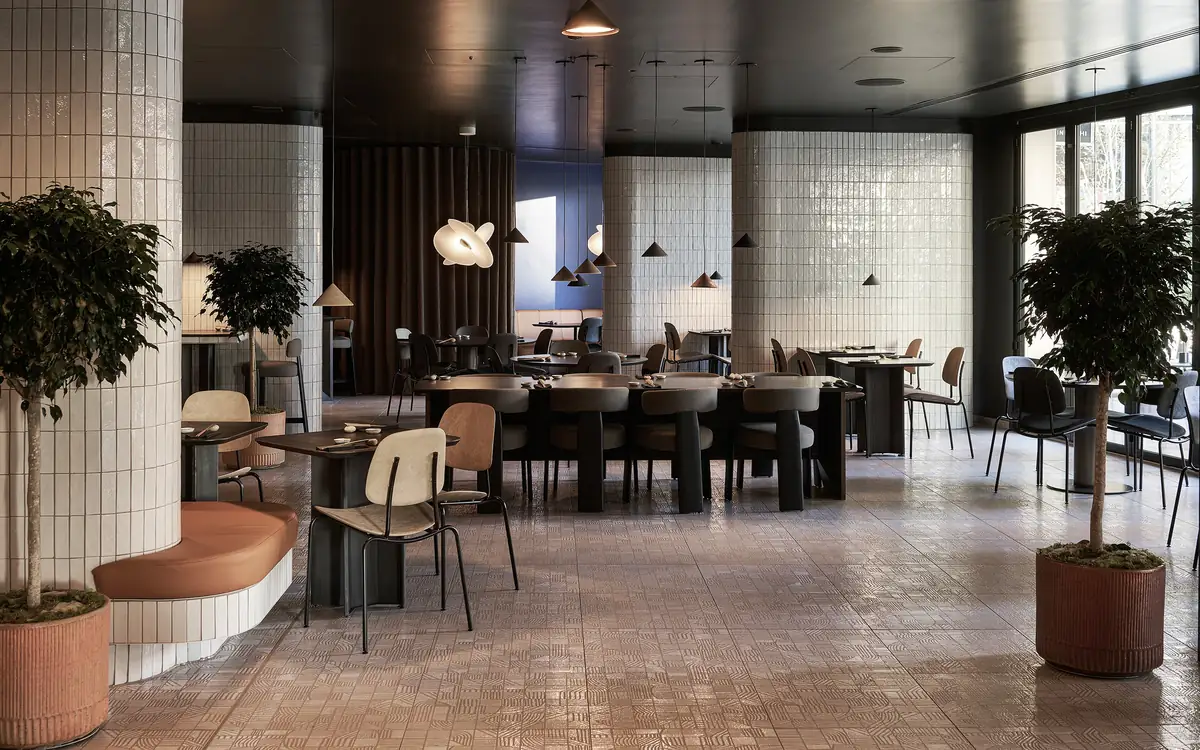
Ceramics is undergoing a transformation that positions it as a strategic material in sustainable design. The industry is moving towards production models aligned with the circular economy, combining technical innovation with a review of its entire value chain.
One of the most significant developments is the use of ceramic waste —from the manufacturing processes themselves or from other industries— in new bodies, reducing the consumption of virgin raw materials. At the same time, the rational use of energy and water has become a priority. According to the report for ASCER, firing is the stage that consumes the most thermal energy: around 793 kWh per tonne of fired product, out of a total of 1,428 kWh/t. Optimising it, recovering heat and closing water circuits are now goals for the sector, which is also anticipating increasingly demanding regulation.
On a conceptual level, clay is being revalued as an essential raw material, with its symbolic and aesthetic weight, and craft is being reinterpreted from an architectural perspective: texture, colour and technique become expressive resources. Added to this is the development of glazes formulated without lead or heavy metals and attention to indoor air quality: Mutina, for example, states that its collections contain no volatile organic compounds (VOCs).
To compare products with data rather than arguments, it is worth asking the manufacturer for:
- Environmental Product Declaration (EPD): it quantifies life-cycle impacts with a common methodology and is recognised by building certifications such as LEED and BREEAM.
- Recycled content: the self-declaration should follow the ISO 14021 standard, as ASCER's guide notes.
- Composition and emissions: no VOCs and lead-free glazes, if the project has indoor air quality requirements.
- Company certifications: environmental management systems such as ISO 14001 or EMAS, or certifications such as B Corp, which Florim holds.
Taken together, ceramics is no longer valued only for its durability or its aesthetics, but also for its ability to adapt to new environmental standards without losing its identity.
Tactility, imperfection and material poetics
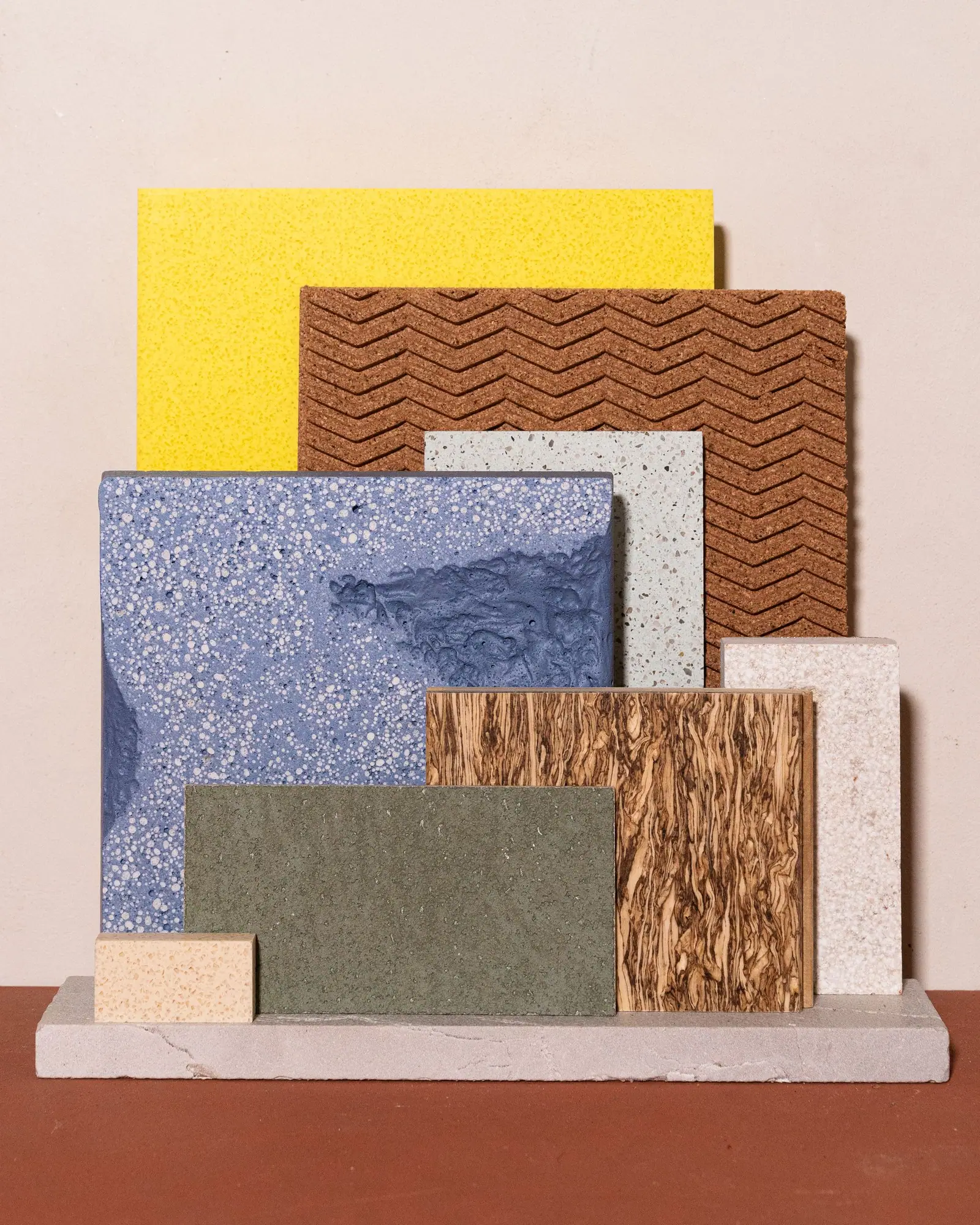
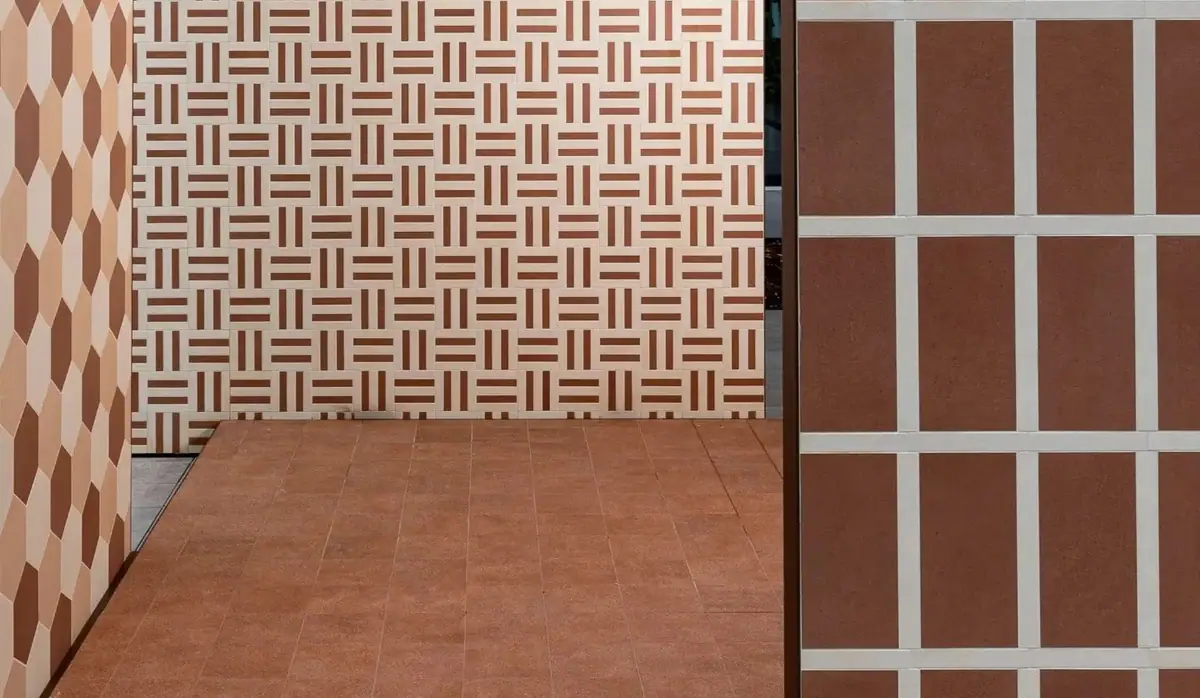
Ceramic design is moving away from the smooth, uniform finish that dominated for years, giving way to surfaces that invite touch. The trend explores textures, reliefs and a controlled imperfection that adds character and redefines the relationship between material and space.
The new surfaces are tactile and tonally varied, with irregularities that recall the authenticity of natural materials. From precise geometric reliefs to organic, eroded forms, these textures interact with light, creating shadows and reflections that transform the perception of space.
This is not an aesthetic whim but a reassertion of authentic materiality: the pieces evoke landscapes and craft processes and, against a design culture homogenised by industrialisation, bring back sensitivity, nature and time. In a project, they add texture, warmth and depth, with multisensory experiences that connect with the user on a more intimate level.
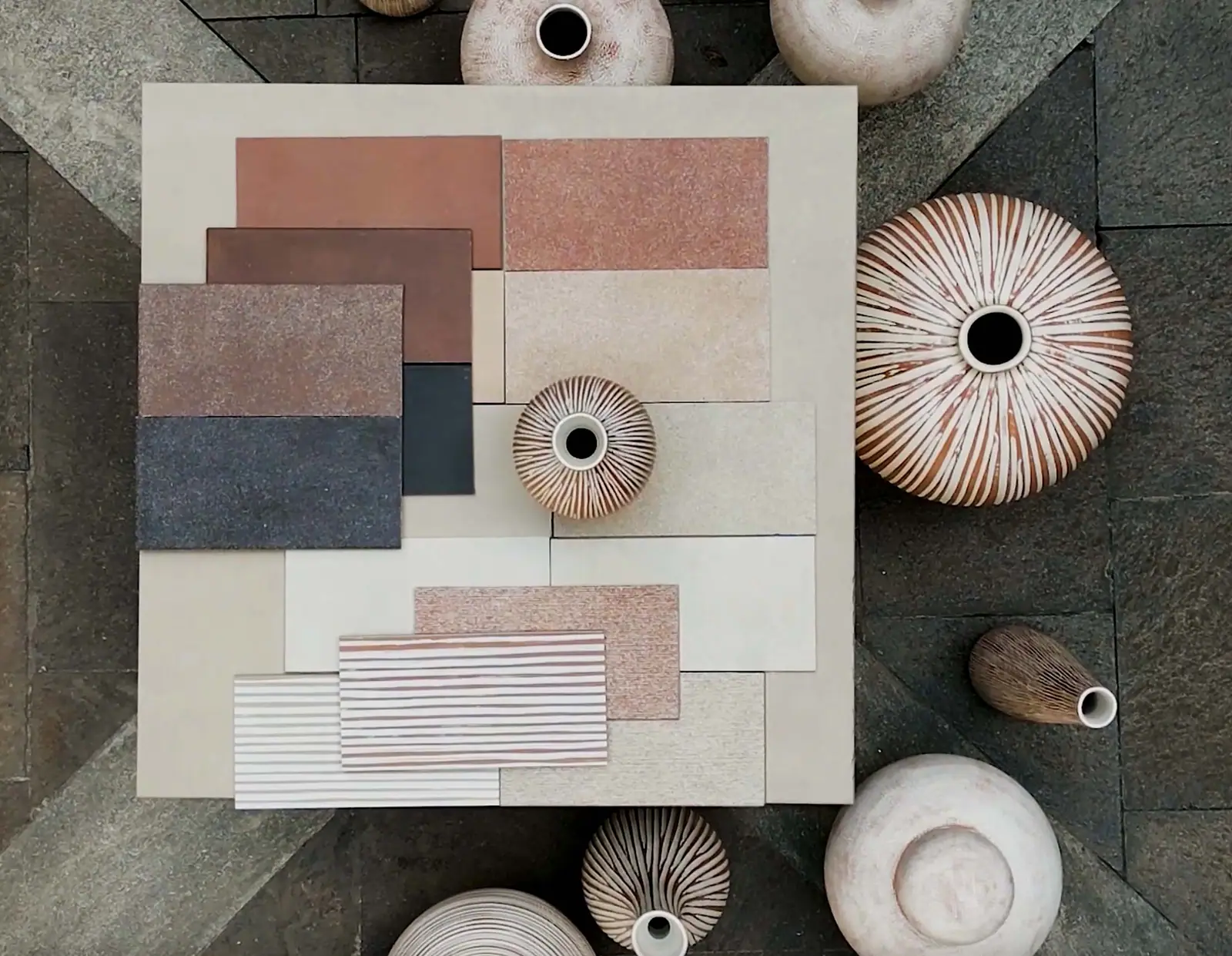
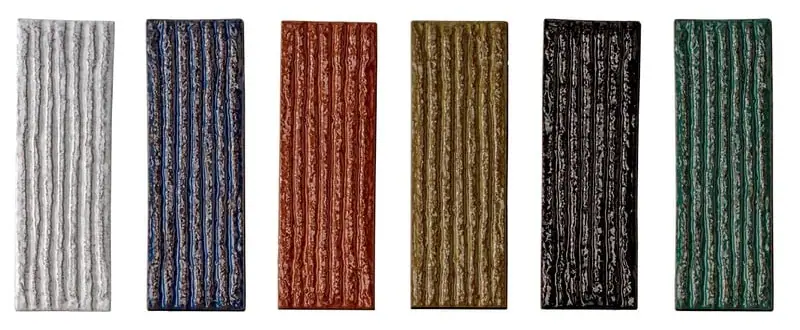
The Chamotte collection, by Patricia Urquiola for Mutina, sums this up well. It consists of extruded ceramic pieces measuring 7.2×21.3 cm in three variants —Linea, with continuous reliefs; Quadra, with interrupted reliefs; and Mono, plain— and six colours. Its glossy glaze, intensified by double-firing, brings out the reliefs with irregular reflections, so that each piece catches the light differently.
Individual expression
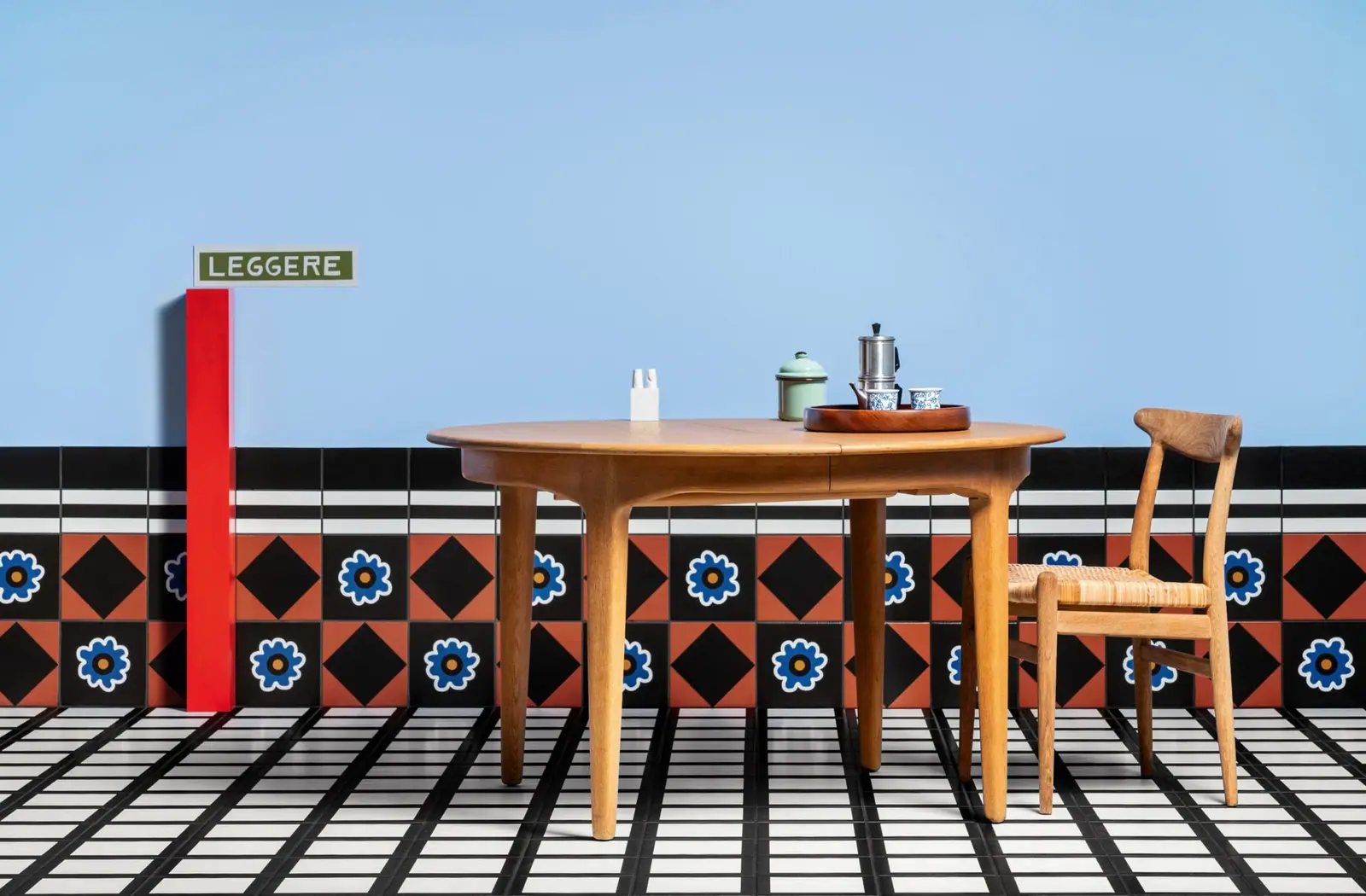
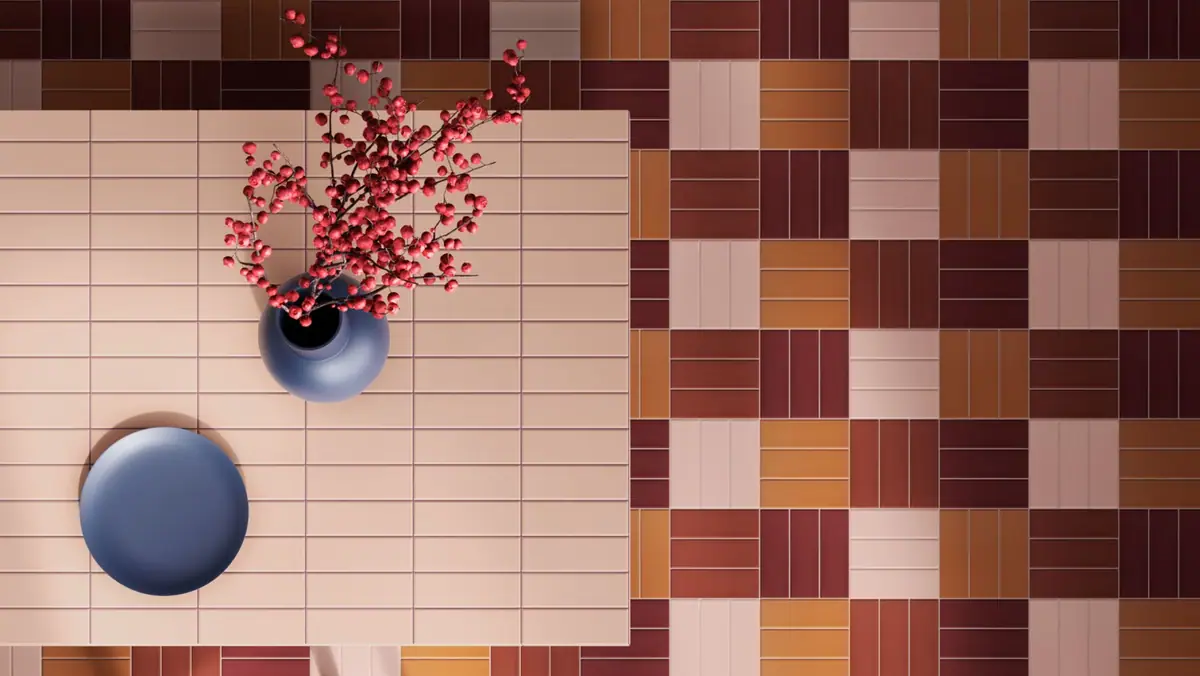
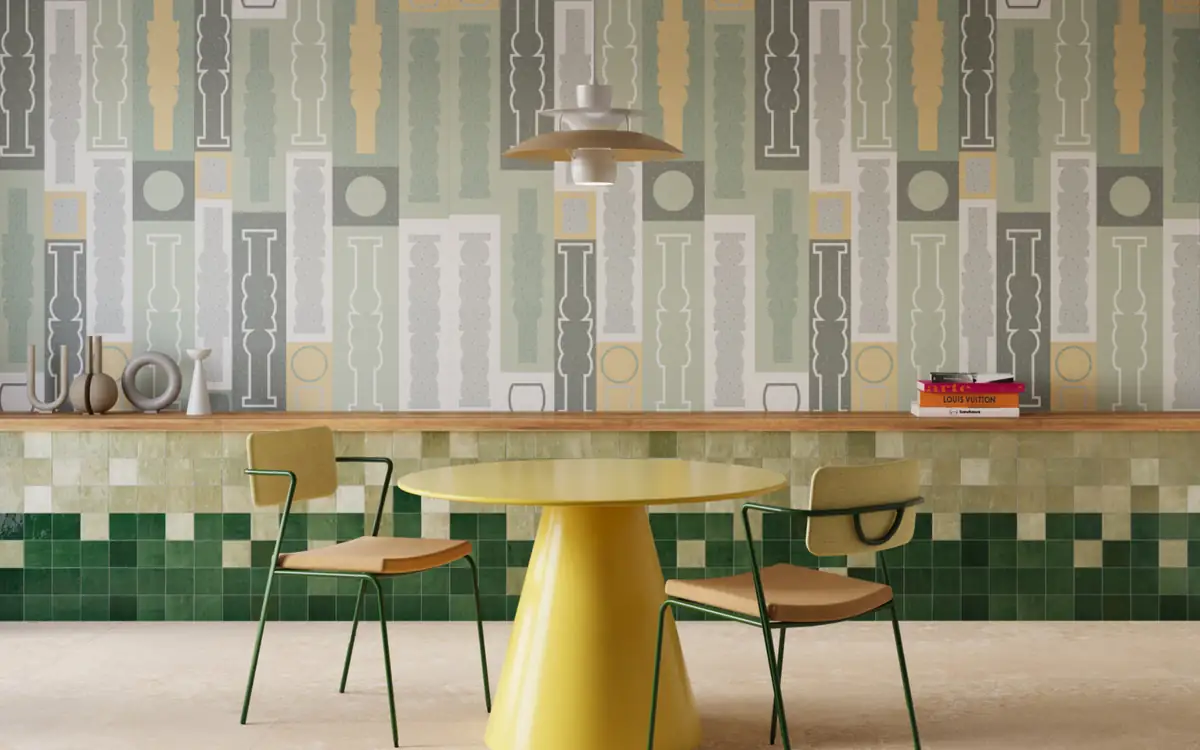
One of the most influential trends in contemporary design is characterised by a bold visual narrative that challenges conventions and makes creative freedom a principle. Experimental in spirit, it favours a hybrid aesthetic that fuses styles and eras in highly expressive compositions. Traditional patterns are reinterpreted with contemporary form and colour: vivid, saturated tones are combined with amorphous shapes, handcrafted textures and graphics with a strong visual impact.
Layering retro references with contemporary approaches creates a remix aesthetic that breaks with the historical linearity of design. Sensory experiences are sought through energetic contrasts, organic motifs and mixed techniques that reinforce the identity of the space. Beyond aesthetic renewal, the trend values individuality, personal expression and authenticity in the face of visual standardisation.
It is a shift towards a more human design, in which creativity, cultural fusion and aesthetics as a sensory experience define new ways of communicating, inhabiting and connecting.
The continuity of large format
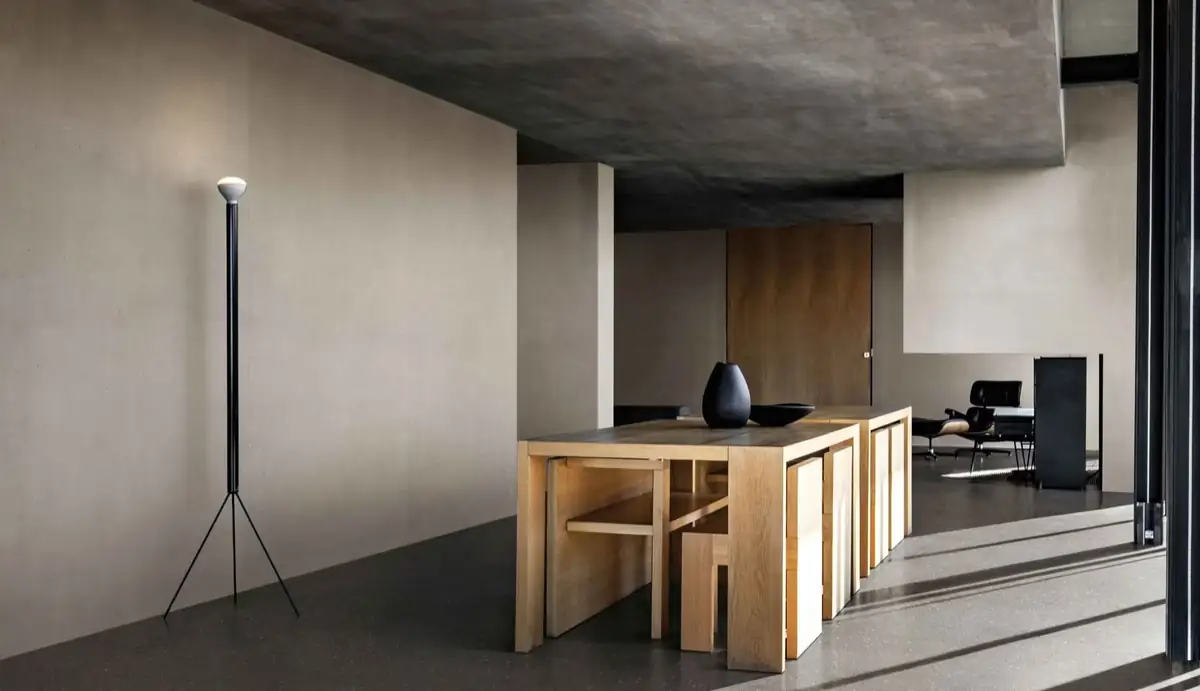
In recent years, large-format ceramics —slabs from 120×120 cm up to 160×320 cm— have gone from being a technical innovation to a statement of intent in architecture and interior design. For reference, the Spanish tiling standard UNE 138002 considers any tile whose longest side exceeds 70 cm to be large format. This type of floor and wall covering responds to an aesthetic pursuit, but it is also an advance in functionality and in the perception of space.
Its main advantage is the reduction of joints, which makes continuous, homogeneous surfaces possible. The result is a clean, sober architectural skin that enhances the sense of space and depth. This monolithic effect works in residential, commercial and institutional spaces, and interacts subtly with other materials.
Technically, handling and installation call for specialist professionals and specific equipment: precision cutting, frames with suction cups for transport, a flat substrate and a perfectly level installation. Fewer joints does not mean no joints: UNE 138002 does not allow ceramic coverings to be laid without a joint or with joints narrower than 1.5 mm. The investment in skilled labour is higher, but the architectural value it brings explains why it is an increasingly frequent choice among specifiers, architects and designers.
Large formats are thus not only gaining ground: they are redefining the concept of the continuous surface in contemporary architecture.
Organic forms, natural patterns
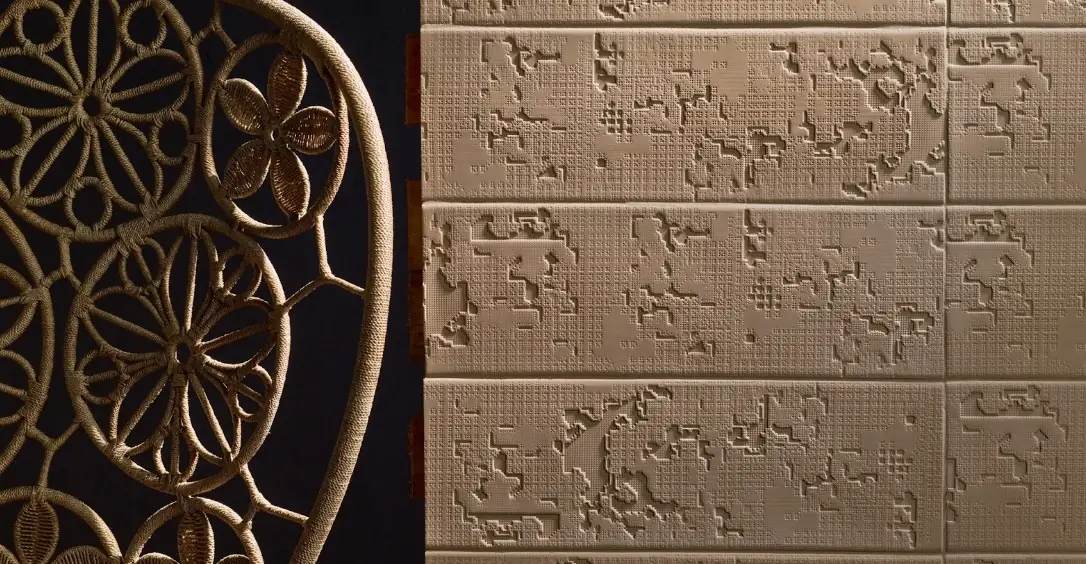
In this era of conscious design, ceramics finds a constant source of inspiration in nature. The latest collections adopt shapes, colours and textures that evoke the living world and blend into spaces that prioritise well-being, calm and connection with the surroundings. This aesthetic seeks to restore the emotional bond between people and nature through sensory and symbolic elements.
The trend is expressed through organic forms, soft graphics and patterns that imitate natural structures, such as plant fractals, stylised floral motifs or fluid geometries inspired by plant growth or mineral sediments. Techniques such as mosaic and ceramic patchwork are also resurfacing, reinterpreted from a contemporary perspective that connects with the craft tradition and the value of the handmade.
Graphically, ceramic surfaces reproduce natural materials with ever more refined precision: stone veining, marble patterning, wood textures, the cracking of dry earth or eroded finishes that imitate the passage of time. The result is spaces with a strong sensory charge, in which ceramics does not merely clad but narrates an experience of connection and balance.
Bas-Relief, by Patricia Urquiola for Mutina, takes this idea into relief: artisanally extruded porcelain pieces, 9 mm thick, with patterns of varying depth —Patchwork, Garland and Cloud for walls, in 18×54 cm, and Code for floors— that create chiaroscuro effects depending on the light. Garland, for example, revisits the floral motif with a contemporary, digital approach.
Customisation and digital technology
Ceramics is no longer a merely traditional material and has become a platform for technological and expressive experimentation. Thanks to advances such as high-definition digital printing, parametric design and 3D manufacturing, it becomes a highly customisable surface, able to adapt to aesthetic, functional and narrative concepts with great flexibility.
Today it is possible to create one-off pieces or limited series with customised patterns, in which each module responds to a design algorithm or a specific graphic intervention. This versatility allows modular compositions that vary in colour, texture or relief according to the needs of the space or the project.
The material thus becomes a three-dimensional canvas to which informational or sensory layers can be added: text or graphic codes, optical effects, digital reliefs and microtextures, all with great technical precision. This opens up possibilities in architectural projects, art installations, signage and commercial spaces that need to stand out. It is a meeting point between materiality and technology, where the limit is no longer set by the format, but by creativity.
Ceramics as architectural skin
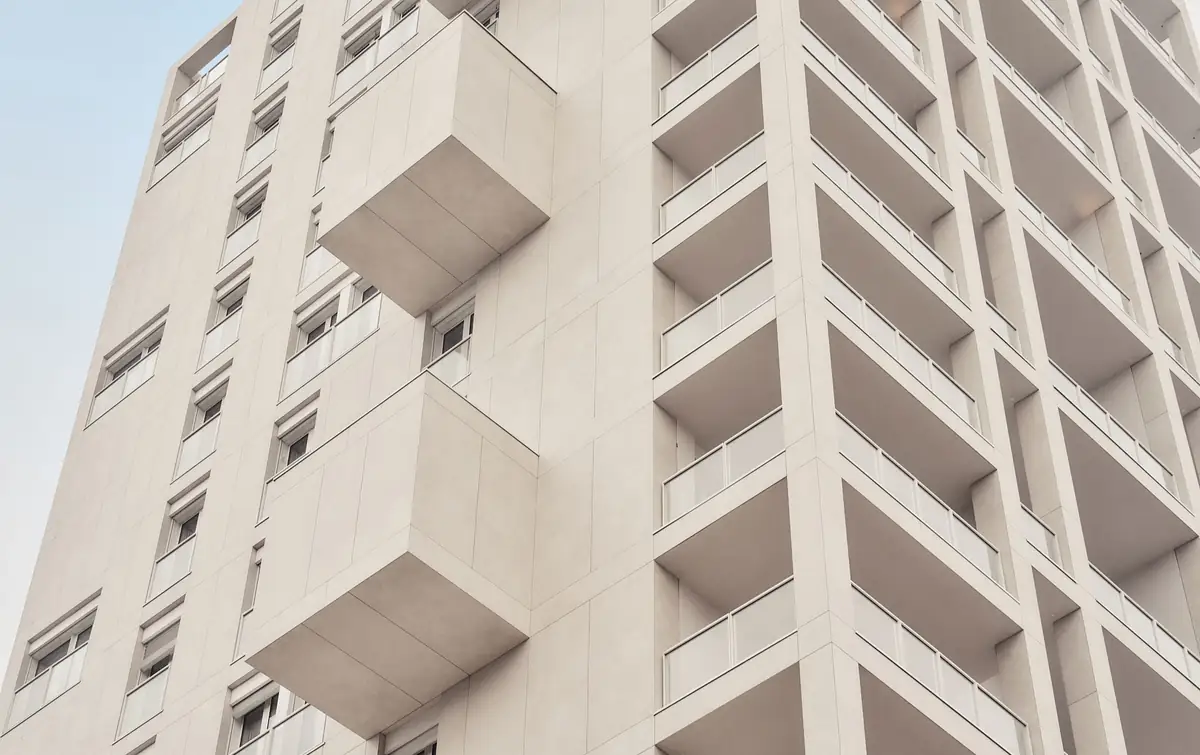
In recent years, ceramics has significantly broadened its field of application and established itself as a high-performance material for façade cladding. It is no longer limited to interiors and flooring: today it acts as a technical and aesthetic skin for buildings, especially in ventilated façades and prefabricated systems.
Its use in the building envelope responds to both technical and aesthetic criteria. Ceramic tiles are classified A1 for reaction to fire (no contribution to fire) without the need for testing, under European Commission Decision 96/603/EC; those with very low water absorption are frost resistant, and the material remains stable under thermal changes, is durable against the weather and needs little maintenance. Thin slabs and mechanical fixing systems make installation easier in both new builds and refurbishments.
Beyond performance, ceramic façades have great expressive potential: they can be produced in a wide variety of colours, textures, finishes and formats, making it possible to design envelopes with a visual identity of their own. With digital printing, three-dimensional finishes or modular reliefs, façades can combine technical innovation and artistic expression.
Keys to specifying a ceramic façade
These are the recommendations of ASCER's Guía de la baldosa cerámica that should be planned for from the design stage:
- Ventilated façade: the slabs are mechanically fixed to a substructure, leaving an air cavity with a lower inlet and an upper outlet; in warm climates and with good orientations it improves the building's thermal performance.
- Joints: in ventilated façades they are usually open, 5 to 10 mm wide depending on the fixing system, and vertical joints must coincide with the building's expansion joints.
- Bonded façade: with pieces larger than 60×40 cm or heavier than 25 kg/m², or with claddings more than 3 m high, safety clips or mechanical anchors must be added to the adhesive.
- Fire: ceramics is A1, but the insulation in the cavity must also meet the requirements of the Spanish Building Code (DB SI), and this must be documented.
- Frost: in areas at risk of frost, very low-porosity tiles, with water absorption below 3 % and passing the ISO 10545-12 test.
The collections in this article
The table brings together the main data for the collections mentioned, based on each manufacturer's information.
Frequently asked questions
- What is the difference between wall tiles, glazed stoneware and porcelain stoneware?
- Above all, water absorption. Wall tiles have a porous body (more than 10 %, group BIII) and are designed for interior walls; glazed stoneware lies between 0.5 and 6 %, and porcelain stoneware does not exceed 0.5 % (groups BIa or AIa), which makes it suitable for indoor and outdoor floors, façades and walls. The figure appears on the technical data sheet, according to EN 14411.
- Which ceramic should I choose for an outdoor floor or a shower?
- Look at slip resistance. The Spanish Building Code (DB SUA 1) requires class 3 (Rd > 45) for outdoor floors, showers and swimming pools; class 2 for wet indoor floors with a slope of less than 6 %; and class 1 for dry indoor floors. Outdoors, where there is a risk of frost, tiles with very low water absorption are also needed.
- Is ceramic non-combustible?
- Yes. Under Decision 96/603/EC, ceramic tiles are classified A1 for reaction to fire without the need for testing. On a façade, the complete system must be assessed: the insulation and the other components in the cavity must also meet the requirements of the DB SI.
- From what size is a tile considered large format?
- The Spanish standard UNE 138002 considers any tile whose longest side exceeds 70 cm to be large format. In practice, the term refers to slabs from 120×120 cm upwards, up to 160×320 cm. They require a flat substrate, a deformable cementitious adhesive, double buttering and a minimum joint of 1.5 mm.
Contemporary ceramics is the result of centuries of evolution, but also of a profound cultural and technological transformation. It has become an integral material, capable of combining design, sustainability, innovation and spatial narrative: from the kitchen of a home to the façade of a museum, it plays a leading role in today's materiality.
At Matter we select ceramic products aligned with current trends in design, technology and architecture, and we work with studios, manufacturers and private clients to find the right aesthetic and technical solution for each project. Book your visit to Matter to see and compare ceramic materials in our materials library.