Designing from the detail
Philippe Malouin, El Equipo Creativo, Lagranja, Mesura and Isern Serra explain at Matter Barcelona why the detail is where a project is decided.
EventsTalks That Matter14 of 147 min read
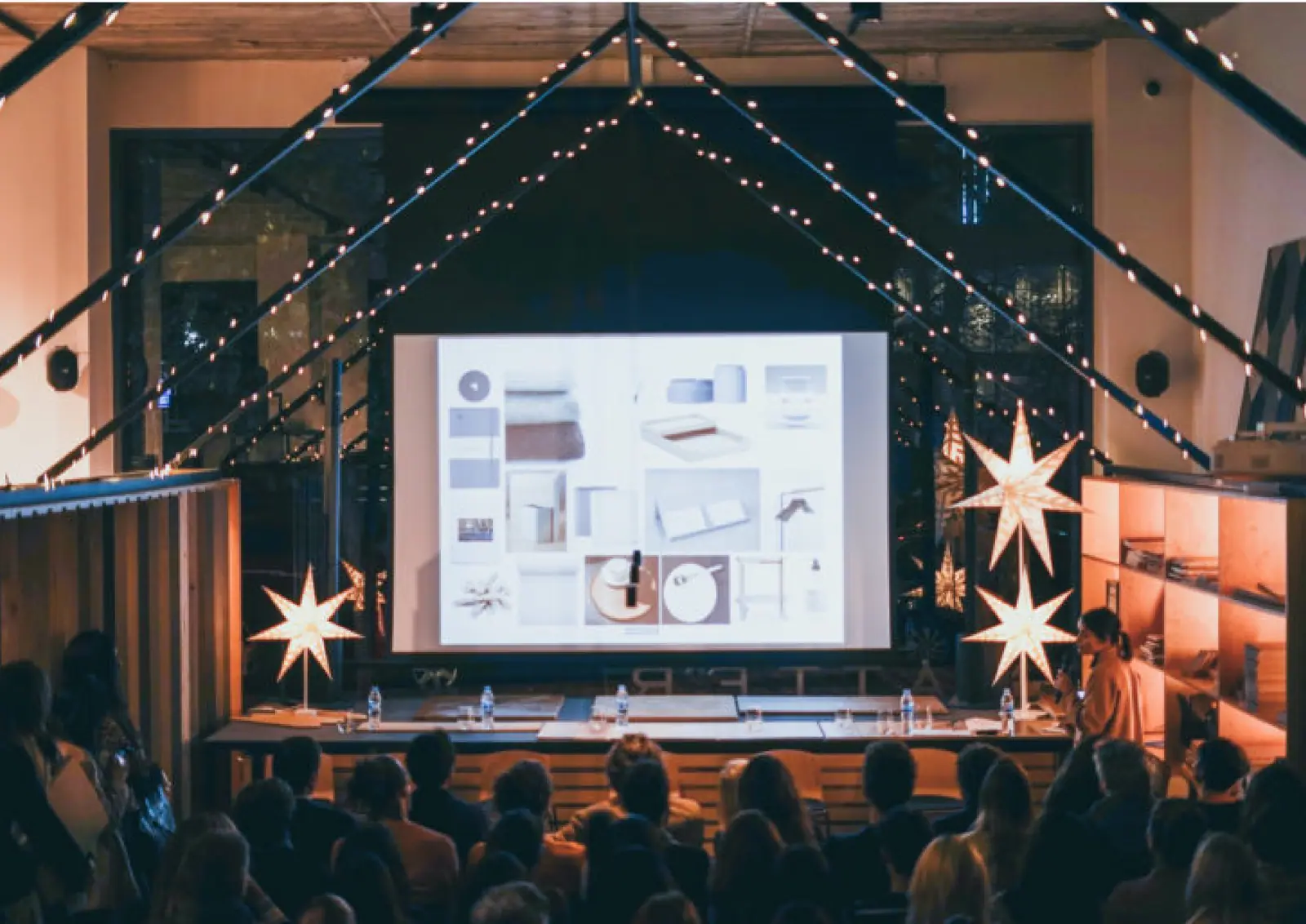
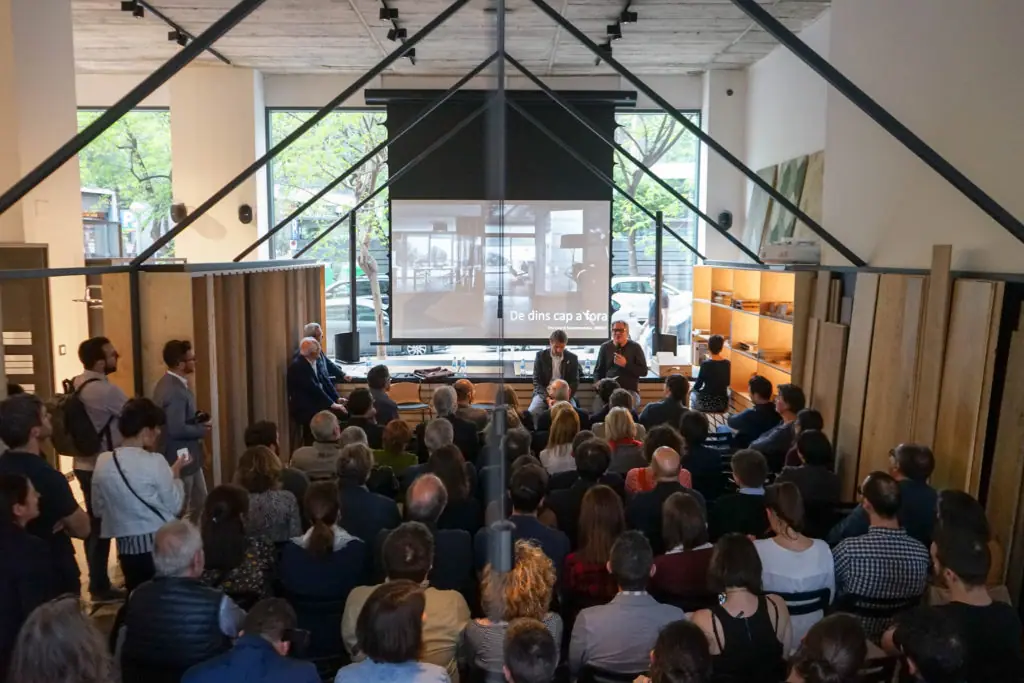
At Talks That Matter: Designing from the detail, we brought together five speakers at Matter Barcelona on 9 April 2026, with very different approaches but a shared conviction: the detail is not the finishing touch of a project, it is where the design is decided. More than a hundred architecture and design professionals filled the space for an edition sponsored by Quadro Design.
Disciplines and scales varied widely —from industrial design to hospitality, retail, residential and cultural interiors— yet every talk ended up in the same place. In this article we review what each speaker presented, the closing round table, the conclusions of the evening and the full session document, which you can download.
Why talk about the detail
Talks That Matter is our series of meetings between architecture, interior design and industry. We invite professionals to share projects, experiences and reflections to understand how decisions are really made in the design process. For eight years, the series has been creating the space for these conversations to happen: sharing processes, references and ways of thinking about architecture helps to build judgement and to grow collectively as a sector.
This edition posed a specific question: what role the detail plays in each studio's way of working, at what point in the process it appears, and what happens to it when the project runs up against budget, schedule or construction.
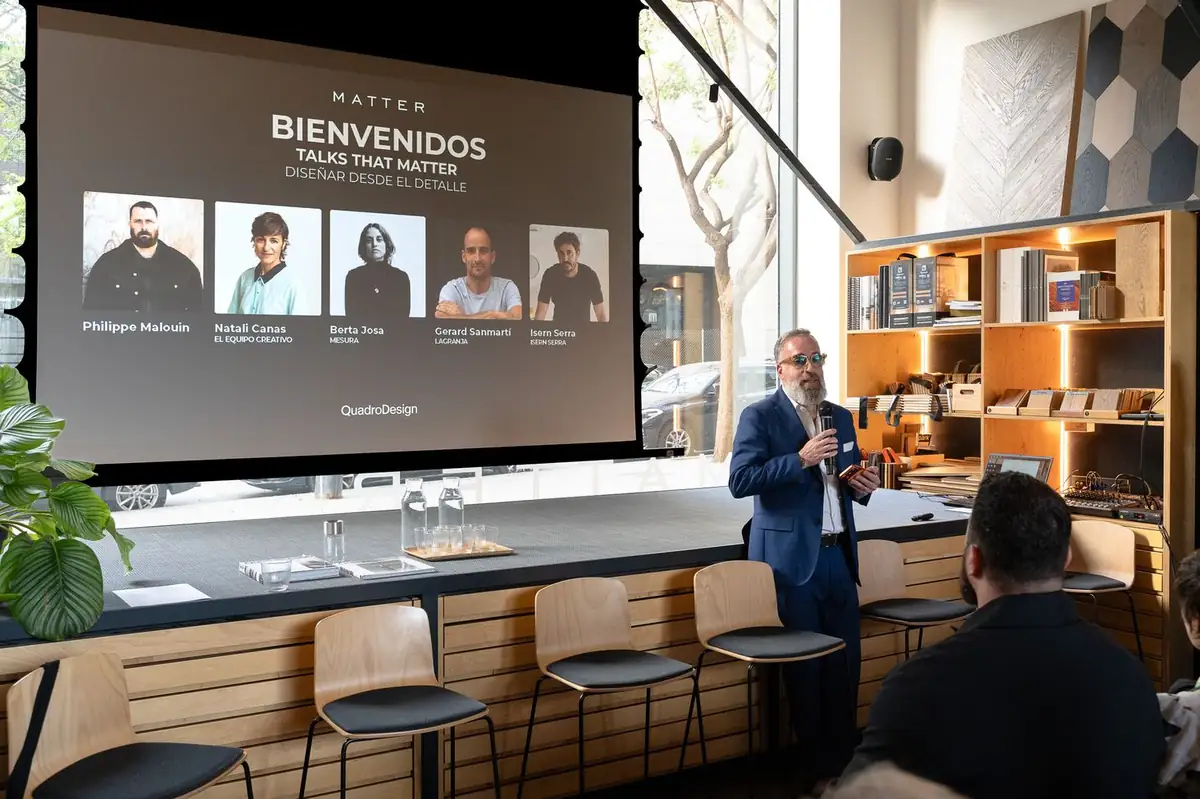
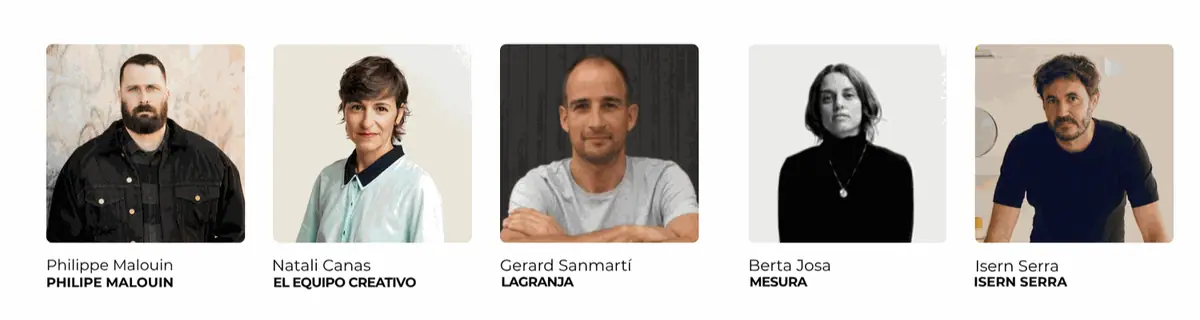
Speakers and projects
Five voices, one question. These were the speakers and what each of them presented:
Philippe Malouin: making mistakes as a method
Limitation, well managed, gives the object its identity.
Philippe Malouin, a British-Canadian designer who has run his own studio in London since 2008, with projects for brands such as SCP, Resident and Flos, opened the evening with a statement of principles: he rejects the idea of the designer as genius and describes himself, with humour, as someone very good at making mistakes and learning from them. His method always starts with making things by hand, quickly and without pretension, and that is where unexpected results come from: a pipe bracket on the table becomes a product; a piece of foam folded twice becomes a chair.
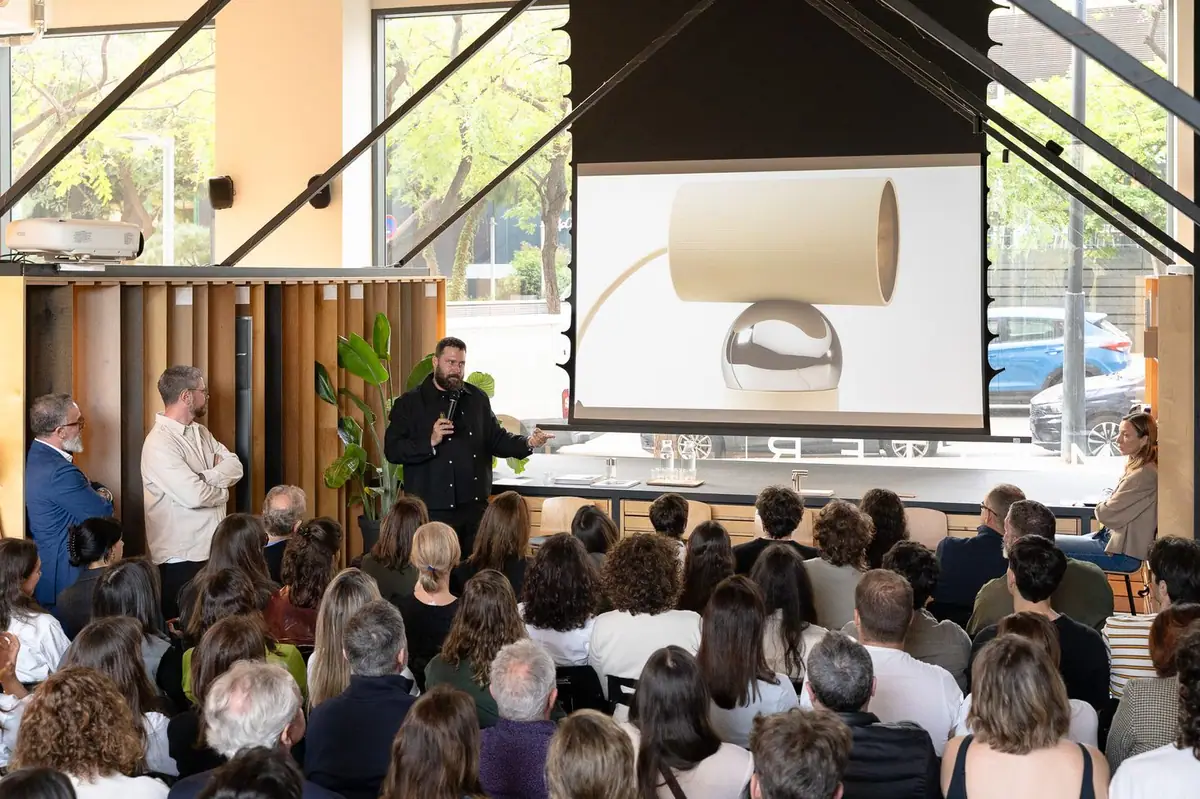
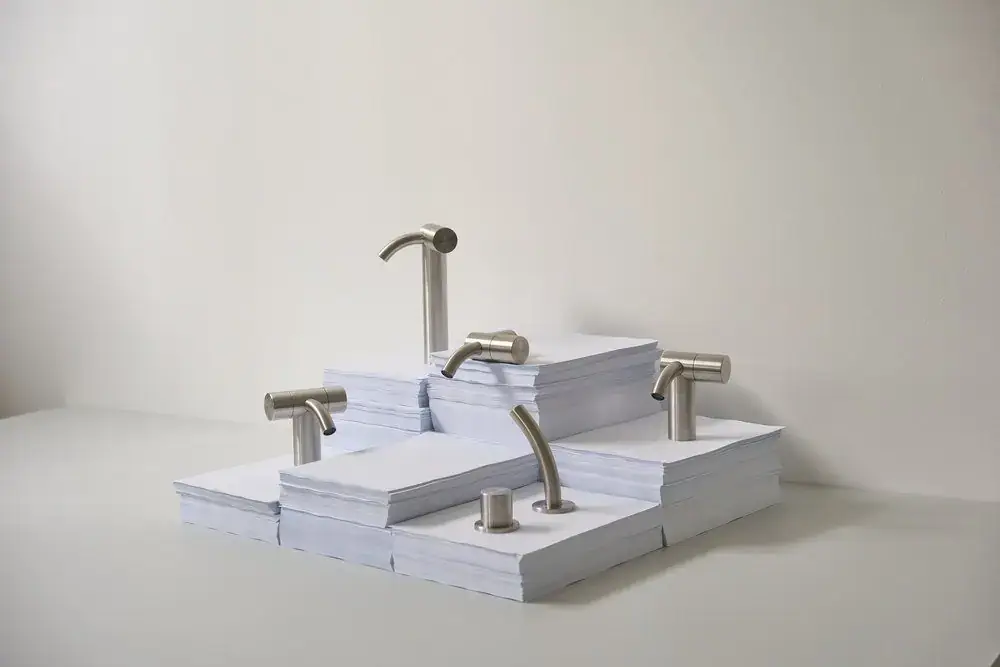
He demonstrated this with the bath mixer he designed for Quadro Design: the integrated diverter, a part that had always struck him as clumsy and that everyone took as solved, became the starting point for an entire collection. That collection is HUM, made in AISI 316L stainless steel: according to the manufacturer, it stems from the purity of a steel cylinder to which Malouin adds a single contrasting curve, the spout, which structures the whole family. The name refers to the hummingbird, whose beak recalls that curve.
“I am good at making mistakes and learning from them. Limitations are positive because they force you to create something different with what you have.”
— Philippe Malouin
Natali Canas: the detail is the concept
Every project has a protagonist that cannot fall.
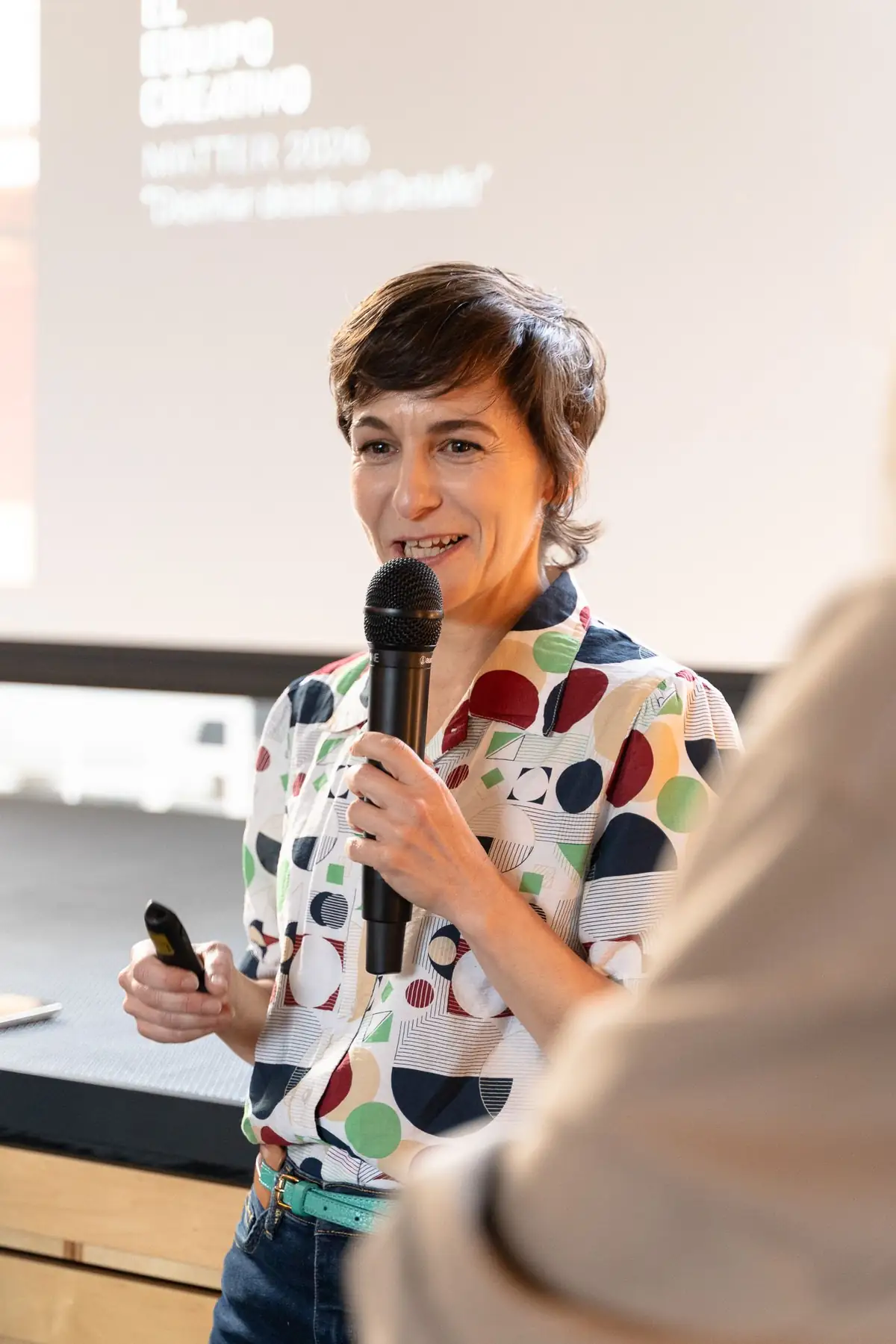
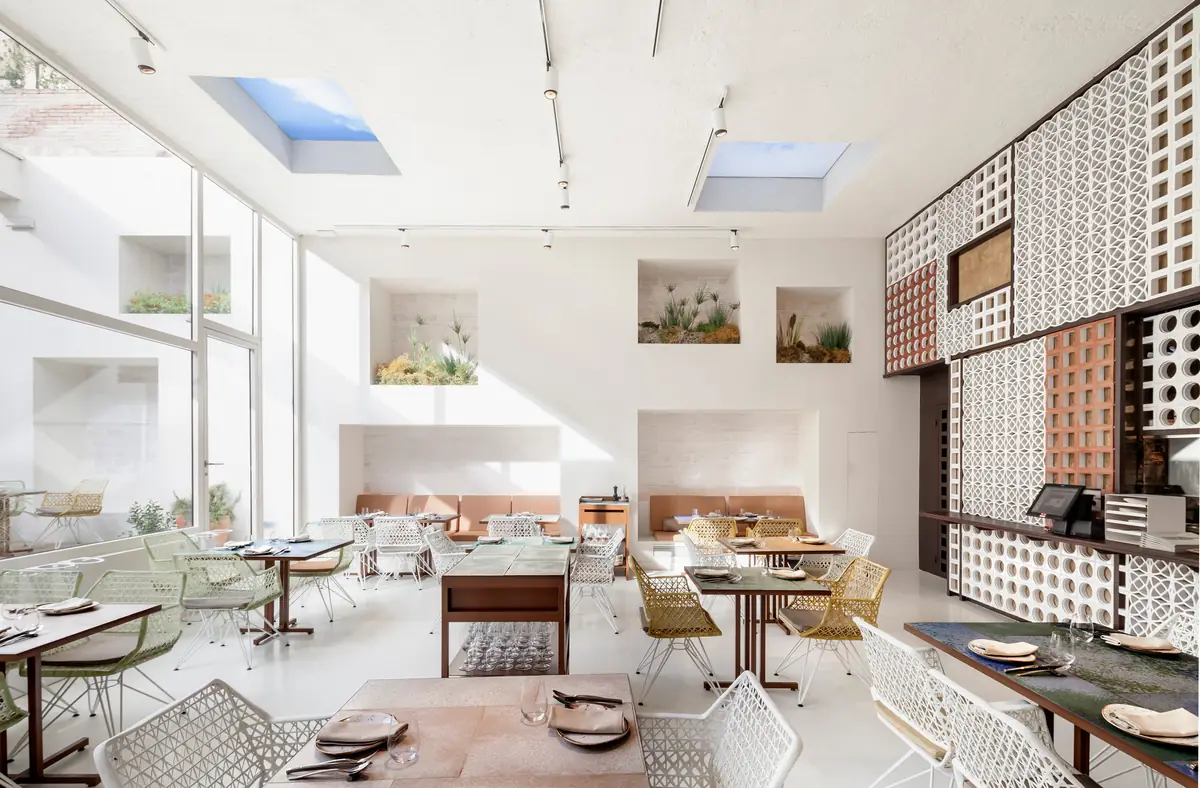
Natali Canas co-founded El Equipo Creativo with Oliver Franz Schmidt and Lucas Echeveste, a Barcelona studio specialising in hospitality, retail and brand spaces. She presented a selection of their restaurants —PAKTA, Disfrutar, Compartir, Tunateca Balfegó, El Mama & La Papa— under a clear principle: in every project there is a “main protagonist”, the idea that cannot die without the project losing its raison d’être.
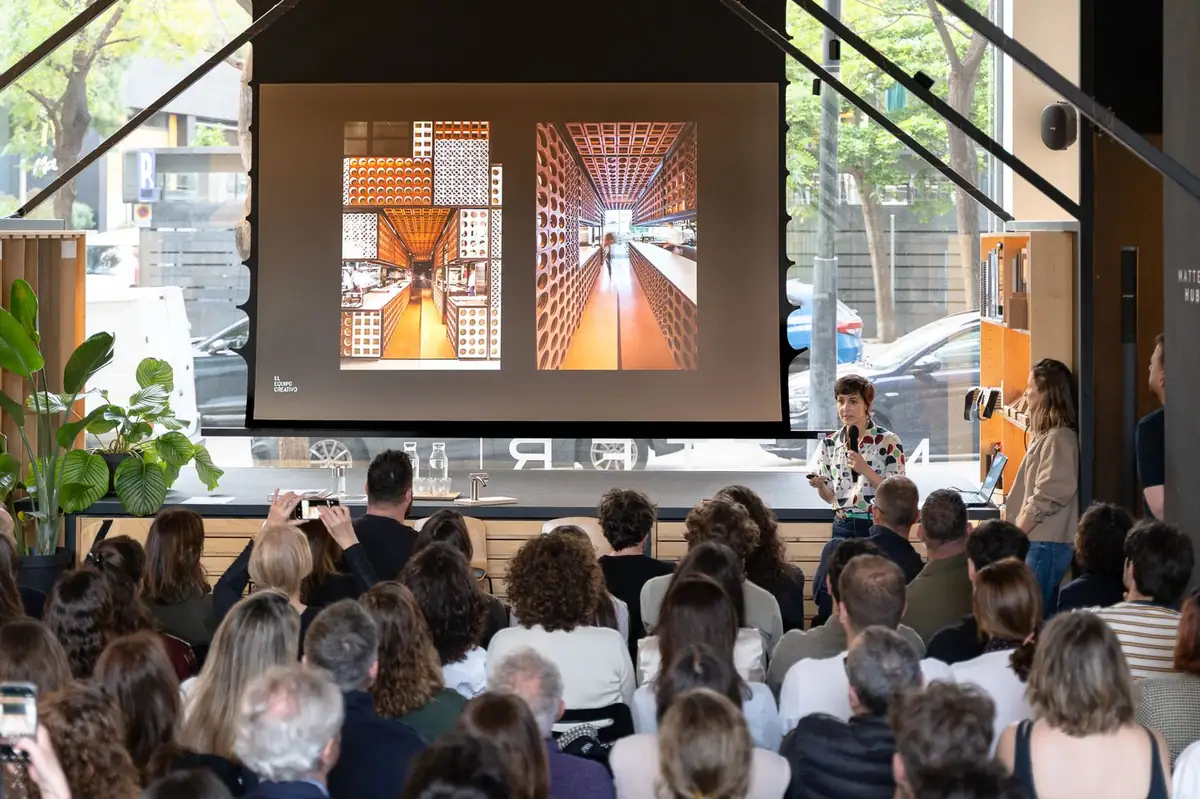
The tiles that seem to float on the ceiling of Disfrutar are not decoration: they are the spatial resolution of a ceramic concept. The suspended alabaster at Tunateca Balfegó reproduces the movement of tuna under water, and Compartir reinterprets Cadaqués. The detail does not illustrate the concept: it is the concept made material. Without that precise materialisation, the idea remains a statement; with it, the whole space breathes it.
“In projects, even simple ones, the value lies in working on the detail: the concept, the research, the materialisation and the coherence between them all.”
— Natali Canas
Gerard Sanmartí: the value of patina
A messy studio that produces highly demanding projects.
Gerard Sanmartí, who co-founded Lagranja Design with Gabriele Schiavon, gave the most disruptive talk of the evening. He framed it as a photographic report on his own studio: prototypes, samples, abandoned experiments and half-finished solutions. A messy, imperfect place that produces refined projects for clients who are after excellence. The studio moves naturally between product, interiors, temporary spaces and material research because it tries not to repeat systems from one project to the next.
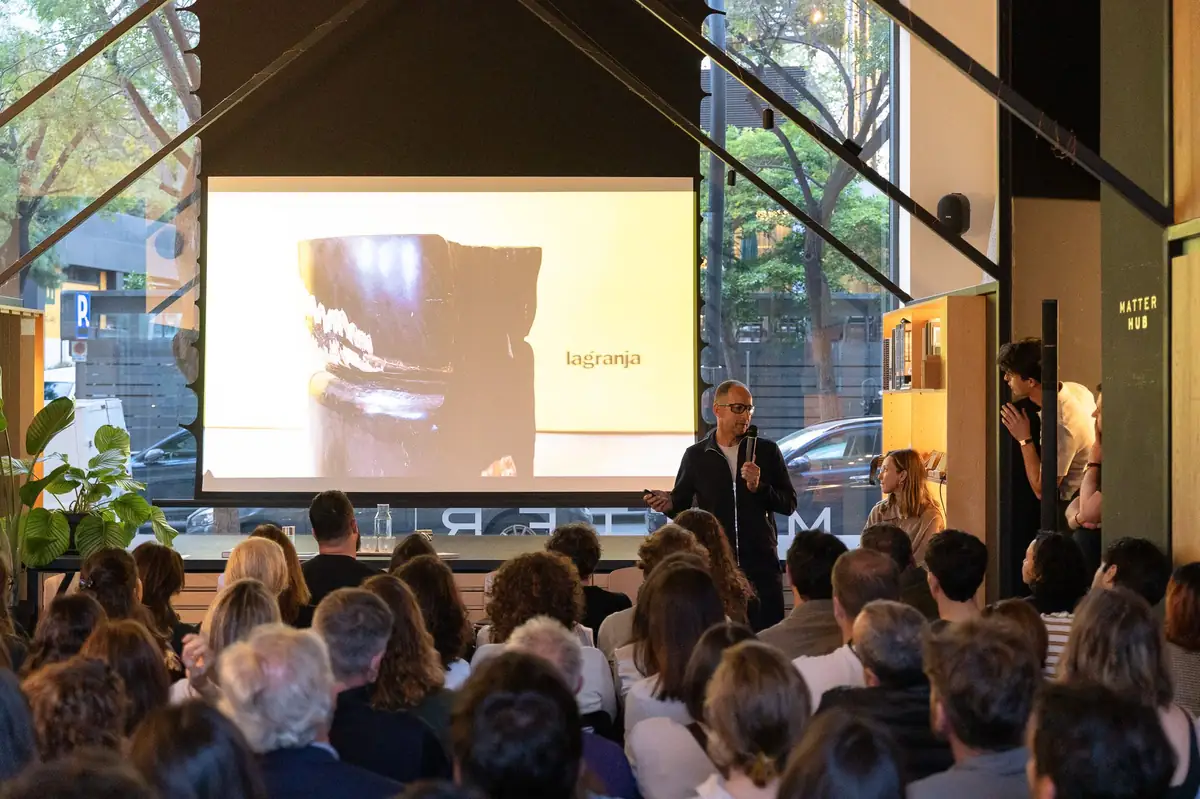
For him, the organic and imperfect side of the process is not a limitation; it is the source. And he made a convincing case for the value of patina in a sector that increasingly tends towards industrial perfection: stone stained by wine holds the memory of a conversation.
“The value that imperfect things acquire is that they have that human patina.”
— Gerard Sanmartí
Berta Josa: the detail as a network of trust
Each material comes with a family of craftspeople.
Berta Josa leads interior design at Mesura, a Barcelona studio born in the middle of the property crisis, working at small scale: interiors, refurbishment and industrial design. Since then, the detail has been part of the studio's DNA. She described it as a network of trust: the complicity of the craftspeople and manufacturers behind each material is what makes it possible to reach places that would otherwise be impossible.
She explained this through the Aesop Diagonal shop (Avinguda Diagonal, 594), conceived from the genius loci. Mesura catalogued and numbered 78 pieces of Montjuïc stone, from the only quarry Barcelona has ever had, now closed: fragments of demolished 19th-century buildings that the Barbany family of stonemasons had kept for decades. The family lent them on one condition: if the shop ever closes, the pieces go back to their owners. The project was named interior project of the year at the Dezeen Awards 2024.
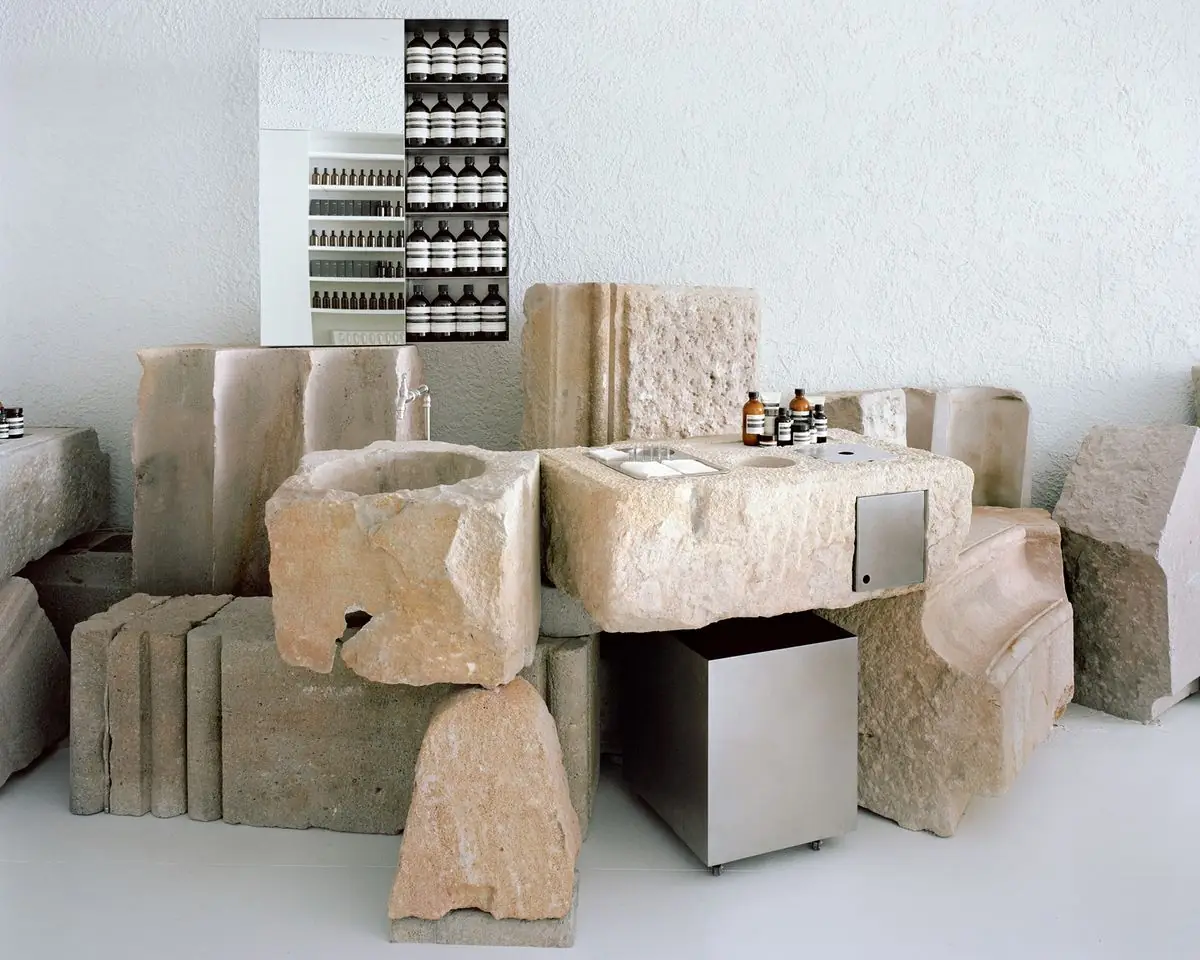
“The detail is part of the process. Working together with manufacturers and craftspeople to think through each detail is what really works.”
— Berta Josa
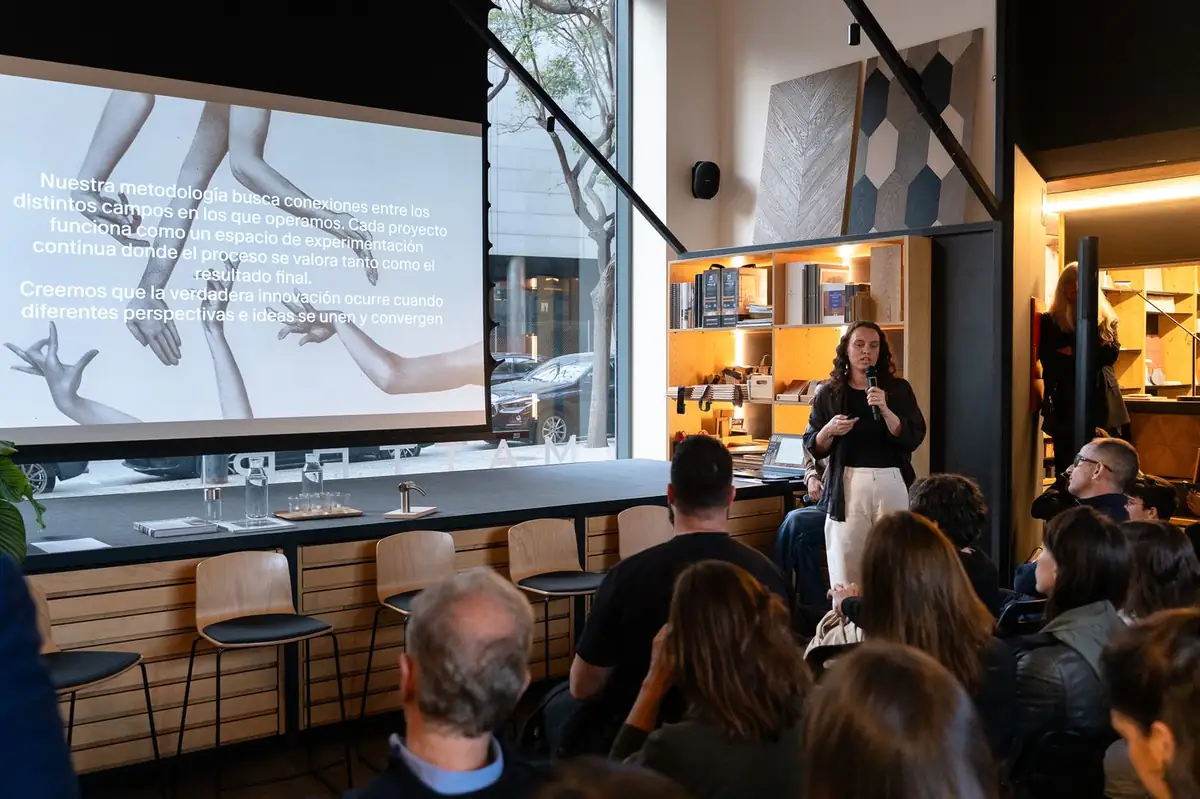
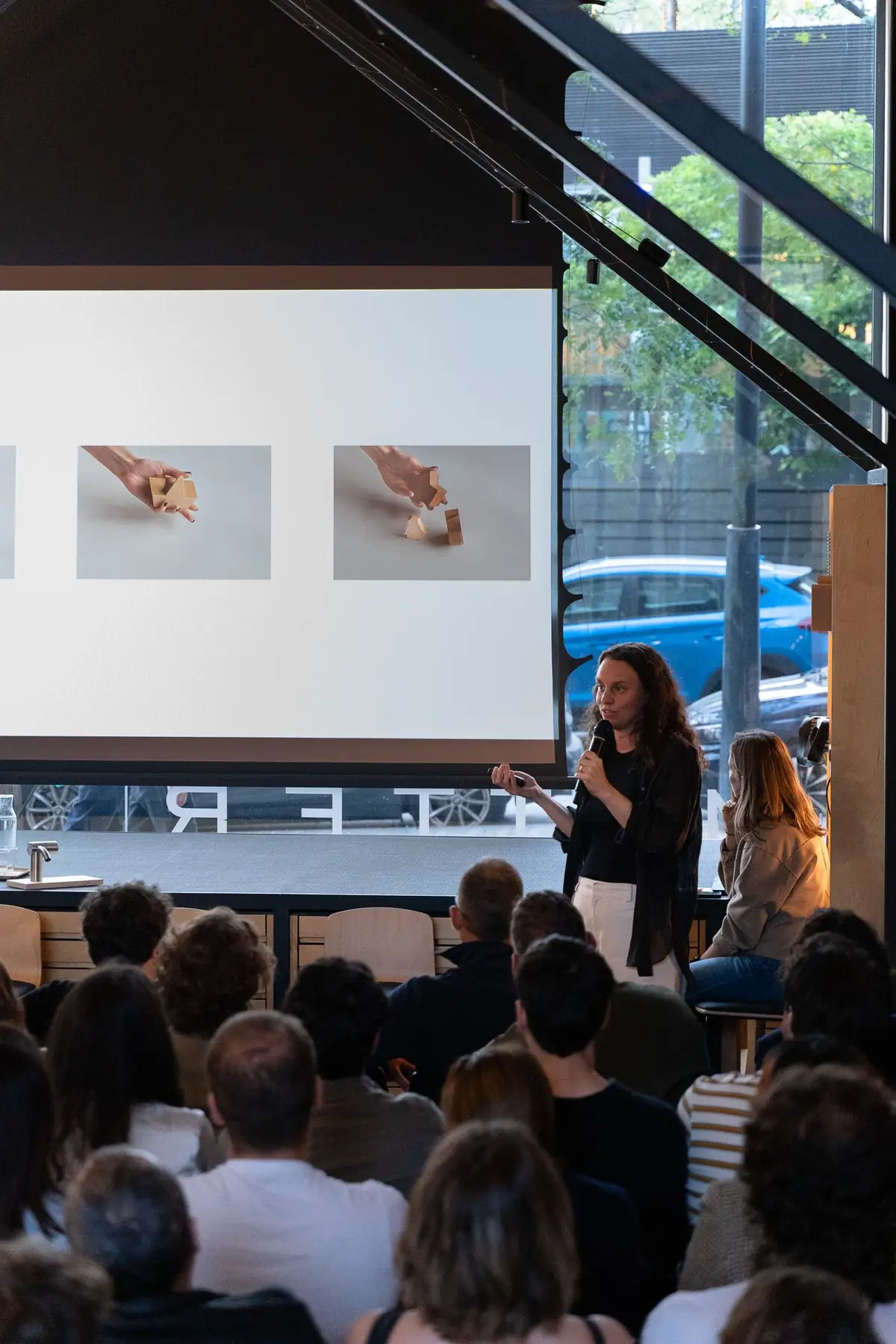
Isern Serra: materials as a map of relationships
Behind every material there is a person.
Isern Serra, who founded his interior design studio in Barcelona in 2008, presented his work through the materials at the core of his practice: board-formed concrete, joinery timber, stone, stainless steel, textiles, ceramics, vegetation, mirror and light. But what he set out was not a taxonomy of resources but a map of human relationships: each material comes with a network of craftspeople who, over time, have become family.
He illustrated it with specific details: a stainless steel staircase that fits to the millimetre, cushions in metallic fabric that evoke filled pasta, or a tap conceived with the manufacturer on site. Vegetation is not added at the end: it is part of the project from the outset. The detail goes as far as it needs to because there are people willing to take the plunge with you.
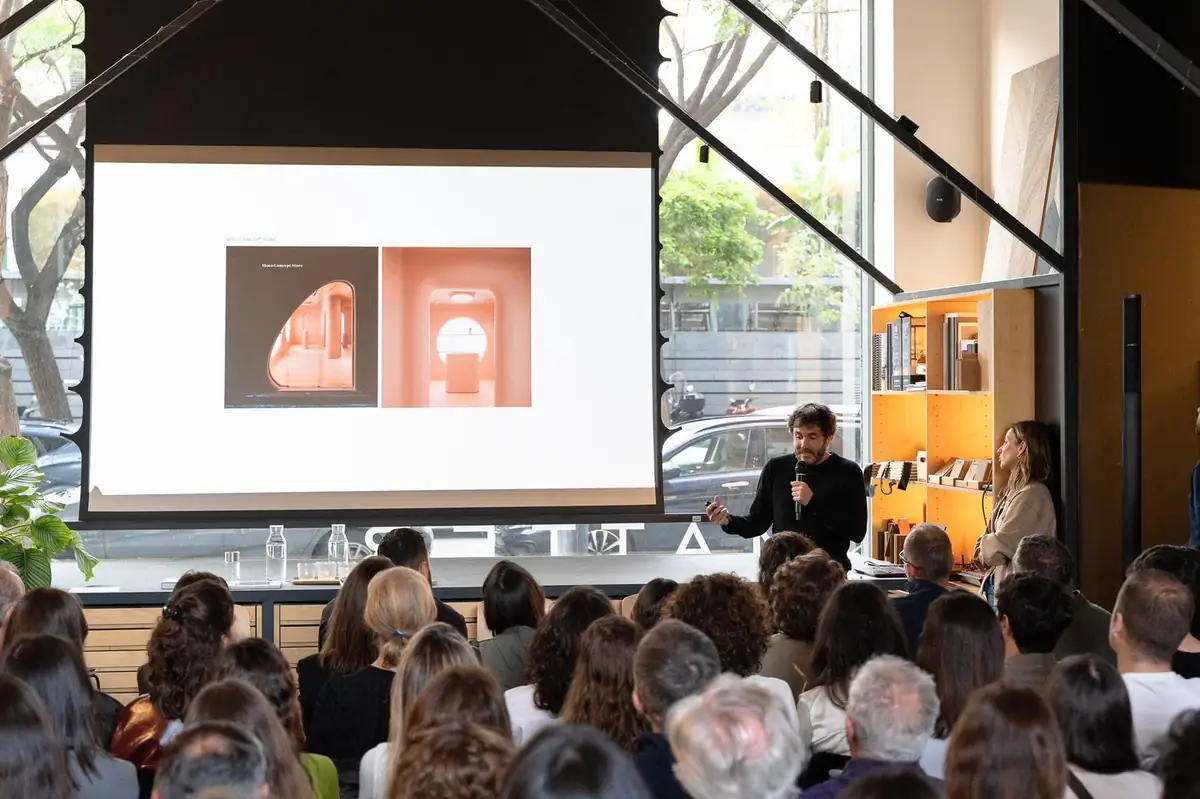
“There are points of detail that are very hard to achieve unless you have someone alongside you —craftspeople, manufacturers.”
— Isern Serra
Round table: the non-negotiable detail
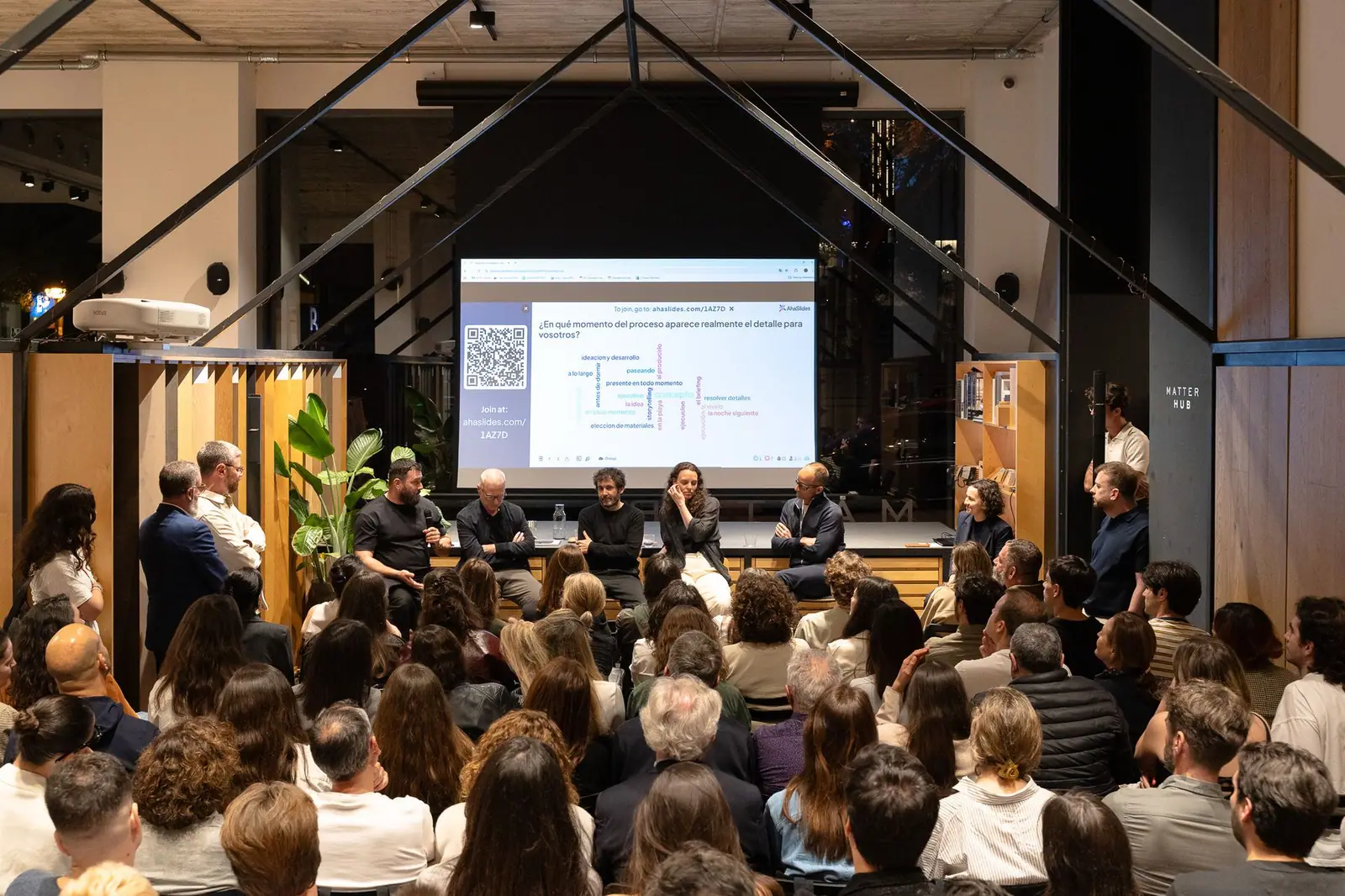
After the five talks, the speakers sat down for a conversation, and the audience took part live, answering from their phones questions such as this one: when the project comes up against real limits —budget, time or construction—, how do you decide which detail is non-negotiable? From industrial design to interiors, they agreed that the detail, technical or aesthetic, is not a finish but what gives a project its meaning, and that it is rarely resolved alone.
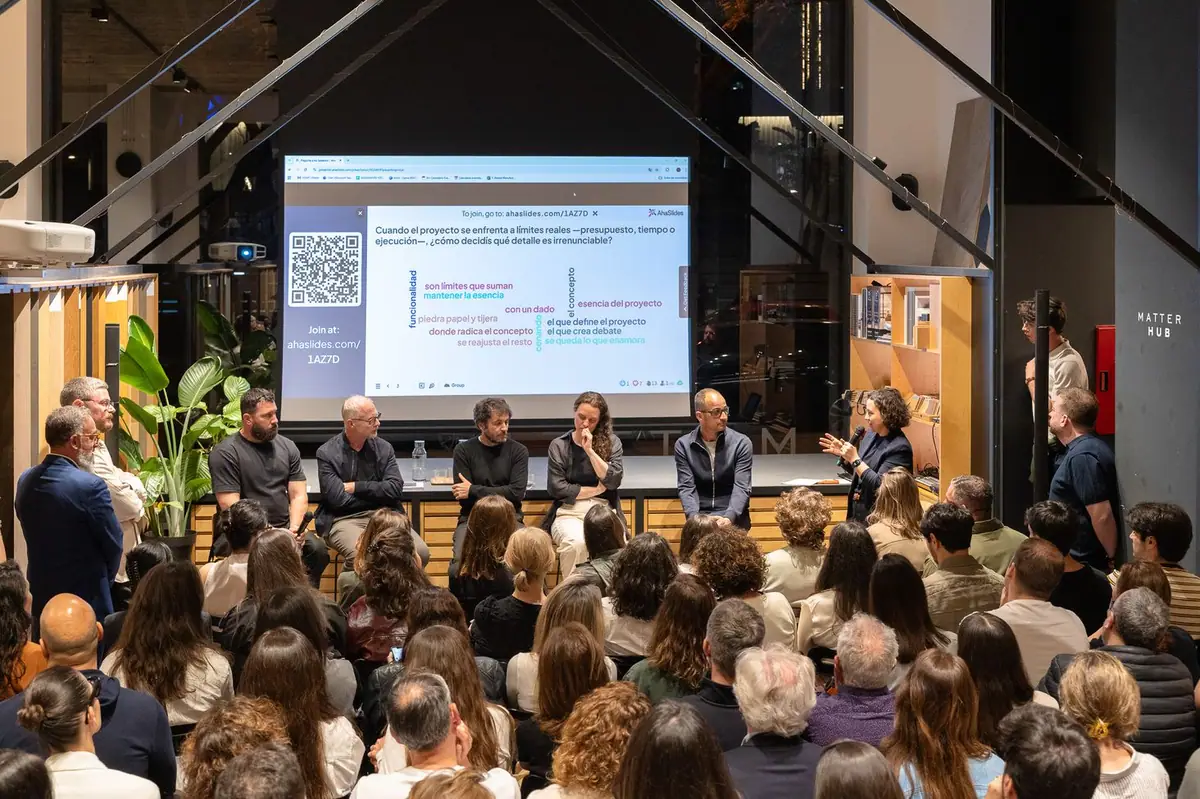
This led to one of the most forceful conclusions of the evening, shared by Oliver Franz Schmidt of El Equipo Creativo: “If you have to change the detail that gives meaning to everything, then it is better to change the concept.”
To close, each speaker shared someone else's detail that had made an impression on them. A wide range of references emerged: the way Coderch understood life through architecture; Carlo Scarpa's ability to bring the detail to absolutely everything; the grand gestures of infrastructure engineering, able to resolve an entire project with a single stroke; or the perforations on the Braun devices designed by Dieter Rams in the 1960s. Different scales and disciplines, one common idea: the detail defines a project.
Conclusions of the session
- The detail is the concept: it does not illustrate the project's idea, it makes it possible; without it, many projects would be interchangeable.
- Limitation gives identity: a technical problem, such as a poorly resolved diverter, can be the origin of an entire collection.
- No one gets there alone: the most demanding details depend on craftspeople and manufacturers who accompany the project from the start.
- Imperfection adds value: patina and the ageing of materials are also part of the design.
- Some details are non-negotiable: if the one that gives the project its meaning cannot be kept, it is worth revisiting the concept.
Quadro Design, sponsor of the event
The session was sponsored by Quadro Design, an Italian family-owned tap manufacturer based in San Maurizio d'Opaglio (Novara), on the shores of Lake Orta. The Magistro family has been making taps since 1978, and the QuadroDesign brand has been operating since 2001, led by Enrico and Elena Magistro, using AISI 316L stainless steel for its bathroom collections. According to the manufacturer, the material needs no chrome plating or polluting coatings and is recyclable at the end of its life. The company works with external designers such as Philippe Malouin, author of HUM, the collection it presented at this edition.

If you want to continue the conversation, visit the Materioteca at Matter Barcelona to explore materials and finishes with our team and keep up to date with upcoming Talks That Matter sessions.