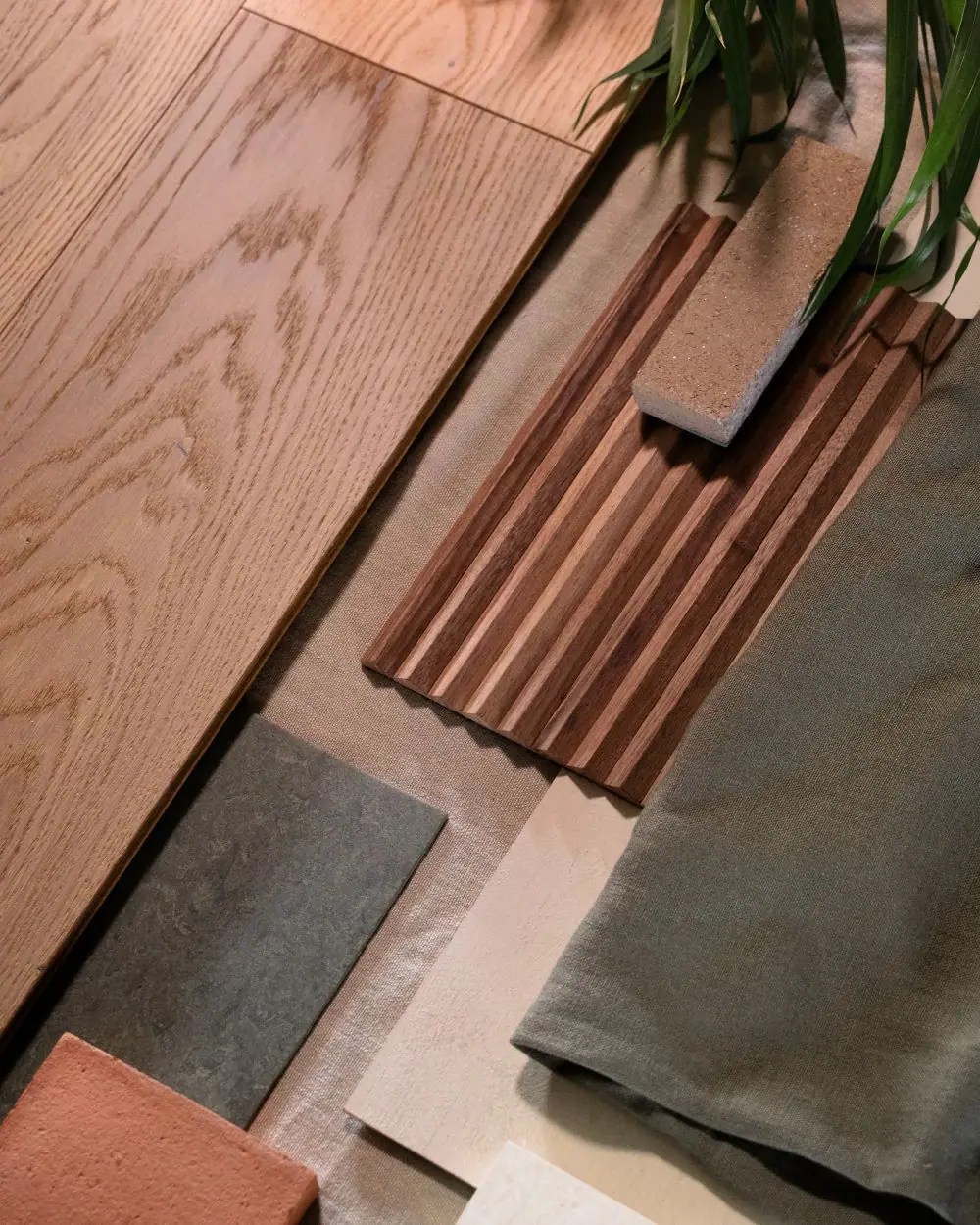
The Colli collection, brushed surfaces that connect with your senses
Colli by Noesis: two-layer brushed oak parquet in eleven finishes, with its formats, wood grades, laying patterns and use over underfloor heating.
Products7 min read
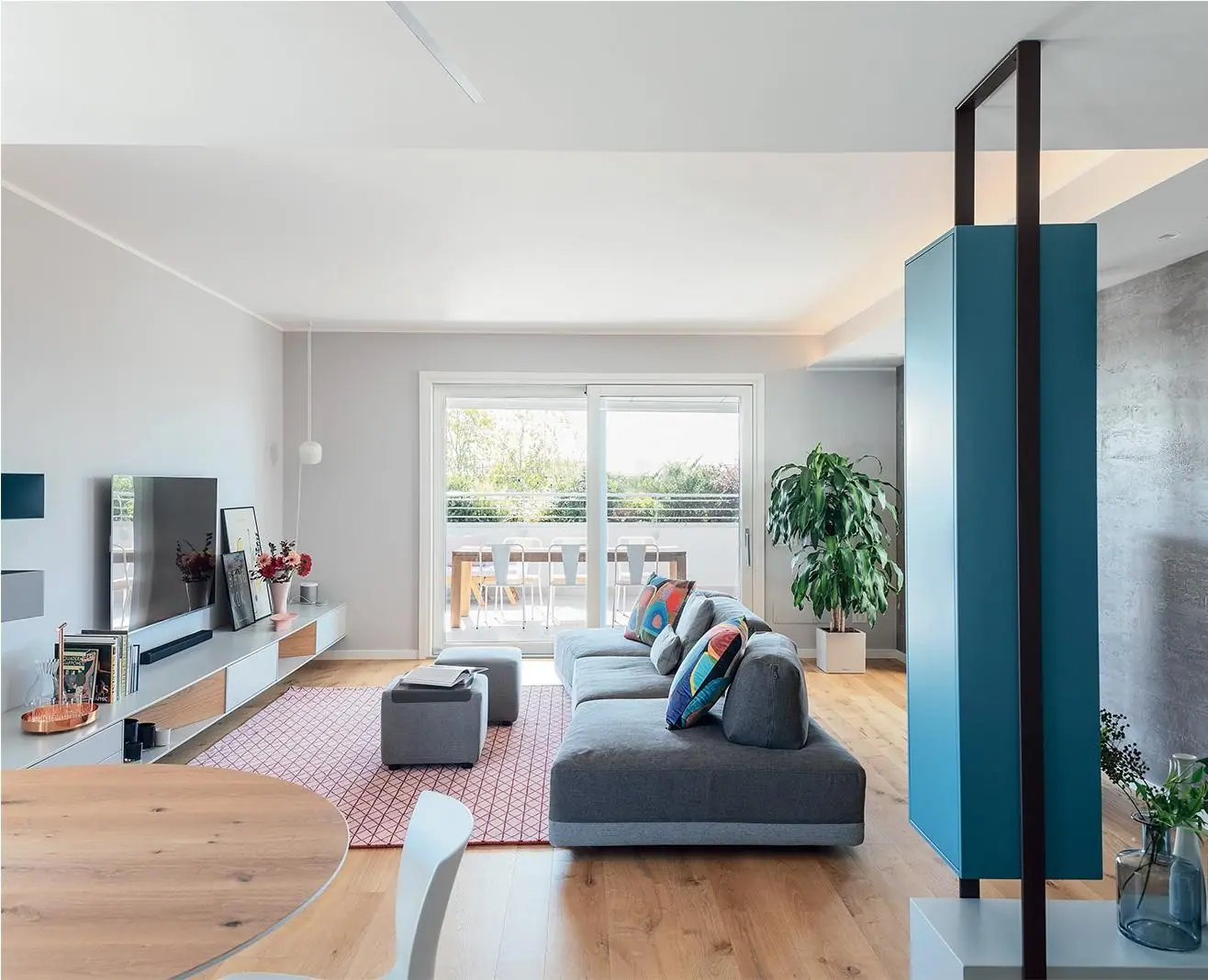
Colli is a collection from the Italian parquet brand Noesis that sets out to emphasise a selection of natural oak tones. Its look is warm, it adds value to a space and it combines well with countless decorating options. Their common feature is the brushed surface, which brings out the grain of the wood and makes it pleasant to the touch.
In this article we look at the collection as Noesis presented it in 2021: how this two-layer parquet is constructed, its formats, the eleven oak finishes, the wood grades, the laying options —including the Hungarian point— and what to bear in mind when laying it over underfloor heating.
Colli: oak with a natural effect
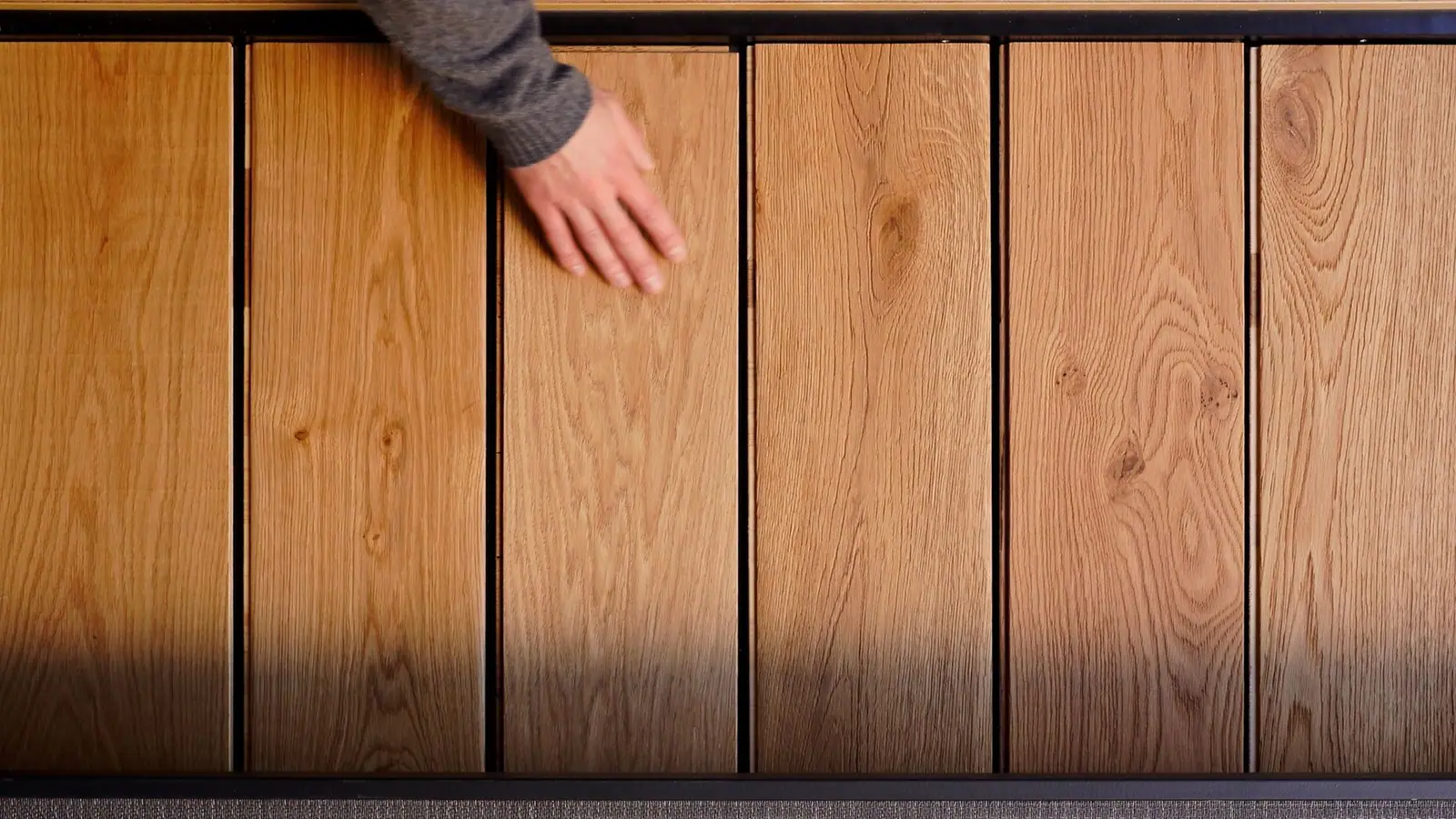
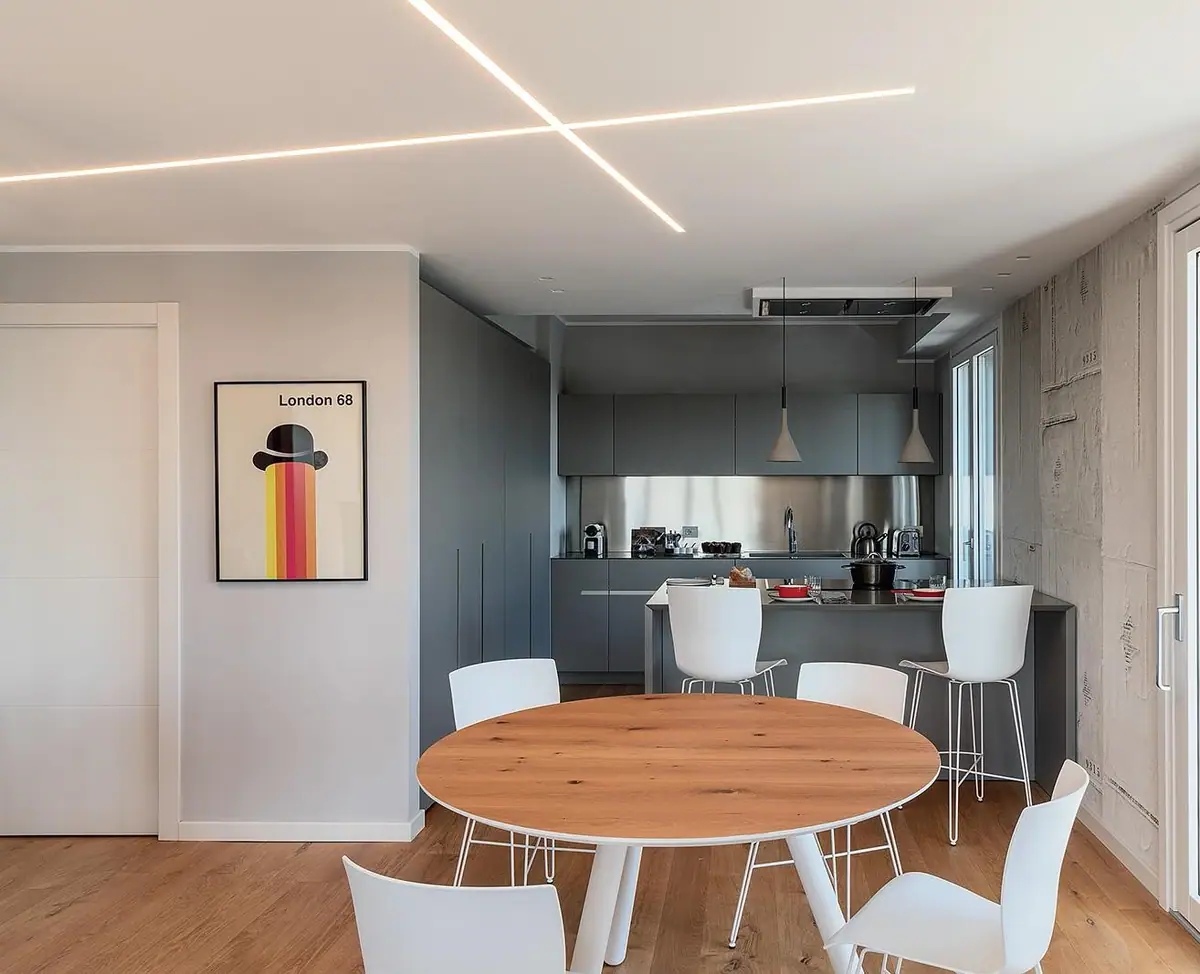
Noesis defines Colli as a series of oak planks and strips with colour variations and flamed grain, showing all the nuances of natural wood. The tones are simple and delicate, with a finish the brand calls “natura effect” that adapts to very different interior styles. The brand itself compares the grain pattern to a succession of lines, like a horizon of hills.
Parquet is a durable floor and wood a noble, renewable material: it brings warmth and comfort, both thermal and acoustic, to interiors. In the case of Colli, the oak is brushed and protected with varnish, and each finish is distinguished by the colour treatment it receives.
Construction and formats
Colli is a two-layer parquet. The oak wear layer, 3 or 4 mm depending on the format, rests on a multilayer birch backing with phenolic film, which compensates for the movement of the wood and gives the piece stability. In 2021 the collection was made in two formats: a 15 mm plank and a 10 mm strip, narrower and shorter.
According to Noesis, the plank can be glued down or floated and the strip can only be glued down. Both formats are designed to be laid over underfloor heating installations. The plank's 190 and 240 mm widths, with lengths of up to 2.4 m, make the flamed grain and the colour variations that define the collection easier to read.
Eleven brushed oak finishes
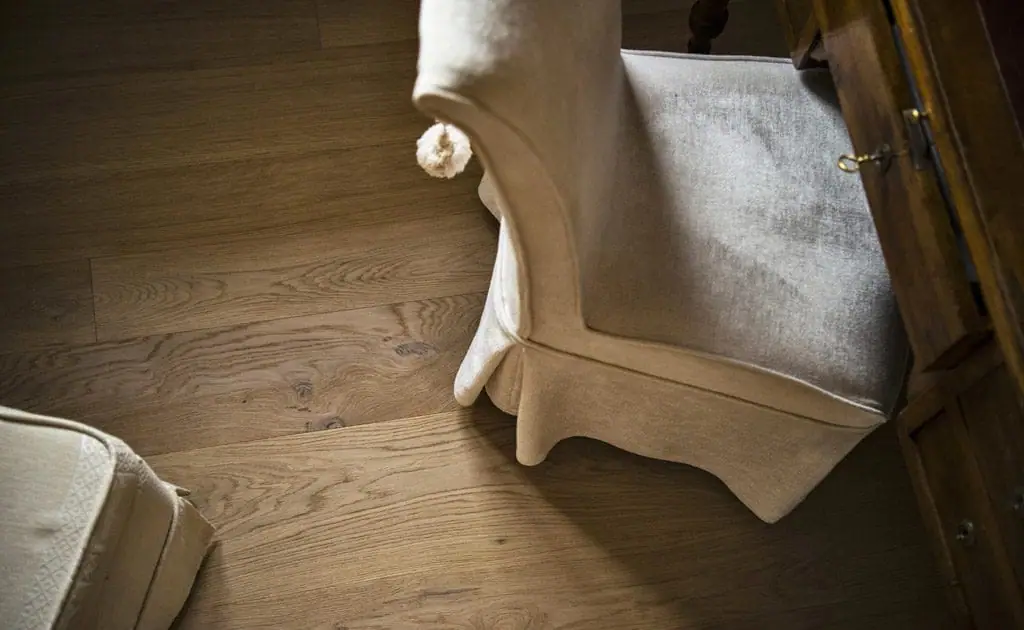
The surface is brushed in almost the entire collection. Noesis explains that brushing is done with brushes that remove the softest part of the grain and leave the hard fibre in relief: the result is a natural-looking surface that is pleasant to the touch. The oak is then protected with a coat of varnish.
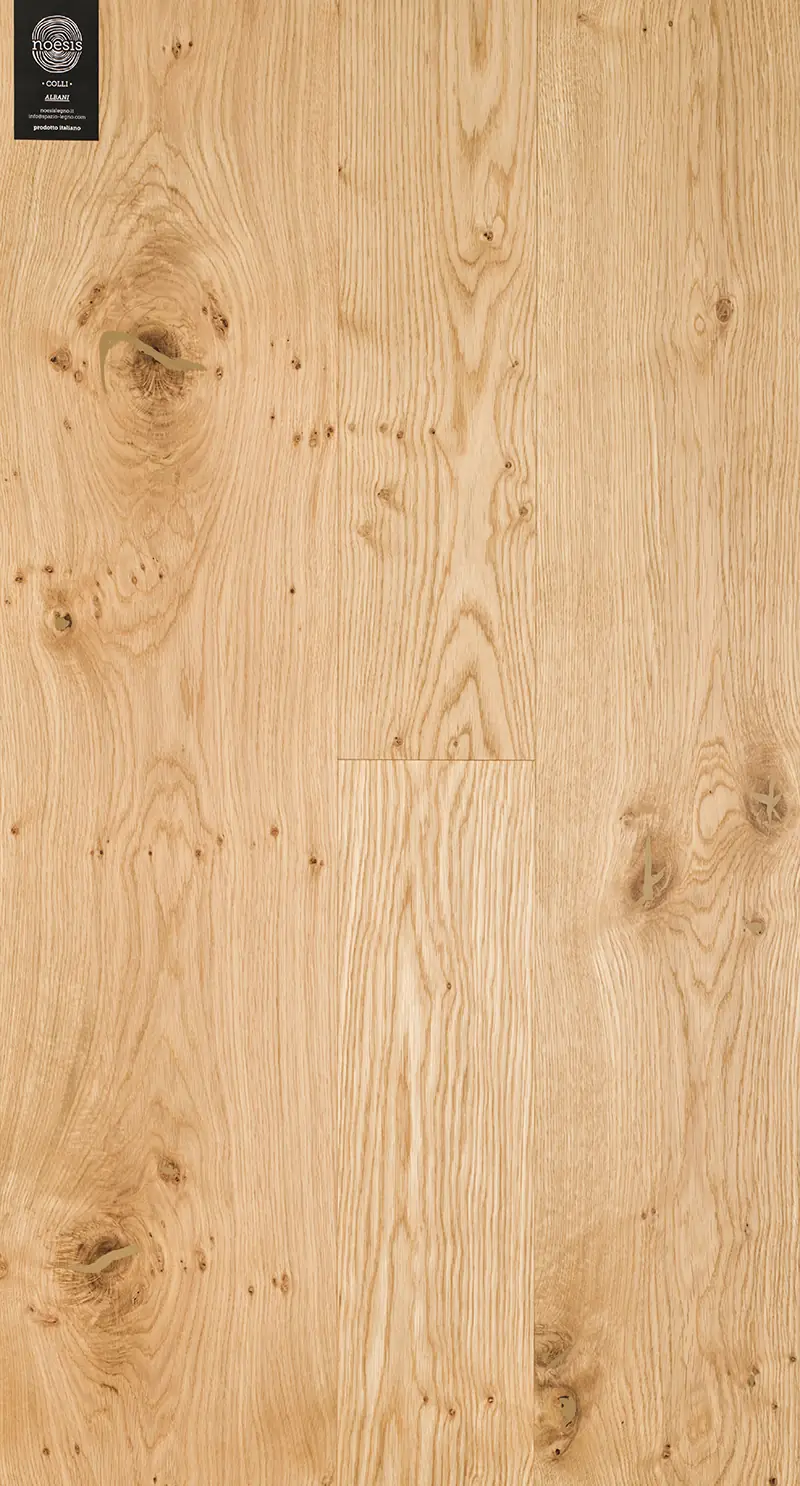
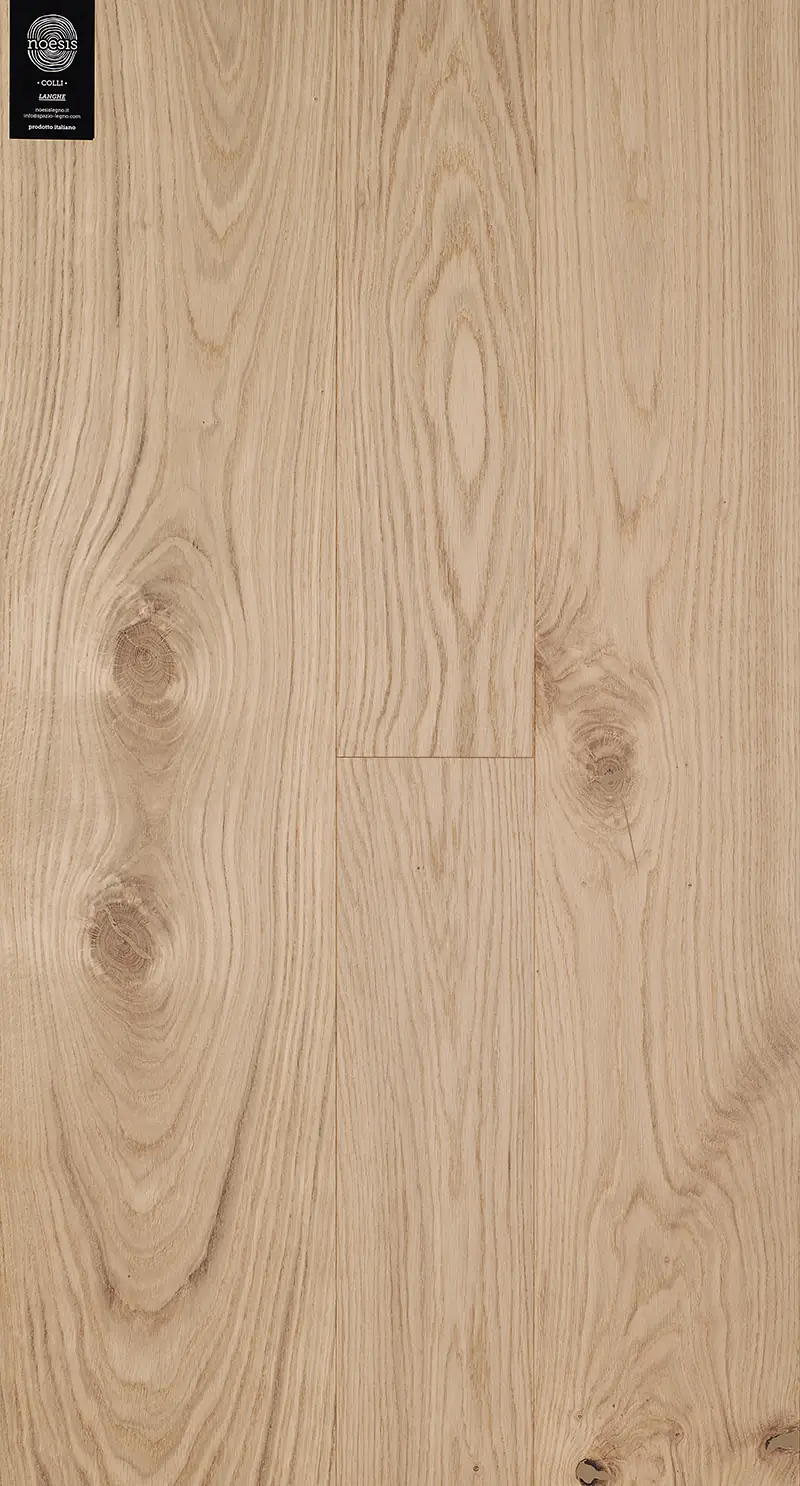
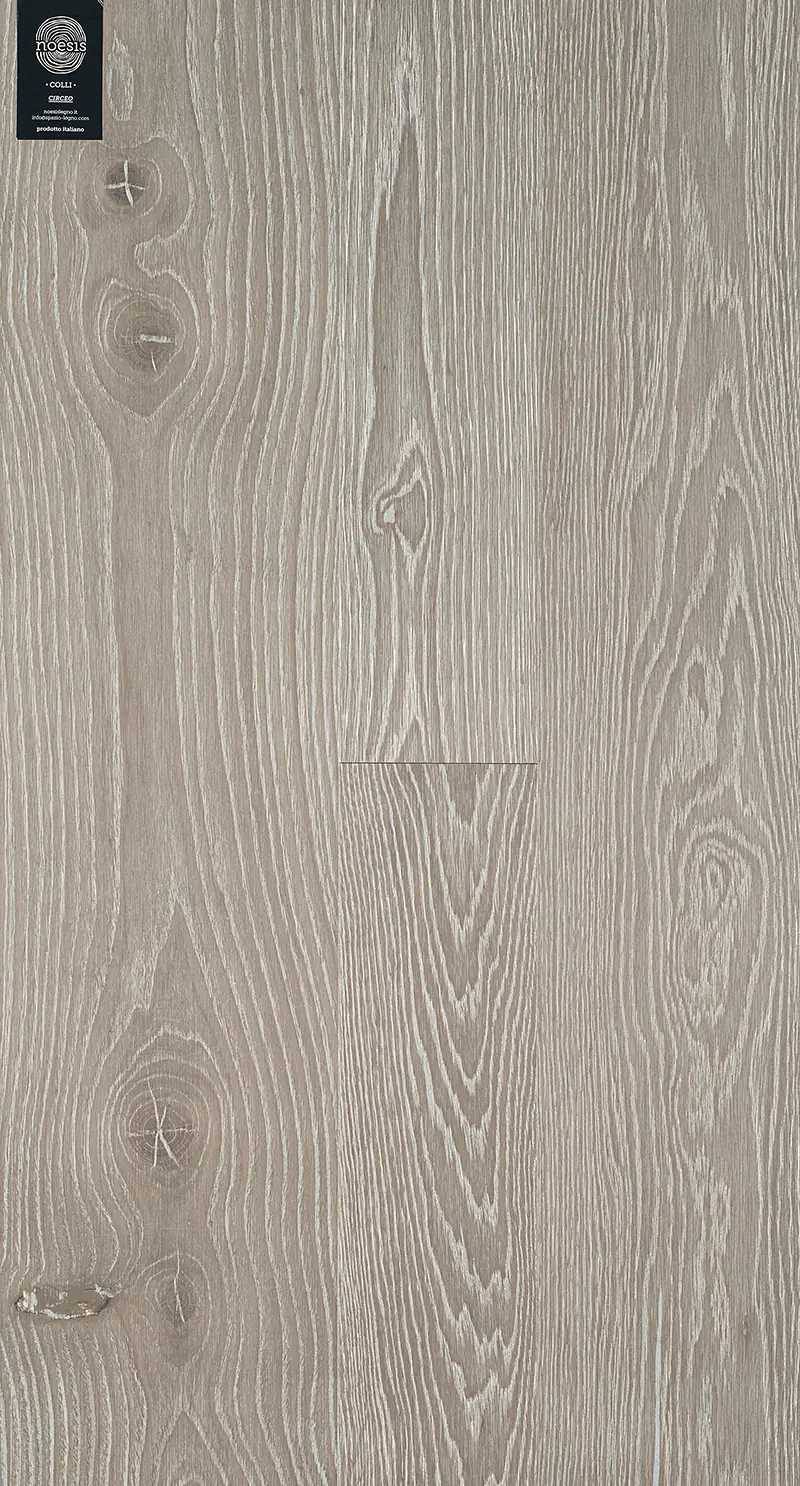
In 2021 Colli had eleven finishes, distinguished by their colour treatment: one natural (Albani), six stained, three limed —with the pores whitened, which lightens and softens the tone— and Devio, the only one not described as brushed, varnished with a raw-wood effect.
The brand itself warns that sample images are for guidance only: with stained and limed finishes, the final choice is best made on a physical sample.
Four wood grades
The family has up to four wood grades, which allow the look of the floor to be tailored: from the more uniform appearance of the top grade to a more rustic one, with knots and a range of colour tones. Noesis classifies its floors according to UNE-EN 13489 and, within the “clase libera” (free class) the standard provides for, defines its own grades:
- 1st grade: straight, deviated and flamed grain, with possible slight colour variations and small knots of up to 10 mm in diameter.
- 2nd grade: sound or properly filled knots of up to 40 mm, colour variations and possible small non-through or filled shakes.
- 3rd grade: unlimited grain, strong colour variations, filled knots of more than 40 mm, open or filled shakes and possible traces of sound sapwood or heart.
- Unica Rustica: the most rustic grade, with strong colour variations, large knots and shakes. In 2021 Noesis associated it with its Gocce line.
In practice, the higher the grade, the more the wood is perceived as a living material. As the availability of each grade may vary by finish and format, it should be confirmed with the manufacturer before the specification is finalised.
Strips, planks and Hungarian point
In addition to the classic layout of strips and planks, Hungarian point laying is also possible. In 2021 Noesis offered its two-layer oak planks as herringbone pieces with ends cut at 30° or 45°, which form the Hungarian point, and as classic 90° herringbone pieces, always glued down.
The Hungarian point traces a continuous line of chevrons and gives the space direction, while long, wide planks visually enlarge it. The herringbone pieces are much shorter than the planks (540 or 600 mm long), so the setting-out and laying direction should be defined on the drawing before the material is ordered.

Colli over underfloor heating
Noesis declares its floors suitable for underfloor heating and cooling installations, glued down or floating. The two-layer construction favours this application: the multilayer backing is more stable than solid wood in the face of changes in temperature and humidity, and the overall thickness is kept low.
The figure worth checking is the thermal resistance of the floor. According to Noesis's declarations of performance (February 2022 revision), it is 0.107 m²·K/W for the 15 mm plank and 0.072 m²·K/W for the 10 mm strip. UNE-EN 1264 sets a maximum of 0.15 m²·K/W for the floor covering, and the protocol of the Asociación Nacional de Fabricantes de Parquet (ANFP, Spain's national association of parquet manufacturers) and Uponor recommends not exceeding 0.10 m²·K/W when the system also cools.
The same protocol recommends gluing down, which improves the performance of the whole, and limiting the surface temperature of the wood floor to 27 °C in accordance with UNE 56810, never exceeding the 29 °C set by UNE-EN 1264.
Noesis and its declared performance
Noesis is the parquet brand of Spazio Legno, a company based in Scorzè (Venice). In 2021 it organised its catalogue into eight lines —Vulcani, Alpi, Dolomiti, Appennini, Colli, Rifugi, Gocce and Gemme—, all made in Italy. For specifiers, this is the performance the brand declared for Colli:
- CE marking: Noesis publishes separate declarations of performance for the Colli plank and strip, in accordance with UNE-EN 14342 for wood flooring for interior use.
- Reaction to fire Cfl-s1: according to Noesis, this class allows its floors to be used in public buildings and spaces without additional certifications.
- Emissions: formaldehyde emission class E1 in the declaration of performance and, according to the brand, compliance with CARB requirements and low volatile organic compound (VOC) emissions.
- Biological durability: class 1 according to the declaration of performance, with a pentachlorophenol content below 5 ppm.
Key points for specifying Colli
Before settling on a finish from the collection, it is worth checking these points:
- Format and laying: the 15 mm plank can be glued down or floated; the 10 mm strip and the herringbone pieces can only be glued down.
- Underfloor heating: compare the declared thermal resistance of the chosen format with that required by the heating and cooling design, especially if the system also cools.
- Grade: define the wood grade according to the character you are after, from more uniform to more rustic, and confirm its availability for the chosen finish.
- Physical sample: with stained and limed finishes, decide on a real sample and in the light of the space.
- Setting-out: for Hungarian point or herringbone, define the laying direction and the perimeter edging on the drawing.
Frequently asked questions
- What does it mean that Colli is a two-layer parquet?
- That each piece has two layers: a 3 or 4 mm oak wear layer, the one you see and walk on, and a multilayer birch backing with phenolic film. This construction gives more stability than solid wood and makes it easier to lay over underfloor heating.
- Can Colli be laid over underfloor heating?
- Yes, according to Noesis. The 15 mm plank can be glued down or floated and the 10 mm strip glued down. Their declared thermal resistances (0.107 and 0.072 m²·K/W) are below the maximum of 0.15 m²·K/W set by UNE-EN 1264.
- What is the difference between stained and limed finishes?
- In stained finishes the oak receives a stain that changes its tone. In limed finishes the pores of the grain are whitened, so the grain is picked out in a lighter tone and the whole is lightened. In Colli, Circeo, Cinto and Berici are limed.
- Is the Colli collection still available?
- Colli is still on Noesis's website, but with a revised range: some finishes and formats have changed from those described here. Check the current technical data sheet before specifying.
At Matter we help you choose the right wood floor for each project: format, finish, laying system and relationship with the other materials. Come to our material library to compare materials and finishes with your technical team.
Book your visit to Matter.
Book a visit