Paisatge i Matèria
Jordi Barri (BARRI studio) and Formma bring landscape and limestone together at Matter Barcelona: living territories, water, time and local material.
EventsMatter Session7 of 78 min read
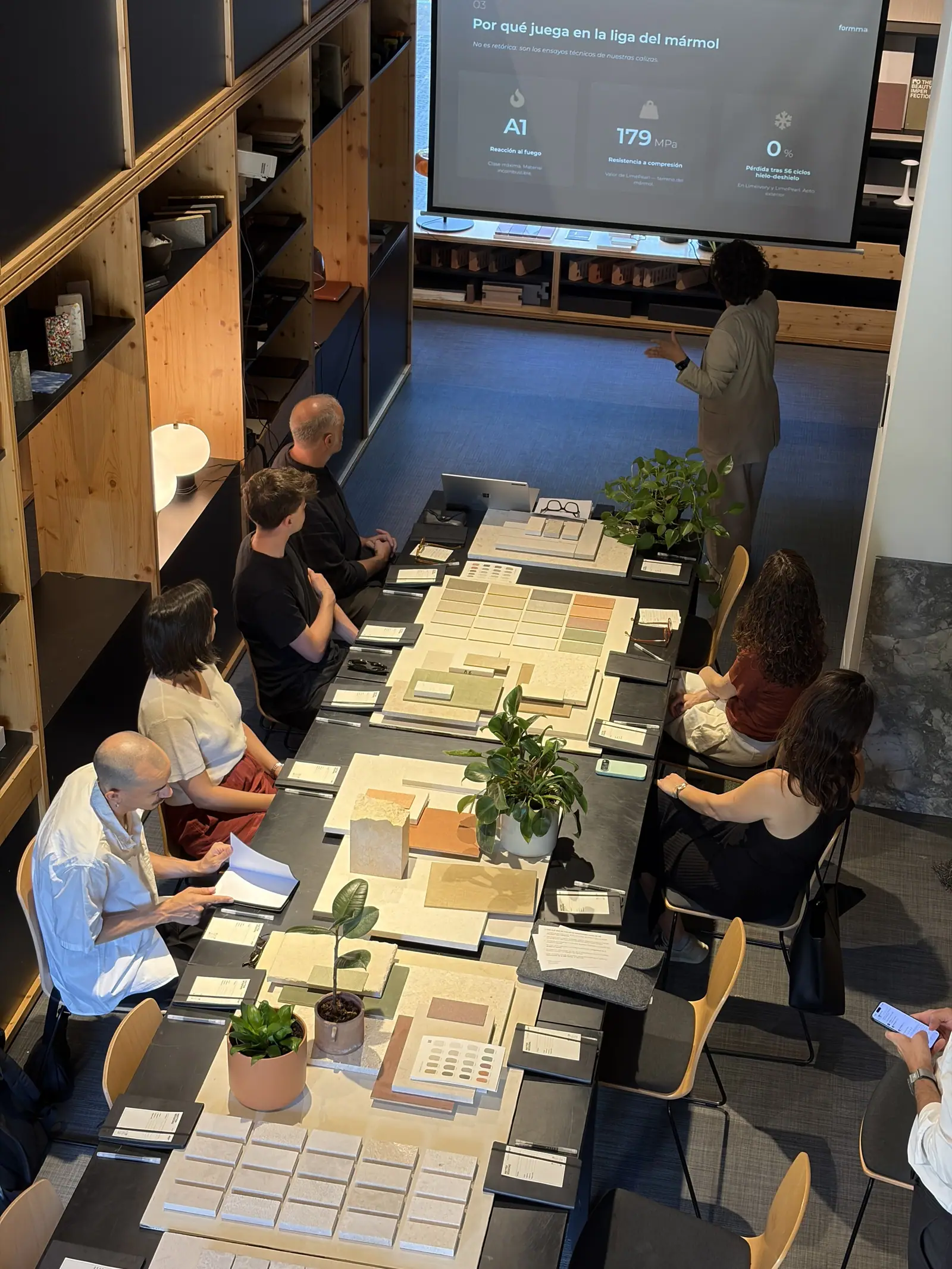
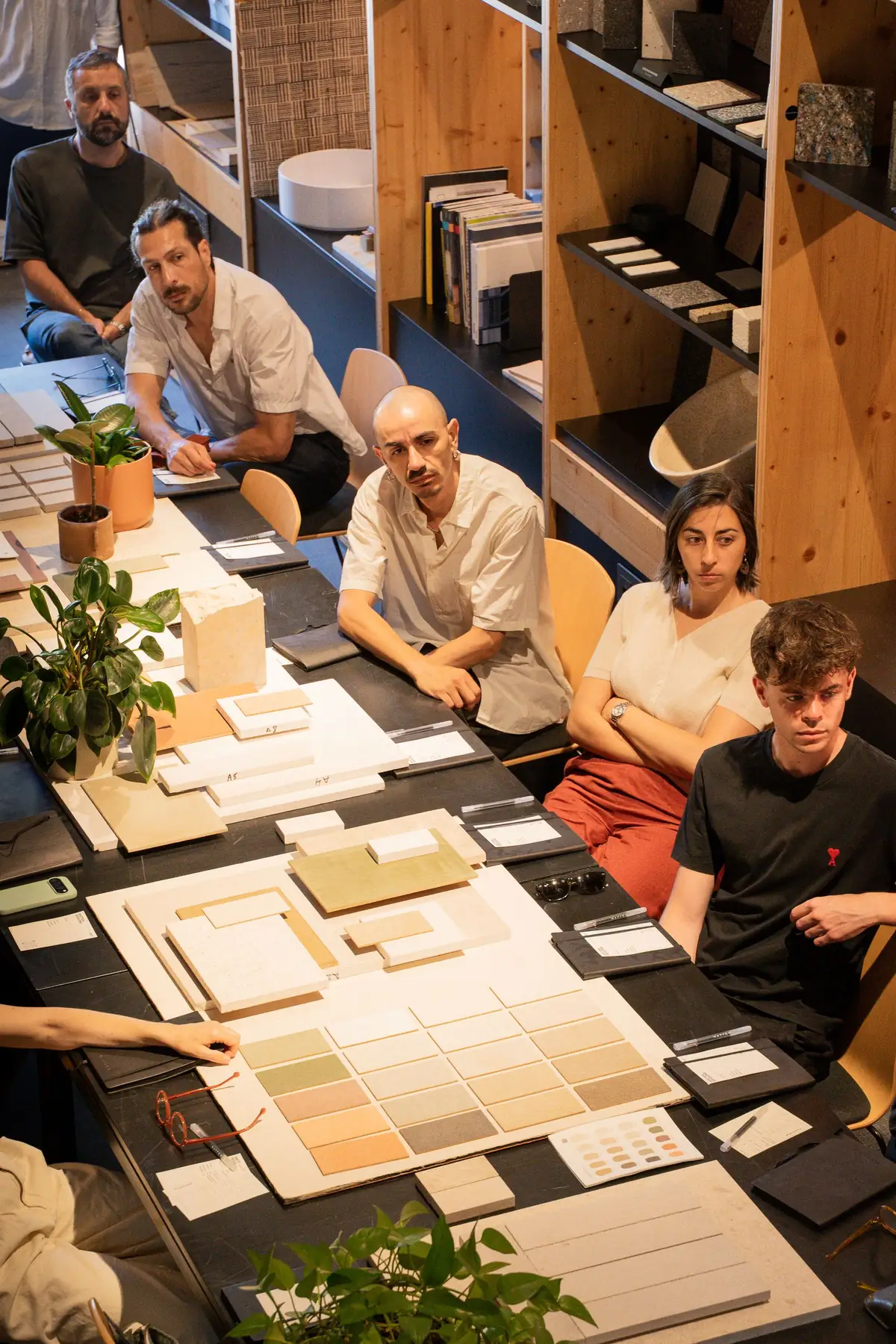
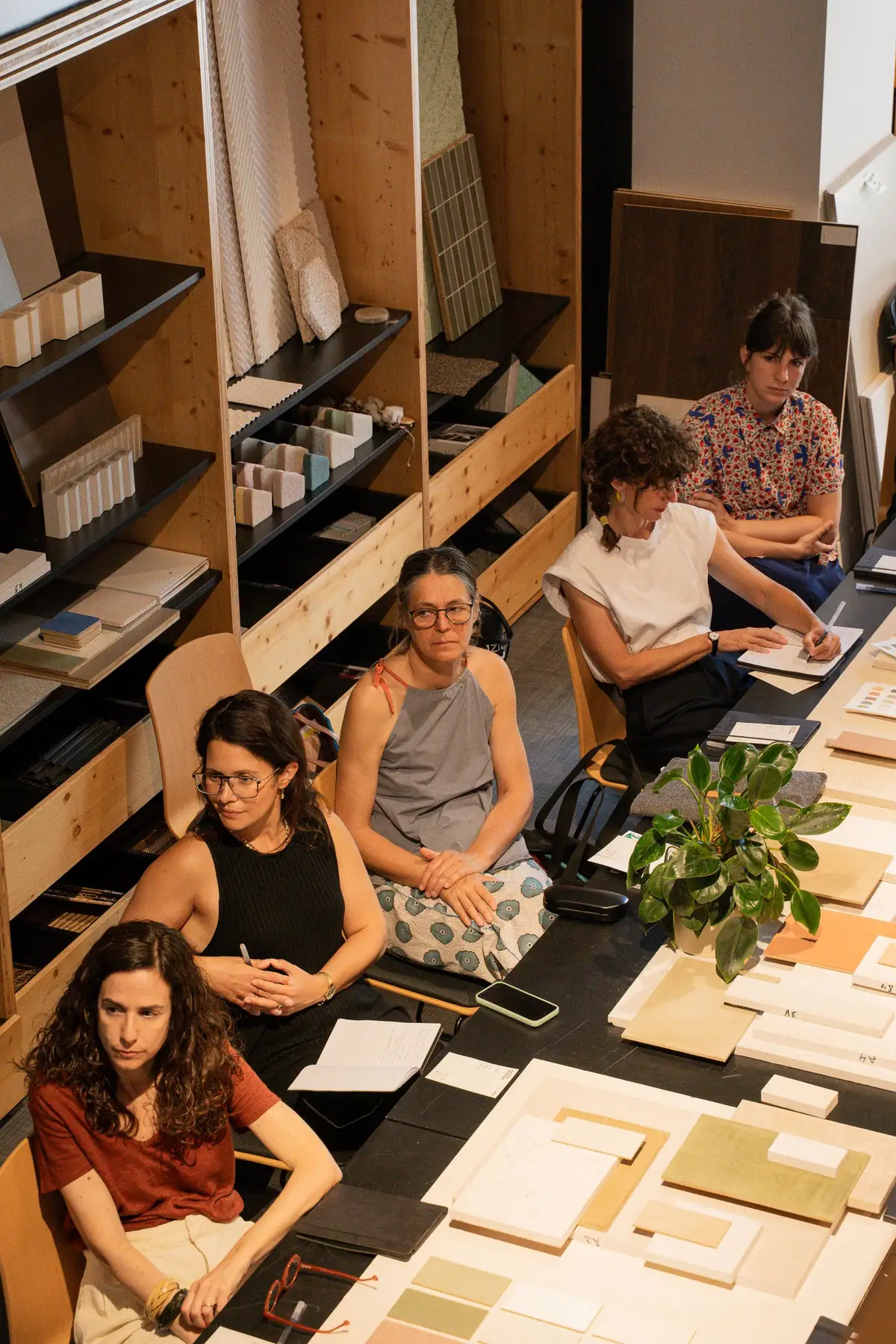
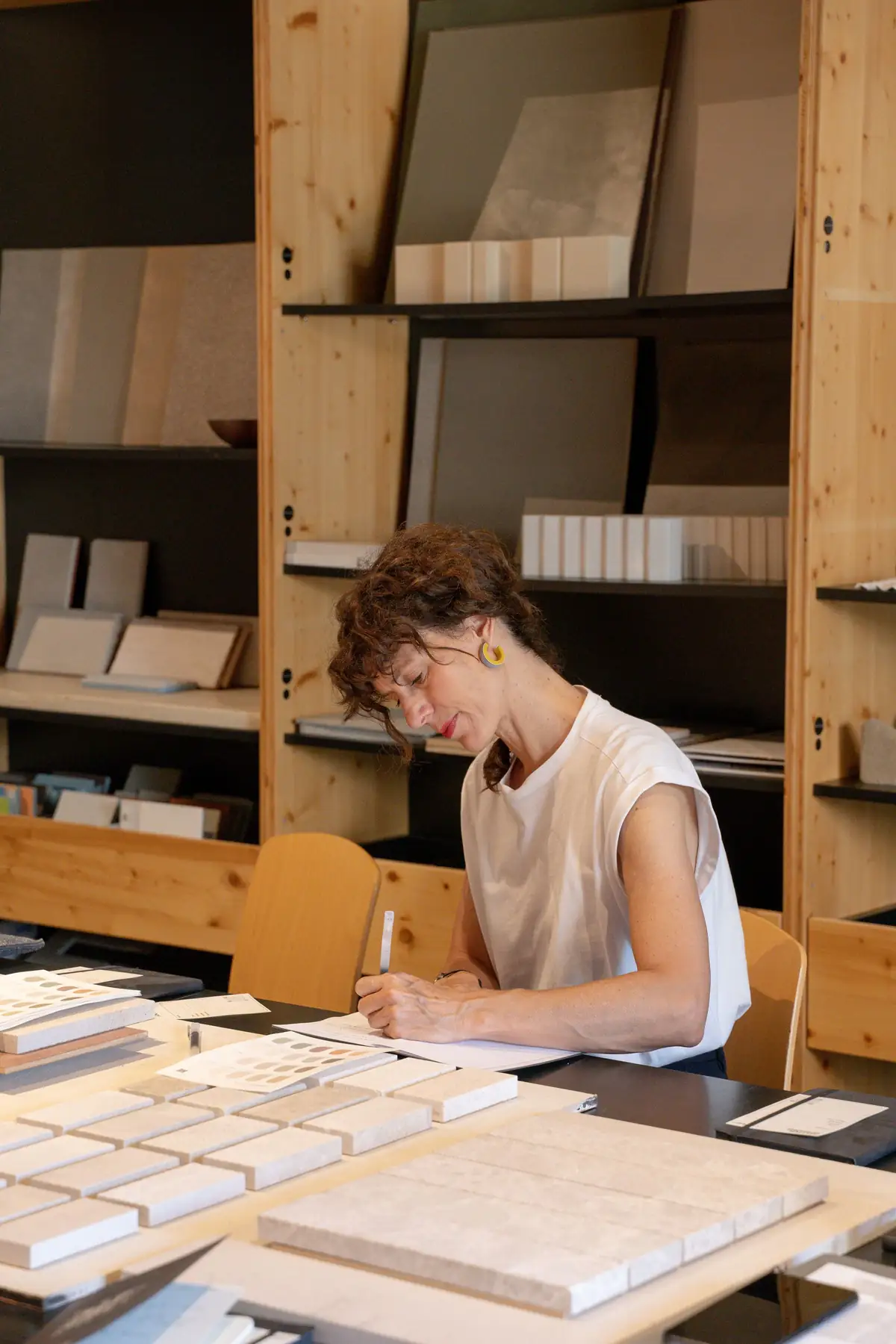
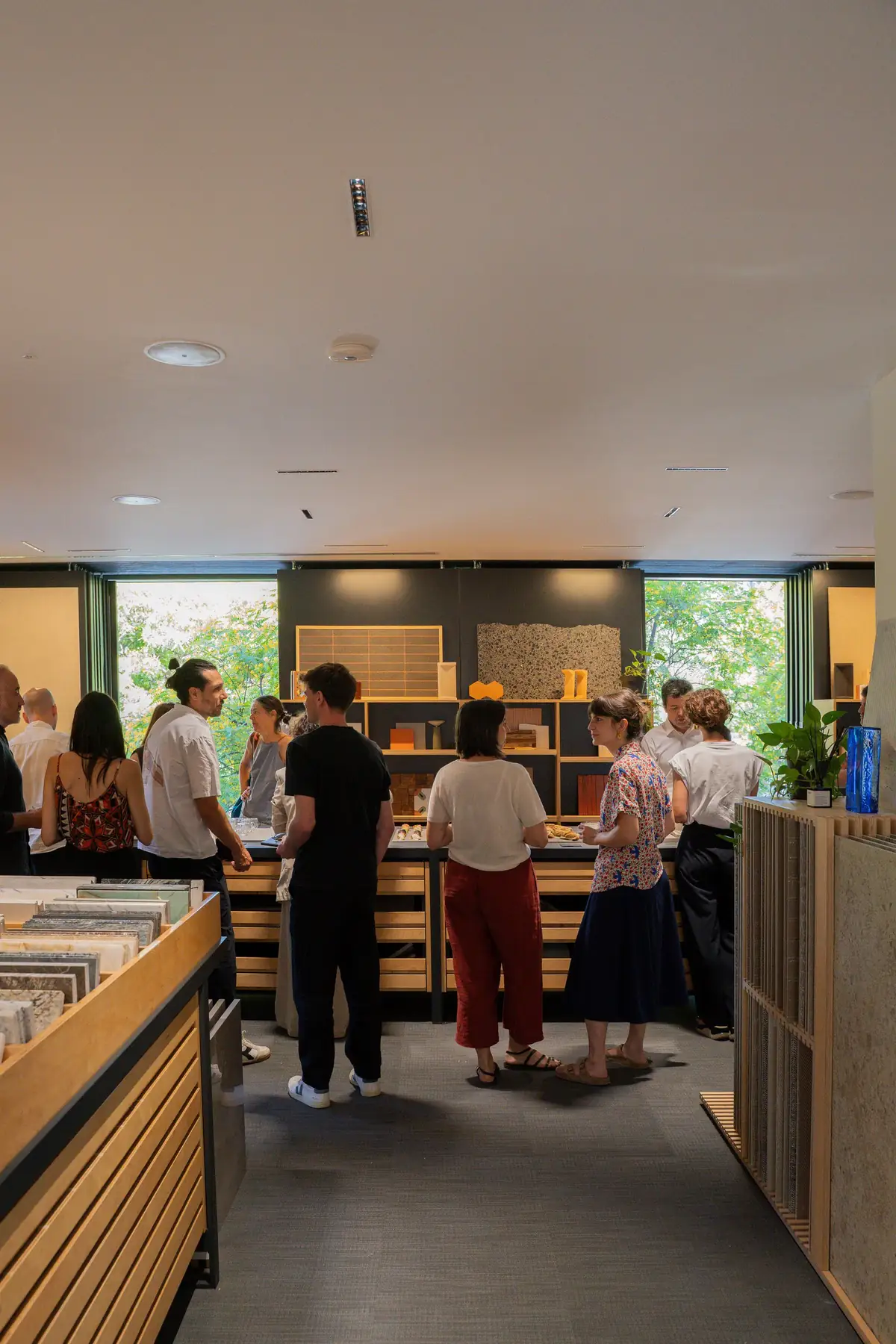
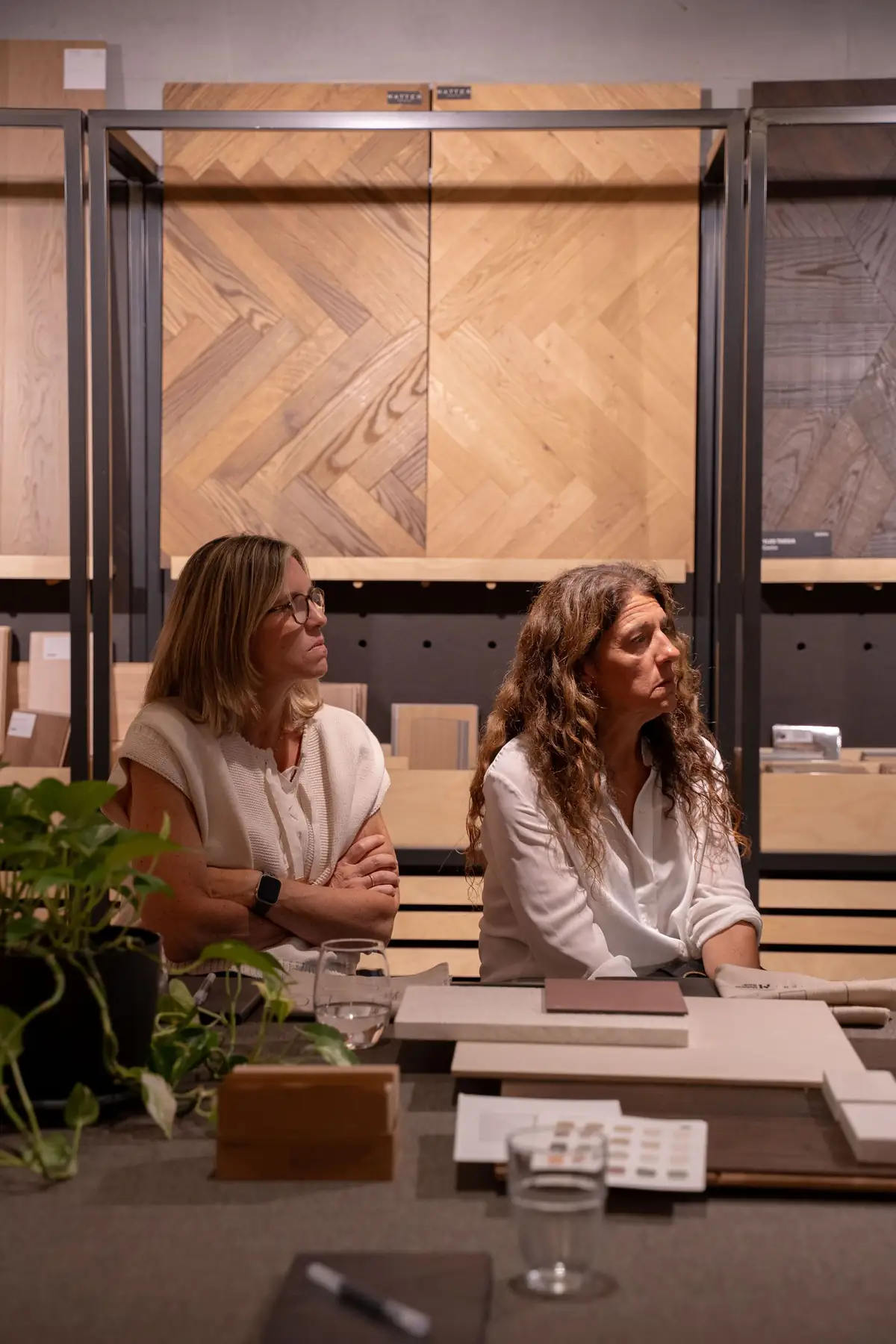
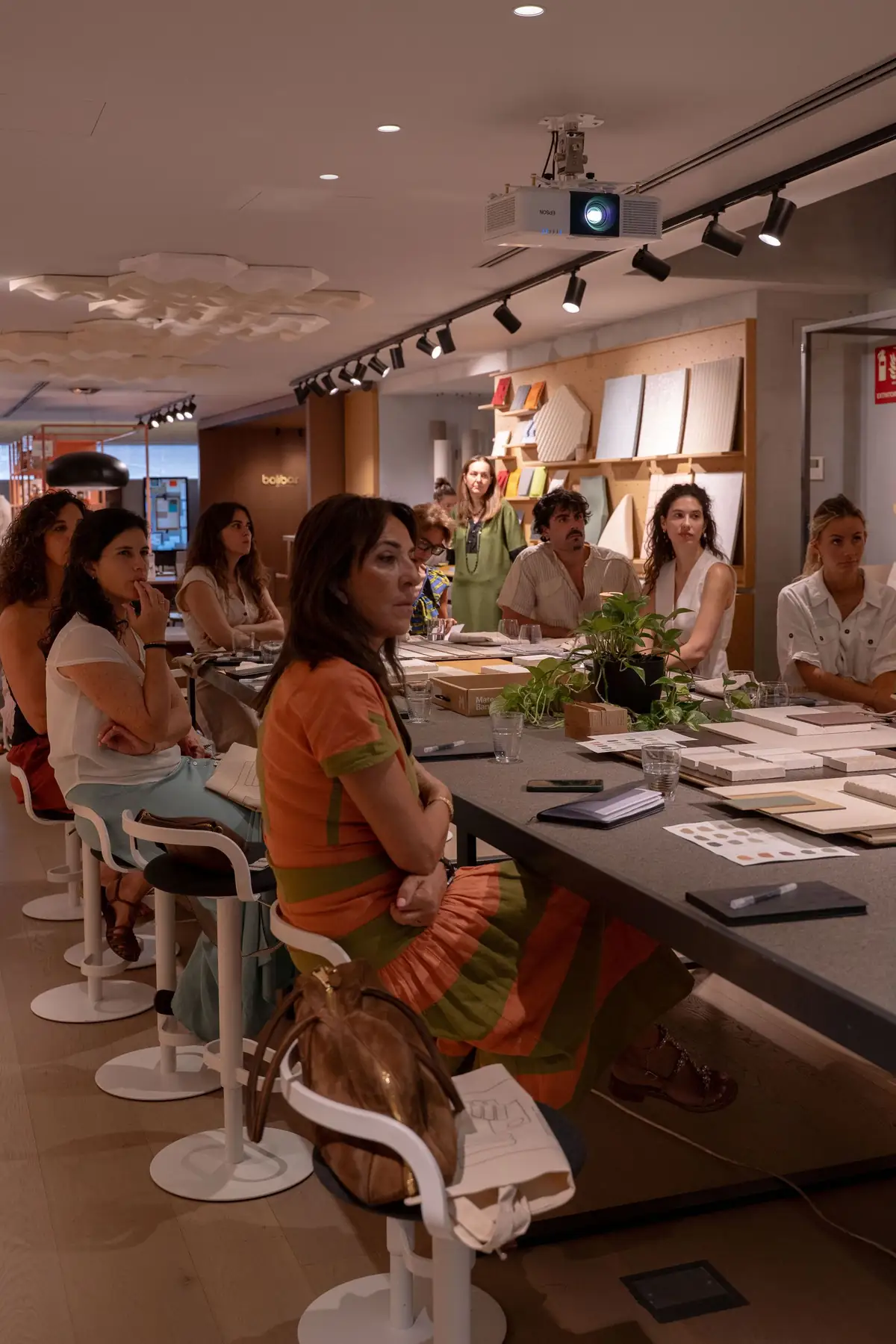
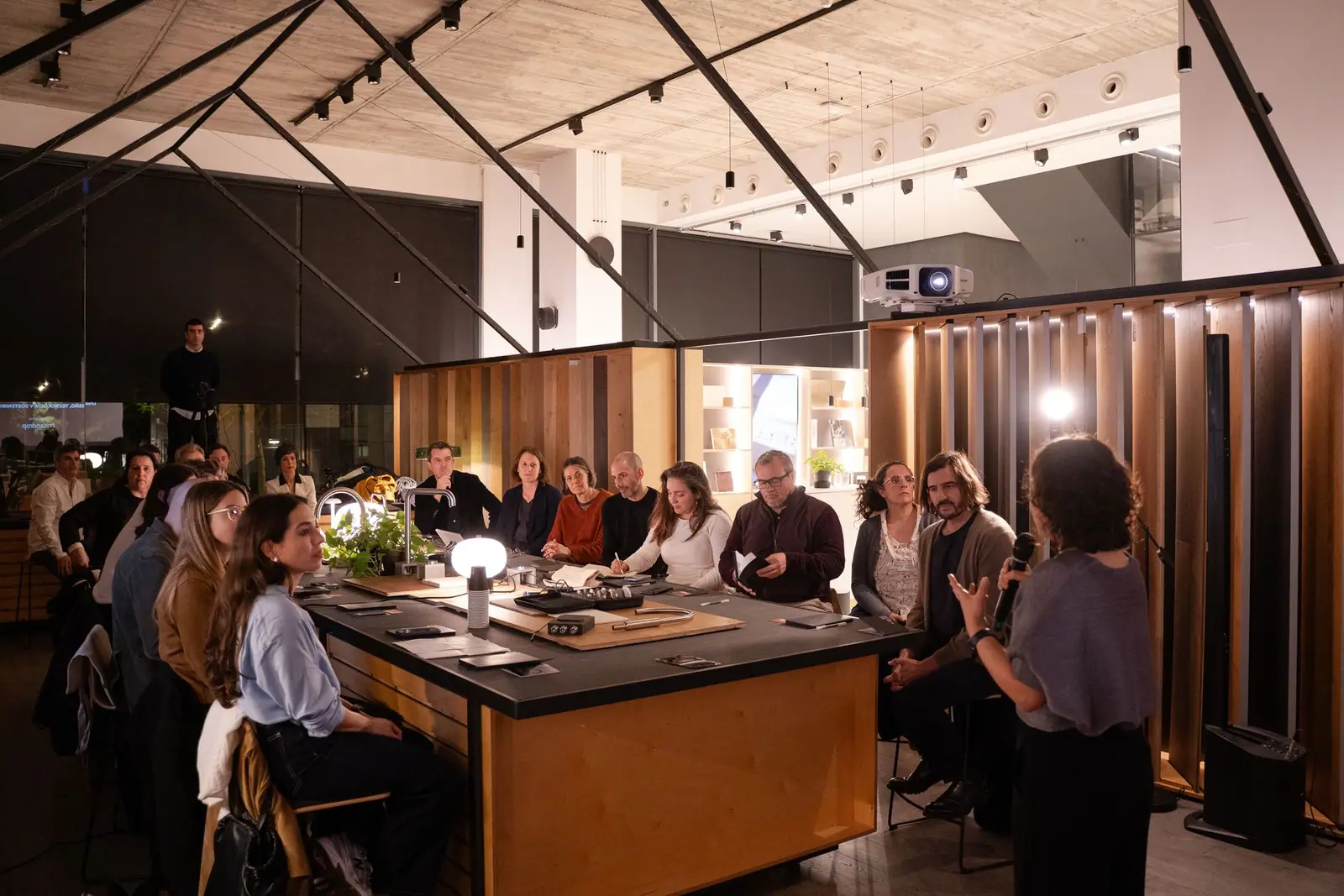
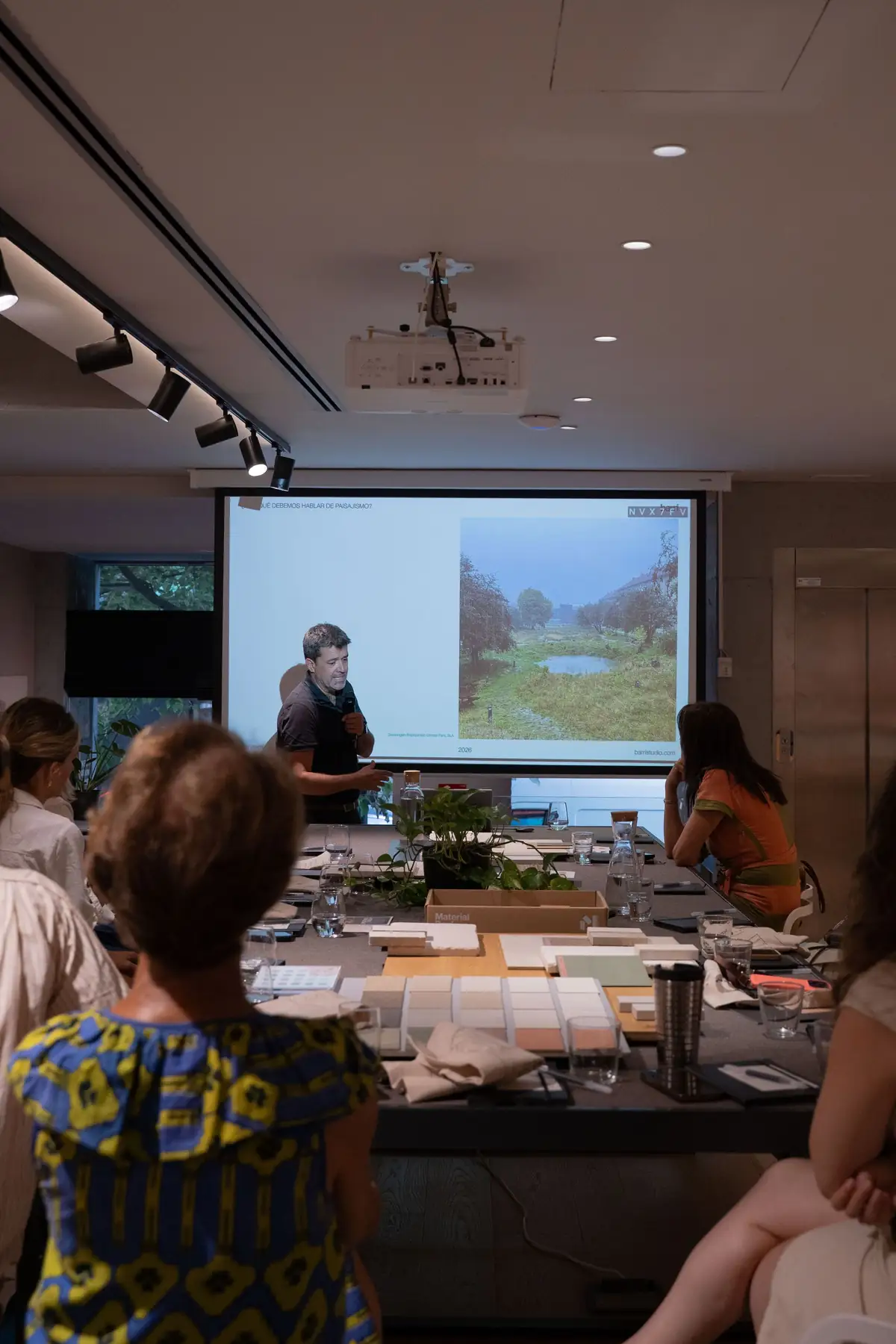
At Matter Session 09 we brought architecture and interior design studios together at Matter Barcelona around a simple yet profound idea: landscape architecture as the construction of living territories.
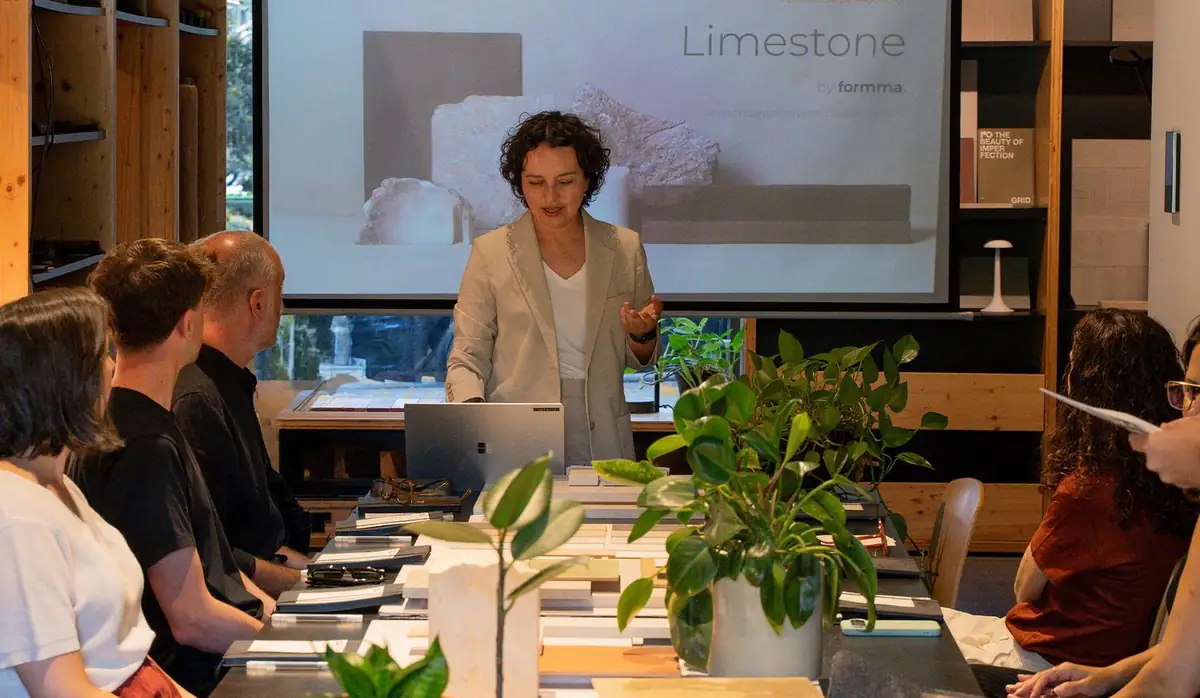
Led by Jordi Barri, founder of BARRI studio —an architecture, landscape and urban design practice based in Barcelona—, we traced the evolution of landscape architecture over time, ending with where the discipline stands today. The session, sponsored by Material Bank and Formma, closed with Formma's Limestone collection: landscape and matter, two sides of the same conversation.
Below we gather the key ideas from a session that made the case for a more conscious architecture, rooted in place and designed for a changing climate.
From the denaturalised city to renaturalisation
BARRI outlined a brief genealogy of the relationship between city and nature: from the almost perfect symbiosis between city and landscape in the mid-20th century to the progressive "denaturalisation" of the city, linked to a dehumanised urbanism that many of us associate with the imagery of Metropolis.
The journey ended in the present, and it did so with optimism: we are witnessing a return to a more conscious urbanism, in which landscape is no longer a decorative add-on but becomes structure. At heart, what is happening is a renaturalisation of the city: architecture and landscape are no longer understood as separate disciplines, but merge into a single project.
For those of you who design every day —at the scale of the building, the interior or the street—, this raises a concrete question: how can nature be integrated not as a final finish, but as part of the system that organises space? Green axes, superblocks and projects that give prominence back to vegetation and people point to a growing trend: renaturalising at every scale, from the city down to the materials we build with.
The role of the landscape architect
Landscape architecture must create living territories, rooted in nature and designed for a changing climate.
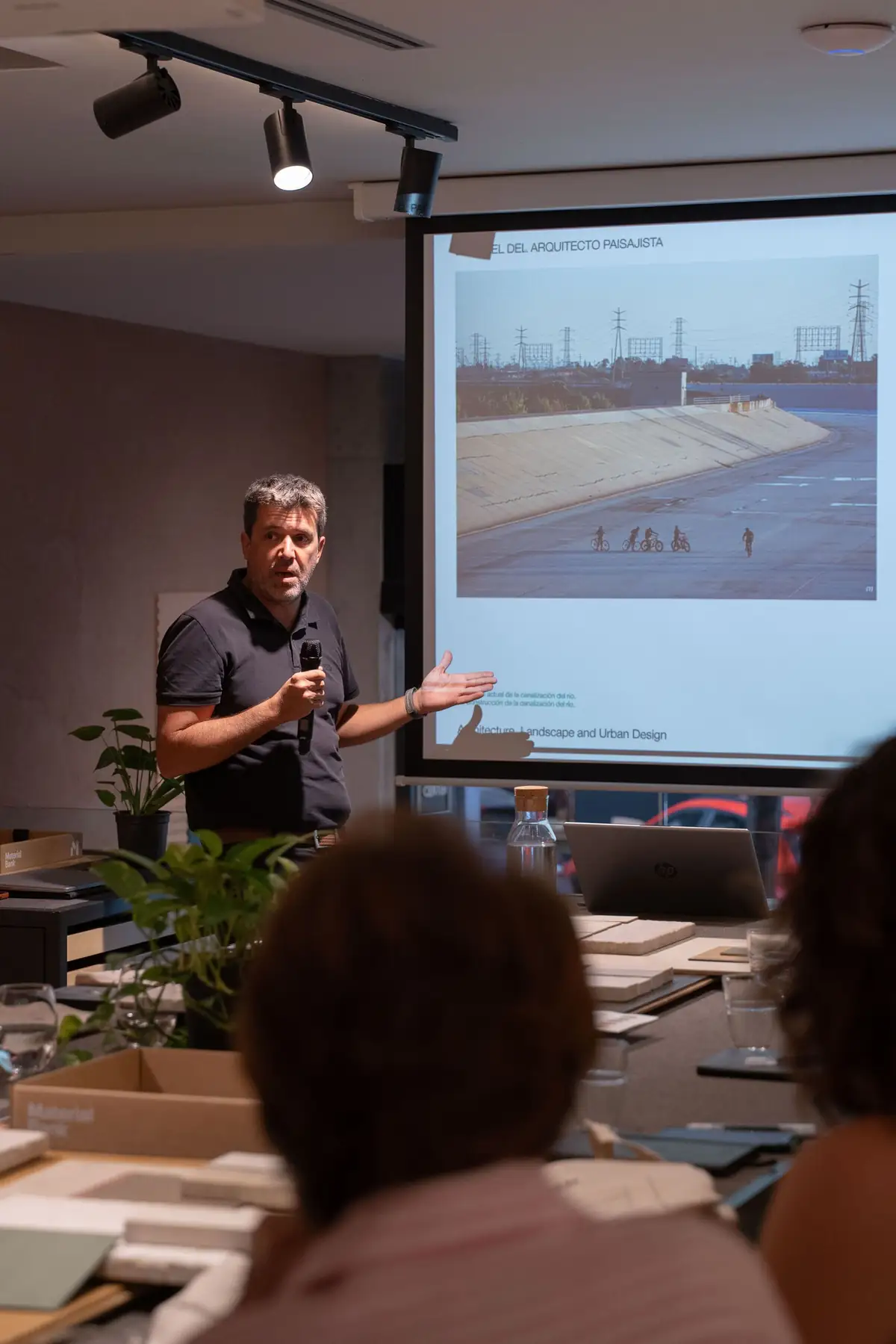
Jordi Barri —architect, landscape architect and agricultural engineer, trained at UPC, the University of Lleida and Harvard's Graduate School of Design, and raised in his family's plant nursery— stressed a material that sets the landscape architect apart from other designers: time. Landscape architects work with living organisms that grow and change shape over the years, so they design thinking not only about how the space will look on handover day, but about what it will become once the vegetation has matured.
Landscape as ecological infrastructure
Barri illustrated this with projects in which landscape stops being ornament and becomes infrastructure. The first is his own: Parc Onze de Setembre in Blanes, for which BARRI won the 2019 municipal competition together with ECo Design Studio. The project starts from a topographic gesture —slightly altering the existing slope— to capture the park's rainwater and channel it into a system of rain gardens, where it is purified for reuse.
Alongside it, the renaturalisation of the Los Angeles River, a benchmark for reversing decades of concrete channelling, and the transformation of Glòries from a road junction into a green lung for Barcelona: according to the City Council, the park opened in April 2025 has returned 9 hectares to local residents, with 30,000 m² of green space and more than 1,000 trees.
Read in this way, parks are understood as green, harvesting infrastructure: systems that capture and manage rainwater instead of sending it into the sewers. It is the same logic that explains the role of landscape in decontaminating cities: vegetation, living soil and water working together to clean the air and lower urban temperatures. Designing with these elements is not an aesthetic add-on, but a technical decision with a real impact on urban resilience.
Why do we need to talk about landscape architecture?
One of the most inspiring parts was the evolution of the very concept of landscape: from landscape as scenery (Humphry Repton's Red Books) to landscape as sublime atmosphere (Turner), then to landscape as system (James Corner) and, finally, to landscape as high technology, which contemporary studios are already exploring.
But there is also a public health reason. The 3-30-300 rule, proposed in 2021 by urban forestry researcher Cecil Konijnendijk, holds that every home should have a view of at least three trees, every neighbourhood should reach 30 % tree canopy cover, and no one should live more than 300 metres from a quality park or green space. Seeing green from home is associated with better mental wellbeing: green space is not an aesthetic luxury, but a direct improvement in quality of life.
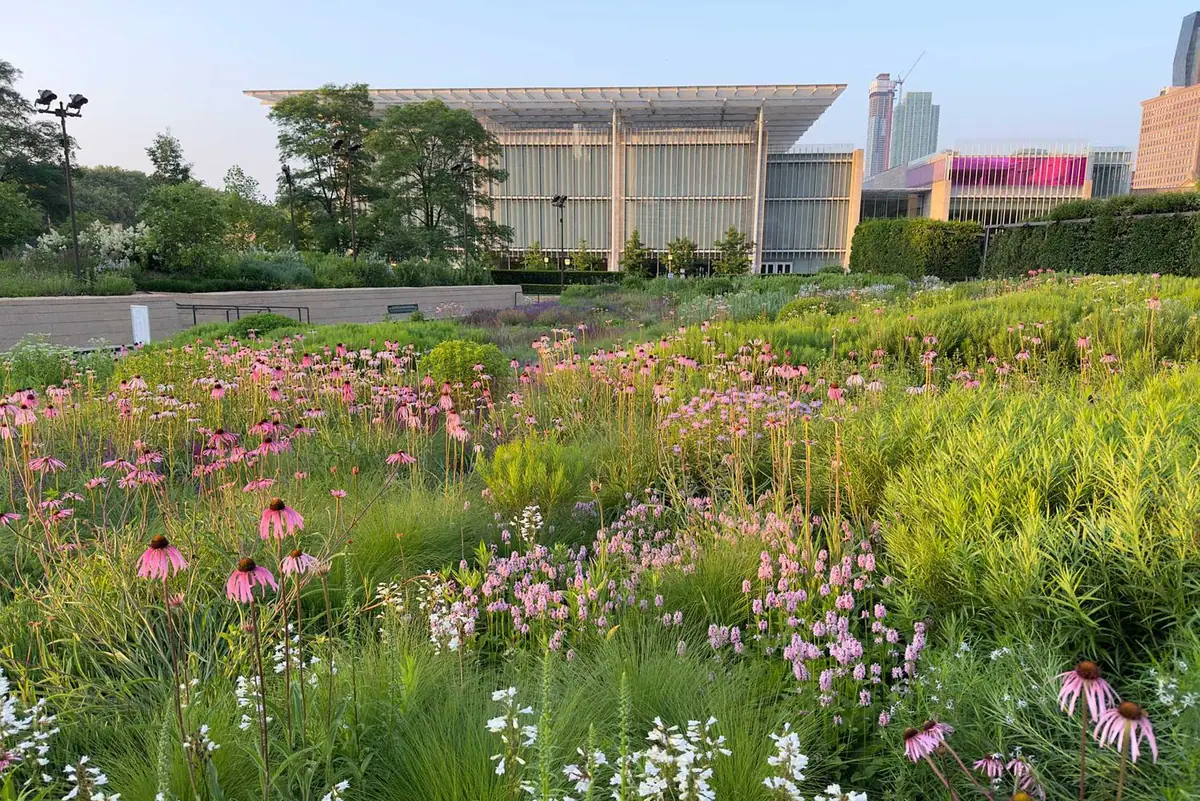
On that basis, Barri proposed moving from the idyllic but unsustainable landscape to the resilient landscape. He gave the example of Piet Oudolf, who designs plant communities inspired by nature, where diversity and seasonal change create spaces of great aesthetic and ecological value: more biodiverse and far less dependent on maintenance. Along these lines, planting schemes today increasingly incorporate native species, adapted to the local climate, which need less water, better support biodiversity and allow seasonality to be used as a design resource. The result is a landscape that changes throughout the year instead of remaining frozen.
“The beauty of a living landscape comes from diversity, adaptation and respect for natural processes.”
Landscape to build community
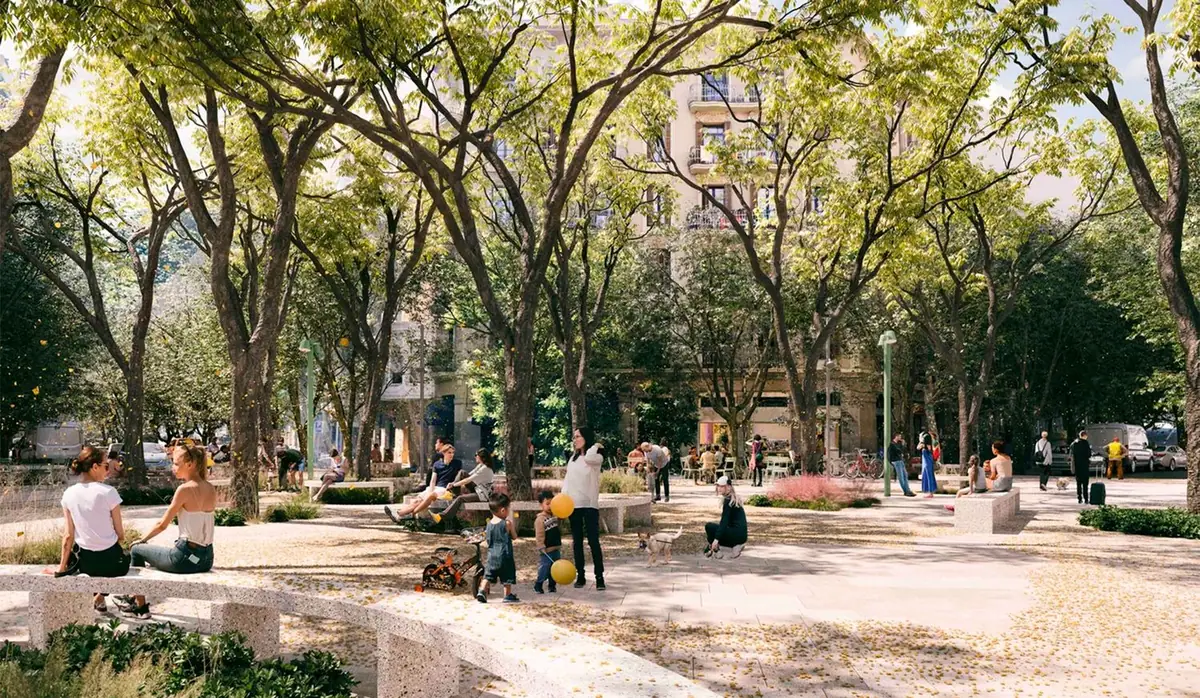
Landscape is also a social tool. Through it, it is possible to reconnect with the community, a bond that large cities have often lost. And not only reconnect: landscape creates community. Looking after a green space together, watching it grow and inhabiting it every day weaves bonds between neighbours that rarely arise in a mineralised environment. It is not just about building spaces with vegetation, but refuges where landscape and learning move forward together, so that public space once again becomes a place for meeting, celebration and even mourning.
Approach processes: landscape from the outset
To explain his method, Barri drew on a quote by Luis Barragán that sums up an entire philosophy:
“I do not separate architecture, landscape and gardening; to me they are one and the same.”
With that premise he showed his own projects such as La Casa dels Pins, Ca la Pepita and the Stair House —a four-volume house that unfolds around a staircase of 60 concrete steps following the topography—, where vegetation is not “added” at the end, but organises the project from the outset. Thinking from the outset also means anticipating how that landscape will be kept alive, and here the talk went into a very practical detail: irrigation. Both indoors and outdoors, irrigation systems must be planned from the earliest stages —not improvised at the end—, because whether the vegetation thrives and endures depends on it.
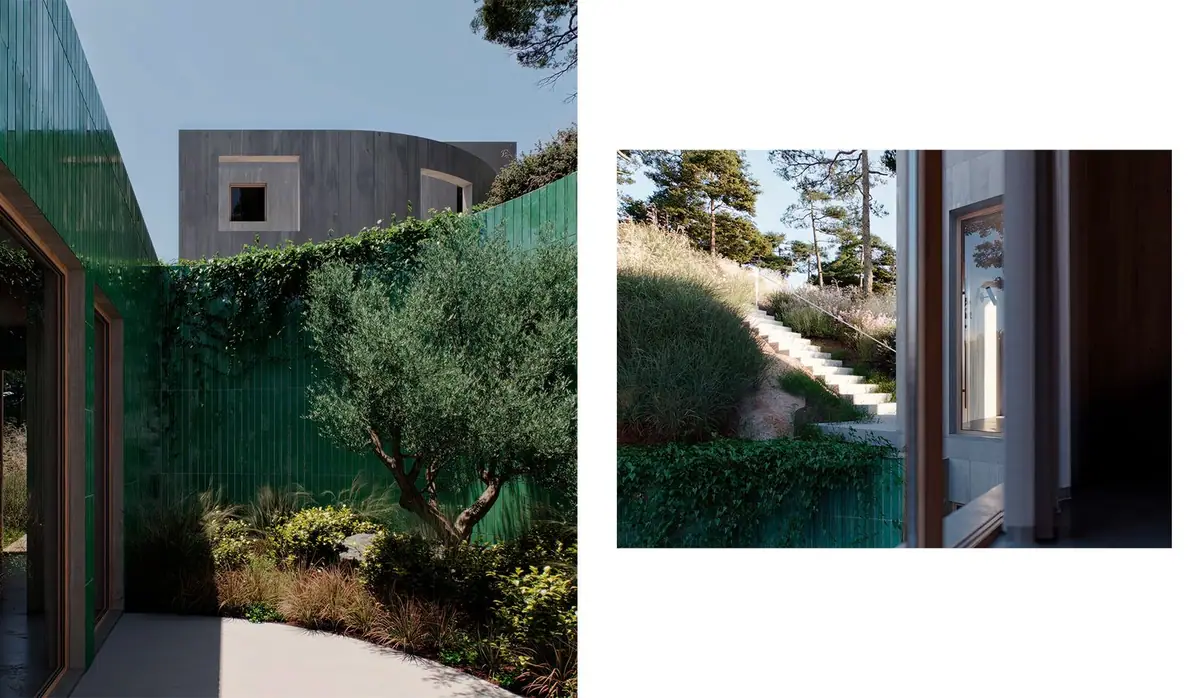
The talk closed with examples of collaborations with other studios —such as Fran Silvestre Arquitectos, with whom BARRI designed the landscape of Villa 95 in Sotogrande, MESURA and Arquitectura-G, among others— which showed how landscape architecture integrates better when it joins the conversation from the early stages. A good summary of the session: we design outdoor spaces that silently shape everyday life; work that is not merely ornamental, but intentional, technical and rooted in the creation of living cities.
Keys to designing with landscape
- Time: design the space it will become once the vegetation matures, not just the one handed over.
- Water: treat rainfall as a resource, with topography and rain gardens that capture and infiltrate it.
- Species: favour native plants adapted to the local climate, needing less irrigation and supporting biodiversity.
- Irrigation: plan the installations from the earliest stages, indoors and outdoors alike.
- Team: bring in the landscape architect at the start of the project, not as a final finish.
The talk was followed by two short presentations from the sponsors: Material Bank, the material sample search and delivery platform we work with, and Formma, with its limestone collection.
Formma: material in dialogue with the landscape
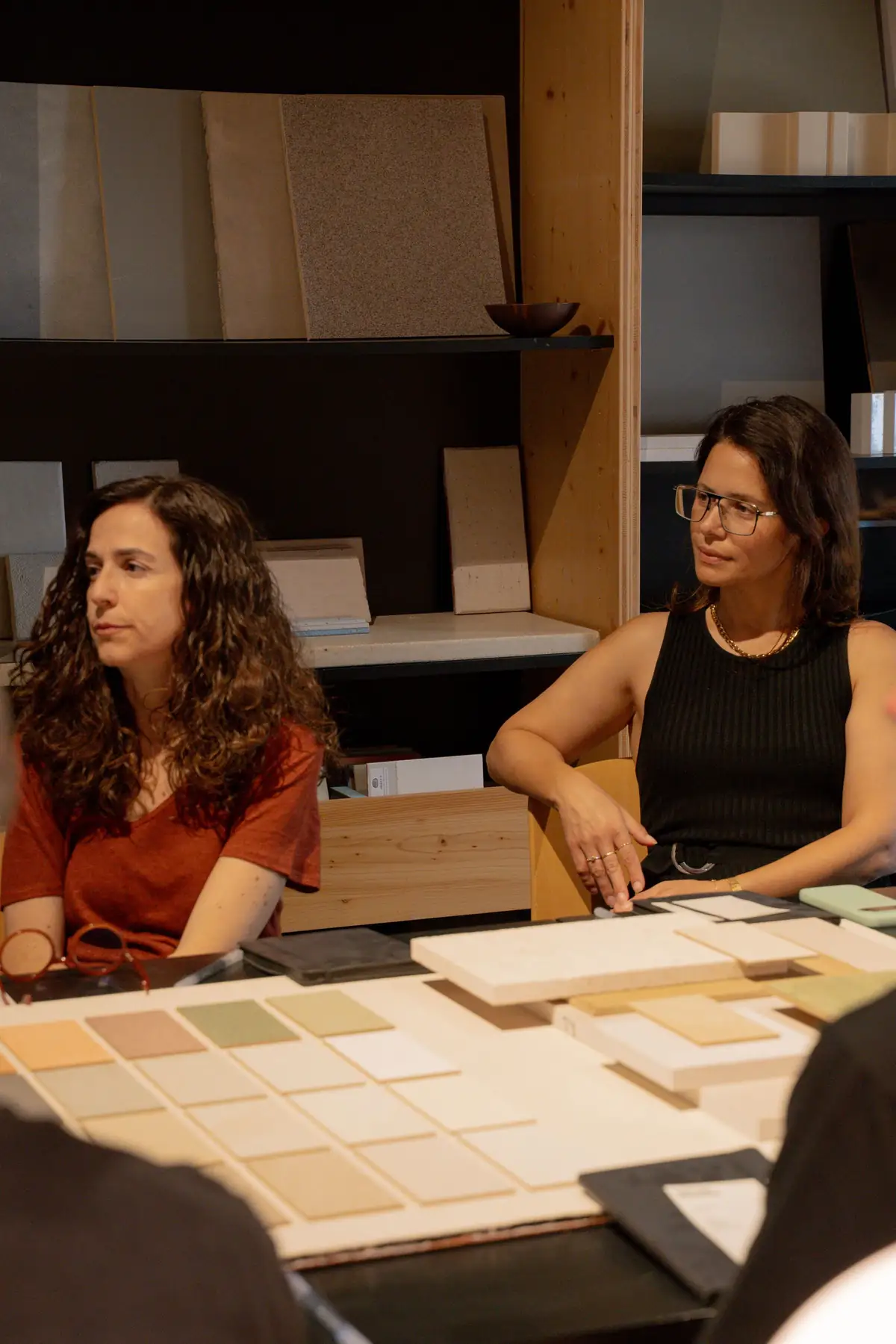
Formma is a brand of mineral finishes created by architects, focused on lime and natural stone. At Matter it presented its Limestone line: natural limestones for cladding and flooring.
Stone is the oldest material in architecture, synonymous with permanence and material nobility. Formma pointed out that marble and limestone belong to the same family —both are calcium carbonate— and are separated only by their degree of transformation: limestone is a sedimentary rock that retains texture and organic character; marble is that same limestone recrystallised under pressure and temperature. That is why a very dense limestone can behave with marble-like properties without losing its warmth.
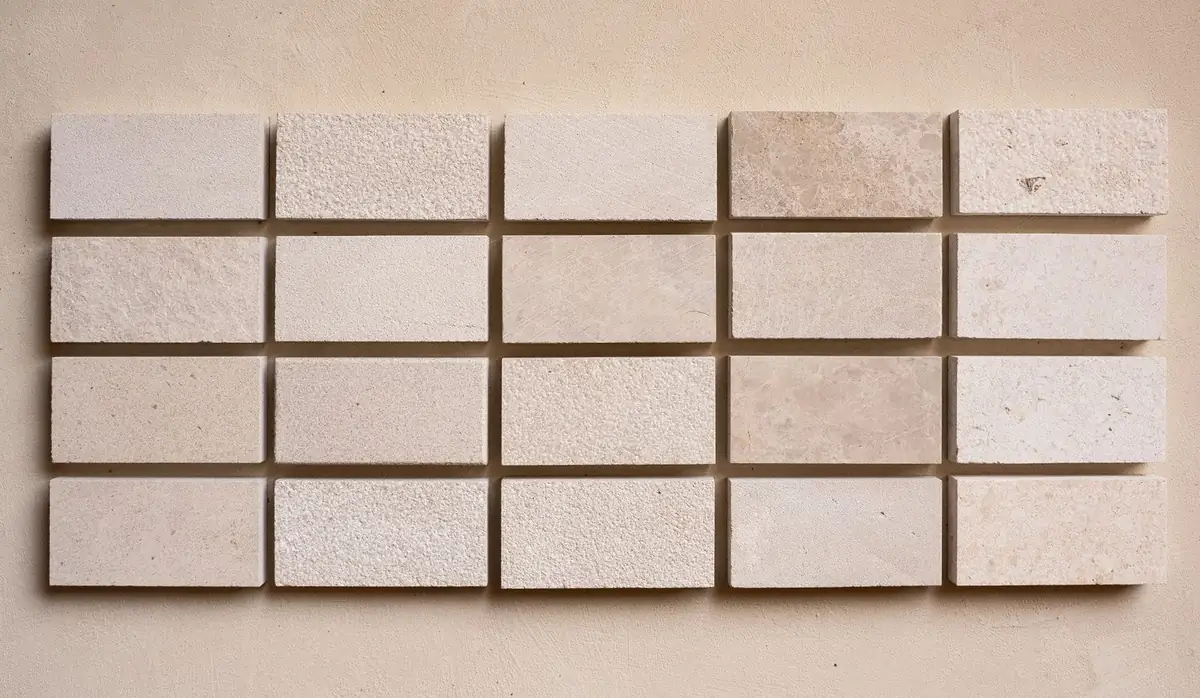
Formma presented three limestones with three different characters —LimeIvory (the most impermeable), LimePearl (the most resistant) and LimeAurea (the most expressive)— and highlighted two ideas: the value of real material, without imitation, and that of vernacular architecture and the genius loci, with limestones of nearby origin, traceability and, according to the brand, a low carbon footprint. The manufacturer's technical data sheets support that classification:
All three come in rectangular and square formats and in small decorative formats, with finishes ranging from saw-cut and honed to bush-hammered, sandblasted, shot-blasted and aged. According to the manufacturer, the finish determines the use —cladding, indoor or outdoor flooring, worktops or wet areas— and for wet areas it recommends a protective sealer and cleaning with neutral products, never acids.
Locally sourced material that lasts and ages well, designed to endure.
“Paisatge i Matèria”: the thread that connects the whole session
Both Jordi Barri's landscape architecture and Formma's limestone start from the same principles: material truth, rootedness in place, sustainability and permanence. The landscape that aspires to be resilient and the material that aspires to last share the same ethic: working with nature, not against it.
That is precisely the conversation we at Matter want to keep driving forward.
Frequently asked questions
- What is the 3-30-300 rule?
- It is a guideline proposed in 2021 by Cecil Konijnendijk for greener, healthier cities: three trees visible from every home, 30 % tree canopy cover in every neighbourhood and a quality park or green space no more than 300 metres from home.
- What is the difference between limestone and marble?
- Both are calcium carbonate. Limestone is a sedimentary rock that retains texture and fossils; marble is limestone recrystallised by pressure and temperature. A very dense, low-porosity limestone can behave in a marble-like way.
- Can Formma's Limestone be used outdoors or in bathrooms?
- According to the manufacturer, it depends on the finish: textured finishes (bush-hammered, sandblasted or shot-blasted, brushed or not) are indicated for outdoor flooring and wet areas, with a protective sealer. Check the data sheet for each stone and finish.
- When should the landscape architect join a project?
- From the earliest stages. As the session stressed, topography, water management, species selection and irrigation systems shape the project and are hard to resolve if left until the end.
Thank you to everyone who made the session possible
Our thanks to the attendees, to Jordi Barri for the talk and to the sponsors Material Bank and Formma for making the event possible. If you would like to keep exploring natural materials for your projects, we look forward to welcoming you to the Matter Materials Library.