Event
Report on the Summit Series Wood Matters gathering: nine speakers from architecture, industry and research debate the future of timber.
SeriesWood Matters2 of 35 min read
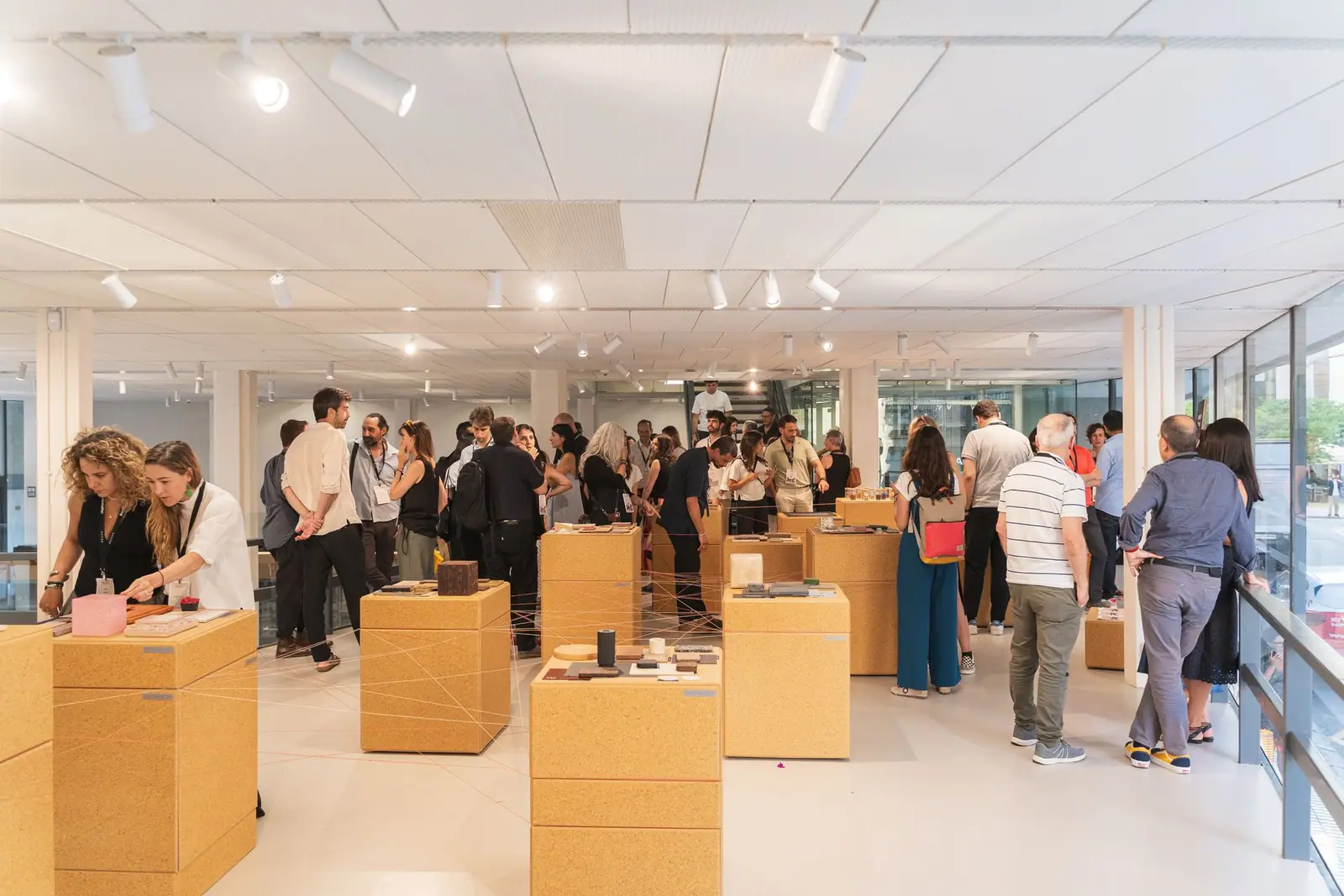
To encourage the exchange of knowledge about materials and architectural solutions, and to speed up the move towards a more innovative, healthy and sustainable architecture, at Matter HUB we created the Summit Series training programmes. In them we explore different ways in which materiality can improve how we build, make and live, with practical and educational tools for architecture studios.
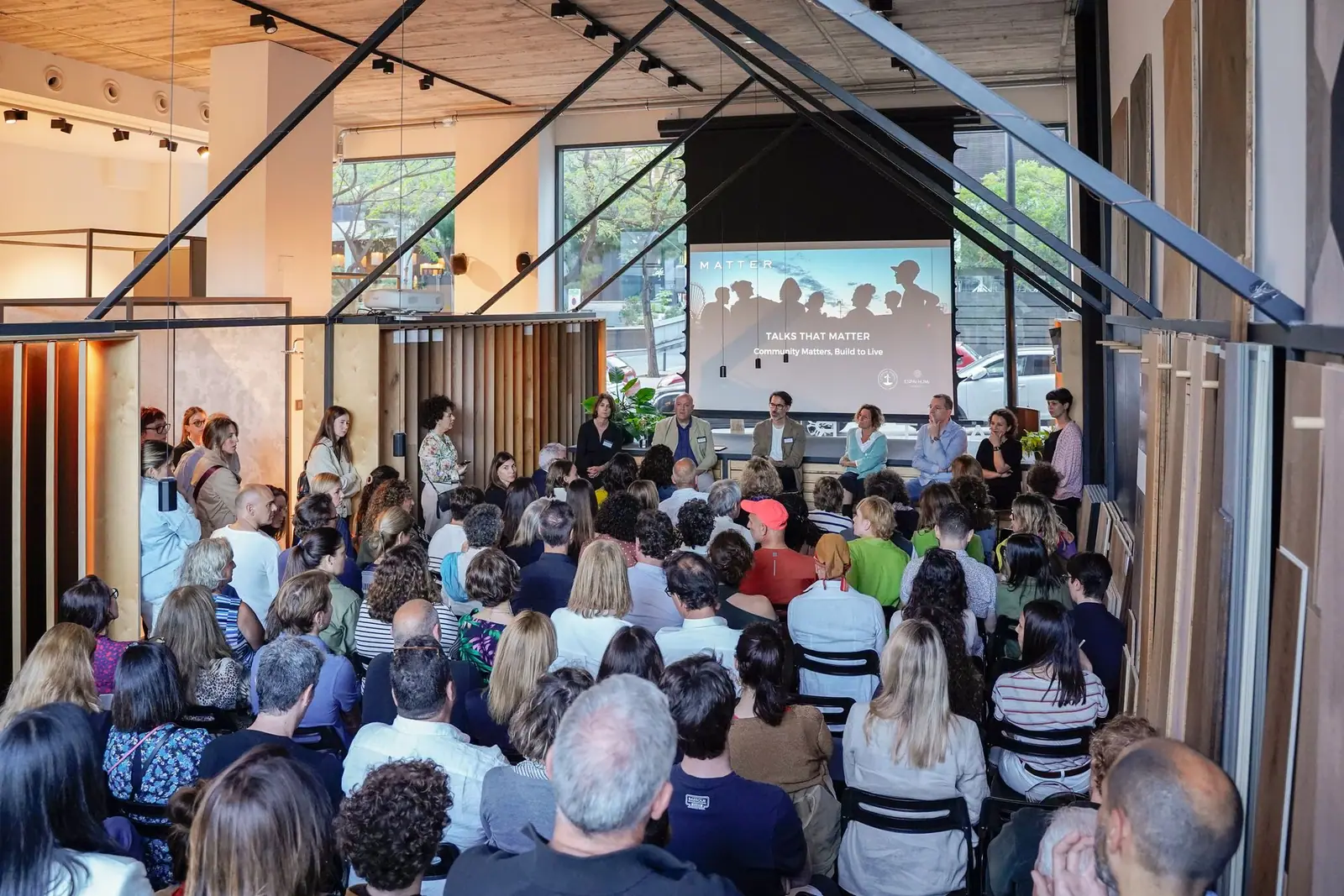
The first series, Wood Matters, focused on the value of wood in construction and its potential as a material for innovation, with Lunawood sponsoring the whole programme. Over several months we saw at first hand a range of success stories that fed into our research. One of the main events of the series was the gathering on 17 June 2021, at which leading figures from architecture, industry and research shared their view of the future of timber construction. Here we present the summary video and the ideas from each talk.
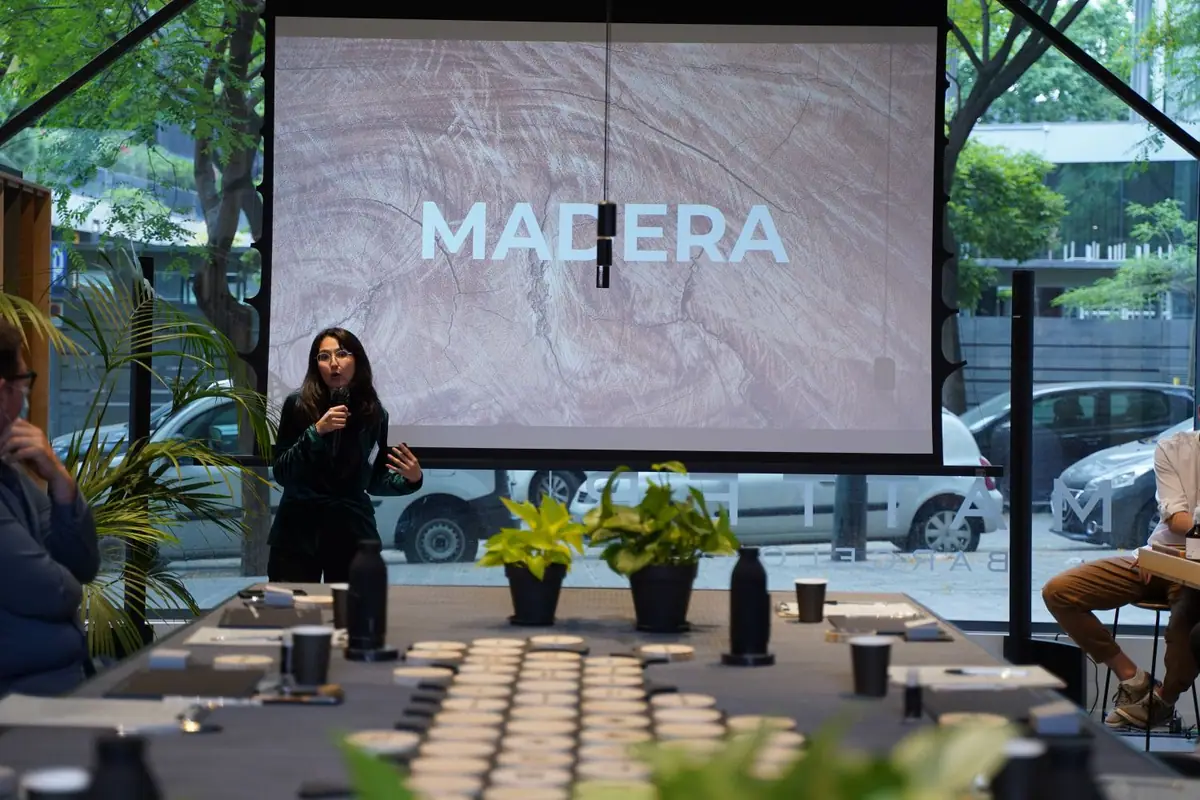
The future of timber construction, up for debate
What is the future of timber construction? That was the question that guided the day.
The gathering brought together six architecture and construction studios and companies, a forestry research centre and a manufacturer of thermally modified timber around a single question. Each speaker approached it from their own practice: local materials and craft, energy efficiency, prefabrication and tall timber, industrialisation and digitalisation, forest management and the properties of thermally modified timber.
The summary video of the gathering, about ten minutes long, brings together the voices of the participants.
Speakers and the subject of each talk
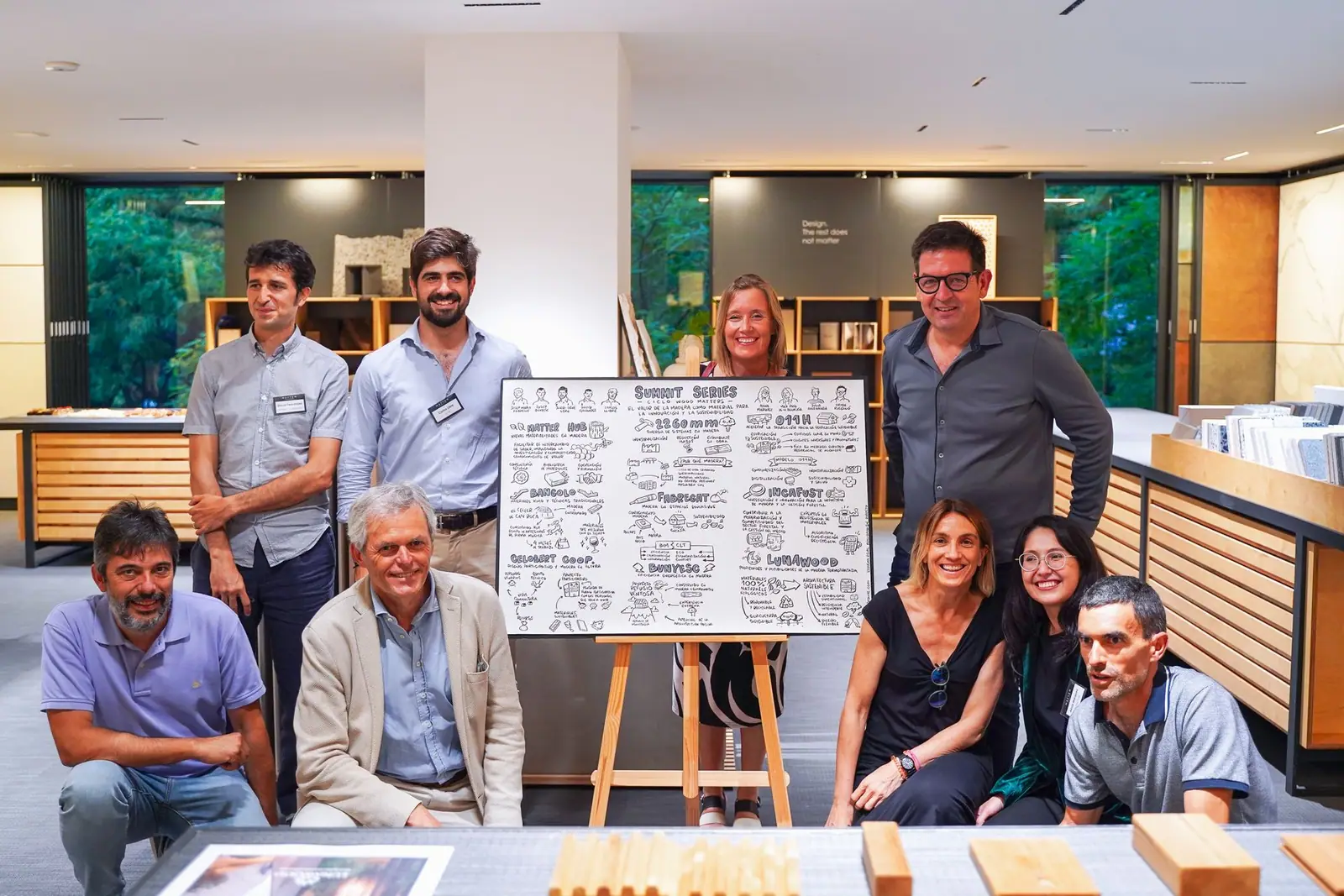
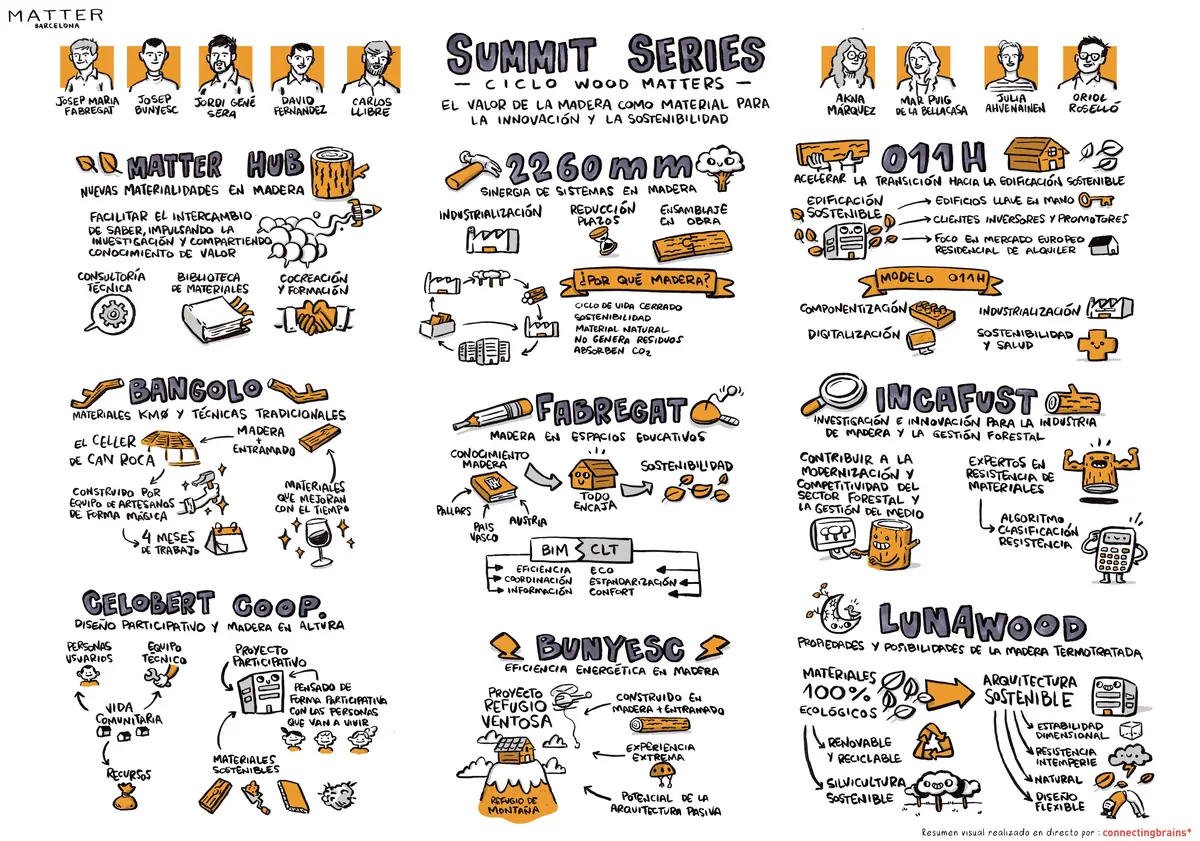
During the session, connectingbrains* drew a live visual summary of each talk. Based on that summary, these were the speakers and the subjects they covered:
Local materials, craft and energy efficiency
Timber as recovered knowledge and as a high-performance envelope.
Matter HUB: new materialities in timber
Akna Márquez opened the session by introducing Matter HUB and the purpose of the series: to encourage the exchange of knowledge, promote research and share valuable know-how. We do this through three tools: technical consultancy, the material library, and co-creation and training with studios.
Bangolo: locally sourced materials and traditional techniques
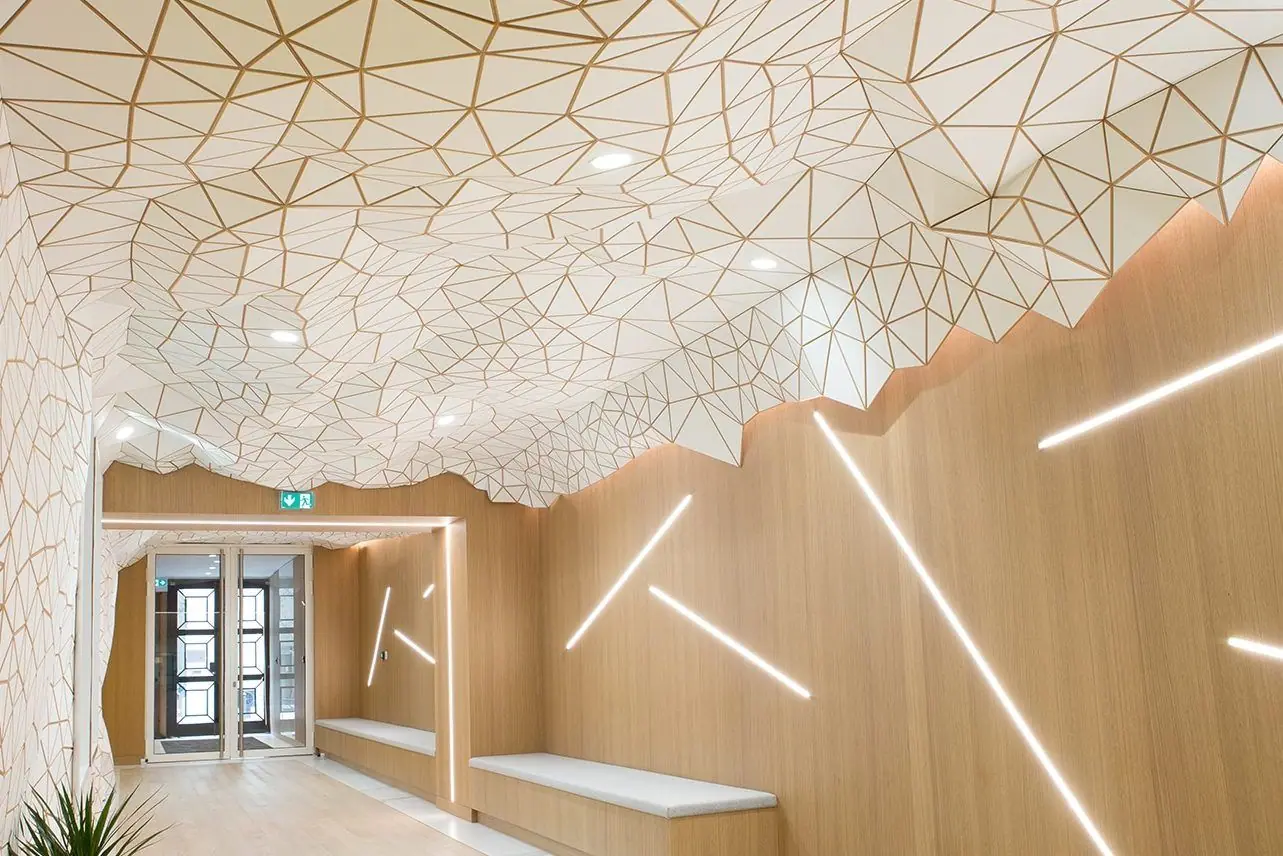
Oriol Roselló, head of the Banyoles-based studio Bangolo, presented the agora at Mas Marroch, the events venue of the Roca brothers (El Celler de Can Roca): a timber dome roof raised by a team of craftspeople over four months. His talk made the case for local materials, traditional techniques and materials that improve with age.
Bunyesc Arquitectes: energy efficiency in timber
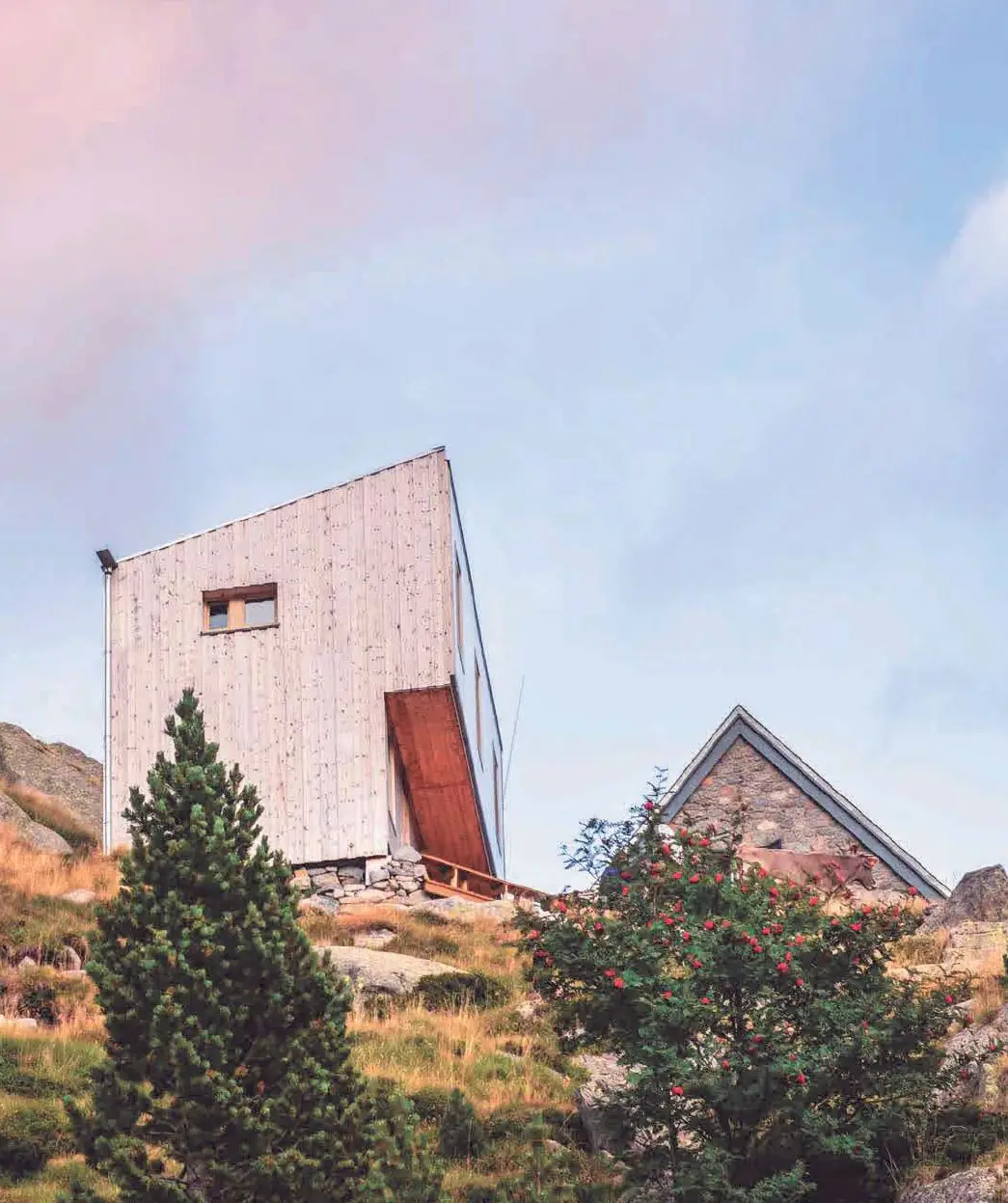
Josep Bunyesc, an architect specialising in sustainable, highly energy-efficient architecture, explained the extension of the Ventosa i Calvell mountain refuge, high up in the Vall de Boí within the Parc Nacional d'Aigüestortes, a project the session summary describes as an “extreme experience”. The 130 m² extension, commissioned by the Centre Excursionista de Catalunya, combines a lightweight frame of local mountain pine on the façades and roof with cross-laminated timber floor slabs, and makes the most of passive design.
Prefabrication, tall timber and industrialisation
From cooperative housing to the turnkey building.
Celobert Cooperativa: participatory design and tall timber
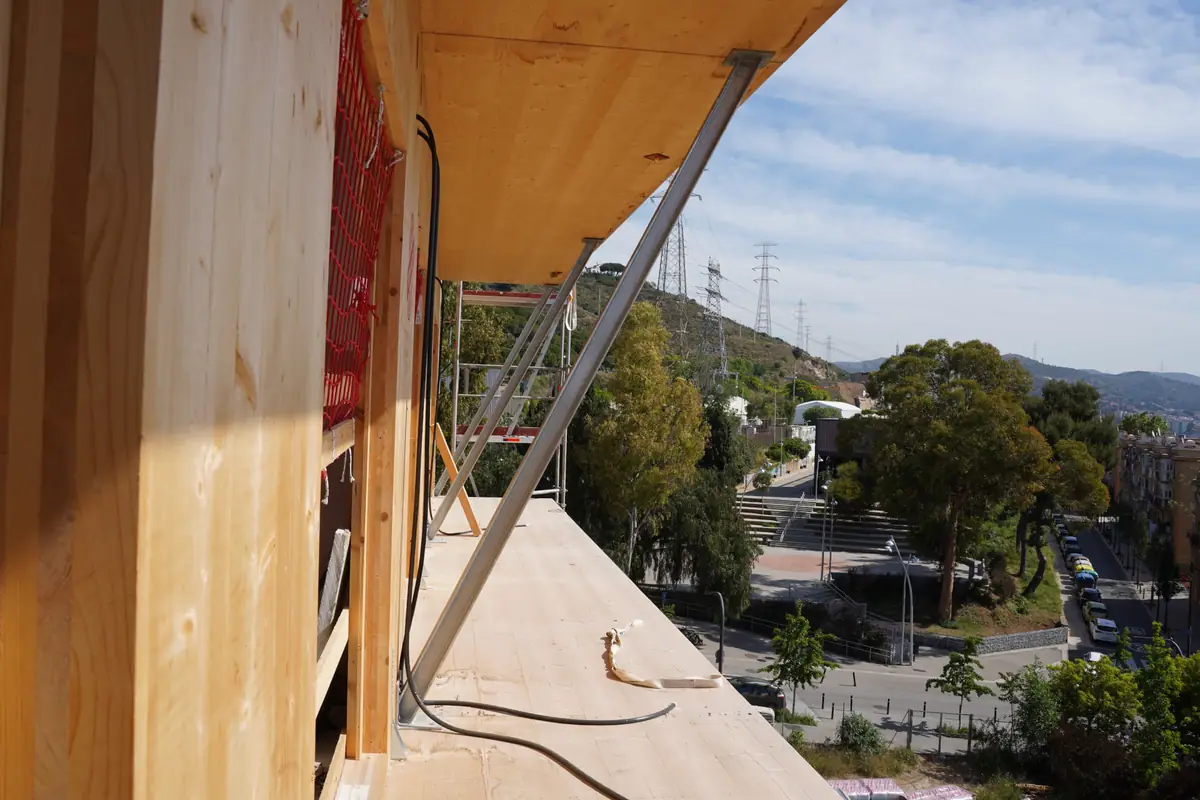
David Fernández spoke about a project designed together with the people who will live in it, about community life and about sustainable materials. These are the foundations of Cirerers, the building of 32 cooperative homes under a right-of-use model that Celobert has designed for Sostre Cívic in the Roquetes neighbourhood (Nou Barris, Barcelona): ground floor plus seven storeys, with cross-laminated timber (CLT) load-bearing walls and floor slabs.
2260mm: synergy of timber systems
Mar Puig de la Bellacasa proposed combining timber systems for three advantages: industrialisation, shorter schedules and on-site assembly. To the question of why timber, she gave five answers: a closed life cycle, sustainability, a natural material, no waste and the capacity to absorb CO₂.
Fabregat & Fabregat: timber in educational spaces
Josep Maria Fabregat focused his talk on timber in educational spaces. He started from knowledge of the material, with references to the Pallars, the Basque Country and Austria, and argued for combining BIM and CLT: the first brings efficiency, coordination and information; the second, ecological criteria, standardisation and comfort. Everything fits together, and the result is more sustainable.
011h: speeding up the transition to sustainable building
Carlos Llibre presented 011h’s model, based on componentisation, industrialisation, digitalisation, and sustainability and health. It is a model of turnkey buildings for investors and developers, focused on the European rental housing market.
Research, industry and forest management
The resource, its grading and its processing.
INCAFUST: research for the timber sector
Jordi Gené Sera, of the Institut Català de la Fusta (INCAFUST, the Catalan Wood Institute), part of the Centre de Ciència i Tecnologia Forestal de Catalunya (CTFC), explained the institute’s work to help modernise the forestry sector, make it more competitive and manage the environment, with specialists in strength of materials and an algorithm for strength-grading timber.
His talk provided one of the figures in the series’ research document: according to the Institut Català de la Fusta (2020), 1,000,000 m³ of timber is harvested each year in Catalonia, while the forests produce 3,000,000 m³; and of what is harvested, less than 10% goes to construction. The rest goes to packaging and biomass for energy.
Lunawood: properties of thermally modified timber
Julia Ahvenainen presented Lunawood, a Finnish company that pioneered the production of thermally modified timber and the sponsor of the series. According to the manufacturer, the treatment uses only heat and steam, without chemicals, and the timber comes from sustainably managed, PEFC-certified forests. In her talk she highlighted the material’s dimensional stability, weather resistance, its natural, renewable and recyclable character and its design flexibility.
Conclusions of the series
The series’ research document, ‘Thinking, designing and building in wood’, sets out these conclusions:
- Think in timber from the start: a project in concrete, steel or masonry cannot simply be transposed to timber; it must be designed with timber’s behaviour in mind from the outset.
- Training for technical professionals: the challenge is for technological progress to be matched by professionals trained in timber construction techniques.
- An industry rooted in the region: a competitive, efficient industry is needed, geared towards sustainable construction with locally sourced timber.
- Forest management: boosting the use of local timber depends on better management of forests that cover around 60% of Catalonia.
- Hybrid buildings: concrete foundations are still needed and many buildings combine timber, steel and concrete, but designing in timber means lighter, faster and less polluting construction.
The series after the gathering
In October 2021 we published video interviews with Bangolo, Josep Bunyesc, Celobert, Fabregat & Fabregat, 2260mm and 011h on Matter’s YouTube channel. Together with the case studies, product sheets, visual summary and video of the gathering, they are part of the Summit Series website dedicated to Wood Matters.
If you are designing with timber or timber-based products, at the Matter Materioteca you can ask our team which solutions suit your project. Book your visit to Matter.