Community Matters
Economía Humana, Espai Humà Sabadell and Matter discuss community, biotic architecture and healthy materials at Matter Barcelona.
EventsTalks That Matter8 of 145 min read
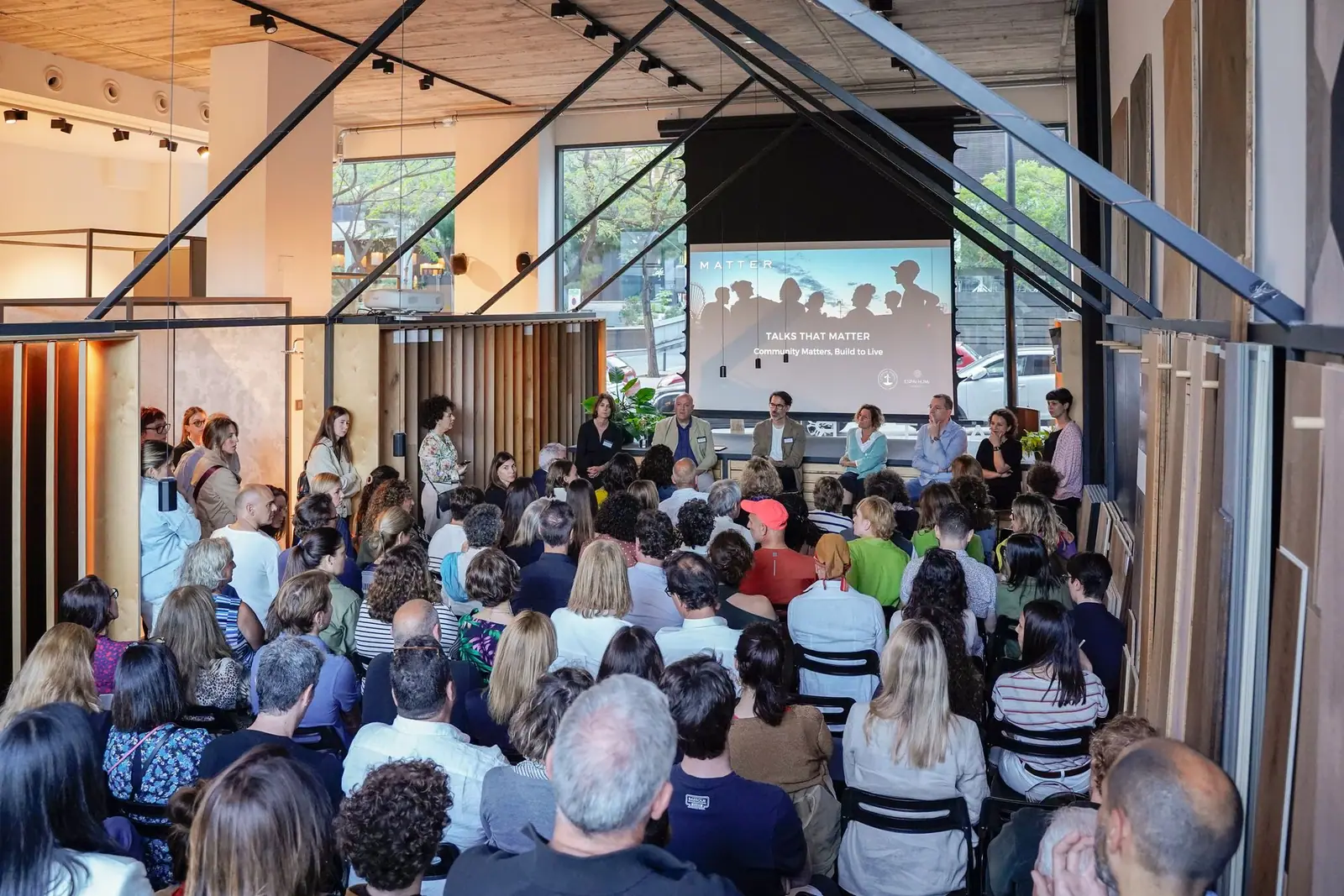
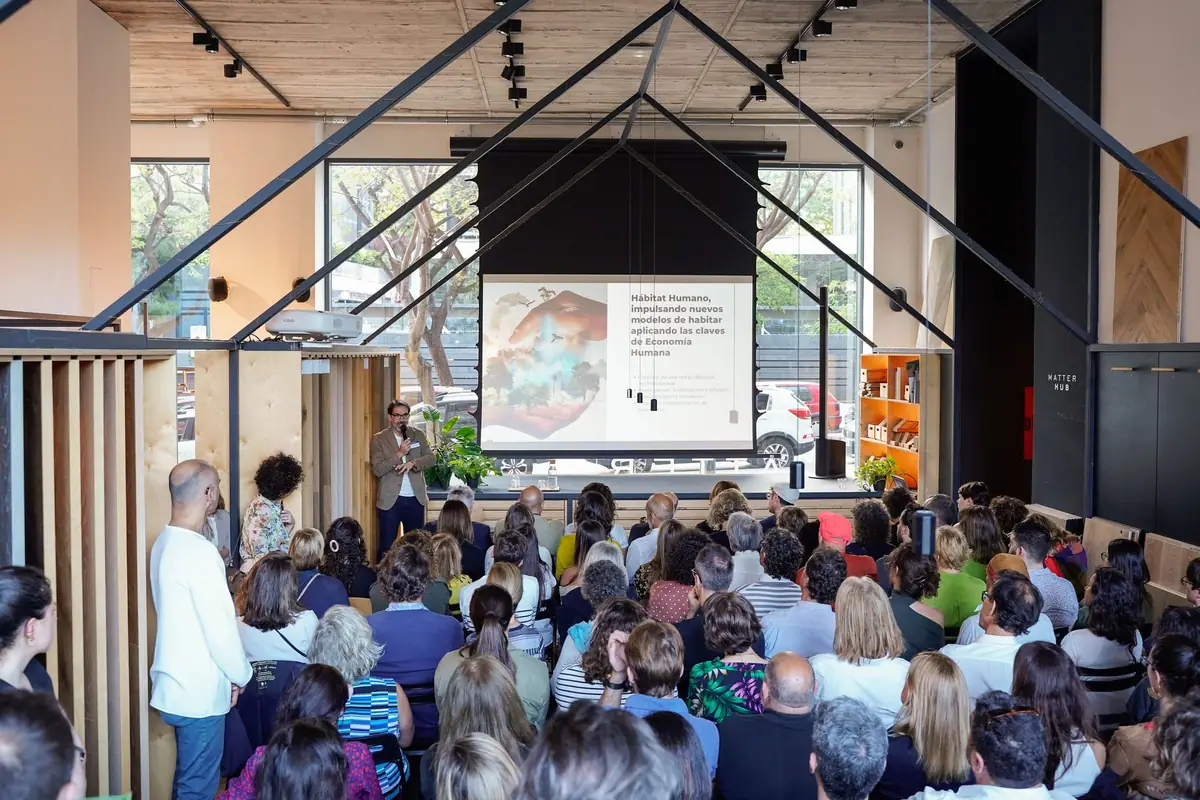
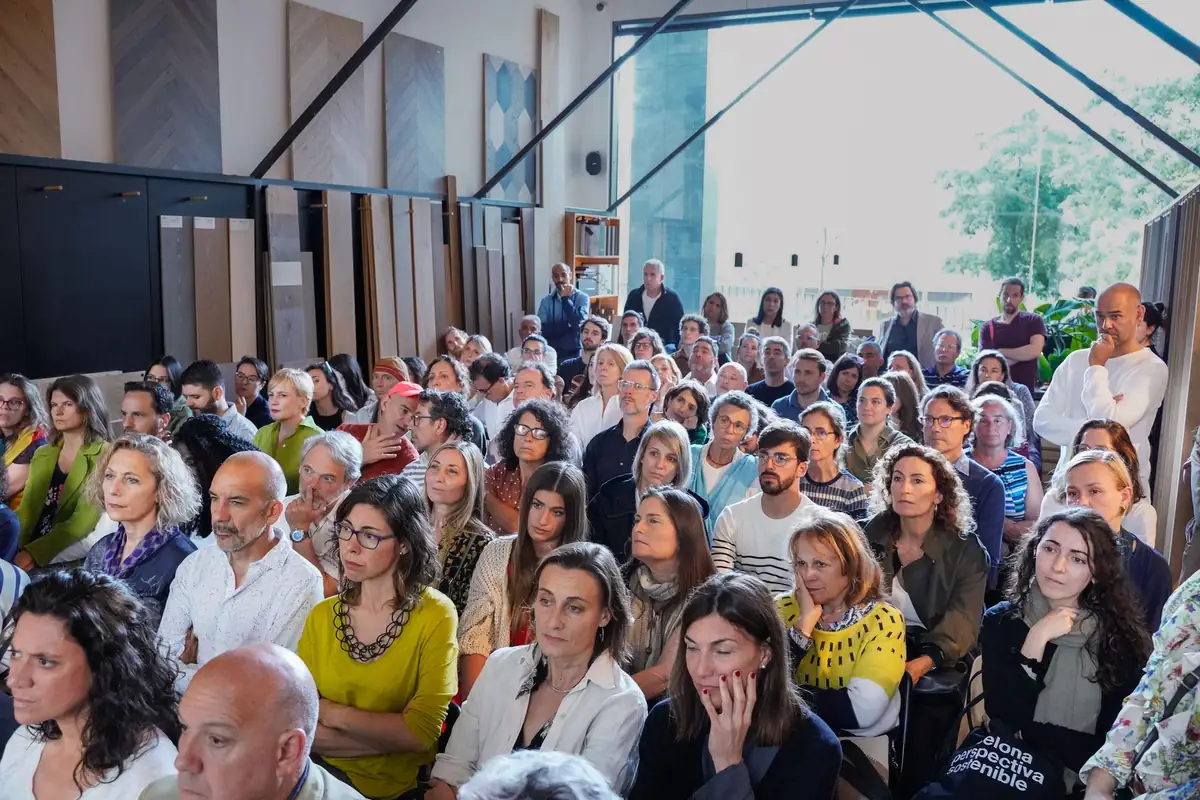
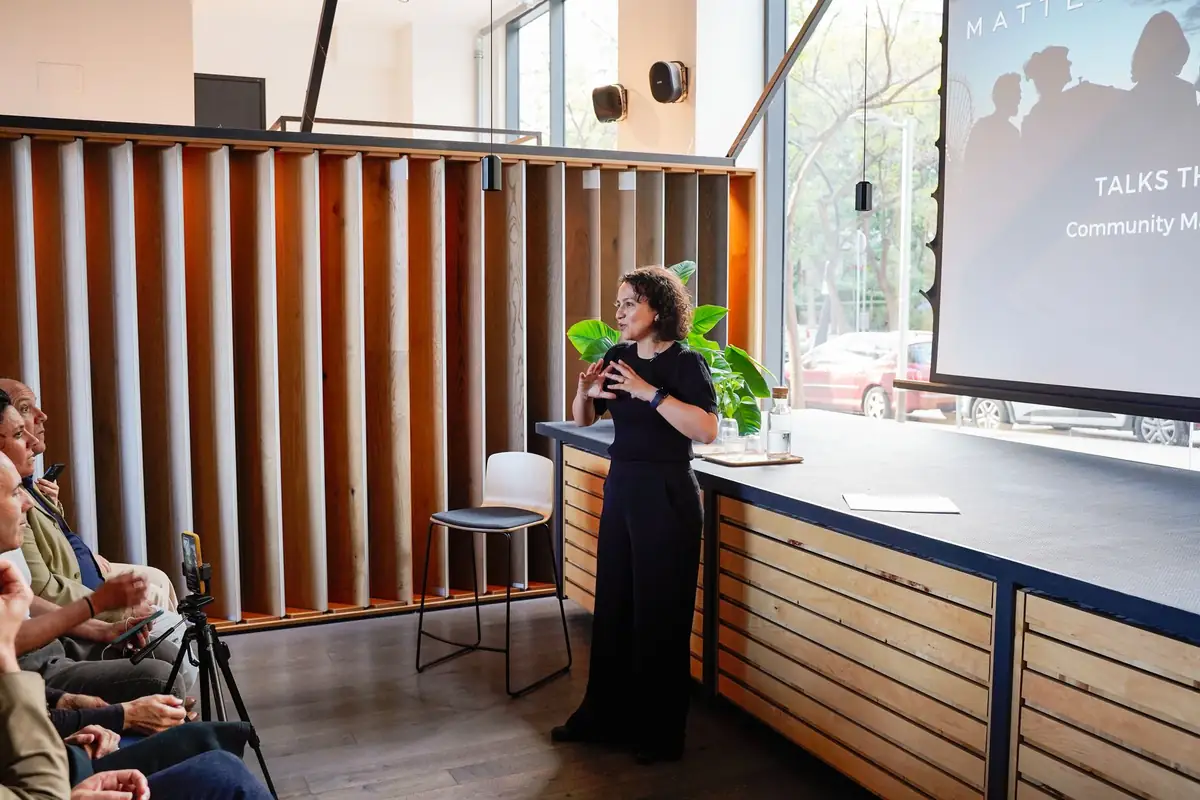
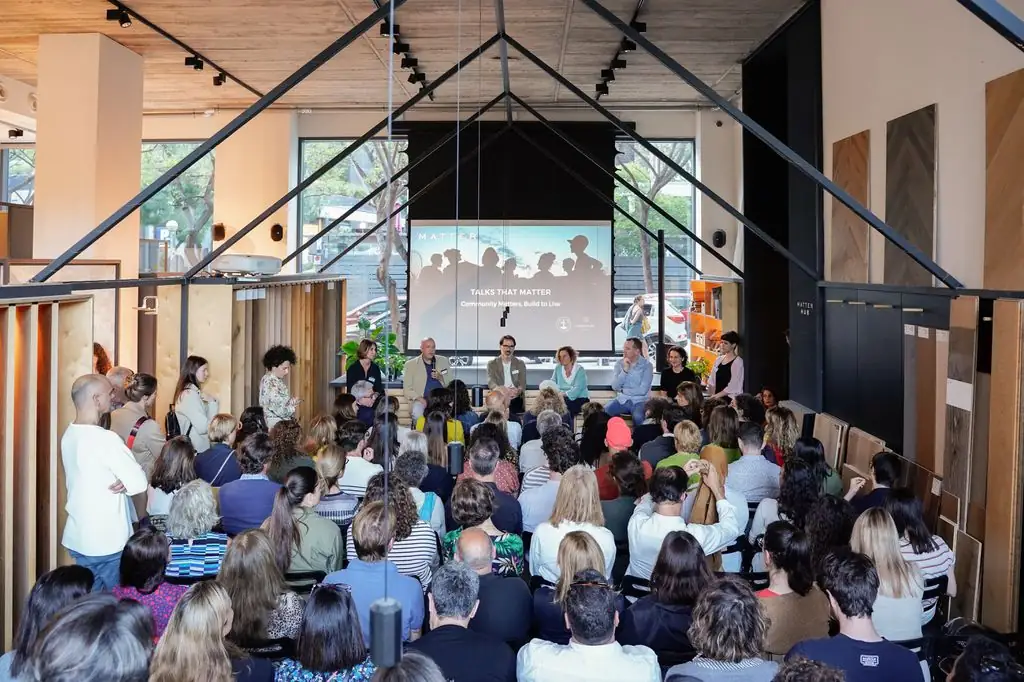
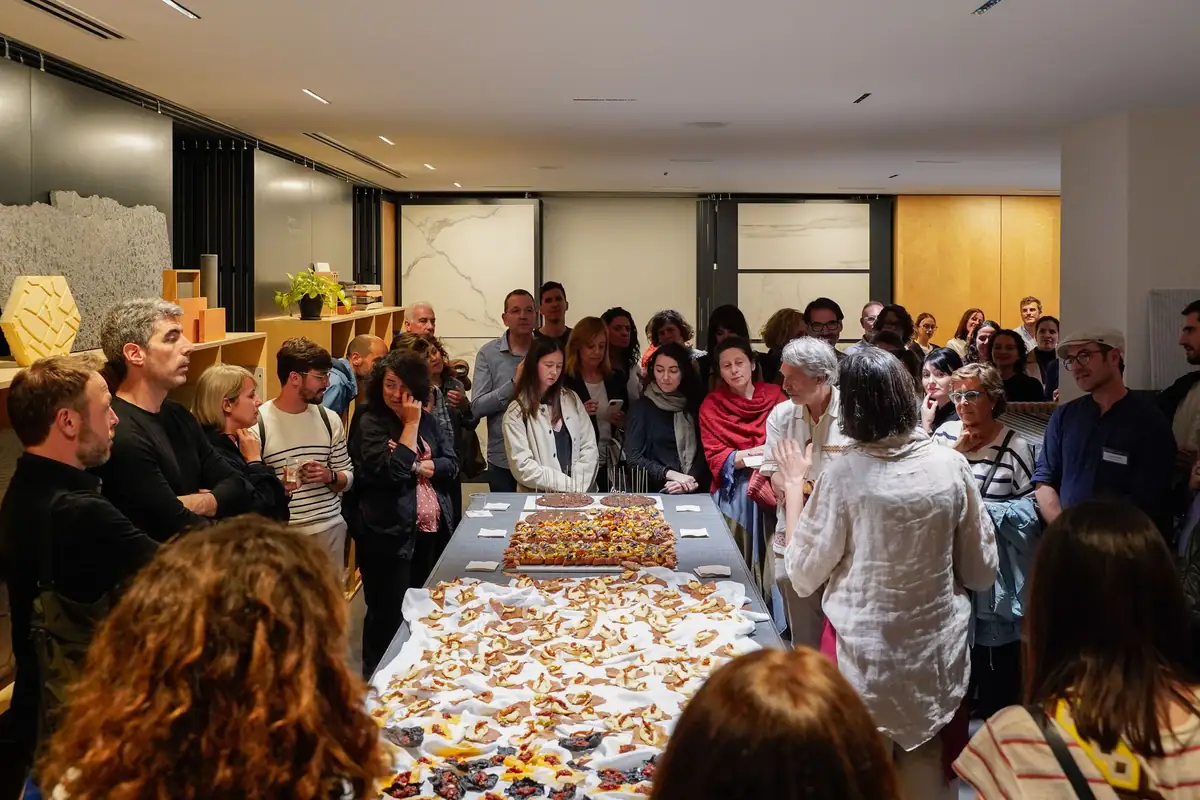
On 10 May 2023 we held “Community Matters, Build to Live” at Matter Barcelona, a Talks That Matter session organised with Economía Humana and Espai Humà Sabadell. The event focused on the importance of community and of the relationships that residential buildings generate in cities, through several talks, a community-driven housing project in Sabadell and a discussion with the audience.
Over the afternoon we reflected on the renewal the construction sector is undergoing towards more conscious and sustainable models: models that seek to reduce environmental impact and improve people’s quality of life, fostering a more harmonious and healthy way of living together as a community. Although it is still a minority trend, the arrival of real projects on the market is transforming the sector and setting future trends.
Programme and speakers
Natalia Ojeda, architect and CMO of Matter, introduced and moderated the session, which followed this programme of talks:
- Ferran Caudet, entrepreneur, consultant and director of Economía Humana: “Person to person, co-creating an economy on a human scale”.
- Gabriel Gomera, interior designer and coordinator of Economía Humana’s Habitat team: “Biotic architecture, co-creating new models of conscious habitat”.
- Natalia Ojeda, architect and CMO of Matter: “Healthy materiality, building to live”.
- Natalia Casanovas, economist, businesswoman and host of Espai Humà: “Espai Humà Sabadell, an example of a community-driven eco-habitat”.
- Jordi Sabaté, member of the residents’ community of Espai Humà Sabadell: “Co-creating a harmonious, high-calibration community”.
The architect Lola Domènech joined the speakers, and the afternoon closed with a question round and an Eco-Picnic.
An economy on a human scale and biotic architecture
Ferran Caudet opened the event by presenting Economía Humana, an entrepreneurship and innovation ecosystem that promotes new eco-habitat models fostering people’s creative development and empowerment, prioritising the creation of harmonious, conscious residents’ communities. He spoke about the connection between kinesiology and architecture to create conscious spaces and promote quality relationships that generate valuable bonds for every member of a community. According to Economía Humana, its methodology, Lectura Kinesiológica de Campo (LKC, kinesiological field reading), is based on the research of David R. Hawkins.
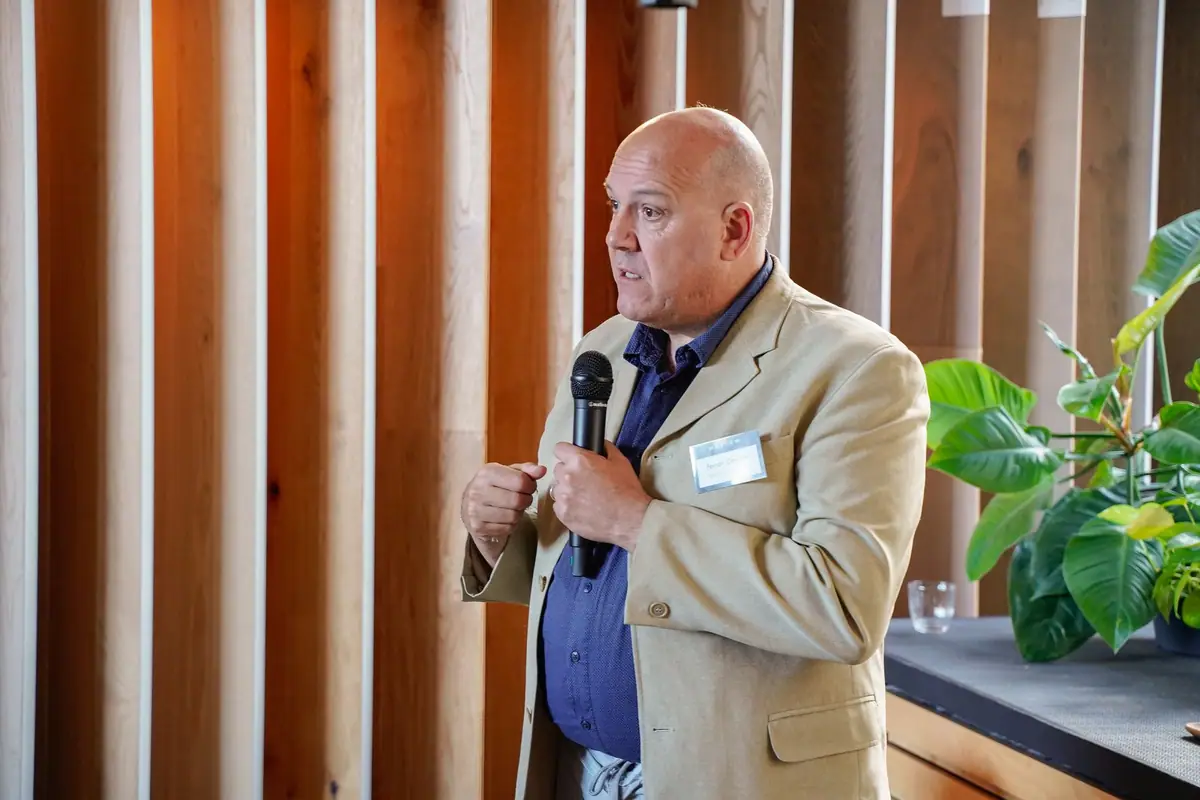
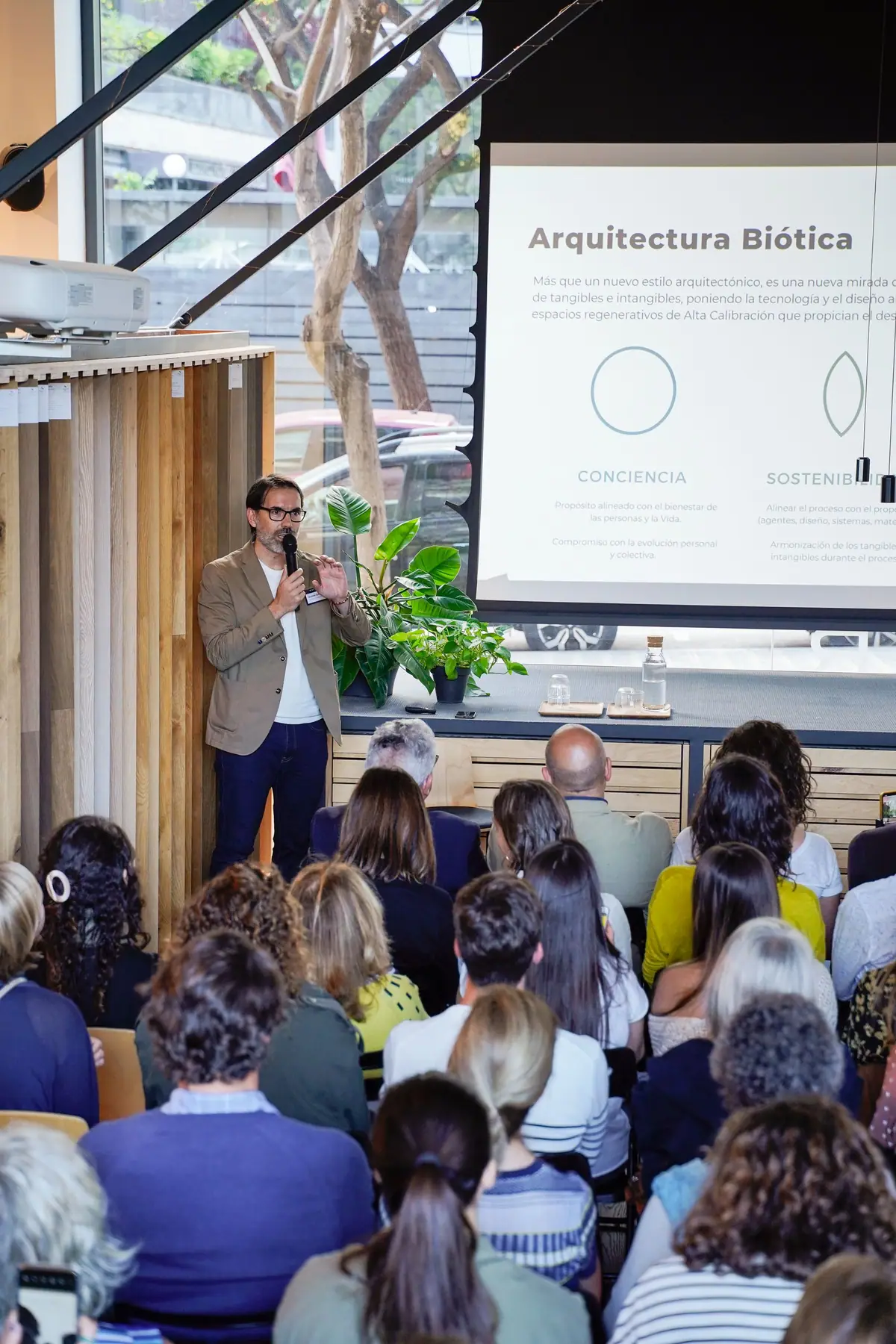
Gabriel Gomera, interior designer and coordinator of Economía Humana’s Habitat team, presented the concept of biotic architecture, which places people and their well-being at the centre of design and construction. Biotic architecture seeks to transform built environments into places that promote life and development at both individual and collective level.
Its practical application is Espai Humà Sabadell, the first residential development promoted by Economía Humana: according to its promoters, a regenerative building with high-efficiency passive systems, a timber structure, ecological materials and nature in the communal areas.
Healthy materiality: building to live
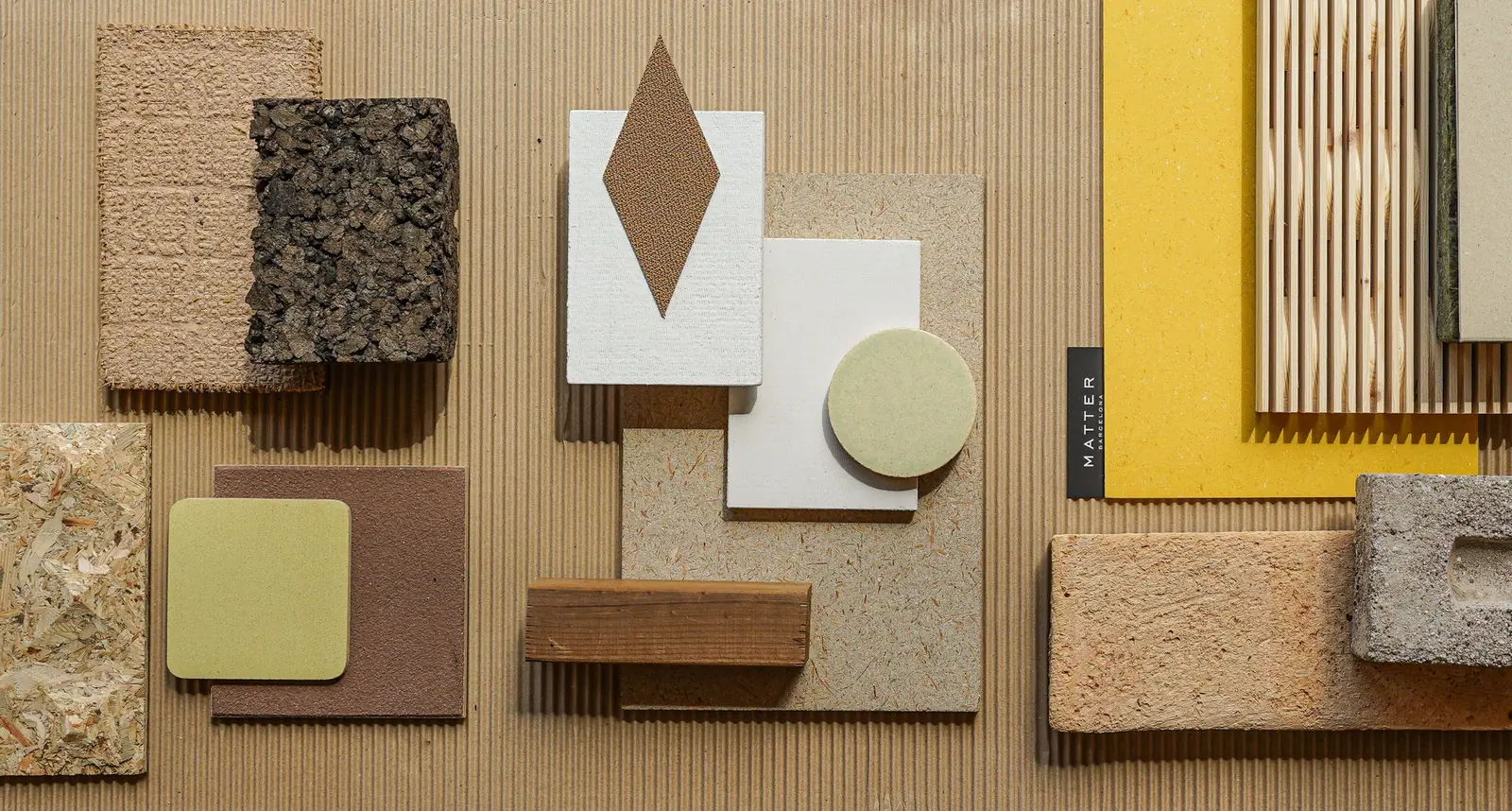
Natalia Ojeda, CMO of Matter, highlighted the importance of healthy materiality and its positive impact on the well-being of communities: choosing materials that respect the environment and the health of those who inhabit spaces can make a great difference. In her talk she reviewed four families of materials:
- Natural: lime, clay, earth, wood or stone.
- Recycled: materials made from recovered raw materials.
- Biofabricated: materials that grow themselves from organic waste and mycelium.
- Active: such as microalgae, for their ability to supply oxygen and improve air quality.
Espai Humà Sabadell: first the community, then the building
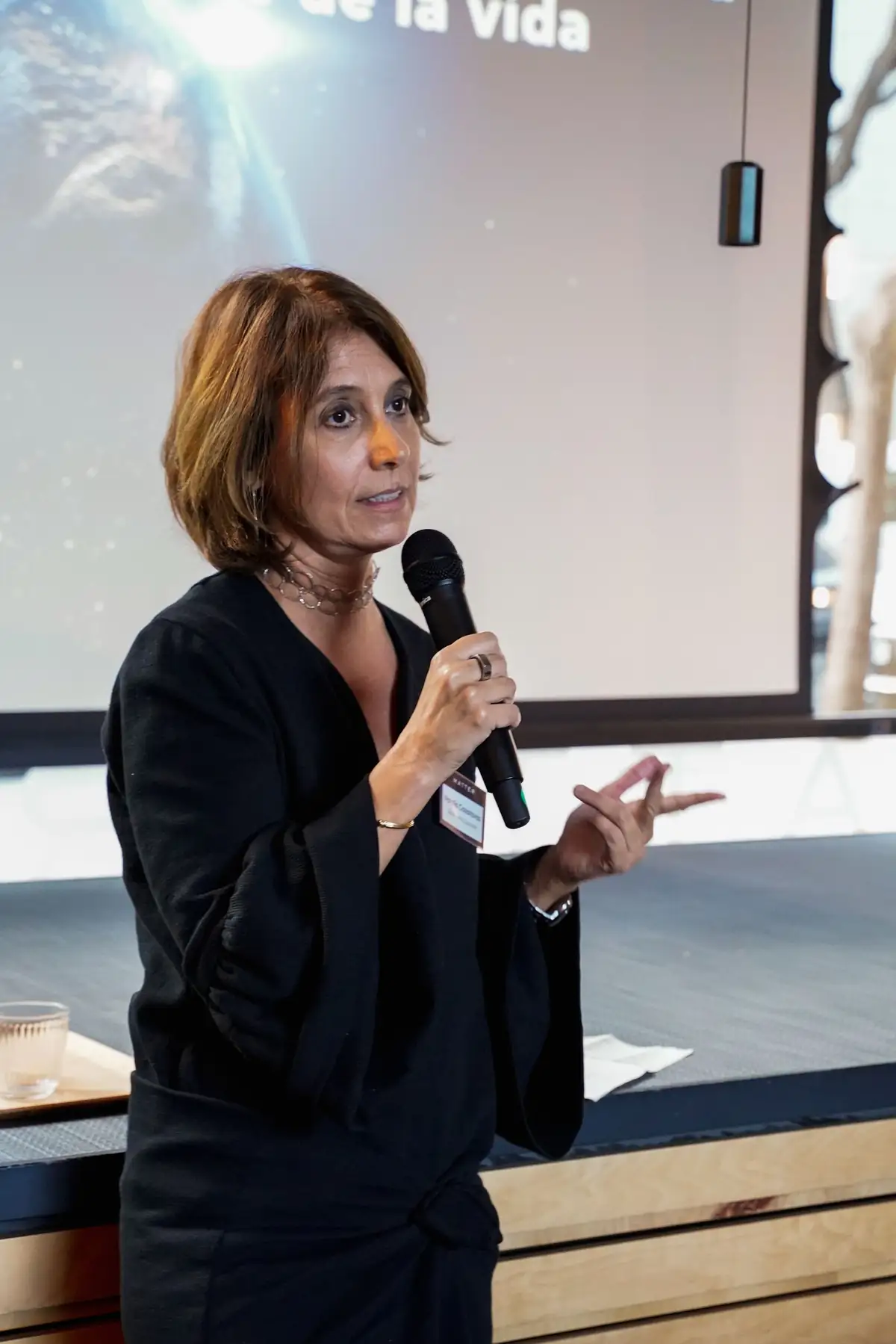
Natalia Casanovas, economist, businesswoman and host of Espai Humà, shared the origins of the project. It grew out of her training in human habitat and coaching, which led her to place a plot of land she owned at the service of Hábitat Humano to create something different. The project is being developed in a residential area of Sabadell, with the approach of putting people at the centre and accompanying the community transparently from the outset until the homes are handed over. Natalia stressed the importance of forming a high-calibration, vibrant and conscious community, and explained that they already had a core community of people with a high level of awareness who had wanted to contribute from the very beginning.
The development, in the Can Gambús neighbourhood next to the city’s green corridor, was approached the other way round from a conventional development: the first phase consisted of creating the community of residents who will live there, with meetings to share values and expectations, before finalising the building design.
Jordi Sabaté, a member of the community, explained that what motivated him and his partner was the innovation of creating the community first and then the building. They valued the high level of awareness and the aim of leaving a legacy for a better future. He highlighted the trust they had developed in the project over time, and how that trust, together with the honesty, credibility and competence of the people involved, led them to take the final step and commit to it. He also shared his enthusiasm about being part of the community and being able to take part in activities in the shared spaces.
Architecture that supports community life
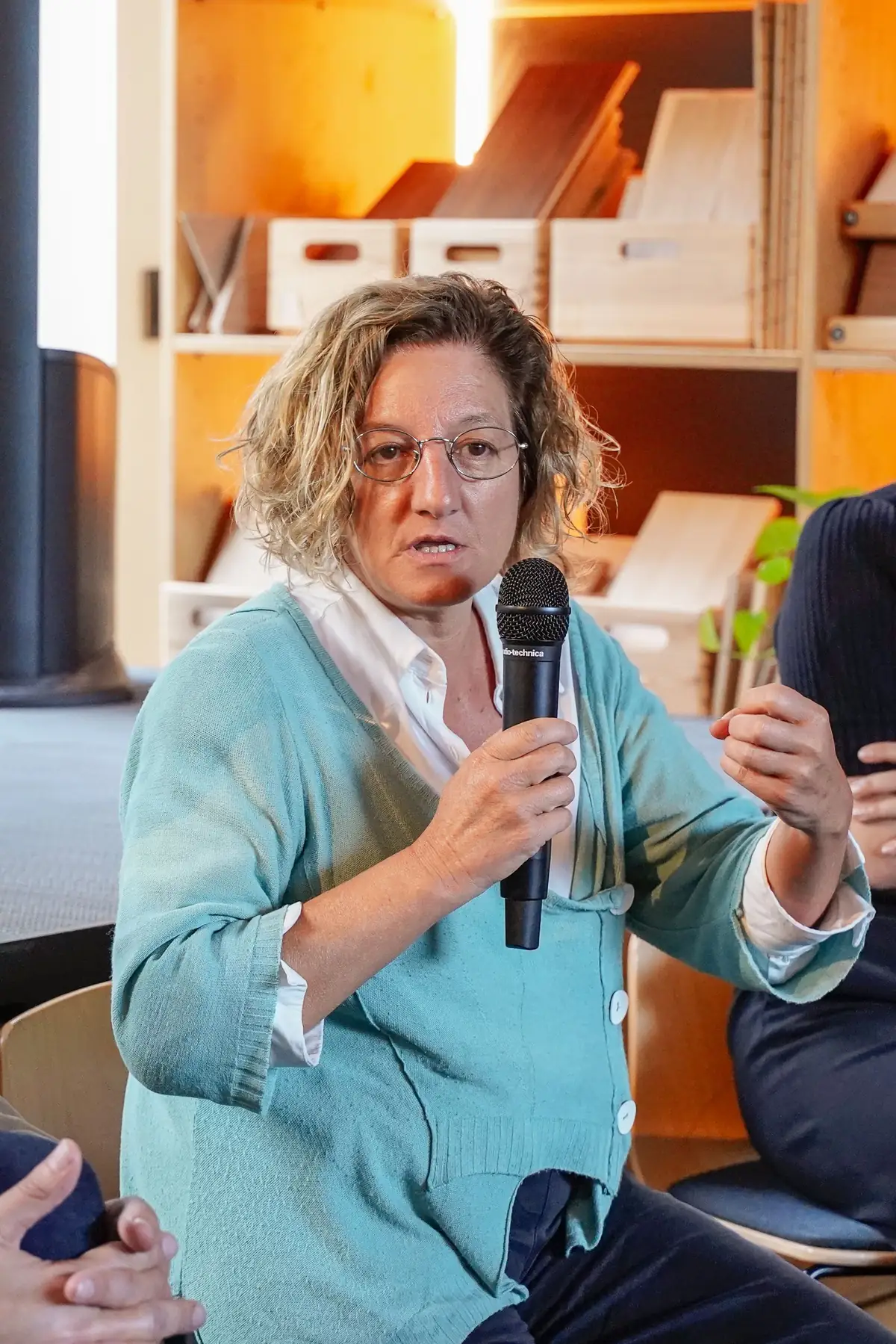
The architect Lola Domènech, who has run her own practice in Barcelona since 1995 and designed the remodelling of passeig de Sant Joan, shared her view of architecture and its positive influence on the community. She stressed the importance of creating spaces that encourage interaction and people’s active participation, integrating sustainability and respect for the environment into every project.
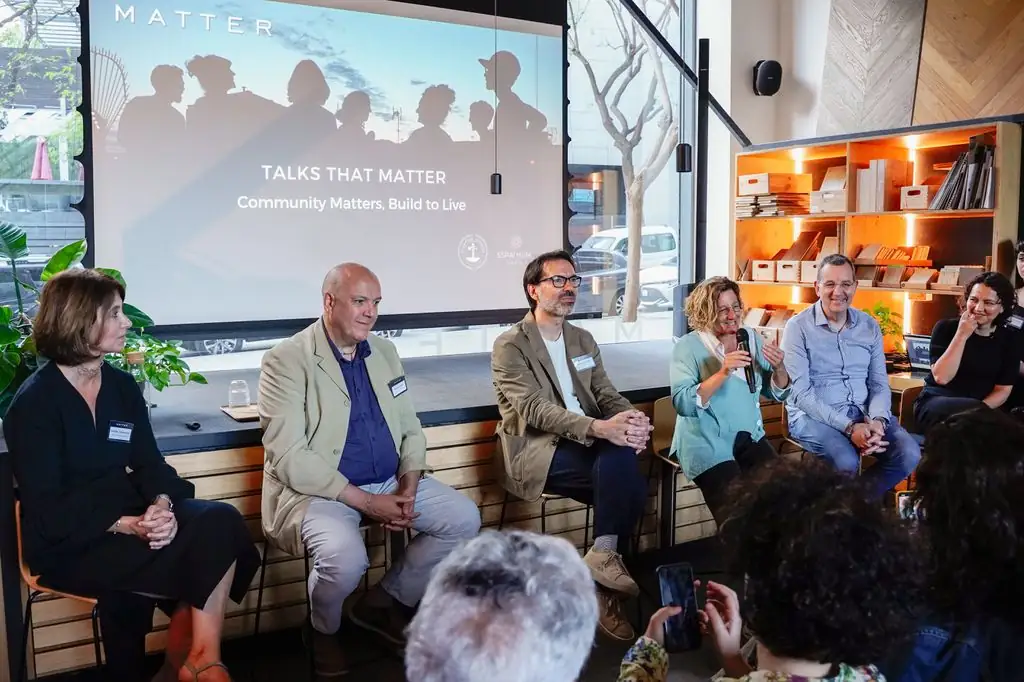
Discussion: aligning values to build community
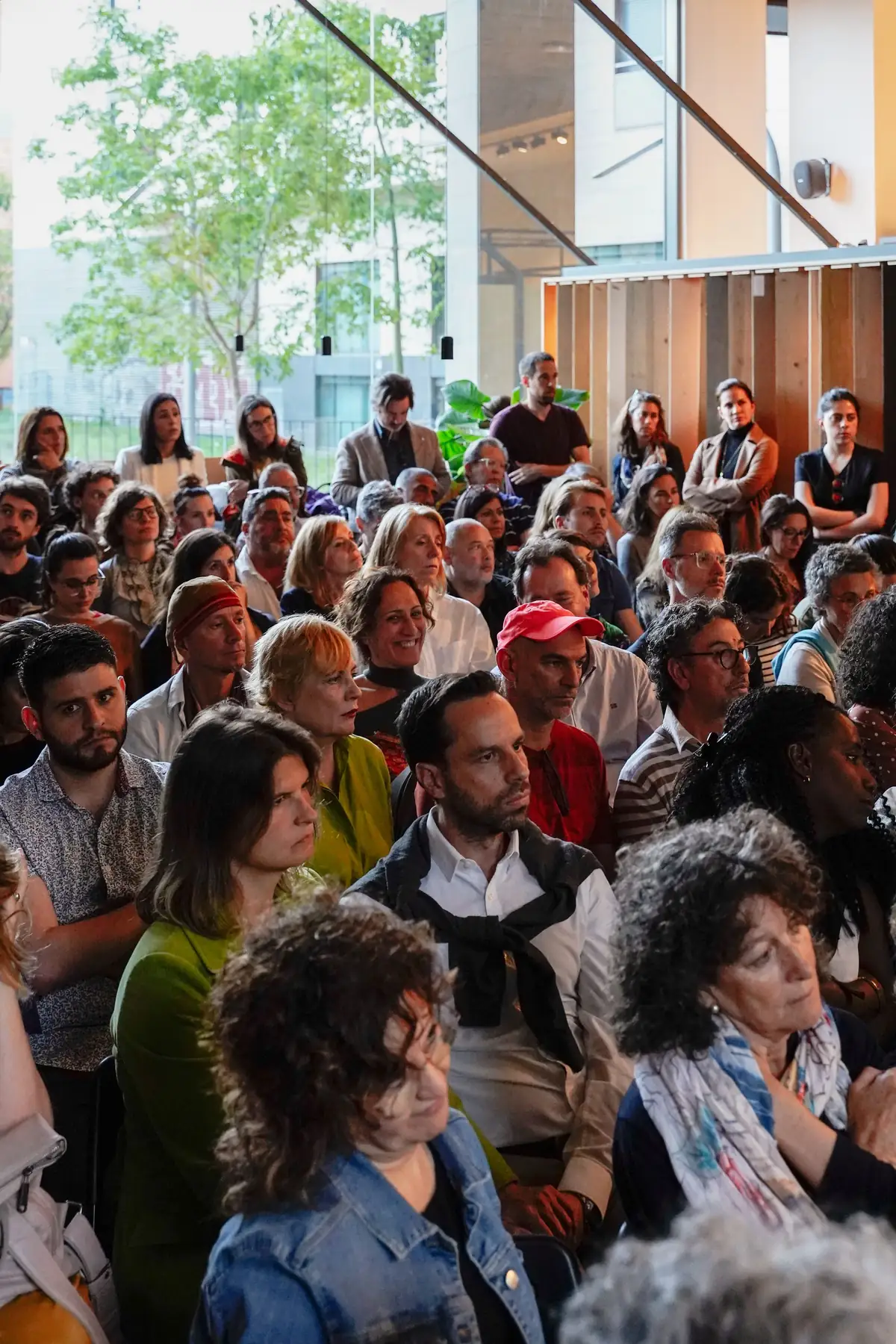
The question-and-answer round allowed the audience to explore the importance of aligning values to create communities and build conscious, sustainable spaces that foster relationships with added value: a model that needs to be replicated at every scale of the city. Aligning communities activates creativity and moves us towards a society with greater well-being.
These are the ideas we took away from the event:
- Community as the starting point: creating the group of residents first and then the building generates trust and commitment to the project.
- Well-being at the centre: biotic architecture proposes built environments that support individual and collective life.
- Healthy materials: whether natural, recycled, biofabricated or active, the choice of materials affects the health of those who inhabit the spaces.
- Spaces for interaction: shared areas are what make community life possible.
An Eco-Picnic to close
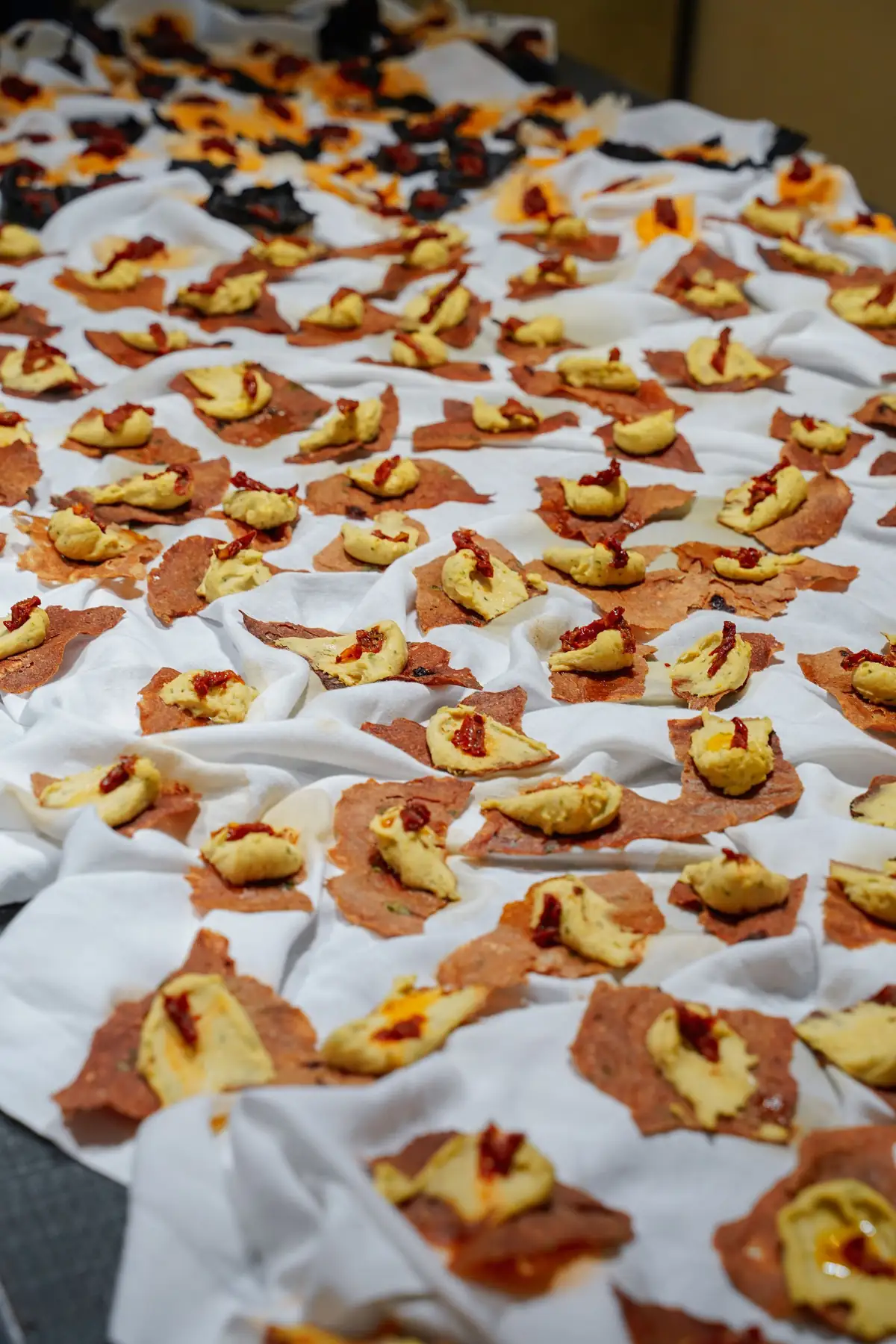
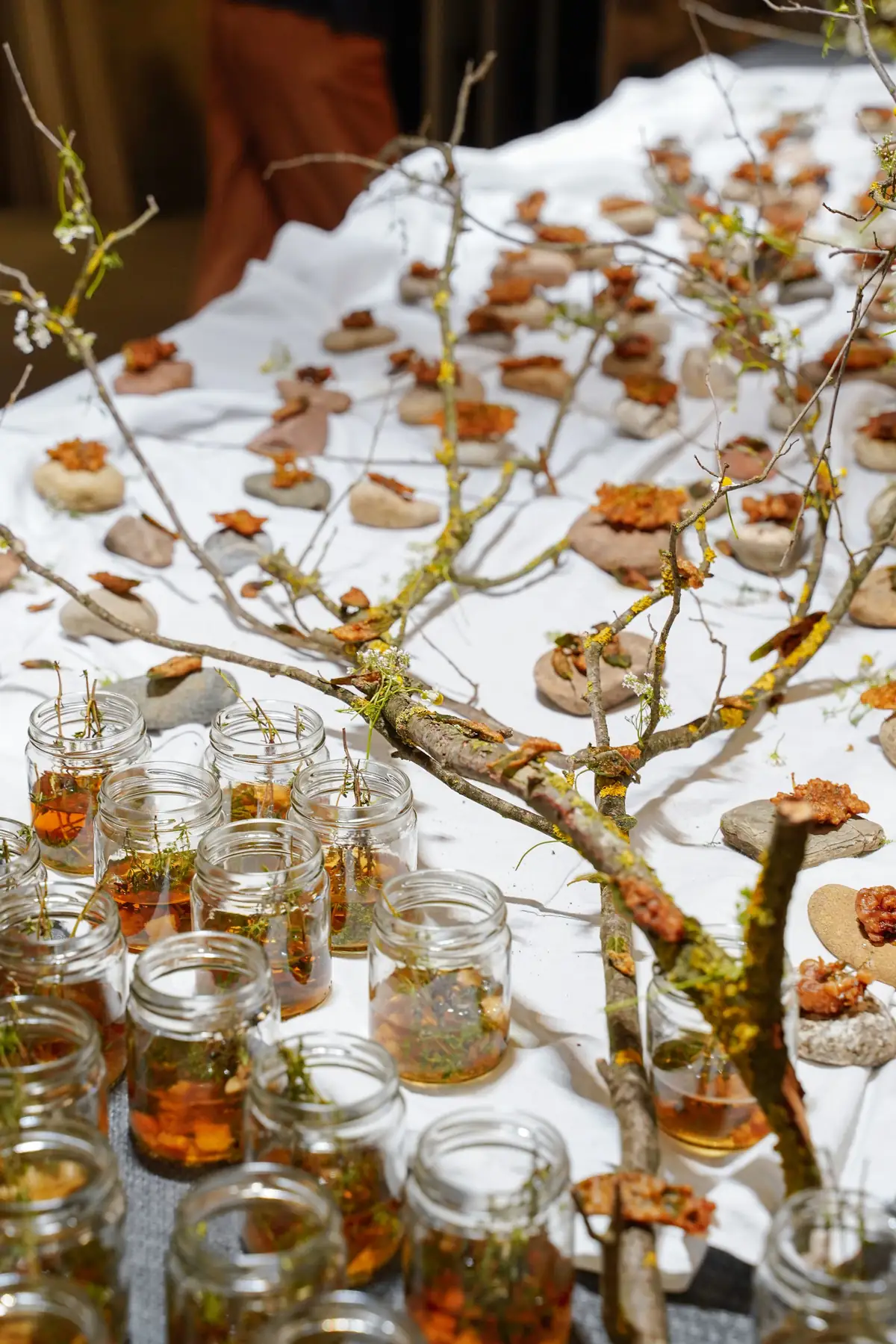
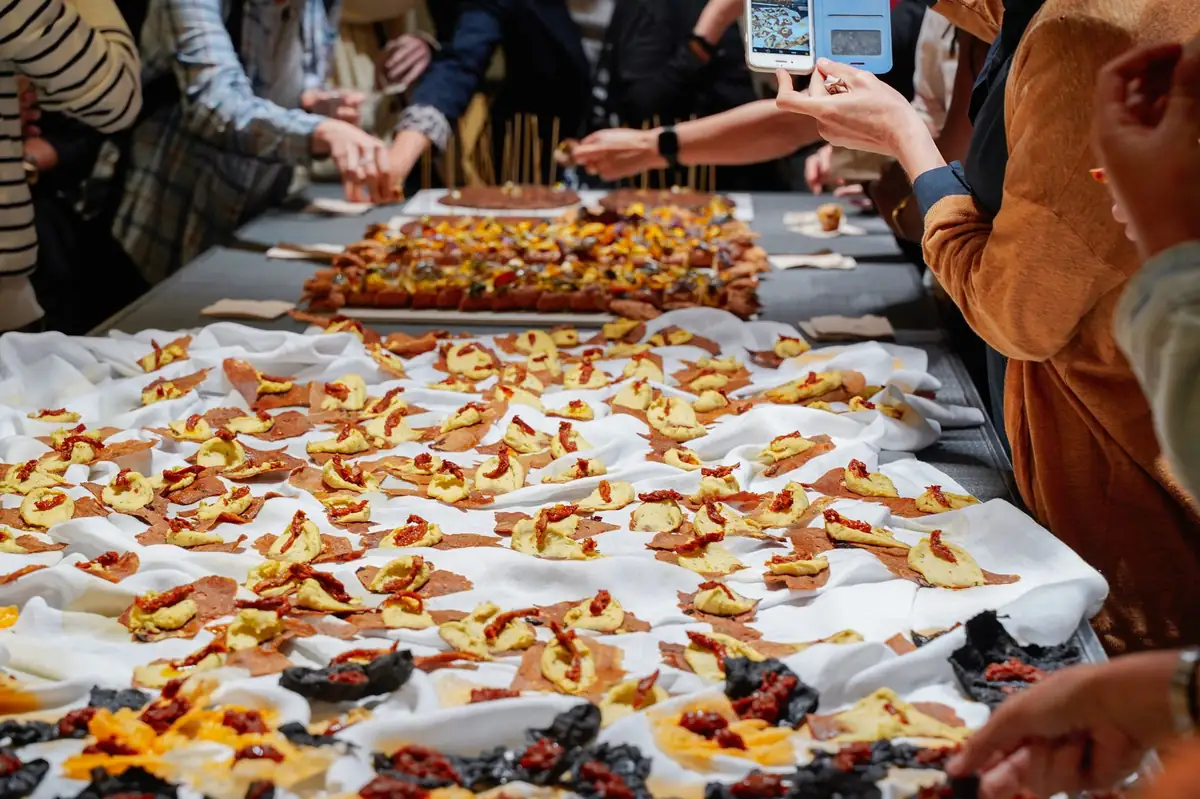
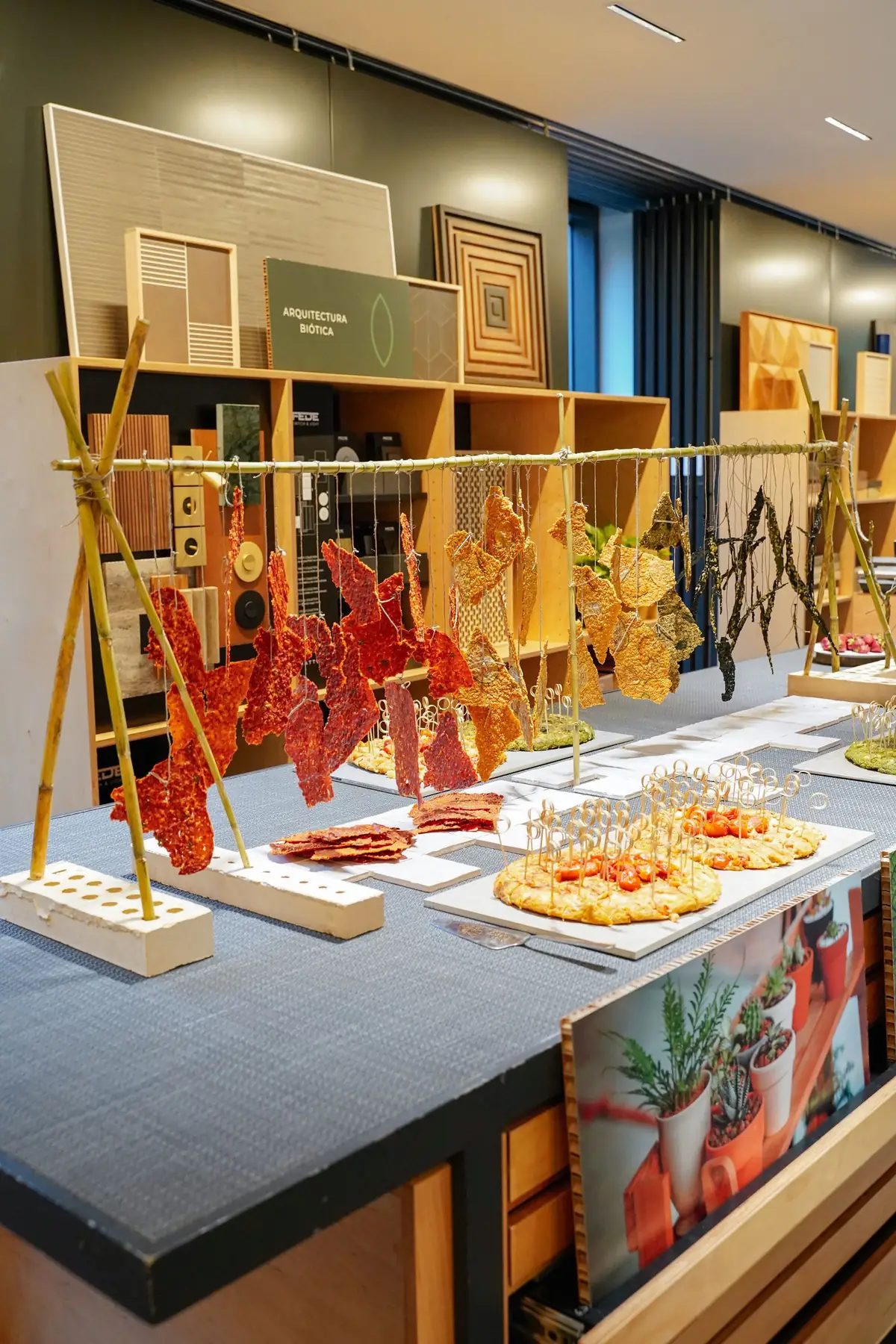
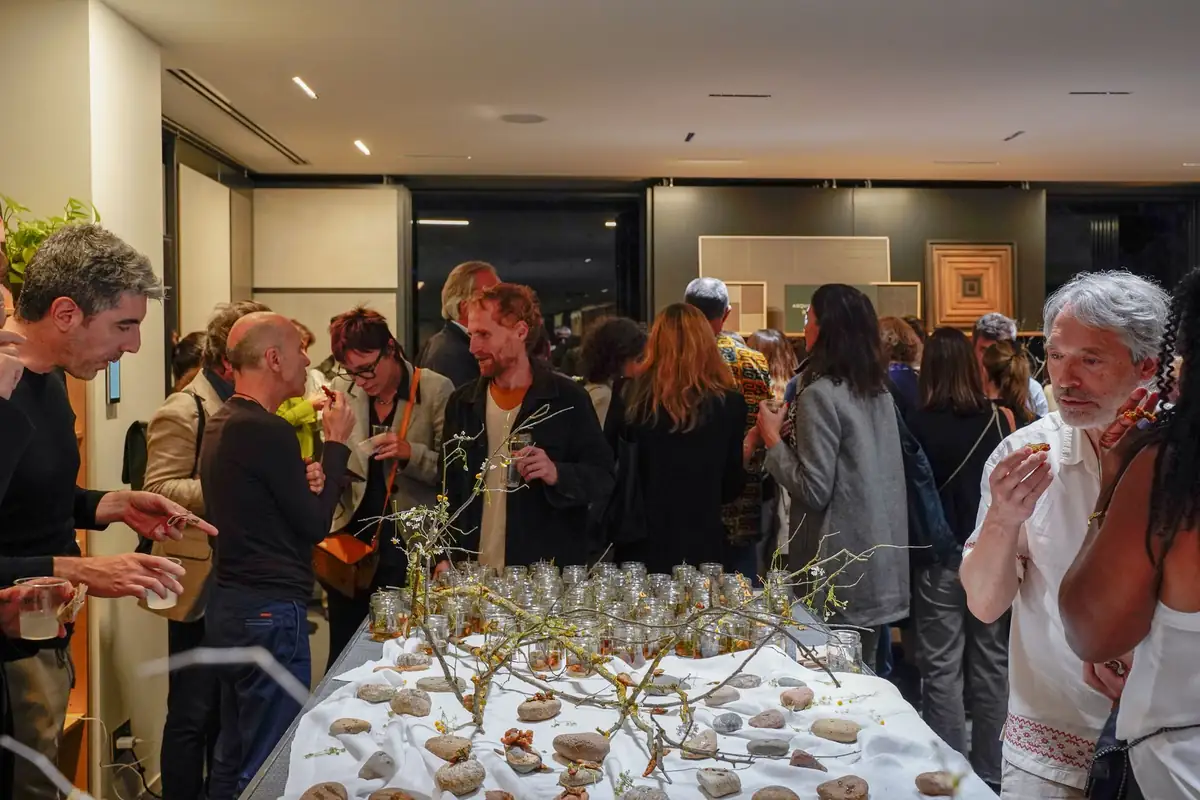
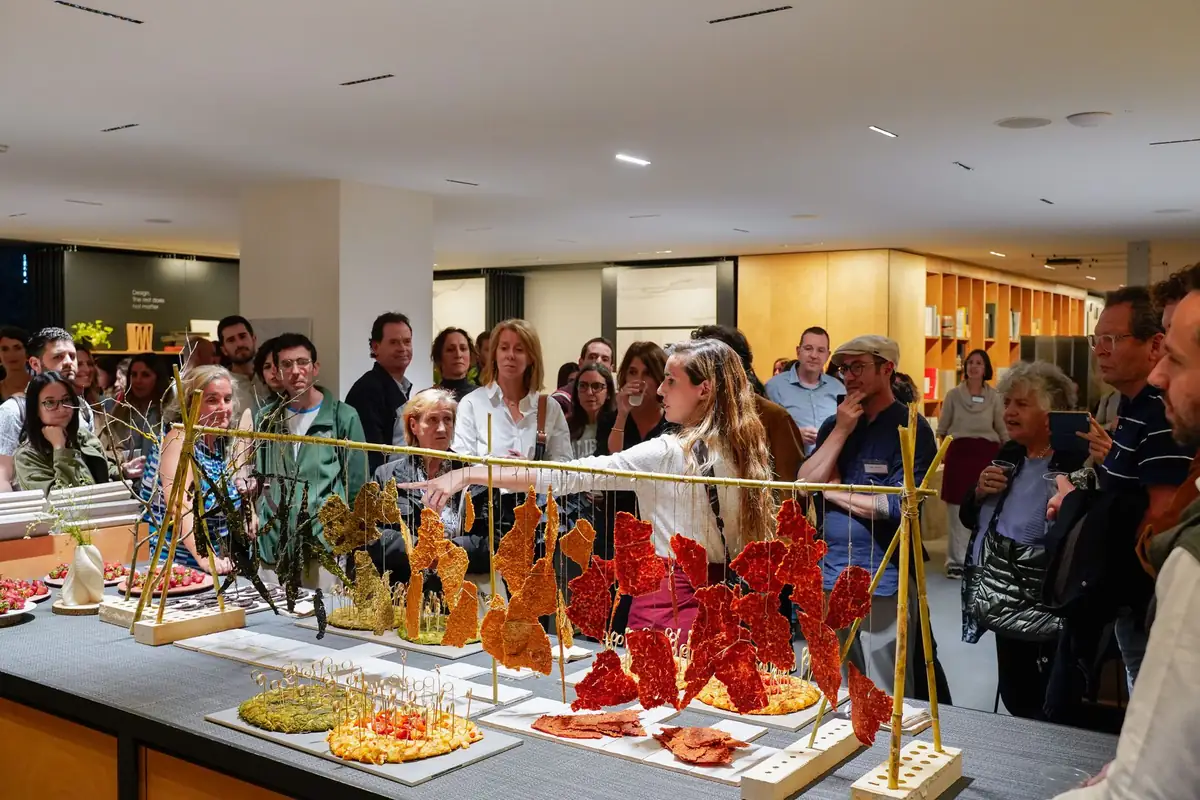
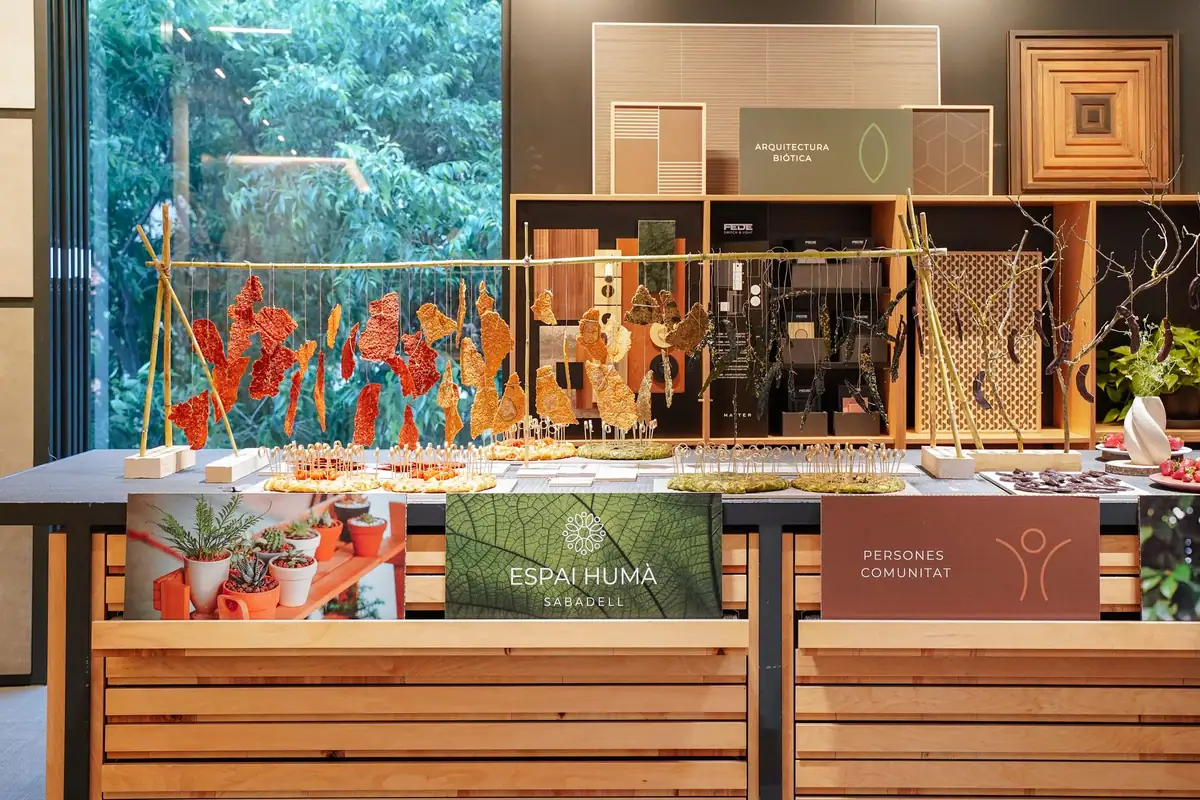
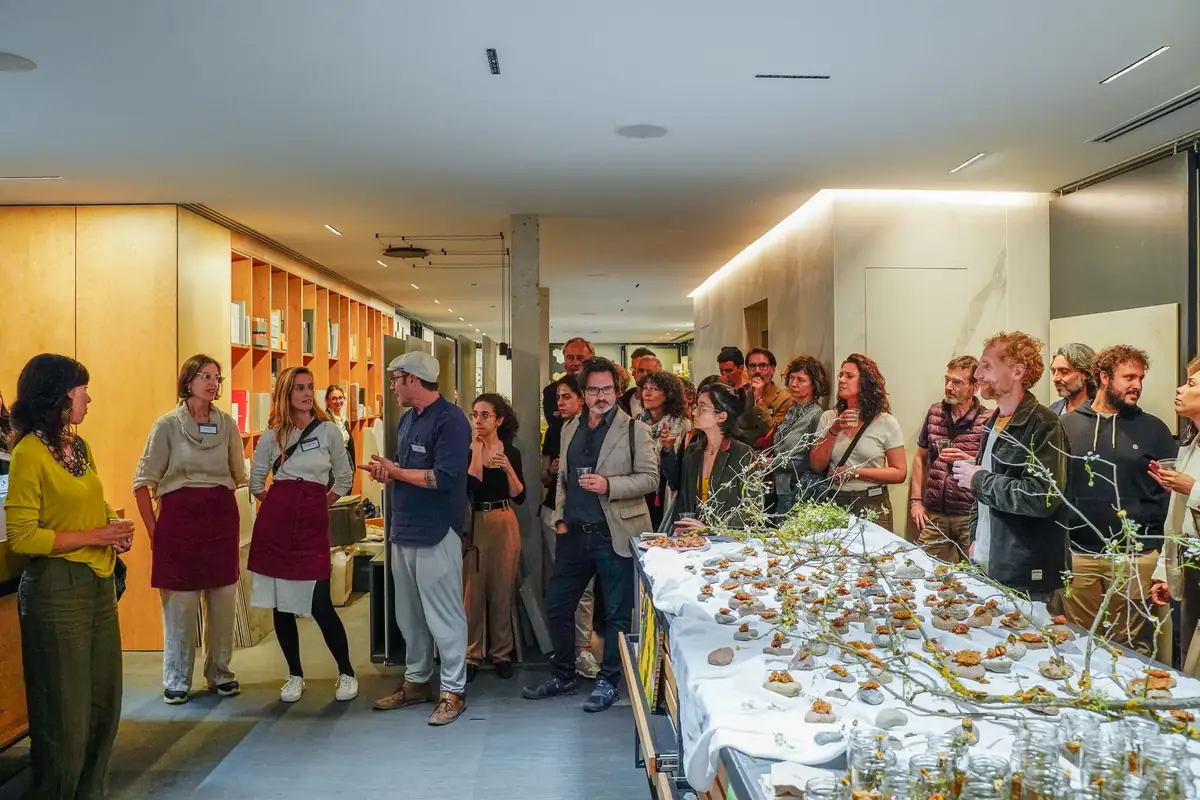
At the end of the event we enjoyed an Eco-Picnic by the culinary designer Clara Balmaña (Bon Aprofit) and the chef Lola Puig (Mon Aliment), with the collaboration of the culinary designer Ivan Merino (Biscuits Bcn). The menu was inspired by shared communal spaces and prepared with produce from their own vegetable garden.
Organised by Matter, Economía Humana and Espai Humà Sabadell
Community Matters, Build to Live was a session organised by Matter together with Economía Humana and Espai Humà Sabadell.



Talks That Matter is our series of events for conversations about architecture, design and the way we inhabit spaces. Book your visit to Matter to see our Materioteca and talk about the materials for your next project.