b720 Fermín Vázquez Arquitectos
Fermín Vázquez and Ana Bassat explain how b720 combines professional rigour, two offices and a demanding eye when it comes to choosing sustainable materials.
InterviewsWorkflows That Matter10 of 586 min read
“The most important thing for us is to be able to design and build what others will later enjoy, and to know that we have made it possible.”
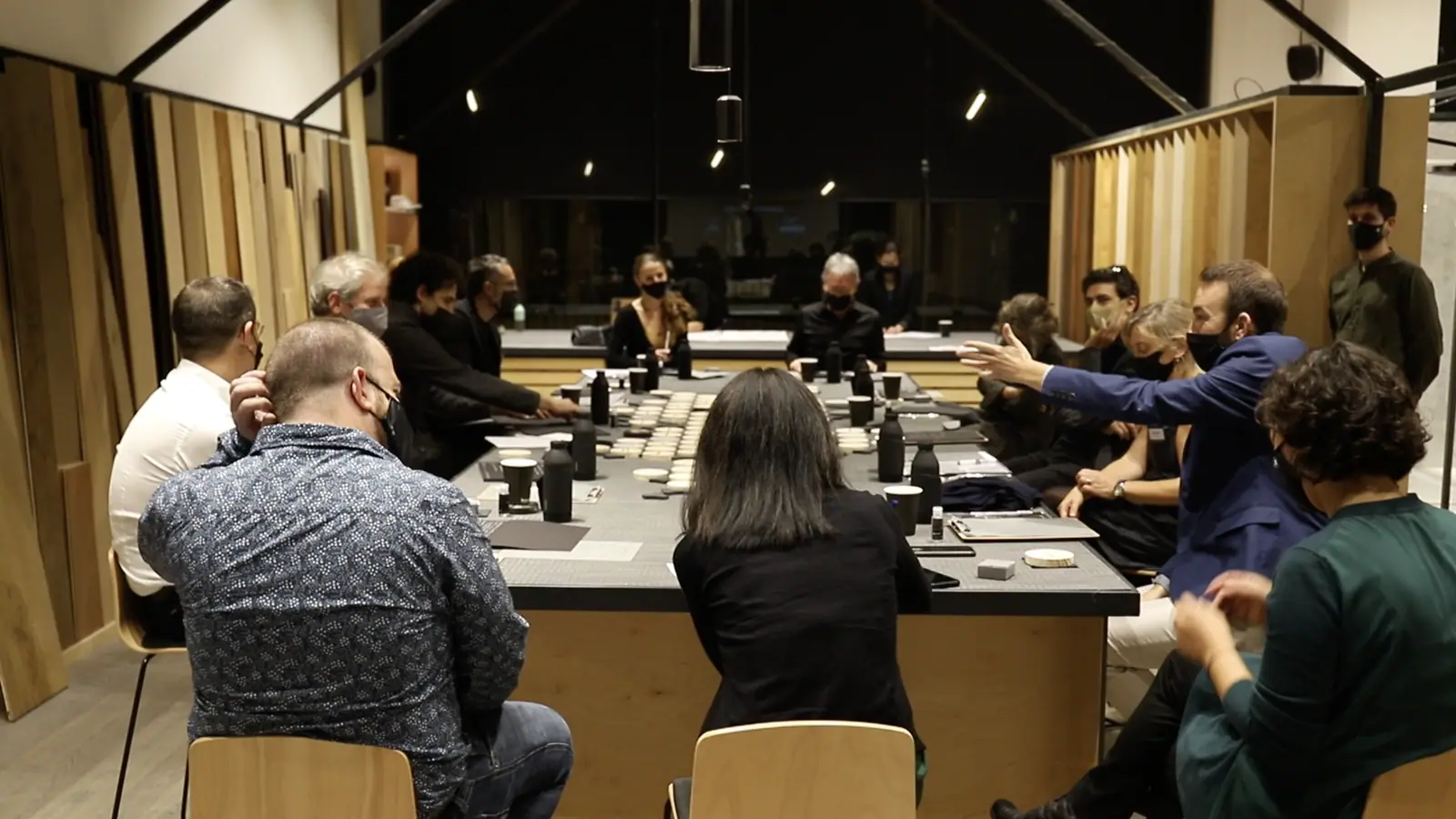
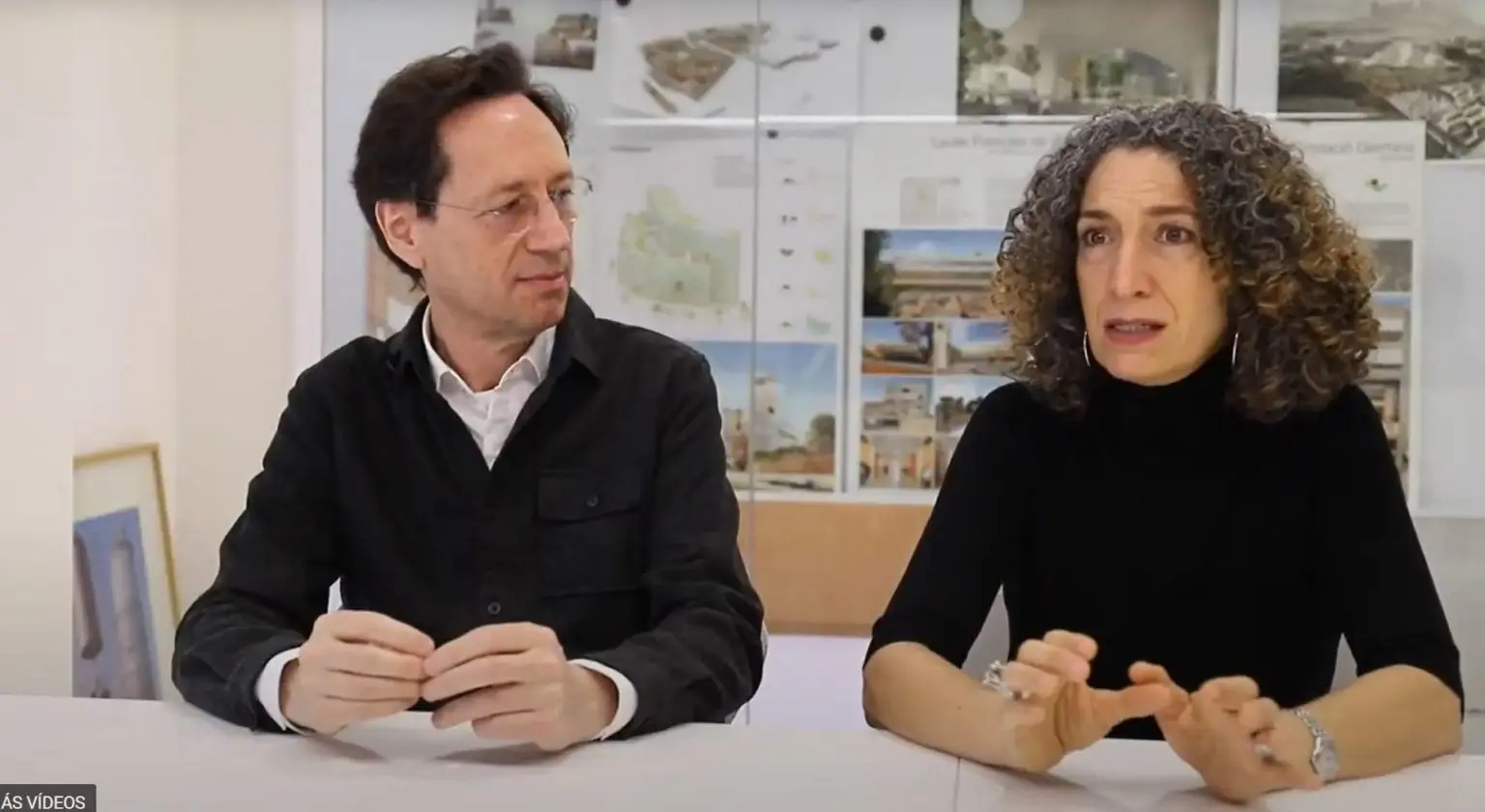
The architecture practice b720 Fermín Vázquez Arquitectos is well known in the sector. Since its founding in 1997, Fermín Vázquez and Ana Bassat have been at the helm of the company which, with the work and support of its large team, produces contemporary architecture committed to the responsible use of natural resources. In this sixth instalment of Workflows That Matter we were able to interview them at their studio and learn more about what characterises and defines them as a studio.
We talk about the professional rigour they brought in from the English-speaking world when it was unusual in Spain, how the two founding partners divide the work, the difficulty of choosing truly sustainable materials, and a studio designed to outlast its founders.
b720, between Madrid and Barcelona since 1997
From the outset, b720 has worked from two offices, Madrid and Barcelona, and has taken part in the architectural transformation of both cities. Fermín Vázquez, who graduated in architecture from the Escuela Técnica Superior de Arquitectura de Madrid (1988), has led the studio since its founding together with Ana Bassat and combines practice with teaching.
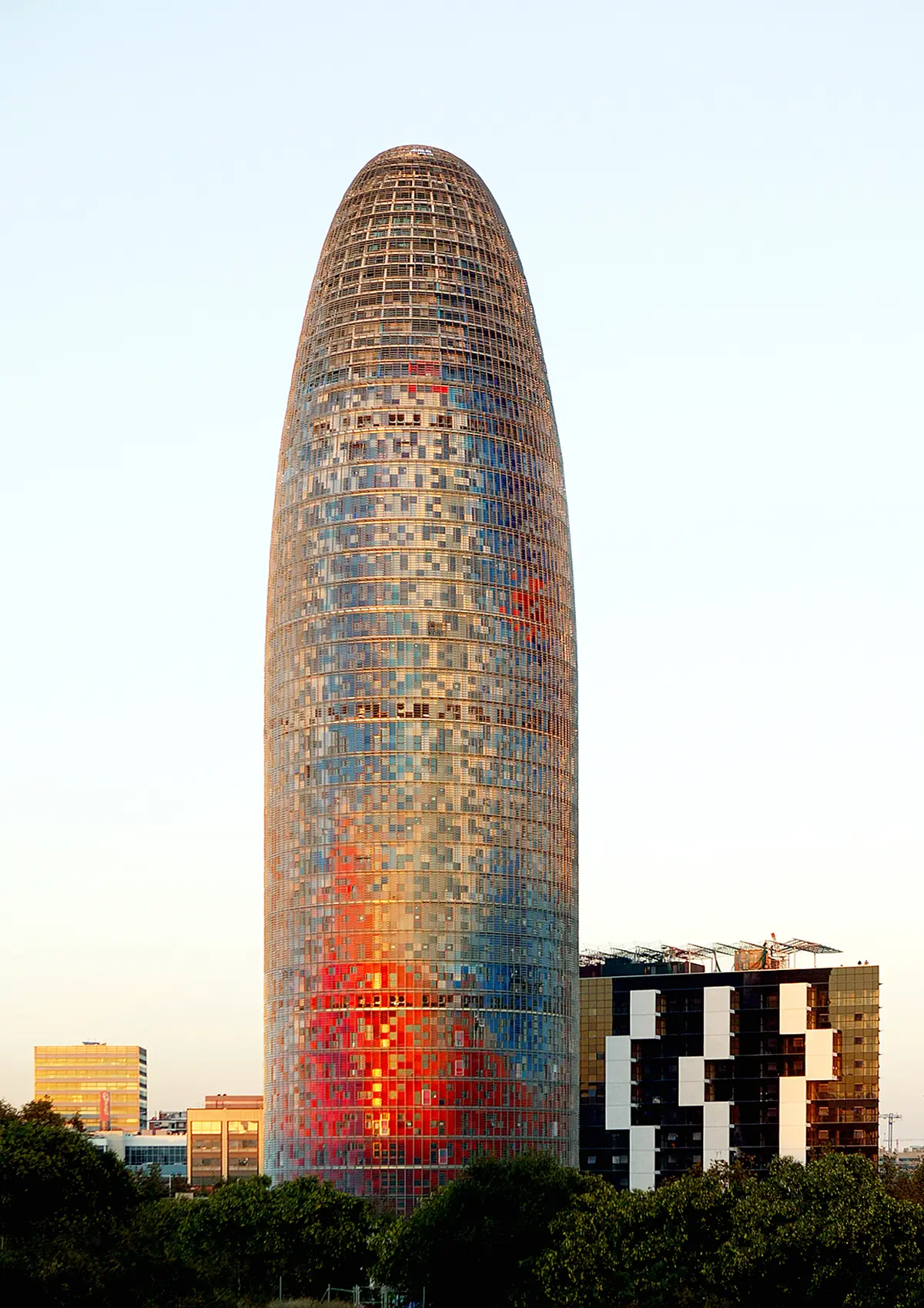
Much of its track record has been built as local partner to major international studios on their projects in Spain. In co-authorship with Ateliers Jean Nouvel it developed the extension of the Museo Reina Sofía in Madrid (2000) and the Torre Agbar in Barcelona (2005); with David Chipperfield Architects, the Veles e Vents building in Valencia (2007) and the Ciutat de la Justícia in Barcelona (2009); and with Toyo Ito & Associates, the Porta Fira towers in L'Hospitalet de Llobregat (2009).
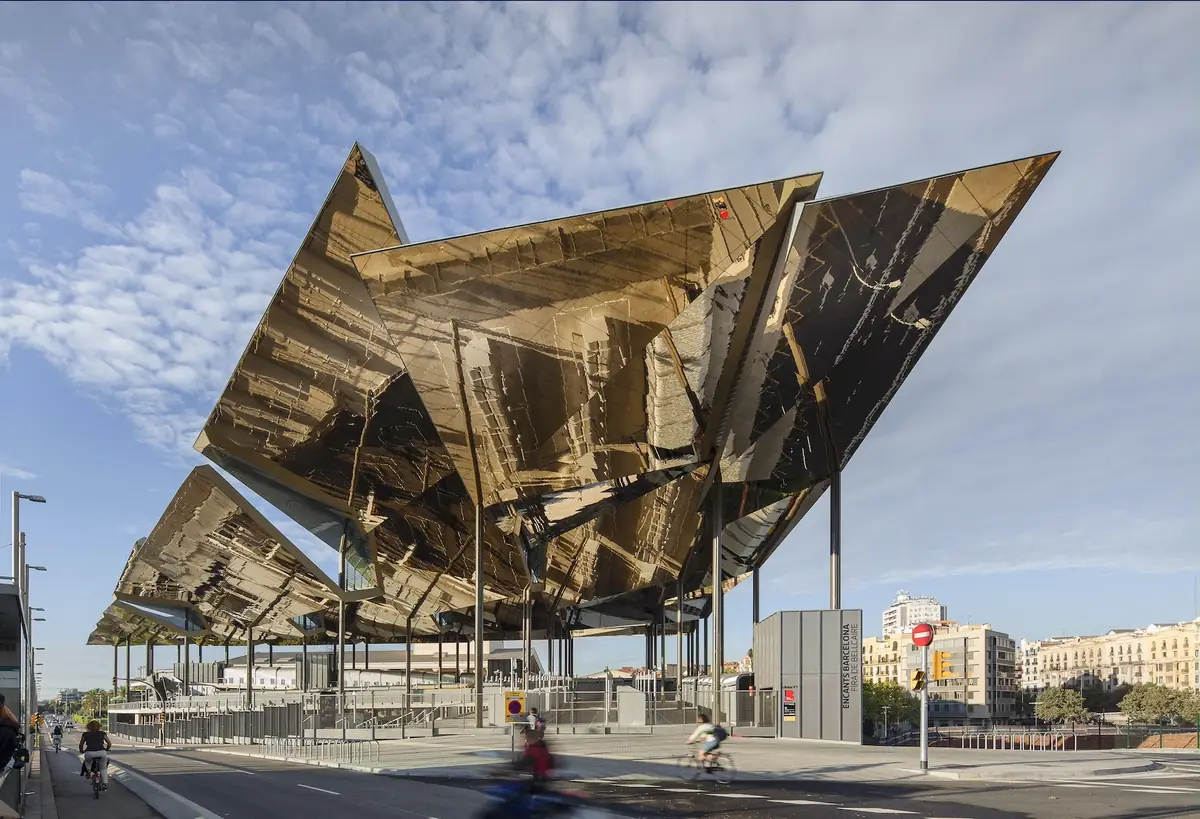
Its projects prior to this interview also include the new Mercat dels Encants in Barcelona (2013), next to plaça de les Glòries, with a large reflective roof, which won an award at the AIT-Award 2014; the Itaim tower in São Paulo (2018); and the new building for the Lycée Français de Barcelona (2017) in Sarrià, which we featured in the Workflows Project series.
Professional rigour, two offices and no signature style
It's a pleasure to come to your studio to interview you… You are a highly regarded studio with a long track record behind you. What do you think defines you as a practice? What characterises b720?
“I would highlight that some things made us quite unique for many years, perhaps somewhat less so over time, but more than 20 years ago we began doing something in Spain that was unusual, because almost without meaning to we imported the working methodology more common in the English-speaking world. I think we brought a professional rigour in the service we provided that was unusual here because nobody paid for it. Curiously, at that time we had to be willing to accept not being paid for it, and we worked in that particularly rigorous way, in terms of documentation and professional service, while trying to make architecture, which was what really motivated us. That made us stand out.”
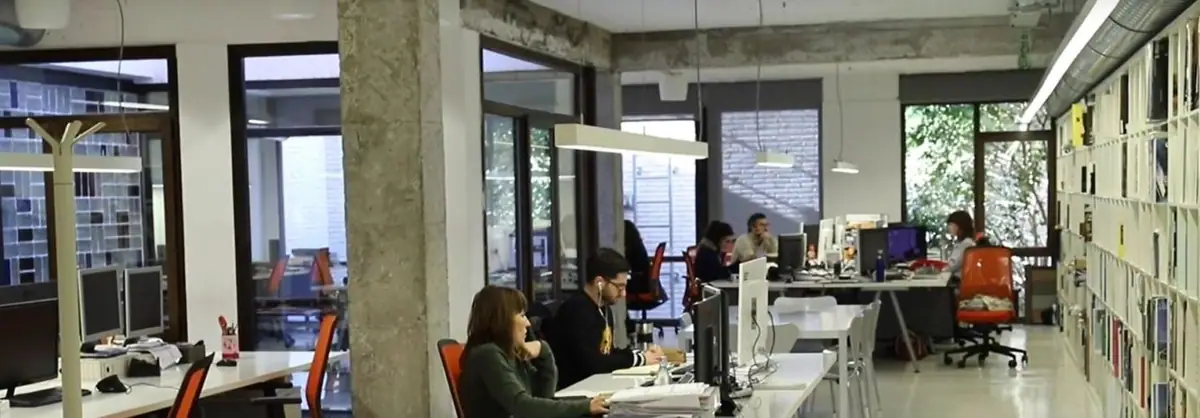
“The demand in the Spanish market for higher quality in the strictly professional sense of the architectural result meant that, as well as noticing that we were making architecture with great enthusiasm, people noticed that we did both things in a way that stood out, and that set us apart. That demand for higher quality has led other offices to start working to that level of rigour.”
“Another thing that set us apart, and perhaps still does to this day, is that we are a studio that started practically simultaneously in Madrid and Barcelona. Having these two offices in parallel distinguishes us as a studio that naturally embraces these two poles, while at the same time being local in both cities. This is complemented by constant international work.”
“Also the will not to build up too much of a signature style of our own, not to be slaves to one formal way of doing things, or even to one material approach — these are things that identify us. Add to that the decision to see projects as independent challenges and to keep questioning ourselves.”
Two founders and a partnership of seven
You are founding partners and also a couple. Tell us about your roles in the studio: how do you complement each other?
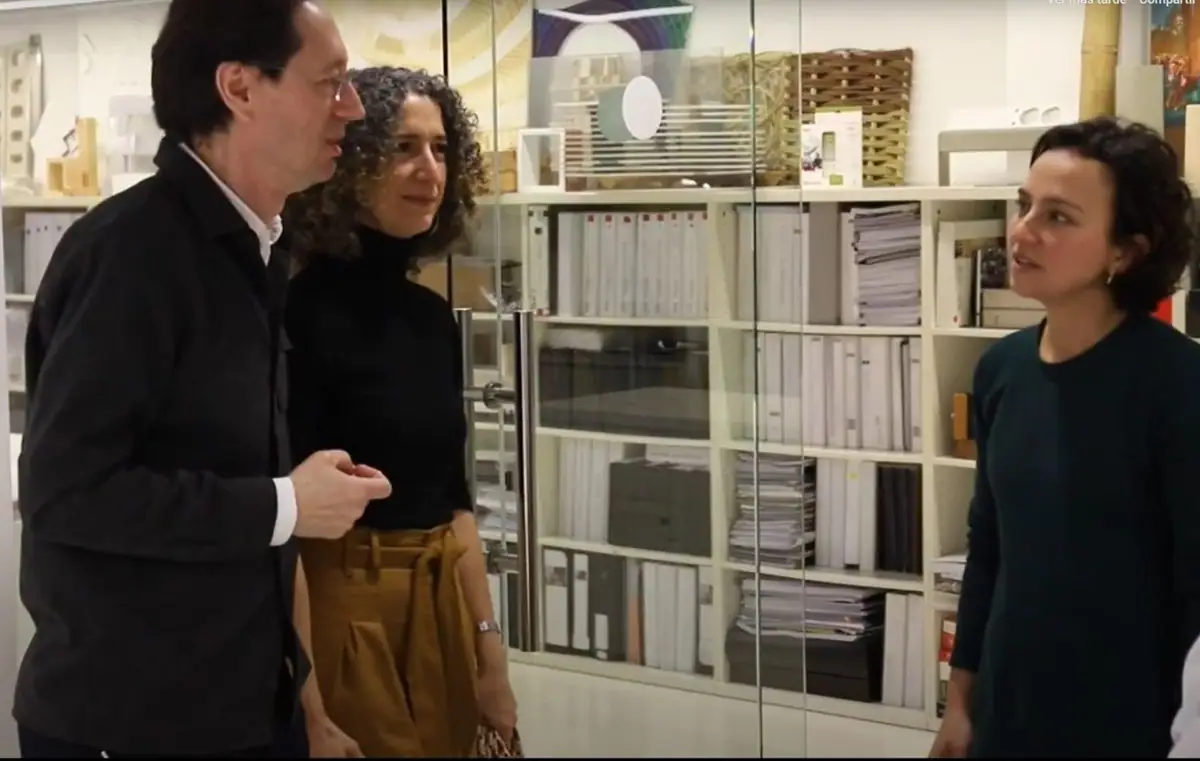
Ana Bassat: When we started, we both did absolutely everything, and as we grew I probably came to specialise in running the studio, in managing it. There came a point when we were very large and had to divide up the tasks. Fermín has been leading the more conceptual side of the projects and I the more administrative side and the management of the offices.
Fermín Vázquez: In reality we are a large team. Beyond Ana and me, who founded the studio, we have set ourselves up in the Anglo-Saxon way, as a partnership; there are now seven partners and the studio aims to endure over time. We like to think the studio is structured to go on making architecture beyond its founders.
“We like to think the studio is structured to go on making architecture beyond its founders.”
— Fermín Vázquez
Sustainable materials: researching and still doubting
When it comes to selecting materials for each project, what difficulties do you usually face?
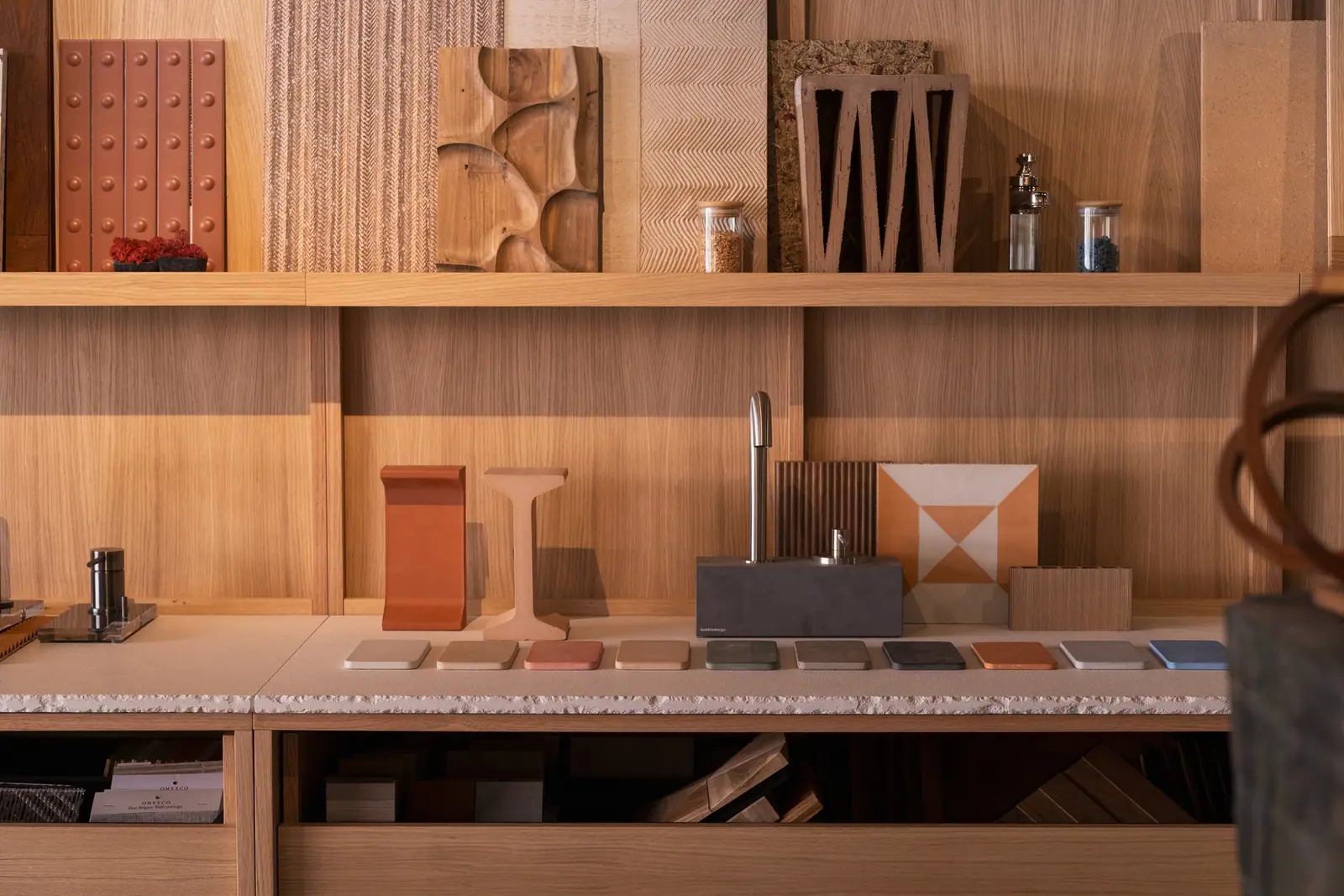
“Starting from a basis of thorough prior research and good organisation, the greatest difficulty lies in finding sustainable materials or tools to carry out the projects. In the end, despite all the work and research, there are always doubts, and it is hard to be certain whether those materials meet the requirements for reducing negative environmental impact and are genuinely respectful of the natural heritage.”
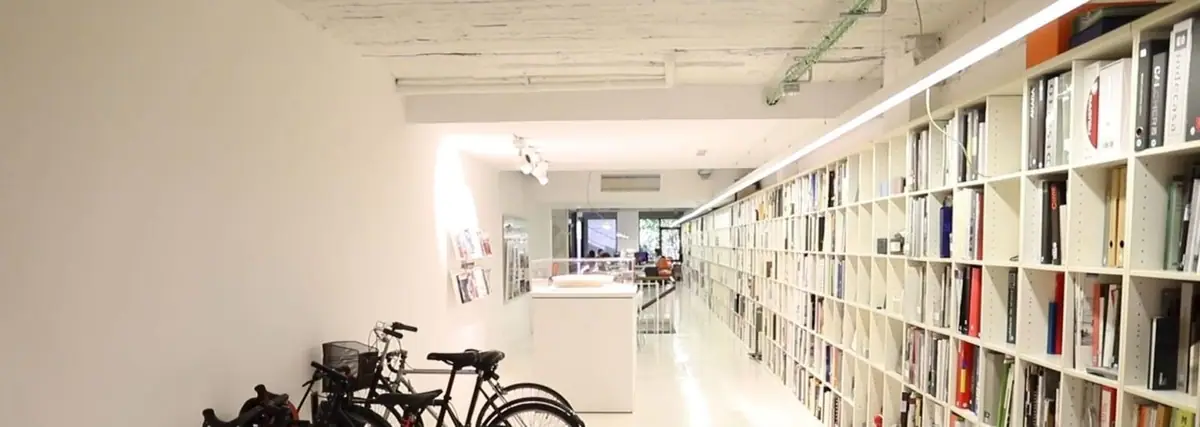
Clients increasingly willing to build responsibly
You talk about respect for what already exists and high environmental performance. Do you consider these positions in all your projects? Do your clients value them?
“Whether because it is a trend or because they genuinely support the cause, more and more clients ask for, or are open to considering, this kind of material as one more option. Regardless of that, as a practice we have always offered an environmentally respectful proposal, to include a different construction option in which these factors are taken into account. We want to promote the image and vision of a practice concerned about the state our environment is in. Today clients are more willing to pay more to know that their home or project has been built responsibly and that, in some way, they are helping to improve the current situation, or at least not making it worse.”
A studio designed to endure
Finally, where is b720 heading in the future?
“It is very difficult to think about how all this will evolve, but, as we said at the beginning, this is a studio that aims to endure, structured to go on making good architecture beyond its founders, through a generation of associate architects who have been with us for more than fifteen years and can make that continuity possible. At this moment of transition, the most important thing about b720 is not what will happen in the future but what we have achieved so far thanks to an enormous team that has put the work itself first rather than themselves, without being slaves to a particular signature style or way of doing things.”
Thank you for sharing this interview with us at your studio. It is inspiring to see first-hand your enthusiasm for architecture and the value you place on rigour in the profession, values that have accompanied you throughout your growth.
b720 at Matter
Our conversation with b720 began earlier and has continued since. In June 2019, Fermín Vázquez explained at Talks That Matter, together with Joan Roig (Batlle i Roig) and Josep Juanpere (GCA Architects), how a small studio becomes an architecture firm. In October 2020, Peco Mulet, director architect of b720 in Barcelona, presented the Knem offices in Poblenou at the first Best Practices Matter; in June 2023, Fermín Vázquez spoke at Materials Matter about the development of glass for façades; and in May 2024 Ona Harster presented the Hotel Forum, now SLS Barcelona, at Talks That Matter.
Since we recorded this interview, in 2020, the studio has continued to work with major international firms: according to its website, it has developed the project for the future Camp Nou with Nikken Sekkei and the new Madrid-Chamartín station with UNStudio.