Batlle i Roig
Enric Batlle, Joan Roig and Albert Gil describe how their landscape, architecture and planning studio is organised, chooses materials and champions sustainability.
InterviewsWorkflows That Matter11 of 586 min read
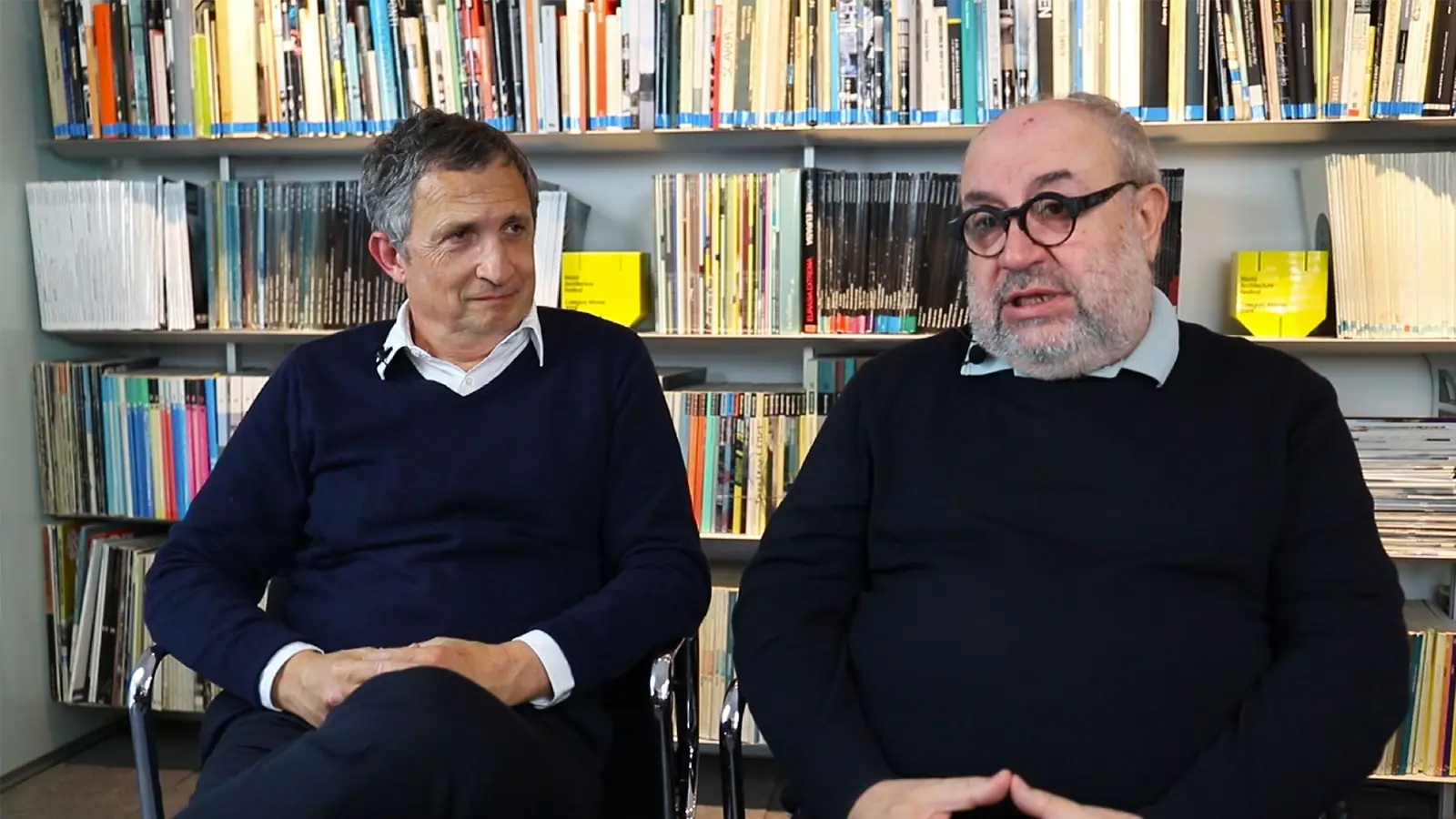
“We don't give up on doing everything; we like to champion the traditional figure of the architect, updated for the 21st century, and to be able to explain to clients that we are there from the first day to the last.”
Founded in 1981 by Enric Batlle and Joan Roig, Batlle i Roig is a Catalan architecture studio defined by its multidisciplinary character and a very clear identity. In this seventh instalment of Workflows That Matter we immerse ourselves in it with its two founding partners, who give the practice its name, and with the architect and partner Albert Gil, to discover the inner workings of their processes and their close relationship with landscape architecture and planning.
We talk about what makes the practice different, how a team that numbered 120 people at the time of the interview is organised, how they choose the materials for each project and whether clients value their commitment to sustainable design.
Batlle i Roig: city and nature since 1981
Batlle i Roig — which today signs as Batlleiroig — is a multidisciplinary office based in Esplugues de Llobregat (Barcelona), with an office in Madrid, that combines three practices: planning, landscape architecture and architecture. Enric Batlle, an architect with a doctorate and a landscape architect, and Joan Roig, an architect, founded it in 1981, and ever since, landscape and nature have been the starting point of their work, including in the face of the climate emergency.
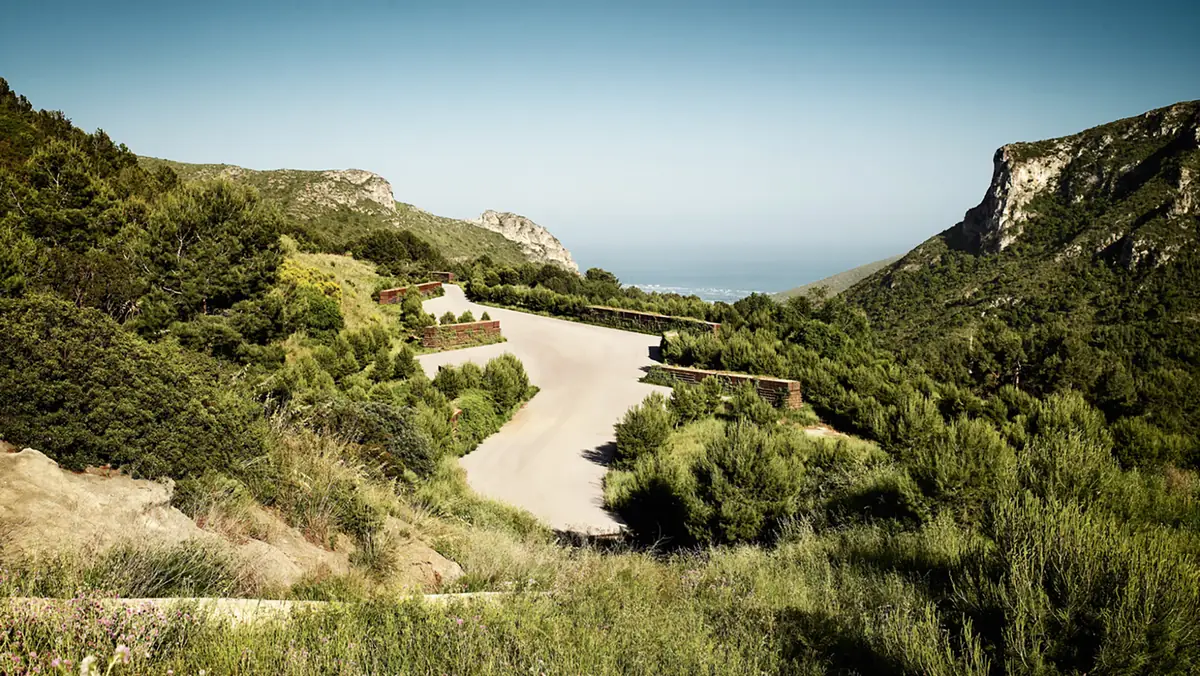
That dual scale, from the territory to the building, can be seen in projects such as the landscape restoration of the Vall d'en Joan controlled landfill in the Garraf Natural Park: a former rubbish tip transformed, through terraces, topography, hydrology and planting, into a new, freely accessible agricultural landscape, developed between 2001 and 2023 and winner of the 2023 LILA award. In buildings, their T3 Diagonal Mar offices in Barcelona won the 2025 World Architecture Festival award in the office category, with a special mention for the best use of timber.
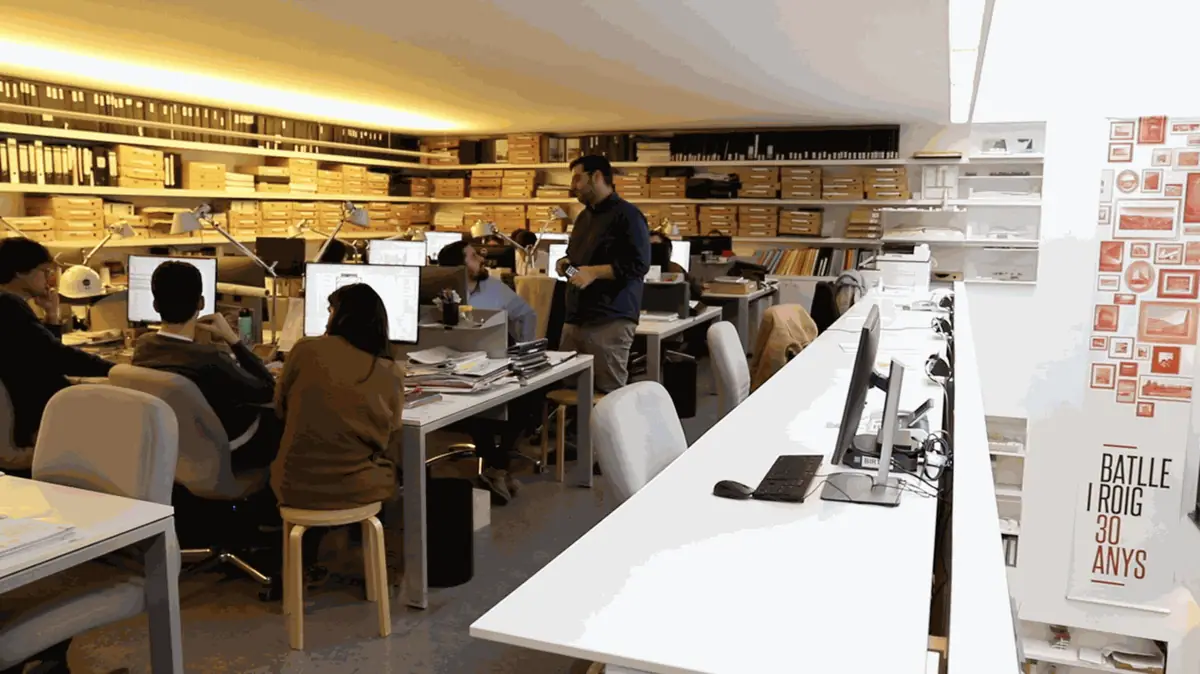
When we recorded this interview, in 2020, the studio numbered 120 people and six partners. Today it has more than 200 professionals and eight partners — among them Albert Gil, the studio's CEO — with the same organisation into three areas of work explained in the conversation.
What defines Batlle i Roig
The first thing we'd like to ask is: what defines you as a practice? What makes Batlle i Roig unique?
“We have asked ourselves this question quite a few times, and lately we try to answer it through one word: the why of our being different. For that why, we have to go back to the opening of the practice in 1981 and say that ever since then, at Batlle i Roig we have talked about nature. Even so, we also believe we have to position ourselves in relation to today's problems, such as the climate emergency, and ask ourselves what we have done about it and what we must do to prepare for the future. We are not content just to look at ourselves in the mirror of the past, because we know we have to do many more things, so we like to remember that we started with gardens but that we want to take on much more to save the planet.”
“We are also different because we work across 3 different disciplines: landscape, building and planning. Part of the success we are having at the moment lies in the fact that we know how to master and combine the specialisms while also being cross-disciplinary, creative and efficient.”
“Another thing that makes us different is something we have developed, namely providing services: we don't give up on doing everything, and that is very costly and has meant we need a very large team. We have technical staff, creatives and communications in-house, so that we can carry out projects in full.”
“In recent years our profession has been giving things up, and we don't want that. We like to champion the profession as it always was and to explain to clients that we are there from the first day to the last day on site, overseeing every stage of the project, instead of the usual fragmentation. We have found that our clients value this and like it.”
“Part of the success we are having at the moment lies in the fact that we know how to master the specialism while also being cross-disciplinary, creative and efficient.”
— Enric Batlle
How a team of 120 people is organised
We'd also like to know how you complement each other: what role does each of you play, and how is the practice organised?
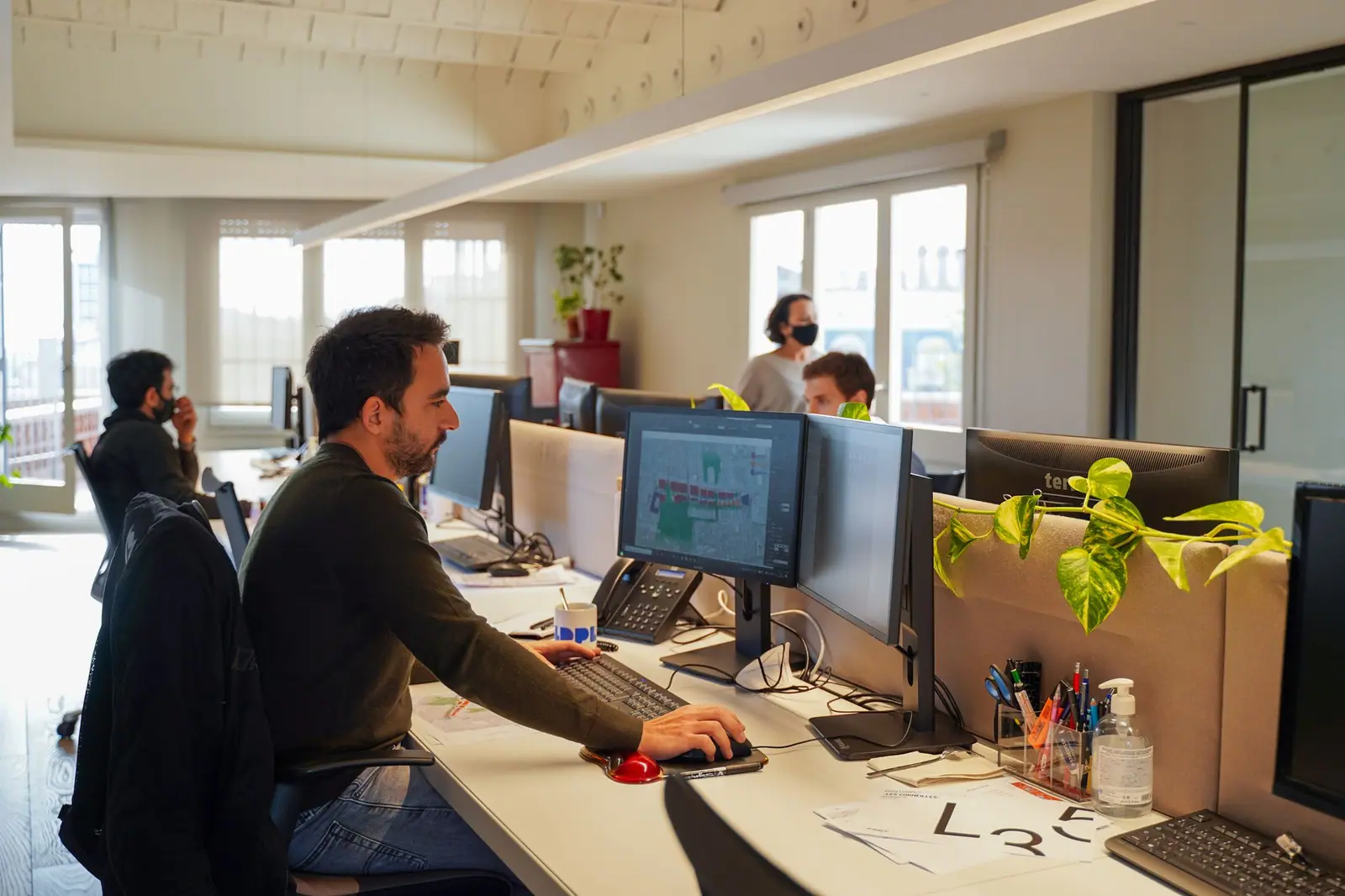
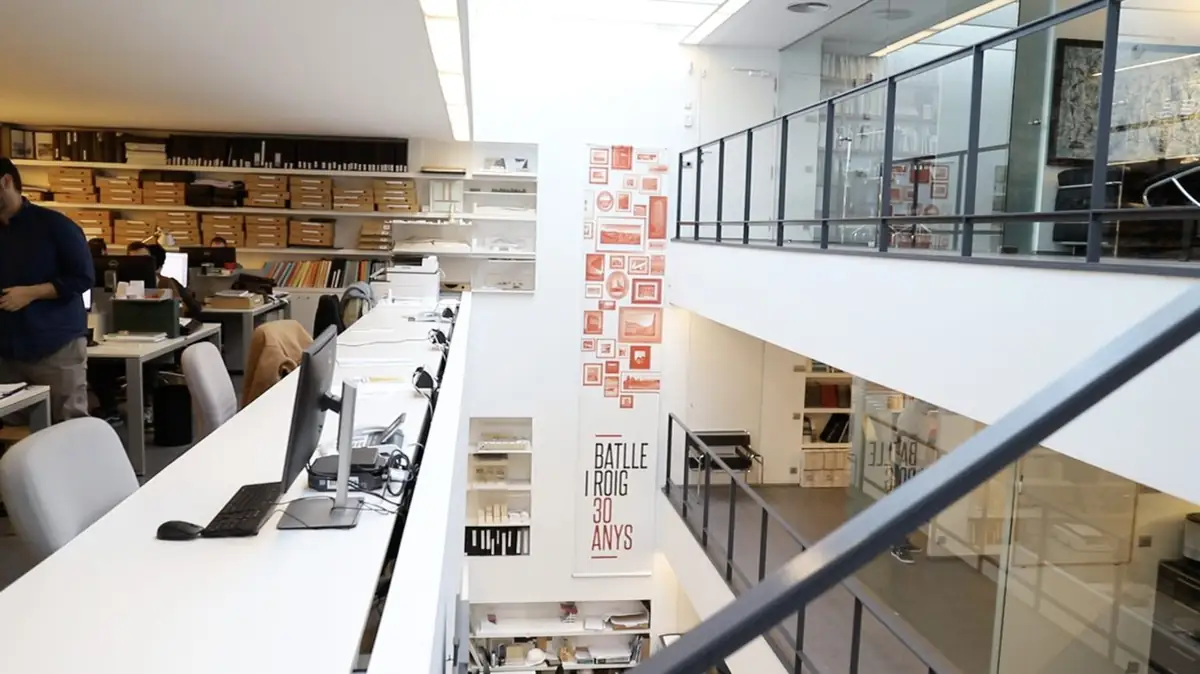
“From the beginning our fundamental tool has been dialogue. When two people work together, the tool for working is dialogue, setting out the ideas, the bets and the commitments each person has towards the project, and if that works for two people it is important that it works for 120. To that end, the practice has been organised around areas of architecture, landscape and planning, in addition to all the internal ones — administration, technical and so on. The important thing is that all these areas communicate with one another across the board; when that fails, the practice sinks.”
“We have built a more corporate structure than architecture practices usually have, while trying to keep their virtues. We have a very large team of 120 people, 65% of whom are women. When we started there were two partners, then we became four partners and now there are six of us. We have tried to build a very permanent, very stable structure founded on dialogue.”
“From the beginning our fundamental tool has been dialogue. When two people work together, the tool for working is dialogue, setting out the ideas, the bets and the commitments each person has towards the project, and if that works for two people it is important that it works for 120.”
— Joan Roig
“The climate emergency is a vitally important issue for us, and that is why dialogue revolves around it. It is essential for practices to have a common axis to focus on, where the people who work there converge.”
“We have a will to succeed and for things to turn out well, project by project.”
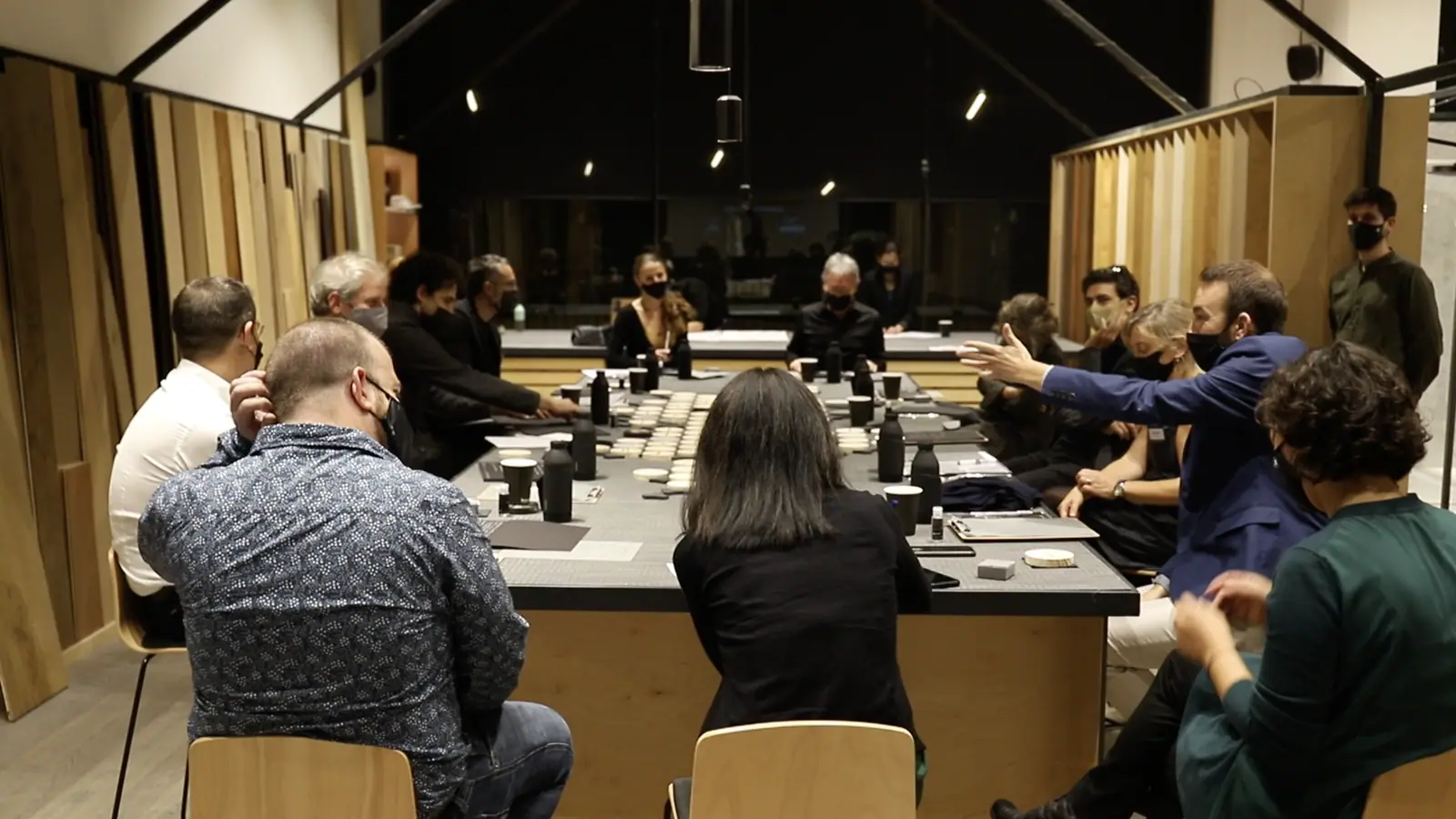
How they choose materials
Let's talk about the materiality of your projects. How do you select materials, and what parameters do you follow to make sure the choice is right?
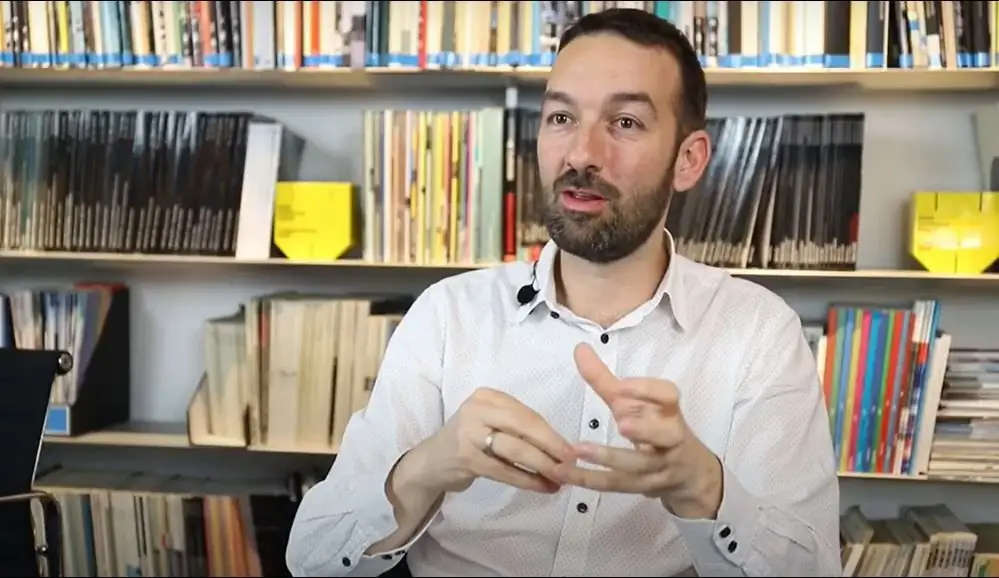
“When it comes to selecting materials, each project is a different world and an opportunity to learn. In that sense we don't have predetermined materials; we think each project deserves its own unique palette and moodboard.”
“In the end, depending on how you make buildings, people behave and adopt certain habits.”
— Albert Gil
The client and sustainable design
Finally, do you think clients value this commitment to sustainable design?
“Sustainability is something our clients ask about and demand more and more. Corporations, individuals, local councils… everyone is increasingly responsible for the impact we leave on the earth. Whereas there was a time when perhaps we were the ones taking the initiative, now that initiative goes very much hand in hand with clients, and some may even end up teaching you things that perhaps weren't within your reach at that moment. So yes, we do perceive that the climate emergency is reaching everyone and that this approach is increasingly valued by our clients.”
Thank you for welcoming us into your home and giving us your time. It is very interesting to see how a team of 120 professionals manages to hold a dialogue, complement one another and, ultimately, grow.
Batlle i Roig at Matter
The conversation has continued at other Matter events. In June 2019, Joan Roig explained at Talks That Matter, together with Fermín Vázquez (b720) and Josep Juanpere (GCA Architects), how a small studio becomes an architecture firm. Albert Gil took part in October 2020 in the first Best Practices Matter, devoted to success stories in sustainable architecture, and in 2024, at Talks That Matter: Sostenibilidad y Belleza, he argued that how a material is used matters more than the material itself.