‘From small studio to ARCHITECTURE FIRM’
Fermín Vázquez, Joan Roig and Josep Juanpere explain at Matter how b720, Batlle i Roig and GCA grew from small studios into architecture firms.
EventsTalks That Matter6 of 146 min read
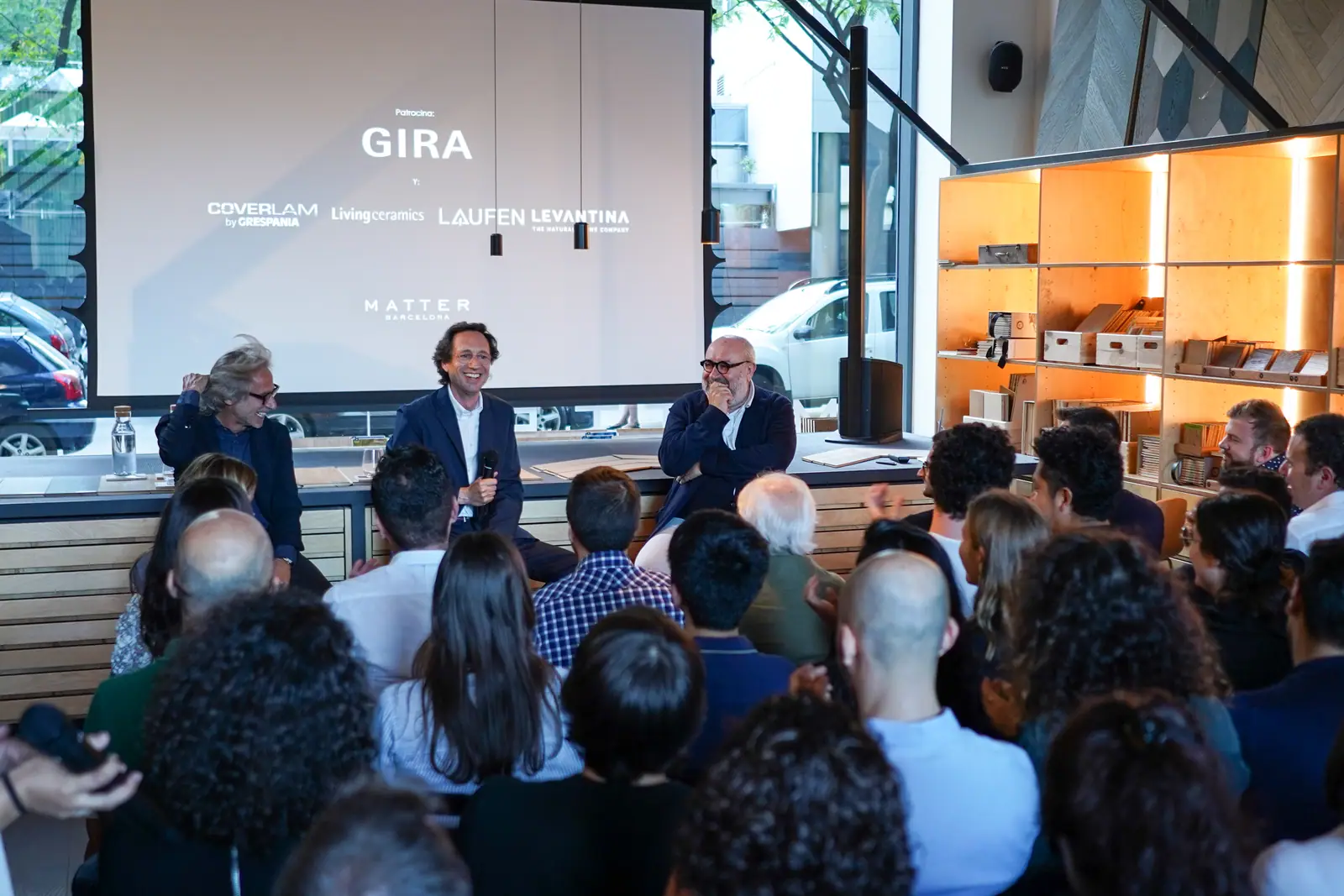
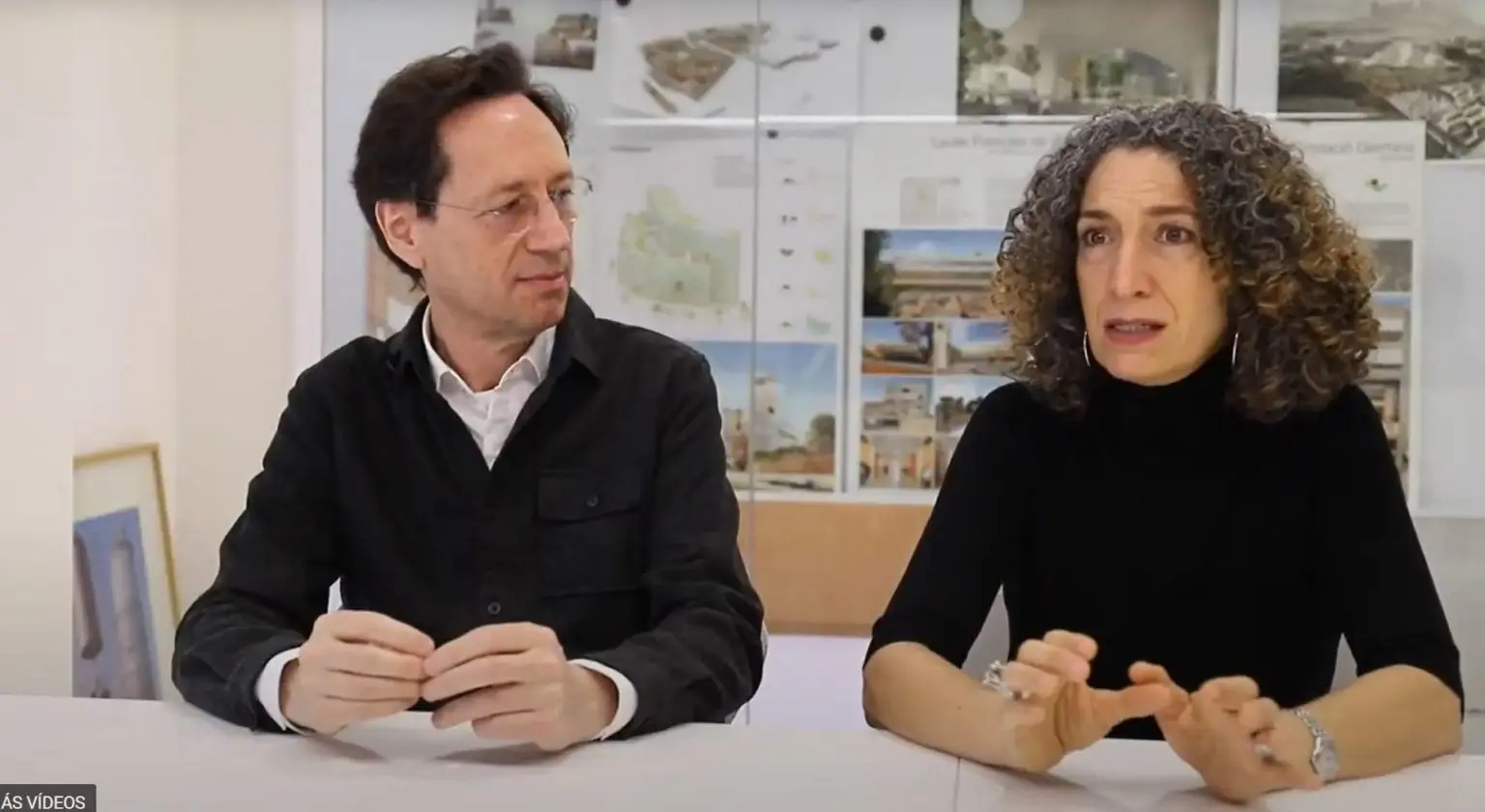
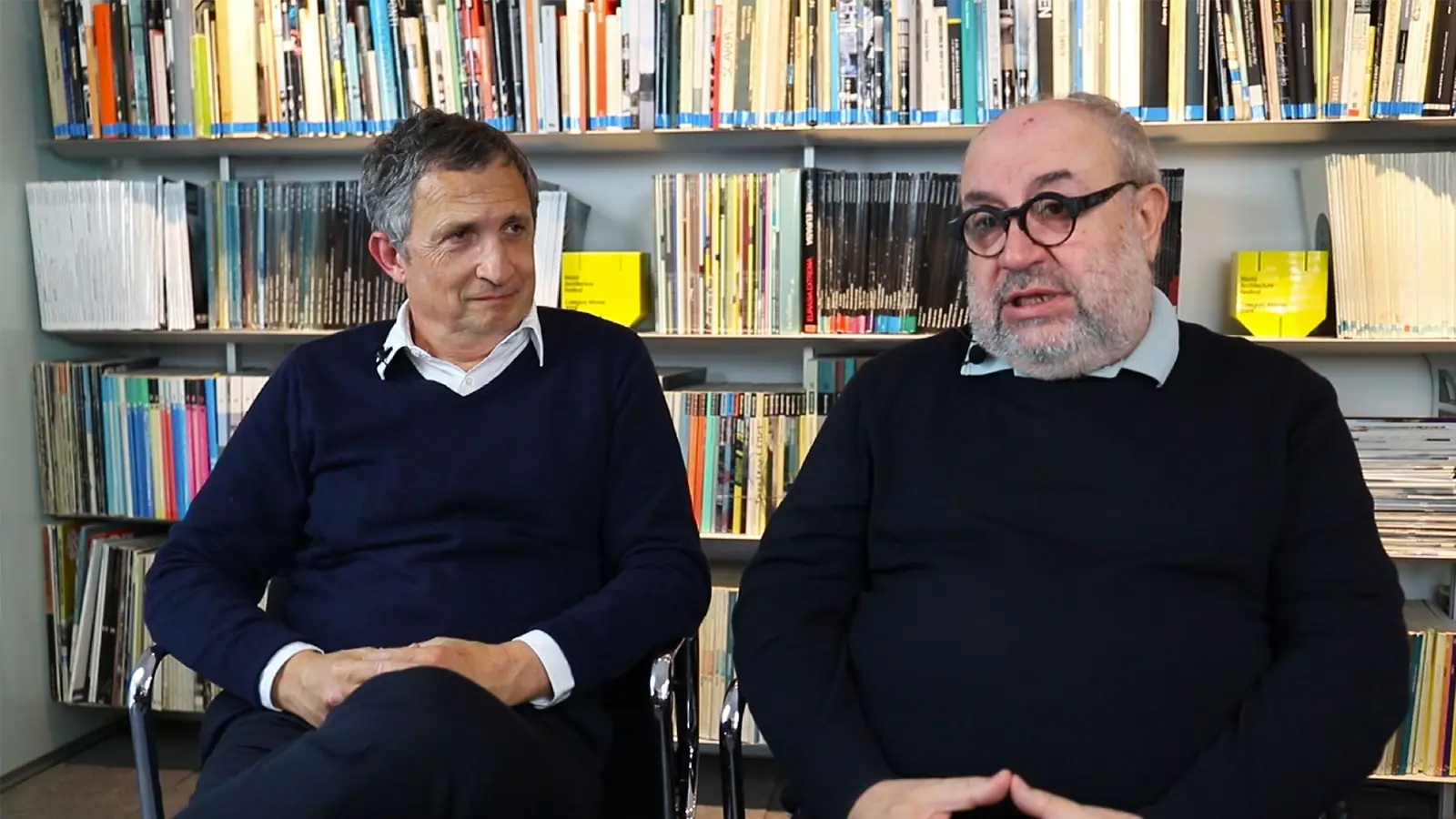
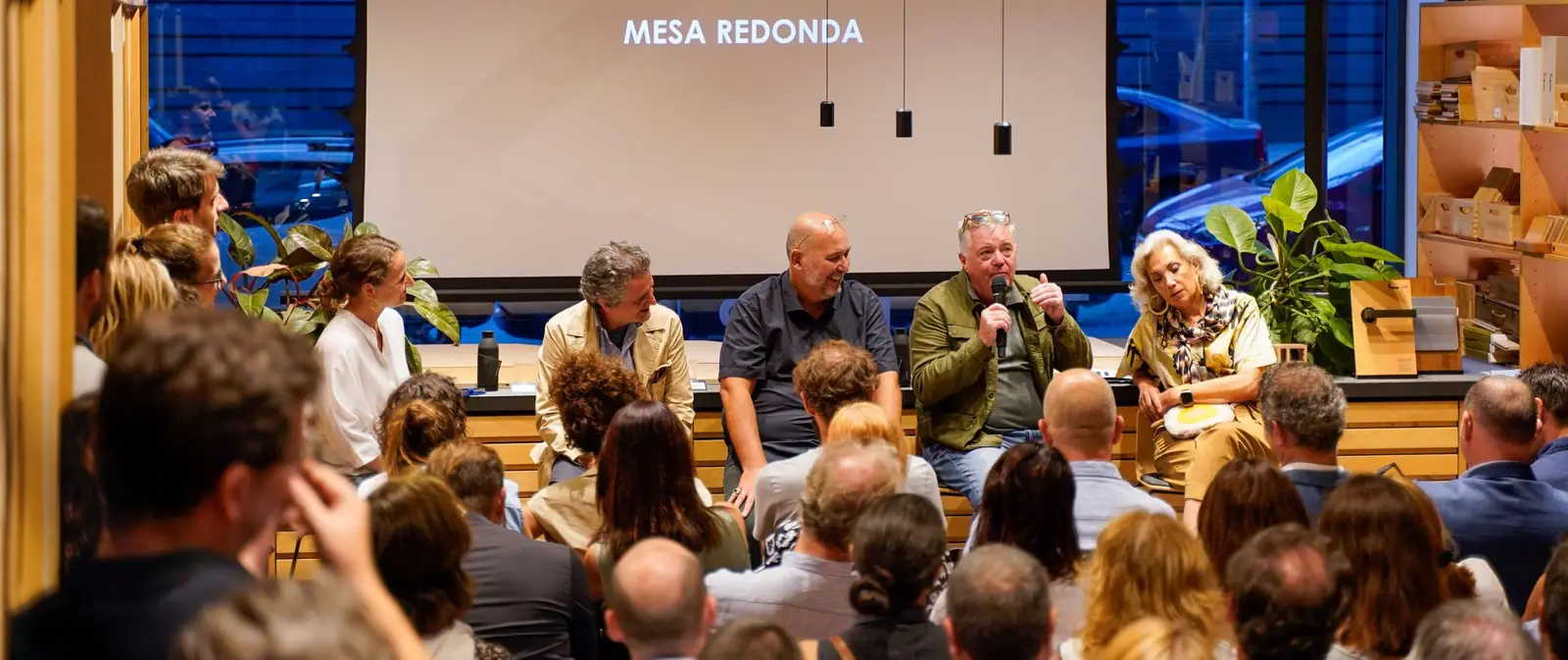
On Thursday 6 June 2019, more than 150 people came to Matter to hear the talk ‘Talks that Matter: from small studio to architecture firm’, given by three well-known Spanish architects. Fermín Vázquez (b720 Fermín Vázquez Arquitectos, Barcelona and Madrid), Joan Roig (Batlle i Roig, Esplugues de Llobregat) and Josep Juanpere (GCA Architects, Barcelona) shared some of the keys to how they grew their architecture studios into companies with large workforces, along with anecdotes from the process.
The session, under the heading ‘Vision and team’, brought together in our space on Carrer Can Segalar in Barcelona three studios that have grown by taking on challenges of ever greater scale and complexity. Each speaker illustrated their experience with one of their own projects: the Forma Itaim Tower in São Paulo, the recovery of the former Guixeres in Igualada and the Cuatrecasas headquarters in Barcelona. At Matter we want to act as a loudspeaker for the work of architects and interior designers and as a bridge between them.
Speakers and projects presented
Three different careers with one thing in common: the move from a small studio to an organisation capable of taking on large-scale commissions.
- Fermín Vázquez (b720 Fermín Vázquez Arquitectos): studio founded in 1997 by Fermín Vázquez and Ana Bassat, with offices in Barcelona and Madrid. Project presented: Forma Itaim Tower, São Paulo (Brazil).
- Joan Roig (Batlle i Roig Arquitectura): studio founded in 1981 by Enric Batlle and Joan Roig in Esplugues de Llobregat, combining planning, landscape and architecture. Project presented: recovery of the former Guixeres in Igualada.
- Josep Juanpere (GCA Architects): studio founded in Barcelona in 1986 by Josep Juanpere and Antonio Puig. Project presented: Cuatrecasas headquarters in Barcelona.
Josep Juanpere (GCA Architects): learning to organise a large practice
Since its founding in 1986, GCA Architects has grown into a large organisation: according to Eje Prime, in 2018 it had some 90 professionals and a turnover of more than ten million euros.
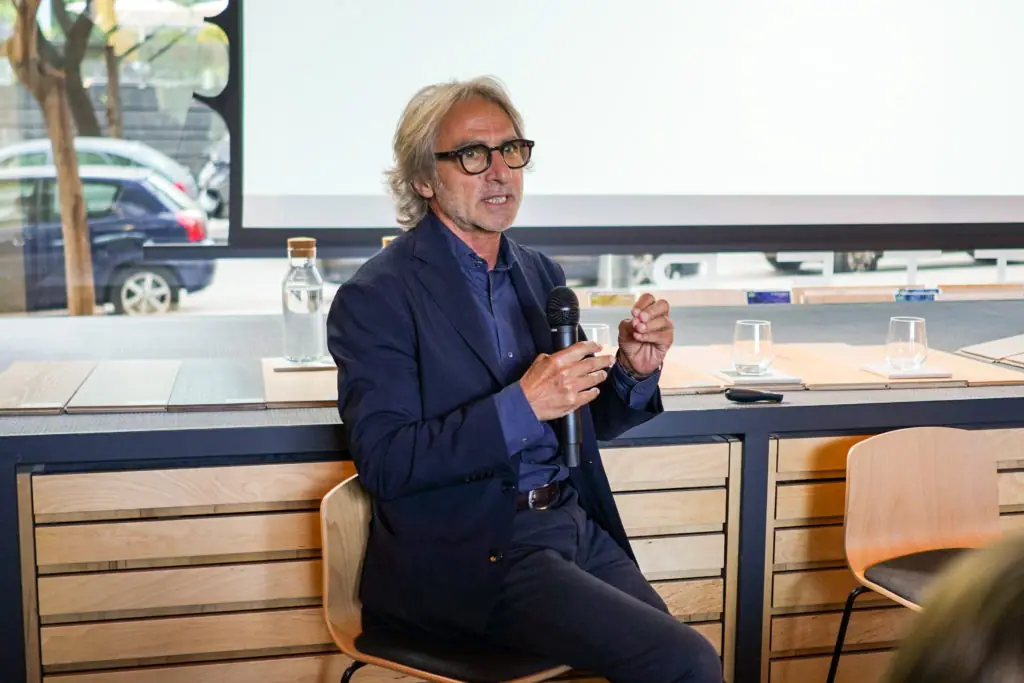
“There are large firms of lawyers, engineers, advertisers… but not of architects. The culture of our profession has something of the Renaissance about it,” says Juanpere. The architect told the story behind the Hotel Arts project. It was in the context of Olympic Barcelona, when the city was being remade to put itself in the global spotlight. “I don’t know how, but we got a meeting with the mayor, Pascual Maragall, and we won the project. All that was missing was a client to pay for it,” Juanpere recalls. In a sense, it was a time when people played at being millionaires.
To carry out a project of that scale “we took the best professionals in the world and brought them to Chicago. There we learned a lot about architecture, but most importantly, we saw how an American practice was organised,” says Juanpere – it was there that they realised their way of working was still amateur. Learning abroad allowed the practice “to set up structures and really understand the relationship with clients”. For him, the credit for a studio’s success “doesn’t belong to a single person. It belongs to a great team and to the ability to create a structure in which everyone feels involved,” he says.
The Hotel Arts, the 154-metre tower next to the Port Olímpic, was designed by the American practice Skidmore, Owings & Merrill (SOM) and built for the 1992 Olympic Games. According to Eje Prime, GCA collaborated with SOM on the project and took from its organisation the idea of “creating a professional practice in which everyone has a role”.
In the session, Juanpere presented the Cuatrecasas headquarters at 191 Avinguda Diagonal, in the 22@ district: two glass towers of 11 and 18 storeys linked by a double-height atrium, with some 28,000 m² and capacity for more than 1,000 people, designed to LEED Gold certification criteria.
Fermín Vázquez (b720): an easy name and the ambition to make architecture
The three architects agreed that mistakes are where you learn most: “One we made was not choosing an easy name,” admits Vázquez. “People didn’t pronounce ‘b720’ properly and we ended up adding my name. Even so, we’re a team and seven partners,” he says. Vázquez focused his talk on the Forma Itaim Tower project in São Paulo (Brazil).
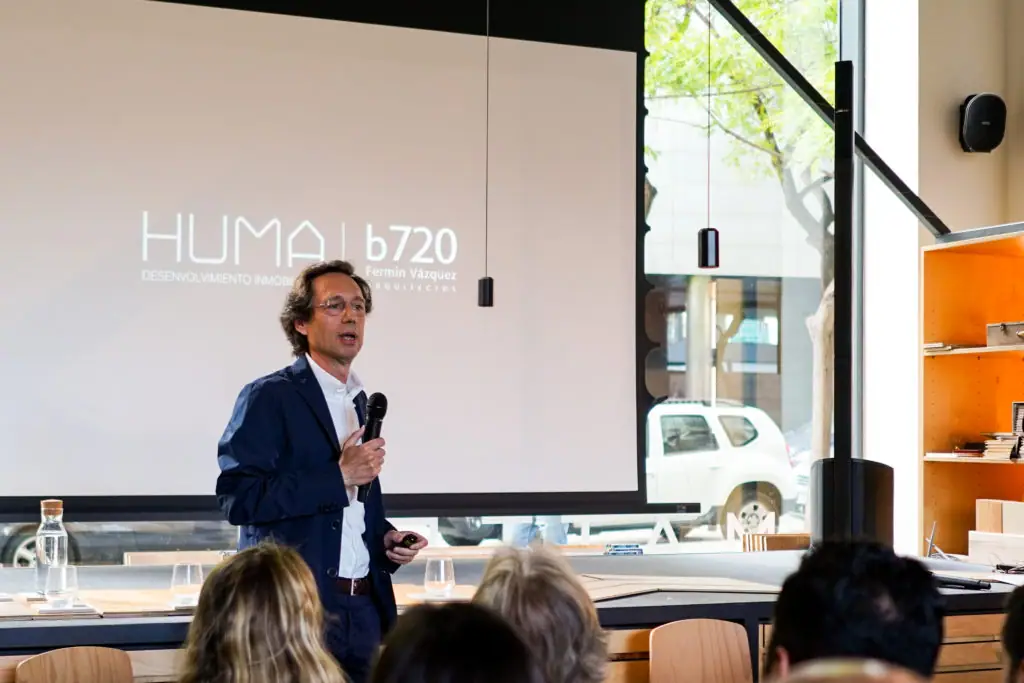
The tower, in the Itaim Bibi neighbourhood, has 25 storeys and 123 apartments above a base of communal areas. Its envelope of ceramic pieces in a wide range of colours makes it stand out on the skyline and individualises each home: the north and south façades have balconies, and the east and west façades a ventilated skin of large-format ceramic panels fixed to the structure with metal plates and screws. In April 2019, a few weeks before the session, the Council on Tall Buildings and Urban Habitat (CTBUH) named it the world’s best tall building up to 100 metres.
Vázquez highlighted the competition between commercial firms and studios. From the former, he says, one can learn about their system of work and their capacity to produce architecture intensively. Whether commercial firms or small practices, “good companies, as well as providing a service, can be recognised because they have a real ambition to make architecture,” Vázquez stresses.
Joan Roig (Batlle i Roig): practices as ‘machines for enthusiasm’
For Joan Roig, one of the keys to a good practice is working with enthusiasm: “If the new people who join the practice don’t do so with enthusiasm, it won’t work well,” he says. “We have to turn practices into machines for enthusiasm.” The Barcelona architect also stressed the need to stop “clinging to ideas just because we came up with them”.
Roig spoke about some of the challenges architects now face. The first is the need to adapt architecture to the needs of society. Many studios have not taken residents’ needs into account when choosing projects: “We’re not responding to what is asked of us,” says Roig, adding that “we’re very much at the mercy of the practice’s image, and that works against us”.
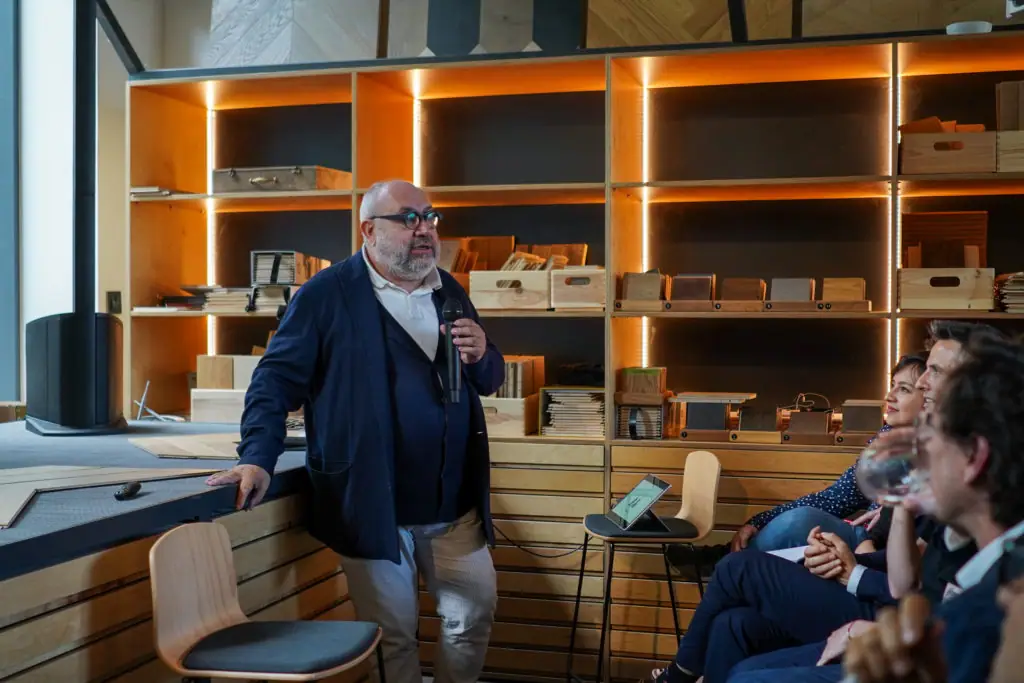
The second, linked to the first, is the need to stand by the client throughout the whole project. “Clients are looking for professionals who do things well and who are able to engage in dialogue with them. There’s a range of architects who aren’t interested in that, and a group of clients who are tired of them,” he says. “Either we get our act together and do it well, or society will run us over,” he concludes.
As an example, Roig presented the recovery of the former Guixeres in Igualada, a stretch of the town’s Green Ring that runs through old gypsum mines, later used as a waste transfer station and abandoned since the late 1970s. The project (2016–2018) adapts a 1.65 km path, of which the first 800 metres were built, with solutions that improve accessibility, reduce maintenance and make use of rainwater. It won an award at the 2018 World Architecture Festival (WAF).
Keys to going from studio to firm
- Team before signature: the credit for a studio belongs to a great team and to a structure in which everyone feels involved (Juanpere).
- Professional organisation: international practices and commercial firms teach how to systematise the work and the relationship with the client (Juanpere and Vázquez).
- Architectural ambition: as well as providing a service, good companies have a real ambition to make architecture (Vázquez).
- Enthusiasm and openness: keeping up the enthusiasm of those who join and not clinging to one’s own ideas (Roig).
- Closeness to the client and to society: accompanying the client throughout the project and responding to what society asks for (Roig).
Networking in collaboration with Gira
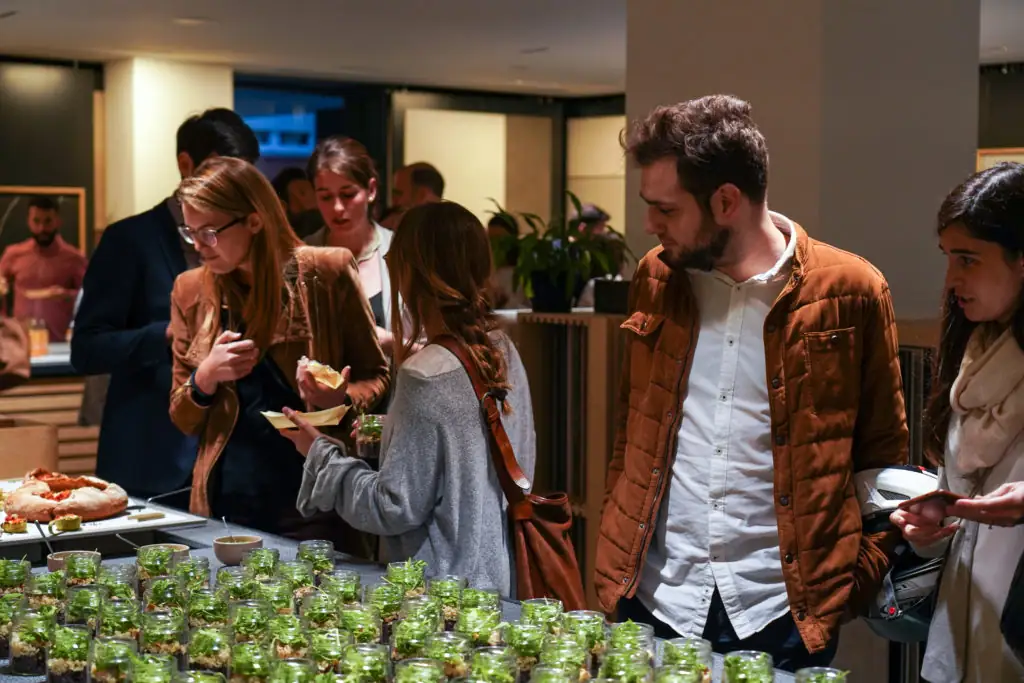
The event ended with an aperitif and drinks on the upper floor, where attendees could talk to the architects and network with the industry professionals present. On this occasion it was made possible by the collaboration of Gira Ibérica, the Spanish distributor of the German manufacturer Gira, which specialises in electromechanical and digital building control solutions.
Text: Èric Salat
Talks that Matter are part of Matter’s work as a materials consultancy for architecture and interior design projects: meetings between professionals to share experience and knowledge. Book your visit to Matter to discover our Materioteca and talk about the materials for your next project.