Cierto Estudio
Carlota de Gispert and Clara Vidal explain how Cierto Estudio is organised, how they choose materials and why samples are key for the client.
InterviewsWorkflows That Matter41 of 5810 min read
“What characterises us is this way of approaching things and saying yes to any challenge. Doing different, new things really motivates us.”
— Carlota de Gispert
Cierto Estudio is a team of six women architects in constant experimentation across architecture, design, culture and research. Founded in Barcelona in 2014 by Marta Benedicto, Ivet Gasol, Carlota de Gispert, Anna Llonch, Lucia Millet and Clara Vidal, the studio stands out for its fascination with designing spaces of different types and scales, with designs that seek to respond to new ways of living in step with today’s lifestyles.
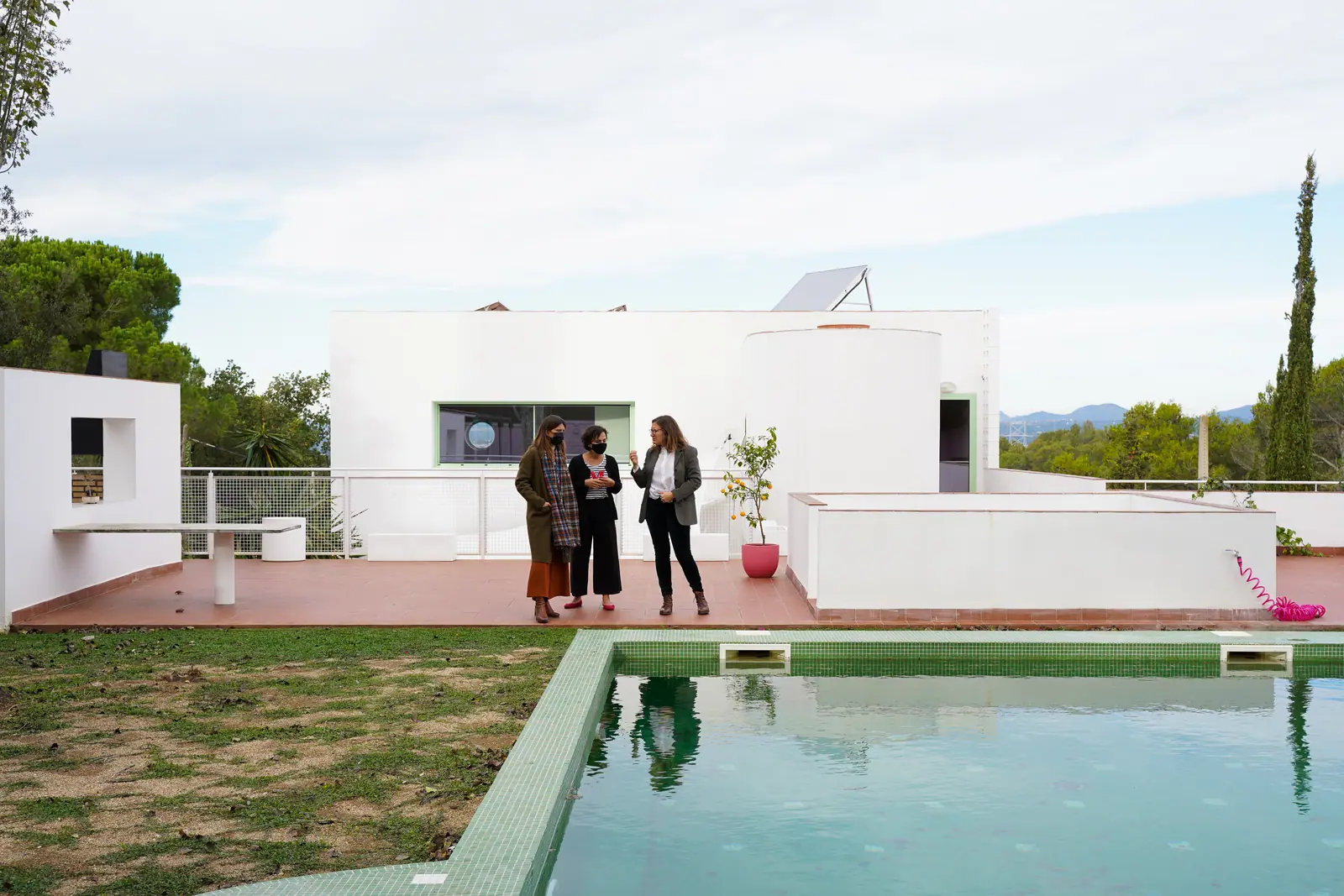
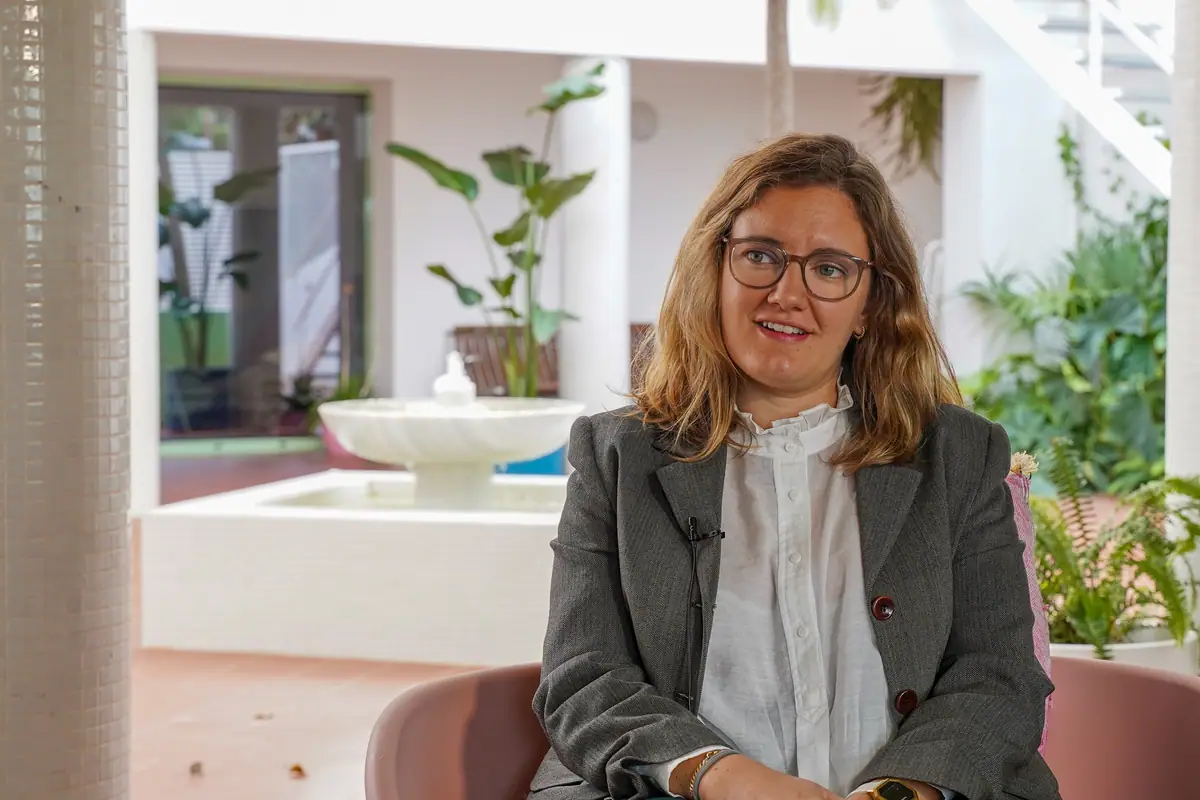
For this instalment of Workflows That Matter we spoke with Carlota de Gispert and Clara Vidal, two of the co-founders, at Casa Hope, the studio’s renovation of a detached house in La Floresta (Barcelona). They told us what defines Cierto Estudio, how a team without hierarchies is organised, how they choose materials, why samples are a challenge in every project and what challenges they see in the coming years.
Six architects and a cooperative studio
The six partners began working together at university and, as Clara Vidal explains in the interview, the studio grew naturally out of their final degree projects, with housing competitions and small renovations. The studio describes itself as a women-led practice working on public and private projects of very different types and uses, with a collaborative methodology and a particular interest in collective housing.
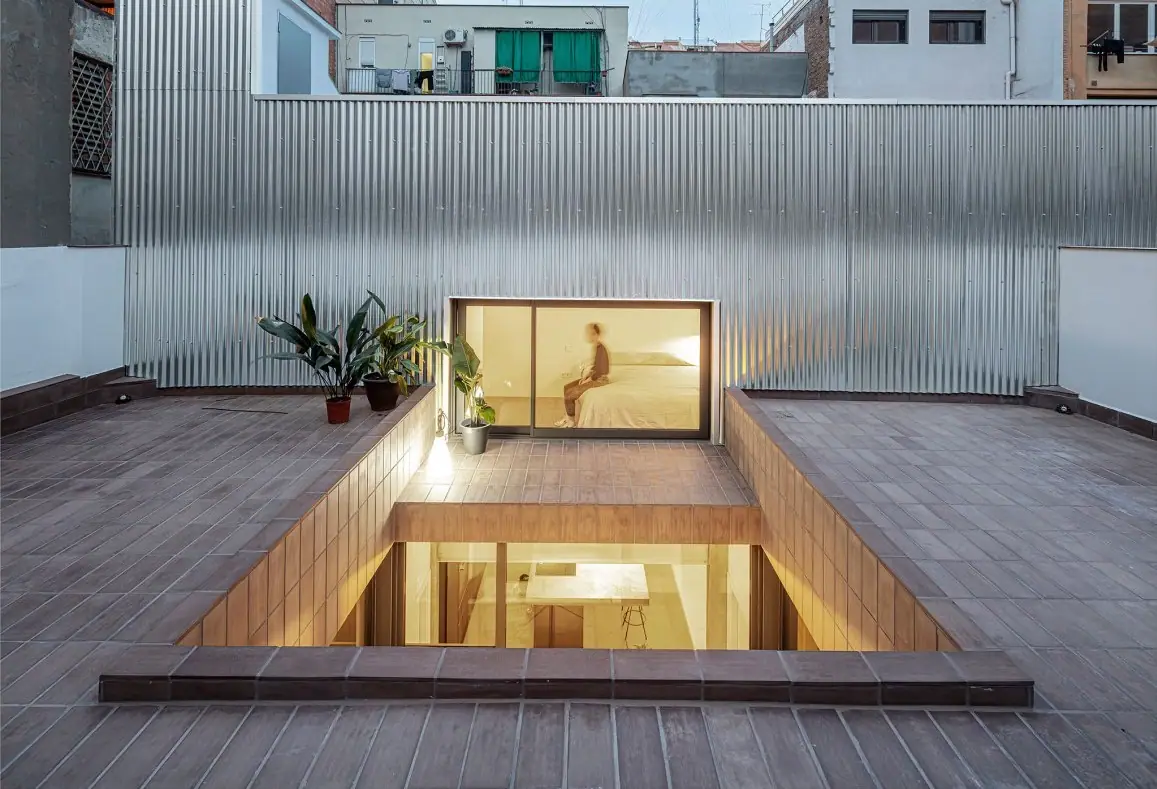
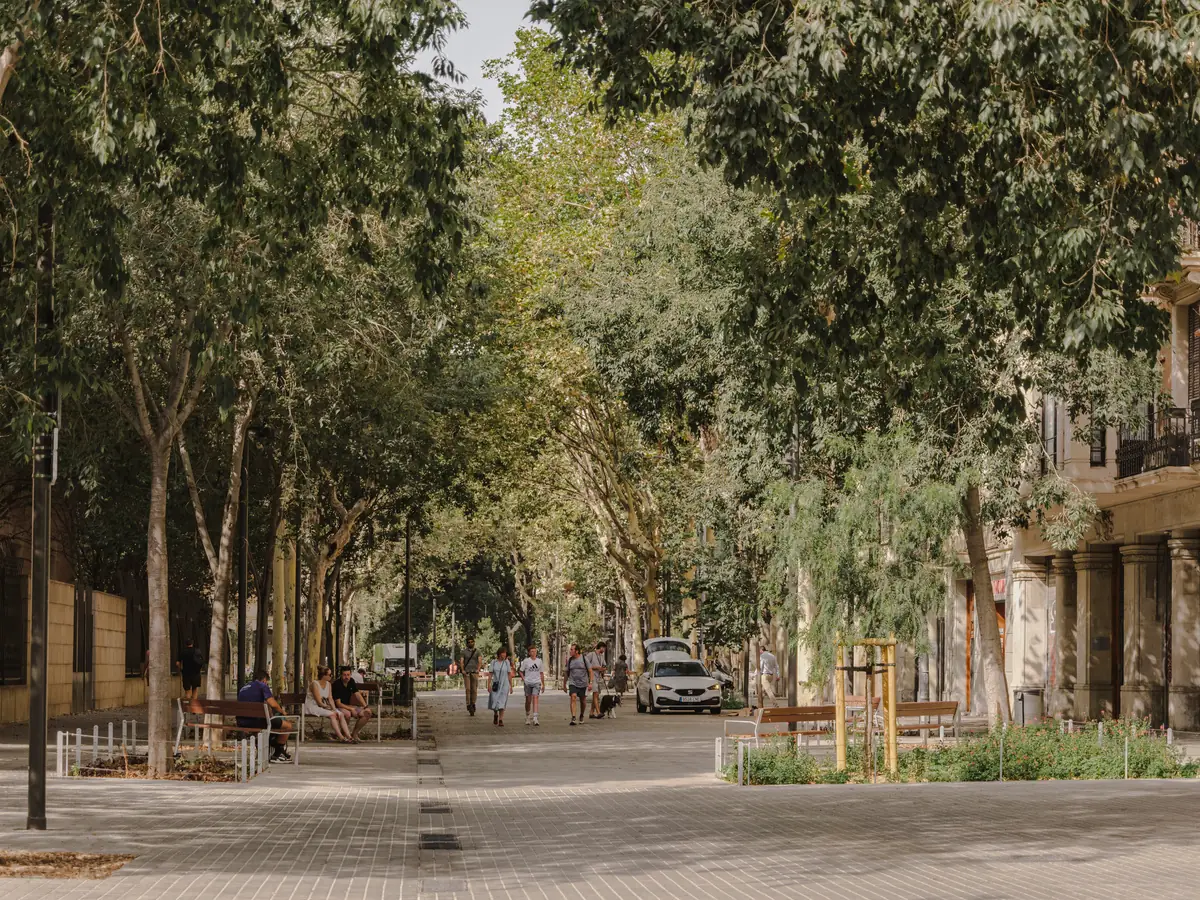
When we published this interview, in July 2022, Cierto Estudio had already won several public competitions: in 2017, Illa Glòries in Barcelona, through which it took on, with Franc Llonch, the special urban improvement plan for the block and one of its four public rental housing buildings; in 2019, Kitch·room, a public housing building in El Masnou commissioned by IMPSOL; and in March 2021, with B67 Palomeras Arquitectes, the green axes of the Superilla Barcelona programme, with the proposal ‘Caminar des del centre’ for Carrer del Consell de Cent.
What defines Cierto Estudio
What defines Cierto Estudio?
Carlota de Gispert: “What defines Cierto Estudio, in my view, is the fact that we are six young, enterprising and brave women who have devoted quite a few years to architecture and who cover quite a range of scales.
Just as we are now doing urban planning, for example, we have worked on different types of project: from a sculptural piece and renovation projects to entering competitions on how to make the Eixample street of the 21st century. I think that defines us quite well. What characterises us is this way of approaching things and saying yes to any challenge. Doing different, new things really motivates us.”
Clara Vidal: “Because there are six of us, it ends up being a project where many ideas and many minds come in. I think that is what makes it unique, both the project of Cierto Estudio itself and when we hold our working sessions and talk about any other project under way.
And this continuous dialogue started when we were students. We began working together at university, we kept ending up in the same courses and in the end, when it was time to do our final degree projects, we rented a space, got together there and all helped one another. Each of us did her own project, but we all had some input and helped each other. And it was very naturally that we went on to create the studio, starting mainly with housing competitions and small renovations that came along. And here we are.”
A horizontal, rotating organisation
What is your working process? How do you organise yourselves internally?
Clara Vidal: “None of us really has a defined role within the studio. On the other hand, each of us has her own personality, her own way of being, and we bring different perspectives to the studio. But we want to steer clear of giving each of us a role and assigning ourselves one thing. We are at a point where we are also exploring what each of us likes. We see it as a learning process in which we all want to learn about everything, and we think it’s good for all of us to take part.
We divide the studio into departments and rotate them, so that we can all bring our perspective to every aspect of the business. For example, in the competitions department two of us are on that team each year and then we rotate, which keeps things fresher and means we bring the best of ourselves at that moment.”
“We see it as a learning process in which we all want to learn about everything, and we think it’s good for all of us to take part.”
— Clara Vidal
Carlota de Gispert: “We have always organised ourselves in pairs. When a project came in, there was always one person who took more of the lead on it, including management and dealing with the client. But creatively we always tried to have a partner within the studio for day-to-day work, so we could consult each other and work on the project together.
We also always try to hold weekly workshops (some weeks we miss one!), to put things in context so that the whole team is really involved in the project. That’s the point of it: doing it in a very horizontal way, because we are also a cooperative, which in itself is a change of paradigm compared with other studios where there is always one architect whose name is on the studio and everyone else works for them. We imagined ourselves as a collective from the start, and I think that is what best reflects who we really are.
In fact, there are now ten of us in the studio. We have expanded the team with Jesús, Patricia, Mariana and Adrián, and we consider them an essential part of Cierto Estudio.”
How they choose materials
How do you select materials for your projects?
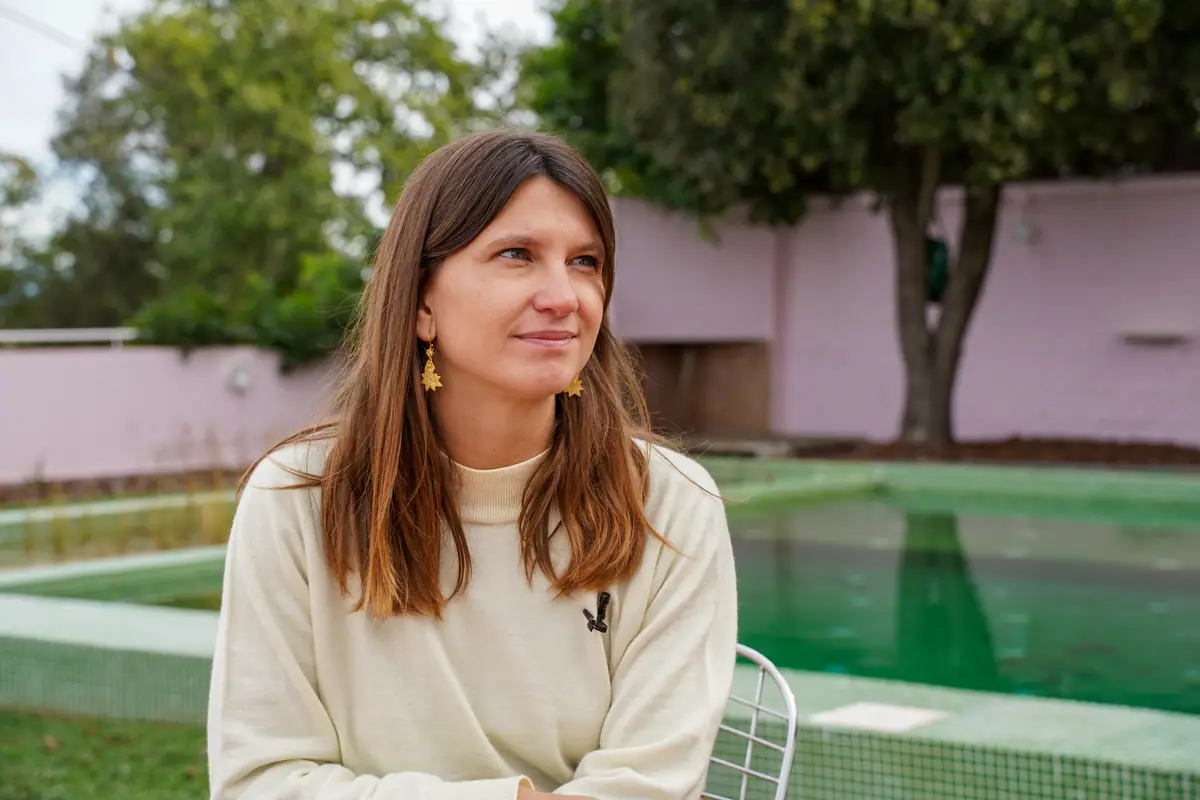
Clara Vidal: “The site and the clients play a big part in how a project is materialised, so the materialisation process is actually very different from one project to another. The process for a renovation (where the existing building has a big influence) is not the same as for new-build collective housing, where perhaps we think more about what society is like and what it should be like. From there we conceptualise an idea of housing, and it is materialised in a different way too.”
Carlota de Gispert: “We’re always clear that colour is a resource that is there, and we can achieve it in a thousand different ways, with a material or with paint. And in general we are strongly committed to noble materials; in other words, we find imitation very hard. We really like to try to make materials as natural as possible, while obviously adapting to the client. Nor do we have a fixed aesthetic of always using the same materials, and I don’t think we follow trends much.
There are things we love that you suddenly see being used a lot, such as terrazzo. But we’ve been mad about terrazzo for ten years, and now we see there are even tiles that imitate terrazzo. We knew we liked it from the start, and there are also other new materials that appear and that we gradually bring into the studio, while we keep expanding our sample library.
There is quite an exhaustive research phase in every project, so that knowledge then stays in the studio. We like to innovate in these areas, although we also repeat some materials we love.”
“We are strongly committed to noble materials; in other words, we find imitation very hard.”
— Carlota de Gispert
The sample: key to helping the client picture the project
Do you find any difficulties in this materialisation process?
Clara Vidal: “Above all, it’s for the client to be able to picture it. And this often involves trial and error, looking for the material that best suits the client, that is right for the place and that the client is able to picture.
Because it’s true that, given our background, we have stronger spatial skills, and you come across clients who don’t quite grasp it, you know? So it’s important to have a good sample that you can place on site so the client can picture it.
It can be a good strategy that saves us from having to produce lots of renders or visualisations, which end up being costly for the studio when the project is small.”
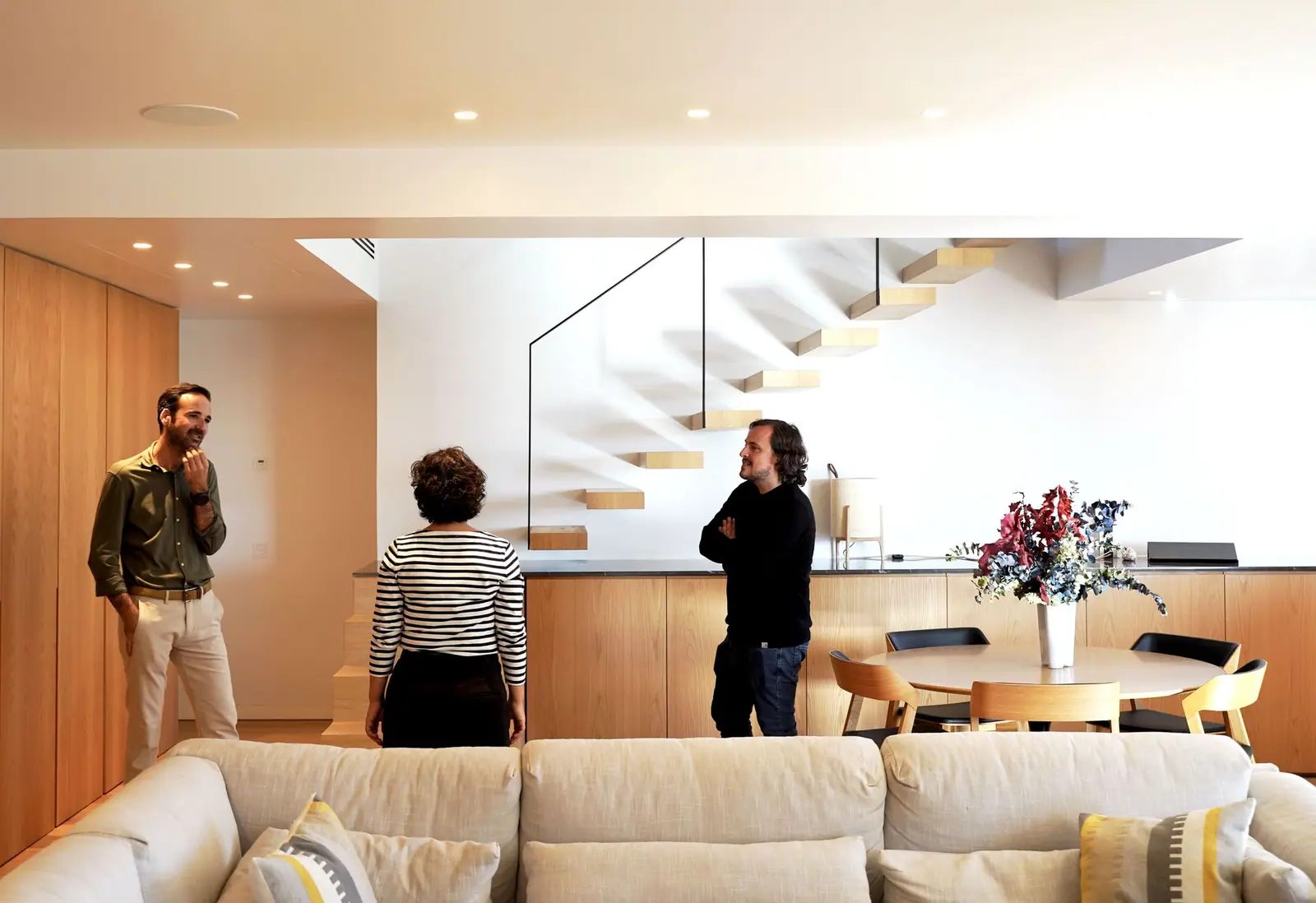
Carlota de Gispert: “When we talk about materials, we make axonometric drawings, but sometimes it’s hard to get them to understand our spatial vision. By that point we are already clear about some things. Even in this renovation project, for example with colour, we thought about how the light will bounce, whether it’s green or pink. Until it’s built, it’s very hard for the client to picture all these nuances, and sometimes they are surprised.
And samples in general are a nightmare. I think we’re used to looking at catalogues and tiny samples, and it becomes a real chore to ask for a sample to be brought to us, even at full size, or sometimes we don’t get a sample of the piece until the order has already arrived. But we need to picture the piece. Even the client finds it very hard to decide to do a whole kitchen based on a piece they see at 5×5 size.
It’s also complicated in terms of storage. We can’t keep samples of every piece, so it helps to have a service that’s easy to call: ‘Hi, I need samples of this, this and this’, and for it to be quicker, because what happens to us now is that we have to go to lots of the contractors and suppliers involved in the job. In the end, you have to ask each of them for a sample of every item. It’s rather exhausting.”
“It’s important to have a good sample that you can place on site so the client can picture it.”
— Clara Vidal
The challenges of the coming years
How do you see Cierto Estudio in the coming years? What challenges lie ahead?
Carlota de Gispert: “In general we see ourselves doing the same thing. Perhaps doing bigger projects or in different places… But we do see ourselves the same way five years from now, maybe having grown more financially, and generally being better off as the years go by.
I think that is a fairly clear goal. Then I also think that, being six women partners, there is the question of motherhood, which is obvious. In fact, one of our partners has just become a mother, and I think we can already see that it will have to be possible to combine motherhood with our profession, because I think most of us want to be mothers, and this is going to be something quite defining in the coming years.”
Clara Vidal: “Over the next five years it is one of the challenges we will have to face, and I hope that as a studio (as we always have, by talking it through and experimenting) we will be able to find our formula.”
Cierto Estudio after the interview
The three public competitions the studio had won before this conversation are now listed as completed on its website. According to Cierto Estudio, the redevelopment of Consell de Cent as a green axis, a single-level street designed for spending time in and not just for passing through, was carried out between 2021 and 2023, and in 2024 ‘Caminar des del centre’ jointly won the 9th Festival Arquia/Próxima of the Fundación Arquia.
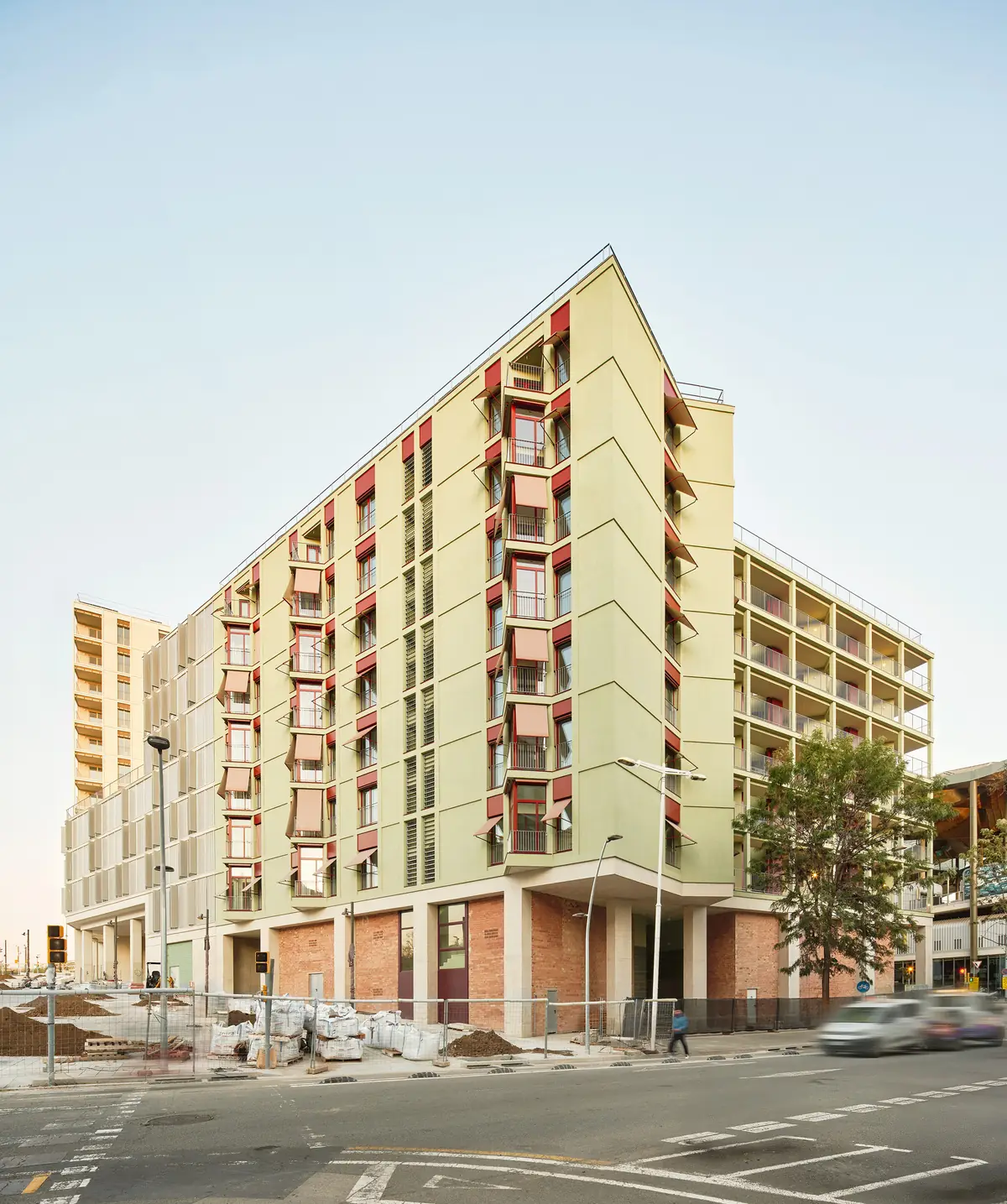
At Illa Glòries, block A, La Comunitat Habitacional, brings together 51 social housing units with a timber structure and walkways that lead up to a shared roof (2017-2025), while Kitch·room, in El Masnou, was developed between 2019 and 2025. The studio, based in Poblenou, now also has an atelier in Paris.
Cierto Estudio at Matter
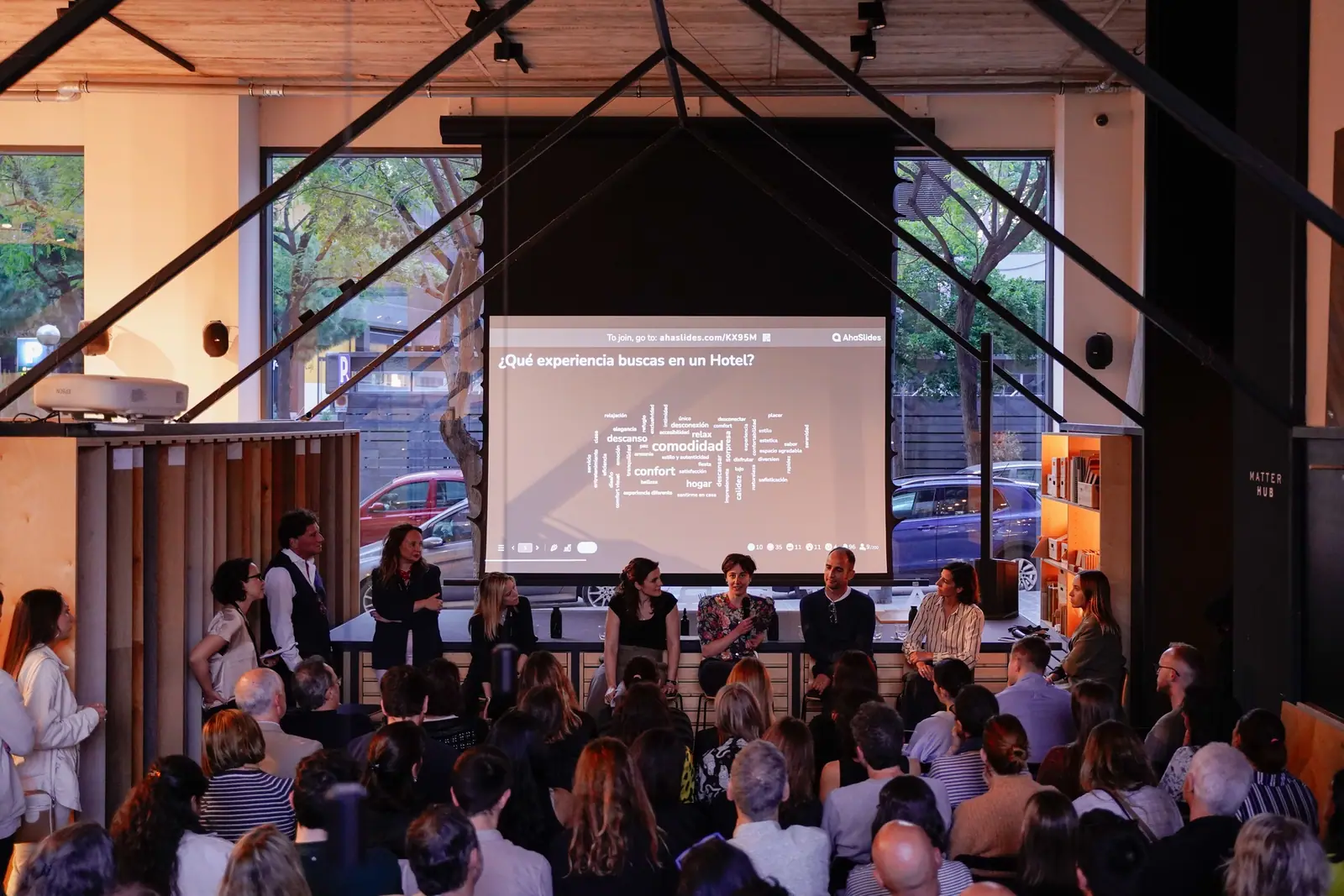
The relationship with Matter has continued in other formats. In June 2022 Anna Llonch took part in Best Practices Matter: Función y belleza, and in June 2024 Lucia Millet presented the BYPILLOW Mothern project in Barcelona at Talks That Matter: Iluminación y confort en hoteles.
What Carlota de Gispert and Clara Vidal say about samples is an experience shared by many studios: a material is easier to understand at full scale than in a catalogue. At Matter’s Materioteca you can see and compare full-size materials with your team and your clients.
Book your visit to Matter and we will help you choose the materials for your next project.
Book a visit