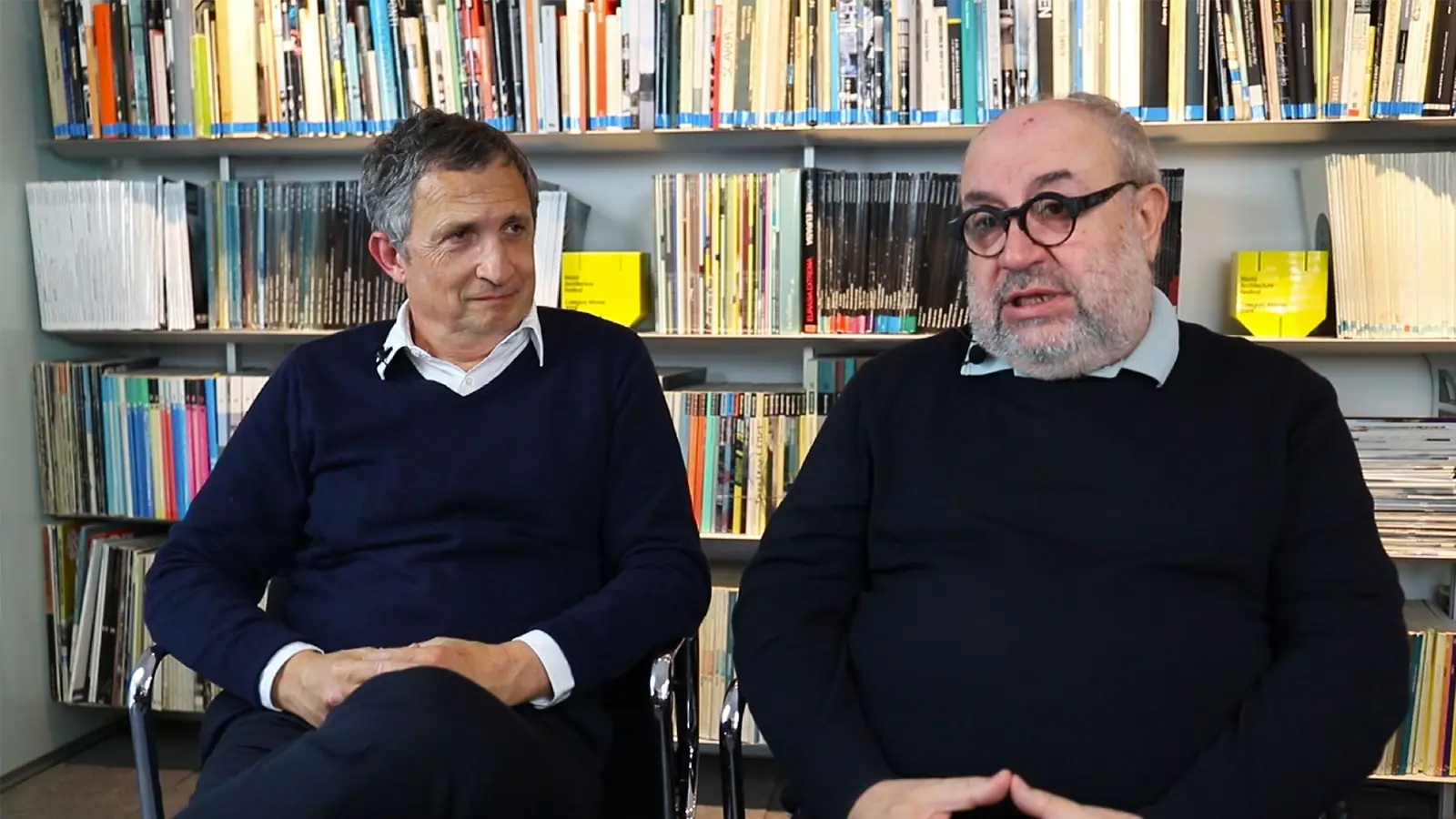
Francesc Rifé
Francesc Rifé explains how order, proportion and timelessness guide his studio, his team and international projects such as the ASH stores.
InterviewsWorkflows That Matter13 of 5811 min read
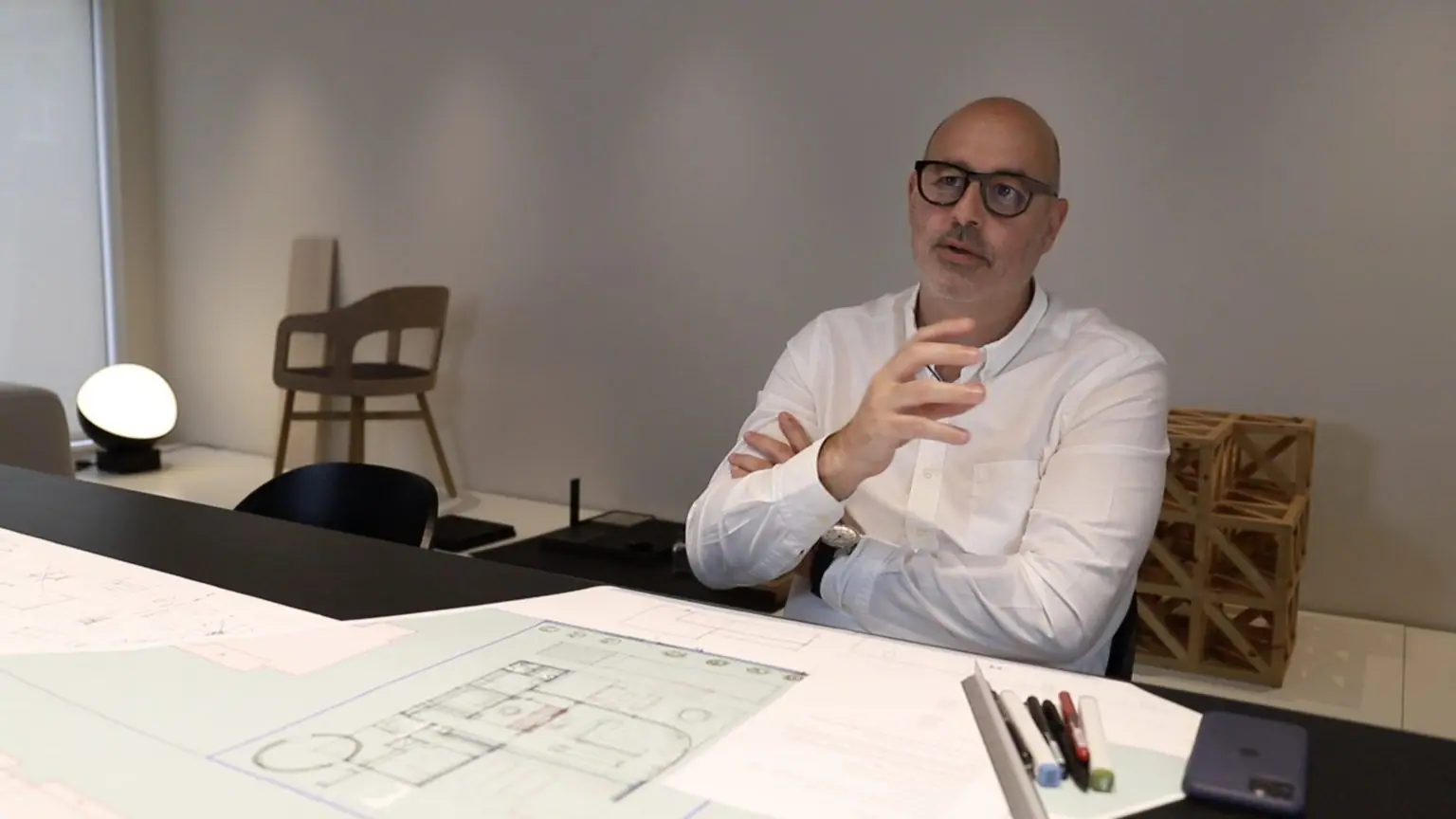
“What defines us as a practice is order; the practice is very much governed by this concept, and it allows us to achieve a real balance in the space, in proportions at a human scale.”
Today we visit the studio of the interior designer Francesc Rifé. He is a designer known for minimalist projects in which geometry, proportion and craftsmanship come together in proposals that are both forceful and calm, with national and international work ranging from interior design to industrial design, in the commercial and private sectors.
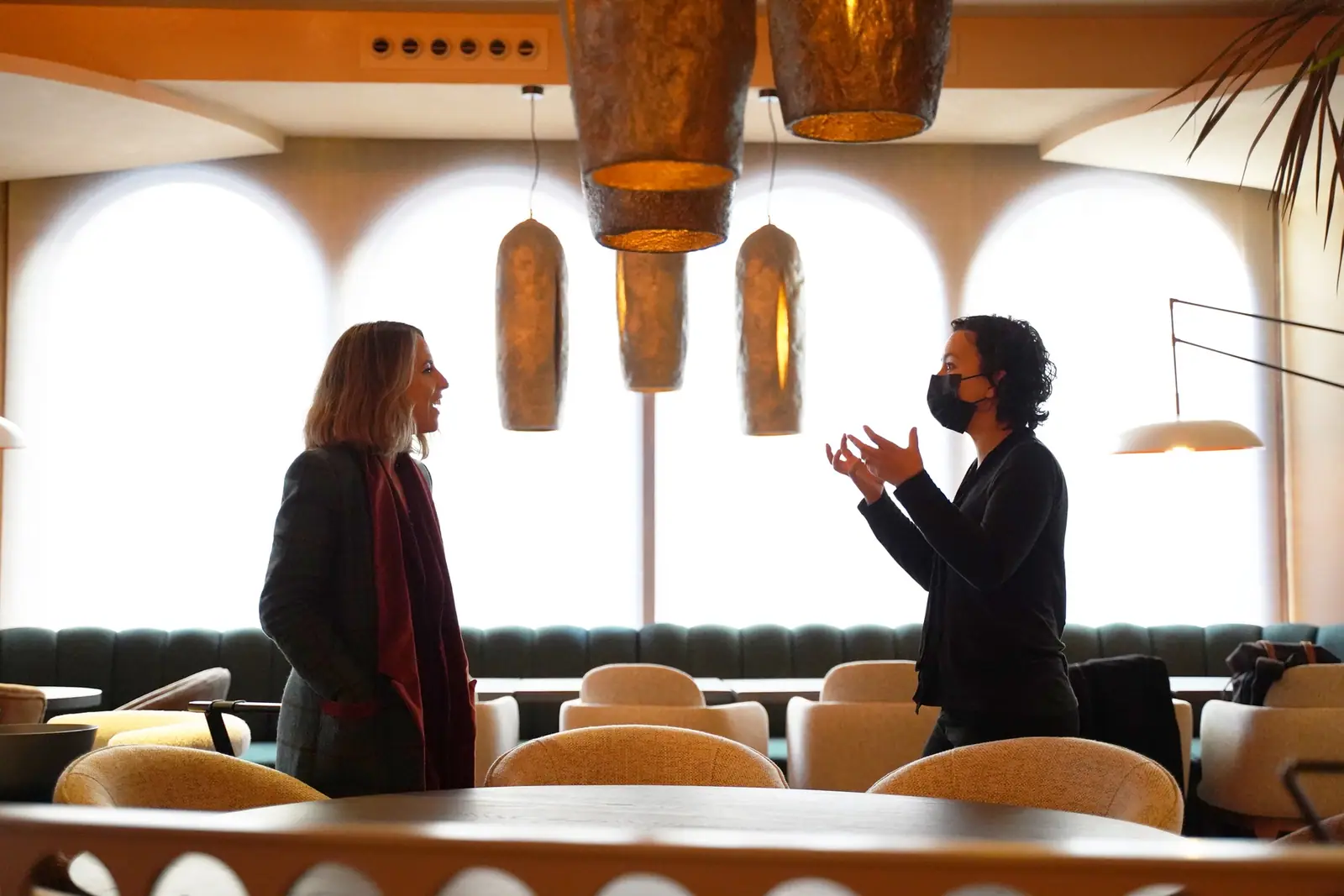
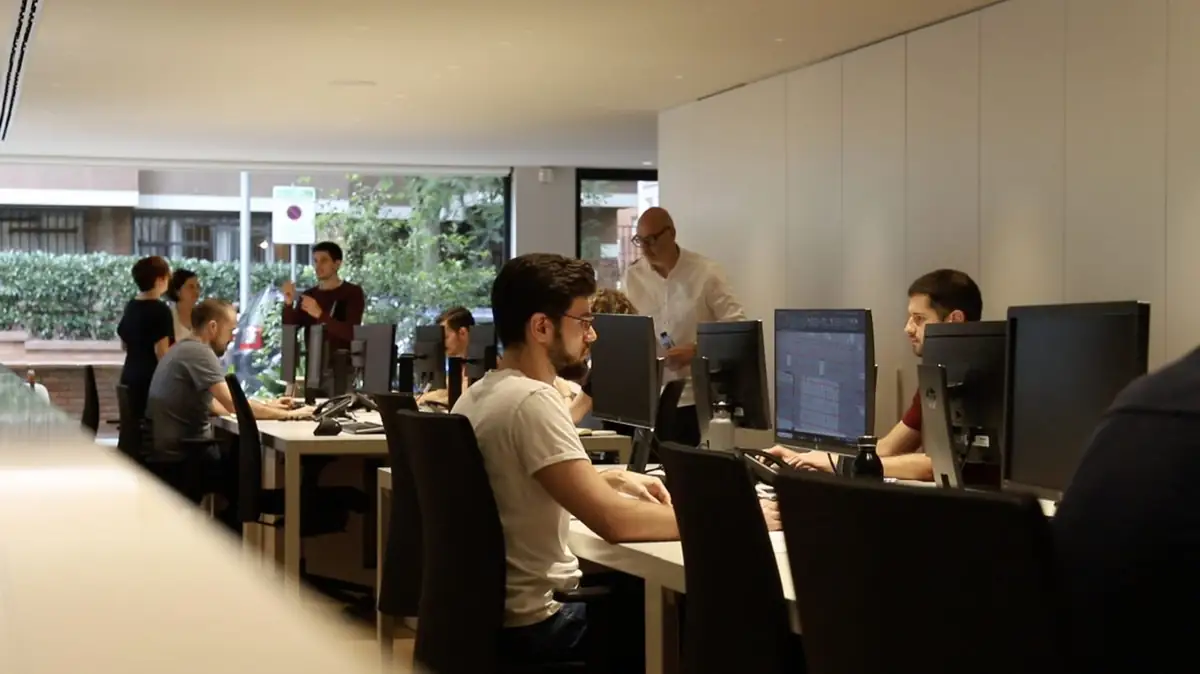
In this eighth instalment of Workflows That Matter we talk to him about order as the basis of his work, the relationship between interior design, architecture and product, how the team is organised, the studio's internationalisation and the project he remembers most fondly: the ASH stores. The studio's interior designer Sònia Pellicer also takes part in the video.
Francesc Rifé Studio: a multidisciplinary studio
Francesc Rifé, an interior and industrial designer, founded his studio in Barcelona in 1994. According to the studio itself, its work covers interior design, industrial design, architecture, art direction, installations and concept creation for clients around the world, with a language based on craft tradition, simplicity, attention to detail, honesty of materials and geometric proportion.
The day before this interview we published the Workflows Project devoted to All in One, the CaixaBank space in Barcelona designed by the studio, in which Sònia Pellicer and Francesc Rifé explained the brief to us.
Order as a starting point
We wanted to ask Francesc Rifé: what does he think characterises and defines his projects and his way of working?
“I think what defines us as a practice is order; the practice is very much governed by this concept, and it allows us to achieve a real balance in the space, in proportions at a human scale: sometimes we do very large projects whose proportions get a little out of control in relation to the human scale. When working as a team we really insist that this premise of order should be the basis of every project.”
Between interior design, architecture and product
Yours is an interior design studio, but your approach to projects is very architectural and, at the same time, the detailing suggests a relationship with industrial design. Why do you work this way?
“The practice was originally born in the world of interior design, but now it overlaps a lot with architecture. Interior design was a profession somewhat misunderstood by much of the culture; Barcelona was a special case where, for many years, a certain value had been given to interior design. The generation of Barcelona ’92 — Fernando Salas, Alfredo Arribas and Eduard Samsó — was the one I looked to when I was studying what would become my profession. And then, because of the way I think, I studied product design, linked to interior design, to gain training in detailing beyond the decorative side.
“Because of this order, our interior design is closely linked to what architects do. In my profession I have always said that good architecture makes all decoration unnecessary. An example is the great architect David Chipperfield, who achieves both with excellence; others don't reach that level of detail, and that is where we come in. Now it has been the other way round: when we have done a lot of architecture it is because the client sees it from the inside out, so what we do is carry the interior space out to the exterior. In fact, in some of the projects we are doing now, exterior and interior are completely linked, without a clear boundary separating them.”
“Product design is almost the same as doing architecture; I think it even takes longer. The market is so saturated with products that when a brand talks to you about making a new chair you think: another chair? Chairs get replaced almost for the sake of change rather than out of need. Making a chair today is all in the small detail. People even say: this chair looks like another one. Well, of course they look alike! They all have four legs. That's why it is so hard to get to that point and be innovative in product. Fortunately, innovation in materials has allowed many things to be redesigned in terms of proportion, durability, simplicity of material and so on.”
Timelessness, sustainability and team
Besides order, could you tell us another characteristic that identifies you? Is there anything else you would highlight?
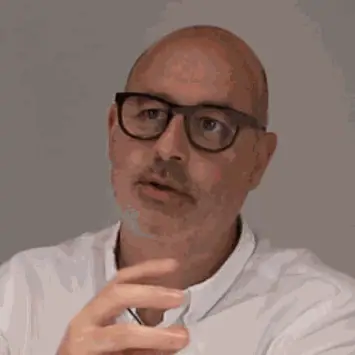
“The starting point is order, but beyond that I place great importance on the timelessness of things. With order you achieve that timelessness, and even warmth and proportion.”
— Francesc Rifé
“The starting point is order, but beyond that I place great importance on the timelessness of things. With order you achieve that timelessness, and even warmth and proportion. That timelessness also makes it ecologically viable. In the end, the best way for things to be sustainable is for them to last a long time and not to date so much, materially or visually. Achieving that timelessness is important in a world of change where there is an interest in things changing in order to sell and move money. I'm probably a poor commercial asset, but we always look for that timelessness.
“Apart from the values I've mentioned, I place great value on the team. After the long lockdown we realised that we are all indispensable, from the person who does the renders to the administrator. Fortunately the team has been together for some time, so it is much easier for us to understand one another; they are all passionate about the profession, which helps a lot, and our ideas are fairly similar. We have reached a happy moment on the design side.
“What I do think I have is that, for me, the profession is a way of life; I'm the same 24 hours a day, and I always try to instil a lot of passion. That makes the relationship with everyone easier. We are people of the trenches (especially me). I really like being on site and in the workshop, and I spend a lot of time out of the office drawing. The team is already used to receiving input remotely. The reason we succeed in reaching that level of detail is that we stay very close to the site. That gives meaning and coherence to what we do.”
A horizontal team
You say that lockdown made it clearer how indispensable each person in the studio is. Could you tell us a little more about the team, how it is structured and how you complement each other?
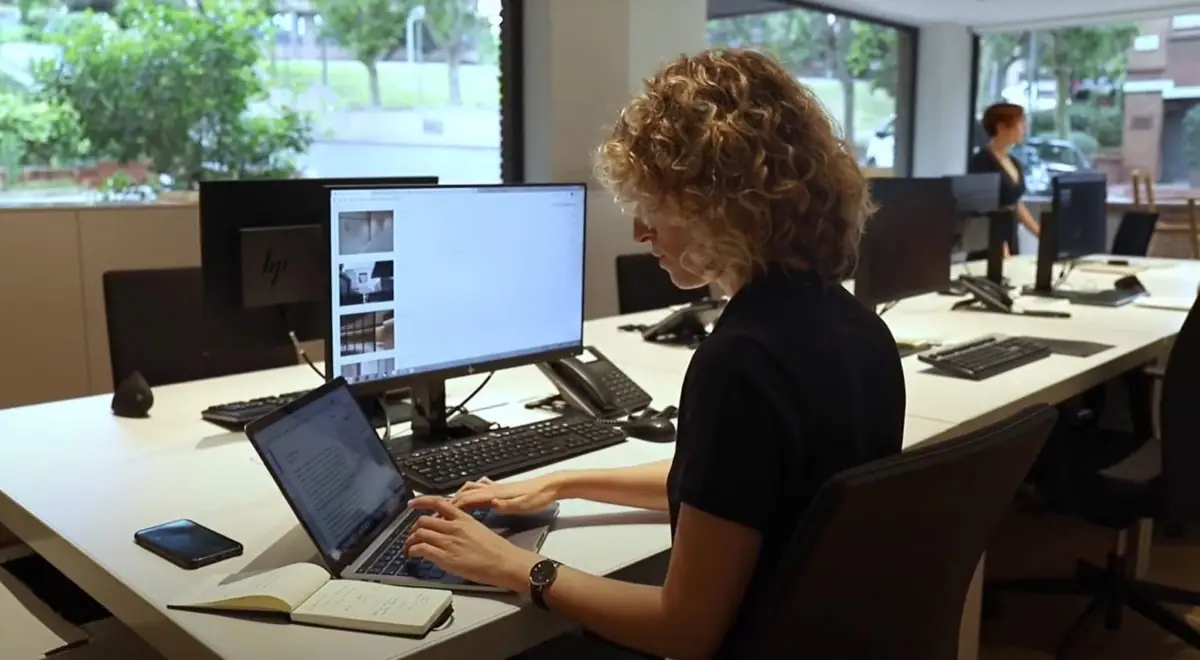
“As for the practice, even if people don't like to hear it, I am involved in everything; I always try to be there. The practice now has a fairly horizontal structure. There is me, but then each person runs one or several projects. There is always someone in charge who manages the project with me. Everyone is very involved in the projects, but there are always people in charge. The structure is very horizontal, almost self-running, I would say. Each person experiences things first-hand. It was more complicated before, when the team was younger, but now it has gained experience and that allows us to trust them.”
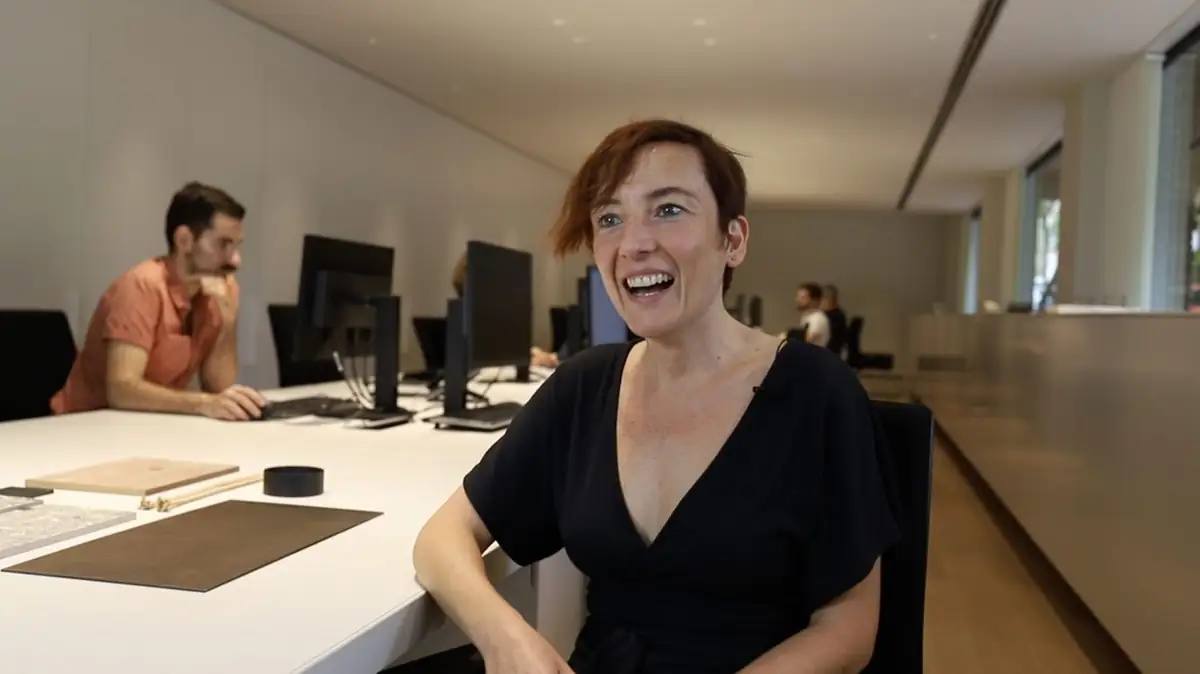
“Clients often insist on seeing me. My job is to educate the client, and that involves introducing the person or people who will also be responsible for the project. I think people are coming to understand it. Although I am always there; to this day, I never disappear from a project.”
The studio's internationalisation
Could you tell us about the studio's internationalisation process?
“The studio's internationalisation is a process of working very hard and trying to communicate what we do very well. Social media has been key to reaching abroad, at least in terms of communication. It's true that some time ago, while doing projects here, clients took us on to other projects abroad. Many clients come back, whether in Spain or internationally. Over the last 5 years the number of projects done abroad compared with those we have done here has been incredibly disproportionate. It has allowed me to learn a lot from other people, landscapes and cultures. The evolution of the practice has been shaped by these journeys and by getting to know new cultures.
“In the end, directly or indirectly, you end up applying it in other projects. We try not to make things thematic and to follow the studio's own evolution, taking in those cultures, so that each project in each region has something of ours but also something important of each place. How do we manage it? Well, I would almost say we manage it better than here. Our first European project, where standards are high, a hotel in Berlin, went very well, because in the end the winning firm that built the hotel was more perfectionist than I am, so it was easy. Japan was the first really extreme project I did; the Japanese level of perfection is very high, and I was lucky to come across clients who wanted things more perfect than I thought we would achieve.”
“It has been different in South America, where you sometimes have a different perspective, but on the other hand it has been wonderful: there is a stronger craft tradition there and I have considered designing things that are less technological and more handmade. The perception of the project has been wonderful, and knowledge of local techniques and materials has allowed us to do very interesting things from a creative point of view.
“Another country that has pleasantly surprised me is China. In recent years we have done a lot there. We always have the idea that Chinese means second-rate, and it is the opposite: I think my best projects by far have been there. We were also lucky to work with a construction company run by people trained in the United States, with whom we understood each other very well technically. In general, working internationally isn't necessarily better, but it is very rewarding. There, detailing has been taken to the absolute extreme.”
ASH, the project he remembers most fondly
I know this is a difficult question, but could you choose a project you are especially proud of or remember with particular fondness?
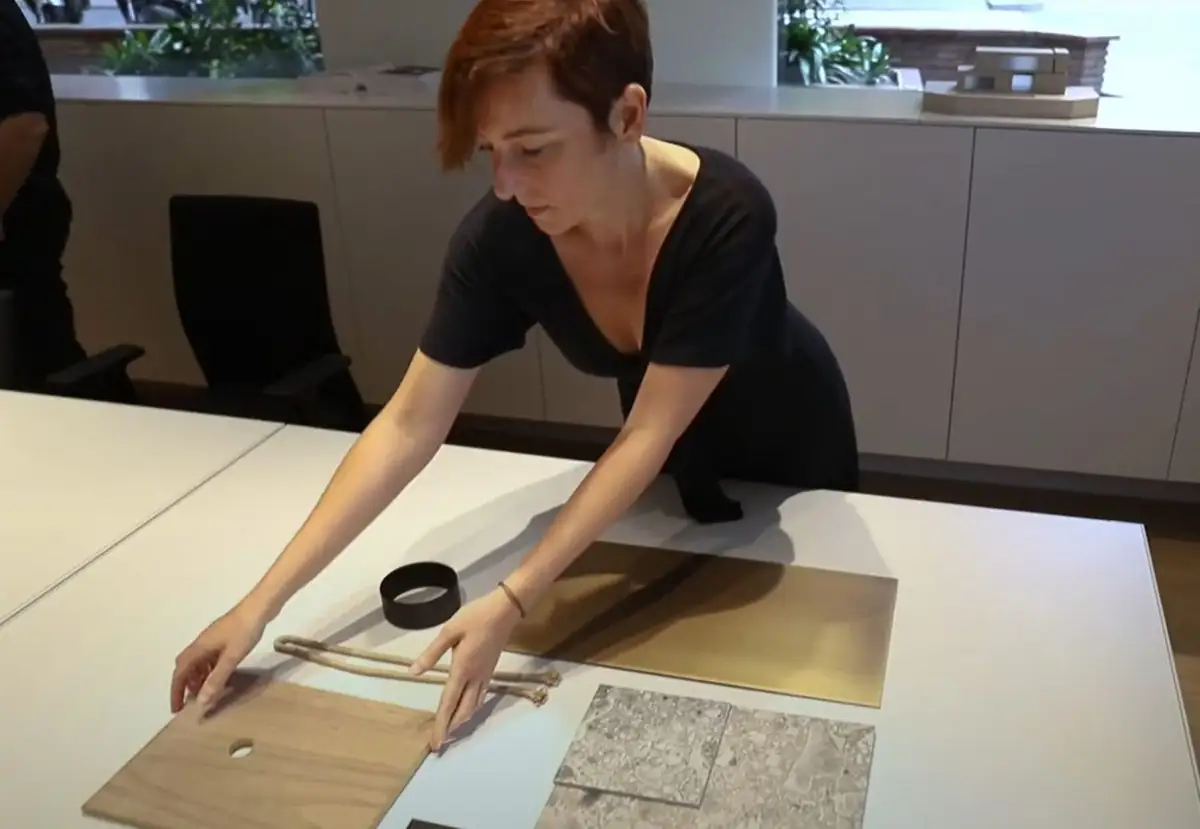
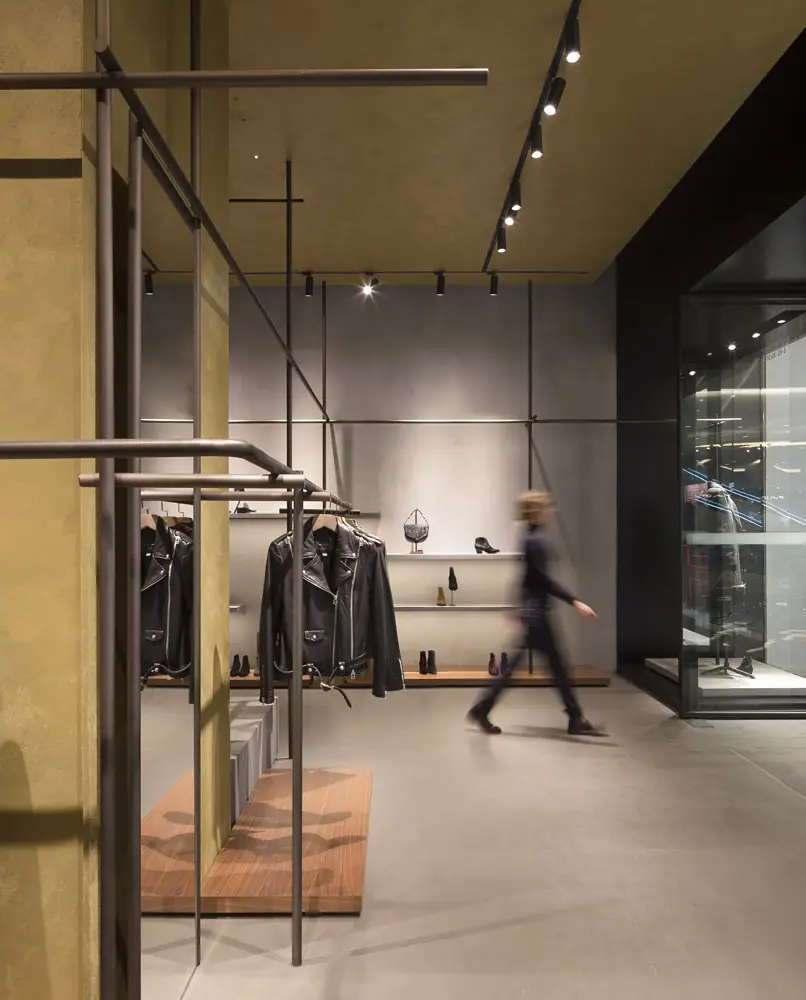
“It's very hard to say. Perhaps the project for ASH, an Italian-French footwear and accessories brand at the mid-luxury level, which made its entry into the Eastern market by creating an image it didn't have for Asia, but which has since also been taken to Europe and even the United States. There is so much information in this project that you can't see; I'm very happy with it. It has many cultural roots, human, social and cultural techniques. Often, in the end, people just see a clothes rail, but there is a lot behind it; I could talk about this project for hours. That is what you hope for from projects: that besides having an aesthetic and simply functional sense, they also carry a series of nuances that fulfil us, the client and, in this case, the press, which has published it widely. The whole thing was a perfect journey — we even got paid!”
“Value has been placed on it. I always say we are cheap, metaphorically, because if we manage to deliver a project with the money we are given and on top of that it succeeds in terms of the value it has brought the client, then in the end what you are paid is ridiculous compared with the cost of the works and this whole process. If the professional is serious and so is the client, all this is always extremely profitable, economically speaking.”
The ASH stores in Shanghai
According to the studio, the fashion and footwear brand ASH commissioned a new concept for its stores worldwide. The first two to use it opened in Shanghai in 2018, in the Raffles City Changning (198 m²) and Plaza 66 (140 m²) shopping centres, which is why the project takes as its reference a traditional Asian construction technique: bamboo scaffolding.
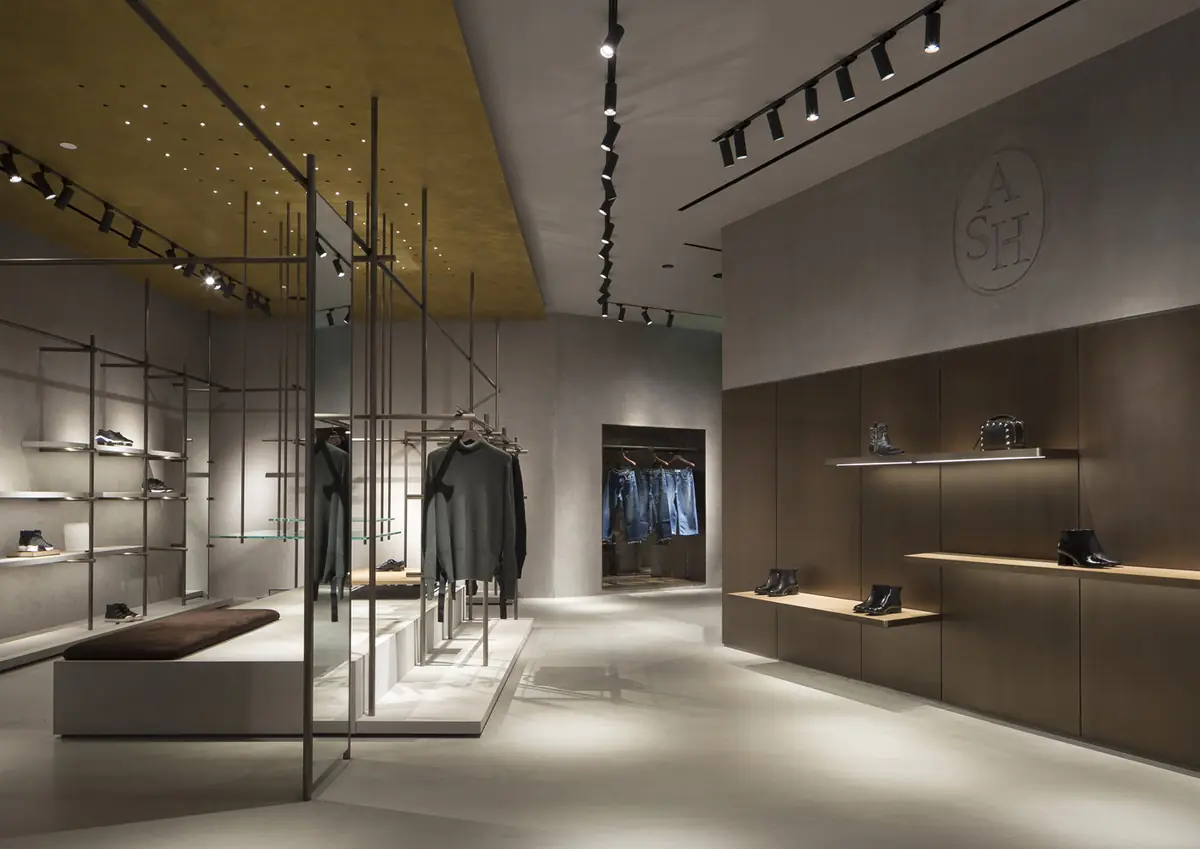
That scaffolding is translated into tubular frames in sulphurised brass with a very dark finish, joined as if tied together, which serve as rails and displays: the ‘clothes rail’ Rifé talks about. A partial perforated gold ceiling projects light from very small spotlights that create a starry sky, and the fitting-room area is lined with aged mirror. The studio's website also lists ASH stores in London (2018) and Mallorca (2019).
Francesc Rifé Studio in five years' time
How do you see Francesc Rifé Studio in the future? Where do you see yourselves in five years?
“I don't know what will happen in 5 years, especially after COVID, but the thing is I don't want to change; I'm happy doing things this way. The practice has already grown quite a lot, and I don't want it to grow any more, because then I won't be able to be involved in every project. In 5 years I hope and expect to be the same as now. I won't tell you doing bigger or smaller projects, because here we do both kinds and devote the same time to them. I don't know how I see myself; I'll be older, and I hope I won't have such a foul temper (can I say that?).
“It's a world that makes you lose your nerve a bit. If you are very strict about meeting the specifications and the finishes, you are constantly getting angry. I hope that in these 5 years I will have achieved the mental calm that lets me take everything less passionately. In the end you realise that you are only making yourself suffer; things don't go better or worse, they go the way they go. I need to improve more in psychology than in the way of doing things, because we are already happy with how they are going.”
Thank you very much for having us and for opening up your practice to us so generously and warmly. It is a pleasure to see the passion for design in every detail of the studio and of your projects; you can feel what you said about being a designer 24 hours a day.
Francesc Rifé Studio at Matter
Besides the Workflows Project on All in One, the studio has been back to Matter. In 2022, Jaume Abril of Francesc Rifé Studio presented, at Best Practices Matter: Confort textil en espacios interiores, the use of fabric in the Vibia stand in Milan, in the project for Cosmic in Frankfurt and in the ASH Mallorca store.