Isabel López Vilalta + Asociados
Isabel López Vilalta explains how place and materials guide her interiors, how she works with clients and her team, and how she envisages handing over the studio.
InterviewsWorkflows That Matter14 of 5811 min read
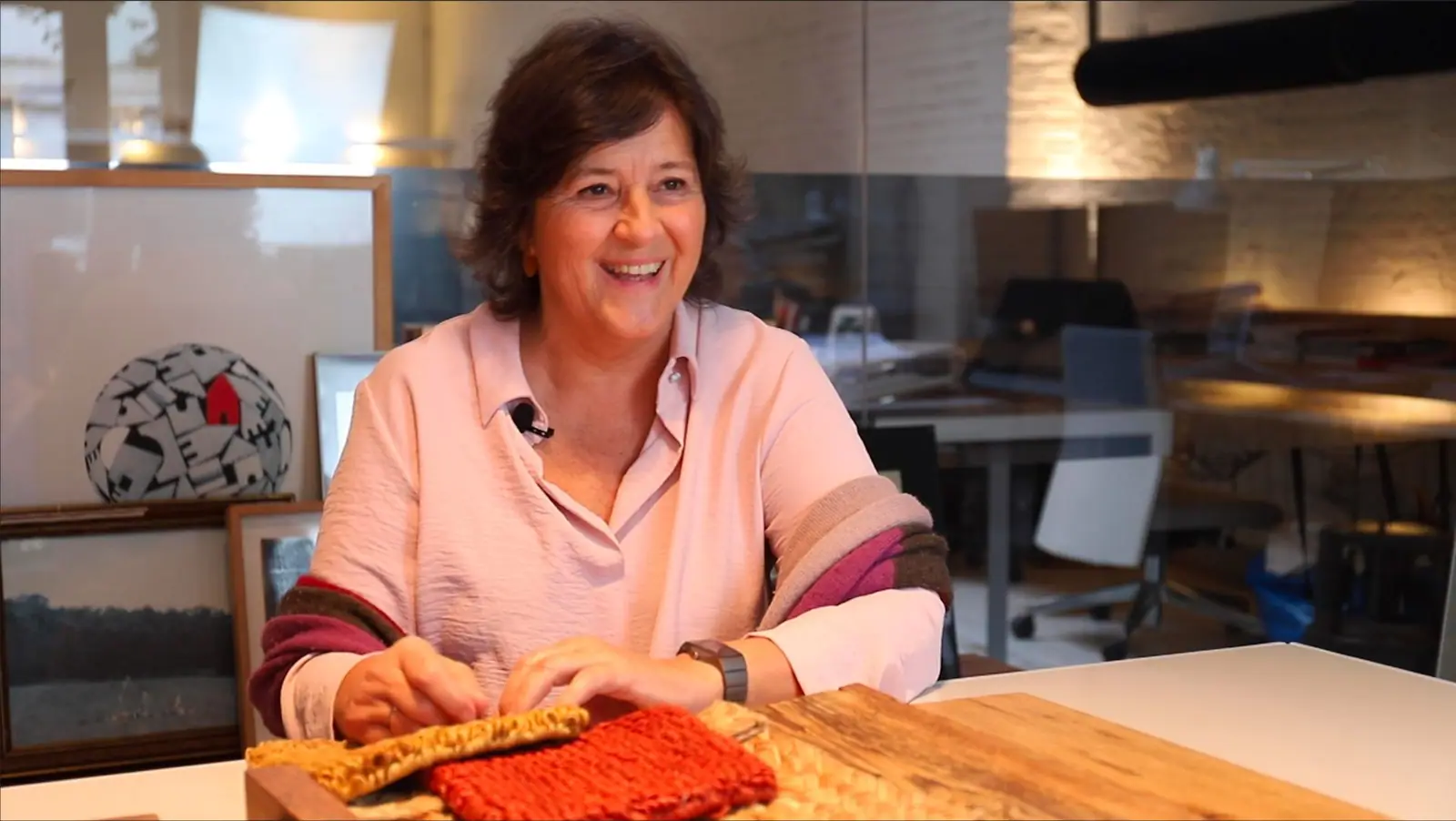
“We approach each project with great attention to its sense of belonging to the place. You can't approach a project in the same way if it is in a Modernista building or a Rationalist one, so we try to respond to each project by taking its surroundings very much into account and by getting to know the needs behind the project very well.”
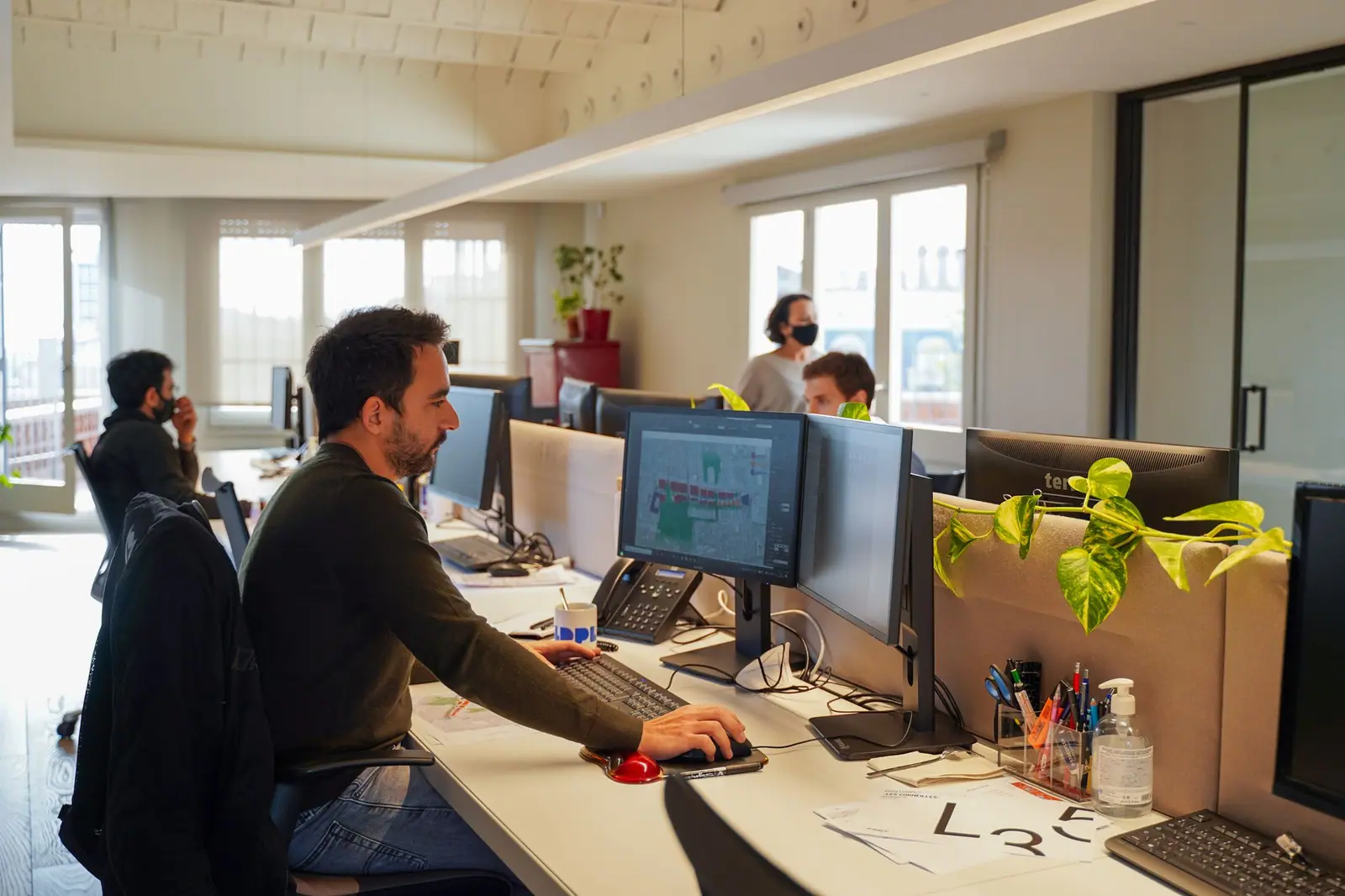
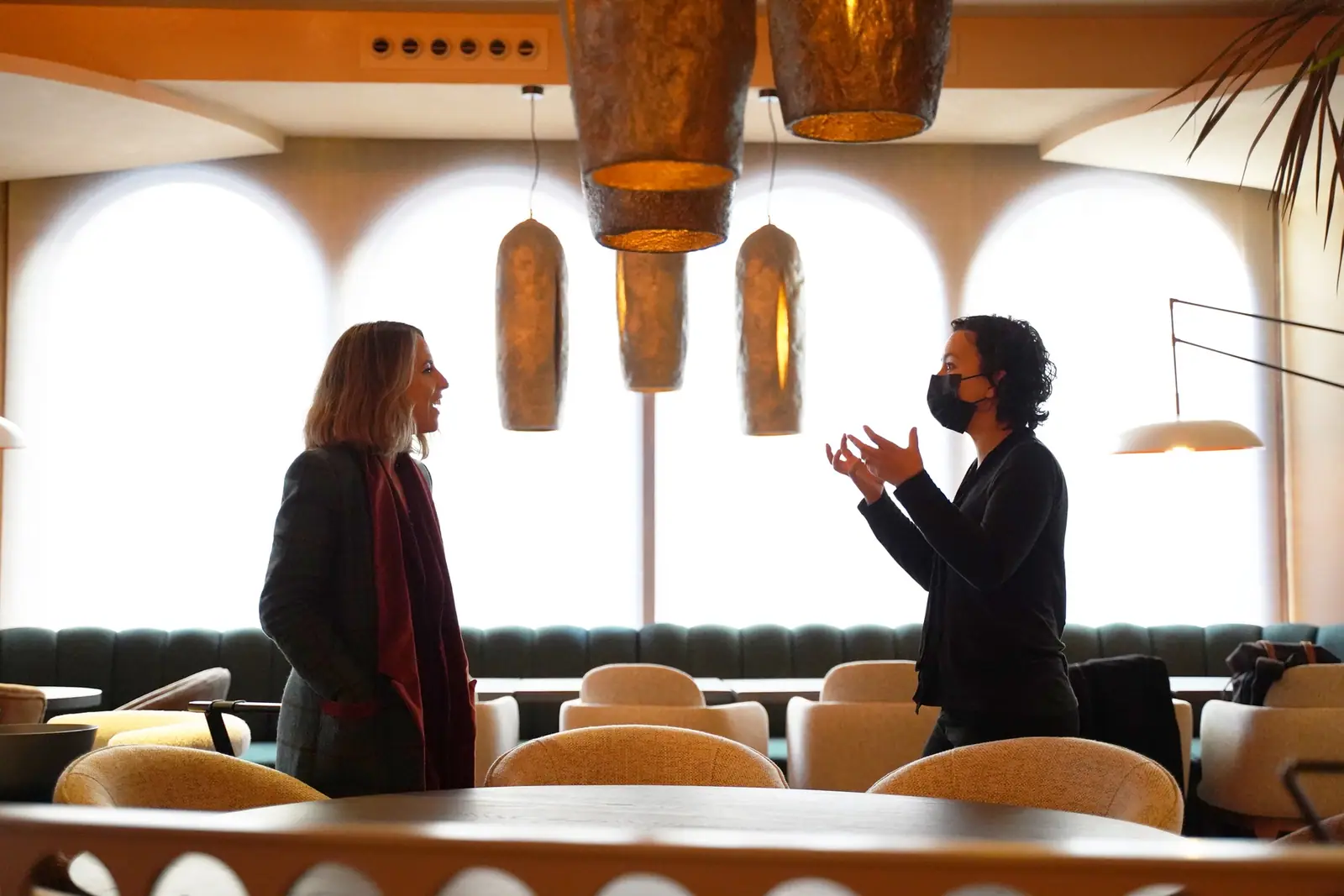
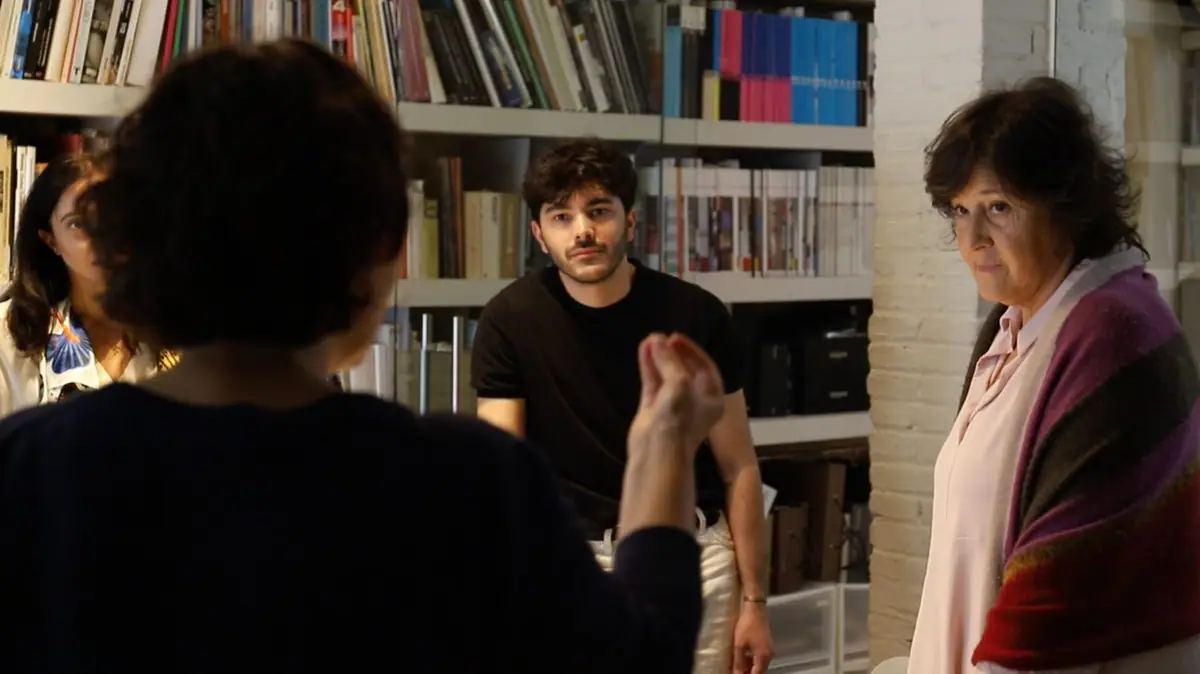
We had the pleasure of spending a few hours at the studio of Isabel López Vilalta and her team, seeing how the rapport and generosity among them all ease and enrich the fluid exchange of knowledge in the studio, where passion for what they do is the common ground.
In this ninth instalment of Workflows That Matter, produced by Matter Barcelona with the agency Connectingbrains*, we talk to Isabel López Vilalta + Asociados, an interior design studio with more than 35 years of experience. We look at how place and materials guide their projects, how they work with clients and budgets, how the team is organised, which projects she is proud of and how she envisages the handover at the head of the practice.
Isabel López Vilalta + Asociados: interior design from Barcelona
Isabel López Vilalta (Barcelona, 1959) studied interior design at the Escola Elisava between 1977 and 1980. According to the CV published by the studio, she worked at Pepe Cortés's practice between 1990 and 2002 and in 1992 founded the studio Tarruella – López with Sandra Tarruella. Her current practice, Isabel López Vilalta + Asociados (ILV+Asociados), describes itself as an architecture and interior design studio. When we recorded this interview, in 2020, it had offices in Barcelona and Madrid; today its website also lists an office in Mallorca.
Her work spans hotels, restaurants, offices, showrooms, shops, exhibitions and homes. The studio's list of awards includes, among others, the Hotel Omm (Barcelona), the Hotel Eme (Seville) and the Hotel del Teatre (Girona), and in 2019 the Premio A+ Extraordinario for an avant-garde interior design practice. Isabel López Vilalta was vice-president of the FAD until April 2013 and has combined practice with teaching at interior design schools and on master's programmes.
Sense of place: the place as a starting point
We'd like to begin the interview by asking about what defines you: what characterises your approach to interior design projects?
“We try to adapt to each project and each client, trying to solve the problem in the way we think is best. We approach each project with great attention to its sense of belonging to the place.
“You can't approach a project in the same way if it is in a Modernista building or a Rationalist one, so we try to respond to each project by taking its surroundings very much into account and by getting to know the needs behind the project very well. We are very aware of who each project is for. Sense of place would be the concept that best defines our way of working to resolve what each of our clients asks of us.”
Materiality, what gives the project its expressiveness
Could you add any aspect that is of great importance to the way you work?
“A very important aspect is materiality in every project. I have always loved materials and the team likes to experiment with them; materials are precisely what give a project its expressiveness. There is also the urge to try a new material, a new technology, a new way of doing things, or even to use an old technology or a traditional process with a new material.
“We are now working on the refurbishment of a landmark building and we are researching how clay was made in the past, how paints were applied, what kind of paints, with which silicates, with what kinds of tools. We are also choosing the furniture. We are looking for traditional Mallorcan, Catalan or Spanish furniture. It is a research project in which we are responsible for conveying a 21st-century refurbishment of an 18th-century building.”
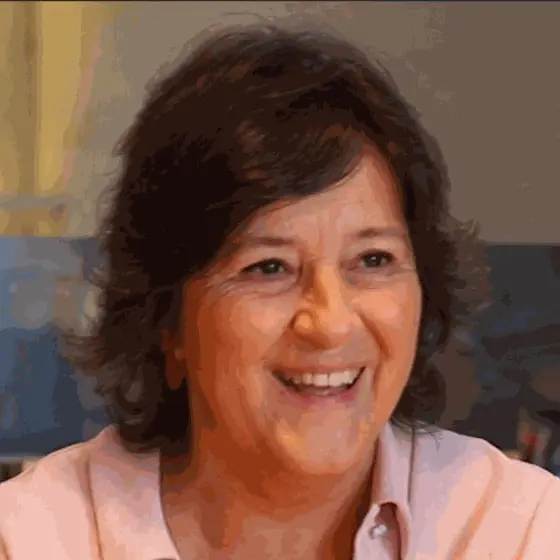
“Materials are precisely what give a project its expressiveness.”
— Isabel López Vilalta
The client and the budget
You always place great importance on the client. Could you tell us about your relationship with clients? What is the process like in your studio?
“Our work is teamwork, from the choice of material and the supplier who helps us to the team itself, but then a very important element is the client or the owner. The client is the reason we start the project, and the better the relationship, the better the result. Relationships can be very varied: there can be complete trust, absolute respect, or a complete coexistence between the client and us.
“Ultimately, over the years we maintain close, intense human relationships with each of our clients. I think personal and even intellectual empathy about how to approach the project is very important. You have to be versatile to understand what they want to do, to really put yourself in their shoes. That is something we enjoy doing and I hope we do it well.”
Your studio takes on projects with great responsibility, but you are also concerned with looking after the client's budget. Is that right? How do you manage it?
“We try to stick to budgets. In general, if what we have costed is respected from the start, and no changes are made that were not envisaged from the beginning, the budget holds. On our side, the budget stays true to the project. Generally it is the client who introduces changes. In hospitality projects all the parties involved tend to be very aware that variations are not acceptable, so we try to define every detail precisely so as not to cause budget overruns. I think we are a professional team and what we do is solve problems through tools such as materials and the configuration of spaces.”
A team organised by project stage
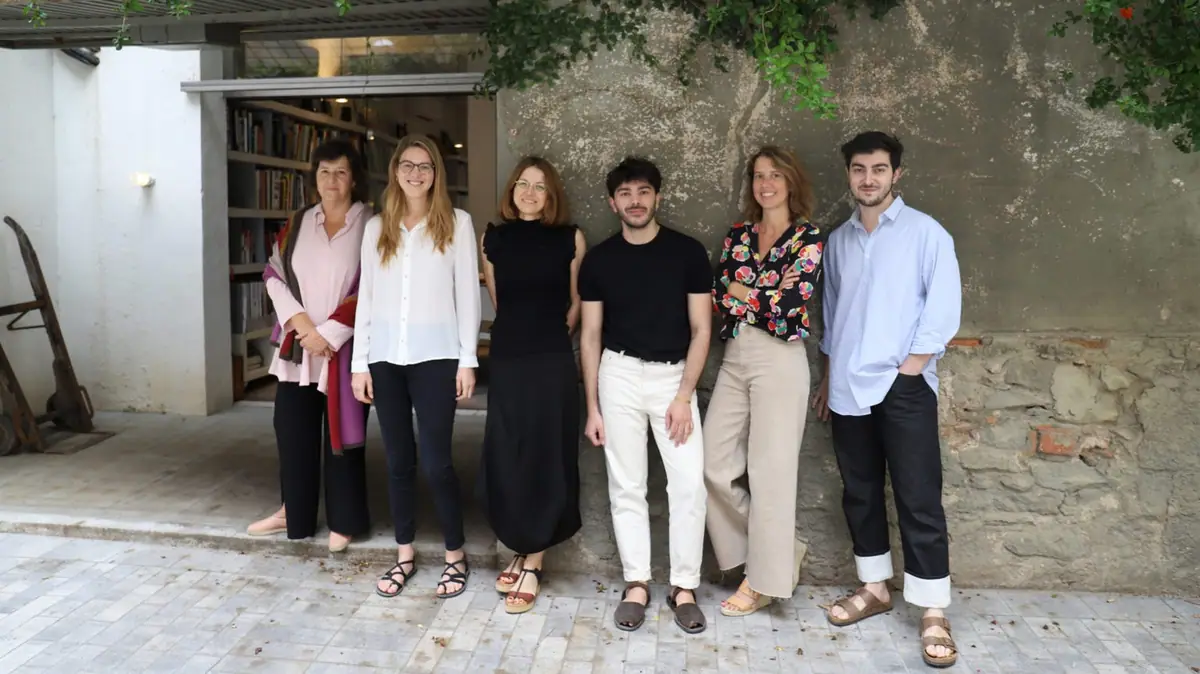
Now, could you tell us a little more about your team: how your studio is structured, how you and your team complement each other and what role each person plays?
“What we want is a very professional, effective, good and talented team at each stage of the project. That's how we are working now and it's going brilliantly.”
— Isabel López Vilalta
“Recently we decided to change the way we operate because I am already thinking about my professional exit. I have a young team I trust completely and my wish would be for them to take over before too long. Now, although I am involved in everything, there is one team that handles the preliminary designs, another that handles the construction documents, and another part is site supervision. What we want is a very professional, effective, good and talented team at each stage of the project. That's how we are working now and it's going brilliantly.”
The projects that mark a before and after
Which project marked an important turning point, or which are you especially proud of?
“In general I am very proud of all the projects we have done at the practice. We are a very self-critical team and that always helps us in future projects, so as not to repeat mistakes. In general we always strive for the best and we are very proud of all our projects.
“What comes to mind now is El Celler de Can Roca; I think it is an excellent project that has received a lot of recognition, and having taken part in it makes me very proud. I remember the Japanese restaurant we did for the Tragaluz group many years ago. That was a project that marked a before and after in our way of working, with few impositions from the client.
“Right now I could mention projects such as Frigicoll, done in both Madrid and Barcelona, which includes the headquarters, the showroom and the senior management offices. It is a very significant project because designing a showroom for fridges, ovens, microwaves and truck refrigeration units is not easy at all. You have to find a common strategy that at the same time unifies such different things, and I think we have achieved it. This project has given the company a very important direction. The third generation has played a major role in this project precisely in order to launch the company's new era.”
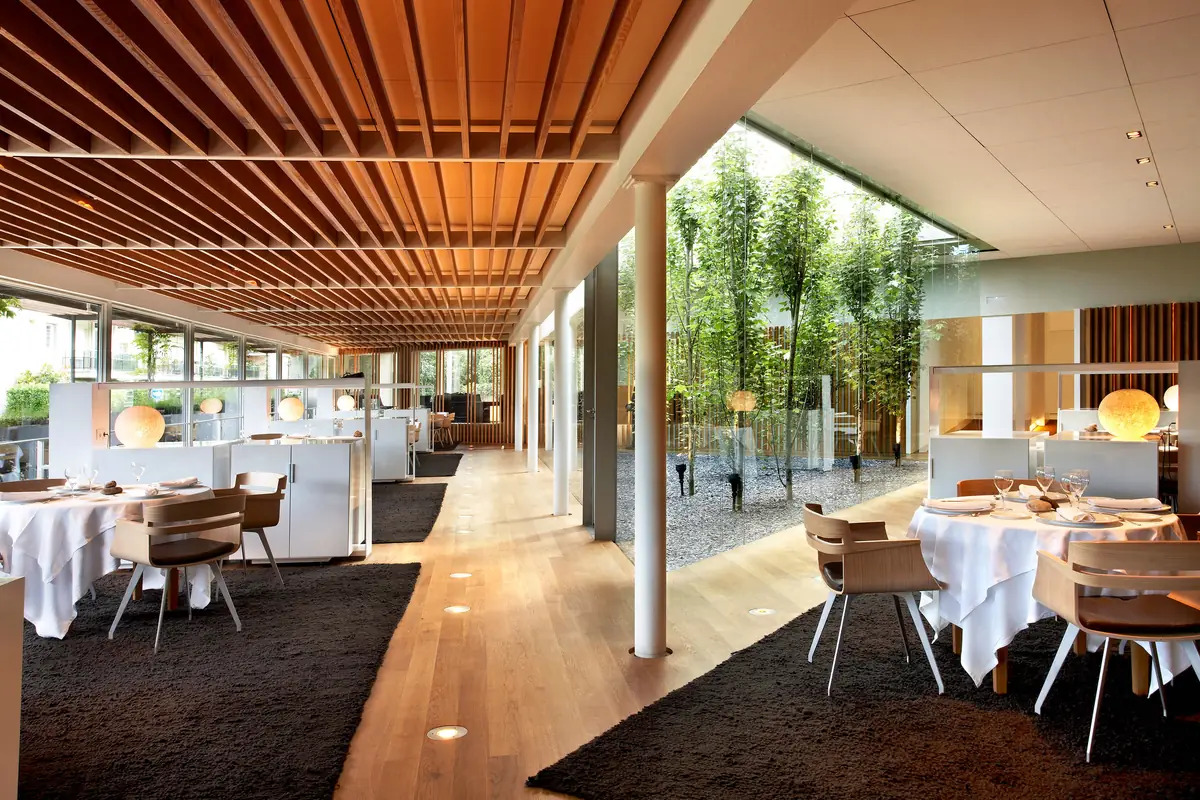
El Celler de Can Roca, Girona
The El Celler de Can Roca project, signed with Sandra Tarruella and Ricard Trenchs and completed in 2007, transformed the former Can Sunyer villa and its outbuildings in Girona into the home of the Roca brothers' restaurant. A triangular glass box brings light and transparency to the interior, and the gardens, mirrors and large windows link all the spaces visually. According to the Arquitectura Catalana archive, it was a finalist in the Premis d'Arquitectura de les Comarques de Girona and in the FAD Awards in the interior design category.
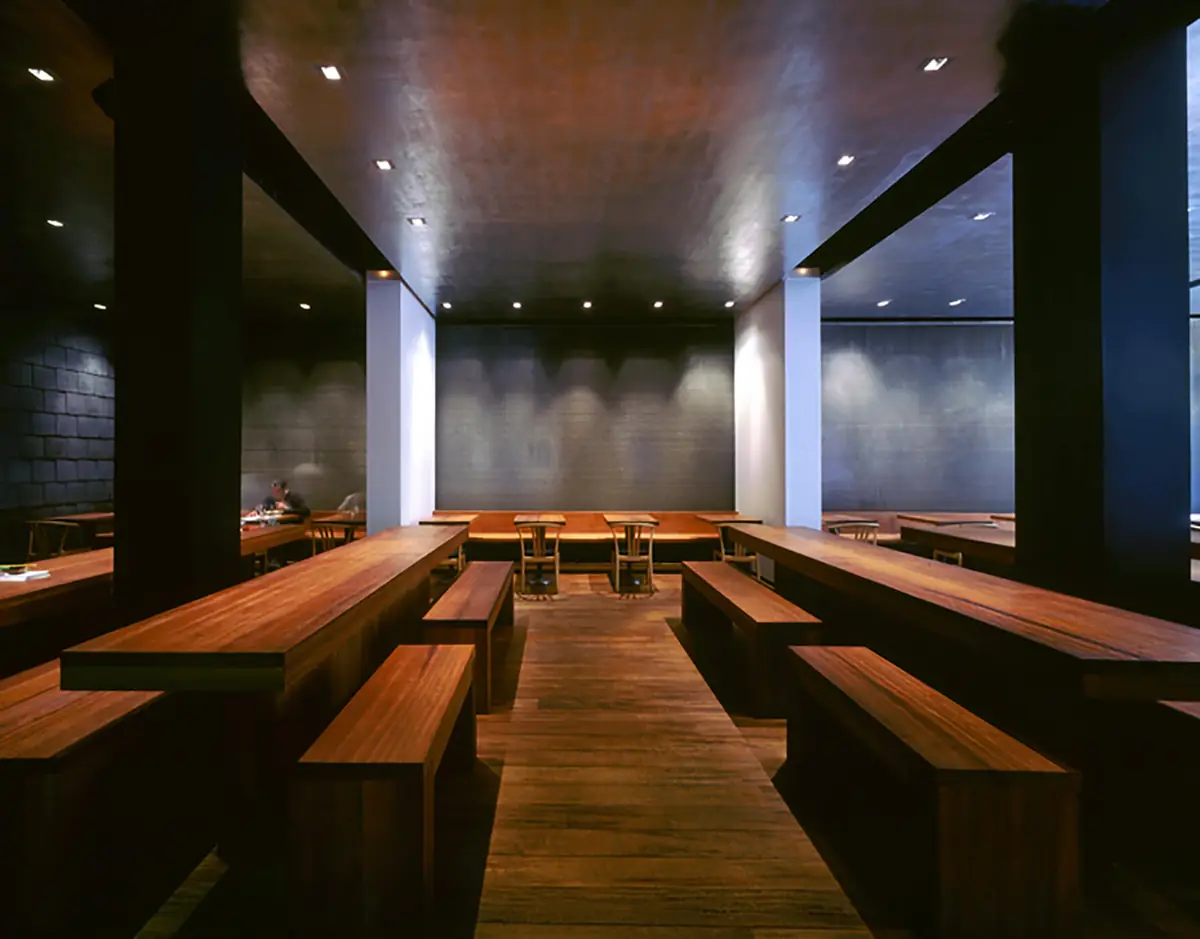
El Japonés, Grupo Tragaluz, Barcelona
The Grupo Tragaluz Japanese restaurant she refers to is El Japonés, in Barcelona's passatge de la Concepció, which she designed with Sandra Tarruella. Arquitectura Catalana dates the project to 1999–2000: it was a finalist in the FAD Awards for Architecture and Interior Design and received the Premi FAD d'Interiorisme de l'Opinió (FAD Public Opinion Interior Design Award) in 2000.
Frigicoll, Sant Just Desvern and Madrid
For Frigicoll, a company with more than 60 years of history in refrigeration, air conditioning and hospitality equipment, the studio designed the showroom, executive offices and canteen of its corporate building in Sant Just Desvern (Barcelona) and, in Madrid's Salamanca district, The Art of Living, which it presents as the first showroom for high-end household appliances. According to the studio, the Sant Just project was a finalist in the 2019 Premios de Arquitectura Plus in the workplace buildings category. We cover it in detail in the Workflows Project devoted to the Frigicoll offices.
Working outside Barcelona
How do you approach the projects you have outside Barcelona?
“For all our projects elsewhere, remote working is essential. It has worked very well for us because we hold meetings and, of course, sending all the documentation by email makes it much easier for the work to be not just local but international. We are lucky to work with wonderful teams elsewhere with whom we connect very well, and that also makes things easier. During construction we make frequent site visits to make sure the result is what we expected.”
From the first meeting to the choice of materials
Could you tell us about how your projects take material form?
“When we are called to look at a possible project, we travel to see it whenever we can. Once there, I have the feeling that the words the clients are telling me gradually turn into forms, so while they are showing us the facilities and the place, we are seeing something and at the same time giving shape to the project. When we get back to the office, or even on the plane home, we make a small sketch and notes, and we have a brainstorm.
“Once we start working on the project we make a sketch, and in a way, from the first visit and meeting, we already know whether it is going to be stony or rather soft, whether it will be hard, cold or warm, and it is from this point that we end up choosing the materials. It has also happened a few times that a material came our way that we really liked, and that became the pretext for resolving a project. Materials are very suggestive when it comes to resolving a project.
“We choose materials as a team; the selection emerges naturally and spontaneously. I used to make this selection more on my own because it seemed more efficient, but now I find it more enjoyable to share the journey with someone from the team, and we also turn things over in our conversations and a working process takes shape. We are a bit obsessive and our work is more a vocation than a profession. We keep adding things along the way, and that happens with the selection of materials too.
“I have always tried to make sure nobody owns the ideas; we work towards a common goal, which is to achieve something extraordinary, and sometimes we succeed more and sometimes less. The team's ideas belong to the project and are for the project. Because we work with great generosity, the result is good, and we have a great time too.”
The handover: the future of the studio
And finally, how do you see yourself five years from now? How do you see the future of the studio?
“I would love to carry on with the team I have at the moment; it is a team I feel very comfortable with, we connect very well and we have fun. I would love them to be the heirs, so to speak, of the practice. They are at an age where in ten years' time they will hit their midlife crisis and will want to take over and continue the practice for another forty years; that is what I would like. We are now taking people on so we can put together a team that works very well and that we can be together intensely for the next five years. In the following five I will take things a bit easier, and in ten years I'll disappear from here, retire and devote myself to other things. That would be my dream and I think it is possible.”
We sensed a great deal of generosity in this interview, towards us and especially within the team: a pleasant feeling of work done with love and professionalism. We were delighted to spend a few hours with the whole Isabel López Vilalta + Asociados team, and we look forward to coming back!
Isabel López Vilalta + Asociados at Matter
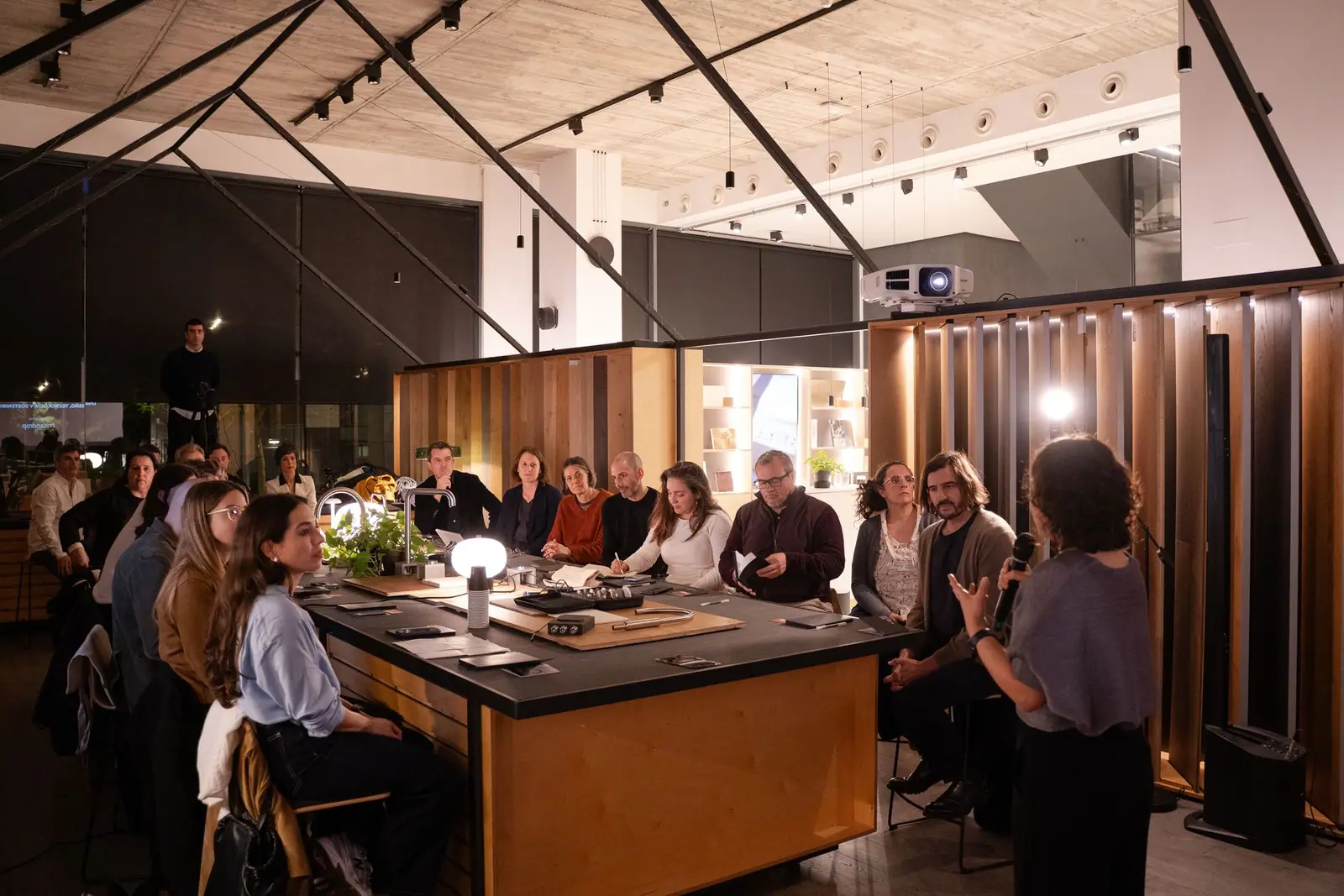
This interview was published together with the Workflows Project devoted to the Frigicoll offices. Since then, the studio has taken part in Matter events again: in 2023, Isabel López Vilalta spoke about the designer's flexibility at Talks That Matter: Hoteles, Flexibilidad y Adaptabilidad; in June 2025 she was a speaker, together with Bolibar, in the Materials Matter Exhibition talks programme; and in 2026 Silvia Cabestany presented the Tivoli Kopke Porto Gaia on behalf of the studio at Best Practices Matter: Diseño, Tecnología y Sostenibilidad.