L35
Luisa Badía, Tristán López-Chicheri and their partners explain how L35 works as a ‘team of teams’, which projects shaped it and how it chooses materials.
InterviewsWorkflows That Matter36 of 5811 min read
“In a way, what we create are ‘containers for life’.”
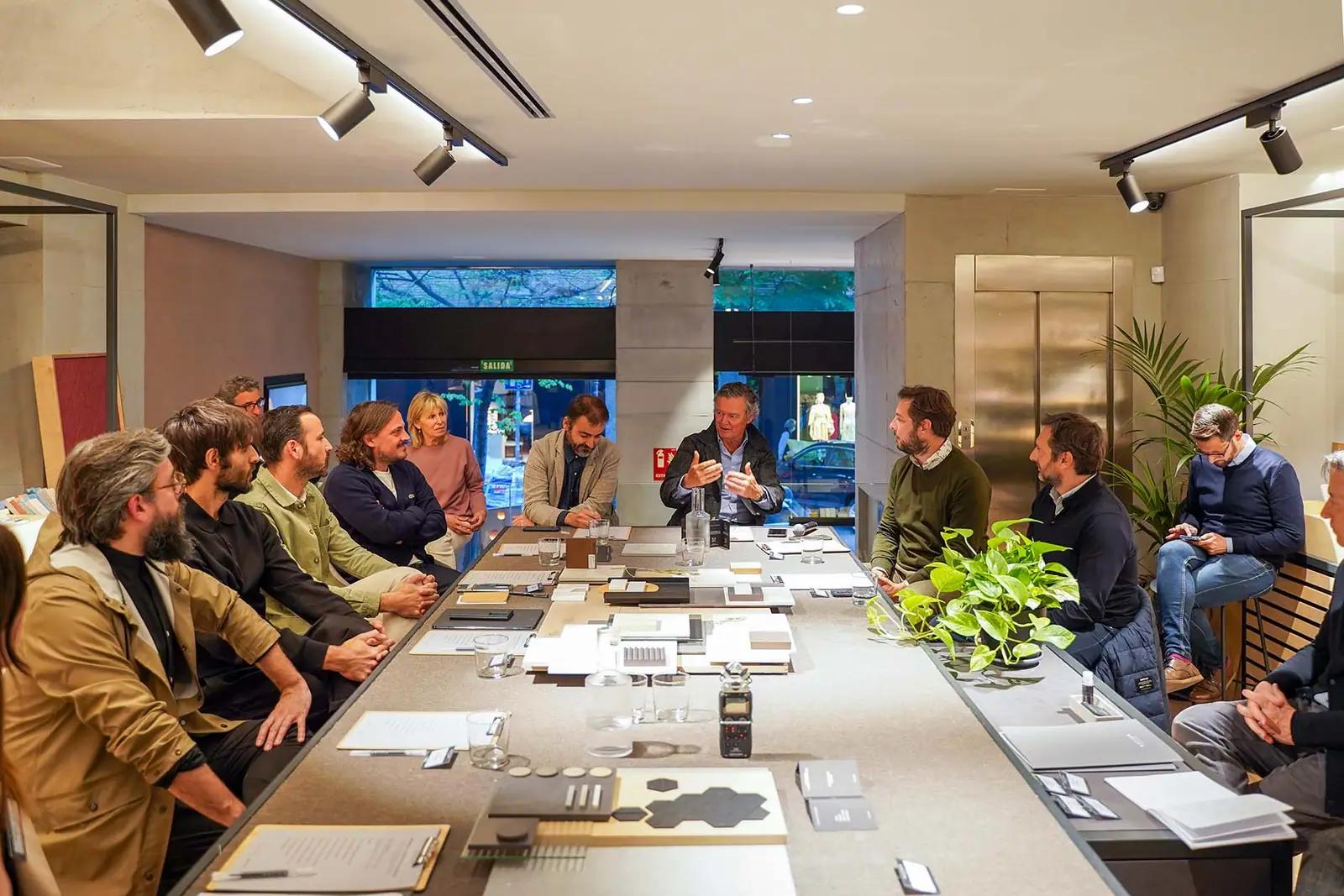
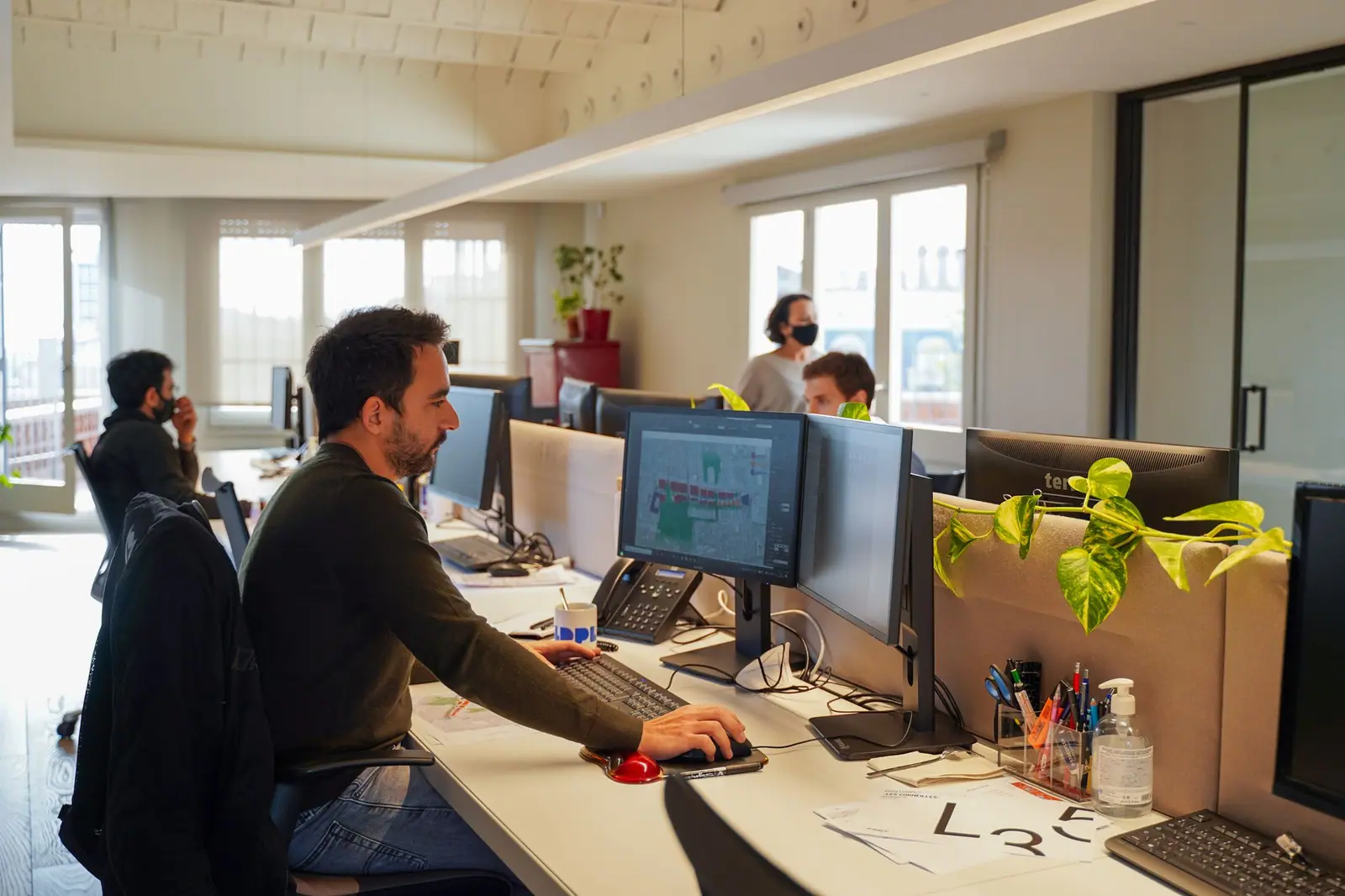
Here is a new instalment of the Workflows That Matter series. This time we visited the architecture practice L35, a team of architects with two main offices in Barcelona and Madrid. We got a close look at their way of working, which fosters teamwork and internationalisation.
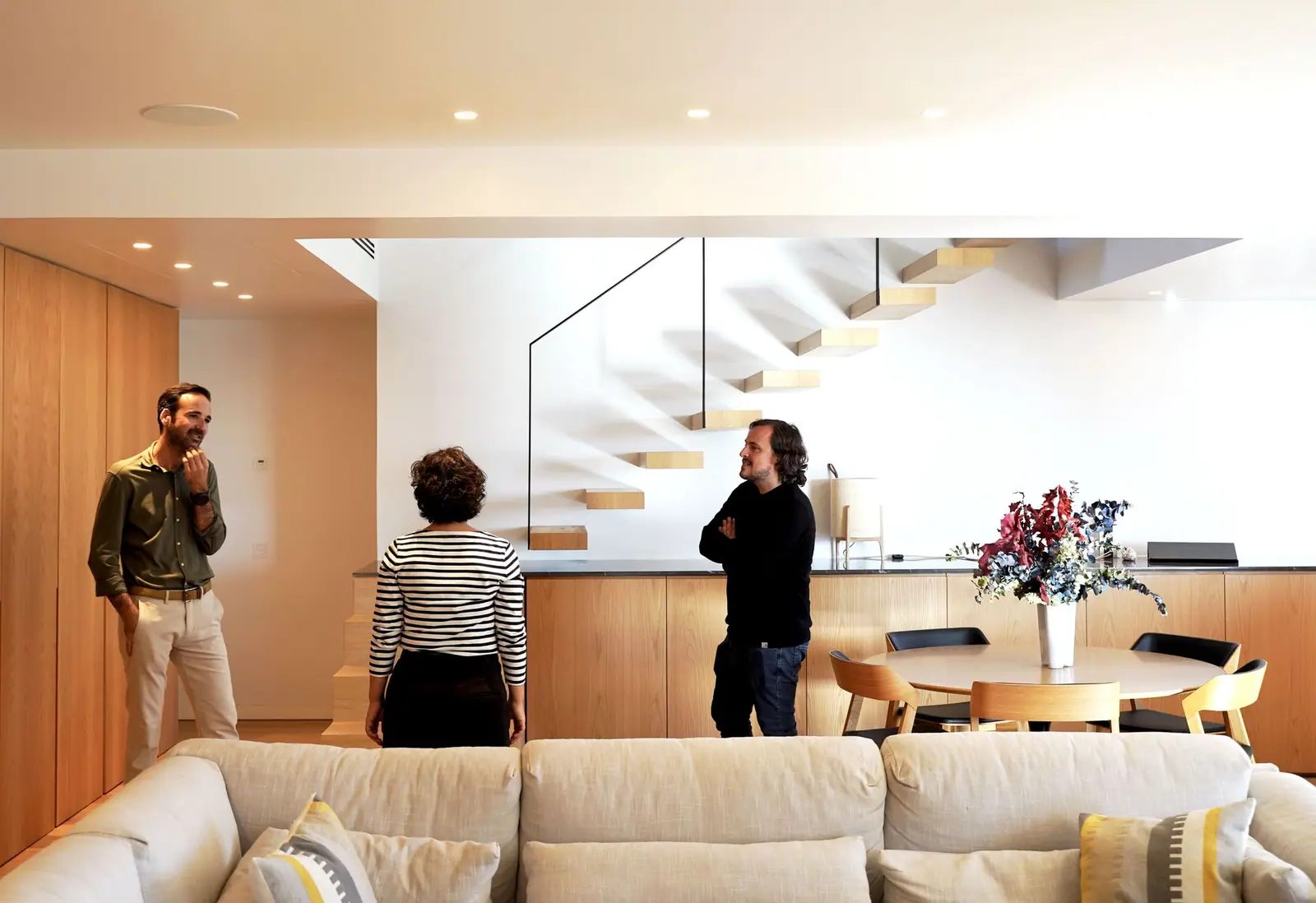
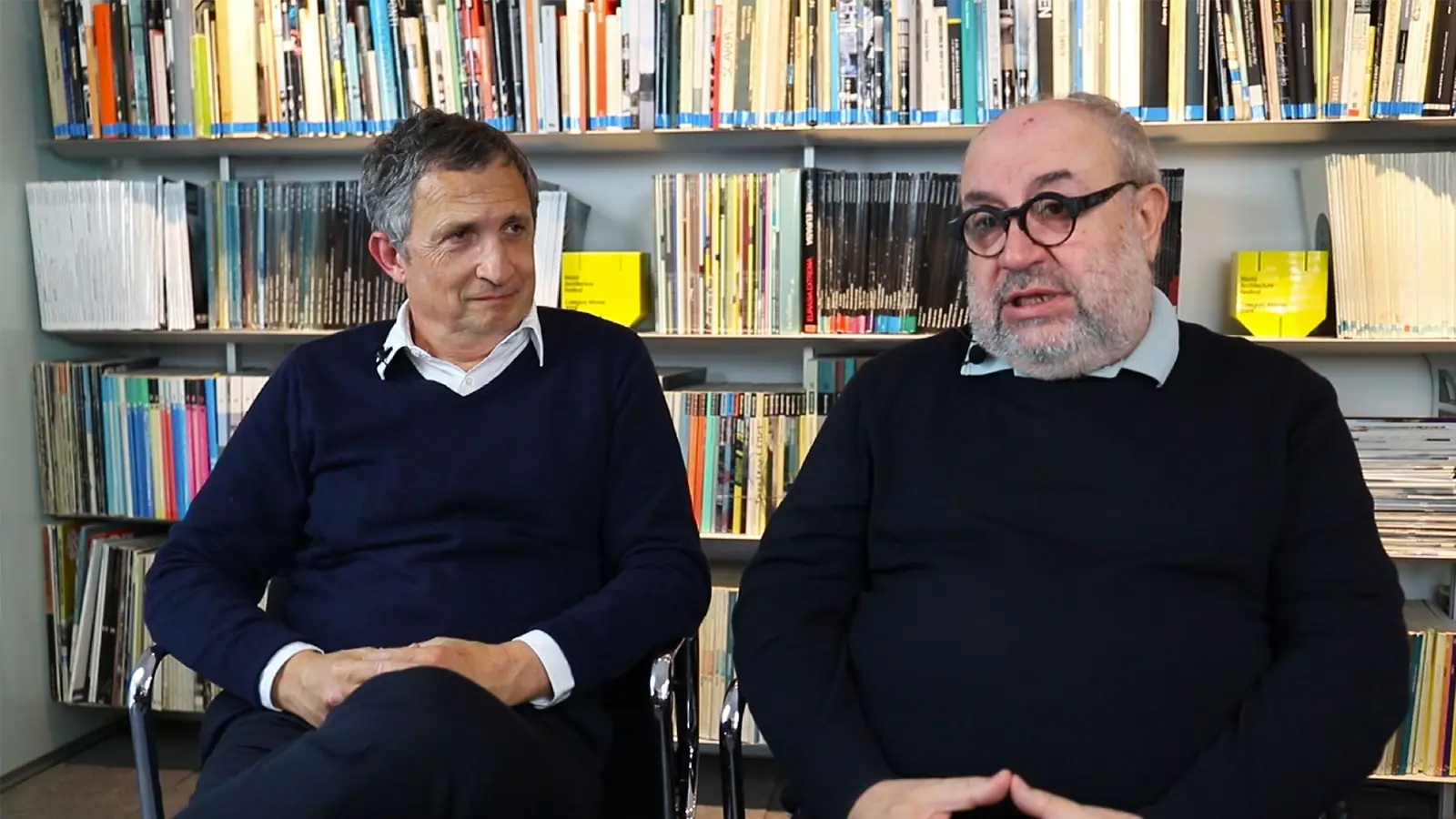
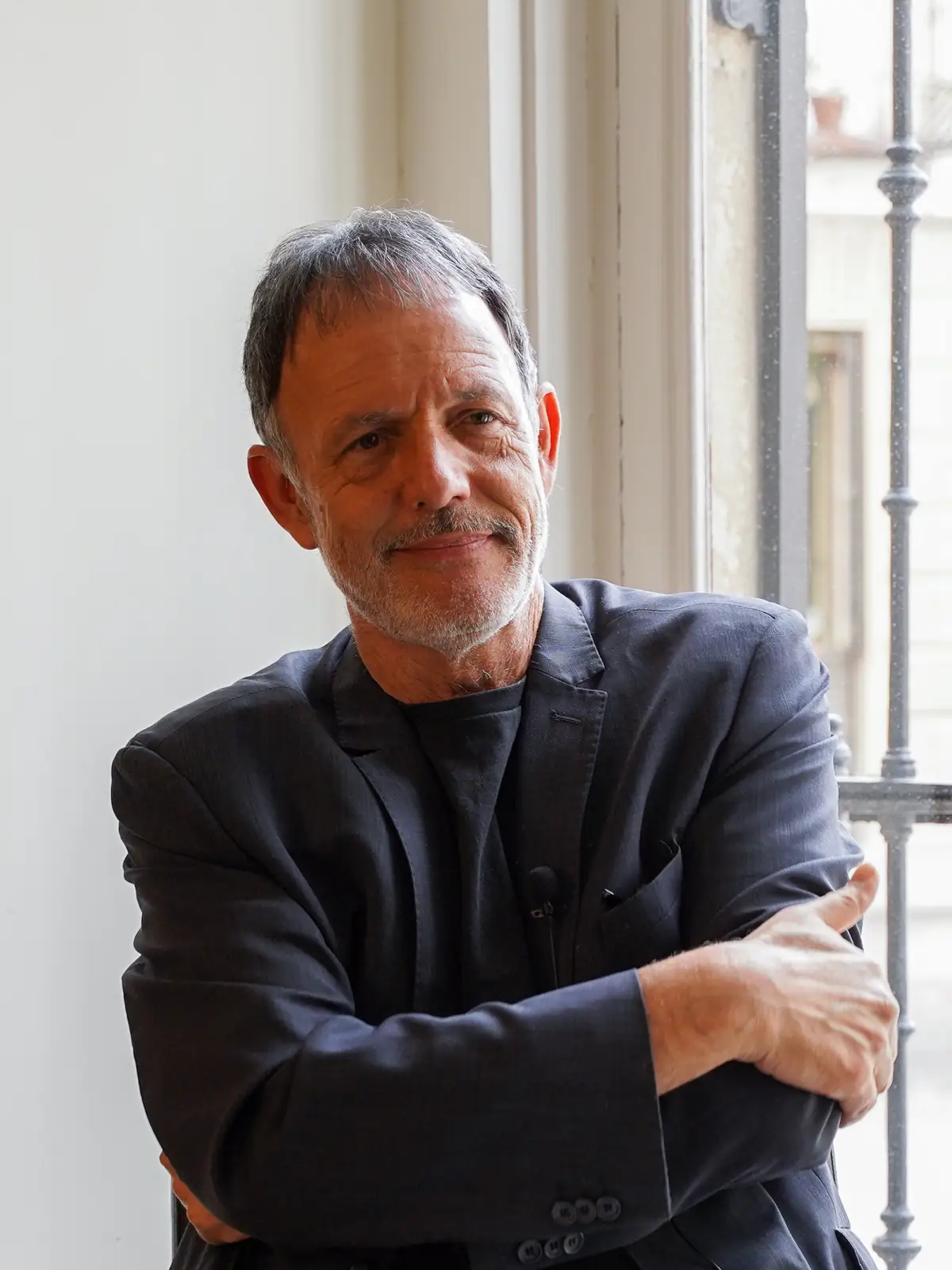
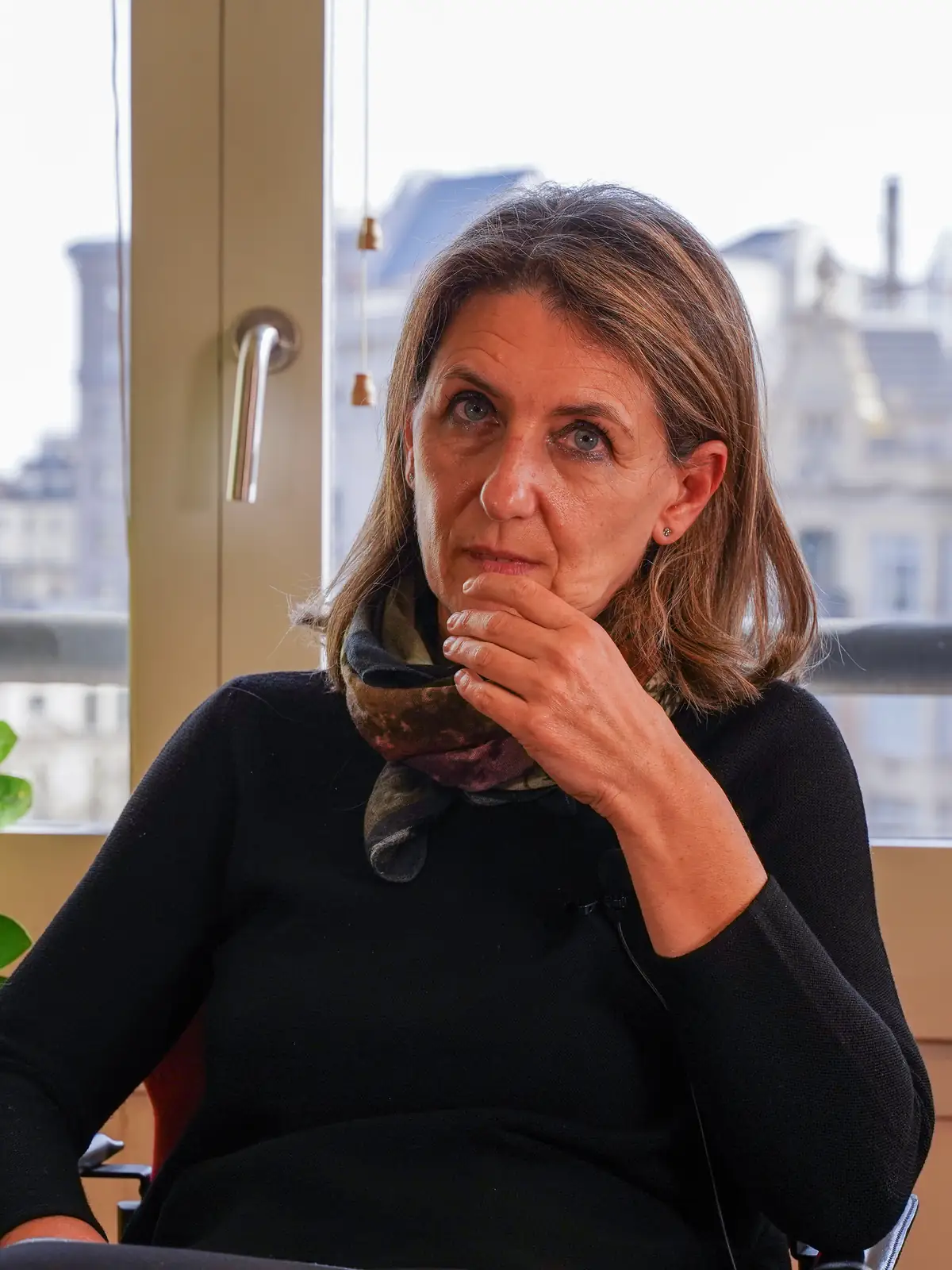
We talked to its two managing directors, Luisa Badía (Barcelona) and Tristán López-Chicheri (Madrid), and to Ángel Pi, Sonia Sanz, Alejandro Lorca, Ernesto Klingenberg and Caterina Memeo about what defines the practice, how its teams are organised, which projects have shaped its trajectory, how they choose materials and what challenges lie ahead.
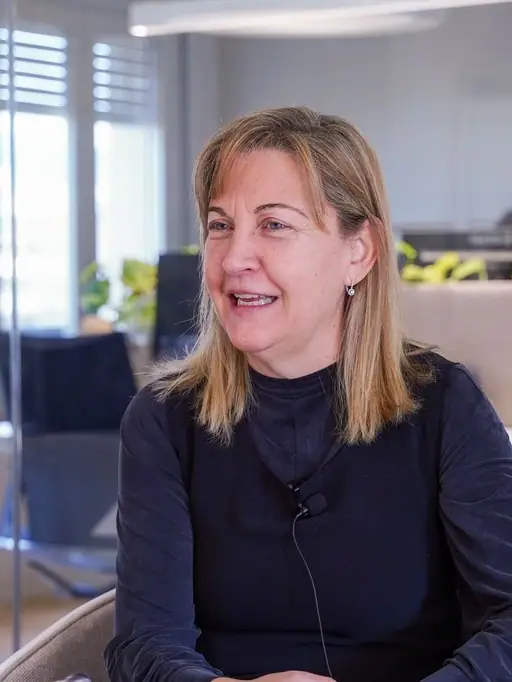
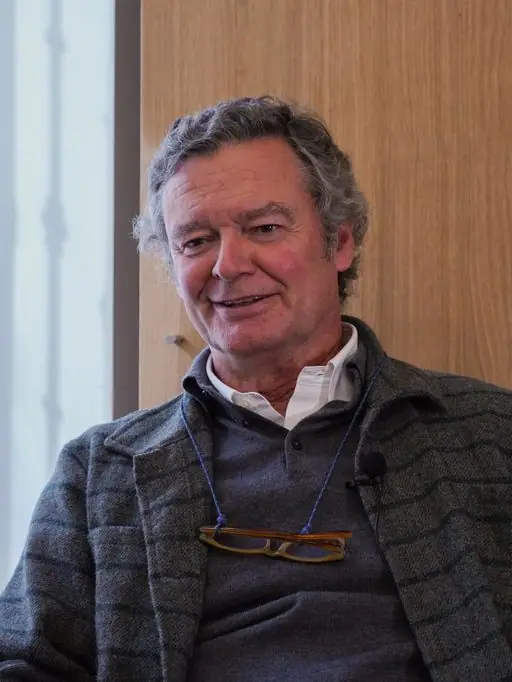
L35: architecture, urban planning and design since 1967
L35 Arquitectos was founded in 1967 and, according to the practice itself, its commitment to teamwork has not changed since. It sees architecture as a collective, multidisciplinary endeavour: in the interview they explain how each project is divided between urban planning, architecture and design, with specialists in sustainability and construction completing each team.
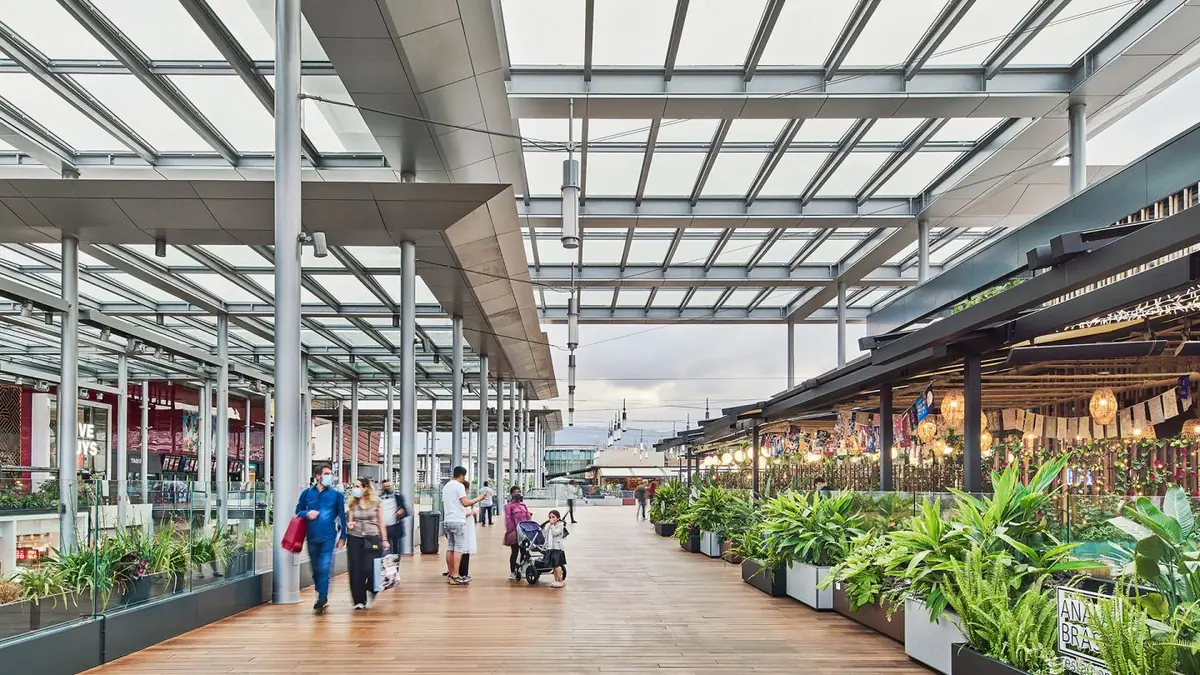
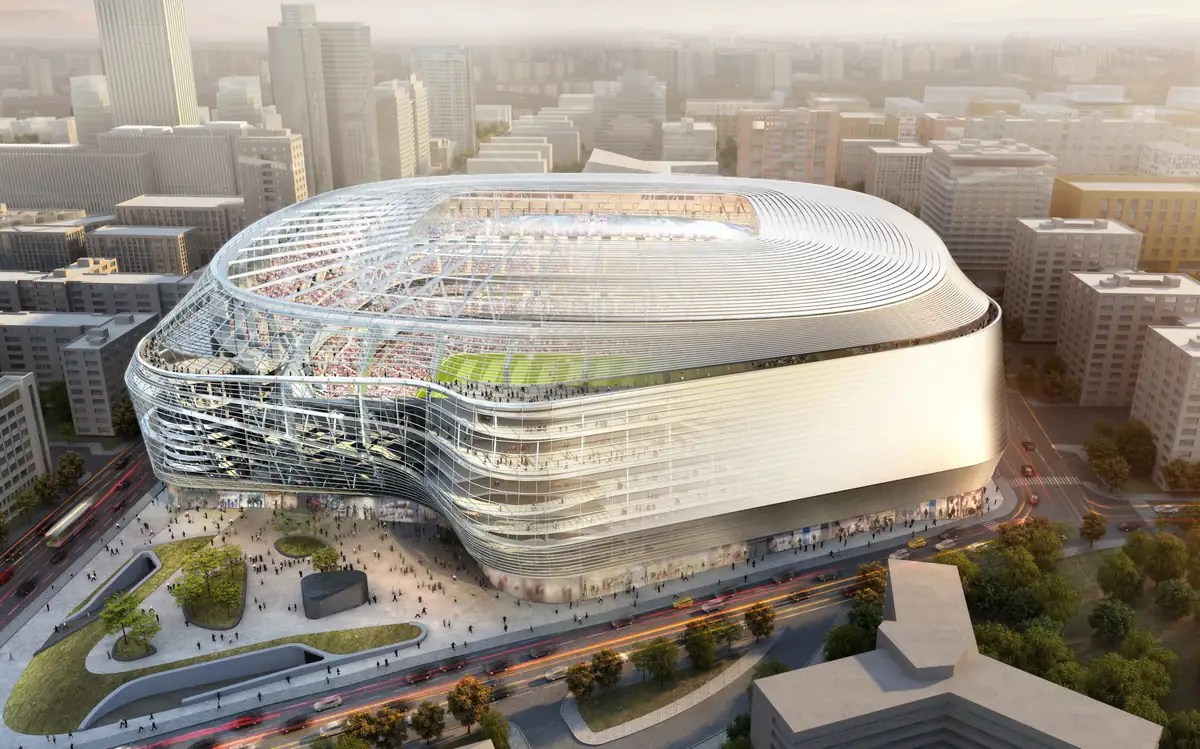
Its trajectory is closely tied to retail and mixed-use spaces. La Maquinista in Barcelona, opened in 2000 on the site of a former factory, proposed an open shopping centre connected to the pedestrian street network. In 2014 L35 was selected together with GMP Architekten and Ribas & Ribas to remodel the Santiago Bernabéu stadium in Madrid. And in Paris it designed Italik, an urban regeneration project on the Avenue d'Italie and one of the winners of the Réinventer Paris competition.
When we published this interview, in March 2022, the practice had offices in Barcelona, Madrid and Paris. In 2026, according to its website, L35 has 25 partners and more than 200 professionals, with offices in Barcelona, Madrid, Paris, Milan, Mexico, Bogotá, Santiago, Istanbul, Abu Dhabi and Sotogrande; Caterina Memeo is now listed as a partner heading the Milan office.
What defines L35
To begin this interview, what defines or characterises your practice?
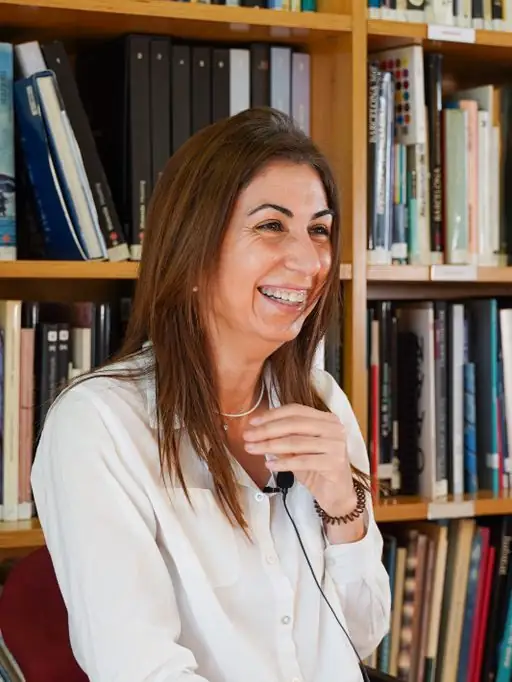
Luisa Badía: “We are defined by the legacy of having managed to be a practice with two important characteristics: the project and the team that makes the project. Within the team, the architect leading the project is not what matters; we can all contribute. This is the philosophy the founders originally used, which is why we try to make sure the following generations take it on and keep applying it.”
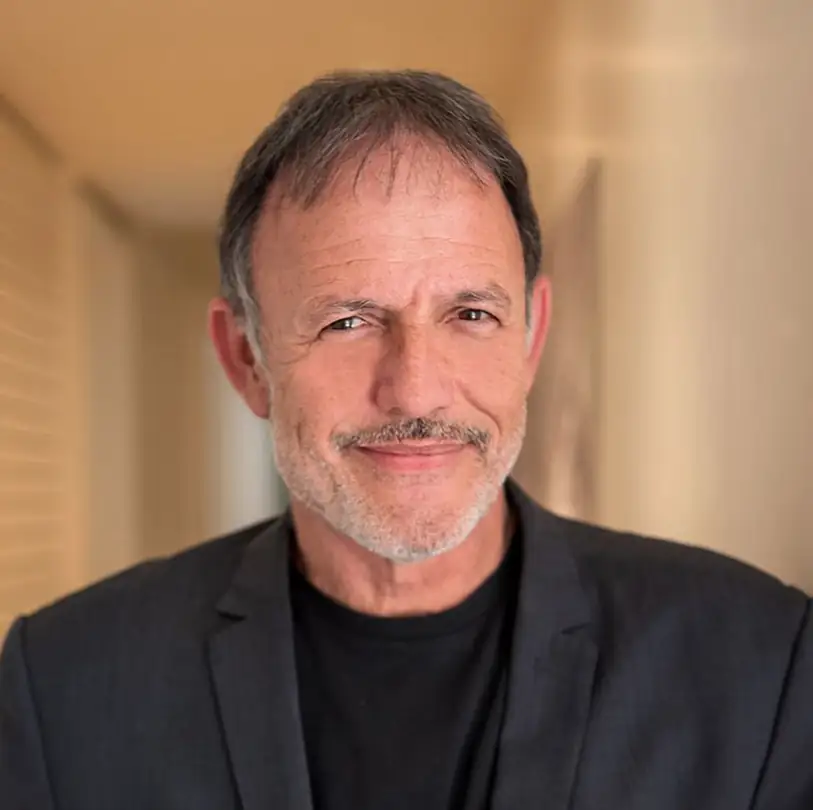
Tristán López-Chicheri: “We are a ‘team of teams’; that is, we are a large practice made up of a number of partners, and each of those partners has their own personal studio, and that becomes a house hallmark. Each team runs its projects in coordination with the practice’s partners, meaning that we all take part in every project in some way, but each project has its own particular character, which comes from that project director. I think what also makes us different is seeing architecture as a subjective activity, and conveying that in the projects.
At the same time, we all share a common conviction: we believe more in an eclectic architecture, that is, an architecture that responds to the conditions of the site, the conditions of the programme and the conditions of the client. The style emerges from the specific project we have on our hands at the time, so you won’t see a common visual style running through our projects, but you will see a common way of resolving them. In a way, what we create are ‘containers for life’. If, as architects, we don’t interpret those activities or that life of each project properly, we will have beautiful buildings that lack intensity and life; and so the needs of the users who will be in those projects, whether offices, shops or whatever, will have a lot of life and content, and that is what inspires us to make the project.”
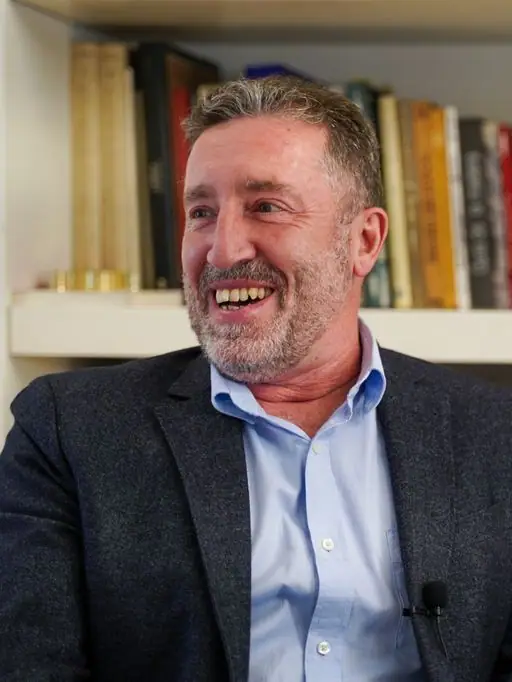
A team of teams: how the practice is organised
How is the L35 team organised, and how do you keep all its members motivated by what they do?
L. Badía: “At L35 we keep the founders’ idea, which was ‘you can be whatever you want to be’. We are a team of architects with different roles. Members can specialise in three specific fields: urban planning, architecture and design. The project director has a team made up of these specialists, which grows or shrinks according to the project stage. Within the practice we also have sustainability and construction as specialisms. These two areas are what complete each project team.”
Sonia Sanz: “When a project comes into the practice, we look for the team best suited to the project type. To do this, the directors and the most experienced architects meet to contribute ideas. Then the project director is appointed on the basis of their experience and any history they may have with the client. In the end, the director who takes on the project gathers the ideas best suited to responding to the client’s requests. Next, the project is divided among the urban planning, architecture and design departments, teams that will grow or shrink depending on the project stage we are at. Throughout the process, the director leads the relationship with the client as well as the working sessions on conceiving and developing the project.”
“Team by team, they tackle problems under the director’s guidance, and everyone sits around a table to come up with ideas. At that table the youngest learn from the older ones, but we older ones also try to pick up a bit of the young people’s freshness. This transfer of knowledge upwards and downwards always enriches the result. Part of how we have evolved is down to the fact that there are many of us architects, and each of us contributes what we can to get the projects done. We are also enriched by exchanging knowledge internally, with other offices, as we complete projects.”
— Ángel Pi
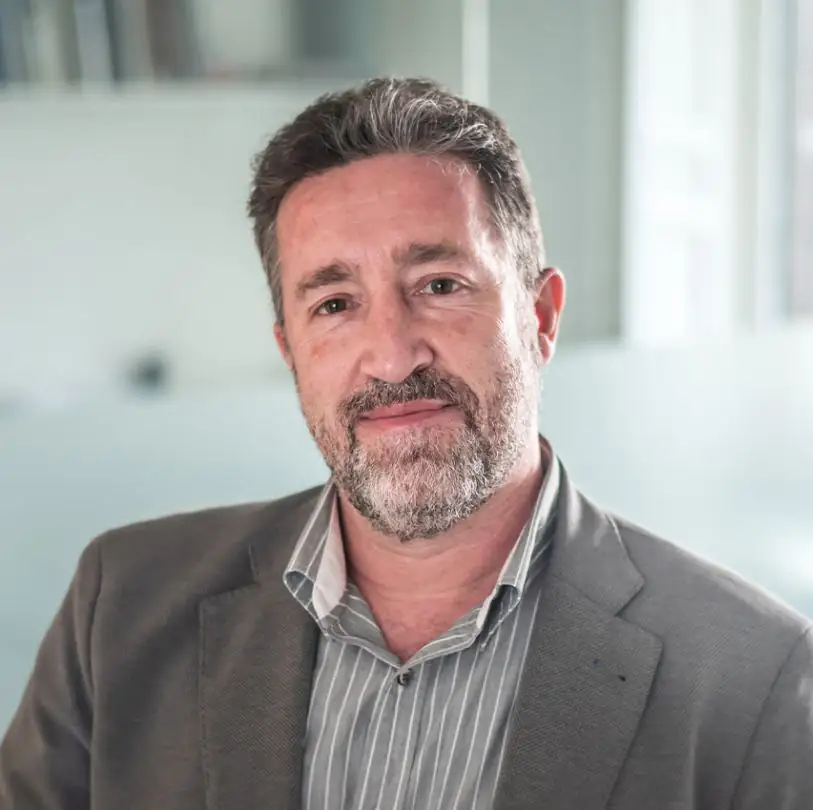
“The process is based on gaining advantages by sharing knowledge and ideas. That is the strength of the practice: the equal collaboration of the team. Not putting a signature on a project, that is, not having it authored by any one of us, allows us to bring together everyone’s ideas and contributions. We have been applying this way of working since L35 began.”
— Sonia Sanz
Local partners with the same attitude
How have you managed to work with local teams in other countries that complement you?
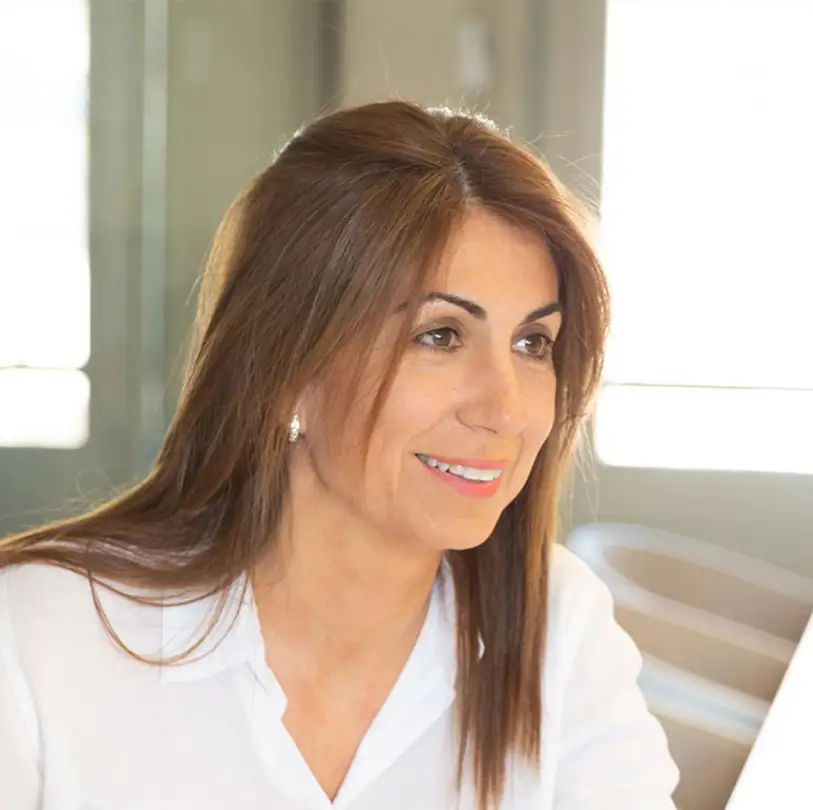
T. López-Chicheri: “I think we have good partners in every country, and it comes back to what we were saying earlier about how we get teams within a practice to share your way of doing things. I think the main thing, and we practise this a lot, is that when someone comes to the practice for an interview, the kind of person they are, their attitude and their personal profile carry far more weight than their experience, because experience can be acquired, but the other qualities you either have or there is no way of changing them. So what we look for in a partner in another country is an attitude towards projects similar to ours, people who make projects in a way that reflects a commitment to making projects with life; and if we share those goals as architects, we will very probably also share things on a personal level.”
The projects that marked a turning point
Which projects have marked turning points within L35?
T. López-Chicheri: “I think building shopping centres. We started out by doing a shopping centre and were labelled as shopping centre specialists. Shopping centres are curious buildings because they are probably one of the most public buildings, and that gives you the opportunity to make buildings for very large gatherings of people. We did some shopping centres that brought new solutions; for example, La Maquinista in Barcelona opened up a new way of seeing a shopping centre as an extension of the street. It is a very urban, open, mixed and varied shopping centre, and this has been emulated in different countries. So building shopping centres has set a pattern in what we do.
I also think our activity in France has brought us a very important project, the Italik urban regeneration project. Generating a competition in a Paris neighbourhood is a very important milestone for us. I would also highlight the Bernabéu project, because building a stadium in the middle of a city is very unusual, and converting it into something more was also a challenge. One of the things we are proudest of is being able to do projects in different countries, with different cultural conditions. Doing projects in new countries is very enriching.”
“The Bernabéu project is a new landmark for the city. A new seam that is also part of a series of urban renewals along an east–west axis that did not exist before. The essential and most important part of the project is the urban transformation of its surroundings, which includes the creation of a new square and a whole new frontage onto the Castellana, and the pedestrianisation of much of the route around the stadium. The Bernabéu, despite being very heavily visited, had no area from which the stadium could be seen from outside. Our project tries to close that scar in the city by integrating the stadium into it.”
— Alejandro Lorca
Specialists in routes: taking retail onto the street
What is your main specialism? What kinds of projects do you do?
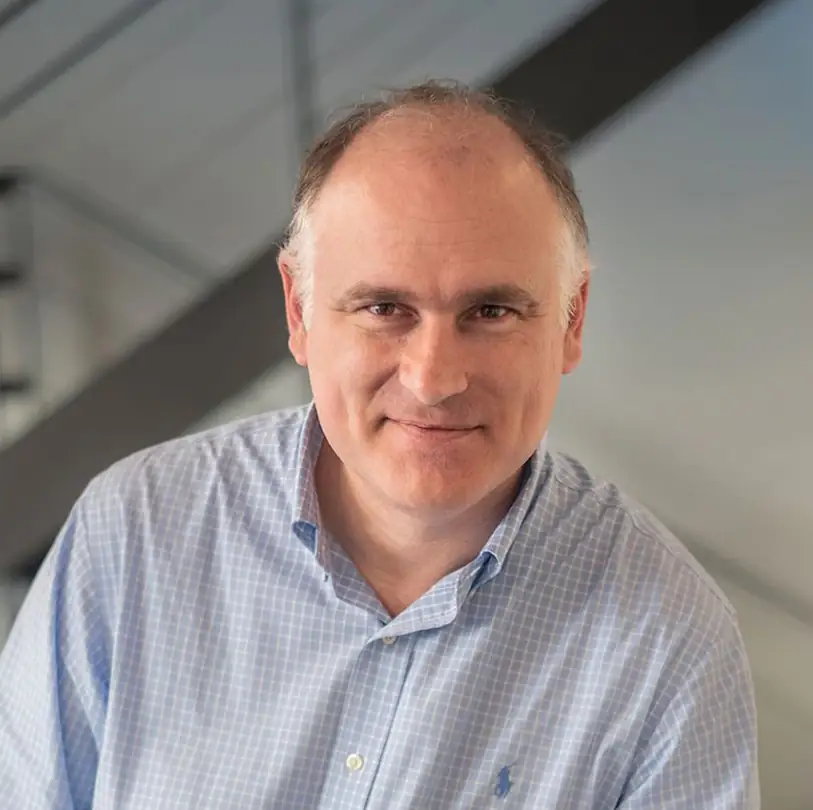
L. Badía: “Our specialism is expertise in retail. In reality, we don’t do a great many square metres of retail. We are experts in experiential routes. What we do is design places that people stroll through. They are routes that aim to be active and alive, and to be felt. To achieve good flows, we try to analyse the profile of each potential end user.”
“From the start, we worked to bring the retail route back to the Mediterranean shopping centre model. The Mediterranean model is the street: a retail route with a set of synergies of activity that ultimately make it pleasant for people to stroll. This is the idea we conveyed and managed to build at Glòries in 1995 and at La Maquinista in 2000, which are streets that stitch together areas that were once industrial. In this sense, we have taken a step forward in bringing retail out onto the street. The Italik project is a clear example of this kind of transformation, because it is the frontage of an enclosed shopping centre. We have brought the street and the avenue at Italik in Paris back to life. We are very proud of this transformation because it really was very inward-looking.”
From project kick-off to choosing materials
T. López-Chicheri: “We usually share the kick-off process for projects, so we receive input from very young people and from people with more experience, and that is very enriching. There are also motivations that can shape a project; they can be material or immaterial, and that is part of the brainstorming we do.”
Caterina Memeo: “The importance of choosing materials in architecture is implicit in the very act of making architecture. When we choose a material, the first thing we instinctively look for is that the material can interpret the idea that was already there at the genesis of the project. Along with the principle of selecting for beauty, we also have to respect durability. So technological performance, compatibility with local construction techniques and durability are issues we have to consider if we want to make good architecture. Lastly, there is functionality, understood as fitness for use. Our projects are subject to intensive use. That is why, when choosing materials, we make sure they are suited to the use they will be subjected to.”
“In L35 projects carried out abroad, there is an exchange between the experience one brings from outside and the experience found on the ground. This exchange is usually very interesting and fruitful, as it greatly enriches the project and contributes to mutual learning. At the same time, doing global projects should not mean imposing uniform models all over the world. You have to value and treasure the culture of each place, its history, its character and the context you are working in. The transfer of ideas and mutual enrichment is what matters.”
— Ernesto Klingenberg
The challenges of the next five years
How do you see the practice five years from now? What are L35’s challenges?
L. Badía: “We want to consolidate the goals we have achieved. We are also keen to prepare a new generation that is ready to be as enthusiastic as we were when we started at the practice.”
T. López-Chicheri: “We would like to consolidate further the internationalisation of projects outside Spain and broaden the range of projects; that would be our future.”
L. Badía: “We are looking to carry out better-justified commissions. Future projects, which will be more mixed and advanced, have to be better justified than the ones we have done so far. If we think about justifying sustainability in a project, we are not thinking only about energy but about other factors such as form, noise, what might be a nuisance, reuse, stitching spaces together… There are lots of issues that make a project justifiable and that make it fit at the sustainable level.”
It was a wonderful experience to be able to spend time with L35’s two main offices, which have accumulated so many years of experience and leadership in architecture.
L35 at Matter
Our relationship with L35 goes beyond this interview. These are other meetings and projects involving the practice in the Journal:
- Best Practices Matter (2020): Luisa Badía took part in the first meeting of the series, devoted to success stories in sustainable architecture.
- Italik (2022): alongside this interview we published L35’s urban regeneration project on the Avenue d'Italie in Paris.
- Best Practices Matter: Improving people’s quality of life (2022): Tristán López-Chicheri presented Solitaire World, in Pune (India).
- Talks That Matter: Sustainability and Beauty (2024): Sonia Sanz presented JJA’s headquarters and showroom in Gonesse, north of Paris.
- Sotogrande (2024): L35 opened its office in the Sotogrande marina with a material library developed together with Matter.
- Best Practices Matter: Design and Nature (2026): Borja Fernández-del Vallado and María Cabrera presented Village Verde, in Sotogrande.