Madrid in Love
Juan Luis Medina and Naroa Quirós explain how Madrid in Love brings together light, material and management, and why an interior design studio should be run like a business.
InterviewsWorkflows That Matter24 of 5811 min read
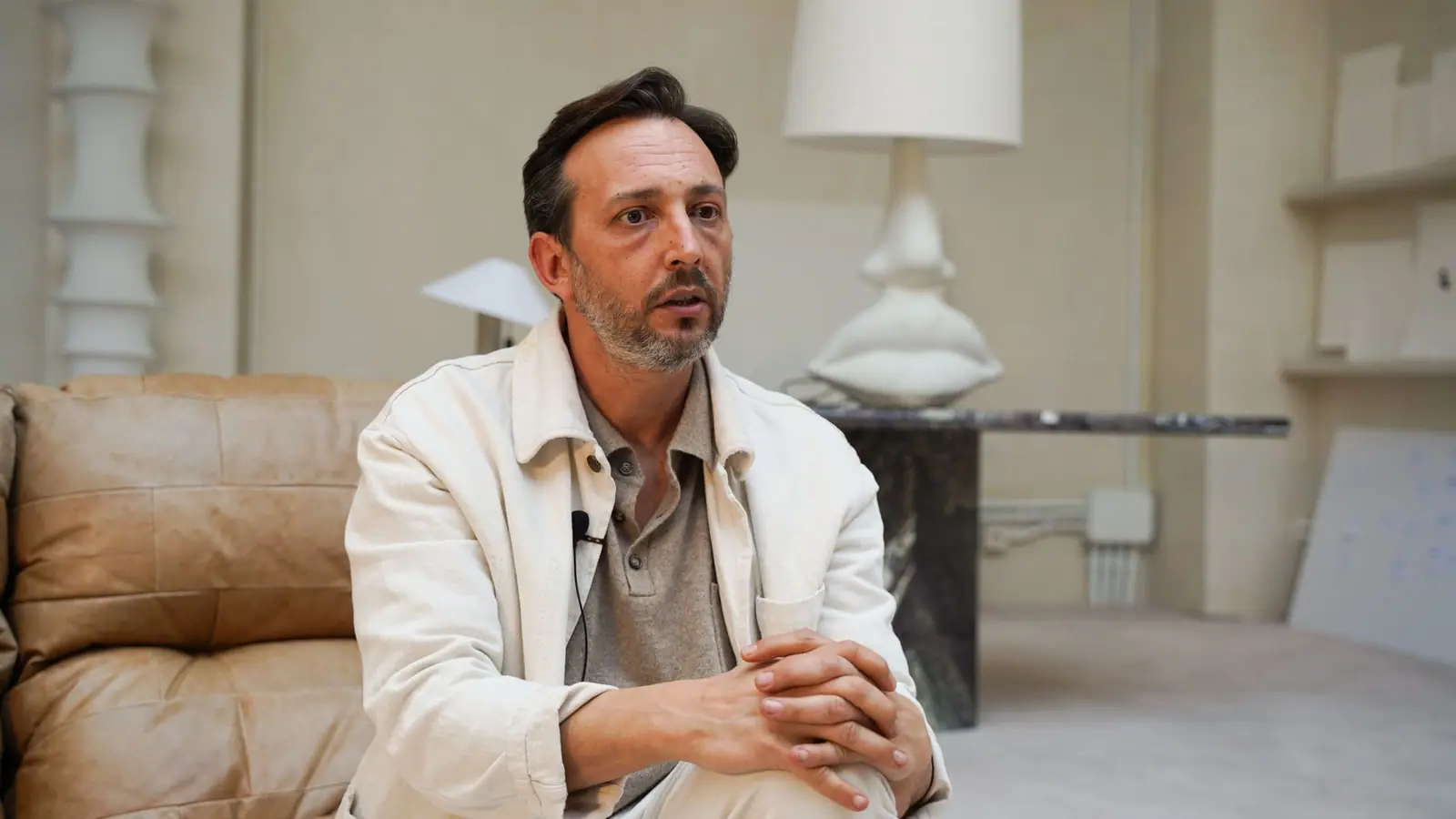
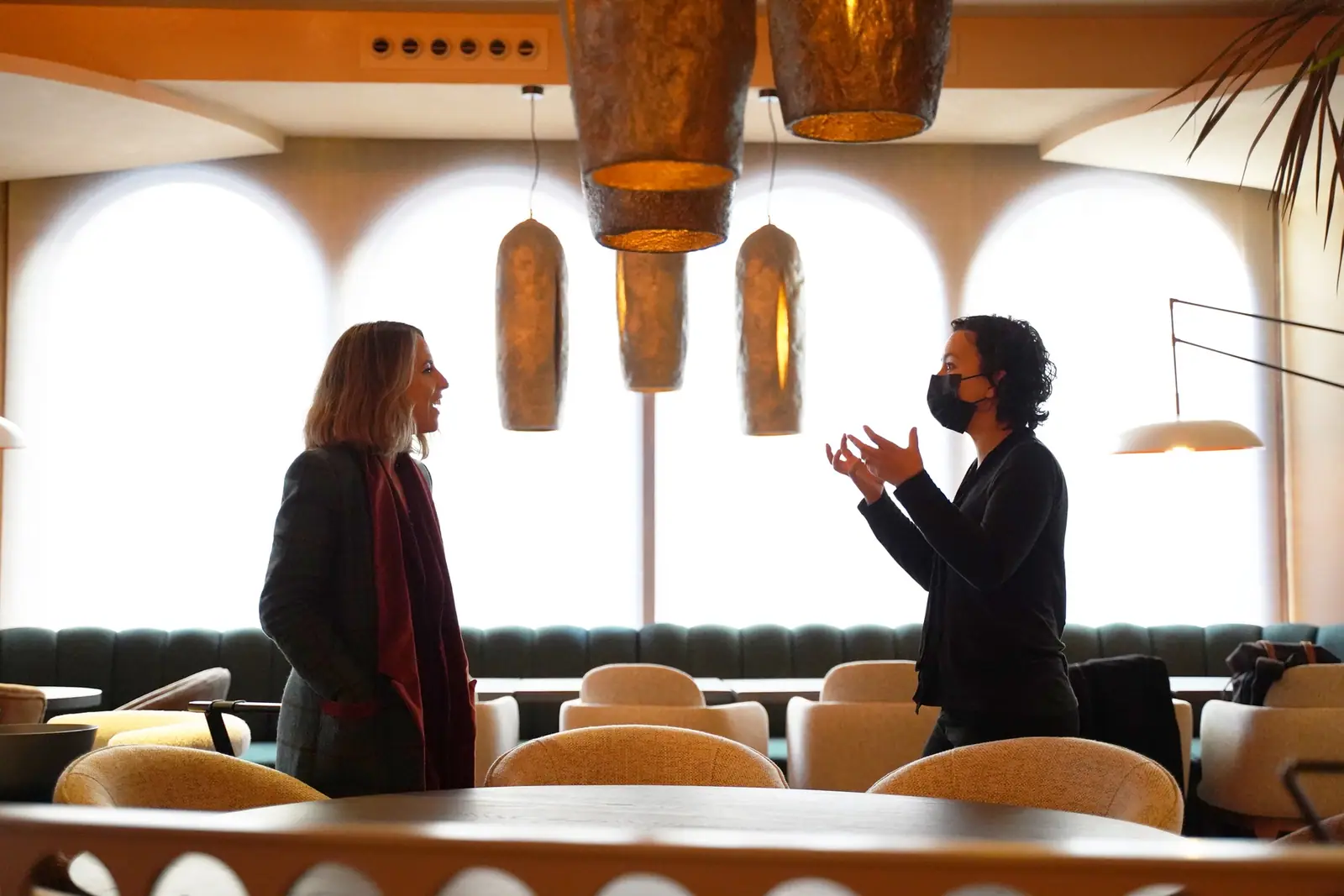
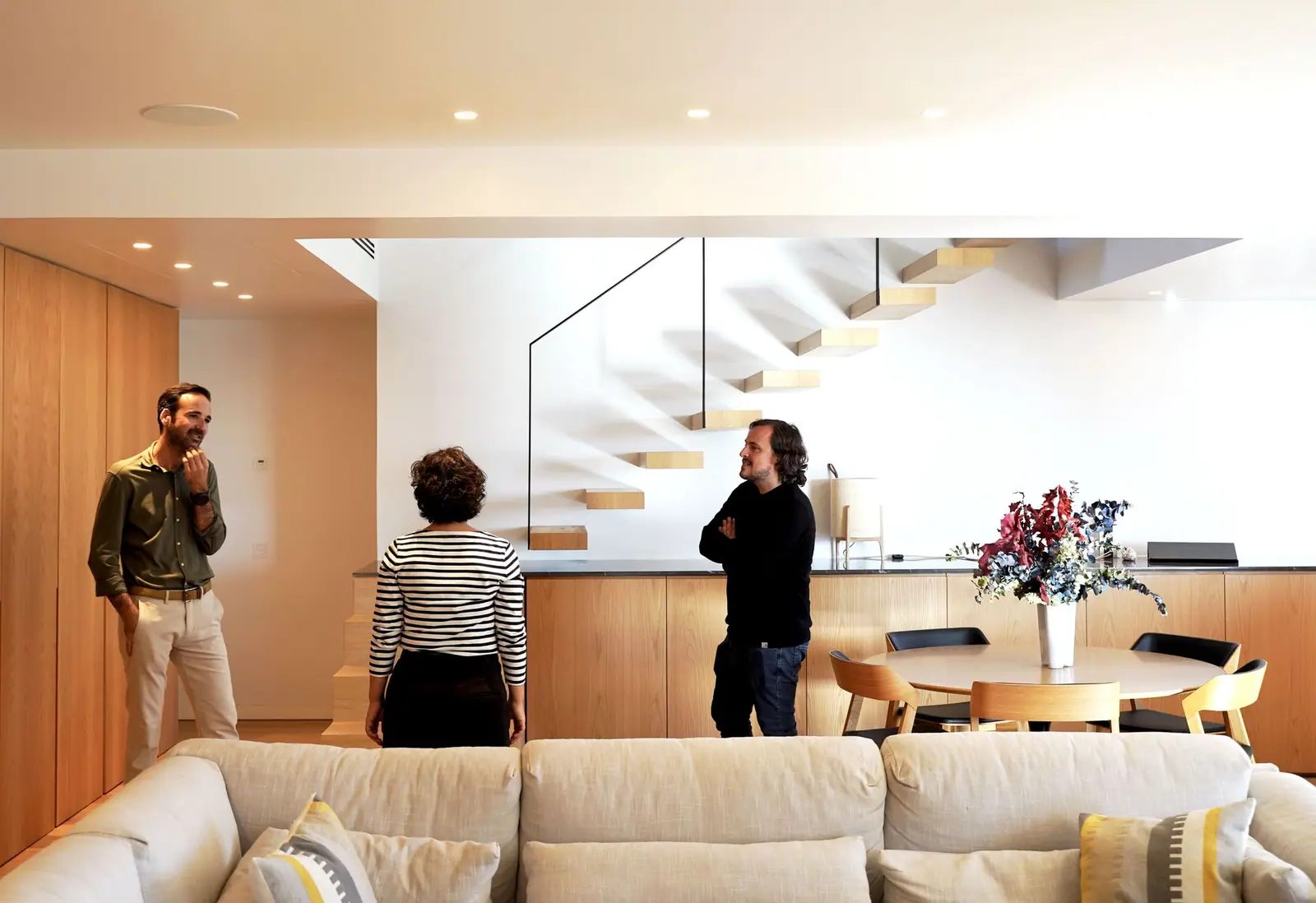
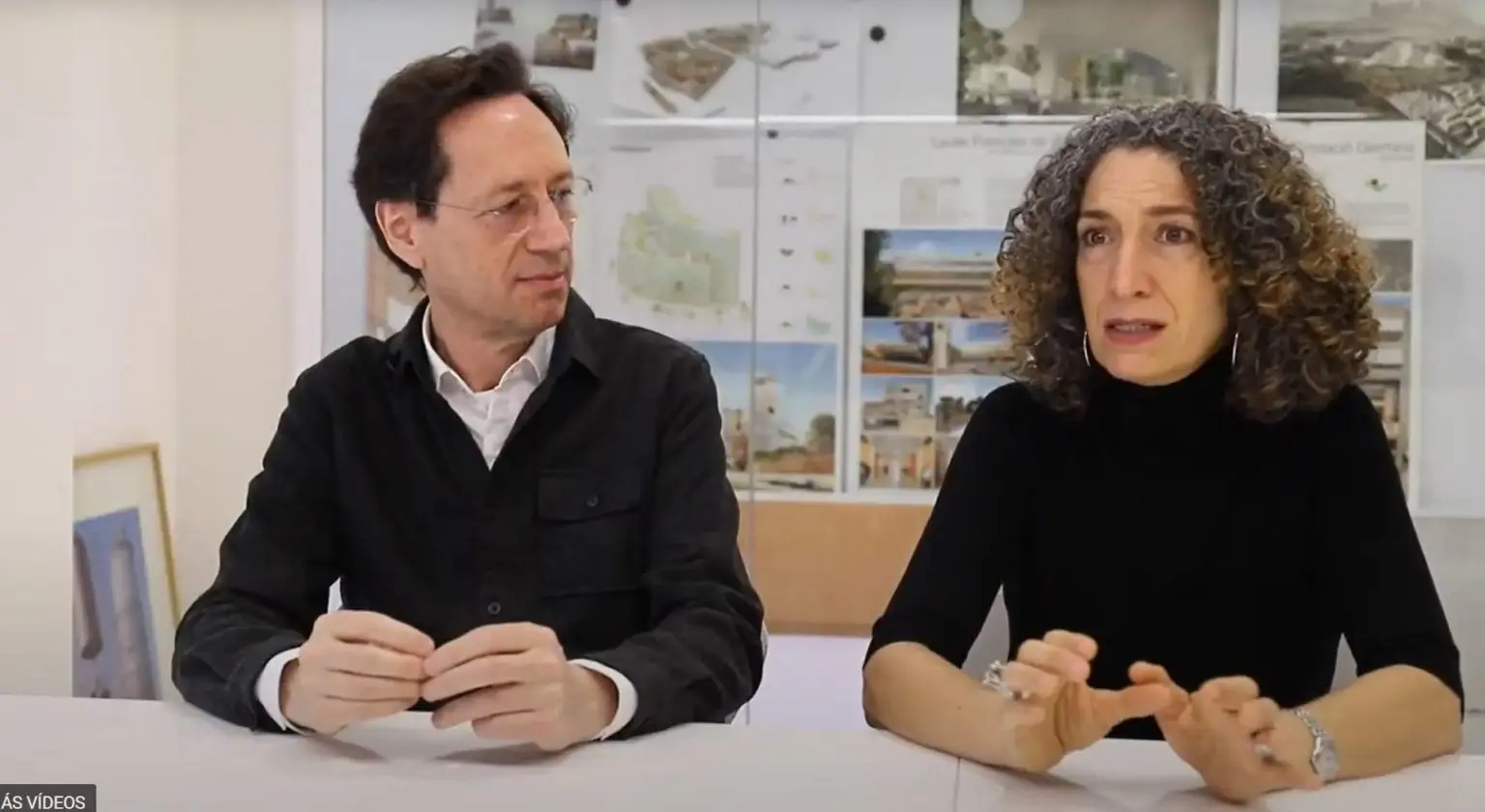
We recently had the opportunity to visit the Madrid in Love studio and talk to the two people who founded it in 2011: Juan Luis Medina and his partner Naroa Quirós. From the moment we stepped into their new space, we found interiors with a character of their own, conceived as a sensory experience.
We talked about what defines the studio, how they divide the creative side and management between them, how a team is organised into departments, the budget as the starting point of every project, the commissions that have shaped their career, and why an interior design practice has to be managed like a business.
Madrid in Love: light, material and designed hospitality
Naroa Quirós and Juan Luis Medina founded Madrid in Love in Madrid in 2011. The studio specialises in the design and interiors of restaurants, hotels, public spaces, offices and homes and, as it explains on its website, works with its own method, which starts from a 360º concept for each project.
Today the studio works under the name MIL Studios and, according to its website, brings together more than 20 professionals. When we published this interview, in May 2021, the studio had been running for ten years and was reviewing its image and the way it communicates, as its founders explain below.
What defines the studio
To begin the interview, could you tell us what defines and characterises your studio?
Juan Luis Medina: “What defines us is the lighting we work with inside spaces, which transforms people’s emotions. We are able to create atmospheres in which different things happen or you feel different things. We also try to give meaning to the choice of materials. They are selected to bring the sensations and the lighting we are looking for, while also ageing well. With light, we enhance textures and make a material look softer, purer, warmer… Another trait that defines us is our attitude of wanting to learn constantly. We are very agile and close to the client and, above all, we want to guide them so that they make as few mistakes as possible.”
“We are very agile and close to the client and, above all, we want to guide them so that they make as few mistakes as possible”
— Juan Luis Medina
How do you complement each other? What role does each of you take on in the studio, and how are the teams organised?
Naroa Quirós: “Juan Luis works on the creative side and I focus on the management and organisation of the studio. This allows Juan to concentrate on creating, which is what he enjoys and what he is good at. I, on the other hand, try to make sure everything goes well, both in the projects and in the studio. My job is to help when the client runs into problems. It is worth pointing out that within the practice we have human resources, administration, tax and accounting teams. Who does what is very clearly set out. We have project management and design teams with senior and junior professionals. There is also a department in charge of producing the technical drawings, and another dedicated to purchasing, order tracking and budget control. We are so compartmentalised that the whole team knows what it has to do when a project comes in.”
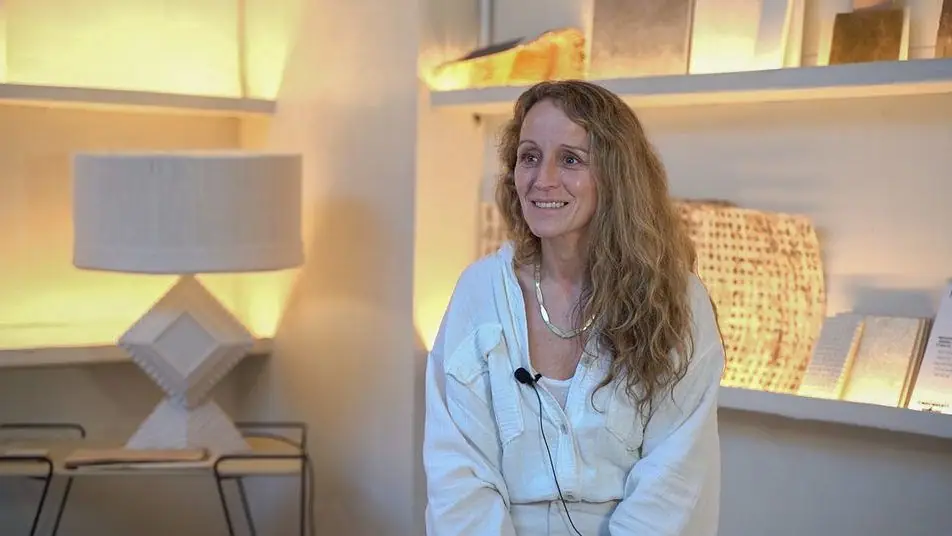
A studio organised by departments
How do you organise yourselves to work on projects? What processes do you follow?
Juan Luis Medina: “When a project comes into the studio, there is always a first phase of getting to know the client and going to see the premises. Then the project is developed by the creative direction, and there is always a design team assigned to it. The creative team establishes the project’s concept, layout and design. The next step is the responsibility of the department in charge of the technical and construction drawings. There is also a management and ordering process.”
What is your role in looking after the client’s budget, making sure the creative side fits the materials and that everything works properly?
Naroa Quirós: “The client’s budget and investment are very important. For many years now we have needed a clear investment budget from the outset. The client decides how much they want to spend, always within reasonable limits. Once the client gives us that investment budget, we design accordingly. During the project, you have to keep reminding them of it in order to set limits. It is very difficult to arrive at the perfect idea, one that meets the client’s brief and is also in line with the budget.”
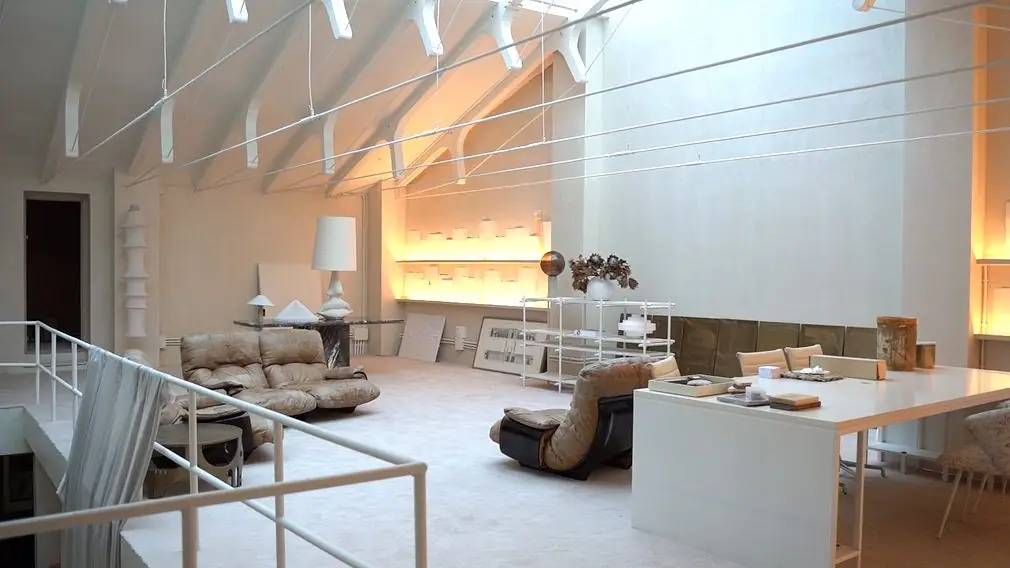
Between the studio’s proposal and what the client asks for
When carrying out a project, how do you balance your experience with the client’s ideas?
Juan Luis Medina: “It is about listening, proposing and trying to surprise the client with original ideas. Once we have analysed their profile, their lifestyle and their needs, we try to offer them the solutions best suited to meeting the project’s original requirements. In the end, the process consists of trying to find that middle ground between what we propose and what the client wants. At other times, the client knows exactly what they want and need, and then we simply take care of making their project a reality.”
The studio has carried out very different projects. How do you organise yourselves and work on commissions of such different types?
Juan Luis Medina: “We try to be very versatile when it comes to accepting different commissions. We like being offered projects that take us out of our comfort zone and invite us to explore other ways of doing things. We put a lot of enthusiasm into them and try to learn from each project. Offices, pharmacies and a diving centre are some of the projects that have allowed us to step out of our comfort zone and open up to new challenges. In the studio we have a trained, young team that puts enthusiasm into every project. We also try to work at specific moments with professionals from other sectors, which enriches us a great deal.”
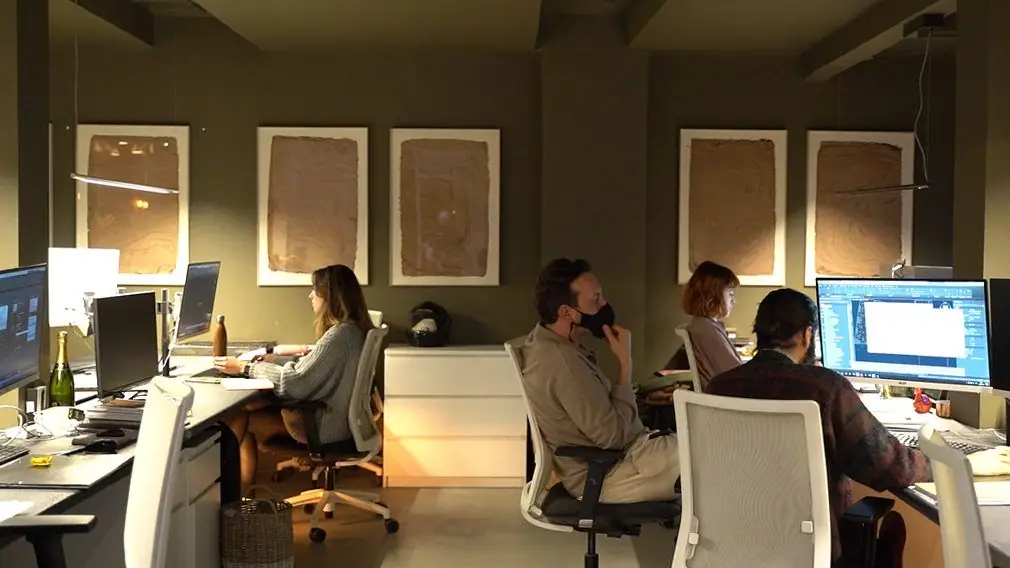
Projects outside Spain
How do you ensure that projects carried out abroad keep the same essence?
Juan Luis Medina: “On projects abroad we usually work up to the design or construction documentation stage. We are good at creating the concept, at design and at presenting the construction project for it to be built. For construction, each country has its own architects who handle the building regulations and the whole process, which varies from region to region. If a problem arises during this process, we always support them through online meetings to resolve their needs as quickly as possible. On the other hand, it is true that we miss the last phase of the project, when the furniture arrives, we do the lighting tests and so on.”
The projects that have shaped their career
Which are the most important projects in your career as a studio?
Juan Luis Medina: “The first project was Dray Martina, which allowed us to start designing restaurants with careful design. It also opened the door for Madrid to start backing designed hospitality. Little by little, we have got business owners and restaurateurs to understand the need for architecture with design. Another was Café Comercial, a project we were very keen to do. There have also been projects such as the Workout offices or our first hotel, which took us out of our comfort zone. Finally, we also like doing projects where we have no clients, such as Aguacate. We like this kind of project because we can work with complete freedom and be ourselves, offering a more holistic design.”
Some of the projects Juan Luis Medina mentions, according to the studio’s documentation and the specialist press:
- Dray Martina: a restaurant in the Salesas neighbourhood, on Calle Argensola, with walls clad in timber salvaged from demolitions and boards of whitewashed timber on floors and walls.
- Café Comercial: the literary café founded in 1887 on Glorieta de Bilbao reopened in March 2017, run by the El Escondite group, after a refurbishment by the studio, which preserved the marble, floors, mirrors and revolving door, and designed a brass and glass lamp for the interior.
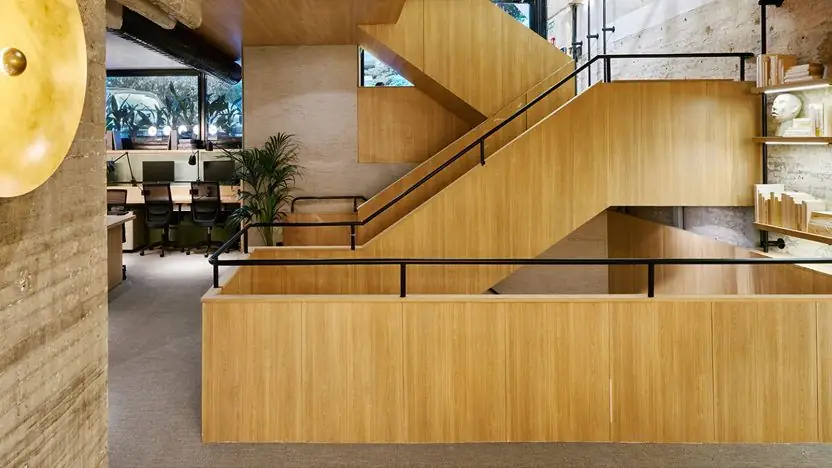
- Workout Events (2020): offices on the lower floors of a 1960s building by Fernando Higueras, organised over three levels around a central staircase and shelving unit, with an illuminated stretch ceiling to bring light into the basements.
- Aüakt (2019): the studio’s first restaurant of its own, on Calle Barquillo, inspired by the avocado and by wabi-sabi aesthetics, with cement floors and plastered walls.
Apart from restaurant projects, what other projects do you often do?
Juan Luis Medina: “We also do homes. We do fewer projects of this kind because it is like making a more tailored suit: it is designing a space for two people or a family, where you have to focus much more on them. It requires a different relationship with the client: understanding them, guiding them and trying to make sure they make as few mistakes as possible when taking decisions. You have to understand the decisions. The truth is that I still want to do all kinds of projects.”
A new space and a new chapter
What are you working on now, in this new space?
Juan Luis Medina: “We are now in a period of recycling, looking at how we present ourselves after ten years in practice. This will happen soon, and we are in a creative process of turning everything around, of researching, of looking inwards, of seeing what we want to do…”
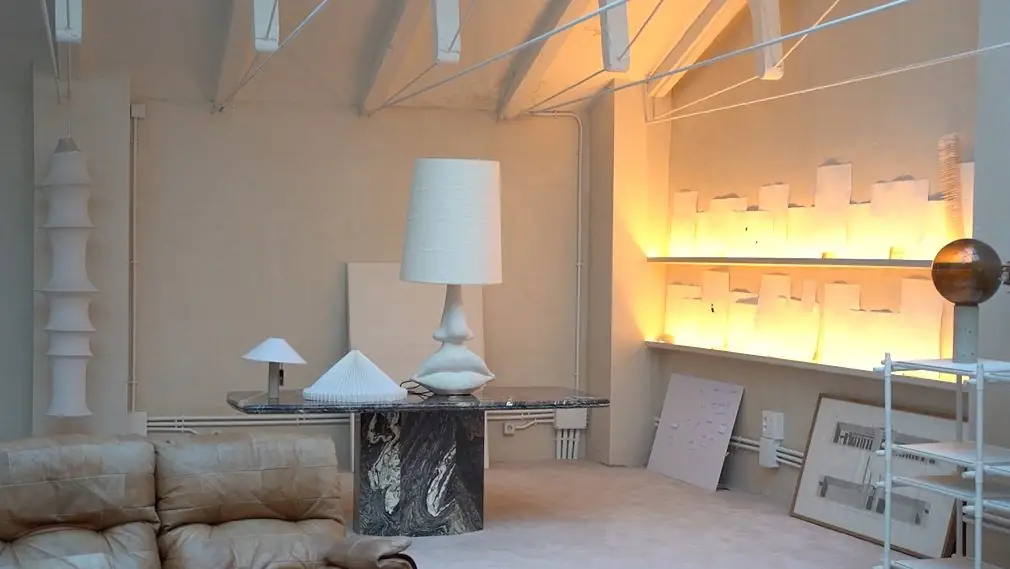
How do you see the future of MIL studio?
Juan Luis Medina: “We would like to diversify and keep doing lots of things. We love having an interior design studio, but we also love having this new open space where things happen, where there are exhibitions and events, where there is a showroom, where we make furniture, and so on. We want anything to excite us, and to always have that curiosity and motivation to want to do something new.”
“Where would we like to get to? We would like to attract clients focused on larger projects such as hotels, homes, yachts… Anything we have not done so far. Right now we have the Olité project, which will mark a before and after for the studio. It is a project of our own, as Aguacate was in its day, where we have no clients and we are simply ourselves.”
Naroa Quirós: “The truth is that the future of MIL Estudios rests on Juan Luis, on Naroa, on the whole team we have and on all the people who follow us. We want to do many more things; we are very restless by nature. In this new space we want things related to interior design to happen. In five years’ time, I would like to think we will be doing projects we fall in love with, in interior design and in other fields, and so make the most of our expertise in creative direction. Teaming up with artists, with people, as Juan Luis was saying, from set design.”
Communicating what the studio does
With this business-minded vision, how important do you think communication is for an interior design and architecture practice?
Naroa Quirós: “Communication is important right now. How people see you and how you project yourself to the outside world. We have done some reflection and realised that we do not show what we do. We are always working and we forget that part of showing what we do and who we are. Some people still think we do what we were doing ten years ago, but now we do completely different things, and people don’t know it. In fact, we have a plan for communication, a change of image and a website redesign, to show people what we are doing and to communicate it effectively and efficiently.”
Running a studio like a business
The practice of the future will be about managing a studio, whatever its size, in the same way as a business is managed. Can you tell us about the side of the job in which architects and interior designers end up acting as entrepreneurs?
Naroa Quirós: “When a studio starts to grow, it has to professionalise, because it has to aim to be profitable and avoid expenses that could cause problems. It has to be approached from a management point of view. I would advise any studio that wants to grow to have professionals dedicated to this field of management. I think the presence of these professionals is always needed, to help with management and to allow architects to practise their own profession, which is centred on creativity.”
“On the subject of management, a few years ago we set out to improve our working methodology so that we could measure all the work we do. We analysed the hours each team member devotes to each project and the hours spent outside projects (new business, training…). That way, we now know what a project costs, taking into account the intangible part (creativity, expertise, know-how…) and the execution and work part. We have come to know and value our business better, to know what our costs are and to sell our services better.”
“We have come to know and value our business better, to know what our costs are and to sell our services better”
— Naroa Quirós
“As well as measuring what we do, there have been times when we have had to define a clear positioning. In the end, the menu is very large and you can’t do everything; you have to learn to turn down projects. We try to be a mature studio and to position ourselves in the market. We specialise in public spaces, restaurants, hospitality and offices.”
“In the studio, this organisation has brought us to where we are and has allowed us to take on a certain volume of projects, people and suppliers.”
Madrid in Love at Matter
This interview was accompanied by a Workflows Project devoted to the Workout Events offices, on the lower floors of a building by Fernando Higueras. Years later, in April 2026, now as MIL Studios, the studio took part in Best Practices Matter: Design and Nature at Matter Madrid, with the Mineral restaurant in Barcelona.