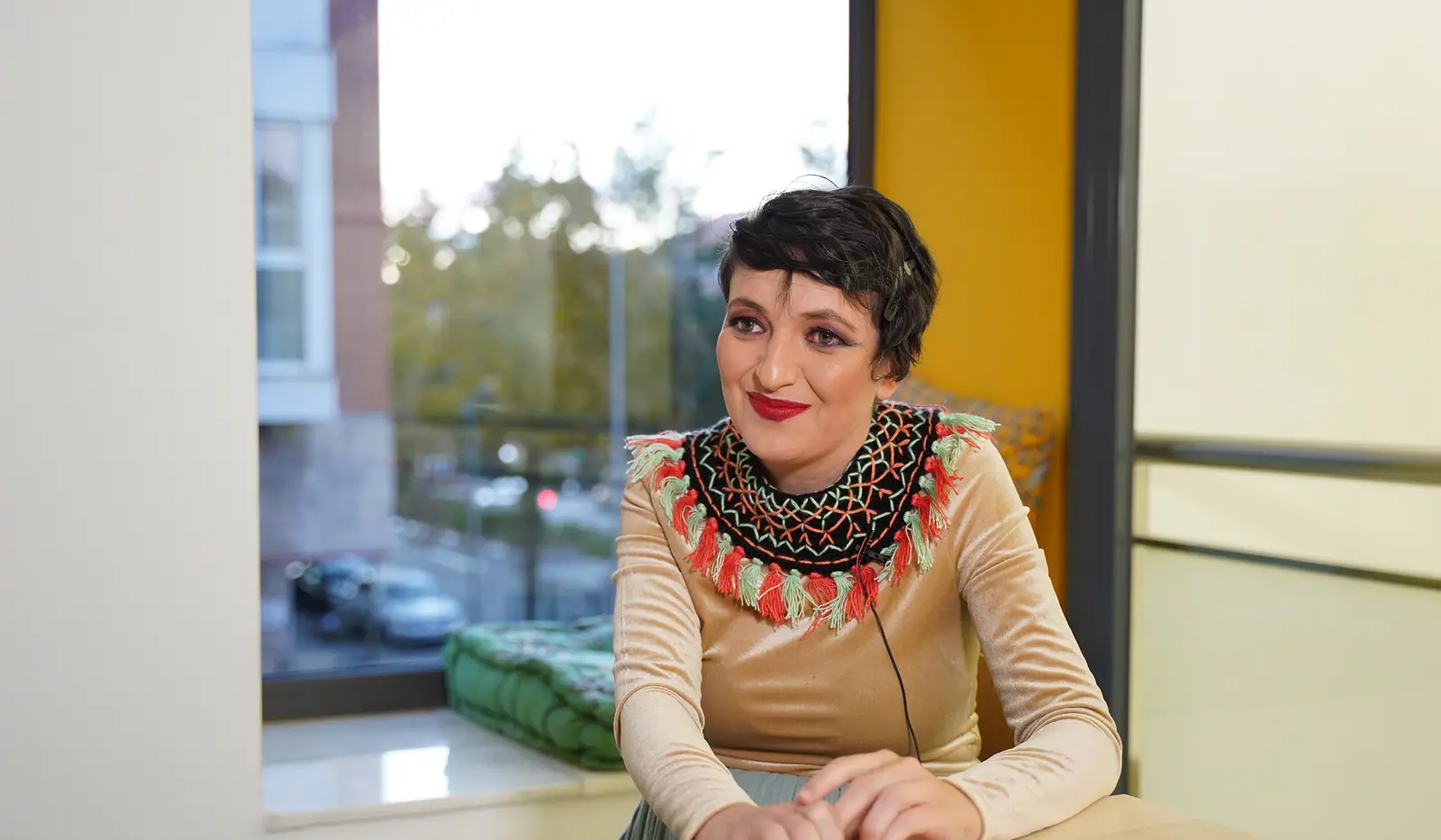
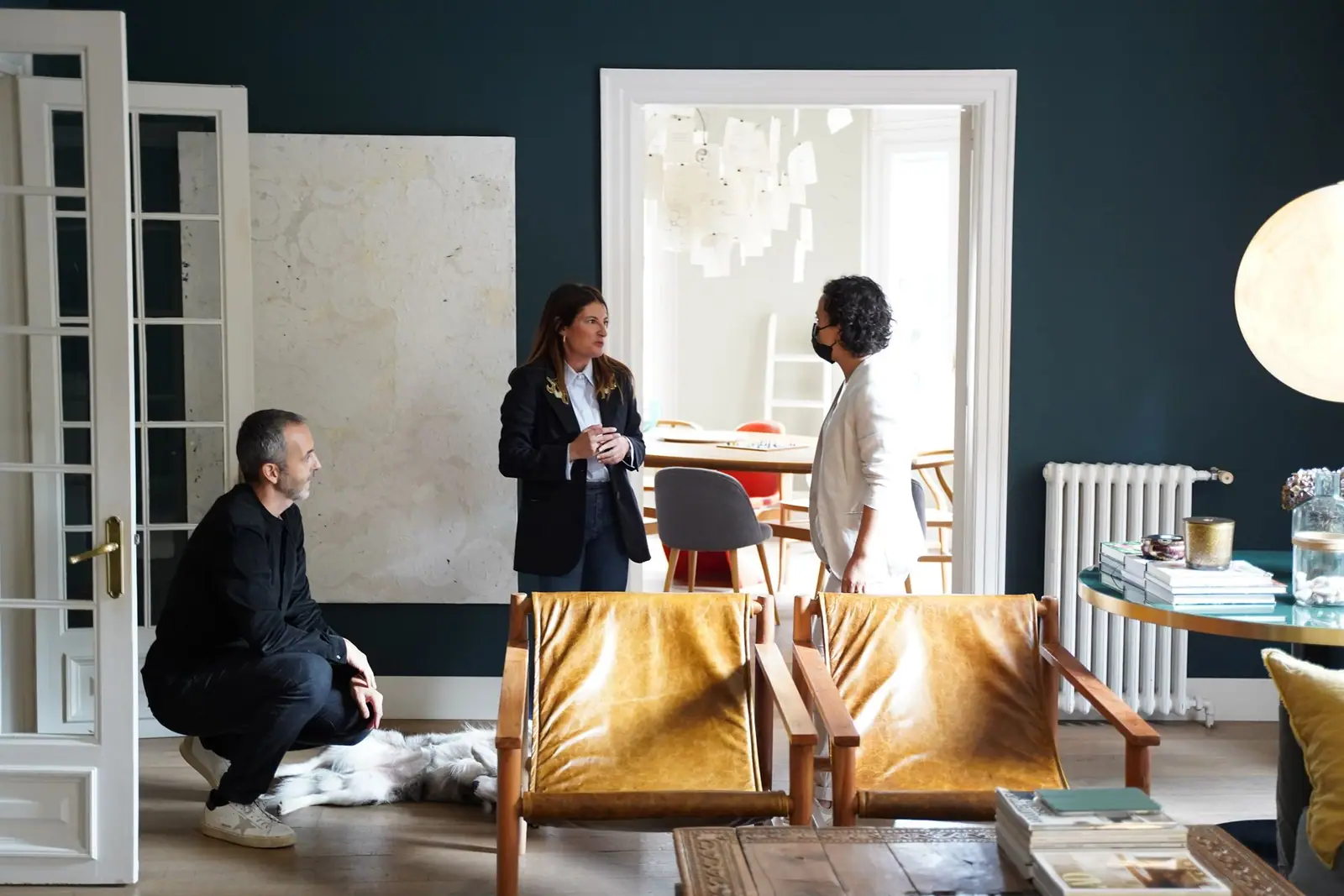
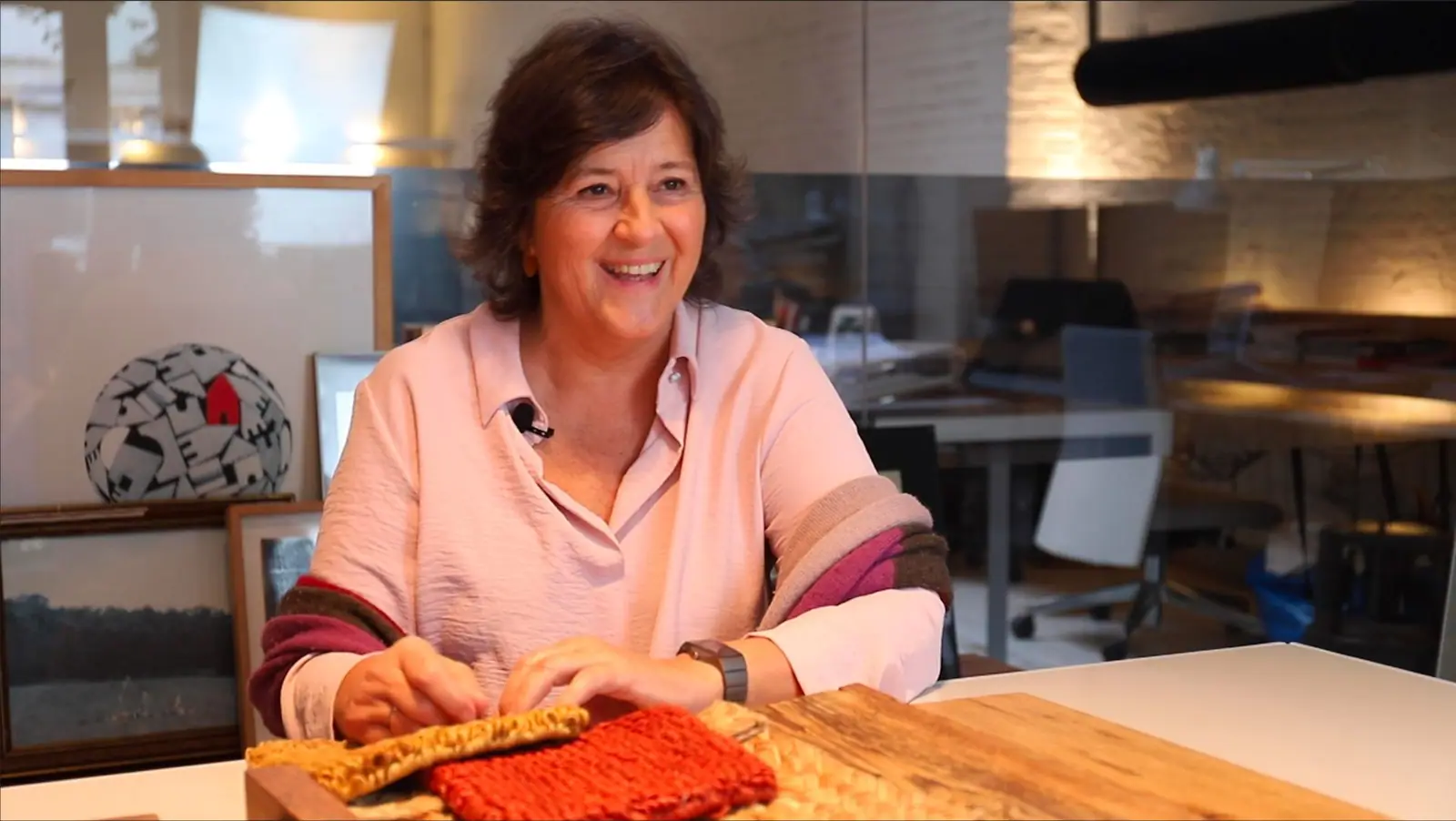
Meritxell Inaraja
The architect Meritxell Inaraja explains how intuition, place and respect for heritage guide her work, her practice and her choice of materials.
InterviewsWorkflows That Matter28 of 586 min read
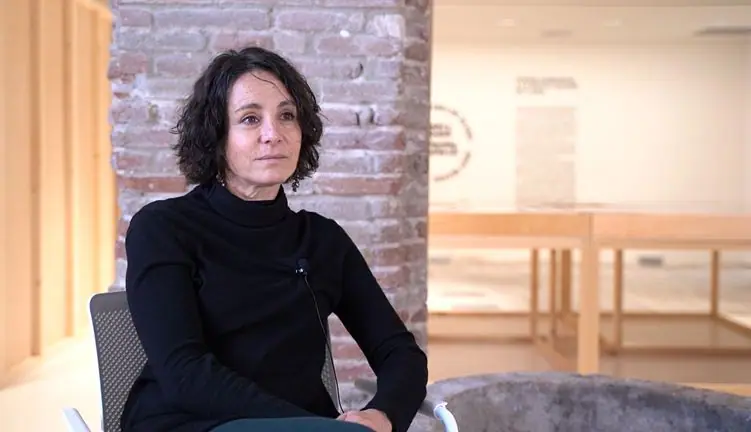
“When I rehabilitate buildings, I create something different. I like to preserve the original use or the heritage, so every intervention I make comes from the utmost respect, with the intention of improving it.”
Meritxell Inaraja i Genís graduated in architecture from the Escola Tècnica Superior d'Arquitectura de Barcelona (ETSAB, 1994) and since 1995 has run her own studio, devoted above all to heritage restoration and to public and private cultural facilities. Her rehabilitation of the former mint of La Seca, in Barcelona, as Espai Brossa is one of her best-known works.
In this instalment of Workflows That Matter we spoke with her about what identifies her way of working, how she organises her practice, how she arrives at the materials for each project, how she sees the future and what she would advise young women architects who are starting out.
Meritxell Inaraja: heritage and cultural facilities
As well as her architecture degree, in 1995 Inaraja completed the UPC postgraduate course in Museography, Design and Fit-out, and she has trained in the conservation of historic buildings with the Royal Institute of British Architects (RIBA). Since 2009 she has been a member of the Generalitat de Catalunya’s Comisión Técnica de Patrimonio Cultural de la Cataluña Central (cultural heritage technical committee for Central Catalonia).
La Seca, the Royal Mint of the Crown of Aragon in Barcelona, struck coins between 1441 and 1849. Inaraja rehabilitated part of the building as Espai Brossa (works from 2010 to 2011): the project won first prize at the 2nd Premio sul Restauro e Architetture Mediterranee (PRAM) in 2013 and the second mention at Hispalyt’s 11th Premio de Arquitectura de Ladrillo (Brick Architecture Award), and was shown at the 13th Venice Architecture Biennale (2012). She then restored the building at Calle de la Seca 2 (2014-2016), which had also been part of the mint. Between 2014 and 2020 she restored the castle of Tossa de Montbui, in Santa Margarida de Montbui (Barcelona), a work selected for the FAD Awards 2021.
Intuition, place and respect for what exists
What do you think identifies your way of working?
“What identifies my way of working has a lot to do with my architecture, since it is the result of the whole process. I like it to emerge naturally, following my intuition. When I face a project, I approach it from the feeling of the place, the people, the brief and, finally, the materialisation of it all.
I think the first look at the site or place where I am going to create the project is important, and then letting myself be guided by my senses and, above all, thinking about how to change my project so that it gets better – for example, how to bring light or air into a space. In short, how to bring something completely new to the space and transform the project.
When I rehabilitate buildings, I create something different. I like to preserve the original use or the heritage, so every intervention I make comes from the utmost respect, with the intention of improving it.
I don’t think I am timid with my projects; that is, I am not afraid of what I find. My first intention is bold, however much I take into account preserving what was there originally. It is a way of working that is very much my own and that identifies me.
For me, architecture is a midpoint between the total freedom of the fine arts and the rigidity of engineering. Architecture gives me that freedom and those rules at the same time. That is also where my way of working comes from: the union of my imagination with the rules that construction sets me.”
“For me, architecture is a midpoint between the total freedom of the fine arts and the rigidity of engineering.”
— Meritxell Inaraja
A practice that works at two scales
How do you organise your practice?
“Just as I like difficulty and complexity in projects, my approach and my way of working are the same. It is very diverse and plural, because I started with my own small projects after finishing my degree, but at the same time I was working in a large practice where I took part in museum projects, such as the Museu Picasso. That meant I could work partly on my own projects and partly on learning.
Working at two scales has influenced the way I organise my practice today. This mix of keeping my own practice and working in contact with other architects who complement my experience is what defines my way of doing things. In my practice, functional freedom is a very notable feature and greatly enriches our projects. In my team we have a bit of everything: people who have one foot outside our projects and people who work only with me. That helps us bring more diversity to what we work on, however disorderly it may seem.”
From place to material: concrete, brick and what exists
How do you give your projects material form? What is the process?
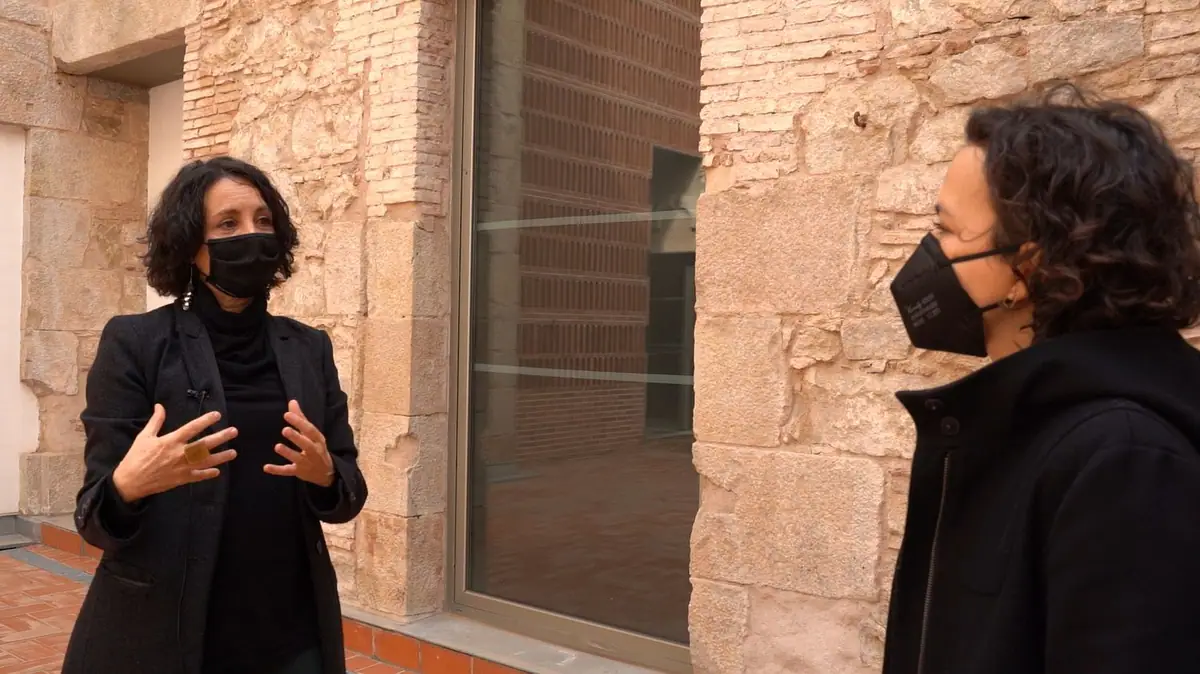
“In any project, the first thing is to look at the place, the people and the brief and, straight after that, the materialisation of the project.
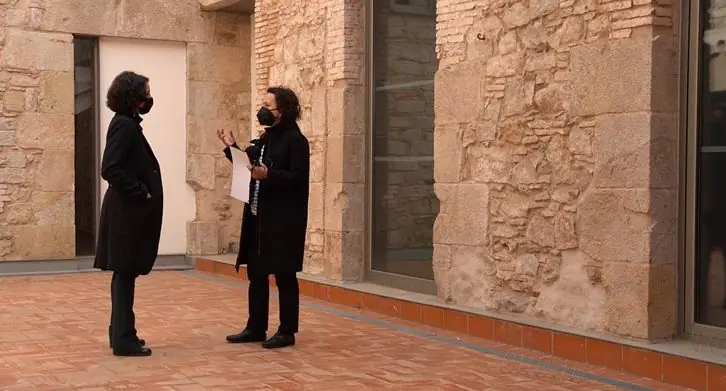
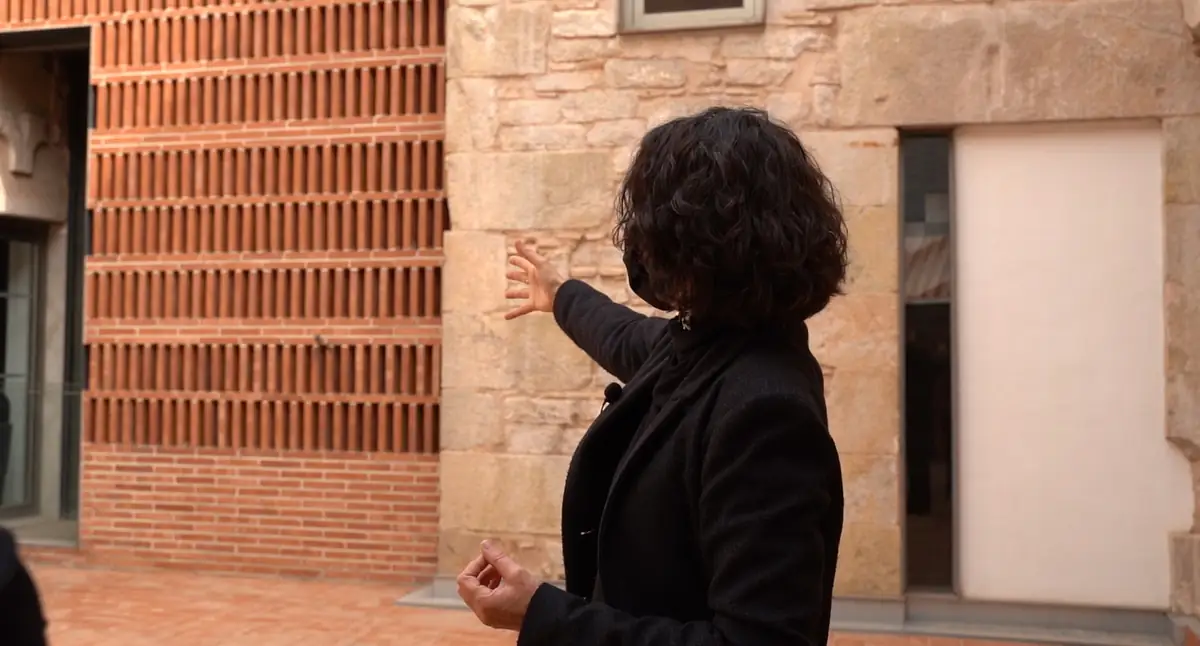
The material usually has a lot to do with the place or the use. I am guided by my intuition and by the first idea I want to apply to the project. First I empathise with and analyse the place and the use; then the material appears naturally. For example, when I want to use concrete it is because my first idea is of a more plastic or mouldable form, as opposed to brick, for instance. I also like to play with the materials used before the rehabilitation that harmonise with the new elements we create – in other words, looking for something new but in balance with what exists. I very much like to innovate with materials and improve existing ones, so as to achieve better construction performance.”
Both ideas appear in her work. At La Seca, the newly built elements were raised in handmade brick, drawing, according to the project statement, on its versatility as a construction and structural element and on its plastic and formal possibilities. At Tossa de Montbui, the walls were consolidated and the stairs formed in mass lime concrete, chosen for its chromatic and material similarity to the existing fabric and reinforced with fibres to achieve the structural stability required by the building’s public use.
“I very much like to innovate with materials and improve existing ones, so as to achieve better construction performance.”
— Meritxell Inaraja
Growing towards larger-scale projects
How do you see the future of your projects?
“I don’t think much about the future; I like the present. But I would very much like to expand in every sense: to innovate in my way of working and to grow in a big way, working on larger projects than the ones I do now – projects that have everything, on a bigger scale.”
Advice for young women architects
Drawing on your career, what would you advise young women architects who want to start out with their own projects?
“As a professional, I always advise being organised and having priorities. I put quality well before quantity. And, above all, feel strong in this sector and set gender aside. In the world we live in, it is hard always to do what you love and earn a very good living, but I believe that with effort anything can be achieved – and, above all, never give up.”
Meritxell Inaraja at Matter
This interview was published alongside the Workflows Project devoted to La Seca, which covers the two phases of the rehabilitation: Espai Brossa and the building at Calle de la Seca 2.
At Matter we support studios like hers in choosing materials, for both new build and rehabilitation. Book your visit to Matter and we will help you choose the materials for your next project.