The Room Studio
Meritxell Ribé and Josep Puigdomènech explain how The Room Studio works: the team, its own construction company, light, home automation and materials chosen by sensation.
InterviewsWorkflows That Matter32 of 587 min read
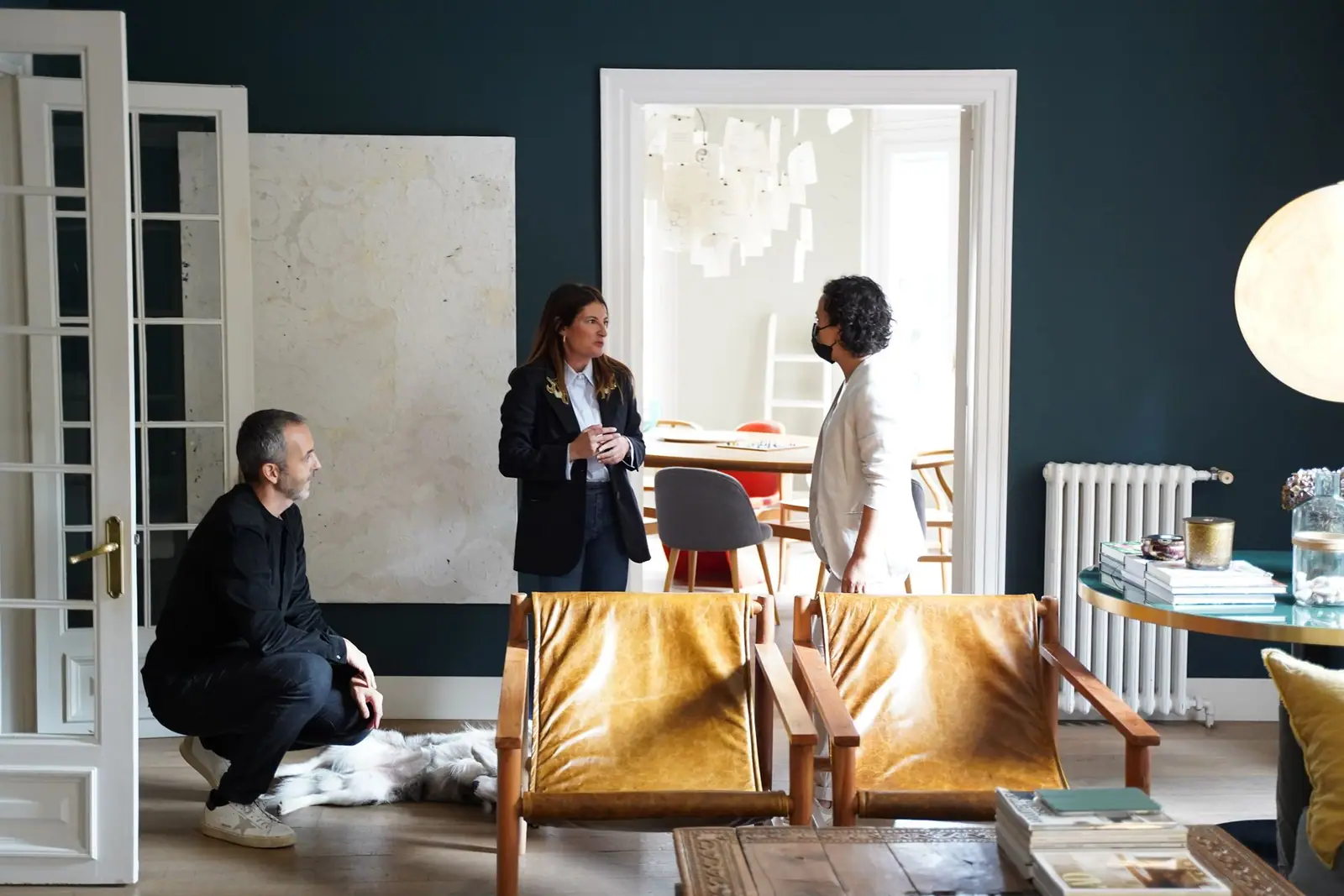
Meritxell Ribé and Josep Puigdomènech lead The Room Studio, the interior design studio they founded in Barcelona in 2005. Today it has a multidisciplinary, versatile team whose philosophy is to fuse the essence of the space, giving priority to comfort and reflecting each client’s style. Its signature lies in combining noble materials, carefully considered lighting, singular pieces and technological tools, and it completes its projects with home automation and audiovisual systems: a clear commitment to technology in the service of comfort.
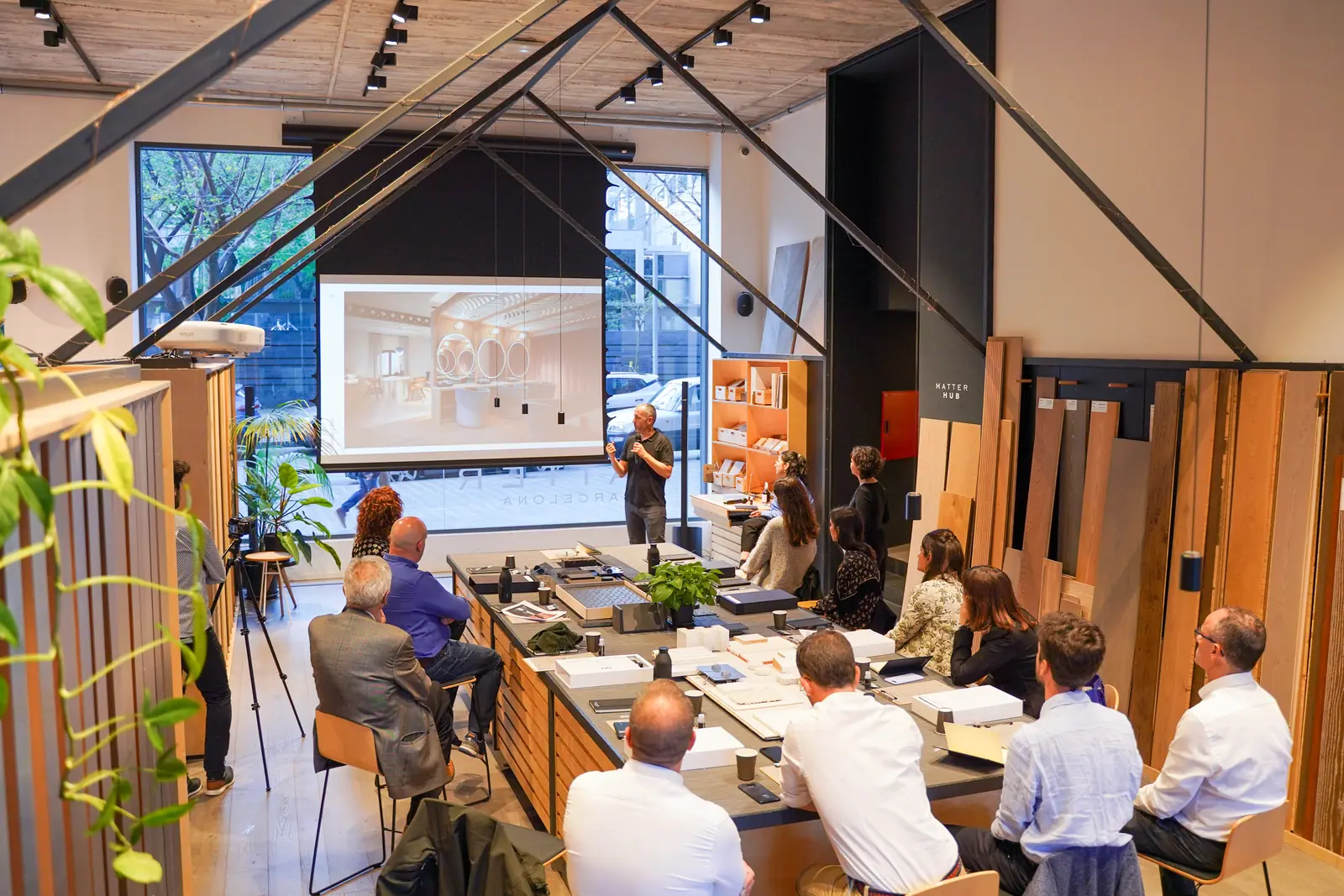
We opened 2022 with a new instalment of Workflows That Matter. Meritxell and Josep welcomed us to their Espai Travessera, on Travessera de Gràcia in Barcelona, and talked to us about the studio, their team, how they choose materials and the projects they had in hand.
The Room Studio: interior design, decoration and in-house construction
The Room Studio was founded in 2005 by Meritxell Ribé, an interior designer who trained at BAU, Centro Universitario de Diseño de Barcelona, and Josep Puigdomènech, a technical architect by training and interior designer by vocation. According to the studio, both act as creative and project directors, and the team brings together architects, technical architects and interior designers working on housing and contract projects.
Its service runs from concept to construction: as well as interior design and decoration, the studio has its own construction company, The Room Work, and an online shop for decorative products. Technology – home automation, lighting and audiovisual systems – is part of the project from the outset, not a final add-on.
Espai Travessera, where we recorded the interview, is a 500 m² period apartment that the studio refurbished in 2011 and that serves both as an office and as a showroom home, with a display of furniture, lighting and art, full home automation, a cinema and a music room. Espai París, opened in September 2016 in a 1928 building in the Eixample that was a car workshop for more than 40 years, adds 250 m² at street level for exhibitions, gatherings and events on architecture, design and photography, according to the studio.
A team without hierarchies
How would you define The Room Studio?
Meritxell Ribé: “We started The Room Studio many years ago, and our main value is teamwork, taking into account all the professionals who work in the studio. There are no favourites and no hierarchies; everyone here is important. We like to discuss and weigh up every proposal.”
Josep Puigdomènech: “In our studio we work on projects we really believe in, and we fight to see them through. We often come up against obstacles, but it is important to know how to deal with them and overcome them to reach the goal we set ourselves at the start. This way of working is what has led us to innovate and grow as a studio.”
The Roomers: in-house construction and Espai París
What characterises the Roomers team?
Josep Puigdomènech: “The growth of our team is what has sharpened our ambition. We started out as two and now we are a versatile team of professionals. Thanks to that, we can offer our clients a wide range of options, supplying what they lack and adapting to what they already have. In other words, if the client already has an architect, we fit in with the project.
Having our own construction company sets us apart and adds value, in the same way that our aim is to add value for our clients. We are not only an interior design studio; we are also a decoration studio, we have our own construction company, an e-commerce site with decorative products, and so on.”
Meritxell Ribé: “Also, with the intention of adding value to the sector and exploring the creative world in all its disciplines, we came up with what we call Espai París: a meeting point for sharing art, creativity and design among colleagues in the sector, as well as for showcasing established artists and others who are less so. This initiative came from our desire to grow, not only professionally – it was also a personal motivation.”
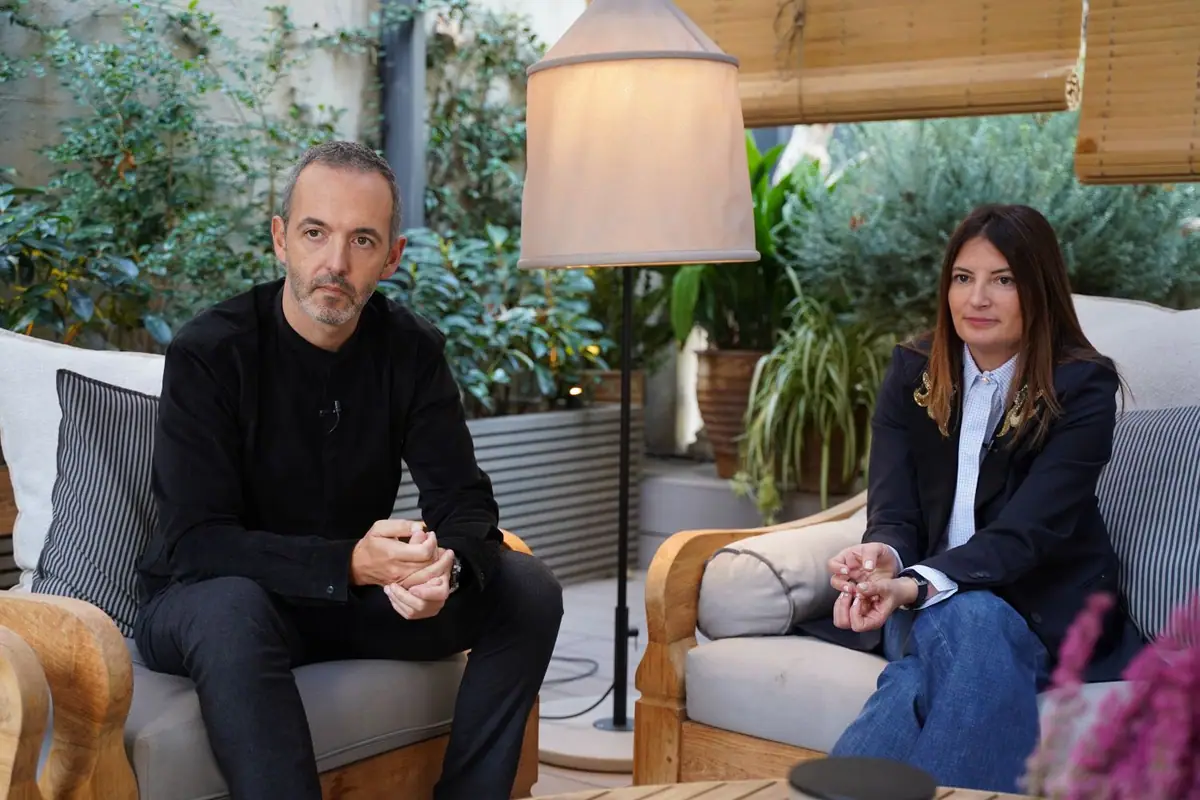
“Having our own construction company sets us apart and adds value.”
— Josep Puigdomènech
Learning without models to follow
What has your journey been like to becoming a leading studio?
Meritxell Ribé: “We started many years ago, at a time when we didn’t have many models to follow and everything meant starting from scratch.”
Josep Puigdomènech: “We have learned naturally, not only in developing projects but also in presenting them. Depending on who you have in front of you, it is important to adapt the way you set out and present the project. We are all different, and we have to be able to understand what our client is like and the best way to show it to them.”
Values: enthusiasm, order and communicating the work
What are your values as a studio, and what stands out about the way you work?
Josep Puigdomènech: “One of the values that identifies us is the enthusiasm we bring to every project, because we see them as challenges. They are all different, so with each one we push ourselves and learn, coming up with different solutions, drawing on different materials, and finding a balance between what the client wants and what the space offers us.”
Meritxell Ribé: “It is our way of doing things; we don’t know how to do it any other way. It is also important for us to keep order throughout the whole process a project involves. And its final point is communicating and making the work known. We try to give continuity to the ephemeral nature of projects, because once you finish one, you hand it over and never go back. For us it is very important to be able to photograph it and explain the concept and the reason for each element, as well as to show how we have worked throughout the project.”
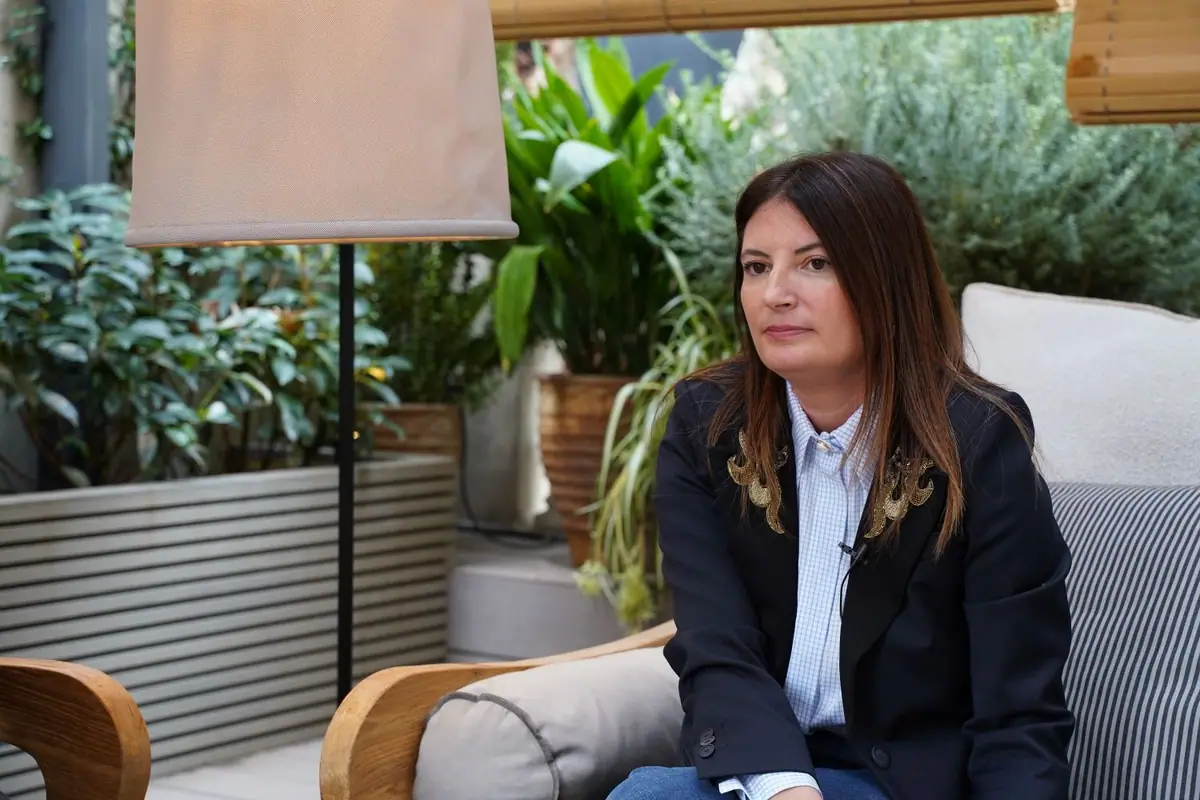
Layout, light and home automation
How do you approach the projects that come to the studio, and what stands out about the way you work?
Josep Puigdomènech: “With each of our projects we like to step out of our comfort zone, to do things that add something and show people who we are and how we understand design and architecture, as well as reflecting what the person who will live in that space is like.”
Meritxell Ribé: “When we set out a project, we are clear about two things. The first is the importance of a good layout and a coherent use of forms, textures and colours, adapting to the needs of the space and the client. The other factor is lighting, which we consider very important. We use home automation in domestic spaces as a tool that lets us control all the lighting scenes that put the occupant in one mood or another.”
Materials based on sensations
What is the process of giving material form to spaces like? What do clients value?
Josep Puigdomènech: “Some clients are more sensory and need to touch, feel, see and experience things. Others, on the other hand, need only a few lines and an explanation to trust completely in what you tell them.
When we look for materials, we set out to satisfy the sensations we want to find in each of the spaces in a project. It is through the search for sensations that we define textures and materials.”
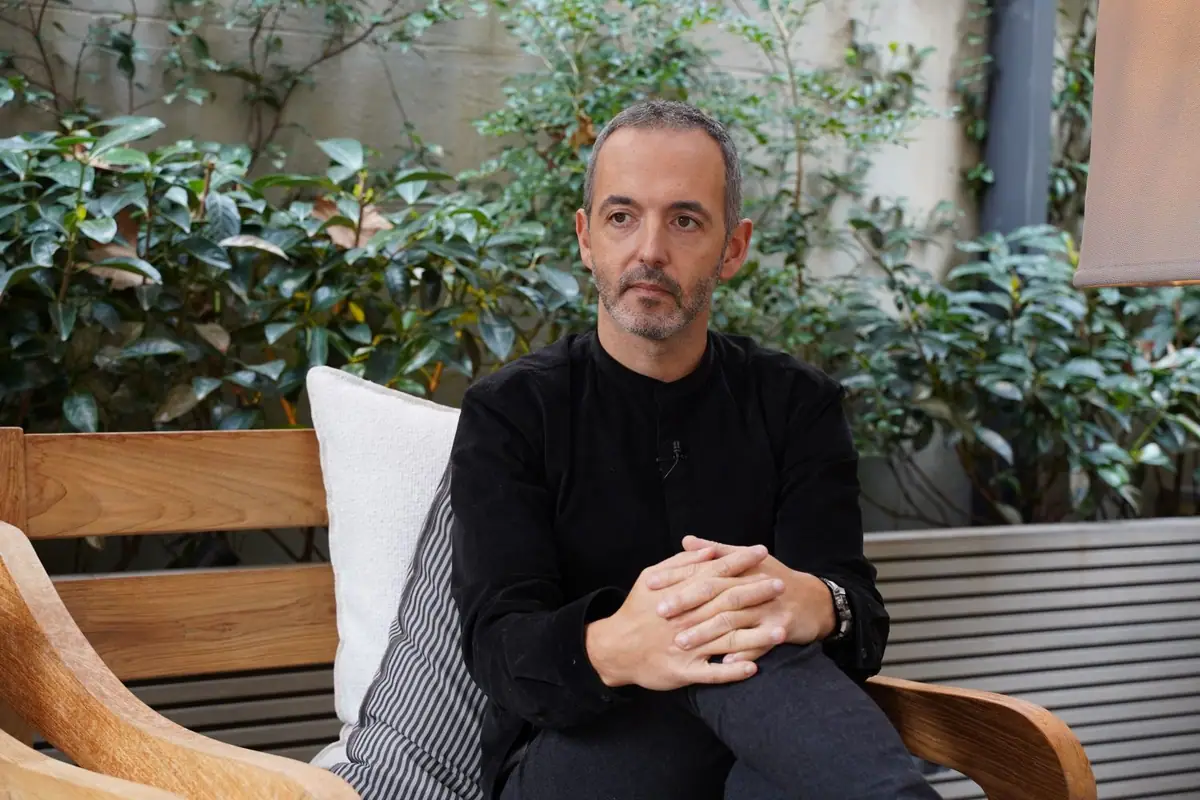
“It is through the search for sensations that we define textures and materials.”
— Josep Puigdomènech
The future and the projects that excite them most
How do you see the studio’s future? Where do you see it in five years?
Meritxell Ribé: “In the future, personally, I would like to keep getting up in the morning with the feeling that I am going to enjoy myself, and to keep enjoying the projects and the challenges.”
Josep Puigdomènech: “For my part, I would like the efforts we are making to become better known to the public to pay off, and to be able to enjoy what we love, which is designing.”
Which projects are you proudest of, and which achievements have most excited you over these years of work? Why?
Josep Puigdomènech: “Some of the projects I remember are residential ones, when you tell the client not to go into the space until everything is ready, and then, once they go in, you see their faces, amazed and surprised. That is something that moves me.”
Meritxell Ribé: “Right now we are also very excited about a project in Barcelona, something very new that has recently been made public and will open its doors this spring. It is a club for women, to create energy and synergies, to build relationships, to set out dreams and forge bonds with today’s young, entrepreneurial women. It is a new concept for the city that brings many spaces together in one. A complex challenge that we have taken on with great enthusiasm.”
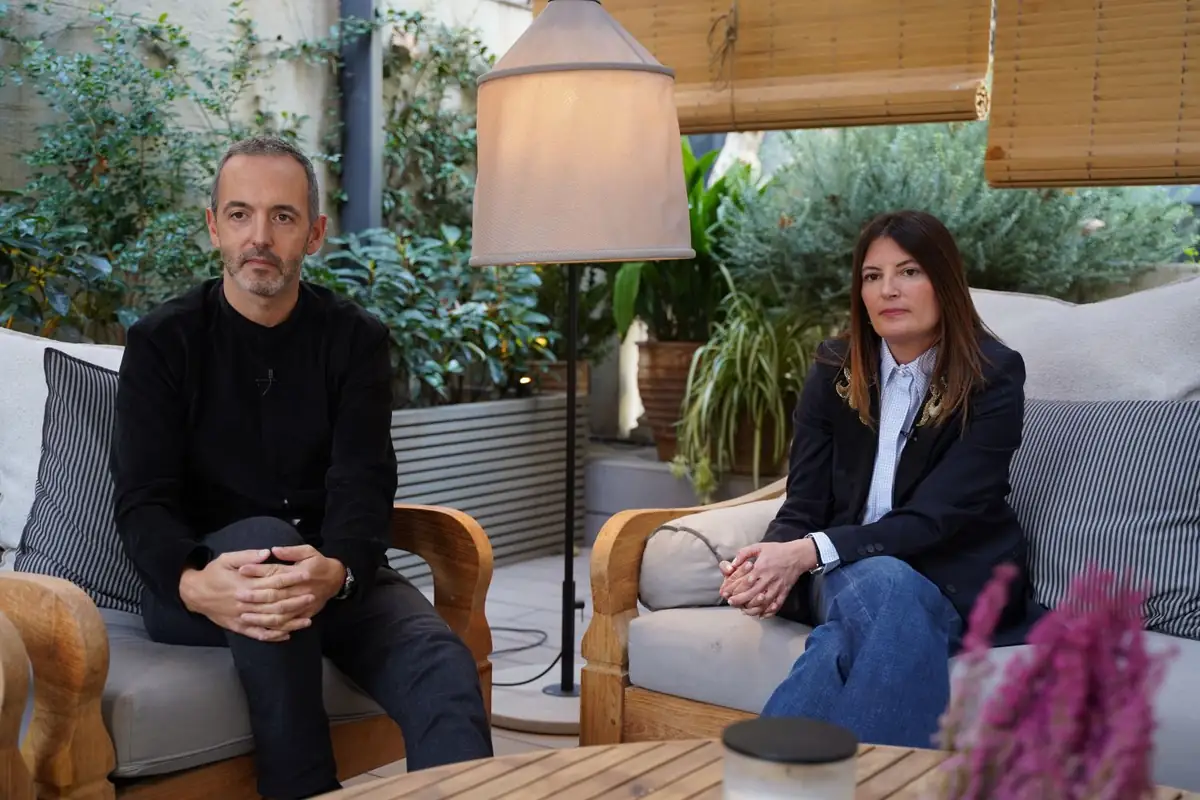
After the interview
The women’s club Meritxell Ribé mentions is Juno House, which opened in April 2022 in the former Farinera d'Aribau in Barcelona. The Room Studio designed its 1,400 m², spread across two buildings: La Nave, devoted to work and professional gatherings, and La Farinera, with a family space, beauty and wellness. We cover it in detail in the Workflows Project dedicated to the club, and in June 2022 Josep Puigdomènech presented it at Matter in Best Practices Matter: Function and beauty.
In 2025, coinciding with its 20th anniversary, the studio unveiled a new 600 m² headquarters on two levels at Travessera de les Corts 318, Barcelona. Espai Travessera also has its own Workflows Project in the Journal.