OAB
Carlos and Lucía Ferrater explain how OAB, a practice whose partners are family, is organised, and why material already appears in the first sketch.
InterviewsWorkflows That Matter5 of 588 min read
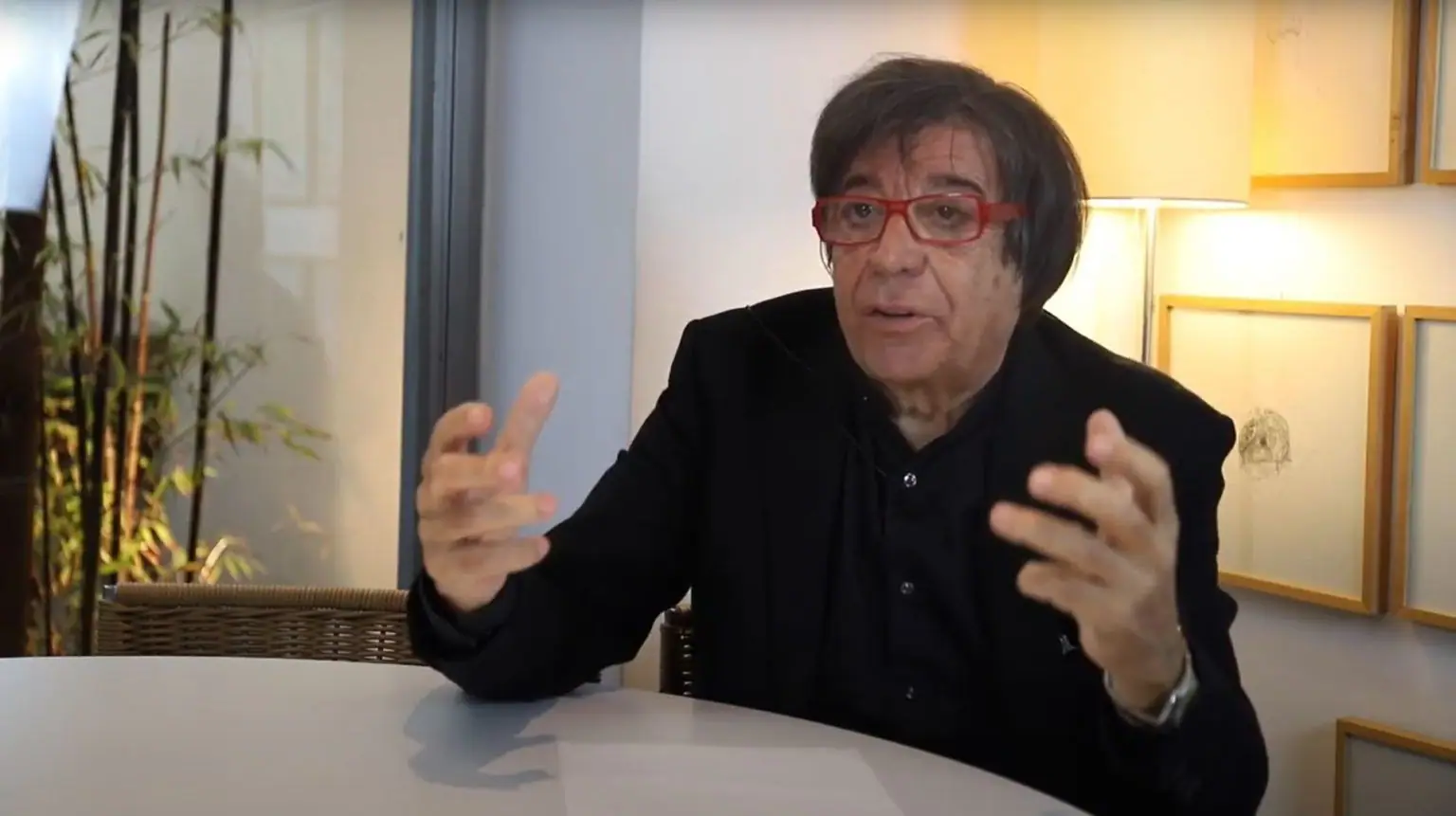
“This is a risky profession and you have to work on a knife-edge, because otherwise, wherever you fall, you fall into disaster.”
— Carlos Ferrater
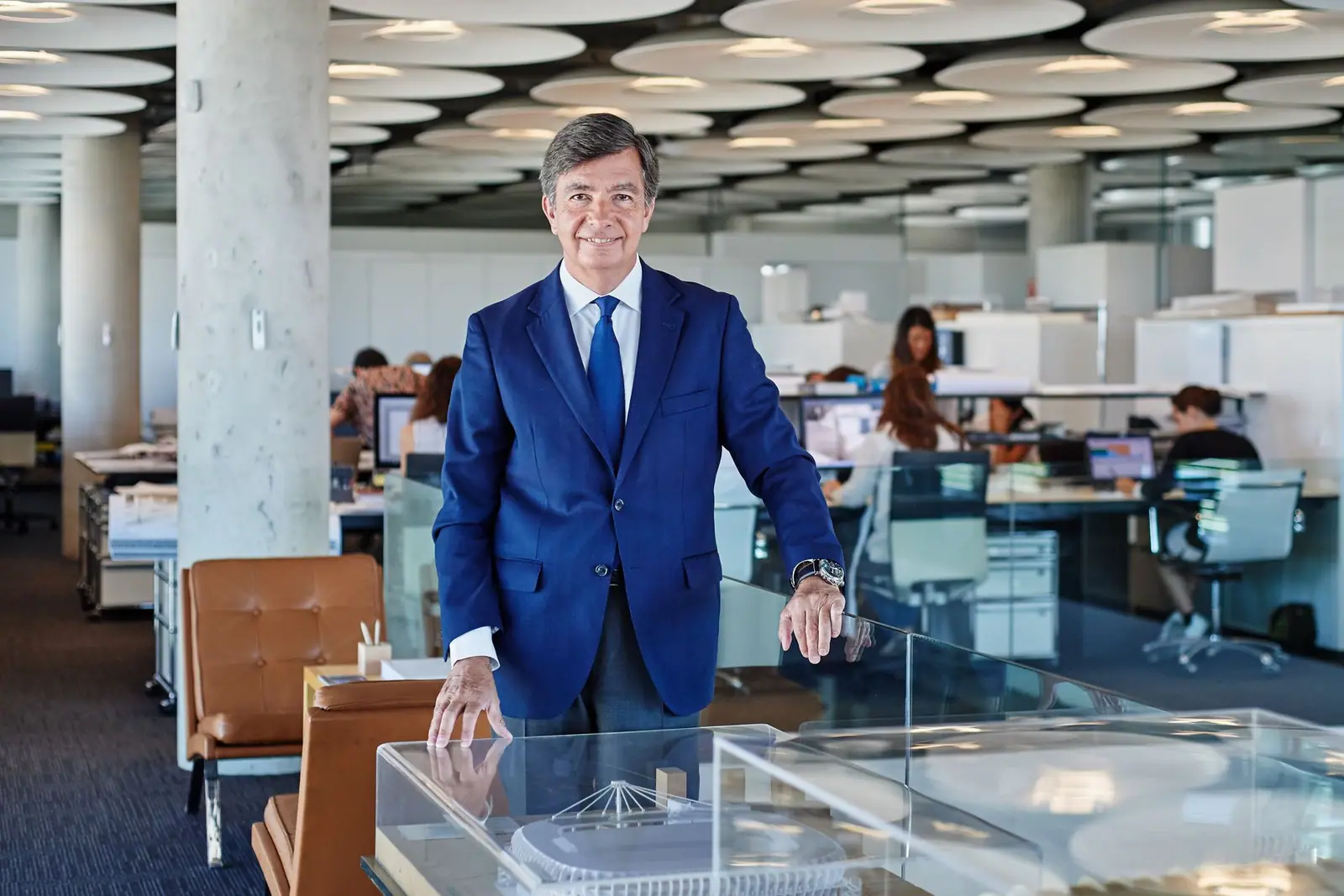
OAB (Office of Architecture in Barcelona) was founded in 2005 by Carlos Ferrater together with his children Borja and Lucía Ferrater and his son-in-law Xavier Martí Galí. It is a collective platform built on the experience gained in previous years by Carlos Ferrater’s practice, bringing in the fresh, renewed outlook of a flexible team of professionals who combine theoretical knowledge with professional practice.
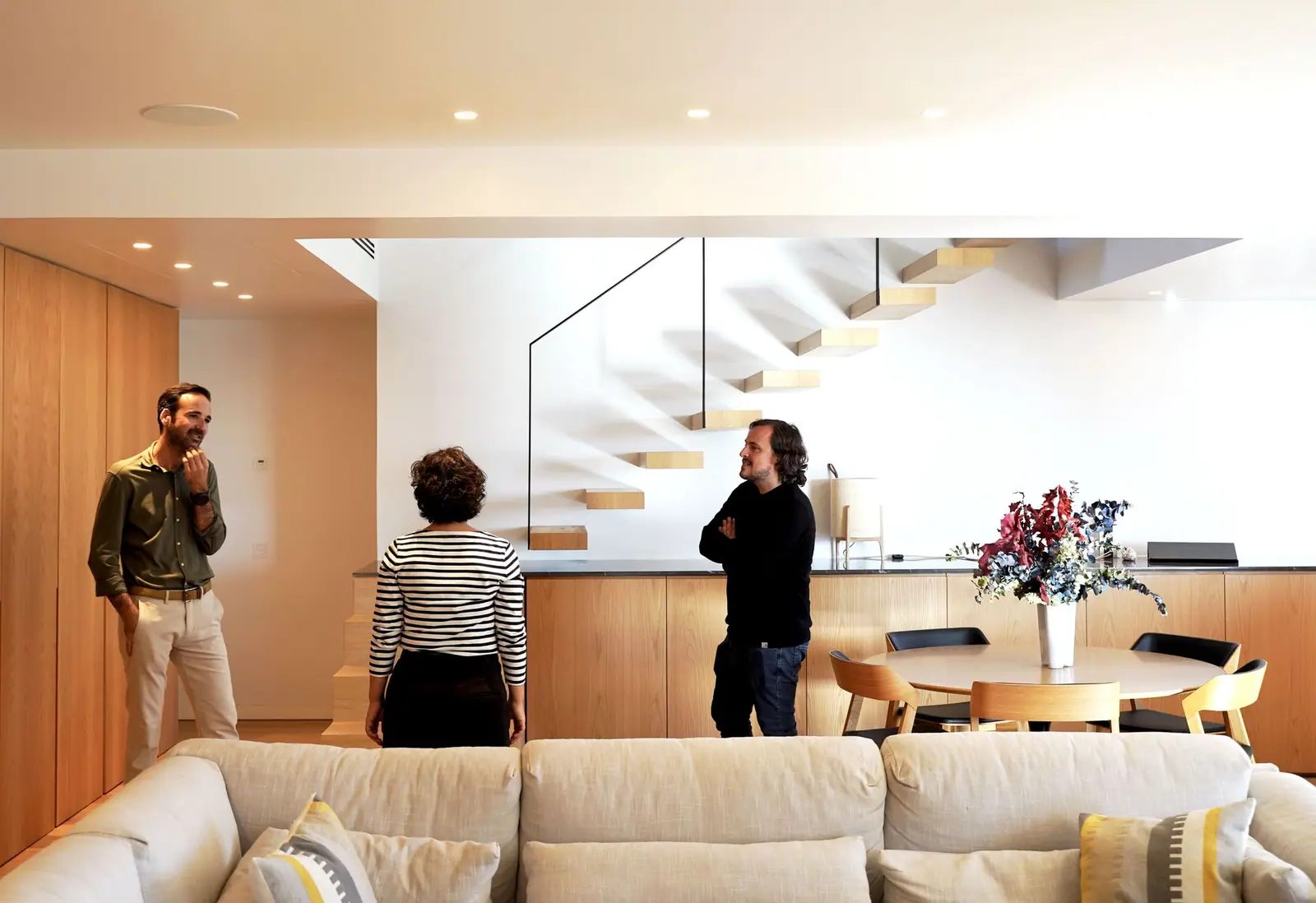
In May 2020, coinciding with Barcelona Architecture Week, we visited the practice to talk to Carlos and Lucía Ferrater about architecture and about how the partners of this Barcelona practice complement one another, as a professional team and as a family: their values, the way they organise themselves, the Galería OAB and the role of materials from the very first sketch.
OAB: from Carlos Ferrater to a collective platform
Carlos Ferrater, who holds a doctorate in architecture and is Professor of Architectural Design at the UPC, has been practising since 1971. His works include the three blocks of Barcelona’s Vila Olímpica, the Barcelona Botanical Garden, the Palau de Congressos de Catalunya and the Zaragoza-Delicias Intermodal Station, and in 2009 he received the Premio Nacional de Arquitectura (Spain’s National Architecture Award) for his career.
In 2005 he decided, with Borja and Lucía Ferrater and Xavier Martí Galí, to turn his practice into a new collective platform; the company was formally established at the beginning of 2006, with Núria Ayala as project director. According to the practice, OAB draws on research into complex geometries set out in the book Synchronizing Geometry (Actar, 2006) and on conceiving the architectural and structural solutions at the same time.
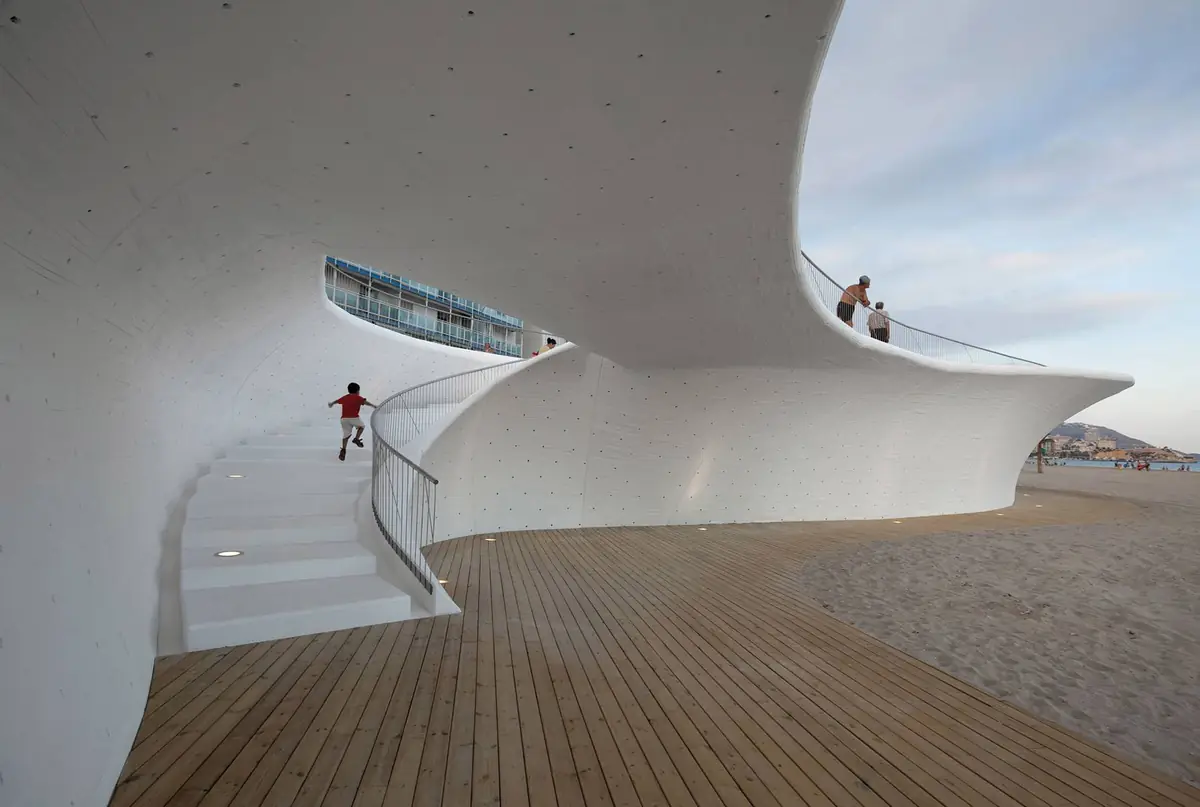
A good example is the Poniente Beach Promenade in Benidorm (2005-2009, 18,000 m²): a first structural layer of white concrete draws the edge in sinuous lines, over which coloured paving, street furniture, water and planting are layered. Among other awards, the project received the 2011 Spanish National Architecture Award for Urban Design and a special mention in the 2010 European Prize for Urban Public Space, and since 2012 original models and drawings have been part of the Centre Pompidou collection.
Social commitment and respect for place
OAB is an architecture practice that has adapted to changing times, with a recognised national and international presence. We’d like to know what characterises your architecture. What are the values you feel identify you?
“Our main and most important value is our commitment to society. We understand that building a project means organising something socially that will ultimately benefit others. Secondly, there is another shared root, which is respect for the places we work in. In other words, franchise architecture is no good to us; we believe that falling into that style would be the death of architecture, so we always leave a small trace of our personalities in the projects we create. Each one is a new experience that resets the clock for us and through which we try to convey the cultural tradition of the place we are in. Each project is unique but sits within a continuous project; each of us conveys our personality in the project we lead, but in the end there is something of a shared root.”
A structure without structure
It’s interesting how a practice made up of partners who are family achieves a balance of trust and mutual respect. Could you tell us about the role each of you takes on in the practice? How do you organise yourselves, or what is your structure?
“Look, let’s say that our structure is precisely the absence of structure. You could say that, in a way, our organisation is like life itself: somewhat chaotic and random, since there’s no pre-established hierarchy and hardly any meetings, but I’m quite in favour of all that. For me, intuition, sensitivity and an innate curiosity about the unknown are worth more than an order that ties you down or pigeonholes you.”
So what criteria do you use to divide up the development and management of each project?
“Basically, each of us leads the different projects according to our affinity with them and the sensitivity we develop towards them.”
The Galería OAB
Well, Lucía, can you explain to us what this sort of extension, the Galería OAB, is?
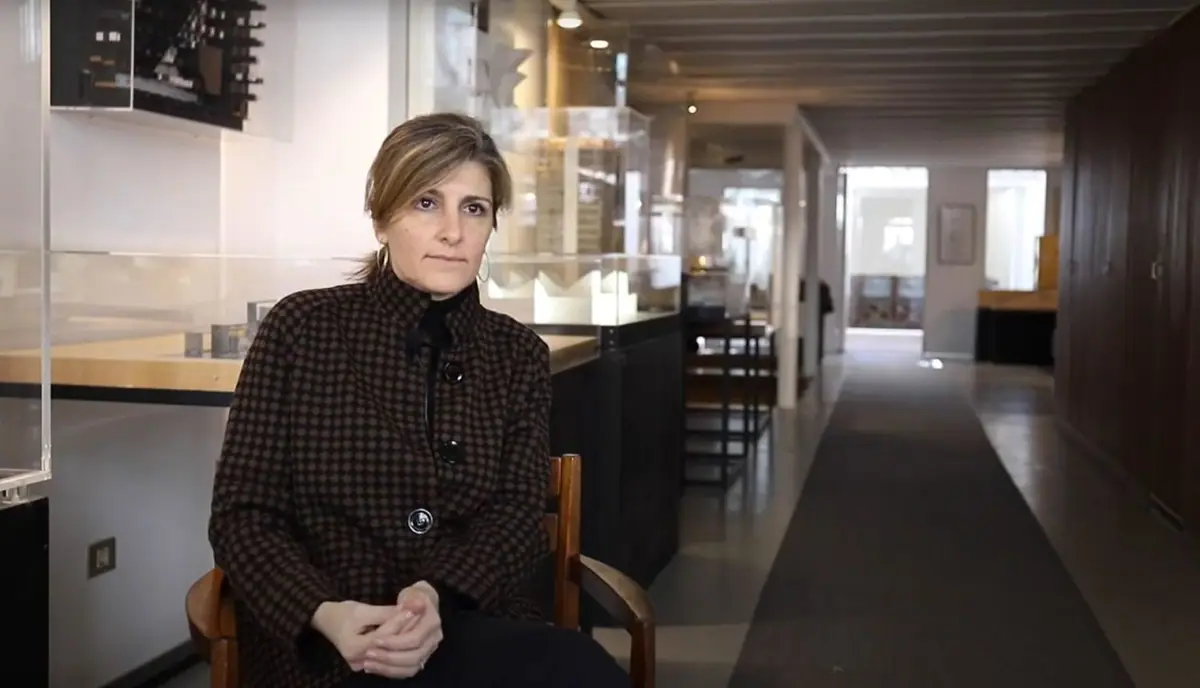
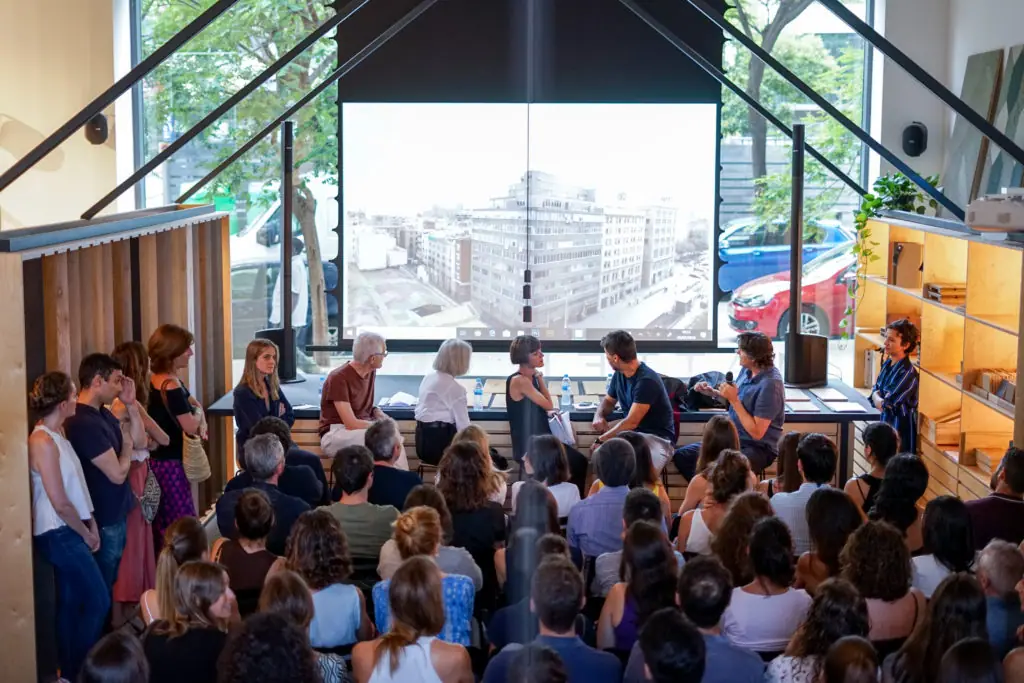
“A few years after we went into partnership we found this space, this small place near our office that gave us the chance to extend our outward reach a little, as well as to accommodate various fields and interests we had. The gallery is used to receive students, to whom we give classes and lectures, but not only that: from time to time we host architects and hold small events related both to the world of architecture and to ourselves, such as exhibitions, book launches and so on.”
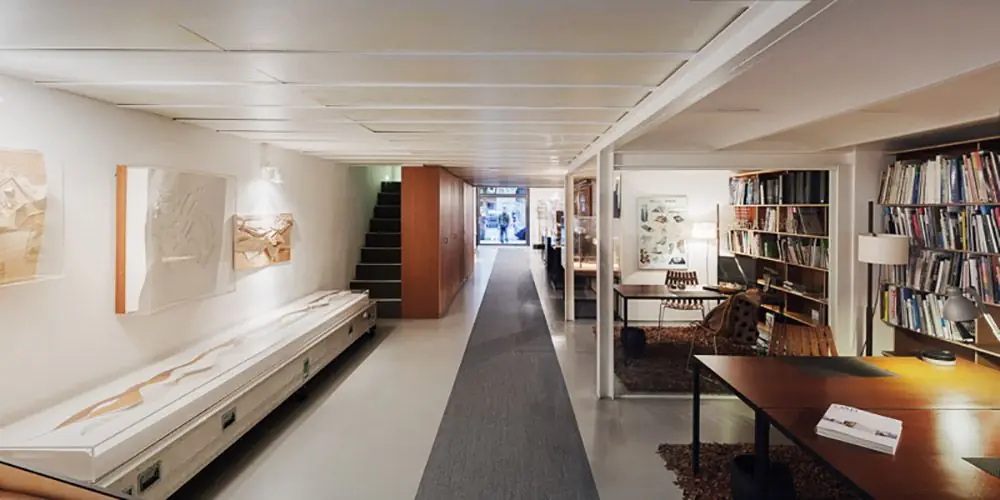
The Galería was created in 2008 as a separate physical space for the cultural, academic, documentary and research activities linked to the practice. It houses the collection of models of OAB’s projects, which are lent from time to time to museums and institutions, and hosts temporary exhibitions by artists, book launches, lectures, seminars and workshops, as well as visits from universities around the world, which are welcomed by an architect from the practice with a short talk and a tour of the models.
Material, from the first stroke
Tell us about your relationship with the materialisation of projects…
“The construction detail and the material already appear in the first pencil strokes of the drawing. At that point they already have to be in your head, because they are the basic ingredients for building. We always try to ensure that every finish or sensory part of the building is also its constructional rationale. We never think of projects as a gesture without thinking at the same time about construction and materiality. In other words, it is inherent to the creative process, and it is from there that you will carry on one way or another, depending on what has been in your mind from the start.”
You say that for you all this materiality is closely linked to the creation of each project from the outset. So do you start searching for the most suitable materials for each case right from the beginning?
“Yes, right from the start: if we have in mind working with certain materials, we obviously do that search from the very beginning.”
Also on the subject of materialisation, has it ever been a problem for you when a project didn’t develop in the way you had originally envisaged?
“Well, let’s see, we always work on the basis of common sense, but we live in a country where the construction industry is very good. We have leading companies in materials manufacturing and, really, I think we face few difficulties in this country. In other words, our imagination and ambitions can develop and go quite far in achieving our objectives because we have great manufacturers and companies.”
Construction, self-criticism and responsibility
Continuing with the processes of materialisation… when it comes to construction, do you usually delegate it or keep it within the team?
“Perhaps two kinds of situation arise in the practice: those in which we accompany the works throughout the whole process, and those in which we don’t do so 100% of the way. What is certain is that we never leave the works in the hands of others without providing guidance so that the building turns out as it should. If the building loses its way, it’s no longer our building, and that’s something we are absolutely clear about.”
And being such a family team, is it easy to be self-critical?
“Yes, because the four of us are also very different. We have very different ways of doing and understanding certain things, but they can coexist, of course. In fact, I think that in practices run by one person, self-criticism is much harder. I think being more of us is something that adds value and complements us.”
We mentioned at the start the values that define you, including your concern for society and for each piece of architecture to become an important part of the city. How do you find out what society needs?
“Well, that’s very difficult, isn’t it? The truth is that it’s much more obvious and easier when you work in your own city, which you’ve known since you were born and are part of. You know its tradition, its materiality, its climate, its society and so on. In the end, an architect’s mission in making a building carries the utmost responsibility. That is, leaving a building constructed anywhere is a matter of the utmost responsibility, not only civil but intellectual, ethical and moral, because you leave something that will last far longer than your own life and that of your close relatives. So it’s clear that an architect’s responsibility is immense, and I believe all architects should work with that sword of Damocles hanging over them.”
“All architects should work with that sword of Damocles hanging over them.”
The future of OAB
Coming back to you, Carlos, how do you see OAB in the future?
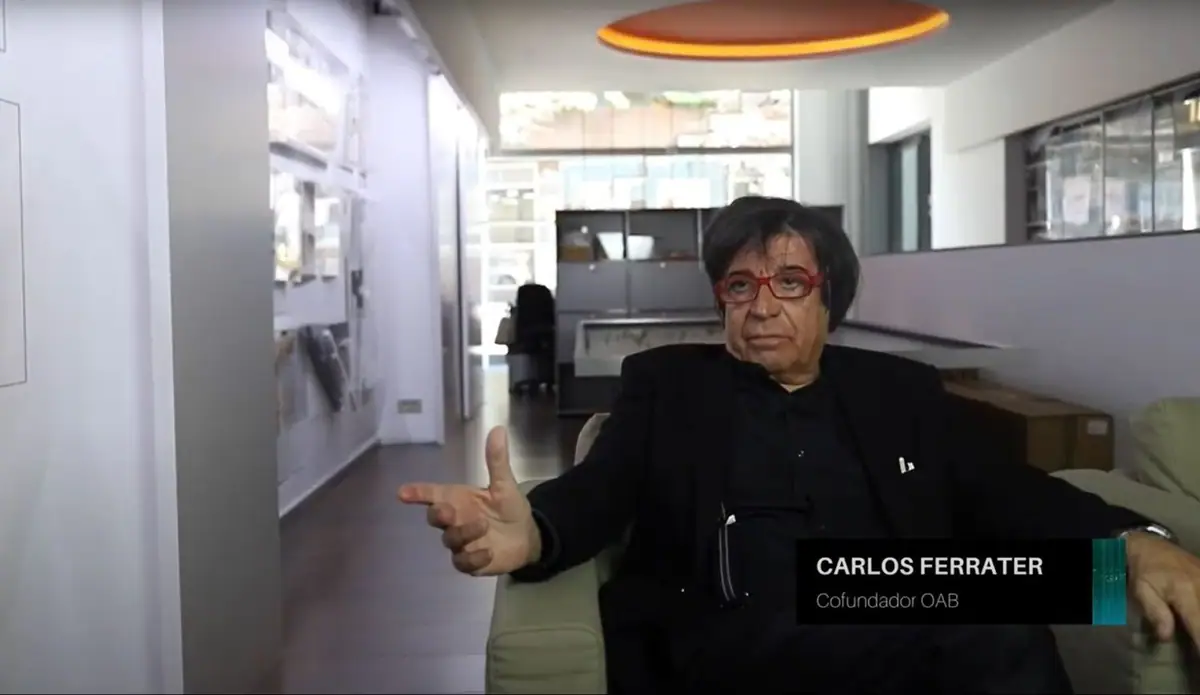
“I think OAB has a great future ahead of it, honestly. Above all because until a few years ago I was a more necessary figure, whereas today I’m completely irrelevant. That is, I don’t travel as much any more, I don’t go to the building sites as much and I take on perhaps smaller projects… The team, on the other hand, is gaining enormous strength, with a greater presence in the city, in Europe and in the world in general. More and more young architects want to be part of the platform; we’ve created something that can last over time, and that’s a lovely thing. Today Xavier, Lucía, Borja and Núria are very important figures in the practice, along with senior architects such as Montse, Marina, Diana and Andrea and the young architects who keep joining.”
Thank you for welcoming us and letting us get to know OAB from the inside. It is fascinating to see how, within the practice, a vocation for architecture, family ties and the rigour of a team that works professionally coexist, complementing one another and growing, with the balance of those who have experience and have their sights set on the future.
OAB at Matter
OAB’s relationship with Matter predates this interview. In March 2018, Lucía Ferrater took part in the first Talks That Matter, ‘Women Matter’, where she spoke about working as a team and as a family; in July that year, Xavier Martí Galí presented the EDITION hotel in Barcelona at ‘Hoteles, diseño e innovación’. Alongside this interview we published a Workflows Project devoted to the practice’s twelve houses on Calle Fernando Poo, in Poblenou. Later, in October 2024, OAB took part in the Materials Matter Exhibition at the COAC with the talk ‘When the envelope defines the interior and exterior space’.