Hotels, City Ambassadors
At Matter Madrid, seven architecture and interior design studios and Lamadrid Contract discuss how a hotel can be an ambassador for its city.
EventsBest Practices Matter9 of 1211 min read
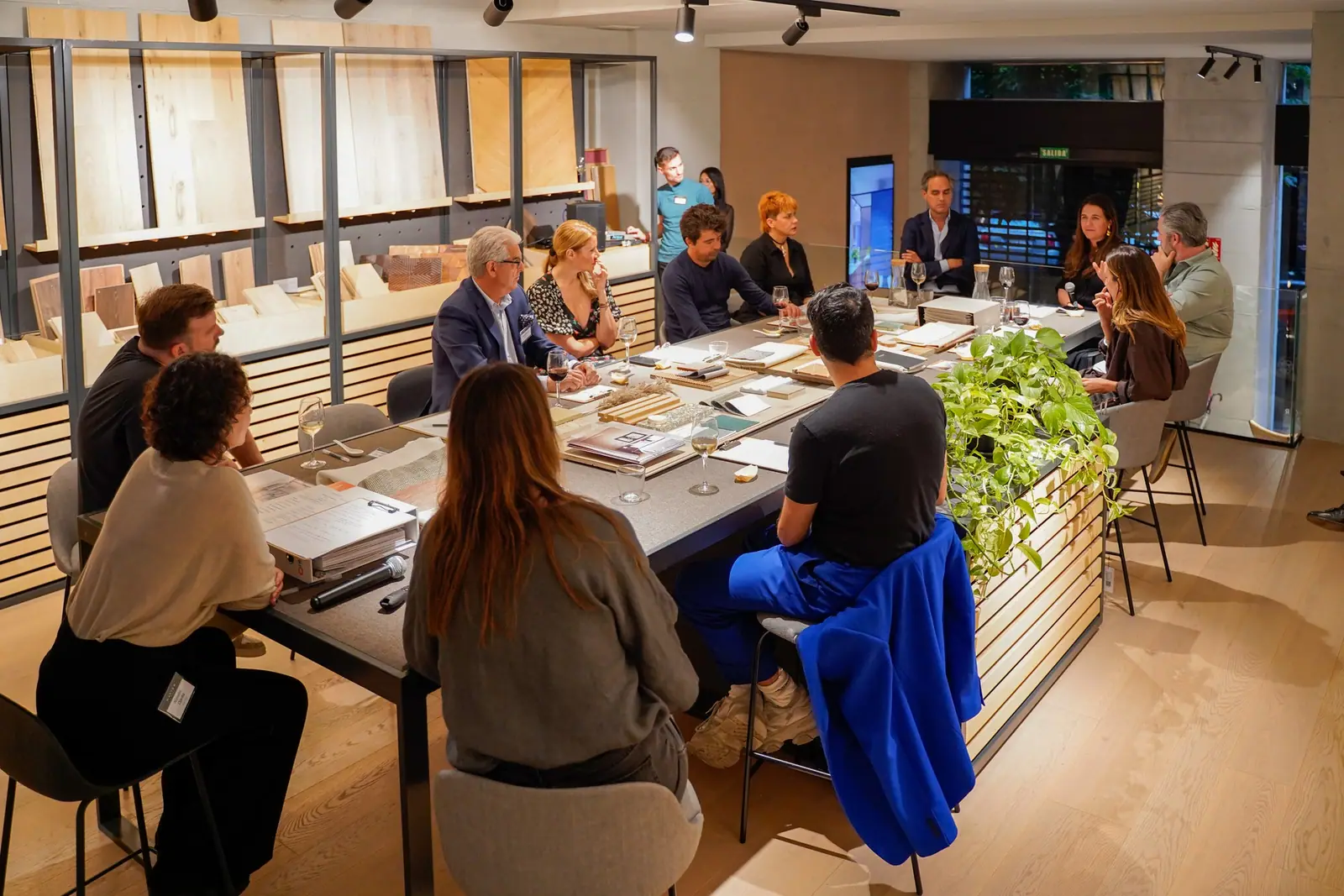
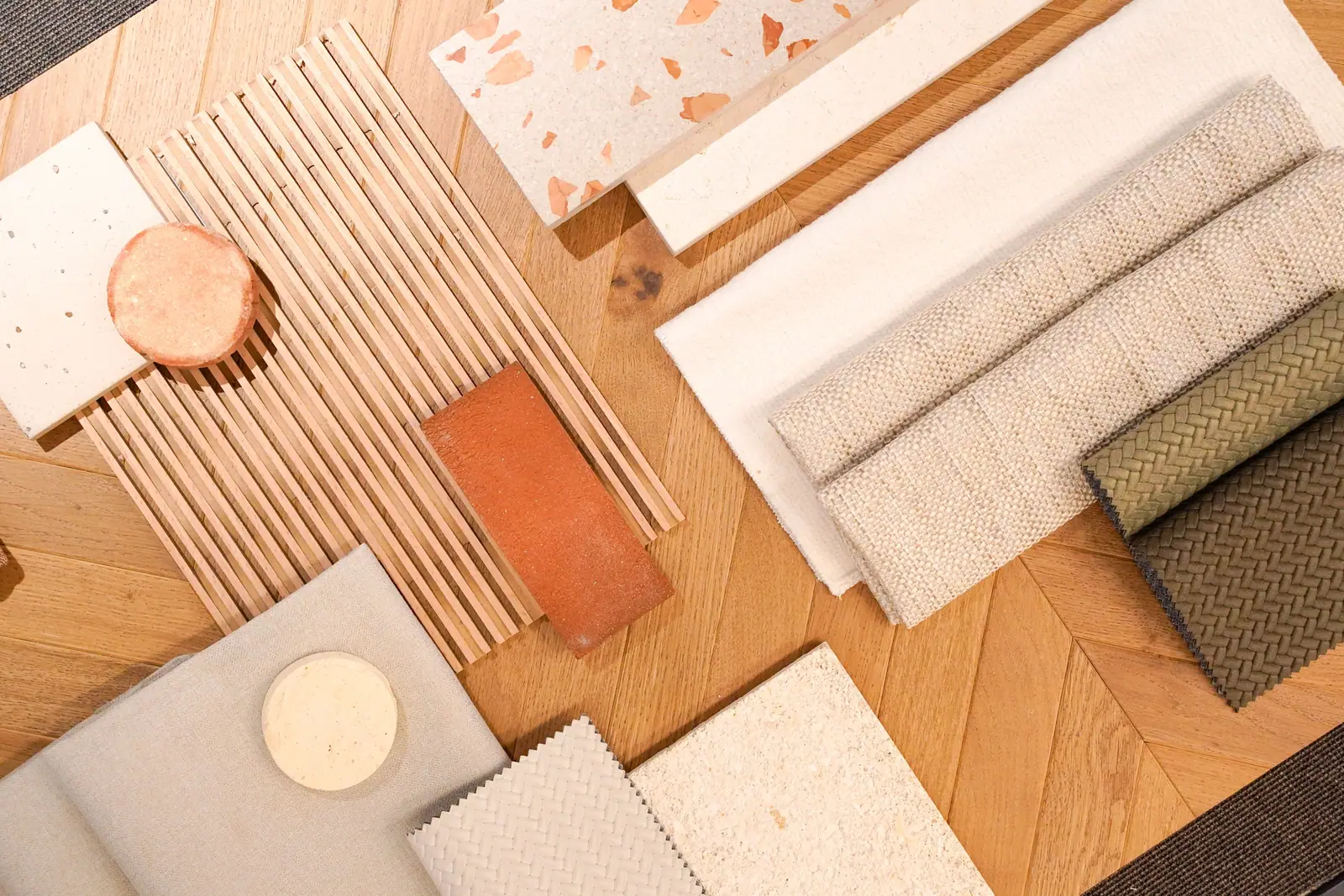
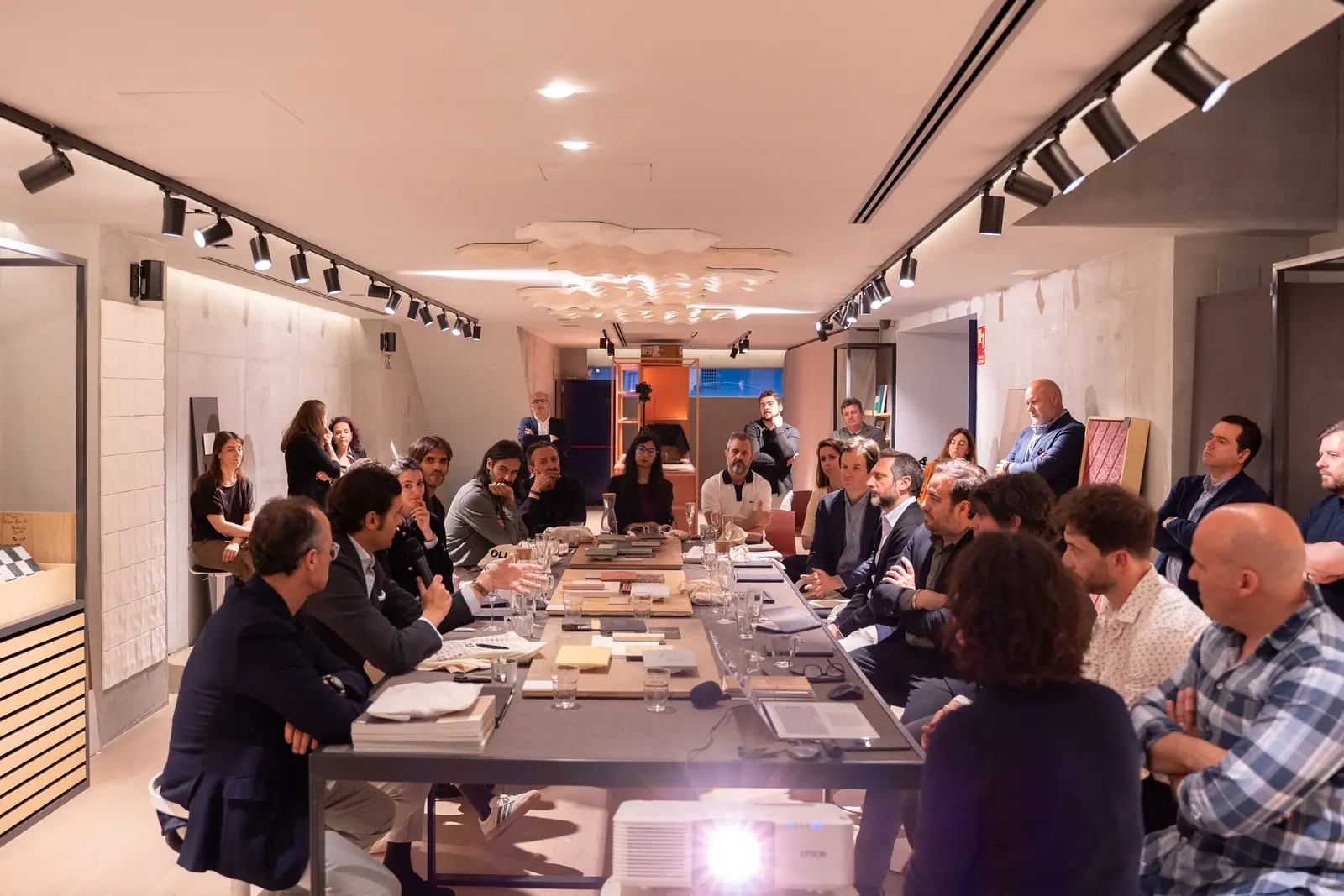
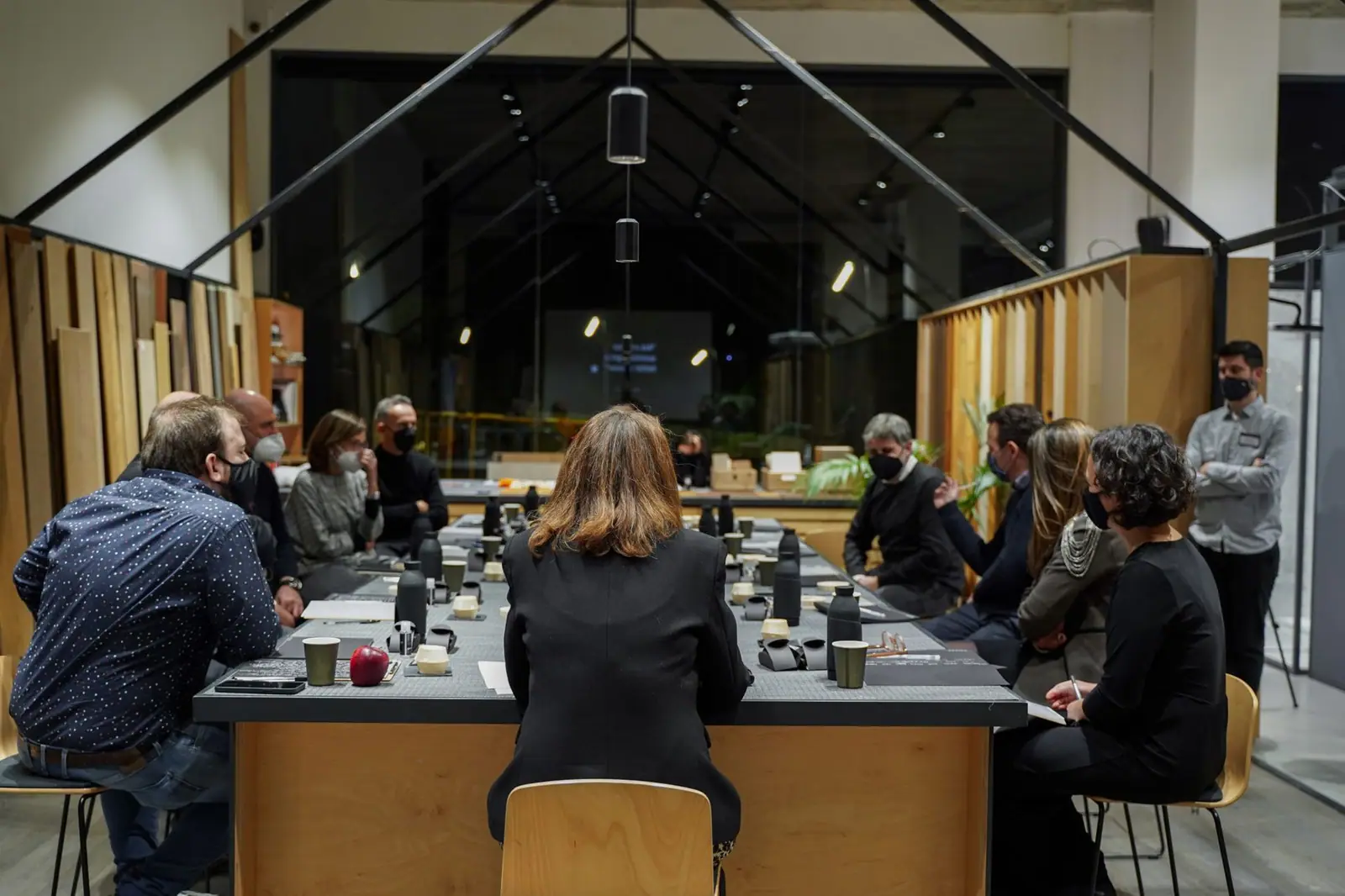
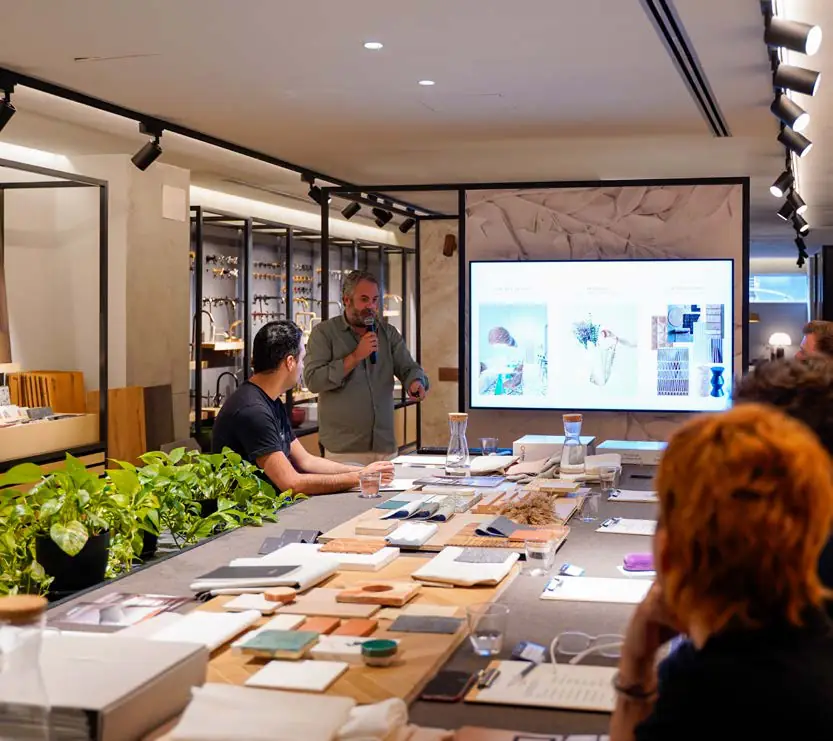
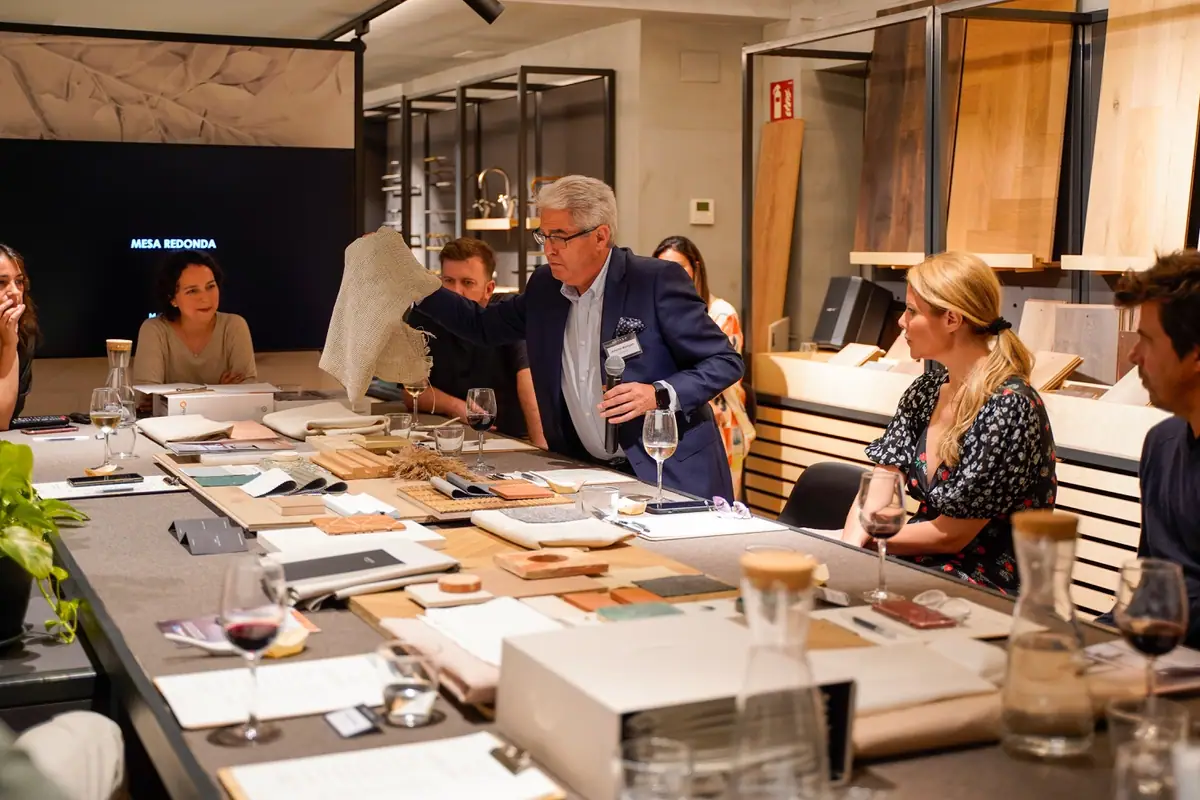
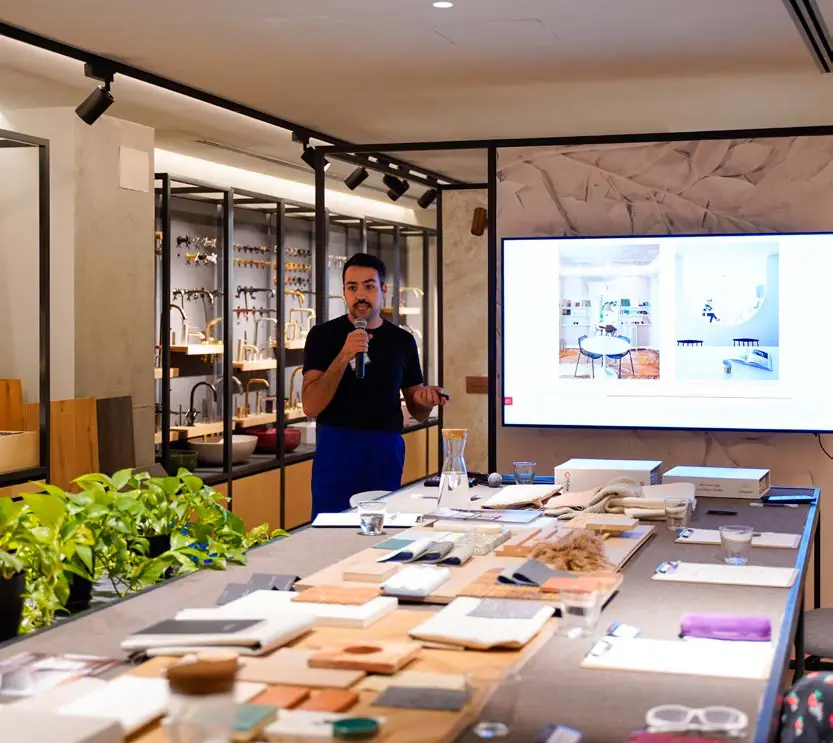
For Best Practices Matter: Hotels, City Ambassadors, we brought together seven architecture and interior design studios at Matter Madrid to reflect on the importance of hotels as ambassadors for their cities and as the first point of contact for anyone arriving in a place. Each studio presented a hotel project with a different context and strategy, linked by a common thread: the hotel as a gateway to a particular culture, set of customs and setting.
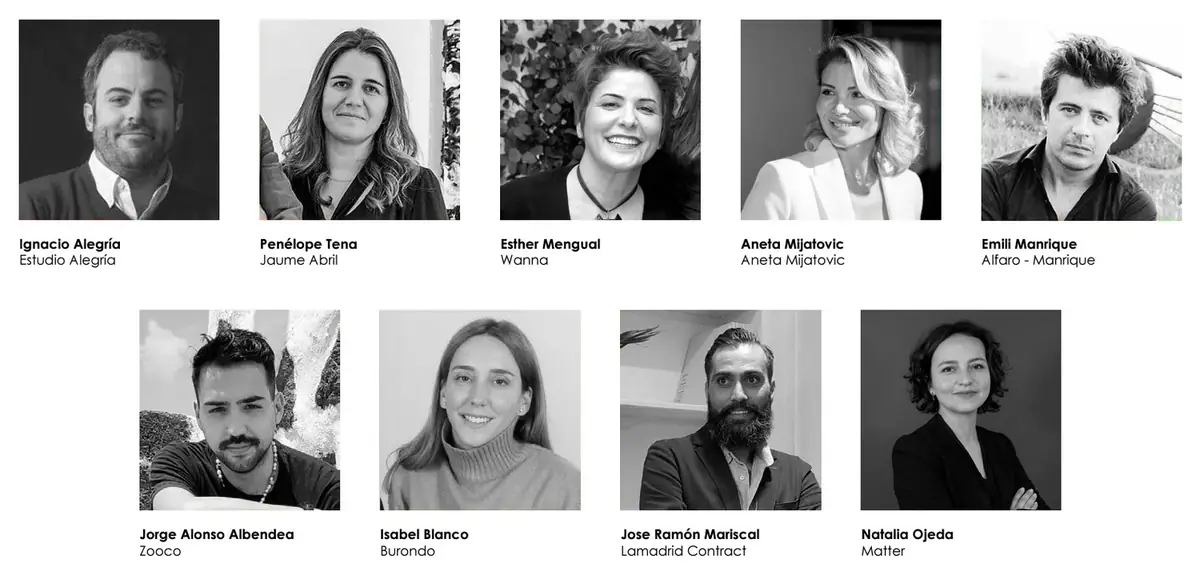
The participants were Ignacio Alegría (Estudio Alegría), Penélope Tena (López y Tena Arquitectos), Esther Mengual (Wanna), the interior designer Aneta Mijatovic, Emili Manrique (Alfaro-Manrique Atelier), Jorge Alonso Albendea (Zooco Estudio) and Isabel Blanco (Burondo), together with Jose Ramón Mariscal of Lamadrid Contract, the event's sponsor, and Natalia Ojeda of Matter. The projects ranged from urban hotels in Madrid and Alicante to holiday hotels in Tenerife and Benidorm, by way of a grand historic hotel in Málaga.
The hotel as ambassador for its city
Hotels have become ambassadors for the places where they stand, with an interesting duality. On the one hand, they are the gateway for those who do not live there: they offer quality services and guidance so that the experience is complete. On the other, they are increasingly involved with the city's residents, with services and experiences that enrich their daily lives.
In this edition we discussed the role of material selection in the end user's experience and in the project's environmental impact, and how the strategic use of architectural elements and local materials can establish a clear connection with the urban setting and the local culture. By examining the intersection between design and cultural context, the event showed the extent to which a hotel represents the city in which it stands.
Speakers and projects
The seven invited studios each presented one hotel project —Alfaro-Manrique Atelier presented two— and Lamadrid Contract shared its experience in textiles for contract projects:
Urban hotels that tell the story of their city
Two projects that translate the city's identity into materials, service and narrative.
Estudio Alegría — Hotel Serawa Alicante
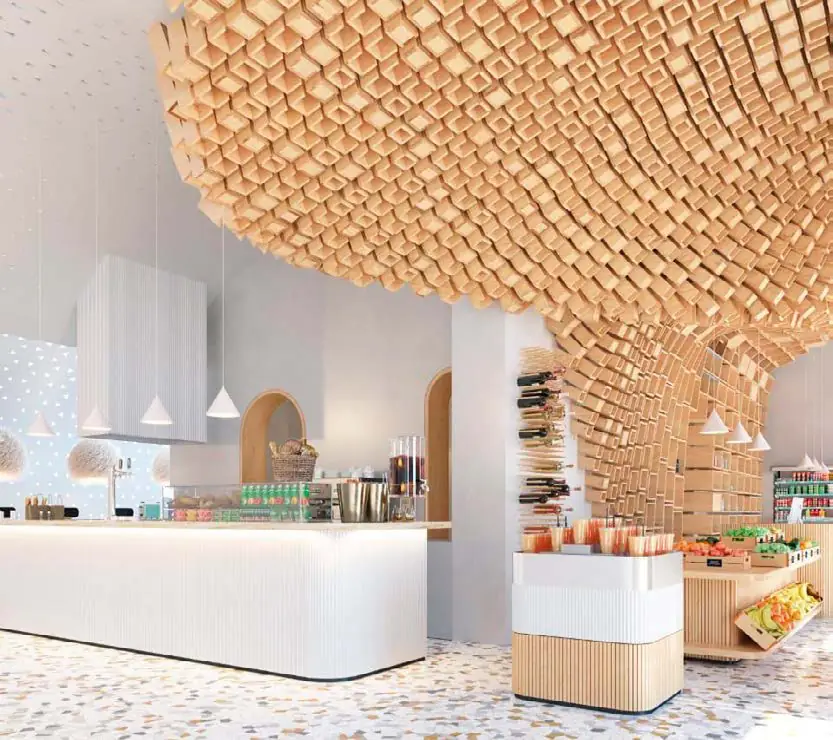
Ignacio Alegría presented Estudio Alegría's work on the Hotel Serawa, on Calle San Fernando in Alicante: a 1900 building in the historic centre refurbished as a sustainable hotel. The challenge was to combine the urban and the holiday, making the most of a location close to both the centre and the beach, and to design a distinctive guest experience based on the region's produce and culture. The studio's work covered the interior design as well as operational, branding and marketing aspects of the hotel.
The ground floor brings together reception with a shop selling local products, a café and a kitchen offering personalised options to guests. The most recognisable element is a tongue-shaped structure of wooden boxes that connects the different areas and houses services, lighting and air conditioning. According to Interempresas, the installation is made up of 800 boxes in eight sizes, and the architectural refurbishment of the building is credited to ggarchitects.
“We created a concept that brings together the urban and the holiday, using noble materials and offering personalised options, such as putting together menus at the hotel reception.”
— Ignacio Alegría, Estudio Alegría
López y Tena Arquitectos — Thompson Madrid
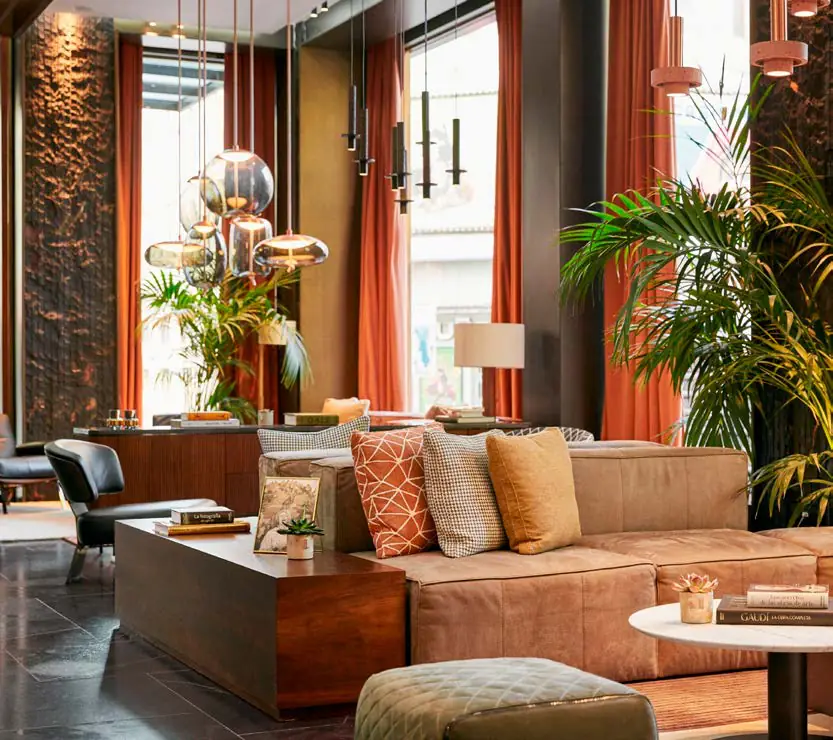
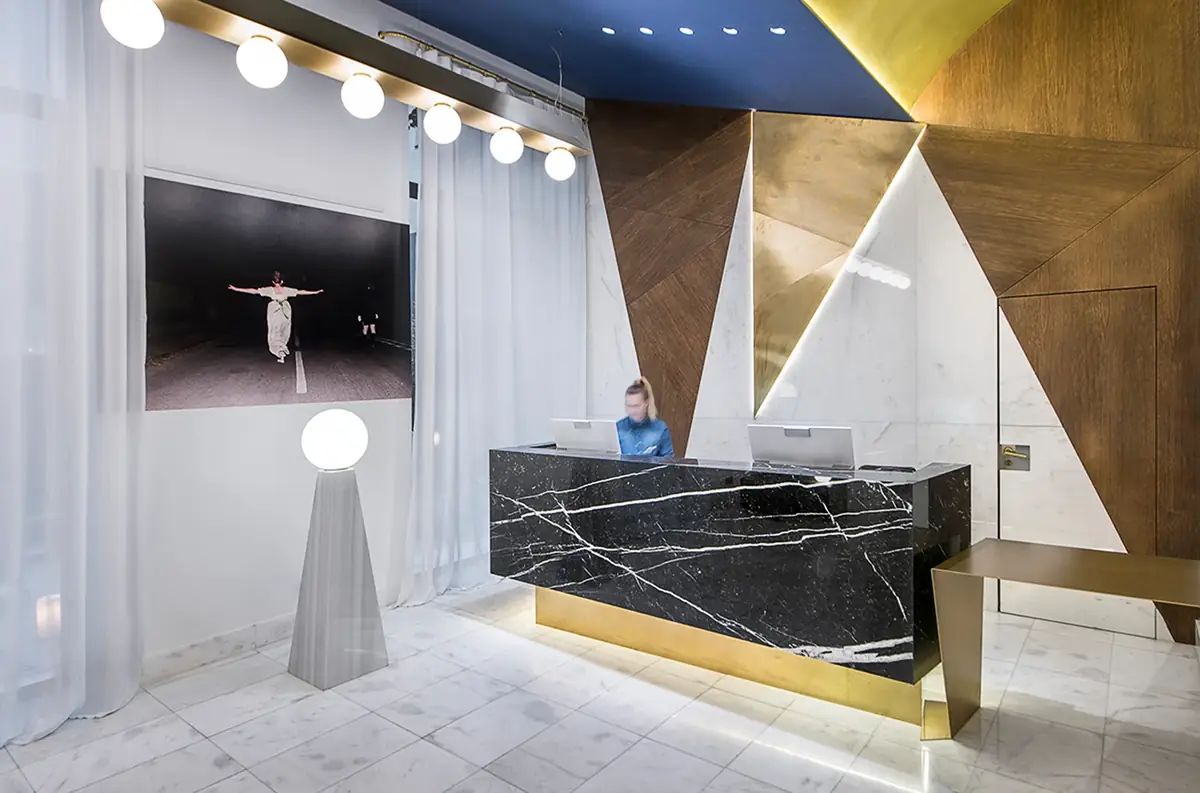
Penélope Tena presented the Thompson Madrid, Hyatt's hotel on Plaza del Carmen, opened in summer 2022, where López y Tena Arquitectos worked on the architecture, the interior design and the relationship with the urban space at the same time. The design is inspired by travel, nature and authenticity, with noble, local materials that reflect the city's identity. One of the stars is Calatorao stone —a black limestone from Zaragoza sold commercially as black marble—, worked in different ways to create visual effects. Textiles and lighting received particular attention to create a warm atmosphere throughout the hotel.
As she explained, in addition to the work on the building, efforts were made to improve its surroundings: a residents' association was formed to push for it, and the city council launched an international competition to remodel Plaza del Carmen. The hotel has a lobby, meeting rooms and a restaurant, the latter designed in collaboration with another team of interior designers, and places the emphasis on the concierge service, which advises each guest on what to see and do in Madrid.
“The hotel reflects how we perceive nature on our travels and how it takes on a new form when it is worked by human hands.”
— Penélope Tena, López y Tena Arquitectos
Historic buildings: preserving memory
Two hotels that start from the heritage value of the building.
Wanna — Hotel Bienvenir, Madrid
Wanna is a studio of graphic designers and strategy consultants that takes a comprehensive approach to interior design: it brings together a project's branding and identity with its interior design to create a coherent, communicative experience. Esther Mengual presented Bienvenir, on Madrid's Gran Vía, the conversion into a hotel of a 1930s building designed by Vicente García Cabrera and Jesús Carrasco Muñoz, for which the studio also developed the brand strategy, naming and corporate identity.
The approach was to preserve the essence of the past, inspired by Art Deco, keeping the original marble, columns and mouldings. The Bienvenir brand wanted to convey respect and affection for the city and give something back to it through the choice of paints and ceramic materials. In the entrance hall, breakfast room and bedrooms, the aim was the greatest possible sense of space and light, with geometric forms and volumes, and furniture was designed inspired by the building's stained glass. Contemporary colours and materials refer to the context and connect the building with the present day.
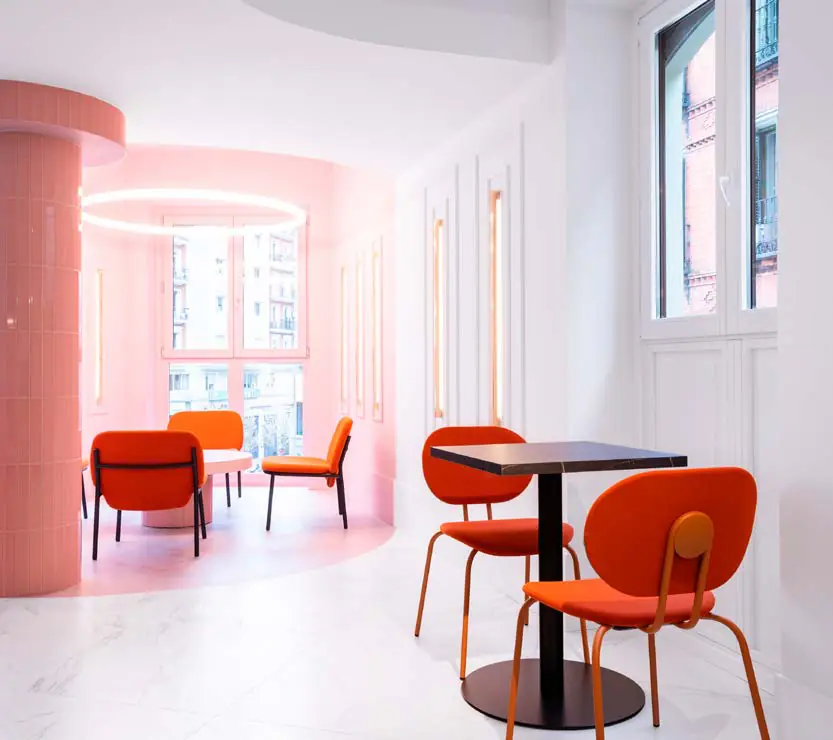
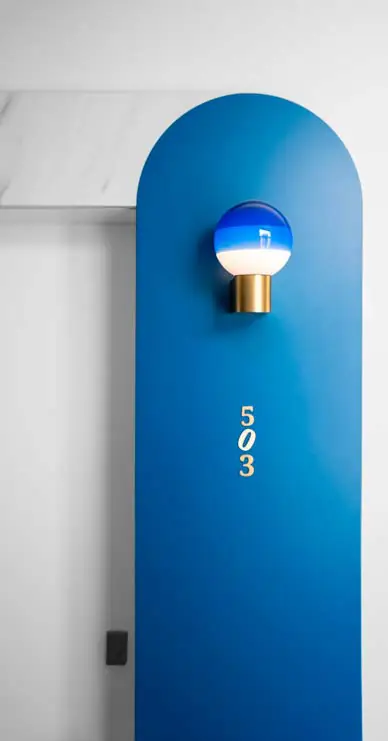
“The ‘Bienvenir’ project seeks to honour the past while creating a welcoming, respectful atmosphere, giving back to the city what we receive from it, through the choice of materials and care in the design.”
— Esther Mengual, Wanna
Aneta Mijatovic — Gran Hotel Miramar, Málaga
The interior designer Aneta Mijatovic highlighted the challenges of working with a city's historic, emblematic buildings. The Gran Hotel Miramar, designed by the architect Fernando Guerrero Strachan and opened in 1926 on the seafront in Málaga, reopened in 2017 as a five-star grand luxury hotel. On the facade, she explained, materials resistant to salt air were used because of the proximity of the sea, and architectural elements that were hard to make out in old photographs had to be recreated, relying on intuition to recover their original colours and details. The French-style ballrooms were restored and recreated to keep the historic essence of the place.
In the bedrooms, a careful selection of fabrics and decoration recreates different settings: evocations of Arabic style, Mediterranean-influenced rooms with marine elements and bright colours, and classic rooms with gilded details and ornate ceilings, personalised down to the last detail. According to Indisa, Aneta Mijatovic designed the rooms together with other decorators, with four atmospheres so that each visit is a different experience.
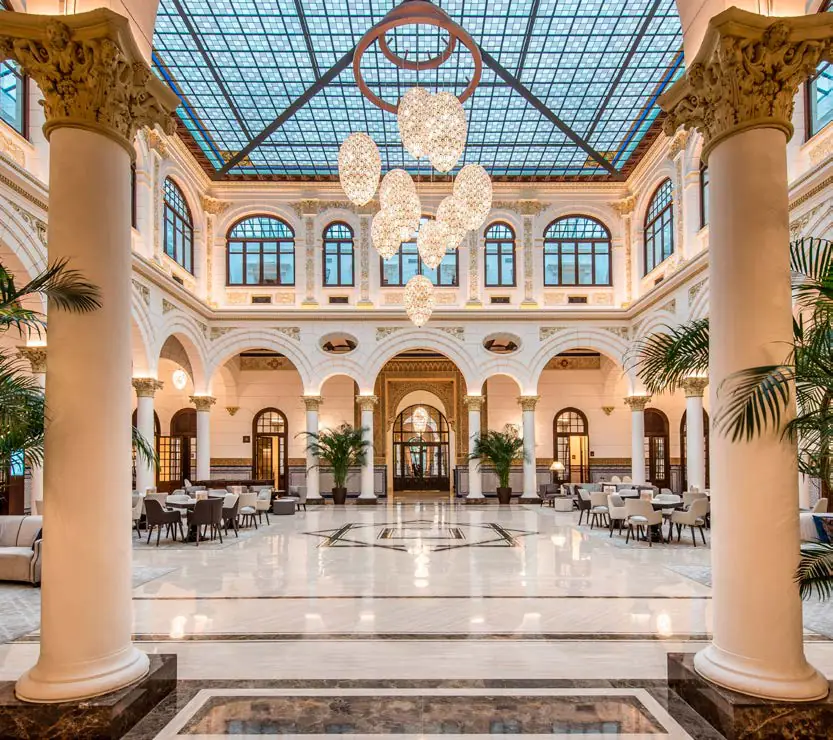
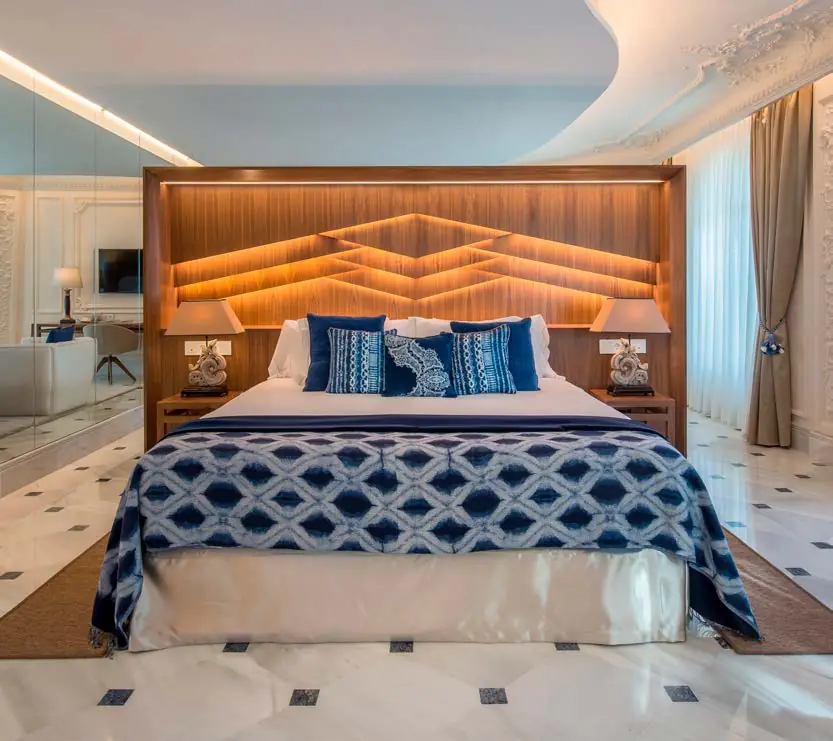
“There are hotels that are a travel experience or, as in this case, a building that can be an experience in itself.”
— Aneta Mijatovic
Telling a story: from Madrid to Tenerife
Narrative as a tool for reinterpreting the setting, in holiday hotels too.
Emili Manrique, of Alfaro-Manrique Atelier —the architecture and interior design studio he runs with Gema Alfaro—, shared two hotels to underline the importance of narrative and of reinterpreting the setting. The first, the One Shot Fortuny 07 in Madrid, belongs to a hotel chain that values design. The challenge was to represent the city authentically: the team studied 19th-century Madrid palatial houses and drew colour and graphic elements from them so that guests could experience Madrid's historical past. According to the studio, the colour palette refers to Goya's tapestry cartoons depicting festive scenes of 18th-century Madrid.
The second is the Labranda Suites Costa Adeje in Tenerife, a resort in an area of heavy mass tourism. The studio reinterpreted the Canarian landscape, taking the island's volcanic scenery and natural pools as a reference, to turn that setting into a meeting place within the hotel. Colours and materials that reflect the essence of the place combine contemporary luxury with natural elements; according to the studio, the 2021 remodelling of the lobby and dining areas recreates a natural landscape indoors.
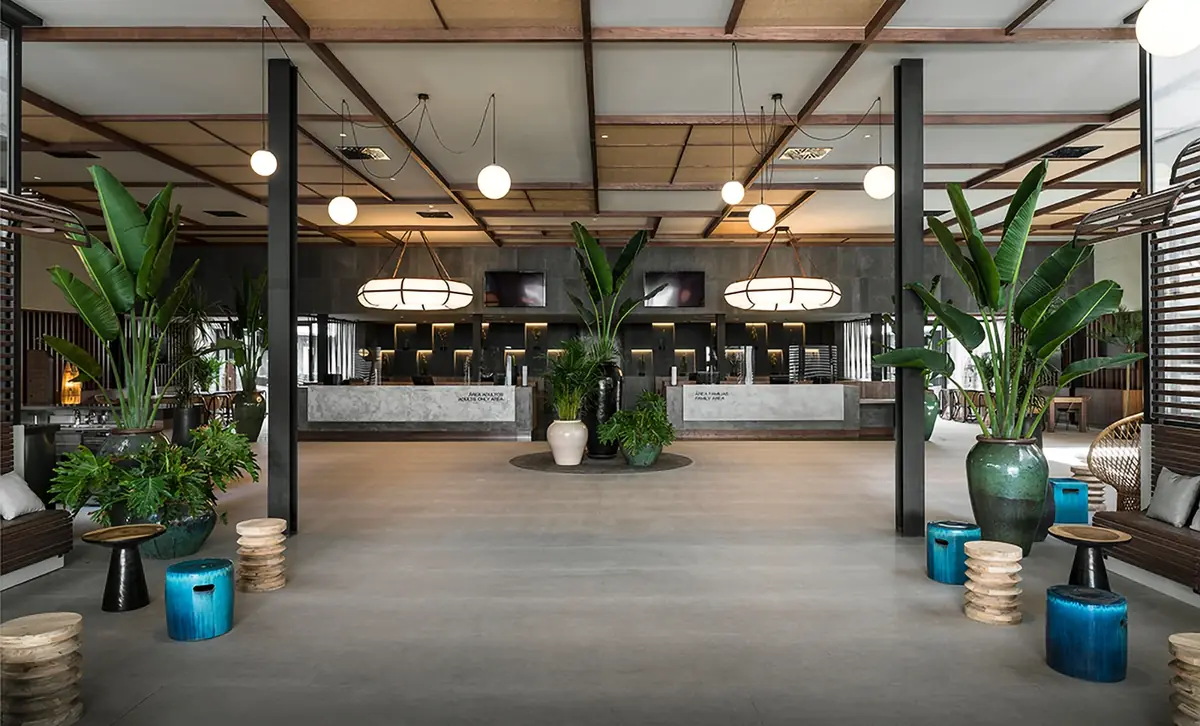
In both projects, Manrique highlighted the value of telling a story through design and creating a memorable experience. Hotel design, he noted, has evolved: today narrative and sophistication are sought in holiday hotels too, not only in urban ones.
“The hotel is a machine for living in, a place of stories, a place of refuge, a place of shelter.”
— Emili Manrique, Alfaro-Manrique Atelier
Holiday hotels: simplicity and local materials
A few well-chosen materials to give identity to a hotel by the sea.
Zooco Estudio — Flamingo Club, Tenerife
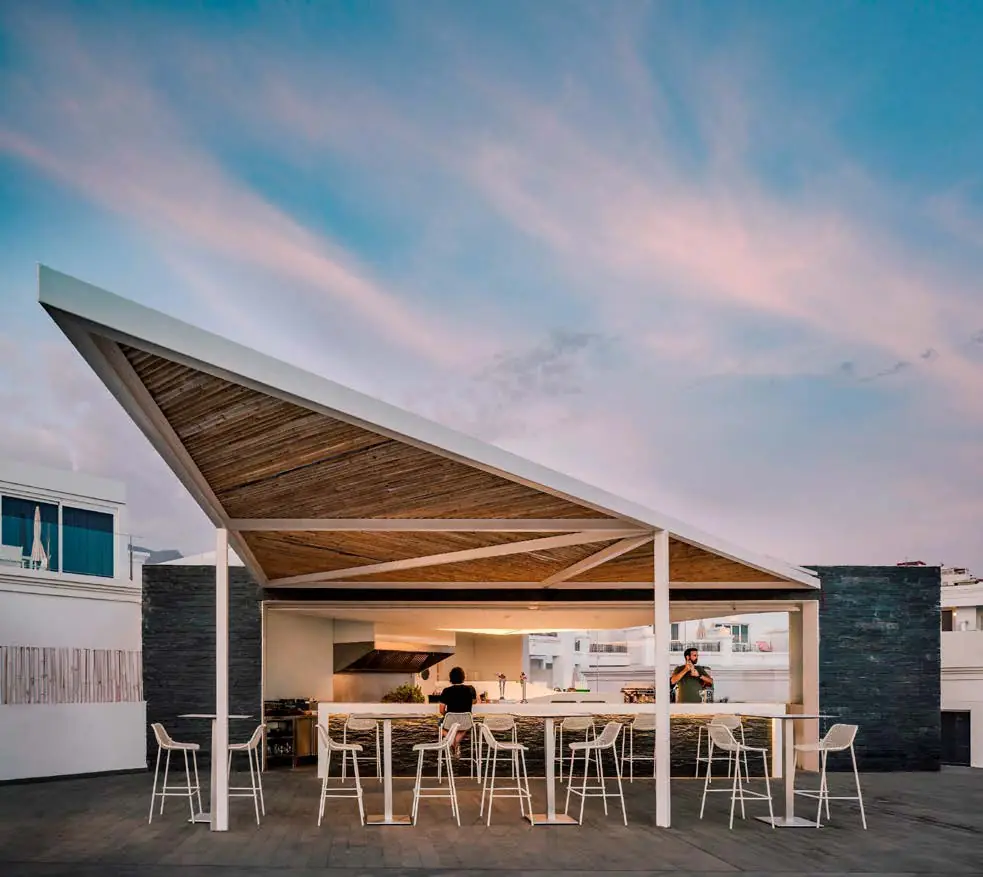
Jorge Alonso Albendea, architect at Zooco Estudio —with offices in Santander and Madrid and architecture and interior design projects at scales ranging from retail to hotels—, presented the remodelling of the Flamingo Club in Costa Adeje (Tenerife). The hotel had been built in several phases, each with a different architectural language. To unify it, the studio drew up a master plan that removed what was unnecessary and recovered the aesthetic the owners were looking for: elegance, wellbeing and exclusivity.
The proposal rests on simplicity: white as the main colour, natural materials such as the basalt stone typical of the area, and elements of bamboo and glass. The project plays with the transition between organic and orthogonal geometries and with changes in height through voids and planes; the restaurant terrace sums up the idea of a white, timber Tenerife. According to the studio, in 2019 the project received the Architecture MasterPrize in the hospitality architecture category and a silver award at the A' Design Awards.
“With a clear idea, a simple idea and few materials, you can represent or create a concept that is easy to understand.”
— Jorge Alonso Albendea, Zooco Estudio
Burondo — Mercure Benidorm
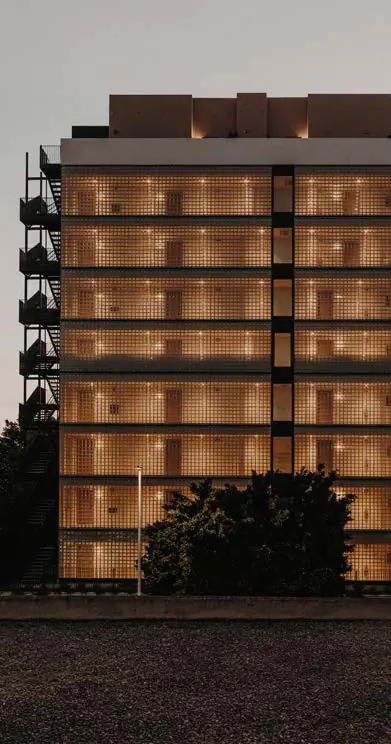
Isabel Blanco, who founded Burondo in 2019 with her sister Beatriz Blanco, explained that the studio was responsible for both the interior design and the architecture of the Mercure Benidorm, although it had initially been commissioned only for the interiors. The hotel, the refurbishment of a 1960s building with 186 rooms, aims to convey serenity and connect with its Mediterranean setting. The starting point was an unusual site, with a neglected garden and views of the Alicante mountains, a landscape the project set out to connect with.
The interior design uses local materials to create an honest, authentic atmosphere: glass block, polycarbonate and natural wood, and lime and stone in the common areas and rooms. On the facades, constrained by location and budget, glass-block lattices create reflections and cover the rear elevations, while on the front elevations the window frames and balconies were upgraded. Taking advantage of Benidorm's unusual planning regulations, five cabins were created on the roof. The rooms include artistic interventions and architectural elements that recreate the sensation of moving from one room to another; according to Hicontract, baths and washbasins were made in clay with local craftspeople.
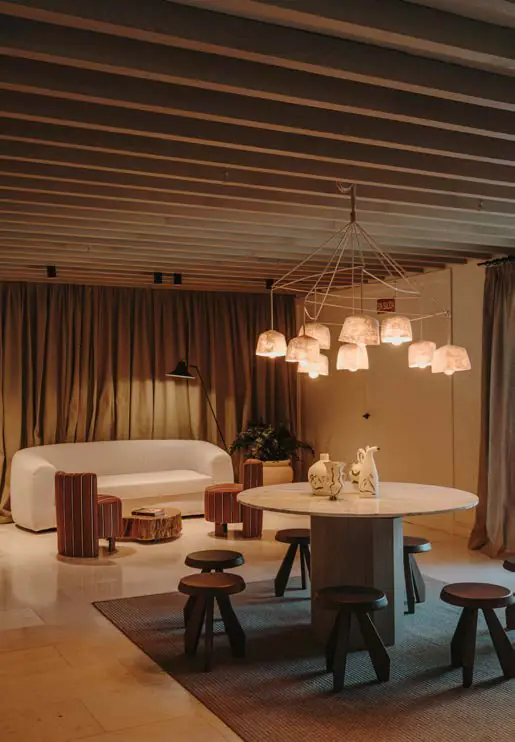
“What we wanted was to create a very calm space, both on the ground floor and in the rooms.”
— Isabel Blanco, Burondo
Lamadrid Contract: technical textiles for hotels
Jose Ramón Mariscal presented Grupo Lamadrid and its products. Lamadrid is a textile editor founded in 1973, based in Barcelona with showrooms in Madrid and other cities. Within the group, the Lamadrid Contract division specialises in supplying flame-retardant materials and fabrics for architecture projects and in advising on everything relating to textiles in contract projects, with durable, easy-to-maintain materials suited to high-traffic areas.
Its catalogue brings together brands of technical, flame-retardant, stain-resistant and high-performance textile solutions for indoor and outdoor use:
- FR-One: flame-retardant fabrics made from inherently FR polyester fibres.
- FibreGuard: high-efficiency stain-resistant technology for upholstery.
- Lamadrid Contract: the group's own brand of textiles resistant to the spread of fire.
This variety gives access to a wide range of options through a single supplier, which simplifies design and specification on all kinds of projects, from hotels to residential spaces. On innovation, he explained, the company offers digital textures of its products to make proposals and visualisations easier, and is committed to incorporating recycled fibres to reduce the environmental impact of its fabrics.
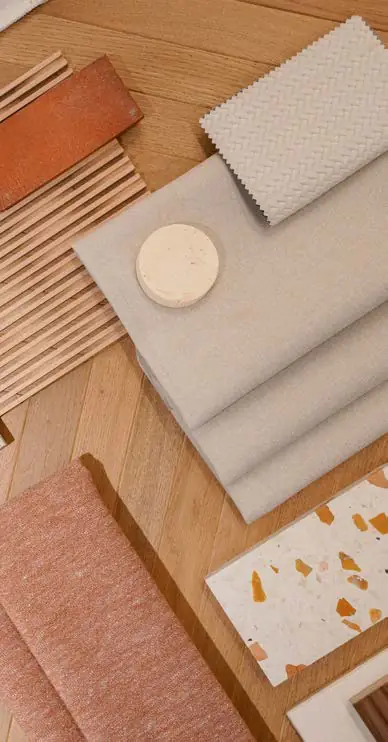
“At Lamadrid Contract our aim is to provide the ideal material that each project needs.”
— Jose Ramón Mariscal, Grupo Lamadrid
Conclusions of the round table
The session closed with a round table that left several ideas shared by the participants:
- The right fabrics: textiles are decisive for the look and comfort of rooms and common areas; they must be durable, easy to maintain and meet safety standards, such as flame-retardant fabrics, with enough variety to suit each style.
- All the senses: the contemporary hotel speaks not only to sight and touch but also to hearing, smell and taste; scents, music, materials and decorative elements influence guests' mood and perception.
- Sustainability: environmentally friendly materials and technologies, such as recycled fabrics, efficient lighting and sustainable waste management, which are also valued by guests increasingly aware of the climate emergency.
- Natural, authentic materials: wood, stone and natural fibres connect with nature, convey calm and age better.
- Consistency with the place: the hotel is a place's first ambassador; the project must be consistent with the values of the hotel and its surroundings, and attend to every detail so that every interaction is memorable.
The idea of the hotel as a place of connection with nature reinforces the need to use natural, local materials to achieve a respectful, rooted project.
Full document and sponsorship
The full document brings together the event's reflections and conclusions, with images of the projects presented and key points for selecting the textile elements of a hotel project.
Thank you to all the speakers who made this event possible and to Lamadrid Contract for its sponsorship, which encourages the exchange of knowledge between professionals and industry.

The events in the Best Practices Matter series offer a space for dialogue in which architects, interior designers and industry exchange experiences and opinions on significant projects. They are part of Matter's work as a materials consultancy for architecture and interior design projects.
Book your visit to Matter to discover our Materioteca and talk about the materials for your next hotel project.
Book a visit