Lucas y Hernández-Gil
Cristina Domínguez Lucas and Fernando Hernández-Gil explain how their studio and Kresta Design work with collage, colour and material.
InterviewsWorkflows That Matter44 of 586 min read
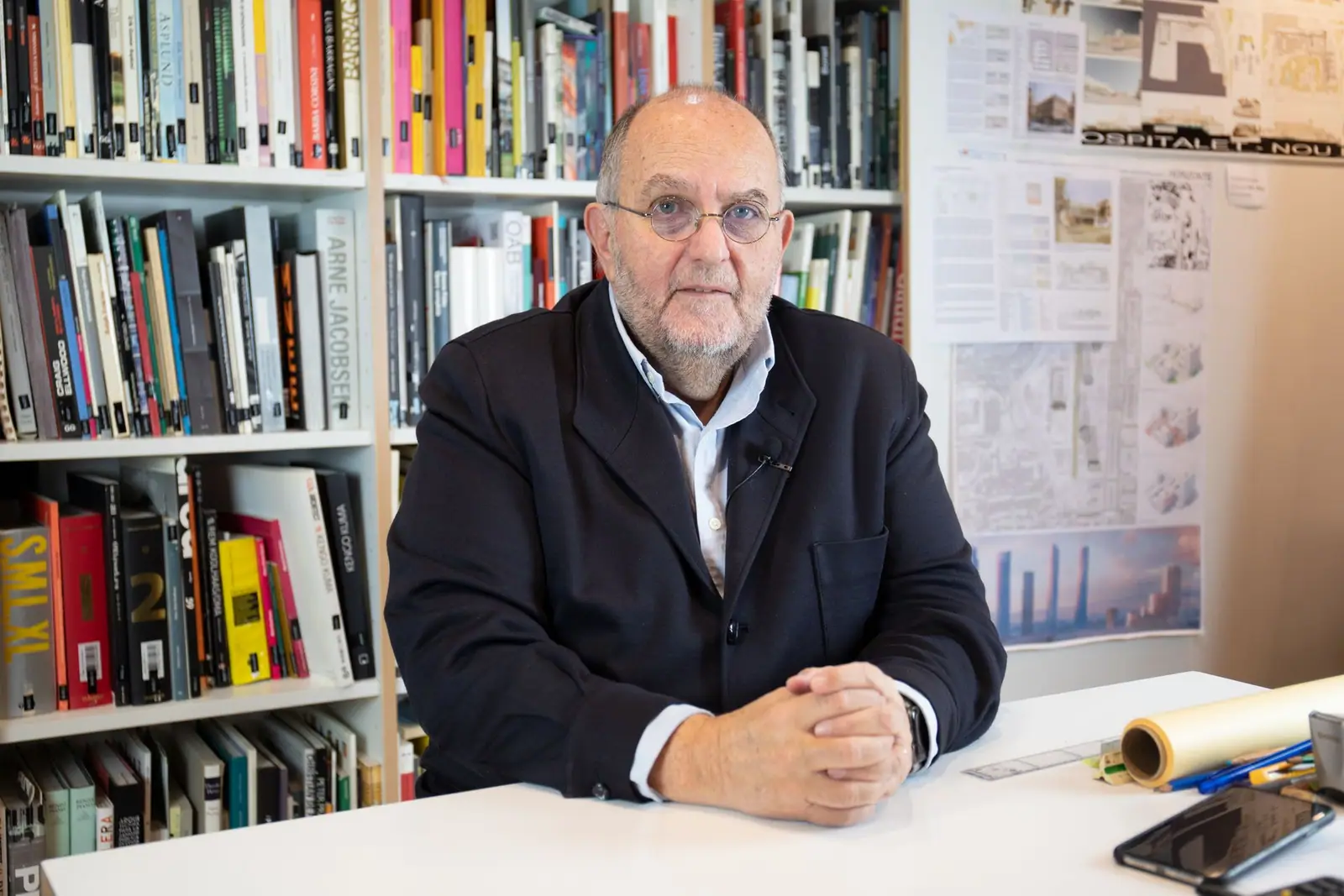
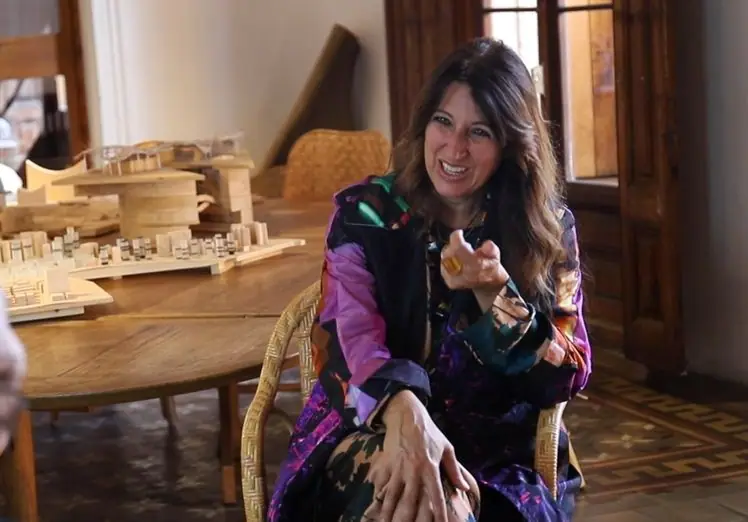
Cristina Domínguez Lucas and Fernando Hernández-Gil Ruano, architects who graduated from the ETSAM, founded Lucas y Hernández-Gil Arquitectos in 2007, a Madrid-based studio working on architecture, interior design and design projects. In 2009 they launched Kresta Design, their furniture brand. Since then they have sought, as they put it themselves, a different point of view, with a mix of curiosity, intuition and craft.
In this edition of Workflows That Matter we talked to the two architects about the studio’s values and aims and its working process: how they complement each other, how Kresta Design came about, why collage is their tool for communicating a project and what role colour and material play from the very first sketch.
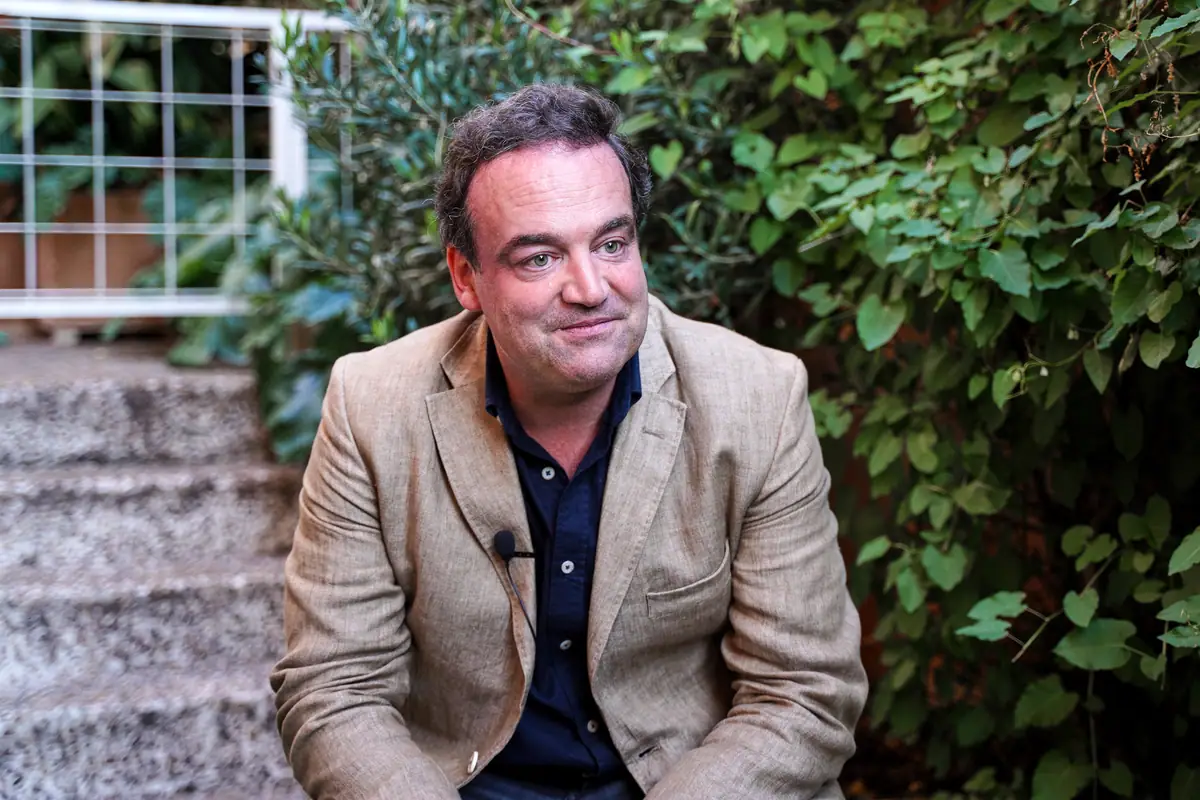
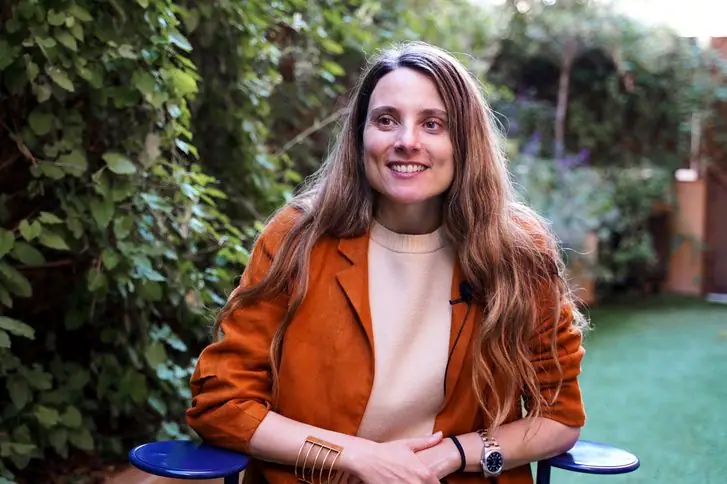
Lucas y Hernández-Gil: from architecture to object
The studio identifies with the craftsman’s work ‘imbued with play’ described by Richard Sennett, and sets out to discover in each project a story in which all the pieces fit. Its work ranges from housing to restaurants; the projects illustrating this interview include Casa A12 (2018-2019) and Casa P82 (2017-2018), two homes in Madrid, and CP, a restaurant in Seville (2017-2018).
According to the studio, its work has received, among others, the AD Award 2020, the COAM Award 2020, the FRAME Award 2019, the 2019 award from T Spain Magazine (The New York Times Style Magazine Spain) and the IED Award 2018; it was a finalist for the FAD Awards in 2019 and 2020 and was nominated for the Mies van der Rohe Award 2022.
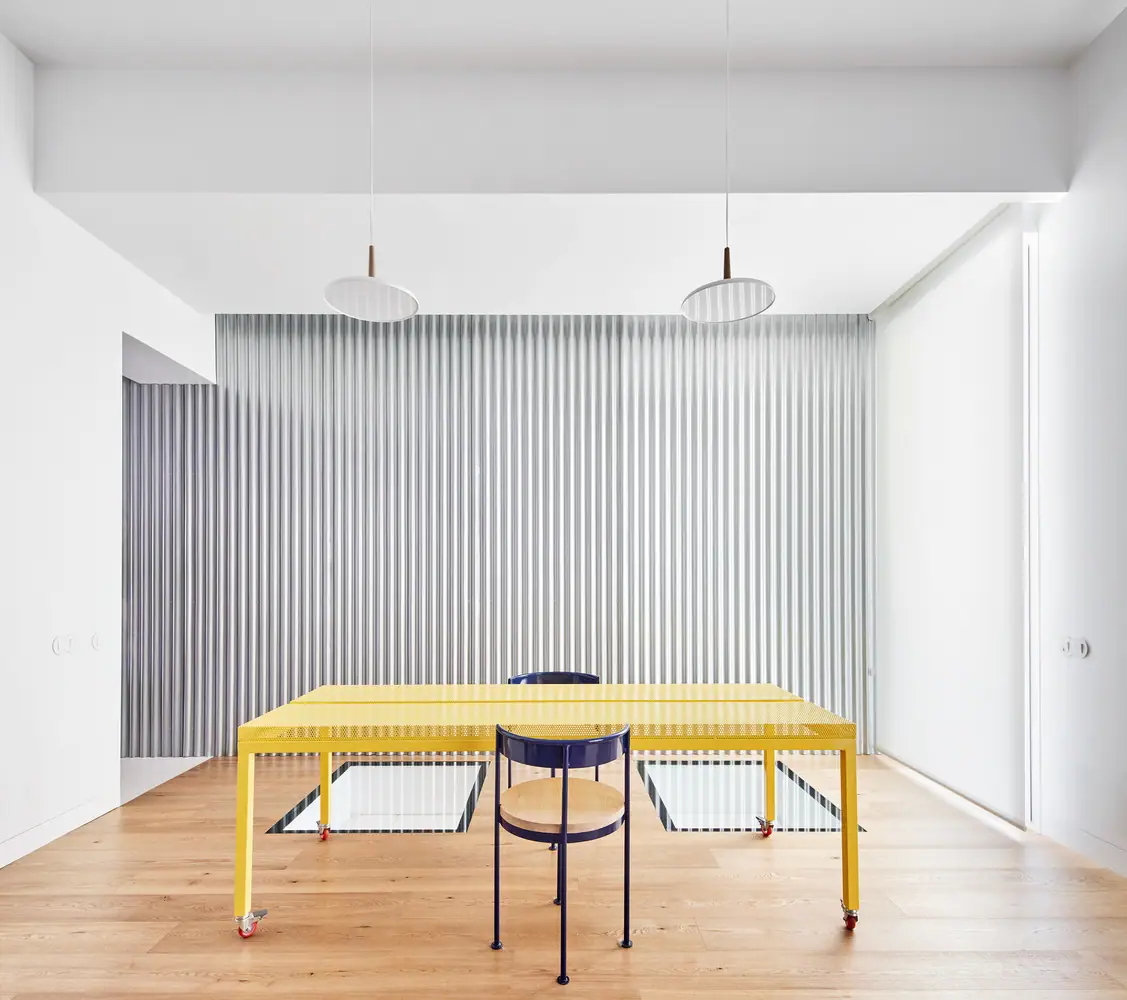
Kresta Design was born, according to the brand itself, from the collaboration between the two architects. Its website currently presents the Agustine, Casas, Filippa and Genuine collections, and the brand states that all its pieces are handmade in Spain. As Cristina explains in the interview, the first pieces were created to give character to the studio’s own projects.
Head, heart and future
What would you say are the values that define your practice?
Cristina Domínguez Lucas: “The values we want to reflect in each project form a triad of three elements: head, heart and future. The head is reason; the heart is emotion — a search for every project to have intensity and to reach the client and the city; and third, the future: we like to ask questions and try new things. It is our triple commitment.”
A craft practice
As a duo, Fernando and Cristina, how do you complement each other?
Cristina Domínguez Lucas: “We have known each other since we were small and we grew up together, so it is a pairing that complements itself very well. But above all, we are lucky to have a great team that we work with every day and with whom we share our designs. Each project is an ongoing conversation and an evolution of previous projects.”
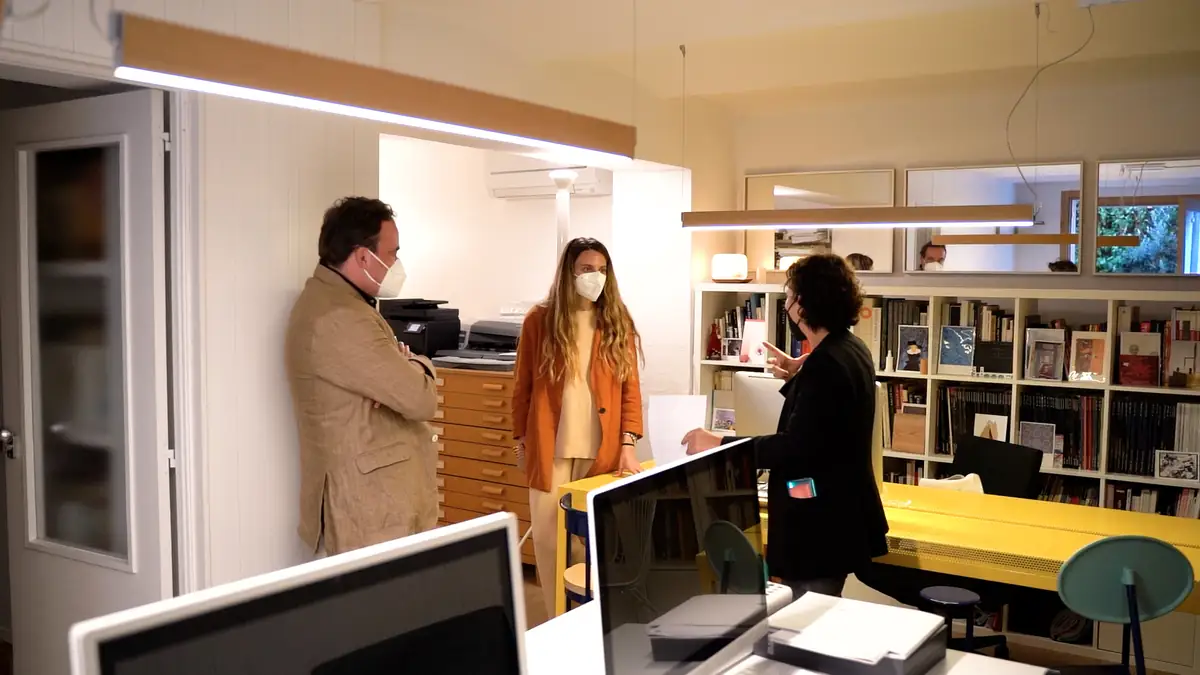
Fernando Hernández-Gil: “We are an entirely craft-based practice. It has more to do with a tailor’s workshop than with the organisation of a traditional company. In that sense, we have no fixed hierarchy, because as a small team everything ends up working like a conversation in which we are all involved, and in which we collaborate with different professionals, craftspeople, manufacturers and industries, seeking to build fruitful relationships that add to the project.”
“We are an entirely craft-based practice. It has more to do with a tailor’s workshop than with the organisation of a traditional company.”
— Fernando Hernández-Gil
Kresta Design: furniture born of projects
Could you explain how Kresta Design came about?
Cristina Domínguez Lucas: “In our effort to reach every phase of a project and explore every scale, the opportunity arose to develop some furniture collections. That is when Kresta Design came about. At first we were adding small pieces that brought personality and in some way activated the projects. And what began as a few one-off pieces has developed, and they are like characters that have come to life and are travelling the world. We are very happy.”
Collage as a design tool
We would love to know more about your creative process. How do you approach giving your projects material form?
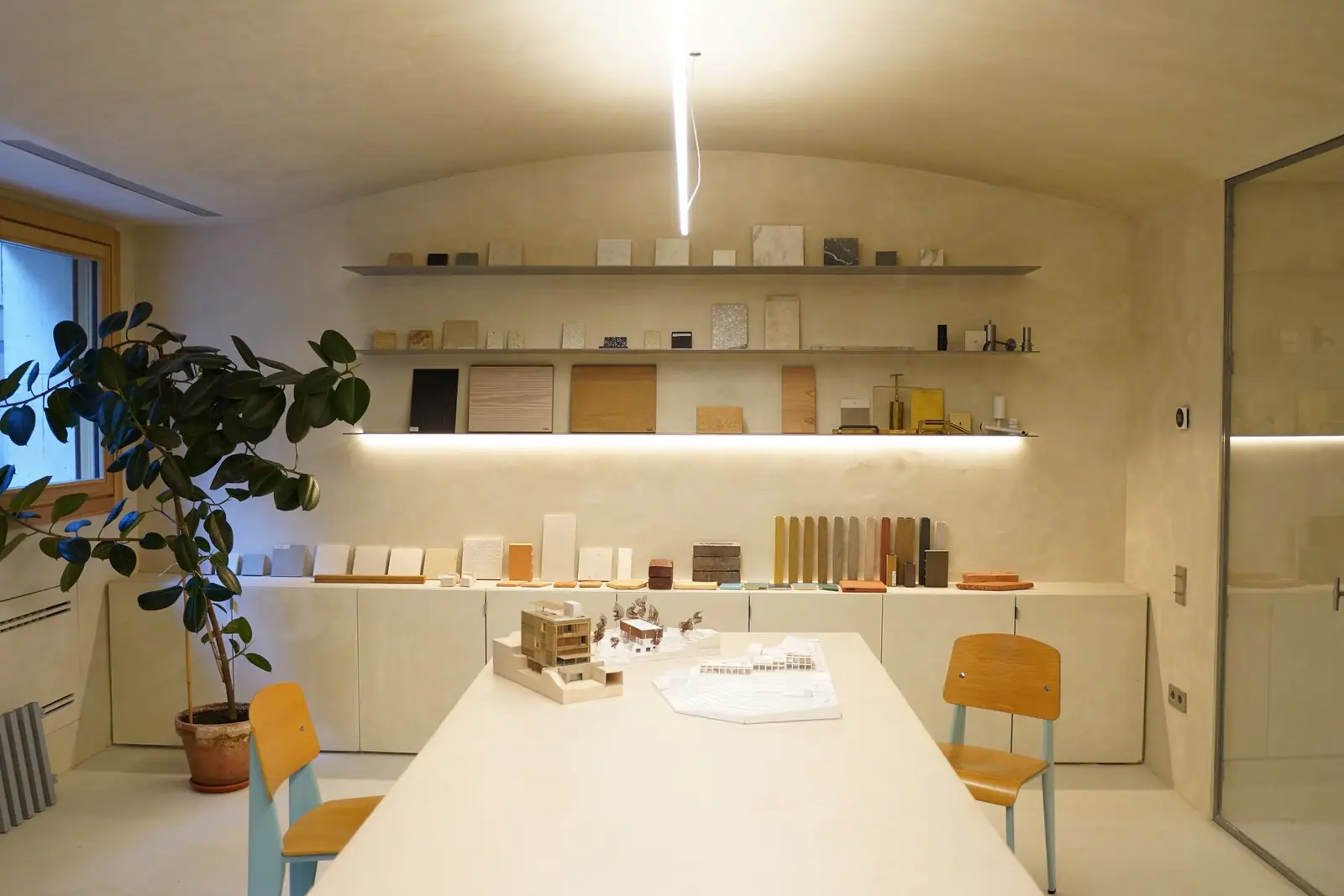
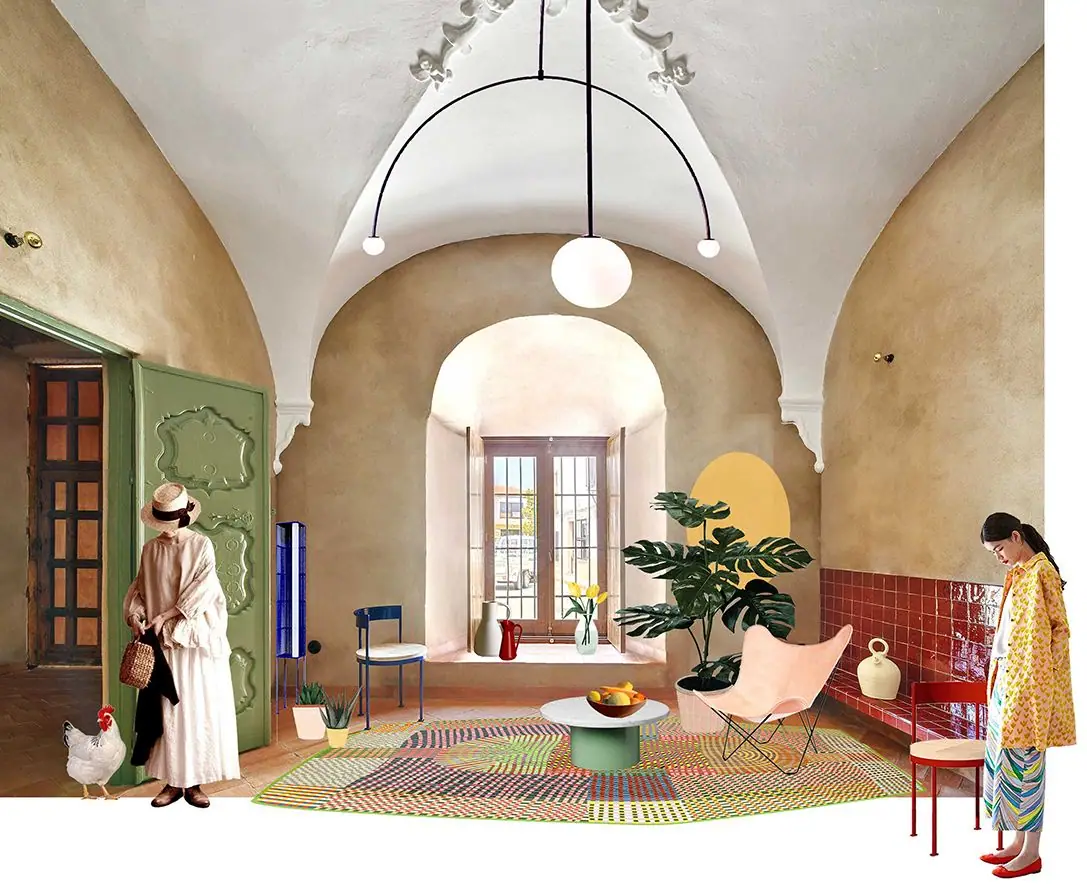
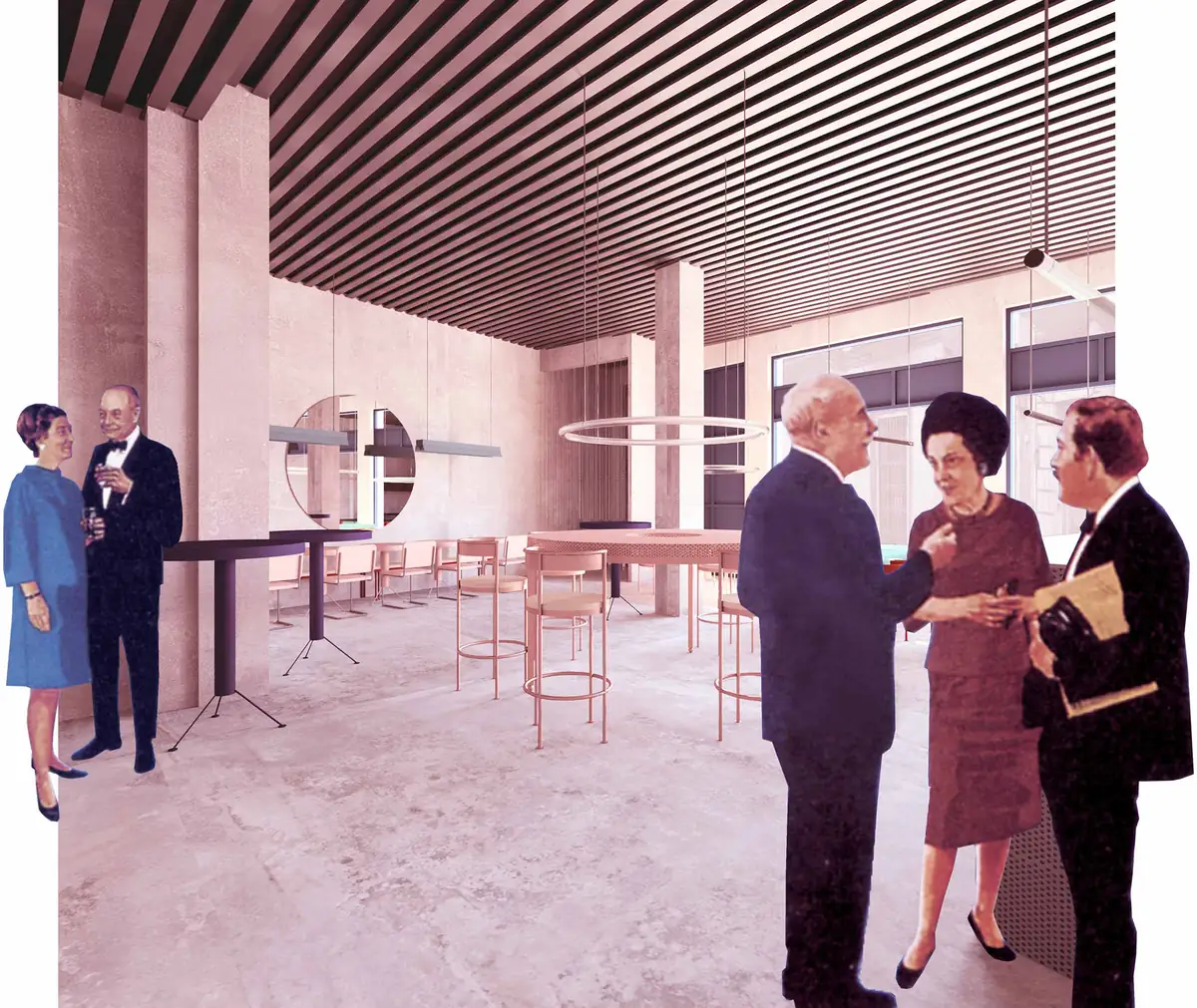
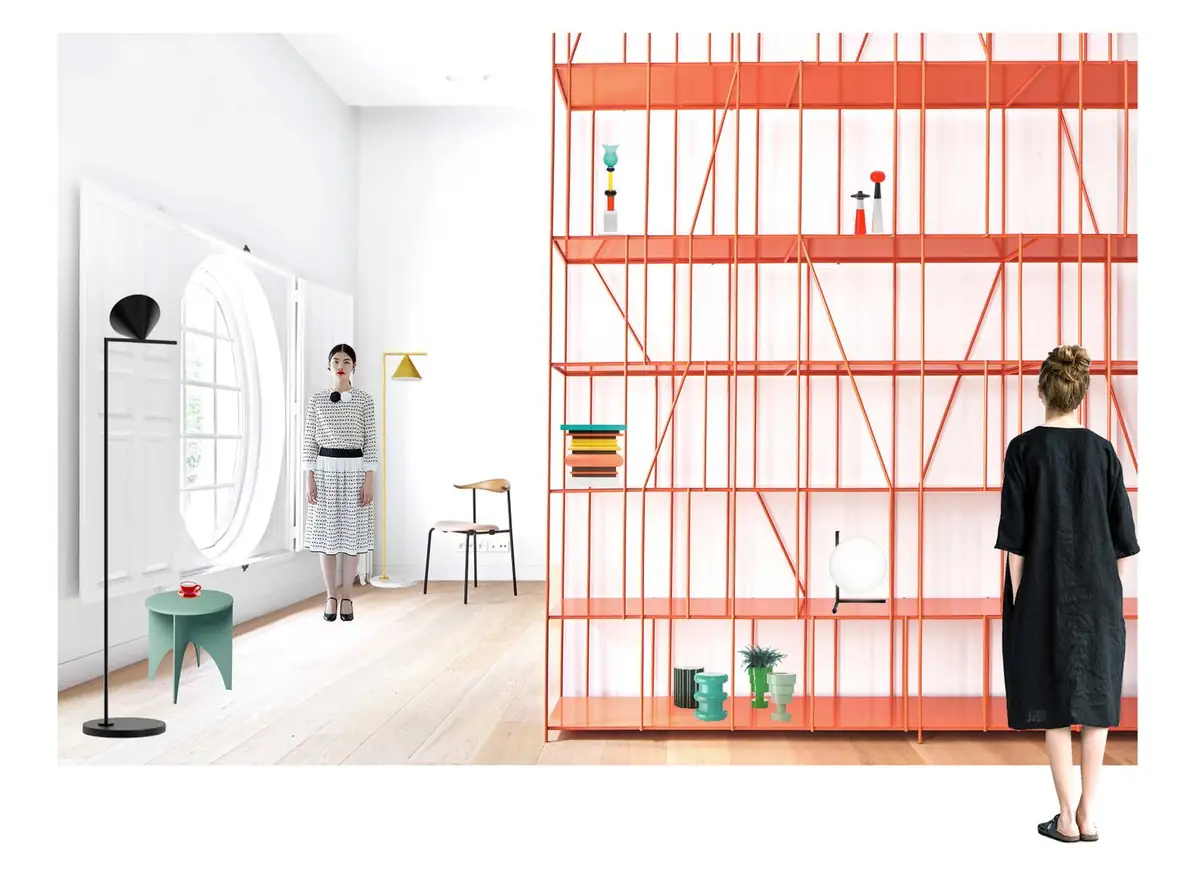
Cristina Domínguez Lucas: “We always carry folders of materials around with us, which we use as a resource for making collages. For us, collage is a very tangible tool, and it lets us give projects a domestic scale and humanise them by adding figures, materials and so on. That way we can assess what works and what doesn’t, and try out combinations to recreate what we have in our heads, which is sometimes hard to convey to the client. It also lets us show them something more tangible.”
Fernando Hernández-Gil: “For us, the relationship between projects and material is key. Whenever we start a project we attach great importance to context. We mean context in a broad sense: both the physical context and the means you have available to work in a particular place. For us, materials and colour are the basic tool for building atmospheres. From the beginning, when we establish the main ideas and the memorable image (as we usually call it) that will be the project’s common thread, the material is already there. It is key in any project, whether new build or rehabilitation.”
Colour, a dynamic tool
Along those lines, what is your relationship with colour?
Fernando Hernández-Gil: “We understand colour as having a fundamental psychological dimension in projects. Colour changes the perception of space; for us it is a very important tool. It is not about colour having an overwhelming presence; it can be something very subtle, through furniture or objects that can be moved around. We use colour as something dynamic, a very powerful tool for bringing projects to life.”
Drawings with references to Rothko and Bachelard
Your drawings are artistically very rich. How important are they in your projects?
Fernando Hernández-Gil Ruano: “It is a resource we often use: play, contrast, the duality of objects, like the interplay between the upper and lower floors, which we even express in the colour palette. Rothko’s landscapes are a reference for us. We also refer to Gaston Bachelard’s archetypes, since we attribute that psychological dimension to the house. We play with the presence of very abstract pieces of furniture that suddenly inhabit a completely open-plan space.”
Material as the starting point
How do you see the importance of material? Where does your relationship with material begin?
Fernando Hernández-Gil Ruano: “The relationship with material is key. For us, materials and colour are basic tools for building atmospheres. They are the basis of what we call the project’s memorable image. We always think everything through from the material, and we believe it is what will later give coherence to the final result.”
The next five years
Where do you see yourselves five years from now?
Cristina Domínguez Lucas: “We would like to carry on with the same attitude. We love our work and devote a huge amount of time to it. We believe it is better to do fewer projects, but more intensely, focusing all our energy on them, with a great sense of responsibility towards the environment. In five years I see myself in the studio, along the same lines we are working on now. With commissions in different places that let us get to know other cultures and other materials better.”
Fernando Hernández-Gil Ruano: “We don’t see ourselves doing very different things. Perhaps we will work abroad more. We are becoming more international and we would like to work in different countries and keep expanding. I would go on enjoying the work as I do now. You can always do something that contributes, and we like to see that we add something. We understand the profession as a support for collective experience and a form of scientific growth.”
“We believe it is better to do fewer projects, but more intensely, focusing all our energy on them, with a great sense of responsibility towards the environment.”
— Cristina Domínguez Lucas
Lucas y Hernández-Gil at Matter
Two days before this interview we published in the Journal the Workflows Project devoted to Casa A12, the home in which the studio transformed a former commercial premises in Madrid. It is the project with the Table Genuine 9 and the interplay between the upper and lower floors, with references to Rothko and Bachelard, that Fernando talks about in the conversation.
At Matter we support architecture and interior design studios in choosing materials, finishes and colour for each project.
Book your visit to Matter and we will help you choose the materials for your next project.
Book a visit