Business strategies
Seven architecture studios share at Matter the business strategies that have worked for them, and eleven paradigm shifts for moving from workshop to company.
EventsBest Practices Matter2 of 1212 min read
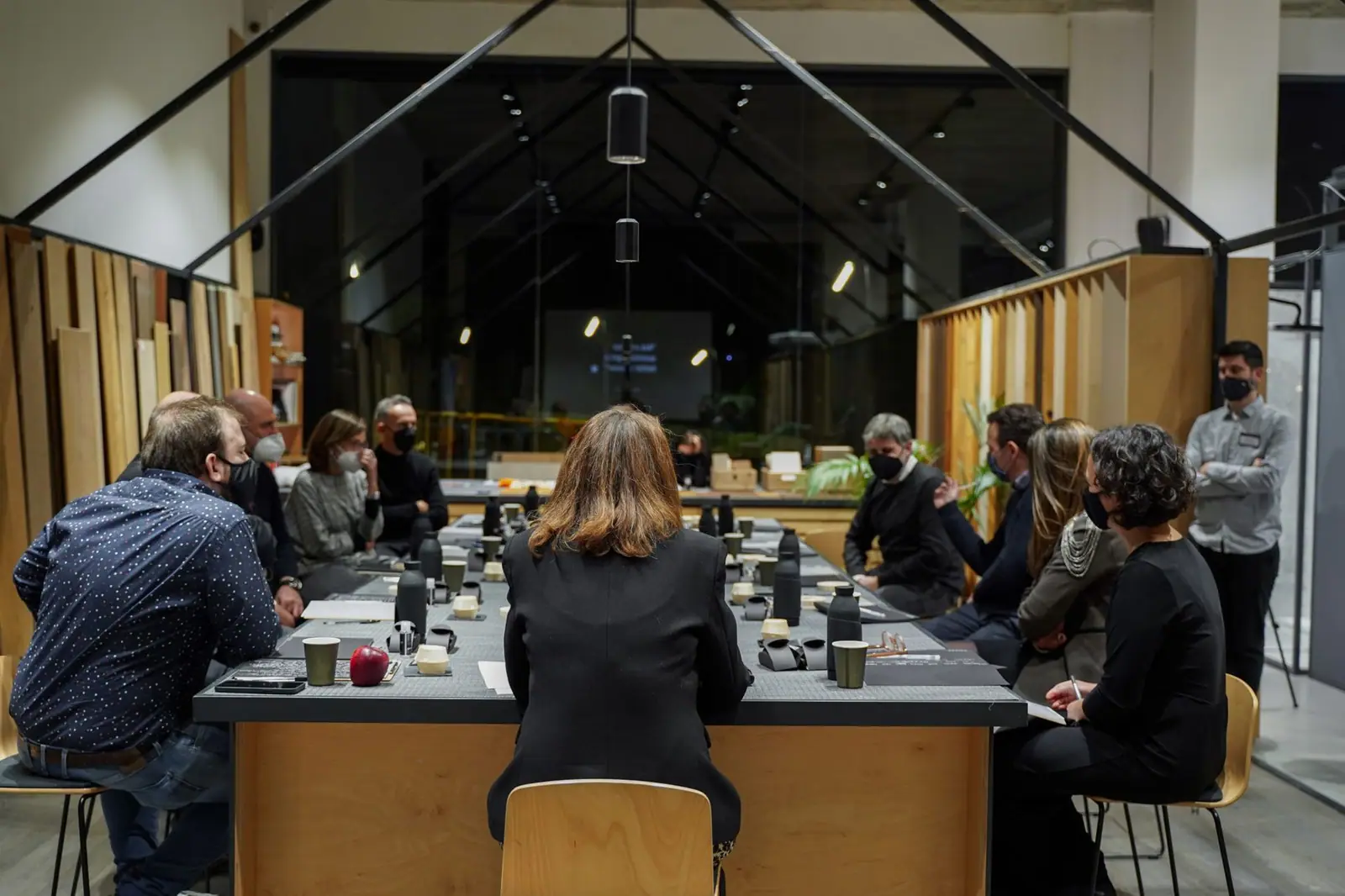
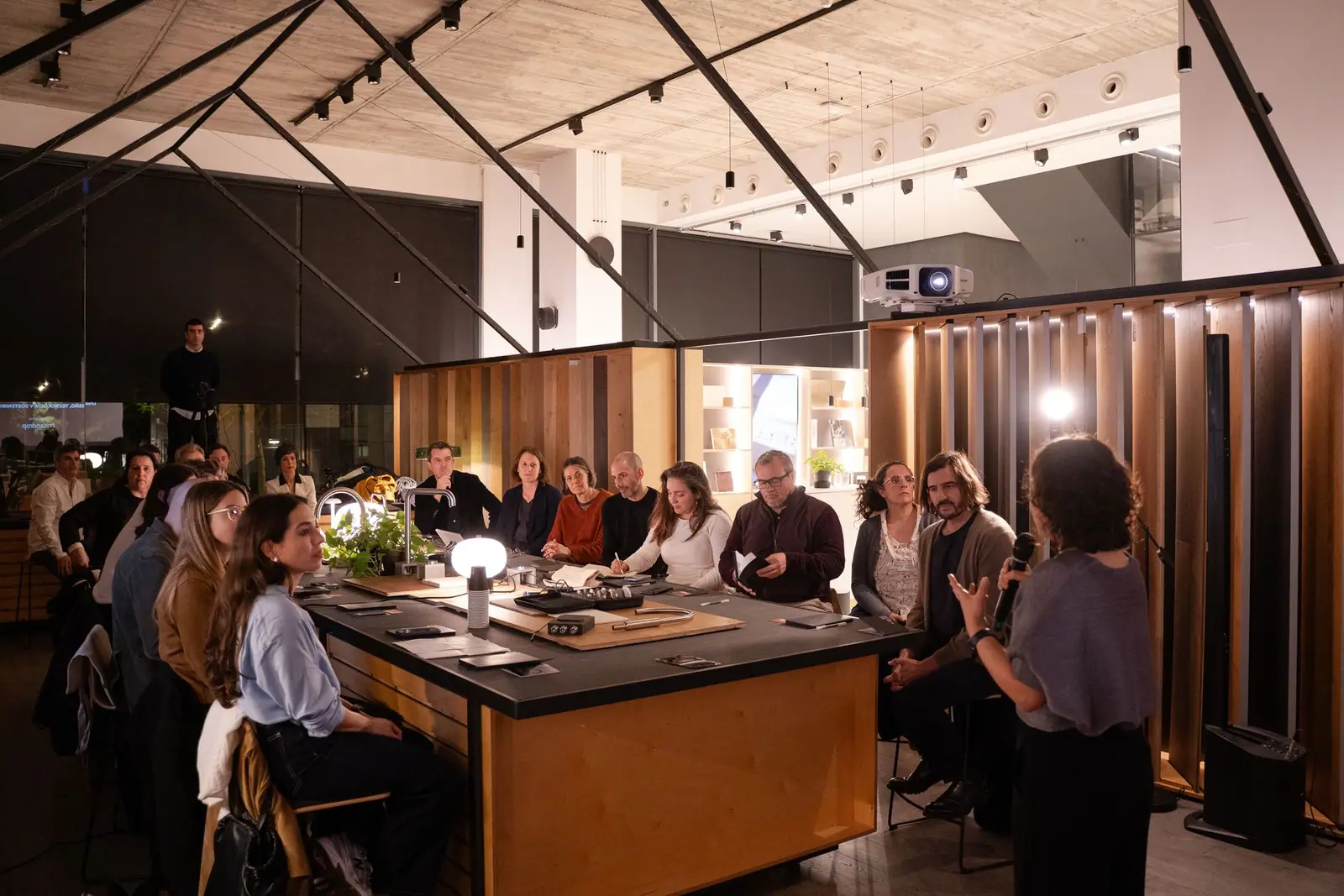
On 20 January 2021 we held the second meeting of the Best Practices Matter series at the Sala Matter, devoted to “successful business strategies in architecture studios”. Seven studios —PINEARQ, DNA Barcelona, 2BMFG Arquitectes, Ramón Esteve Estudio, Aquidos, G4 Group and IDOM— shared the decisions that have allowed them to grow, adapt to crises and keep making architecture. The meeting was sponsored by LafargeHolcim and featured Elena Orteu, founding partner of Search & Drive.
The session carried a subtitle that ended up being its conclusion: “The new paradigm”. Here we summarise the case each studio presented, the eleven paradigm shifts that emerged from the debate and LafargeHolcim’s talk. At the end you will find the summary video, the graphic recording of the meeting and the full document as a PDF, a useful tool for studios looking to evolve and improve their business approach.
A meeting to share what works
Best Practices Matter meetings offer a space for dialogue in which architects exchange knowledge and experience on topics of shared interest, to discover new perspectives together and contribute to the evolution of the sector. The aim of this edition was to pool the success stories each participant had applied in their studio as a business strategy.
Jordi Antonijoan, CEO of Matter Barcelona, opened the session with Matter’s own case, then a three-year-old company. He explained that, when choosing the materials for a project, 70% of the time we tend to turn to the ones we already know, because there is no shared knowledge network. Matter began as a materials shop aimed at specifiers, with events, workshops and training; as it grew, manufacturers went from suppliers to clients, and the new challenge was Matter Hub, a consultancy service for architectural solutions that draws on every project it works on.
“If everyone contributes one idea, we will leave here with lots of ideas”
— Jordi Antonijoan, CEO of Matter Barcelona
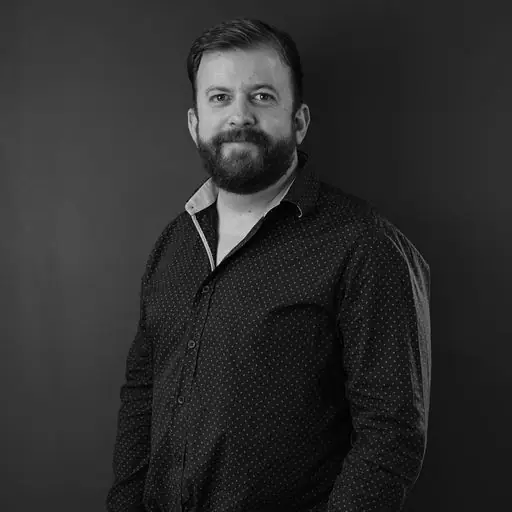
Speakers
Seven architects, seven studios and seven strategies, together with the sponsoring company and Search & Drive.
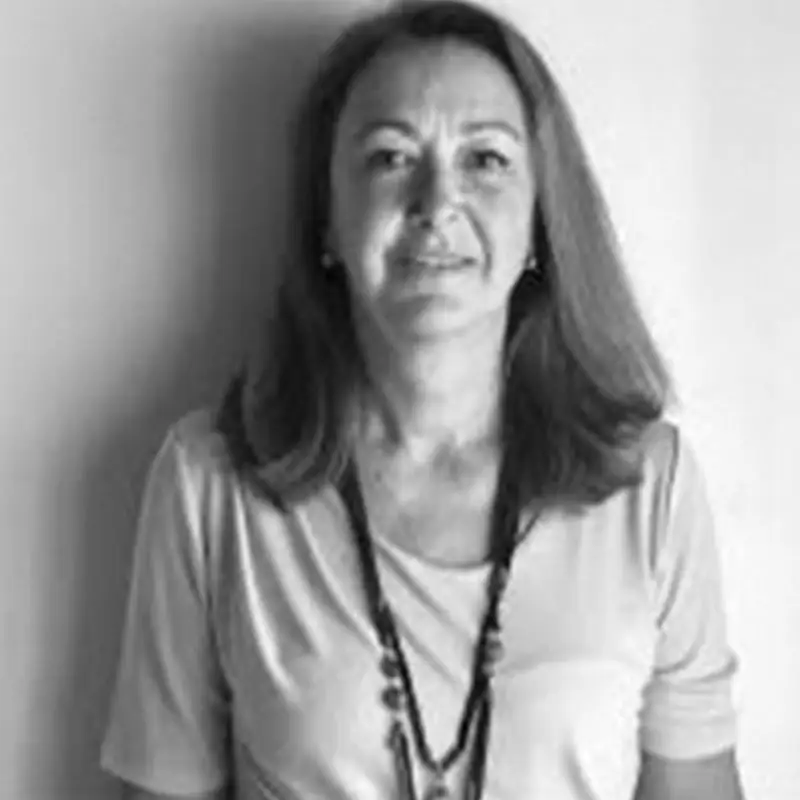
Seven studios, seven business strategies
Each speaker explained the case that has made their studio evolve.
PINEARQ: from specialisation to diversification
PINEARQ originally specialised in hospitals and today describes itself as a studio specialising in buildings for health. Albert de Pineda explained that this evolution was possible because the hospital is one of the first hybrid buildings: it contains a car park, an auditorium, a cafeteria and even a university centre. The knowledge gained through the specialism has allowed them to take on other building types. The team is very stable and cross-disciplinary —“people in the practice know how to do everything from a car park to an operating theatre”—: a team of non-specialists in a specialist practice.
Its other strategy for keeping work going has been to balance its domestic and international portfolios, to avoid the peaks that construction repeatedly suffers in Spain. Abroad they always work with a local partner who contributes knowledge of the place, while the studio contributes its more than 25 years of experience; working abroad also enriches its own way of doing things.
“The most important thing in a practice is the cross-disciplinary nature of knowledge”
— Albert de Pineda, founding partner of PINEARQ
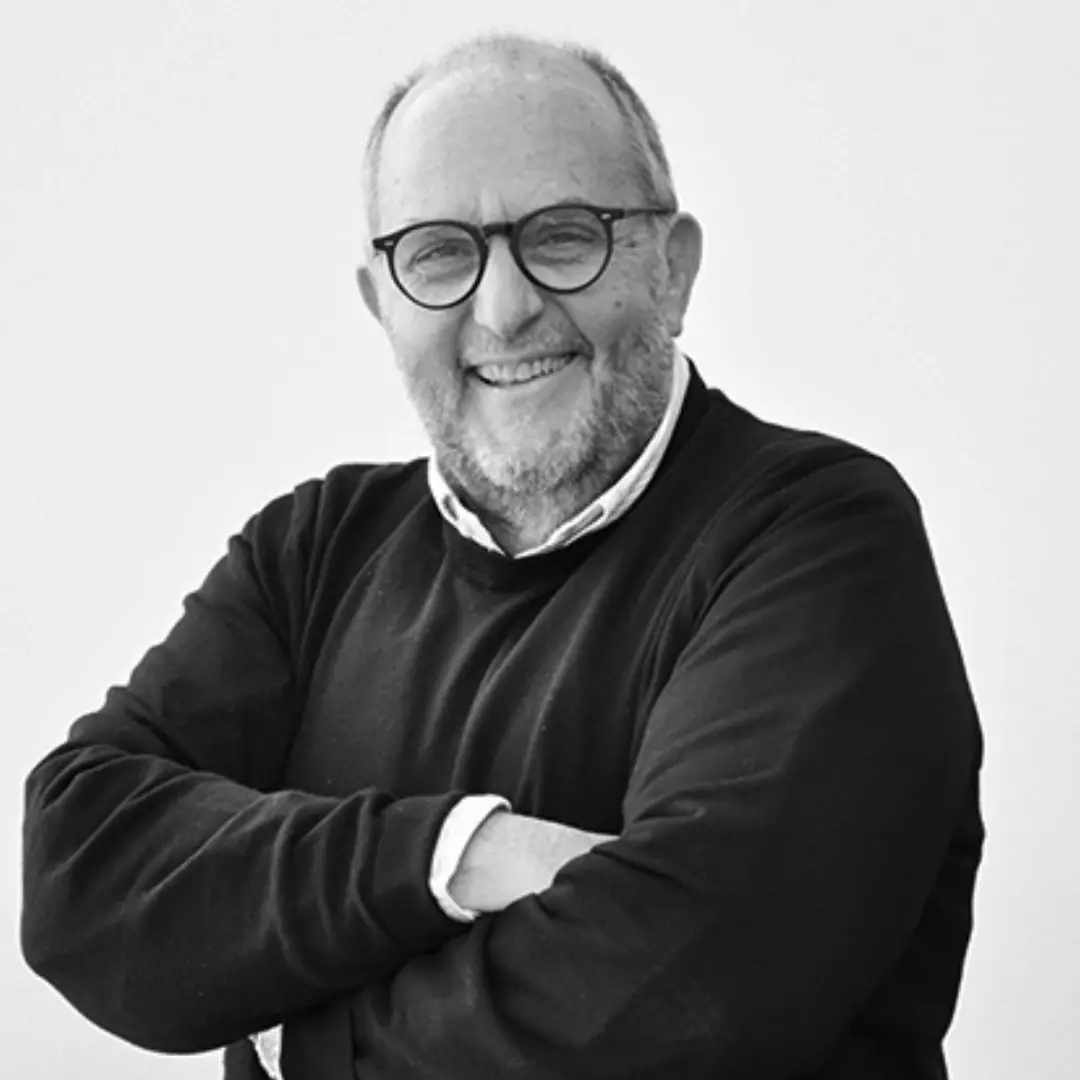
DNA Barcelona: brand, innovation and cost control
DNA Barcelona places brand creation at the centre of its strategy: “that brand gives our company added value”. Specialisation and a design signature of one’s own are what distinguish one studio from another, and innovation goes hand in hand with that brand. The studio researches new technologies and construction systems through its DNA Lab division, an added-value service for clients and a source of in-house knowledge, with a young, multidisciplinary team.
Communication and marketing are vital for DNA: an active presence on social media and architecture platforms, awards, lectures and national and international events, a policy that has brought them new projects. They are committed to “glocalisation” —being global while thinking and acting very locally—, continually review their roadmap (action, development, innovation and leadership) and monitor the studio’s expenses quarterly by allocating them to each project, which makes it possible to measure the efficiency of teams and projects.
“Innovation and design are tied to that brand creation”
— Aryanour Djalali, CEO of DNA Barcelona
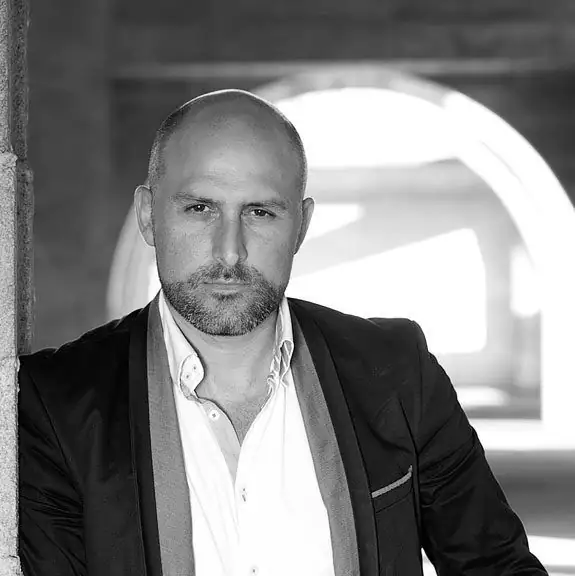
2BMFG Arquitectes: automated processes and data-driven management
2BMFG is a second-generation practice. From its founders —among them Carles Buxadé and Joan Margarit— it inherited know-how, a way of working and a highly personal studio with great inertia. It had always been committed to innovation and technology; the new generation of partners added eco-design and, to the pursuit of architectural quality and client satisfaction, added business viability. The strategy was to establish procedures that automated processes as far as possible with the help of technology, in several stages:
- 2004: protocols and management software; from a personal practice to group work, with parameterised and analysed projects.
- 2012: adoption of BIM and collaborative work with programs that “talk” to each other.
- 2014: ISO certification, with process records and continuous improvement.
- 2018: strategic plan to redefine the business model.
- 2020: commercial expansion plan.
This evolution, Àgata Buxadé explained, has allowed them to move “from managing on the basis of subjective opinions to managing by analysing objective, verified metrics”.
“Automating processes with the help of technology has been a successful strategy for us, one we have been developing over the last 15 years”
— Àgata Buxadé, founding partner and managing director of 2BMFG Arquitectes
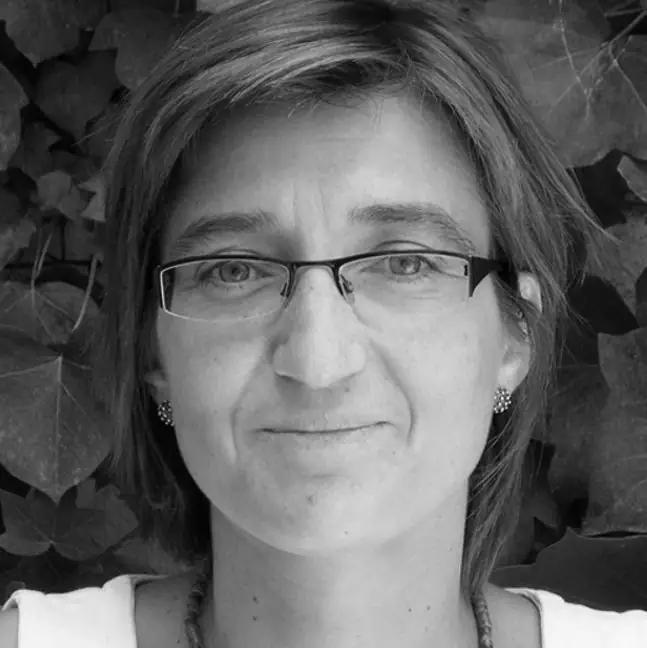
Ramón Esteve Estudio: communicating so that people find you
Architects, Ramón Esteve explained, have traditionally thought that it was enough to do good work for someone, some day, to find us; the reality is different, and you have to go out and look for clients and communicate with them. A project in Ibiza from 2000 sums up what the studio would become: architecture, interior design, furniture design and communication, with international publication. Since then they have worked on a multisensory architecture and conveyed it through photography, video, music and sound.
All the force of their communication goes into the website. In 2013 they launched the studio’s second website with all the visual material they had created; in 2015 they redesigned it to bring it closer to the end consumer, with an interactive magazine format, video and the blog ‘La fabricación del interior’. Today the website is video-based —“the only way to understand architecture is to visit it”, and video brings us closer to those sensations— and the studio is present on Instagram, Vimeo, YouTube, LinkedIn and Facebook, with a newsletter and some 3,000 pages published in the press. According to him, 40% of their business now comes from digital activity.
“You buy the best of what you know”
— Ramón Esteve, founder of Ramón Esteve Estudio
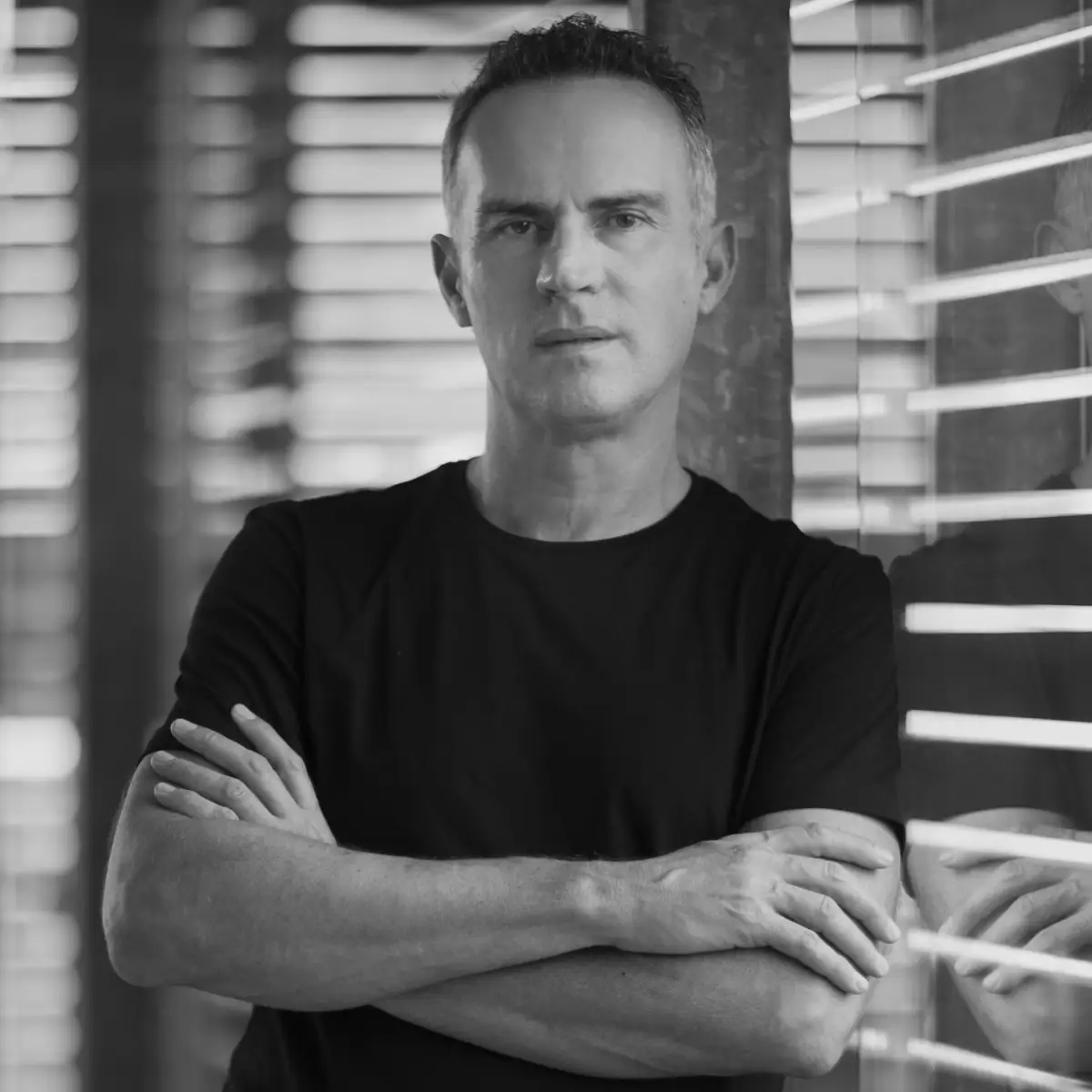
Aquidos: from collaboration to strategic alliance
Aquidos was founded in 1982 by two university friends specialising in single-family and multi-family housing. Between 2008 and 2012 four new partners joined: because of the crisis, succession took the form not of a family handover but of bringing in people who could ensure the practice’s continuity —“we didn’t want to stop”—. The lack of work led them to internationalise, and the new partners, who did not know each other and had never worked together, brought other specialisms and building types besides housing.
Having to work together without knowing each other led them to a methodology based on combining values and on diversity, which moved from collaboration to strategic alliance. In 2019 they reviewed who they are, accepting help from other perspectives, and defined their essence:
- Integrated diversity, in which everyone finds their place.
- Emotional comfort: feeling good.
- Enhancing natural processes according to one’s own resources.
- Constant learning and growth.
“We look differently, our architecture positions itself differently, it puts knowledge first”
— Núria Garcia, partner and director of Urban Planning at Aquidos
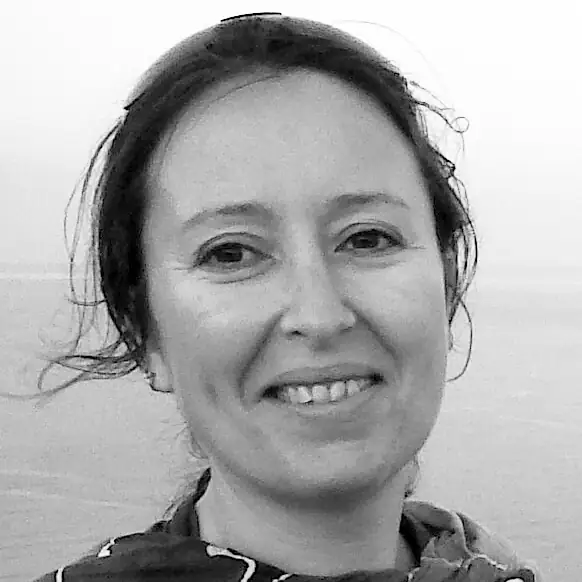
G4 Group: the client as the focus
G4 Group is known as a retail specialist, a specialisation that came about almost by chance: two clients who were happy with the shops the partners had designed for them stayed with them when they founded their own company. Another milestone was the commission for the Apple store in Barcelona, whose client later entrusted them with its refurbishment. Their organisation answers the question “what does the client want?”: a technical engineering department (2008), a renders department (2018) and a construction department.
Ernest Boronat acknowledged that Apple hired them when they had no marketing department, and that, despite having offices in Hong Kong (2001), Italy (2012) and Dubai, as well as partners in other countries, until then they had not worked on communication; today they are increasingly aware of its importance. Strategic plans arrived when the size of the structure led them to seek advice: “we are architects, we studied to be architects, and in many cases we have ended up being business people”.
“Opportunity is everywhere; you shouldn’t rule out any job, because it could be of great help in the future to keep our practices working”
— Ernest Boronat, founding partner of G4 Group
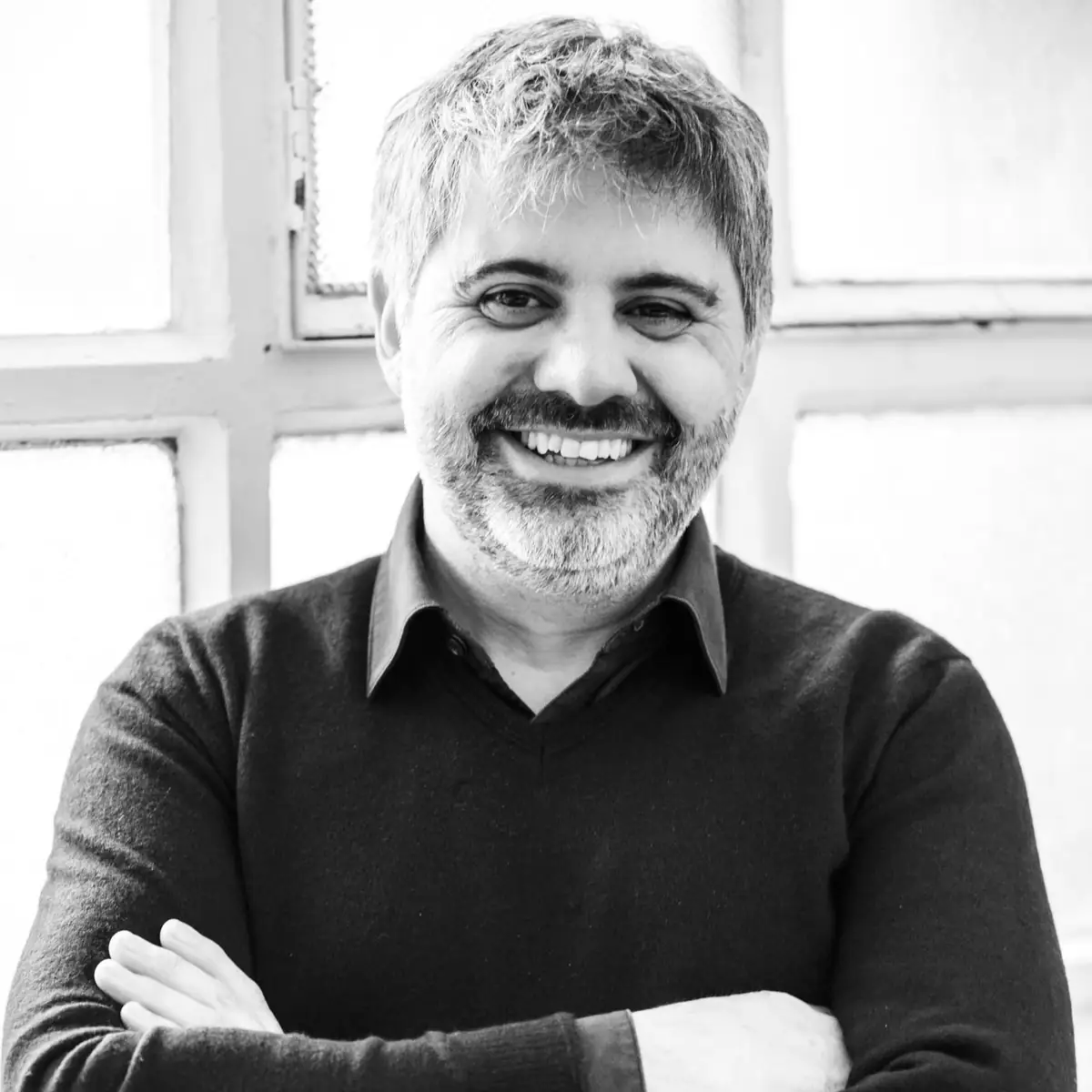
IDOM: selling a way of working
IDOM was founded in the Basque Country in 1957 as an engineering company and, as Joan Espinàs explained, at the time had more than 3,500 people, 750 of them partners in the cooperative. A milestone for its architecture was working with Frank Gehry on the Guggenheim in Bilbao, which meant creating a team of architects that worked. In recent years, a change of strategy was reflected in a rebrand that added architecture to the company’s description. With the 2008 crisis, when 80% of its turnover was domestic, it decided to export its services: first to “easy places” (Europe), then to places “where they understand us” (Latin America) and finally to other markets.
With more than 300 people in architecture and many offices, there is no single person setting the direction, so IDOM asked itself what it sells. The answer was a way of working. Its three offices in Spain (Bilbao, Barcelona and Madrid) are production hubs organised into seven business lines —Hospitality, Corporate, Health, Mixed use, Aviation, Sport and Transport—, so that any office in the world turns to the same specialists and references, with a cross-disciplinary Building Physics team (envelopes, façades, acoustics).
“A way of working, a methodology that allows me, anywhere in the world, to work in the same way and build a brand”
— Joan Espinàs, Director of Architecture at IDOM in Barcelona
LafargeHolcim: innovation and decarbonisation
The sponsoring company presented its strategy to the studios.
Eva Cunill, head of specification, presented LafargeHolcim as a multinational group present in more than 70 markets with four business segments: cement, concrete, aggregates, and solutions and products, including its range of mortars. According to the company, more than half of its R&D projects were devoted to greener solutions, focused on reducing CO₂ emissions from the product and its manufacture, with the aim of cutting them by 2030 by more than 20% compared with 2018 and 40% compared with 1990, and the goal of becoming a net zero company.
Among the new developments she mentioned were the forthcoming launch in Spain of ECOPact, its range of low-CO₂ concretes; the Libro Verde de Soluciones Constructivas (Green Book of Construction Solutions), which sets out how each product contributes to LEED and BREEAM certification; its involvement in studies on 3D-printed mortars; and Artevia Boreal, a decorative concrete paving with photoluminescent aggregate that captures light during the day and, according to the manufacturer, gives it back for more than 10 hours in the dark.
“In our laboratories, we are continually trying to design the best solution to suit the projects that you, the architects, have under way”
— Eva Cunill, head of specification at LafargeHolcim
The new paradigm: from workshop to company
Eleven changes we recommend the sector adopts.
As the common thread of the debate’s conclusions, and taking the session’s subtitle as a starting point, we formulated eleven new paradigms: where we come from and what we recommend in order to adapt to the new reality. The same themes came up again and again in the round table: company, structure, specialisation, the client as the focus, team, innovation, planning, diversification and internationalisation.
Company, brand and specialisation
As well as the design and site supervision department, the studio needs areas such as marketing, communication and public relations, finance or human resources, depending on its size, and needs to accept advice: architecture is no longer the work of a single author but a collective one. Innovation means producing projects that satisfy and even exceed the client’s expectations, because keeping a client is more effective than winning a new one. Being glocal means always designing under one’s own brand while adapting the design to the local market. And in a global market, with increasingly complex projects and small studios, “doing everything” is no longer credible: you have to specialise in what you do best and add “omni-specialism” —in-house methodologies, digital automation, health, sustainability—.
Client, data and team
It is no longer enough to wait to be discovered: you have to present yourself to the market, communicating your value proposition, your team and your projects through the right channels. Listening actively to clients and understanding their problems before presenting a project builds loyalty; you also have to know how to choose clients with compatible values and say no to avoid future conflict. Management should be based on data: objectives, profitability per project and client, meeting deadlines and budgets, incidents and client satisfaction. And collaborators, internal and external, are the greatest asset: appropriate contracts and pay, training plans, retention and internal communication.
Size, alliances and a proposal for the sector
To follow clients as they grow, a studio needs to be large enough to be managed as a company: growing organically, buying other practices or, if resources are lacking, through alliances with complementary studios that share values and strategy. Alliances, on the premise that all parties win, blur the boundaries with competitors, clients and collaborators. And to restore the prestige of architecture, we have to stop looking for someone to blame: a first idea that came up at the table was to invest in corporate communication for the sector, with each studio contributing part of its communication budget.
In short, the studios present have managed to move from creativity to innovation, from generalists to specialists, from reactive to proactive and from a local market to a global one: from being a workshop to being a company.
Summary video and graphic recording
The Best Practices Matter summary video offers a brief look at the business strategies that make it possible to build practices that evolve and transform themselves in order to keep contributing to architecture and to society.
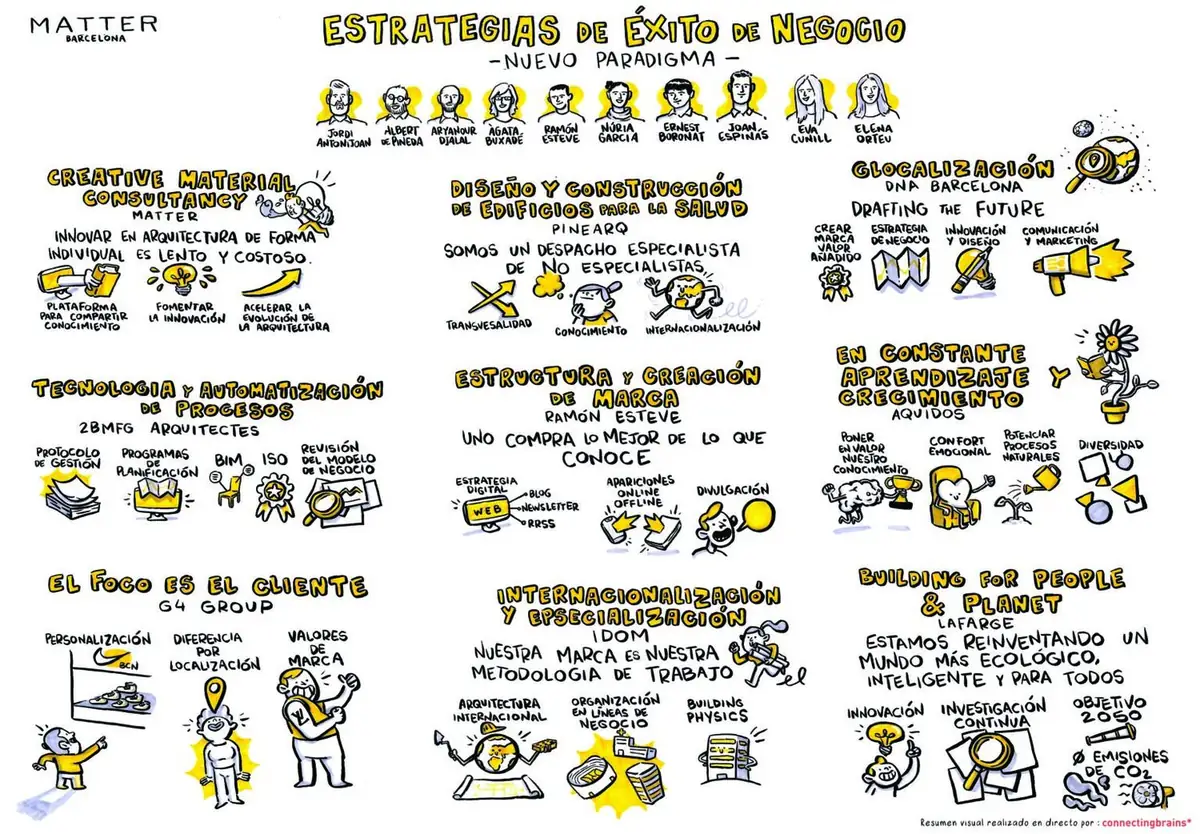
A picture is worth a thousand words: the graphic recording of the meeting sums up the key ideas of each talk on a single sheet.
Full document and sponsorship
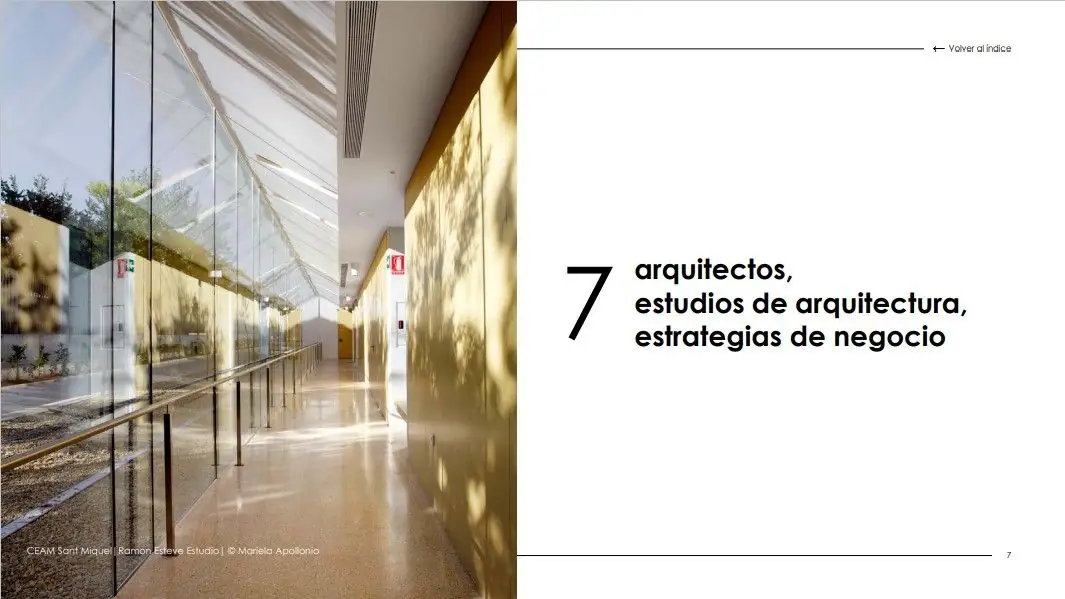
The downloadable document brings together each speaker’s main ideas, the conclusions and reflections from the debate, the graphic recording enlarged for each studio, and images of their projects.
This event was sponsored by LafargeHolcim, a company specialising in cement, concrete, aggregates and construction solutions, with a firm commitment to innovation and sustainability to “build a greener, smarter world that works for all”. The involvement of committed brands such as LafargeHolcim is what makes these meetings possible.

Epilogue: in May 2021, a few months after the meeting, the group’s shareholders approved changing its name from LafargeHolcim to Holcim.
Book your visit to Matter to discover our Materioteca and talk to our team about the materials and the approach for your next project.
Book a visit